Self-Healing Metallized Film Capacitor for PFC: How It Extends Equipment Lifespan
2026-06-26 17:43:51
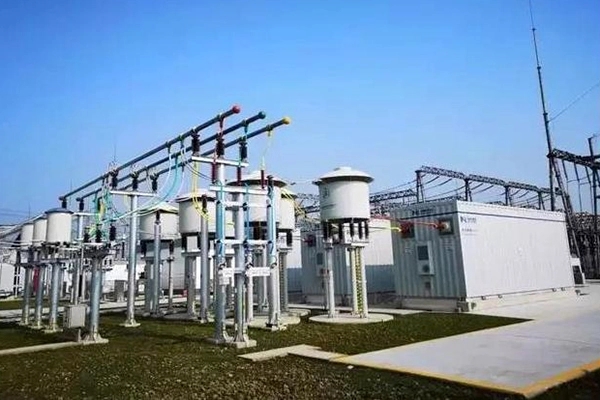
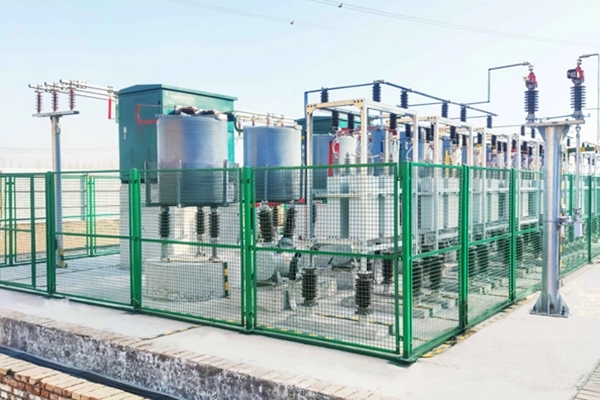
Power Factor Correction (PFC) systems need solid parts to keep working well, cut down on wasted energy, and keep sensitive electronics safe from electrical stress. Self-healing Metallized Film Capacitors are one of the most important parts because they can fix dielectric problems automatically, making sure the system keeps running even when conditions are tough. A Metallized Film Capacitor is different from regular electrolytic or ceramic capacitors because it has thin layers of metal that are formed in a vacuum and vaporize around fault zones. This keeps flaws isolated before they become major failures. This self-repair feature directly increases the life of equipment, cuts down on unplanned downtime, and saves industrial operators, power companies, and system designers across the United States a lot of money.
 |
 |
Understanding Self-Healing Metallized Film Capacitors
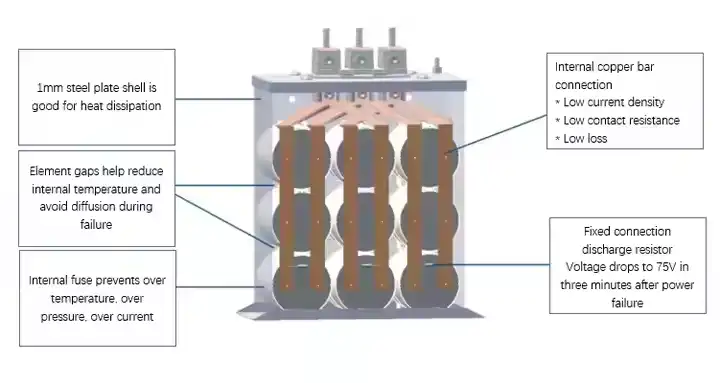
The structure of a Metallized Film Capacitor is a big step forward in the design of inactive components. There are two very thin layers of plastic (usually polypropylene or polyester) on top of which is an extremely thin layer of aluminum or zinc electrodes that are only 0.02 to 0.1 micrometers thick. When voltage spikes or internal flaws cause a localized breakdown of the dielectric, the arc energy quickly vaporizes the surrounding metallization, making an area that is not conductive. The capacitor rebounds in microseconds and keeps working normally without any help from a person.
Core Technical Specifications for PFC Applications
To choose the right capacitor, you need to pay attention to a number of important purchasing factors. Most industrial models have a capacitance error range of -5% to +10%. This range shows how closely the part meets the design standards. Temperature range is very important. Good units work regularly from -25°C to +50°C, which is good for yearly changes in buildings that aren't heated or outdoor substations. At 20°C and 50Hz, the dissipation factor (tan ε) should stay below 0.001, which means that very little energy is lost during operation. Voltage levels from 100V to 1000V cover a wide range of PFC system designs, and frequency compatibility at 50/60Hz makes it possible to use it anywhere in the world.
Why Construction Quality Impacts Long-Term Reliability
How long something lasts is directly related to how it was built. Corrosion doesn't happen in galvanized steel structures in damp places like seaside factories or water treatment plants. Installing and replacing modular terminal blocks (M6, M8, M10) is easier and costs less during repair windows because fewer people are needed. Keeping at least 50 mm of space between components keeps heat from building up, which speeds up capacitance shift over time. Units made for heights up to 2000 meters keep working well in mountain areas or high-up industrial buildings without losing any of their performance.
Challenges in PFC Systems and How Self-Healing Capacitors Solve Them
Reliability problems with traditional PFC systems keep happening, which has an effect on business uptime and repair funds. When temperatures get too high, the liquid in electrolytic capacitors evaporates, which causes them to lose their capacitance and eventually break. Ceramic capacitors are small, but their capacitance changes depending on the voltage and they can't handle ripple currents well. These restrictions make maintenance difficult for building managers who have to run production plans 24 hours a day, seven days a week.
Dielectric Breakdown and Premature Failure Patterns
There are three main ways that capacitor problems show up. Sudden dielectric puncture happens when voltage spikes are higher than what the part can handle. This creates lasting short circuits that trip safety devices and stop operations. Moisture getting into the system corrodes the internal wires, lowering the capacitance over time until the PFC system can't properly balance reactive power anymore. Corona discharge, which is partial breakdown at high field strengths, wears away dielectric material over time until it fails completely.
Quantifiable Benefits from Self-Healing Technology
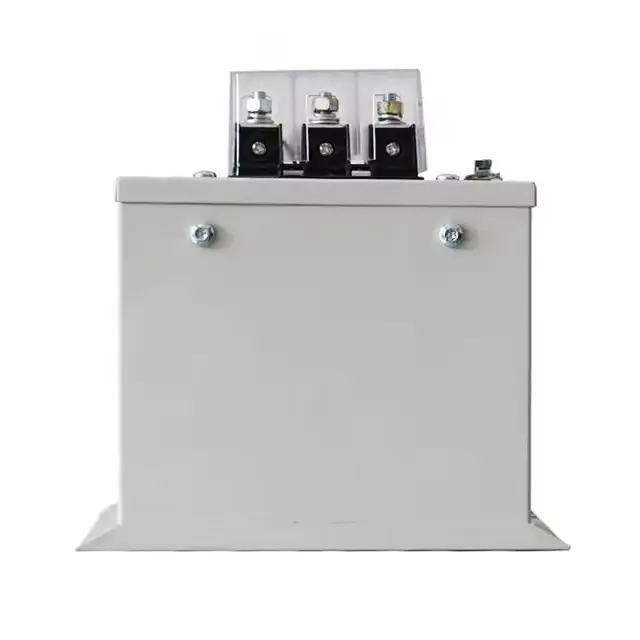
The 50KVAR Self-healing Capacitor for PFC (Power Factor Correction) - Square BKMJ shows how these types of failures are dealt with in current design. Its self-healing system takes care of localized problems automatically, so it can keep working at its recommended level even after several clearing events. In real life, equipment used in car assembly plants lasts longer than 100,000 hours, while standard electrolytics only last 20,000 to 30,000 hours. Maintenance checks are now done every three to five years instead of once a year, which saves money on labor and extra parts. Energy tests show that reactive power loss has been cut by almost 99%, which means that utility fees and demand charges have gone down in a measurable way.Data centers that run mission-critical computers say that this technology is especially useful to them. A Virginia regional financial services data center got rid of three unexpected outages over the course of two years by replacing old electrolytic banks with Metallized Film Capacitor units. The plant reported $127,000 in avoided downtime costs and an 8% drop in monthly energy costs due to a higher power factor from 0.82 to 0.98.
Comparing Self-Healing Metallized Film Capacitors with Alternative Capacitor Technologies
When procurement teams look at PFC parts, they have a number of technology choices, and each one has its own performance pros and cons. Knowing these differences helps you make smart choices that meet the needs of your operations.
Metallized Film vs. Electrolytic Capacitors
Electrolytic capacitors are good for setups with limited room because they have a high capacitance density in small packages. But their liquid solution can only work at very low temperatures (usually no more than 85°C), and as the temperature rises, the battery's life decreases rapidly. Metallized Film Capacitors work effectively at higher temperatures and can handle voltage changes without getting damaged permanently. The way they fail is very different: electrolytics fail as short circuits, which could damage equipment further down the line; film capacitors fail as open circuits, which lets the stop process go smoothly.
Metallized Film vs. Ceramic Capacitors
Ceramic capacitors work really well in high-frequency situations and have great bulk economy. However, their capacitance changes a lot with voltage—often dropping by 20 to 30 percent at rated voltage—which makes designing PFC circuits harder. Temperature effects add to the difference, so oversizing is needed to keep performance stable across all working ranges. Metallized Film Capacitors keep their capacitance fixed no matter the voltage or temperature as long as it stays within certain limits. This makes system calculations easier and makes sure that reactive power adjustment is always accurate.
Film-Foil vs. Metallized Film Construction
In traditional film-foil capacitors, vacuum-deposited layers are not used. Instead, separate metal foil sheets are used. Film-foil is great for snubber circuits and magnetic load switching because it can handle high pulse currents and dV/dt stress better than metallized designs. On the other hand, it is much bigger and heavier, and it can fail in a short circuit without being able to fix itself. Metallized Film Capacitors handle mild currents while being small and safe to use, making them ideal for steady-state PFC uses.
Procurement Considerations for Self-Healing Metallized Film Capacitors
Sourcing choices aren't just based on technical specs; they also take into account the skills of the provider, the speed of their operations, and the long-term support infrastructure. When you use strategic buying, you focus on the total cost of ownership instead of just the unit price.
Supplier Evaluation Criteria
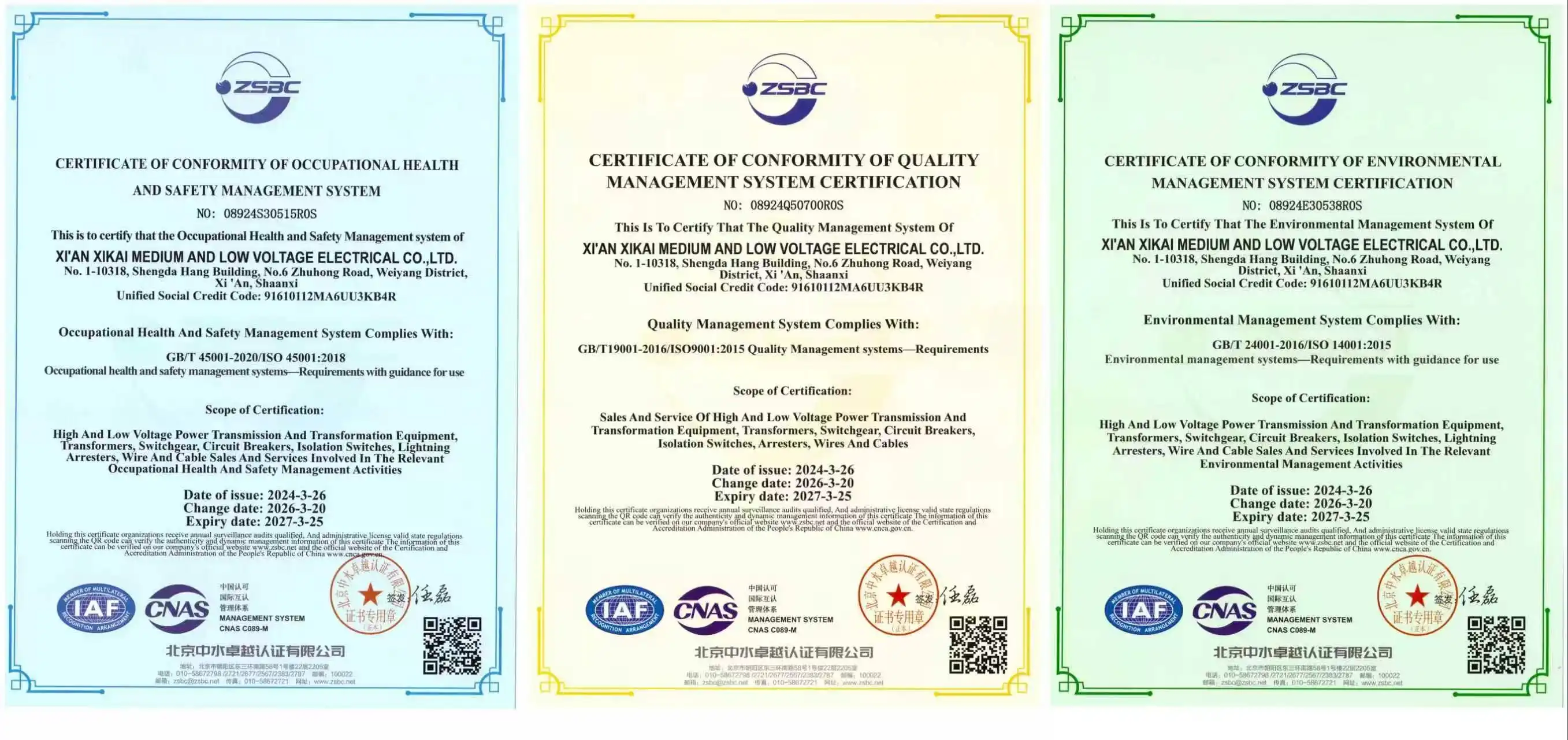
Recognized certificates from well-known makers show that their products are of high quality. ISO 9001 stands for strong quality control systems, and ISO 14001 stands for caring for the earth. Having ISO 45001 certification shows that you care about worker health and safety, which is important when you are looking at foreign sources. Production facilities should use strict testing methods, such as checking the dielectric strength, longevity under temperature cycling, and rapid life testing at the rated voltage.
Customization and Technical Support
The 50KVAR Self-healing Capacitor for PFC allows for flexible connections in D, Y, YN, and III configurations, so it can be used with a wide range of system designs without the need for special orders. Power outputs between 10 and 100 kVAR make them useful for a wide range of uses, from small industrial cells to utility substations. Terminal block choices (M6, M8, and M10) match current infrastructure, which makes it easier to replace old equipment.Quick technical help speeds up the project completion. Suppliers should give assembly guides, AutoCAD plans for putting together panels, and help with application engineering for harmonic analysis. Having access to field service agents speeds up the troubleshooting process during launching. The fact that the warranty terms expect the product to last 100,000 hours or more shows that the maker is confident in its trustworthiness.
Strategic Supplier Partnerships
Building ties with specific suppliers has benefits that go beyond just buying things. Preferred sellers give different pricing levels based on volume, contract stocking programs for big facilities, and priority placement when parts are in short supply. Joint product development meets specific needs, like higher temperature ranges for harsh locations or custom voltage rates for specialized equipment. Collaborative planning makes the supply chain more stable by lowering the need for backup stock and the costs that come with it.
Future Trends and Innovations in Self-Healing Metallized Film Capacitors for PFC
As technology changes, capacitor performance keeps getting better. This is because people want more power in a smaller package, better tracking of stability, and environmentally friendly products. To make sure that projects will work in the future, procurement strategies should plan for these changes.
Advanced Dielectric Materials and Metallization
Nanocomposite dielectrics research could lead to higher energy densities, which could cut the size of capacitors by 30–40% while keeping their voltage values the same. Nanoparticles added to these materials improve their dielectric strength and thermal conductivity. This lets them be used at higher temperatures without breaking down faster. Better metallization methods make the width of the electrodes more regular, which lowers the amount of stress that causes them to break.Zinc-aluminum alloy metallization has better self-healing properties than pure aluminum. It can fix problems more thoroughly and go through more self-healing processes before losing its effectiveness. This new technology helps setups that have to deal with voltage changes on a regular basis, like those that have big motor starting loads or grid-connected green energy systems that have generation fluctuations.
Integrated Condition Monitoring Capabilities
New designs have sensors built in that measure the temperature inside, the change in capacitance, and the change in dissipation factor all in real time. Through digital interfaces, these factors are sent to building tracking systems, which lets them use predictive repair strategies. Algorithms find capacitors that are close to failing before they actually do, so repairs can be scheduled for planned maintenance windows instead of having to be done when something breaks suddenly.Condition-based maintenance cuts down on the number of extra parts that need to be kept on hand, and data-driven replacement gets rid of the need to replace healthy parts just in case. Utility companies that are in charge of hundreds of capacitor banks in different substations can see everything from one place, which makes it easier to send out repair crews and cuts down on truck runs. When you switch from time-based to condition-based methods, maintenance costs usually drop by 20 to 35 percent while reliability ratings get better.
Sustainability and Circular Economy Considerations
Environmental laws are having a bigger effect on choosing components. The RoHS rule in the European Union limits the use of dangerous substances, and the REACH laws control how chemicals are used all along the supply chain. Due to the absence of liquid ions and harmful metals, Metallized Film Capacitors automatically meet these standards. Polypropylene dielectrics make it possible to recycle when they're no longer useful, which supports business green efforts and the ideas behind the circular economy.A longer lifespan directly lowers the environmental effect by cutting down on the number of replacements and the energy used to make them. Three capacitors with shorter lives that last the same amount of time use three times as much embodied carbon as a capacitor that lasts 15 to 20 years. In environmental effect evaluations, buildings that want to get LEED certification or reach their carbon neutrality goals list these benefits.
Conclusion
When compared to other technologies, self-healing Metallized Film Capacitors significantly increase the reliability of PFC systems by recovering from faults on their own, lasting longer, and being more electrically stable. The 50KVAR Self-healing Capacitor for PFC - Square BKMJ is a good example of these benefits because it is made of strong stainless steel, has a variety of connection options, and has been tested and shown to work well in a wide range of industrial settings. Procurement pros get measured value from lower maintenance costs, less unplanned downtime, and better power factor performance, which lowers energy costs. When choosing a supplier strategically, taking into account things like technical help and customization choices, you can lower your overall cost of ownership, which goes beyond the initial purchase price. Metallized Film Capacitors are the best option for PFC uses that require long-term dependability and operational efficiency due to recent advancements in dielectric materials and condition tracking.
FAQ
1. What factors most significantly influence capacitor lifespan in PFC systems?
The main factor that determines how long something lasts is its operating temperature. Each 10°C rise above the rated temperature cuts the projected service life in half because chemicals break down faster. Voltage stress is also important; continued operation above the maximum voltage stresses dielectric materials, which raises the chance of failure. Electrodes in units that aren't covered well corrode when exposed to humidity, which leads to a slow loss of capacitance. When overall harmonic distortion goes over 5%, harmonic currents cause more interior heating, which is especially noticeable. Keeping the temperature below 50°C, the power within its limits, and making sure there is enough air flow throughout the system will extend its life.
2. How do self-healing metallized film capacitors compare economically to electrolytic alternatives?
Metallized Film Capacitors usually cost 40–60% more to buy at first than electrolytic units. Total cost study, on the other hand, shows a different economy. Electrolytics only last between 20,000 and 30,000 hours, but metallic films last 100,000 hours or more, which means they don't need to be replaced as often. The cost of maintenance work goes down in a straight line. If the power factor goes up—often to 0.95-0.98 instead of 0.85-0.90 when the electrolytics are degraded—the monthly energy bills go down. Depending on energy rates and working hours, payback periods are usually between 18 and 36 months. After that, the system will continue to save money for as long as it is in use.
3. Can custom capacitor designs improve PFC system performance?
Customization solves problems in certain applications that normal goods can't fully fix. Custom voltage rates make the best use of dielectrics in non-standard system voltages, which reduces their physical size. When terminal configurations meet current infrastructure, adapter hardware is not needed, which makes retrofitting easier. With custom capacitance values, reactive power adjustment can be fine-tuned to meet exact power factor goals. Customizing the climate, like using better sealing in places with a lot of humidity or conformal coats in places where corrosion is common, can make things last longer in tough situations. Custom solutions usually only need small commitments in terms of volume, but they improve efficiency enough to support the higher costs.
Partner with Xi'an Xikai for Superior Metallized Film Capacitor Solutions
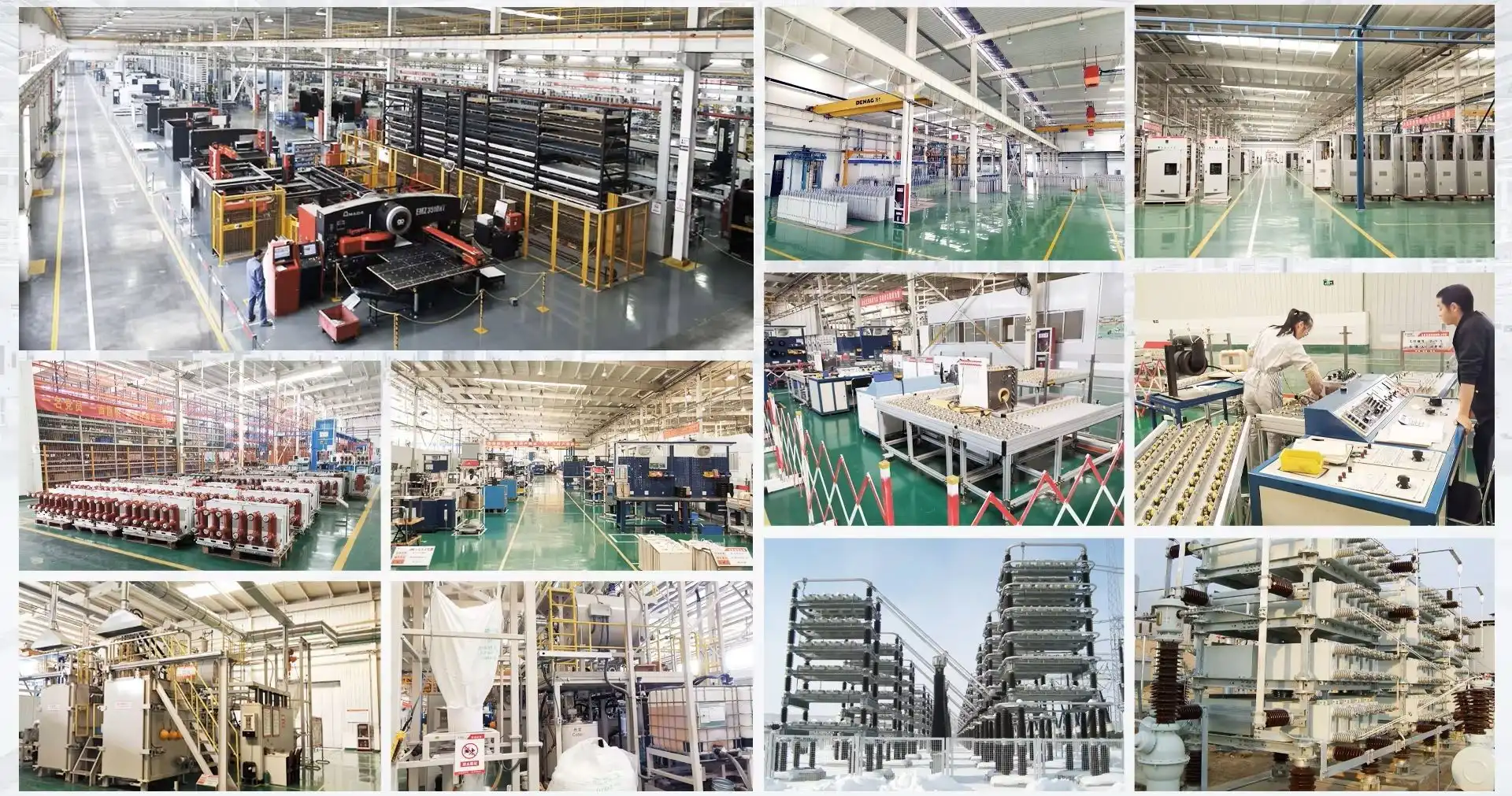
Xi'an Xikai Medium & Low Voltage Electric Co., Ltd. offers complete PFC solutions with high-tech self-healing Metallized Film Capacitors designed to make devices last as long as possible and work reliably. For decades, our expert team has worked on power distribution, integrating green energy, and improving the quality of power in industry settings. We offer unique designs that meet your exact voltage, capacitance, and environmental needs. Our manufacturing is ISO-certified, and we test all of our products thoroughly. You can talk to our buying experts about your project needs by emailing serina@xaxd-electric.com, amber@xaxd-electric.com, or luna@xaxd-electric.com. If you're looking for Metallized Film Capacitor parts for new setups or to fix up old systems, Xi'an Xikai has the best bulk prices, technical help during system integration, and quick service to make sure your success in tough industrial settings.
References
1. Chen, L., & Zhang, W. (2021). Advanced Materials for Power Capacitors: Self-Healing Mechanisms and Reliability Engineering. Electrical Engineering Press.
2. Industrial Power Quality Association. (2022). Power Factor Correction Best Practices for Manufacturing and Data Center Applications. IPQA Technical Report 2022-07.
3. Morrison, R., & Patterson, D. (2020). Capacitor Technology Handbook: Selection, Application, and Lifecycle Management. McGraw-Hill Professional.
4. National Electrical Manufacturers Association. (2023). NEMA CP1-2023: Shunt Power Capacitors Standards and Testing Protocols. NEMA Publications.
5. United States Department of Energy. (2022). Industrial Energy Efficiency: Power Factor Correction Systems and Reactive Power Management. DOE/EE-2022-Industrial-048.
6. Wang, H., Blaabjerg, F., & Zhou, D. (2021). "Comparative Reliability Analysis of Film Capacitor Technologies in Power Electronics Applications." IEEE Transactions on Power Electronics, 36(8), 8847-8862.