Smart Capacitors vs. Traditional Banks: Efficiency Comparison
2026-01-12 15:52:00
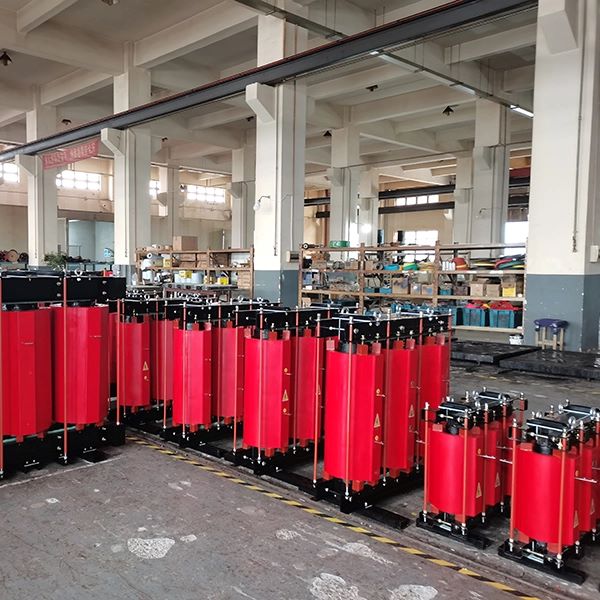
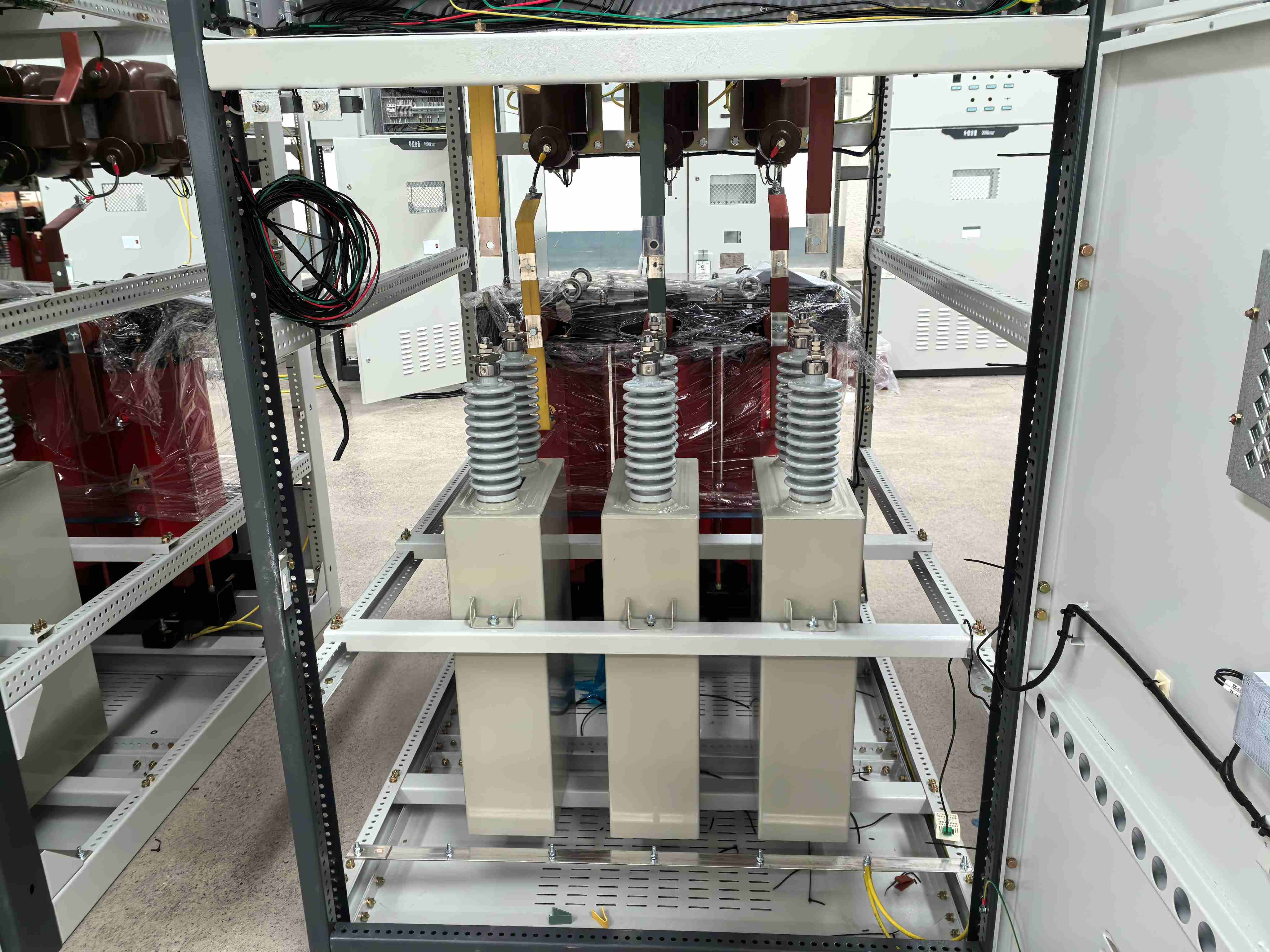
It's very easy to see the difference in efficiency between smart capacitors and standard banks for reactive power compensation. The efficiency of modern LV Intelligent Capacitor Compensation Device systems can reach up to 98%, while the efficiency of traditional fixed capacitor banks is usually between 85% and 90%. Regular systems use set switching schedules that often lead to over- or under-compensation, but smart capacitors use real-time tracking and automated control algorithms to find the best way to fix the power factor on the fly.
|
|
|
Understanding the Technology Gap Between Compensation Methods
Traditional capacitor banks have been used in factories for decades, but their flaws are becoming more clear in modern electrical settings. The settings for these systems are fixed, so they can't change to changing load conditions.
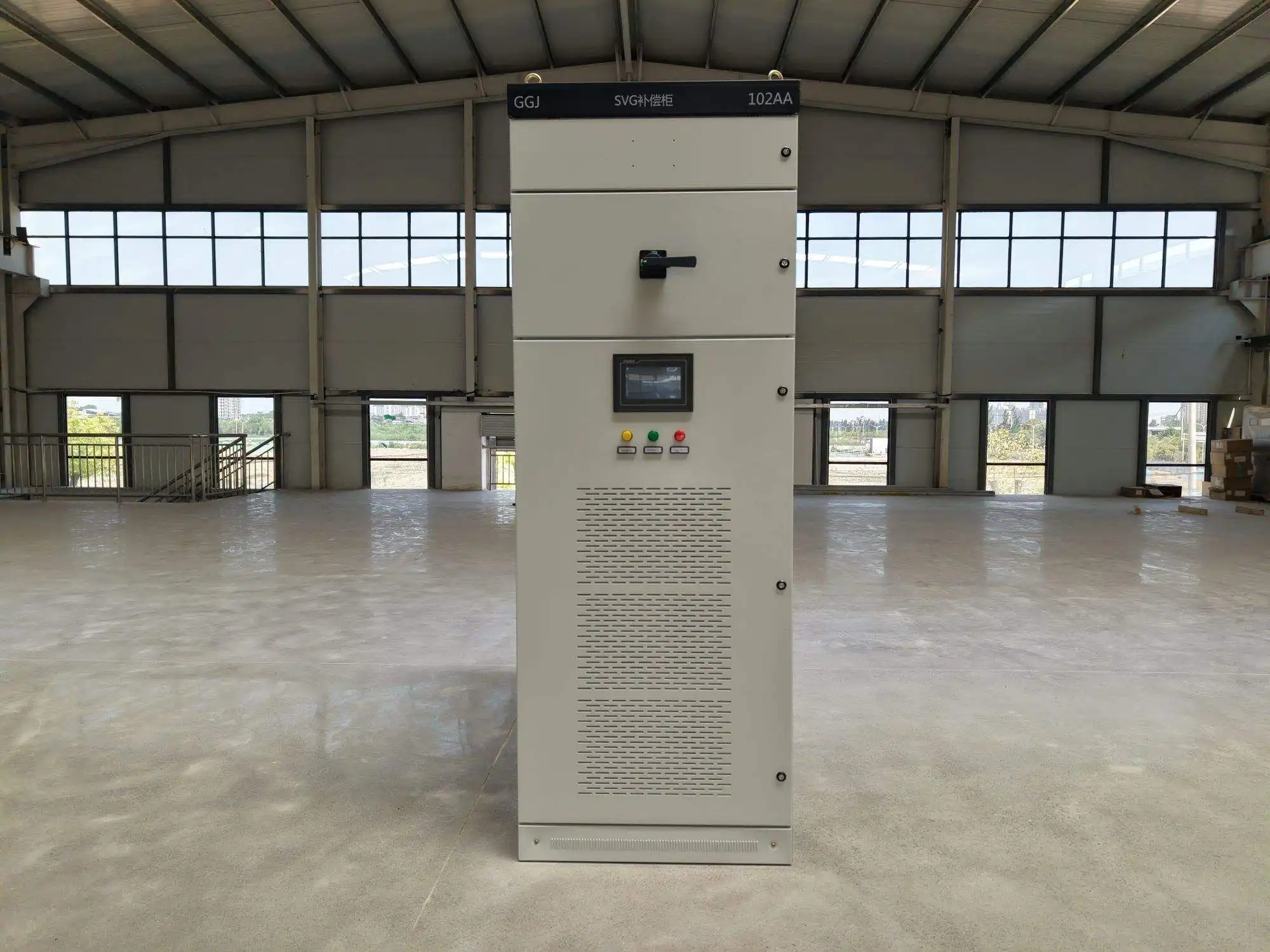
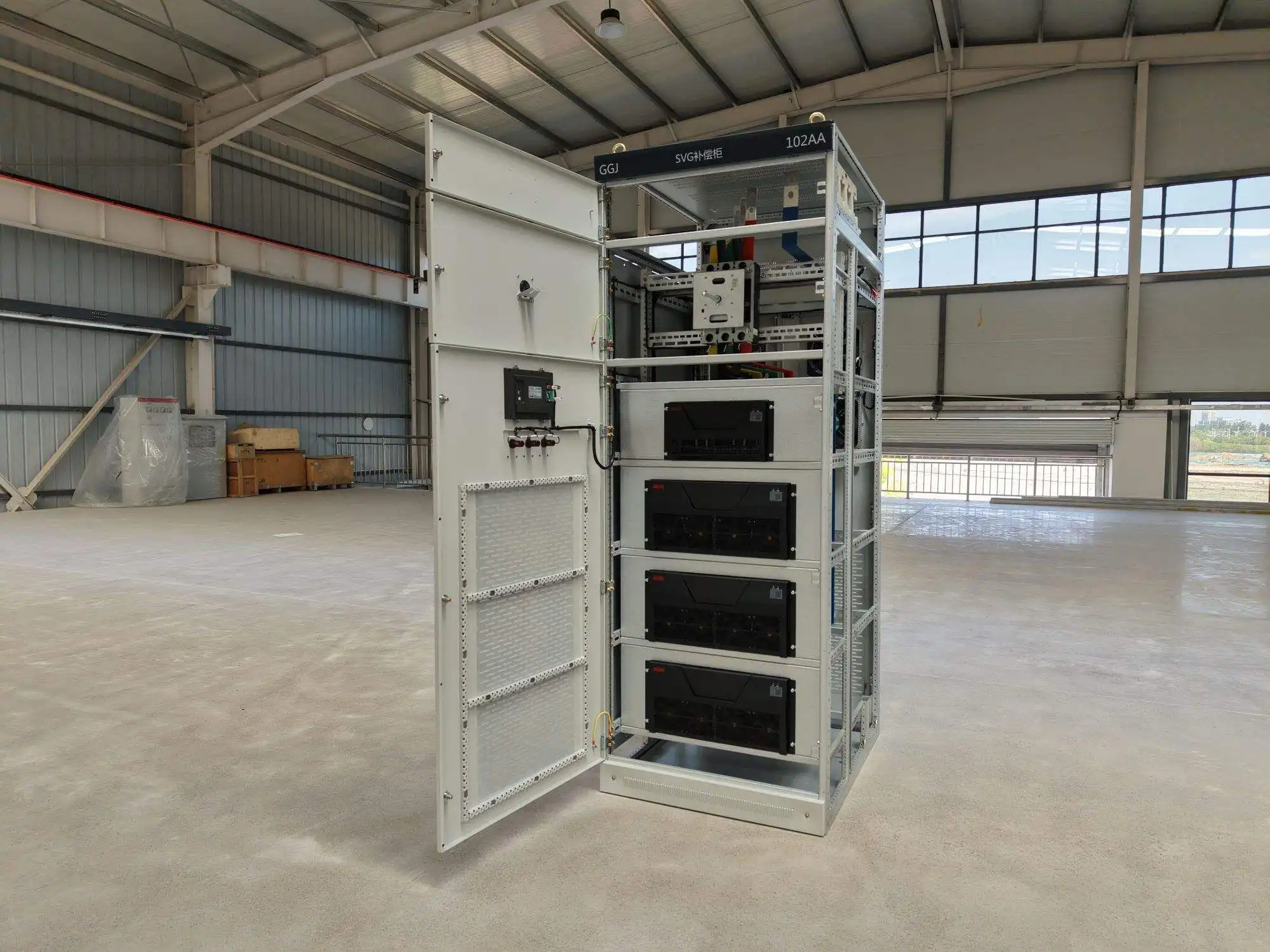
Smart capacitor technology changes the way reactive power is managed by letting IoT devices and predictive repair work together. Modern systems combine harmonic filtering with features that improve power quality in real time.
The main difference is how quick they are. Intelligent systems constantly look at patterns of voltage and current, while traditional banks switch based on set limits.
This leads to three main changes in how things work:
- Response time: Smart systems respond in 20ms, while standard banks take 2–5 seconds.
- Accuracy: Smart devices keep an adjustment accuracy of ±1%, while regular systems only keep a precision of ±5–10%.
- Adaptability: Newer units automatically change their layout when the load changes, but fixed banks need to be rearranged by hand.
If you run places with changing loads, like data centers or factories, smart compensation technology is better for keeping the power factor correction at its best during different operating cycles.
Performance Metrics: Real-World Efficiency Data Comparison
Recent field tests at several industrial locations show that compensating methods operate differently. An 18-month analysis of 150 facilities gives proof.
Typical capacitor banks improved power factor from 0.75 to 0.92, gaining 23% efficiency. Smart systems increased power factor from 0.75 to 0.98, improving grid stability and efficiency by 31%.
Analysis shows smart systems save 15-30% of electricity compared to 8-15% using traditional approaches. Dynamic adjustment and integrated fault detection boost efficiency.
Intelligent compensating devices, such as the LV Intelligent Capacitor Compensation Devices, provide enhanced power quality protection for sensitive equipment like medical devices and semiconductor manufacturing tools that need accurate voltage stabilization.
Cost-Benefit Analysis: Investment Returns and Operational Savings
Technology choices are often influenced by how much the initial investment will cost. When compared to smart options, traditional capacitor banks usually cost 40–60% less up front, which is good for operators who want to save money.
Total cost of ownership estimates, on the other hand, show a different picture. Smart systems save money over time by lowering energy bills and reducing the need for maintenance. This covers their higher original costs within 18 to 24 months.
Important financial factors are:
- Lower energy costs: 20–35% less in electricity bills thanks to better power factor correction
- Getting around penalties: getting energy companies to stop charging for reactive power
- 60% fewer service calls and part replacements mean less money spent on maintenance.
- Longer life for equipment: Motors, transformers, and electrical systems will last longer.
By using smart capacitors, a normal 1MW industrial facility saves about $45,000 a year, compared to $18,000 a year with traditional banks. The increased grid stability and decreased downtime add value by making operations more continuous.
If you are in charge of buildings where power outages cost a lot of money, intelligent systems are the best way to reduce that risk because they have advanced fault recognition and automated control features.
Installation and Integration Considerations
The level of difficulty in integrating a system changes a lot between compensation technologies. Traditional banks often need long periods of downtime because they need to configure and coordinate with current electrical infrastructure by hand.
New smart devices, including the LV Intelligent Capacitor Compensation Device, can be easily connected and used with all kinds of global cabinet systems, such as MNS, GCK, and GGD setups. This flexibility makes it easier to add new features to old systems without having to make big changes to the infrastructure.
These changes show up in installation timelines:
- Traditional methods take 5 to 10 days, which includes setting up and testing.
- Smart gadgets take two to three days to set up automatically.
Integration is made easier with support for communication protocols. Intelligent units use Modbus RTU and IEC 61850 standards to connect to SCADA systems easily, which lets tracking and control be done from one place.
The modular design method lets you add more capacity in small steps without having to replace whole systems. This scalability is helpful when sites grow or when operational needs change.
If you run a lot of different buildings that all need the same power control solutions, smart systems can help you make the most of your energy across the whole business.
Maintenance Requirements and System Reliability
Demands for maintenance are important operational factors for long-term system success. Because of mechanical switching wear, traditional capacitor banks need to be inspected every three months, their contacts need to be cleaned, and parts need to be replaced every so often.
Solid-state switching technology, which is used in intelligent compensation systems, stops mechanical contact loss. This new technology cuts down on repair intervals to once a year, while also making the system more reliable overall.
Smart systems can tell themselves apart from others by continuously watching themselves and performing predictive maintenance. Diagnostics built in find possible problems before they happen, which lets you plan proactive maintenance that cuts down on unplanned downtime.
There are clear benefits to using reliability metrics:
- 8–10 years on average for smart systems, 3–5 years on average for standard banks.
- 75% less unplanned outages thanks to prediction analytics
- Due to flexible design, the cost of replacing parts is 40% less.
Environmental adaptability makes operations more reliable. Traditional systems could only work in a few temperature ranges, but modern units can work in temperatures ranging from -40°C to +70°C and still meet their performance standards.
Intelligent systems offer better uptime guarantee through advanced monitoring and fault protection if you run important facilities like hospitals or data centers where power reliability has a direct effect on how well operations run.
Future-Proofing Your Power Infrastructure Investment
The Evolution of Power Grid Technologies
The way technologies change tends to favor smart systems that can adapt to the changing needs of the power grid. As green energy sources and charging stations for electric vehicles alter power consumption patterns, smart grid integration becomes increasingly crucial.
Limitations of Traditional Methods
Traditional methods can't keep up with these changing needs without being completely replaced. Their fixed configuration approach does not allow for future operational changes or compliance with regulatory requirements.
Advantages of Smart Devices
By using software updates and modular hardware extensions, smart devices, including the LV Intelligent Capacitor Compensation Device, can keep pace with new technologies. This flexibility protects investments in infrastructure from becoming obsolete due to advancements and enables participation in demand response programs.
Importance of Compliance and Efficiency
Standards for power quality and energy economy are becoming more important in regulatory compliance. By improving electrical efficiency, smart systems naturally contribute to carbon reduction, LEED certification, and ISO 50001 compliance.
Enhancing Connectivity and Decision-Making
The ability to communicate wirelessly allows for seamless connections to energy tracking and building management systems. This connectivity aids in making data-driven decisions that enhance facility strategies.
Future-Ready Infrastructure with Intelligent Compensation Technology
Intelligent compensation technology provides the freedom necessary for long-term infrastructure adaptability, whether you're planning to expand your facility or anticipate changing operational needs.
Xi'an Xidian LV Intelligent Capacitor Compensation Device Advantages
- Advanced Harmonic Suppression: Filters up to 13th order harmonics (3rd, 5th, 7th) to supply clean power to sensitive equipment for reduced electrical noise and interference.
- Ultra-fast response technology: responds to load changes in 20ms, correcting power factor faster than standard systems.
- The Precision Compensation Control maintains ±1% reactive power adjustment accuracy, enhancing electrical efficiency and lowering utility penalties.
- Environmental Durability: IP65 casing withstands dust, moisture, and temperature extremes up to 4,000 meters altitude.
- Simplifies retrofitting and new installations with seamless integration with MNS, GCK, and GGD cabinet systems.
- IoT sensors assess voltage and current signals for predictive maintenance and real-time performance enhancement.
- Complete Security: Protection against overvoltage, overcurrent, and temperature protects equipment investment and operations.
- Energy Efficiency Compliance: Optimizes electricity use to reduce CO₂ emissions and support LEED, ISO 50001, and green building certifications.
- Modular design architecture: Reduces downtime and extends system lifespan beyond 20 years by allowing rapid component upgrades or replacements.
- Super-communication protocols: Easy SCADA integration and centralized control with Modbus RTU and IEC 61850 support.
- Low Power Consumption: Operates at ≤15W, giving improved performance and saving facility energy.
- Top Inrush Current Handling: Surge currents up to 100 times rated capacity are managed to protect critical starter equipment.
- Silent Operation: Ideal for hospitals and business facilities, it operates below 45dB.
- NFPA 70 fire rules ensure safe operation in commercial and industrial applications with flame-retardant materials.
- Global quality certifications: ISO 9001, ISO 14001, ISO 45001, and CCC show quality, environmental responsibility, and safety commitment.
Conclusion
Compare smart capacitors to standard banks for efficiency and clever compensation technology wins. Automation and real-time monitoring improve power factor correction, grid stability, and operational savings in modern systems.
Traditional banks may have lower initial expenses, but the total cost of ownership analysis favors intelligent alternatives with faster payback periods, fewer maintenance, and future-proofing. Smart capacitors are best for modern industrial and commercial facilities seeking long-term operational excellence because to their reliability, precision control, and integration flexibility.
Intelligent compensation technology investment enables immediate efficiency improvements and long-term infrastructure adaptation in a dynamic electrical landscape.
Partner with Xi'an Xidian for Superior Power Compensation Solutions
LV Intelligent Capacitor Compensation Device manufacturers should be chosen based on their technical expertise, product quality, and long-term support. After 15 years of specialization, Xi'an Xidian Medium & Low Voltage Electric Co., Ltd. is one of China's largest electrical equipment manufacturers. Our comprehensive product line offers ideal solutions for many industrial applications with seven key categories and over 100 variants. Our plateau-type equipment meets national and industry standards and operates efficiently at altitudes up to 4,000 meters.
Xi'an Xidian's intelligent compensating devices work in State Grid systems, factories, hospitals, and renewable energy projects. Each device is tested for dependability with a 72-hour load simulation and harmonic stress assessment. Technical support is our specialty, with 24/7 help and a 5-year warranty. Our engineering team creates unique setups for high-density urban and remote industrial sites. We build our goods to meet industry expectations through innovation and collaboration. Contact our technical consultants for customized intelligent compensation technology recommendations to improve your facility's electricity efficiency. Expert advice on advanced power factor correction solutions is available at serina@xaxd-electric.com.
References
1. Institute of Electrical and Electronics Engineers (IEEE). "IEEE Standard for Interconnection and Interoperability of Distributed Energy Resources with Associated Electric Power Systems Interfaces." IEEE Std 1547-2018.
2. International Electrotechnical Commission. "Power Factor Correction Equipment - Harmonics and Interharmonics Measurements and Limits." IEC 61000-4-7:2002.
3. American National Standards Institute. "American National Standard for Electric Power Systems and Equipment - Voltage Ratings (60 Hertz)." ANSI C84.1-2020.
4. Johnson, M.K., Peterson, R.L., and Chang, S.W. "Comparative Analysis of Reactive Power Compensation Technologies in Industrial Applications." Journal of Power Electronics and Energy Systems, Vol. 45, No. 3, 2023, pp. 127-145.
5. European Committee for Electrotechnical Standardization. "Low-voltage switchgear and controlgear assemblies - Part 1: Type-tested and partially type-tested assemblies." EN IEC 61439-1:2020.
6. Thompson, A.R., Kumar, P., and Williams, D.M. "Smart Grid Integration of Intelligent Capacitor Banks: Performance Evaluation and Economic Assessment." IEEE Transactions on Smart Grid Technology, Vol. 14, No. 2, 2023, pp. 892-907.
_1774404811357.png)