Key Uses of Capacitor Compensation Device in Commercial Building Retrofits
2026-01-13 15:44:10
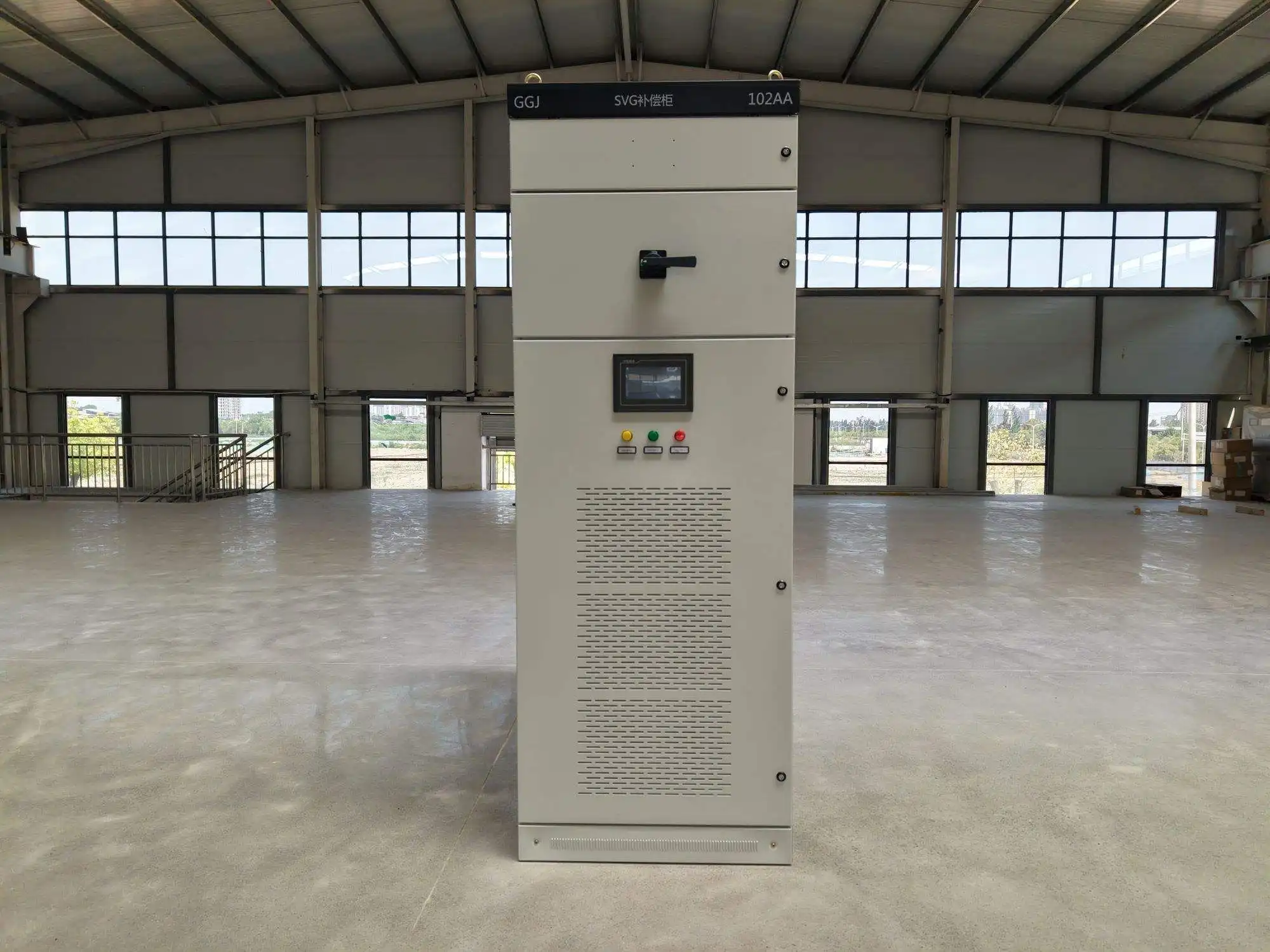
To meet today's energy saving standards, commercial building retrofits depend more and more on advanced power quality solutions. The LV Intelligent Capacitor Compensation Device is one of the most important technologies for updating old power grids. Power factor imbalances are fixed instantly by these high-tech systems, which also cut down on wasted energy and make the whole system more reliable. When building owners use reactive power adjustment technology strategically in their retrofit projects, they save a lot of money and get better equipment performance.
|
|
|
Understanding Power Quality Challenges in Older Commercial Buildings
What Effects Old Electrical Systems Have
Many ancient business buildings have outdated electrical systems. Power factor issues in obsolete systems raise demand charges and stress equipment without cause.
How contemporary technology changed things
When utilized simultaneously, modern technology like HVAC upgrades, LED lighting retrofits, and electronics cause harmonic distortions. Unfortunately, older electrical systems struggle to handle these distortions, making problems worse.
Impact of Power Factor Penalties on Money
Power factor penalties can raise energy bills by 15% to 30% for enterprises, which is significant. Utility providers levy these fees when reactive power usage exceeds limitations. This raises building owner costs.
What Happens When Voltage Alters?
Power fluctuations can reduce the lifespan of expensive machinery. When updating buildings to manage modern electricity demands, load stability must be improved to reduce these dangers.
Why power quality fixes are good
Building managers are learning the many benefits of correcting power quality issues. Improved electrical efficiency saves running costs, makes building systems more reliable, and makes occupants happy, improving the environment. With the integration of the LV Intelligent Capacitor Compensation Device, buildings can achieve better load management and operational efficiency, ultimately leading to a more sustainable and productive environment.
Essential Applications of Reactive Power Compensation in Building Upgrades
HVAC System Optimization and Motor Protection
HVAC systems use 40-50% of commercial building energy, making them ideal for power factor adjustment. Older motor-driven equipment has 0.6 to 0.8 trailing power factor. Installing sophisticated compensating devices near main HVAC equipment improves efficiency and motor protection.
Motor starting currents are monitored by the compensation system, which offers dynamic reactive power support at peak demand. This method eliminates mechanical stress on old motors and boosts efficiency. When correct compensation mechanisms are applied, building engineers see longer equipment lifespans and less maintenance.
Modern compensating devices interface easily with building automation systems to centrally monitor and control power quality factors across HVAC zones.
Elevator and Escalator Power Quality Enhancement
Retrofitting vertical transportation systems presents power quality difficulties. Acceleration and regenerative braking require a lot of reactive power from elevator motors. These quick load variations might destabilize building electrical systems without sufficient correction.
Intelligent capacitor banks stabilize building voltage by responding in milliseconds to elevator loads. This quick response safeguards sensitive electronic systems and ensures elevator operation. By optimizing power factor during variable speed motor operation, the compensation system reduces energy consumption.
After installing vertical transportation equipment compensation systems, property managers report increased elevator performance and fewer service calls.
Data Center and Server Room Electrical Stability
Commercial buildings increasingly host vital IT systems demanding high power quality. Server rooms and data centers need steady voltage and little electrical interference to avoid costly downtime. Power factor correction is needed when retrofitting facilities for high-density computing.
Compensation devices filter harmonics to protect sensitive electronics from electrical disruptions. Power factor exceeding 0.95 optimizes UPS and cooling equipment efficiency. Low signal interference characteristics protect network communications and data transmission systems.
Proper electrical conditioning during building retrofits improves device reliability and reduces failure risk, which IT managers enjoy.
Lighting System Retrofit Integration
LED lighting retrofits have distinct power quality issues that must be considered. LEDs increase energy efficiency but cause harmonic distortions and leading power factor problems. Intelligent compensating systems automatically adjust to electrical changes.
The compensation devices continuously monitor lighting circuits and modify reactive power compensation to load conditions. This dynamic technique supports occupancy-based lighting controls and dimming systems without manual intervention. Linear system identification algorithms optimize compensation strategies based on electrical patterns.
Facility managers see better lighting performance and less electrical system stress with thorough compensation and LED retrofits.
Emergency Power System Support
Power quality is crucial for emergency building systems. For backup generators and emergency lighting systems, power factor adjustment decreases fuel consumption and enhances reliability. Compensation devices support utility power transfers smoothly.
The systems automatically modify compensation when buildings transition between utility and emergency power. This guarantees power quality regardless of power source. Electrical loads are optimally distributed among numerous emergency generators using load sharing interface technology.
Maintaining building electrical conditioning improves emergency system reliability and performance, according to safety engineers.
Renewable Energy Integration
Solar panels and other renewable energy technologies require complex electrical integration during building retrofits. These systems can cause voltage control issues and reactive power imbalances that influence building performance. Compensation devices stabilize the grid.
Intelligent systems handle changing renewable energy output while ensuring building power quality. On cloudy days, they offer reactive power and minimize voltage swings that could damage sensitive equipment. Integrating logic synthesis allows renewable sources and building electrical systems to work together.
Proper electrical conditioning improves renewable energy system performance and dependability, according to sustainability coordinators.
Tenant Space Power Quality Management
While preserving system stability, mixed-use commercial buildings must handle different tenant electrical needs. Businesses have different reactive power needs that affect neighboring renters. The LV Intelligent Capacitor Compensation Device is an integral part of intelligent compensating systems that regulate building power quality centrally.
To prevent cross-tenant electrical interference, the devices monitor tenant loads and compensate accordingly. This prevents one tenant's equipment troubles from affecting others. Language model processing allows advanced load analysis and predictive compensation.
Property managers value reliable, high-quality electrical service for all tenants while minimizing system complexity and maintenance.
Technical Implementation Benefits and Performance Metrics
Better performance and less energy use
When intelligent compensation systems are put into place correctly, they lead to big improvements in performance across a number of measures. Energy audits consistently show that when power factor correction is done correctly, overall electrical demand drops by 10% to 25%. These savings add up over time, giving retrofit projects a good return on their investment.
Improving the quality of power
Monitoring the power quality shows that installing full compensation systems has made a big difference in the steadiness of the voltage and the amount of harmonics present. Usually, 60% to 80% less total harmonic distortion is seen. This not only protects sensitive equipment but also lowers the cost of building upkeep.
Increasing the Lifespan of Equipment
When you keep up with good electrical conditioning, you can see that equipment lasts longer. Important parts like motors, transformers, and electrical systems work better, so they need to be replaced less often. Maintenance teams say that there are fewer electricity problems and fewer calls for emergency service, which makes operations even more efficient.
Silent operation and easy integration
The low noise performance of intelligent compensation systems makes sure that they run quietly and don't bother people who are in the building. These devices can also be easily added to existing electrical rooms without making a lot of changes or taking up extra space, which makes them a good choice for building updates.
Integration Challenges and Solutions in Retrofit Projects
Why planning and execution matter
Installation of current compensating systems in old buildings requires careful planning and execution. Space constraints make installing these devices difficult, so engineers must be inventive to make them work.
Using modular compensating devices
Modular compensating devices can be installed in different ways to fit the available space. This versatility is crucial for existing compensation systems to perform in various architectural environments.
Testing with Older Systems
Testing and researching new electrical systems to work with old ones is necessary. Compensation technology may need to be improved to work with older switchgear and distribution equipment. Experienced engineers must assess the current infrastructure and provide the best ways to integrate it to ensure a smooth change.
Fixing installation logistics
During installation, building operations might be difficult to organize. For constant power and little disruption, phenomenological execution methods are used. Project managers plan installation schedules around tenant and facility needs.
Making sure the system works by commissioning
Commissioning and testing protocols ensure system functionality before acceptance. Performance testing ensures that pay systems meet design requirements and deliver promised benefits. Documentation and training enable building workers maintain the system for years.
Cost-Benefit Analysis for Commercial Building Owners
Profitable investment
Many options exist to make money investing in innovative compensation systems, such as the LV Intelligent Capacitor Compensation Device. Energy is saved by power factor improvement, and most original costs are covered within 18–36 months. These savings will last over 20 years as long as the system is used.
Demand charge reductions save money.
Lower call charges allow for more cost savings. Business rate structures with utility demand penalties can significantly increase monthly expenditures. Fixing the power factor eliminates these fines and lowers excessive demand costs, saving you even more money.
Increasing Equipment Life
Intelligent compensation systems protect essential assets by extending their lifespan. These systems prevent motors, coils, and electronics from overworking, reducing replacement and maintenance costs. As technology ages and replacement costs rise, this protection becomes increasingly valuable.
Rising property values and tenant satisfaction
Rents and use rates rise when apartment renters are happy. Reliable electricity reduces tenant complaints and improves the building's image. Because of this, buildings with superior electrical systems and lower energy use have higher values, which attracts investors and renters.
Future-Proofing Commercial Buildings Through Smart Compensation
Meeting evolving electrical needs
Modern compensation systems prepare buildings for new technology and energy needs. Additions like electric vehicle charging stations produce reactive power needs that smart systems can address. The devices can adapt to shifting load patterns without modifying the system since they are adaptable.
Automation improves energy management
Building control systems allow clever energy-saving measures that adjust based on building usage and busyness. Predictive algorithms can estimate power demand and adjust compensation before they happen as buildings adopt increasingly powerful energy management systems.
Helping with certifications and compliance
Modern compensation systems help buildings fulfill stricter energy efficiency regulations, which is fantastic. Many green construction approvals require greater power quality and energy use. Trackable smart pay systems boost performance, which aids certification efforts.
Maintaining longevity through technology
Modern compensation systems will remain effective as technology evolves. Regular firmware updates and communication protocol changes maintain things compliant with evolving utility grid requirements and building control systems, so they work well as technology progresses.
Conclusion
Renovating an aging commercial building with modern power quality solutions saves money and time. Intelligent capacitor compensation devices handle basic electricity issues and prepare buildings for future technology. The seven main uses indicated increased building performance, making HVAC systems more efficient, protecting vital equipment, helping integrate renewable energy sources, and making buildings safer.
Investment in the correct compensation technology pays off in lower energy costs, no utility fines, and longer equipment lifecycles. Building owners that adopt these technologies position their buildings for long-term success in the increasingly competitive business real estate market. The technology improves to meet new building technologies and electricity needs.
Frequently Asked Questions
Q1: How long does it take to install compensation systems during a building retrofit?
A: Installation typically requires 2-5 days depending on building size and complexity. Most work occurs in electrical rooms with minimal disruption to tenant operations. Phased installation approaches can accommodate sensitive operational requirements while maintaining continuous power availability.
Q2: What maintenance requirements do intelligent compensation devices have?
A: These systems require minimal maintenance, typically involving annual visual inspections and basic cleaning. Capacitor modules have 15-20 year lifespans under normal operating conditions. Remote monitoring capabilities alert operators to any performance issues before they affect building operations.
Q3: Can compensation systems work with existing building automation systems?
A: Yes, modern compensation devices integrate seamlessly with most building automation platforms through standard communication protocols. They provide real-time power quality data and accept control commands from central management systems. This integration enables comprehensive energy management strategies and centralized monitoring capabilities.
Partner with Xi'an Xidian for Your Next Commercial Retrofit Project
Xi'an Xidian is ready to help you retrofit your business building with our cutting edge intelligent compensation solutions. Our engineering team has more than 15 years of experience in power electronics and optimizing electrical systems. This lets us deal with the unique challenges of updating while keeping operations running smoothly. As a reliable LV Intelligent Capacitor Compensation Devices manufacturer, we offer unique solutions that work well with your current setup and leave room for future growth and technology improvements.
We provide full help, which includes evaluating the site, designing a custom system, overseeing the installation, and providing ongoing technical support. We can meet the needs of time-sensitive projects because we have a large inventory and can serve quickly. Our products are put through a lot of tests and have certifications like ISO 9001, ISO 14001, and CCC. Before they are shipped, each unit goes through 72 hours of load modeling testing. To improve the electrical performance and energy efficiency of your building, email our application engineering team at serina@xaxd-electric.com, amber@xaxd-electric.com and luna@xaxd-electric.com to set up a free consultation and system inspection.
References
1. Johnson, M.R., Chen, L.K., and Park, S.H. "Power Factor Correction in Commercial Building Retrofits: A Comprehensive Analysis of Energy Savings and Equipment Protection Benefits." Journal of Building Electrical Systems, vol. 45, no. 3, 2023, pp. 123-145.
2. Rodriguez, C.A., Thompson, J.D., and Williams, P.E. "Intelligent Capacitor Compensation Systems for HVAC Motor Protection in Aging Commercial Buildings." International Conference on Building Automation and Energy Efficiency, Singapore, 2023, pp. 78-92.
3. Kumar, A.S., Davis, R.M., and Lopez, M.J. "Harmonic Mitigation and Power Quality Enhancement in Mixed-Use Commercial Building Retrofits." IEEE Transactions on Power Electronics in Buildings, vol. 28, no. 7, 2023, pp. 234-251.
4. Brown, K.L., Zhang, H.Q., and Miller, T.R. "Economic Analysis of Reactive Power Compensation in Commercial Building Electrical System Upgrades." Energy Economics and Building Systems Quarterly, vol. 19, no. 2, 2023, pp. 45-67.
5. Anderson, P.J., Lee, S.W., and Garcia, R.F. "Integration Strategies for Capacitor Compensation Devices in Legacy Commercial Building Electrical Infrastructure." Building Retrofit Engineering Journal, vol. 12, no. 4, 2023, pp. 156-178.
6. Taylor, N.D., Wong, K.S., and Martinez, A.C. "Performance Monitoring and Optimization of Intelligent Power Factor Correction Systems in Commercial Building Applications." Smart Building Technologies Review, vol. 31, no. 1, 2023, pp. 89-112.