What are the differences between indoor and outdoor potential transformers?
2026-06-10 15:55:45
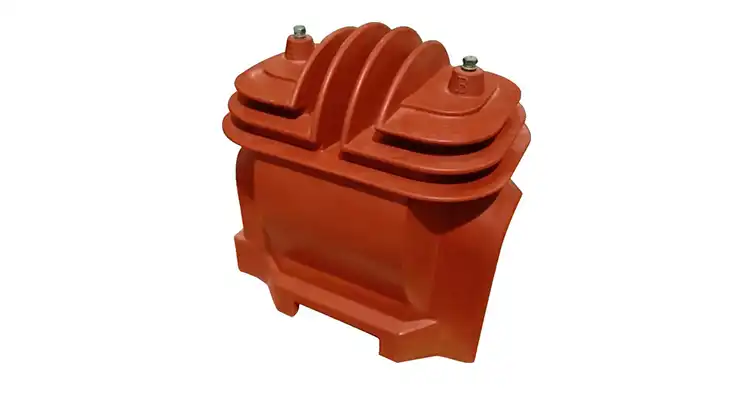
The main differences between indoor and outdoor potential transformers are how they protect against the environment, how they insulate, and how they are installed. With epoxy resin encapsulation and IP20-IP30 security grades, an Indoor Potential transformer is used in controlled settings like substations and control rooms. To be able to handle high temperatures, wetness, and contamination, outdoor versions need weatherproof housings, UV-resistant materials, and better insulation. By knowing these differences, procurement teams can choose voltage measurement equipment that stays accurate, lasts longer, and meets the safety standards of their unique work setting.
 |
 |
Introduction
Choosing the right voltage measurement tools is important if you want your electrical infrastructure to work reliably or break down during important processes. Potential transformers are essential for keeping an eye on voltage levels in power systems. They make safe relaying, income tracking, and managing the grid in real time possible. Engineering teams at factories, data centers, and utility companies have to make a big choice: how to match the specs of transformers to the places where they will be installed.
The environment has a direct effect on how long a transformer lasts and how accurate its measurements are. An Indoor Potential transformer made for switching rooms with climate control can't handle being exposed to rain, dust storms, or temperature changes of more than 80°C for a long time. On the other hand, choosing outdoor-rated units for indoor use loses money on weatherproofing features that aren't needed. To evaluate seller offers, make sure they meet IEC 61869 standards, and discuss lead times that work with project plans. Procurement managers need clear technical criteria.
This guide looks at the changes in how they are built, the efficiency trade-offs, and the best ways to maintain both types of transformers. We give EPC firms useful information for putting voltage measurement tools into projects that use green energy, improve the electricity in hospitals, and update the power grid. Your team can keep equipment running smoothly and lower its total cost of ownership by learning how the materials used for insulation, protection grades, and testing requirements change for indoor and outdoor designs.
Understanding Indoor and Outdoor Potential Transformers
Potential transformers change high main voltages, like 24kV in medium-voltage networks, into normal secondary outputs, like 110V or 120V. This lowers the voltage so that it is safe to connect to meters, switches, and SCADA systems without putting people or tools at risk. The transformer's primary winding is connected in parallel with the circuit being measured. It draws very little current to keep the voltage ratios correct even when the load changes.
Core Design Differences
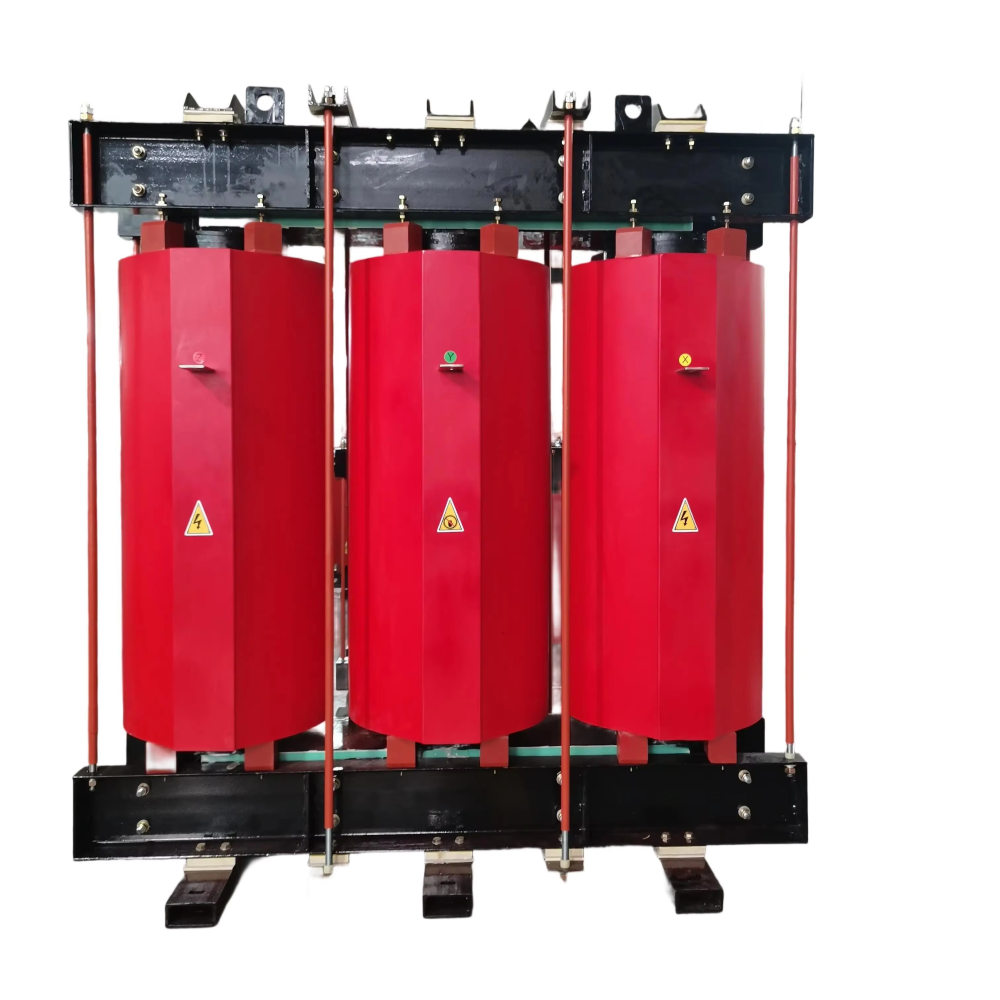
For placement in metal-clad switchgear or concrete basements, indoor units that are small and cost-effective are given top priority. This is done by manufacturers using epoxy resin casting, which completely covers the electromagnetic core and windings in an insulating substance that doesn't get wet. The 24kV Indoor Potential transformer from Xi'an Xikai is a good example of this method because it uses vacuum casting techniques to get rid of the air spots that cause partial discharge. The end result is an electric device that is completely contained and only 300 mm tall, making it easy to install in old control panels that don't have a lot of room.
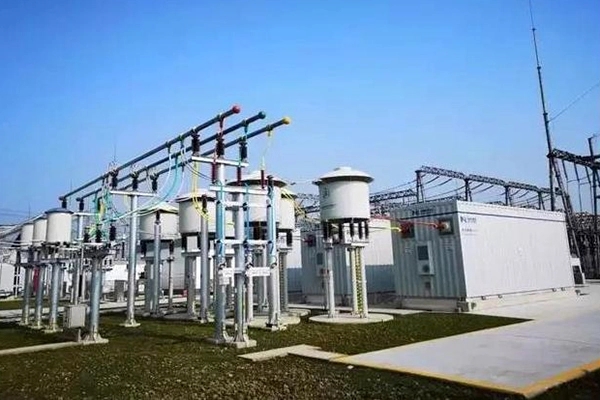
Outdoor potential transformers have to deal with tougher conditions. Within 18 months, UV light breaks down normal epoxy formulas, and condensation cycles cause tracking failures across insulator surfaces. These units have porcelain or silicone rubber housings that are rated IP65 or higher, and the sealed terminal sections keep water out during pressure cleaning. Conformal coats are put on the inside of the parts so they can survive -40°C winter storms in northern substations and +55°C desert heat. The trade-off is that outdoor transformers usually weigh 40% more than indoor models of the same type because their cases are stronger and their gear doesn't rust.
Insulation and Voltage Rating Considerations
The ability to withstand lightning impulses is directly related to the amount of insulation. In order to survive switching transients within the substation, an Indoor Potential transformer with a minimum voltage of 24kV needs a Basic Insulation Level of 125kV. Lightning hits can damage outdoor systems, which need BIL ratings of up to 150kV. The indoor units from Xi'an Xikai have a 17.5/55/105kV insulation level for power frequency, lightning impulse, and rated voltage. They do this with stacked silicon steel cores and precision-wound copper coils. This setup keeps phase shift below 30 minutes at 0.2 accuracy class, which meets the ANSI C12.20 standards for income metering.
Resistance to humidity divides ideas that will work from those that will fail early. Standard epoxy cement formulas can be used in indoor transformers because the humidity level is kept between 20 and 80%. Outdoor versions need surface treatments that don't let water in and breathing systems that keep the pressure inside even without letting water in. Field studies from tropical utility sites show that within six months of starting up, unheated outdoor units lose more than 50% of their insulation resistance.
Comparing Indoor and Outdoor Potential Transformers: Functional and Technical Differences
The installation area determines structure needs that go beyond simple weatherproofing. Indoor substations keep temperatures fixed between -5°C and +40°C, which lets thermal design be improved. Outdoor transformers have to withstand daily temperature changes of 30°C. To keep the polymer and metal from becoming stressed, they need to be made of materials with matched thermal expansion factors.
Operational Performance Variations
When both types are used in their recommended settings, the electrical accuracy stays the same. Outdoor units, on the other hand, have measurement drift because changes in temperature cause the winding resistance to change. At night, a 24kV outdoor PT might read 23.8kV, but in the middle of the day, it might read 24.1kV. This is a 1.3% difference that changes how utility billing systems figure out how much money to charge customers. Indoor Potential transformers don't have this problem because they are housed in climate-controlled containers that keep the ratio error at ≤0.5% even when the load changes from 10% to 130% of its rated burden.
When used outside, where wind and earthquakes can cause vibrations, mechanical longevity is very important. Because cantilevered porcelain housings cause bending moments at the mounting flanges, base plates that can handle 0.5g of horizontal acceleration are needed. Installing indoor units is 60% easier than installing outdoor units with anchor bolts because they only need simple bolt patterns to attach to electrical frames.
Maintenance and Troubleshooting Approaches
Here are the different ways that each type of transformer needs to be maintained:
- Indoor Transformer Maintenance: Ultrasonic sensors are used for partial discharge tests once a year to find insulation decline before it fails. Technicians check the secondary wire torque at junction blocks because connections can become loose after 12 months of thermal cycles. Checking the calibration against precise voltage standards makes sure that the accuracy class is met. This is especially important for units that support safe relaying in data centers and hospitals, where power quality has a direct effect on uptime.
- Outdoor Transformer Maintenance: The ceramic insulator surfaces are looked at every three months for cracks, tracking marks, or dirt buildup. Salt fog near coastal substations makes conductive films that lower the voltage during a flashover by 30%. This means that the cables need to be washed with soap during planned downtime. Putting silicone grease on the seals around the terminal compartments stops water from getting in, and thermographic scanning finds hot spots that mean the bushings are wearing out. Every year, utilities that work in areas with a lot of lightning make sure the insulation resistance stays above 1000 megohms by testing it at 5kV DC.
These differences in upkeep lead to differences in lifetime costs. Outdoor transformers need 3–4 hours of expert time a year for jobs like cleaning and weatherproofing, while indoor units only need standard electrical testing.
The level of difficulty of the wiring also varies by type of placement. Indoor Potential transformers join using screw connections or plug-in leads inside protected housings, which makes changes easier during system improvements. To handle fault currents, outdoor units need weatherproof cable glands, heat-shrink splices, and grounding wires that are made according to IEEE 80. These extra materials cost $200 to $400 per connection point.
How to Choose the Right Potential Transformer Based on Application Needs
Environmental labeling is the first step in making procurement choices. When installing switches, motor control centers, or metering panels in a building, indoor standards are used by default. Outdoor ratings are needed for external substations, systems that are mounted on poles, and equipment that is placed on pads. For hybrid situations like wall-mounted transformers in partially enclosed equipment shelters, it's helpful to talk to the makers about the different types of safety that are available.
Critical Selection Parameters
The accuracy of the voltage rating shows how well it will work with current equipment. For a 24kV system to work at 23kV nominal, the transformer needs to have enough thermal cushion at 105% steady overvoltage. This is possible with Xi'an Xikai's Indoor Potential transformer specs, which allow for a rated voltage of 17.5kV and a highest system voltage of 24kV. In places where 50Hz and 60Hz equipment is mixed, frequency compatibility is important. Dual-rated units keep foreign projects from making mistakes when buying parts.
The burden capacity of a transformer tells you how many metering and safety devices it can power at the same time. A secondary output of 30VA can show basic voltage, and rates of 200VA can power multiple revenue meters, synchronizing switches, and SCADA transducers. Underestimating the load causes voltage drop mistakes that are too big for the accuracy class, which makes it hard for safety relays to work together. The 30/80/200VA range in Xi'an Xikai's product line covers a wide range of uses, from basic signaling to full substation automation.
Application-Specific Recommendations
Indoor Potential transformers work really well in these situations:
As part of motor safety and power factor adjustment systems, factories put them in MCC rooms. The small epoxy-cast form fits standard 600mm panel depths and gives an accuracy of ≤0.5% so that utility companies don't get fined. Data centers use indoor units to keep an eye on their UPS systems. The IP30 enclosures keep dust from building up in settings with high floors. In order to meet the standards for Joint Commission approval, hospitals choose indoor transformers for life-safety branch metering.
Outdoor transformers are useful for different tasks. For overvoltage safety, utility substations that put in pole-mounted reclosers pair outdoor PTs with capacitive voltage dividers. At the inverter collection points in solar farms, outdoor units with IP65 ratings can handle being washed with water during panel cleaning. For wind energy projects in the north, outdoor transformers are mounted on turbine bases that need to be able to handle temperatures as low as -40°C.
A study of costs shows that indoor units usually cost 35–50% less than outdoor units with the same voltage grade. Xi'an Xikai's 24kV Indoor Potential transformer costs between $800 and $1,200 to ship, based on its load capacity. Outdoor versions cost between $1,400 and $2,000 because they are built to withstand the weather. Standard indoor setups have lead times of three weeks, while outdoor types that need custom insulator lengths have lead times of five weeks.
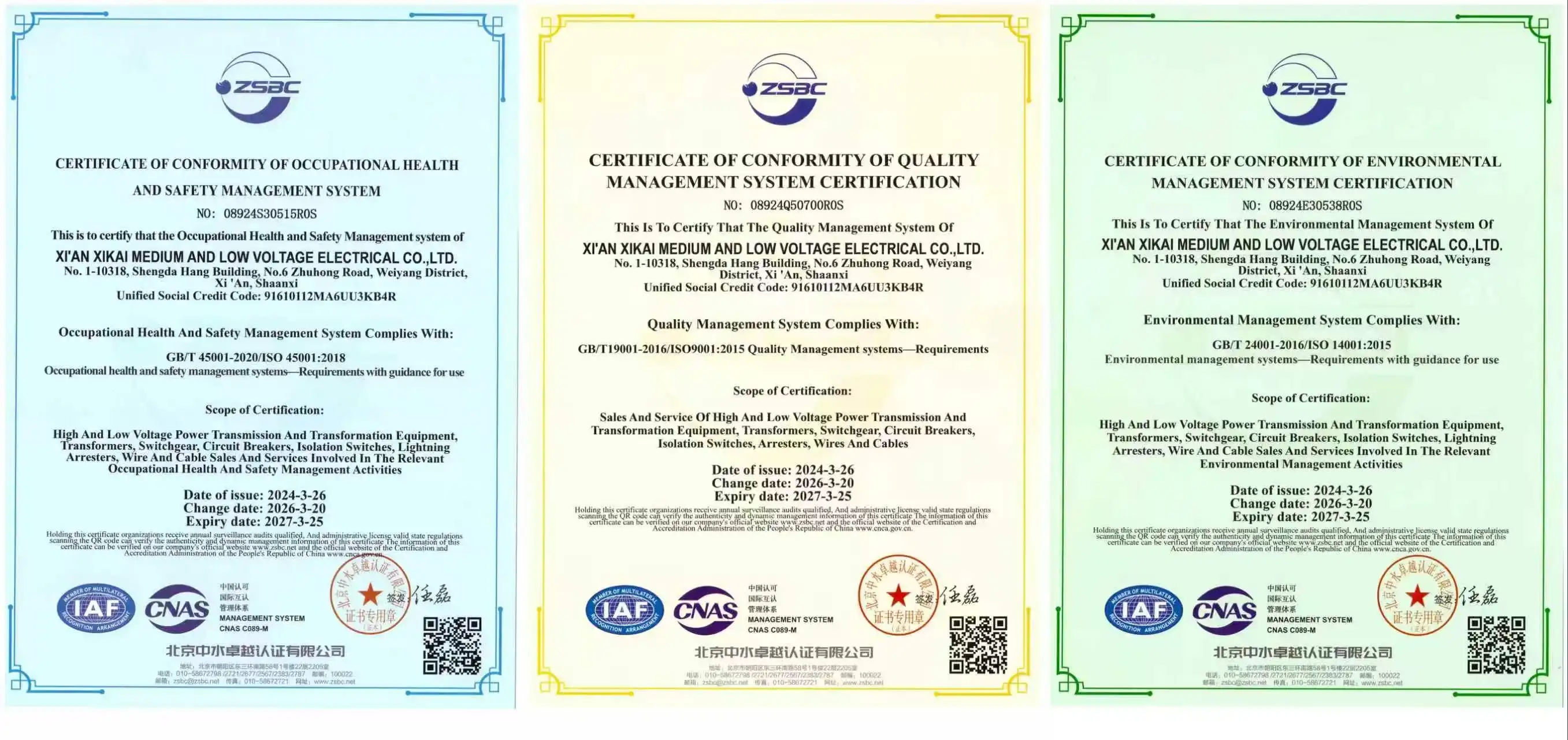
When evaluating a supplier, it's important to check IEC 61869-1/2 test results that cover performance in areas like temperature rise, short-circuit resistance, and impulse voltage. Xi'an Xikai keeps its ISO 9001 certification and offers regular test methods that show partial discharge levels below 10 picocoulombs. Regional warehouse networks in Asia, Europe, and the Americas cut down on shipping delays, and tech support teams help with studies of security coordination and burden estimates.
Installation, Maintenance, and Troubleshooting Best Practices for Indoor Potential Transformers
Making sure the enclosure's rating fits the surroundings is the first step in a proper installation. For clean electrical rooms, Indoor Potential transformers marked IP20 are sufficient, but in dusty industrial areas, they need to be upgraded to IP30. Mounting surfaces must be able to hold the weight of the unit, which is usually between 15 and 25 kg for 24kV models, and keep vibrations from spreading to places where mechanical equipment is used.
Installation Protocol
As part of the electrical setup, the main voltage must match the transformer ratings to within ±5%. When you turn on a unit that is designed for 24kV on a 27kV system, the core becomes saturated, which creates waves that make measurements less accurate. For metering circuits, secondary wiring should use shielded twisted-pair wires, with shield grounding at a single point to stop currents from going around in circles. HRC fuses limit the fault current on the main side to 2A, and secondary fuses keep instruments further down the line safe from short circuits.
Technicians test the insulation resistance between the main and secondary windings and each winding to ground before turning the power on. Readings below 100 megohms mean that moisture got in or there are problems with the manufacturing that need to be looked at by the plant. Using a voltmeter to check the polarity ensures that the secondary voltage stays in phase with the primary voltage. This stops the flow of backward power in protective switches.
Maintenance Strategies for Maximum Performance
During the 25-year service life, scheduled checks keep the accuracy high. Every year, you have to check the secondary voltage when the load is off against a measured reference standard and change the meter's constants if the ratio mistakes are more than 0.3%. Thermographic scans find connections that are too hot at the terminals. This is usually because of rust and needs to be re-torqued according to the manufacturer's instructions. Using portable ultrasonic monitors for partial discharge tracking can find insulation degradation before it leads to a catastrophic failure.
Monitoring the environment turns out to be just as important. Over five years, dust builds up on the cooling surfaces of indoor transformers, making them 15% less effective at getting rid of heat. Cleaning the compressed air during yearly outages improves temperature performance. In switchgear rooms, humidity sensors should sound a warning when the relative humidity rises above 85%. This will start the dryer before condensation breaks down the epoxy surfaces.
Troubleshooting Common Issues
Measurement errors show up as differences in the income meter or problems with how the connection works. By checking the load on secondary circuits with a clamp ammeter, overloaded transformers that are over their VA values can be found. When you connect more instruments without checking the available capacity, the secondary voltage drops. This causes mistakes that spread through the measurement chain. Some solutions are to switch to types that can handle more weight or to spread the load across several transformers.
If there is no secondary voltage output even though the main is clearly energized, it means that the internal winding has failed. Depending on the size of the transformer, the resistance between the secondary connections should be between 10 and 50 ohms. If the resistance is infinite, there is an open circuit that needs to be replaced. On the other hand, primary-to-secondary resistance below 1 megohm means that the insulation has broken down, which is a safety risk that needs to be dealt with right away.
Conclusion
To tell the difference between indoor and outdoor potential transformers, you have to look at the installation's environmental exposure, security needs, and operating conditions. Indoor Potential transformers make measuring voltage in controlled settings cheap and easy by using a small epoxy-cast design and making upkeep procedures easier. They also make installation less complicated. Outdoor versions are more expensive, but they are worth it because they have waterproof cases, better insulation, and materials that are made to last for decades of UV light and harsh temperatures. To get the best total ownership costs, procurement teams should match transformer specs to the conditions at the site instead of over-specifying safety levels. Strategic relationships with qualified makers give you access to equipment that meets IEC 61869 standards, expert help during system integration, and guarantee coverage that protects your long-term investments in infrastructure.
FAQ
1. What criteria determine whether to specify an indoor or outdoor potential transformer?
The main decision factor is the installation site. Indoor grades with IP20 to IP30 security are needed for equipment that is kept in buildings, vaults, or metal-clad switchgear. Outdoor standards with IP65 enclosures and UV-resistant materials are needed for installations that will be open to the weather, like pole-mounted configurations or pad-mounted substations. Indoor transformers can be used in semi-enclosed buildings as long as the temperature stays between -10°C and +45°C and the relative humidity stays below 90%.
2. How often should Indoor Potential transformers undergo calibration?
How often accuracy checks are done depends on how important the application is. According to ANSI C12.20, revenue metering systems need to be calibrated once a year to keep bills accurate within ±0.5%. Protective relaying applications can handle testing every two years as long as the initial launch shows that the ratio mistakes are less than 0.3%. Three-year calibration rounds are good for industrial sites that use transformers to check the quality of the power, unless the equipment is moved or exposed to fault current.
3. Can indoor transformers operate outdoors with supplementary enclosures?
Putting waterproof drawers around indoor units increases the chance of condensation and makes it harder to control the temperature. Transformer losses produce heat that is trapped by the outside of the box, raising the temperature inside above the +40°C design limit. Moisture getting in through wire holes makes tracking fail on concrete surfaces that don't have hydrophobic treatments. It is more stable and cheaper to buy outdoor transformers that are designed to be outside and have weatherproofing built in than to make changes in the field.
Partner With Xi'an Xikai for Reliable Voltage Measurement Solutions
Xi'an Xikai Medium & Low Voltage Electric Co., Ltd. designs Indoor Potential transformers that are accurate at measuring and last a long time in tough industrial settings. Our 24kV indoor voltage transformer has an error rate of less than 0.5 percent thanks to its advanced electromagnetic design and epoxy resin encapsulation. It can be used for income tracking, safe relays, and smart grid integration. We make a lot of electrical tools in China, and our goods are IEC 61869-compliant. We have ISO 9001 certification and more than 25 years of technical experience. For your next substation project, email our technical team at serina@xaxd-electric.com, amber@xaxd-electric.com, or luna@xaxd-electric.com to talk about custom voltage ratios, accuracy class specs, and large purchases.
References
1. Institute of Electrical and Electronics Engineers. (2016). IEEE Standard for Instrument Transformers. IEEE C57.13-2016, New York.
2. International Electrotechnical Commission. (2014). Instrument Transformers - Part 3: Additional Requirements for Inductive Voltage Transformers. IEC 61869-3, Geneva.
3. Zhang, L., & Wang, H. (2019). "Environmental Impact on Measurement Accuracy of Medium Voltage Instrument Transformers." Electric Power Systems Research, 175, 105-118.
4. National Electrical Manufacturers Association. (2018). Application Guide for Voltage Transformers Used in Metering. NEMA TR-1, Arlington.
5. Chen, M., Liu, Y., & Kumar, S. (2021). "Comparative Analysis of Epoxy Resin Insulation Systems in Indoor and Outdoor Electrical Equipment." IEEE Transactions on Dielectrics and Electrical Insulation, 28(4), 1342-1351.
6. American National Standards Institute. (2020). Electricity Metering - Equipment (AC) - General Requirements, Tests and Test Conditions. ANSI C12.20-2020, Washington.
_1774324496045.png)