The Importance of Analyzing the Low Voltage Reactor Market
2026-04-13 16:38:59
A Low Voltage Reactor is a special kind of inductive part that is linked in series with capacitor banks in systems that fix power factor. To make it work, you have to carefully tune an LC circuit so that the system's resonant frequency is lower than the lowest significant harmonic frequencies in the electrical network. By putting up this high-impedance wall at harmonic frequencies while letting fundamental frequency currents flow freely, the device stops destructive resonance between capacitors and grid inductance. This keeps important equipment from overheating and breaking down too soon.
Understanding Low Voltage Reactors: Fundamentals and Market Landscape
What Makes These Components Essential?
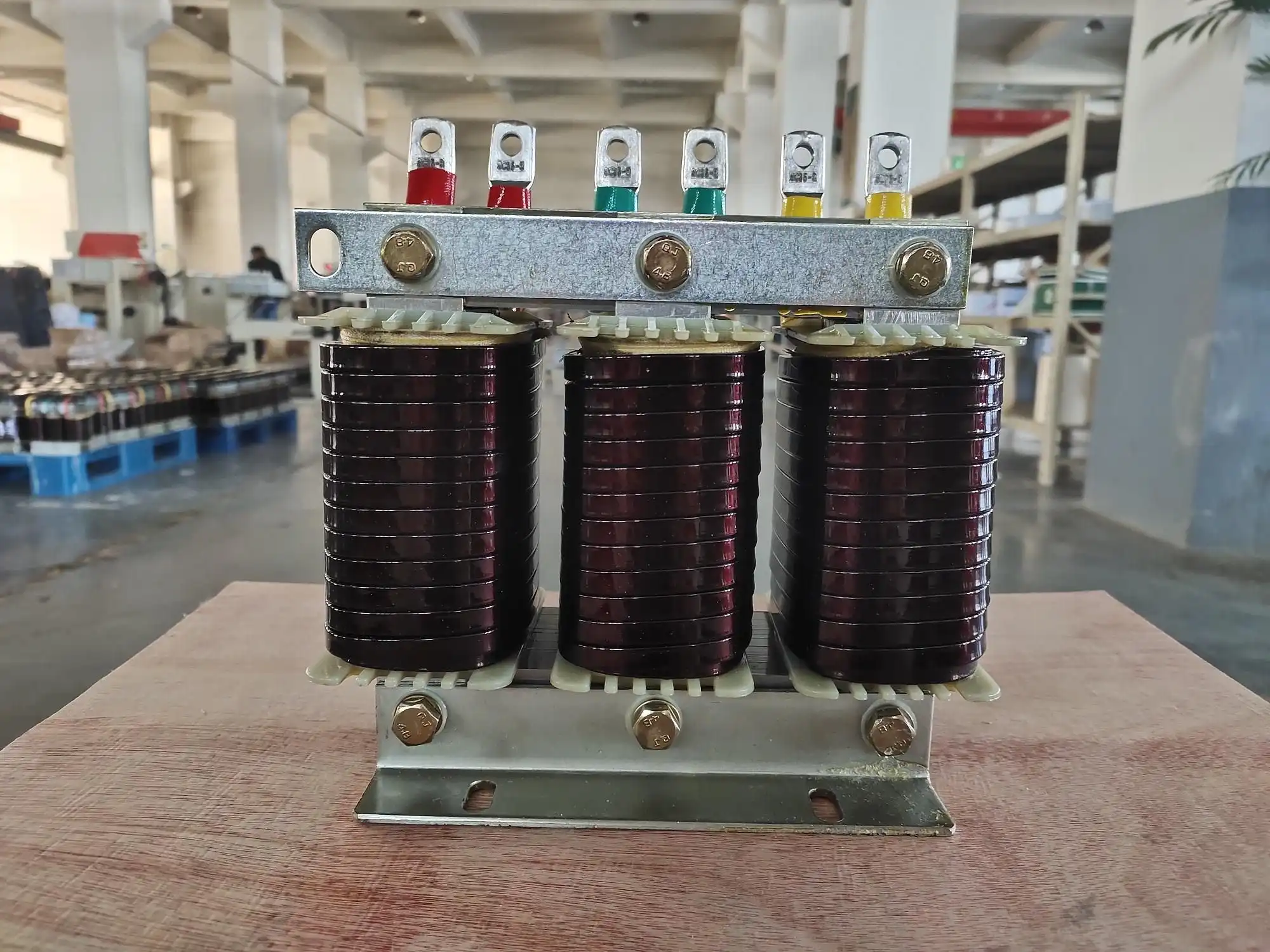
Low Voltage Reactor units are specialized inductors designed for medium- and low-voltage systems, primarily to reduce harmonics in capacitive power factor correction setups. They use precisely engineered iron cores and copper windings to create controlled inductive impedance. By shifting the circuit’s resonant point below the lowest problematic harmonic, these “detuned” reactors prevent resonance that could amplify harmonic currents, with designs typically offering 7%, 14%, or 27% reactance to block harmonics above specific orders.
Core Electrical Characteristics
Performance depends on high-quality materials and precise manufacturing. Cold-rolled grain-oriented silicon steel laminations reduce hysteresis, while lamination minimizes eddy currents. Epoxy-laminated glass fiber spacers maintain stable air gaps. Flat, enamel-coated copper conductors are wound under tension and vacuum-impregnated with epoxy to remove air pockets. At fundamental frequency, the reactor passes current efficiently, while at harmonic frequencies, the series LC combination forms a high-impedance path that protects capacitor banks and limits voltage rise.
Market Trends and Industry Demand: Insights into the Sector
Global Market Dynamics
Power quality problems are becoming a bigger problem in factories, data centers, hospitals, and utility companies all over the United States. Electrical loads that are driven by variable frequency drives, rectifiers, and switching power supplies are becoming less linear. This causes harmonic distortion, which lowers the reliability of equipment, raises energy costs, and threatens the continuity of operations. In this environment, Low Voltage Reactor solutions have become very important for protecting the infrastructure that moves electricity. There is more and more pressure on procurement managers, facility engineers, and system integrators to find solutions that improve power quality, make equipment last longer, and give a clear return on investment.
Technology Evolution
This guide gives people who work in procurement a thorough look at Low Voltage Reactor technology, covering everything from basic electromagnetic theory to real-life examples of how it can be used. We look into how these specialized inductive parts work with the electricity that's already there, how well they work compared to older methods, and how they can really help businesses in a range of industrial settings. This resource gives you the technical information you need to make confident, cost-effective procurement decisions, whether you're looking at specifications for a new installation or fixing power quality problems in existing buildings.
Industry Player Analysis
Established global manufacturers and regional experts like Xi'an Xikai emphasize that Low Voltage Reactor technology understanding has gone from being a nice-to-have technical detail to a basic requirement for buying things. It's not enough to just compare products on the surface; you need to fully understand how they work and what they mean in real life in order to make smart buying decisions. Some facilities report 20–40% drops in equipment faults and process interruptions that can't be explained when using high-quality components designed with vacuum pressure impregnation and thermal curing.
Comparing Solutions: Ensuring Efficiency and Fit for Purpose
Reactors Versus Alternative Technologies
In the past, power factor correction systems often used unprotected capacitor banks. While cheaper initially, this opens up many operational risks as they depend on the hope that harmonic levels stay low. When harmonic problems showed up in older systems, facility managers would often fix them by de-rating or disconnecting the capacitor banks, losing benefits and causing utility penalties. Other ways to isolate problematic loads were to use expensive active harmonic filters. Most of the time, these reactive solutions cost more than proactive Low Voltage Reactor mitigation and don't work as well overall.
The CKSG Series Advantage
Implementing Low Voltage Reactor technology has many benefits that go beyond just following the rules. These devices are smart investments that protect expensive equipment and lower operational costs. Harmonic voltage stress speeds up the aging process of capacitor dielectric materials. Adding a reactor stops harmonic currents from flowing through capacitor elements, stopping premature aging. This lowers the dielectric stress, which directly leads to a longer service life where capacitors often last as long as or longer than the 15-20 years that were designed for them. Suspension reactors cut down on parasitic losses, often showing that total electricity use goes down by 2 to 5 percent.
Real-World Application Outcomes
Automobile factories that use robotic welding require 7% or 14% detuned systems for all new buildings. Maintenance data shows that capacitors should be replaced every twelve to fifteen years with proper mitigation compared to two to three years without it. Data center operators put long-term dependability ahead of low initial cost because service interruptions can affect thousands of customers. Facilities that treat water rely on variable frequency drive-controlled pumps; when municipal operators install detuned capacitor systems, they see immediate savings on energy costs and long-term savings on maintenance costs.
Procurement Strategies: Maximizing Value in B2B Transactions
Sourcing Channel Considerations
A full analysis of the current electrical infrastructure and operating conditions is the first step to a successful implementation. By looking at the harmonic spectrum, you can find out what the main harmonic frequencies are in the building and whether a 7%, 14%, or 27% reactance configuration is best for protection. It is common for facilities with mostly 6-pulse drive loads to need Low Voltage Reactor units tuned below the 5th harmonic. Consult with manufacturers to ensure the selected components match the technical needs of each facility.
Pricing Dynamics
Total system costs depend on a number of factors, such as the reactance percentage (higher percentages need more iron and copper), the voltage rating, and the current rating. Price is affected by factors like indoor vs. outdoor ratings, ability to work at high altitudes, seismic certification, and specific enclosure needs. Instead of only looking at the initial purchase price, people who work in procurement should look at the total value of the system, which includes things like expected service life, energy efficiency, reliability, and manufacturer support.
Supplier Vetting Essentials
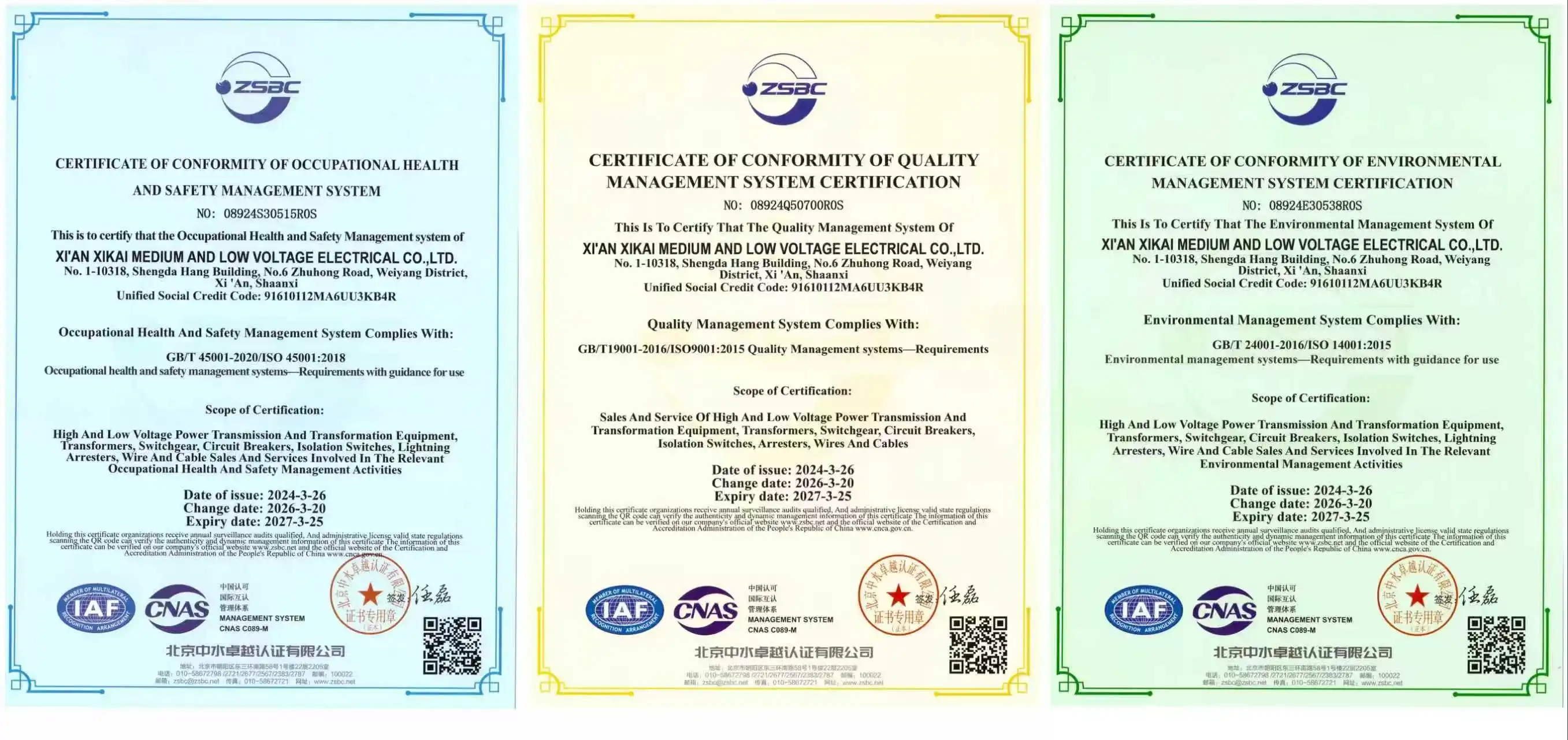
Quality management certifications like ISO 9001, ISO 14001, and OHSAS 18001 make sure all products are always of the highest quality. Engineers at specialized manufacturers provide detailed specification support during the evaluation of procurement and technical assistance during installation and commissioning. Manufacturing processes, such as pre-baking, vacuum impregnation, and thermal curing, make the products very durable, meeting the strict needs of industrial settings.
Maintenance and Lifecycle Management Strategies
Routine Inspection Protocols
Visual inspections should be a regular part of Low Voltage Reactor preventive maintenance programs to look for signs of overheating, insulation degradation, or physical damage. Once a year, thermal imaging surveys find connections and winding hotspots that are starting to have problems before they break. Monitoring using sound waves can find core lamination that is coming loose or too much magnetostriction, which are both signs of harmonic overload.
Performance Monitoring
Electrical testing procedures make sure that the values of inductance stay within the acceptable ranges. This makes sure that the system keeps its proper detuning properties. If you can, you should measure inductance at the rated current. Measuring at a lower current may not show problems with magnetic saturation. Using the right DC test voltages to check the insulation resistance of windings confirms their integrity and lets you know early on if there are problems with moisture or contamination.
Upgrade and Replacement Planning
Retrofit applications need a careful look at the voltage ratings of the existing capacitors and the space inside the enclosures that are available. Most capacitors that were installed without reactors have voltage ratings that match the nominal system voltage and cannot handle the higher voltage that comes from connecting a reactor in series. To make a retrofit work, you usually need to add reactors and replace the capacitors with units that are rated correctly. Most of the time, it's cheaper to replace the whole system with one that has been detuned than to try to retrofit parts of the system.
Conclusion
Modern industrial electrical infrastructure can't work without Low Voltage Reactor components, which protect valuable equipment and make sure it works reliably and follows the rules. When procurement professionals understand the basic working principle—making strategically tuned LC circuits that stop destructive resonance—they can make specification decisions that are in line with operational needs and budgetary limits. Thanks to its ease of integration, detuned capacitor technology is the best choice for use in factories, utilities, and commercial buildings.
FAQ
1. What distinguishes reactors from other power system components?
Detuned systems that are properly designed keep up nearly the same reactive power compensation as capacitor banks that are not protected. While both technologies deal with harmonic issues, passively detuned Low Voltage Reactor systems keep harmonics from getting amplified and protect capacitor banks without needing extra power or complex control systems. Unlike active filters that send out compensating currents, the passive approach is more reliable and has lower life-cycle costs for applications within its performance range.
2. How do I specify the correct reactor for my application?
Understanding your facility's harmonic spectrum is necessary to find the right reactance value. Standard 6-pulse variable frequency drives used in most industrial settings require 7% reactance. Facilities that have a lot of third harmonic content from single-phase electronic loads or 12-pulse drives should think about tuning resonance with 14% configurations. A thorough harmonic study gives you the information you need to make sure your specification choices are sound.
3. What negotiation points matter most with suppliers?
Beyond initial purchase price, people who work in procurement should look at the total value of the system, including expected service life, energy efficiency, and manufacturer support. Discussion points should include compliance with certifications like ISO 9001 and specific performance metrics. When you add up the costs of early failures, energy losses, and maintenance, the cheapest options often end up being the most expensive over the life of a facility.
Partner with Xi'an Xikai for Reliable Reactor Solutions
Making sure of power quality, operational dependability, and equipment safety requires working together with skilled manufacturers who offer tried-and-true solutions. The Xi'an Xikai Medium & Low Voltage Electric Co., Ltd. has been in business for decades and has a wide range of products used in industrial, utility, and infrastructure settings around the world. Our Low Voltage Reactor products use imported cold-rolled silicon steel for the cores and Class H/C high-temperature windings. Whether you're choosing parts for a new building or fixing problems with power quality, our technical team is here to help you through the whole process. Talk to our experts by emailing serina@xaxd-electric.com, amber@xaxd-electric.com, or luna@xaxd-electric.com.
References
1. Institute of Electrical and Electronics Engineers. (2014). IEEE Recommended Practice and Requirements for Harmonic Control in Electric Power Systems. IEEE Standard 519-2014.
2. Anderson, P. M., & Fouad, A. A. (2003). Power System Control and Stability (2nd ed.). IEEE Press, Wiley-Interscience.
3. Dugan, R. C., McGranaghan, M. F., Santoso, S., & Beaty, H. W. (2012). Electrical Power Systems Quality (3rd ed.). McGraw-Hill Professional.
4. International Electrotechnical Commission. (2017). Power Transformers – Part 6: Reactors. IEC 60076-6:2017.
5. Wakileh, G. J. (2001). Power Systems Harmonics: Fundamentals, Analysis and Filter Design. Springer-Verlag Berlin Heidelberg.
6. Sen, P. C. (2021). Principles of Electric Machines and Power Electronics (4th ed.). John Wiley & Sons.

_1774417662667.png)