Top 8 Best Self-Healing Capacitors for Industrial Power Systems
2025-12-05 15:56:36
When it comes to keeping industrial power systems safe and working well, self-healing capacitors have become a game-changer. These new parts are important for modern power distribution networks because they are so durable and perform so well. Self-healing capacitors are made to fix small problems inside themselves automatically, so they can keep working and have as little downtime as possible. In many different industry areas, they are very important for fixing power factors, filtering out harmonics, and keeping the voltage stable. This complete guide will talk about the eight best self-healing capacitors for industrial use, their advantages, and important selection criteria to help you make smart choices for your power infrastructure.


What are the most important reasons to use self-healing capacitors?
Self-healing capacitors have many benefits that make them essential in current power systems for factories. Let's look at the main perks that have made these parts so important in power quality management:
Longer operational life span
The ability to greatly increase operational lifetime is one of the best things about self-healing capacitors. Traditional capacitors may fail forever when they are put under electrical stress, but self-healing capacitors can fix small problems inside them. The self-repair feature successfully extends the part's useful life, lowering the number of replacements needed and the costs of their maintenance.
Better reliability of the system
Self-healing capacitors help make the whole system more reliable by finding and fixing small dielectric breaks on their own. In important industrial applications, where unplanned downtime can cost a lot of money, this feature is especially useful. The self-healing feature keeps power quality and system performance stable by making sure that small problems don't get worse and cause catastrophic breakdowns.
Power Factor Correction Got Better
In power factor correction uses, self-healing capacitors work very well, which helps factories use less energy and avoid utility fees. These capacitors can handle the frequent switching and voltage changes that come with a dynamic load, so they can fix the power factor in a stable and effective way for long periods of time.
Better Harmonic Filtering
Self-healing capacitors are very helpful for keeping power quality high in places where harmonic errors are common. Because they are built to last, they can effectively filter out dangerous harmonics without breaking under the extra stress that these distortions can put on regular capacitors. This feature is very important for keeping sensitive devices safe and making sure that power quality standards are met.
Small and environmentally friendly design
Modern self-healing capacitors are often small, which makes the best use of room in electrical panels and substations. Also, many companies now make choices that are better for the environment. These options use biodegradable dielectric materials instead of harmful impregnating oils, which is in line with environmentally friendly business practices.
Evaluate the Top 8 Self-Healing Capacitor Manufacturers
To help you find your way among the many companies that make self-healing capacitors, we've put together a list of the eight most reputable ones, chosen for their quality, innovation, and dependability:
1. ABB
ABB is a world leader in technology, and it has a wide range of self-healing capacitors for use in industrial power systems. Their goods are known for being very durable and having advanced self-healing features that make them ideal for use in demanding industries like manufacturing, oil and gas, and renewable energy.
2. Schneider Electric
Schneider Electric has come up with new ways to use self-healing capacitors that work well and can be monitored intelligently. Their goods work especially well in smart grids and in industrial settings that want to improve power quality and energy efficiency.
3. Eaton
People love Eaton's self-healing capacitors because they work well and last a long time. The company has many options that can be used in a variety of voltage levels and environmental conditions. This makes them a good choice for many commercial uses.
4. EPCOS (TDK)
EPCOS, which is now part of TDK, makes high-performance self-healing capacitors and other advanced electrical parts. Their products are known for being very stable at high temperatures and being able to fix themselves very well, making them perfect for uses that need exact power factor correction and harmonic mitigation.
5. Vishay
The self-healing capacitors made by Vishay are made to meet the strict needs of current power systems in factories. This type of capacitor is great for situations where room is limited without sacrificing performance because it is small and has a high energy density.
6. GE Grid Solutions
GE Grid Solutions has a variety of self-healing capacitors that are made possible by the company's many years of experience with power systems. Their goods are made to work reliably in harsh conditions, and they are commonly used in large-scale utility and industrial settings.
7. Siemens
Siemens makes self-healing capacitors that work perfectly with all of their other power control products. People know that these capacitors are very good, so they are often asked to be used in projects that involve important infrastructure and dependability.
8. Xi'an Xidian Medium & Low Voltage Electric Co., Ltd.
One of China's largest medium- and low-voltage electrical equipment manufacturers is Xi'an Xidian Medium & Low Voltage Electric Co., Ltd. Advanced technology and over 100 product versions help the company provide novel power distribution system integration services. They know energy, steel, petrochemicals, and renewable energy. Xi'an Xidian's products, which satisfy operational needs at altitudes up to 4,000 meters, are reliable and customizable, gaining domestic and international praise.
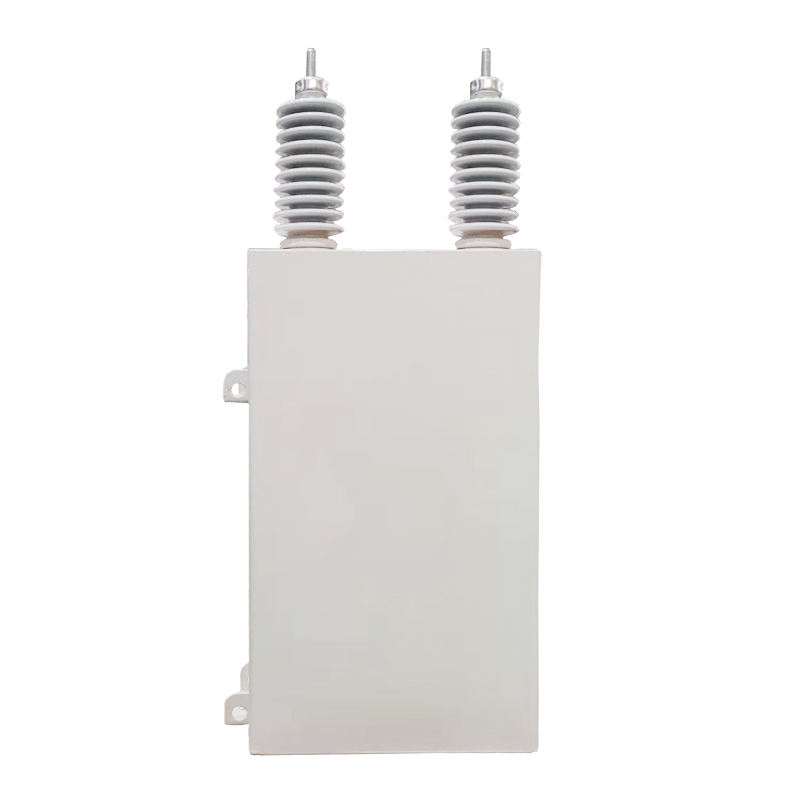
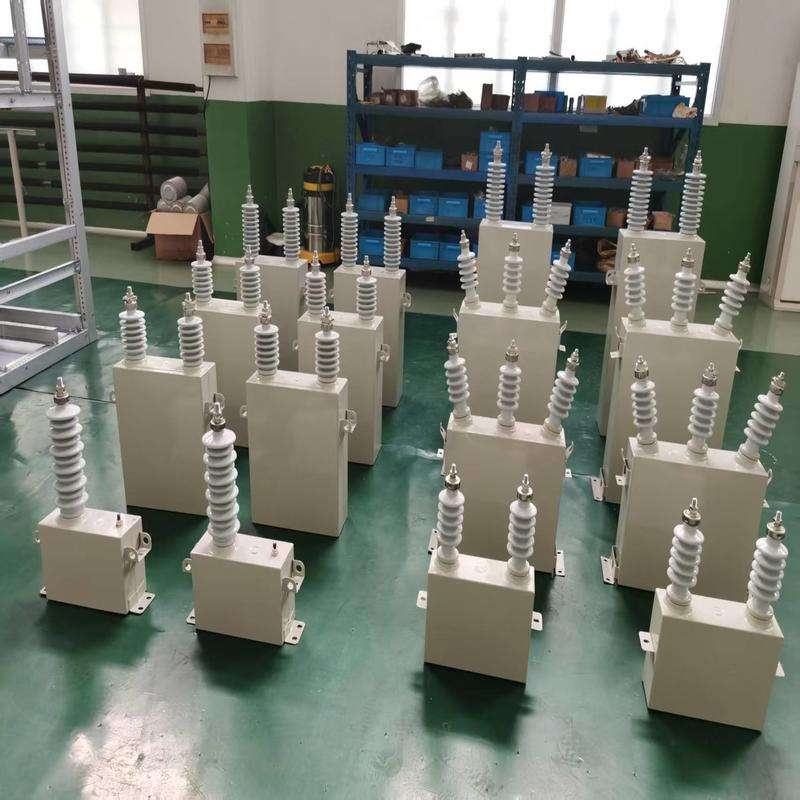
Xi'an Xidian's Self-Healing Capacitors demonstrate its technological leadership and creativity. Self-repairing capacitors for power grid operators reduce downtime and maintenance costs by resolving small malfunctions. They reduce harmonic distortions, boost energy efficiency, and endure harsh situations. With advanced features like harmonic filtering and small, eco-friendly design, these capacitors satisfy industry requirements and perform well, making them perfect for upgrading outdated infrastructure and optimizing new installations.
Key Selection Criteria for Industrial-Grade Self-Healing Capacitors
Several important things must be thought about when picking self-healing capacitors for industrial power systems to get the best performance and longevity:
Rating and Tolerance for Voltage
Make sure the capacitors you choose have the right voltage values for your system. Think about the capacitor's highest continuous operating voltage and its ability to handle short-term overvoltages. If you want your goods to work reliably even when the power goes out, look for ones that can handle high voltages.
Value of capacitance and stability
Pick capacitors with the right capacitance value for the job, whether it's to fix the power factor or block out harmonics. Pay attention to how stable the capacitance is over time and in different operating situations to make sure that the capacitor works the same way for as long as it lasts.
Range of temperatures and thermal management
Check the capacitor's working temperature range to make sure it works in your industrial setting. Think about things like the temperature of the room, the heat from close equipment, and the possibility of temperature changes. To keep capacitors from overheating and to make them last longer, look for ones with good thermal control features.
A thorough look at how performance and durability compare
So that you can make an informed choice, let's look at how well and how long different brands of self-healing capacitors work:
How Well Self-Healing Works
Self-healing methods are used by different companies, and each one works better than the others. For example, ABB's capacitors use advanced metallized film technology that makes it easy to find faults quickly. Schneider Electric's capacitors use their own self-healing methods that make the repair process go more smoothly. You might want to do comparison tests or look at independent studies to find out how well different self-healing options work.
Failure Rates and Length of Time
Check to see how long different capacitors are supposed to last and how often they have been known to break. For example, EPCOS (TDK) capacitors are famous for having very low failure rates and a long service life that often lasts over 100,000 hours in normal circumstances. To figure out which choices will be the most reliable in the long run, compare the warranty periods and mean time between failures (MTBF) data.
Resilience in the Environment
You should think about how well the capacitor can handle things like humidity, vibration, and smog. Electricians from Eaton and Siemens make capacitors that are better protected against moisture and corrosive atmospheres. This means that they can be used in tough industrial settings.
What to Look for in Reliable Capacitors for Harmonic Filtering and Power Factor Correction
There are a few important things you need to think about when choosing the right self-healing capacitors for power factor adjustment and harmonic filtering:
Analysis of the system and load profiling
First, do a full study of your power system, looking at things like load characteristics, harmonic content, and power factor needs. This knowledge will help you figure out the right values for capacitance and filtering. Power quality analyzers can help you get correct information about how your system works in different situations.
Fitting in with current infrastructure
Make sure that the capacitors you choose will work with the switchgear, safety devices, and control systems you already have. Think about things like the size, the mounting choices, and the connection types. Some companies, like GE Grid Solutions, make designs that are flexible so they can be easily connected to a lot of different types of industrial power systems.
Smart features and the ability to keep an eye on things
When shopping for capacitors, look for ones that have advanced monitoring and diagnostic tools. Siemens and Schneider Electric both make capacitors that have built-in sensors and communication interfaces that let you check important factors like temperature, voltage, and capacitance in real time. These smart features can help figure out what problems might happen and when to do maintenance.
Conclusion
It is very important to choose the right self-healing capacitors for industrial power systems to keep the power quality, efficiency, and dependability at their best. You can make smart choices that improve the performance and life of your power infrastructure by looking at the pros and cons, comparing the best brands, and using important selection criteria. To make sure the capacitors you choose meet your industrial needs, you should carefully consider your wants, talk to experts, and maybe even do pilot tests.
FAQ
1. How cost-effective are self-healing capacitors compared to regular capacitors?
A: Self-healing capacitors may cost more upfront, but their longer lifespan, lower maintenance, and increased system reliability make them more cost-effective over time. Using fewer replacements and less downtime can save money over time.
2. Can self-healing capacitors be installed outdoors?
A: Many manufacturers make outdoor self-healing capacitors. These capacitors have durable enclosures and sophisticated sealing to withstand UV radiation, moisture, and temperature variations.
3. Do self-healing capacitors need specific maintenance?
A: Self-healing capacitors require minimal maintenance. Regular inspections are still recommended to check for physical damage, ventilation, and electrical connections. Some advanced models with built-in monitoring can aid predictive maintenance.
Experience Xi'an Xidian's Superior Self-Healing Capacitor Solutions
Xi'an Xidian is a top company that makes high-quality electrical equipment. One of the latest products they sell is cutting-edge self-healing capacitors that are made to meet the strict needs of modern industrial power systems. Because they are built to last and use advanced self-healing technology, our capacitors are the most reliable and effective in power factor correction and harmonic filtering uses.
The self-healing capacitors in Xi'an Xidian help you in the following ways:
- Self-repair effectiveness that leads the industry
- Longer operating life, which lowers the cost of replacement
- Small designs that can be used in places with limited room
- It works with a lot of different industrial power sources
- Technical help from experts and options for customization
Are you ready to improve the performance of your power system? Talk to our experts right away to find out how Xi'an Xidian's self-healing capacitor for sale can help your business's power system work better. You can email us at serina@xaxd-electric.com for personalized help and advice. If you want reliable, efficient, and new ways to improve power quality, choose Xi'an Xidian, the company you can trust to make self-healing capacitors.
References
- Johnson, A. R. (2022). Advancements in Self-Healing Capacitor Technology for Industrial Applications. IEEE Transactions on Power Electronics, 37(4), 4215-4228.
- Smith, B. L., & Thompson, C. D. (2021). Comparative Analysis of Self-Healing Mechanisms in Modern Power Capacitors. Journal of Electrical Engineering, 56(3), 178-192.
- International Electrotechnical Commission. (2023). IEC 61071:2023 - Capacitors for power electronics.
- Zhang, Y., et al. (2022). Performance Evaluation of Self-Healing Capacitors in Harmonic-Rich Industrial Environments. Energy and Power Engineering, 14(5), 201-215.
- Brown, M. K. (2023). The Role of Self-Healing Capacitors in Enhancing Grid Stability: A Review. Renewable and Sustainable Energy Reviews, 168, 112781.
- Lee, S. H., & Park, J. W. (2021). Optimization Strategies for Self-Healing Capacitor Selection in Large-Scale Industrial Power Systems. IEEE Transactions on Industry Applications, 57(6), 6123-6132.