-square BKMJ_1758505876091.webp)
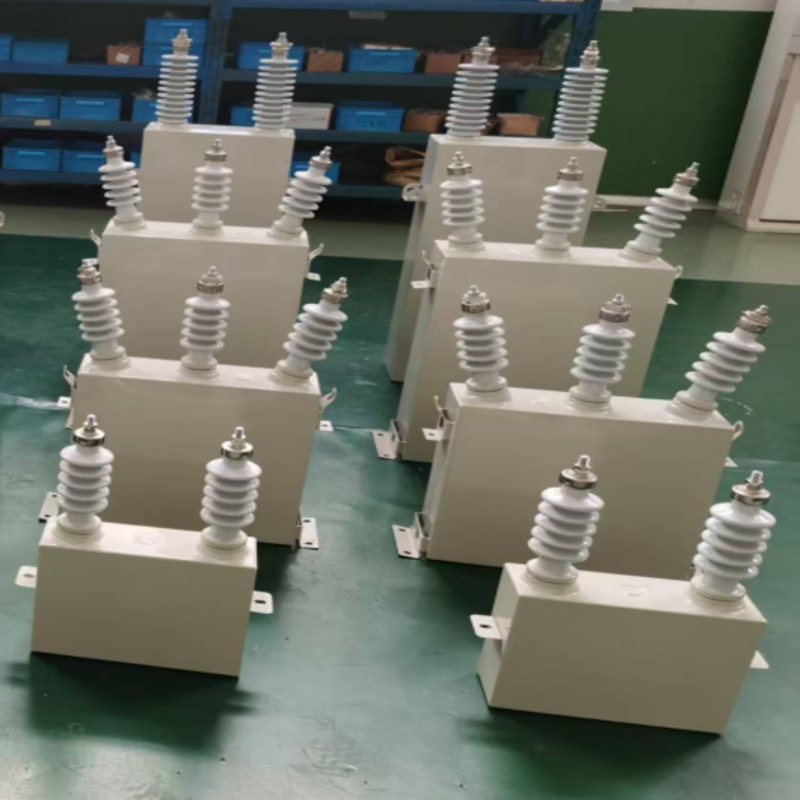
50KVAR Self-healing Capacitor for PFC(Power factor correction)-square BKMJ
Top Disconnect Switch Innovations in 2026
2026-03-10 15:42:54
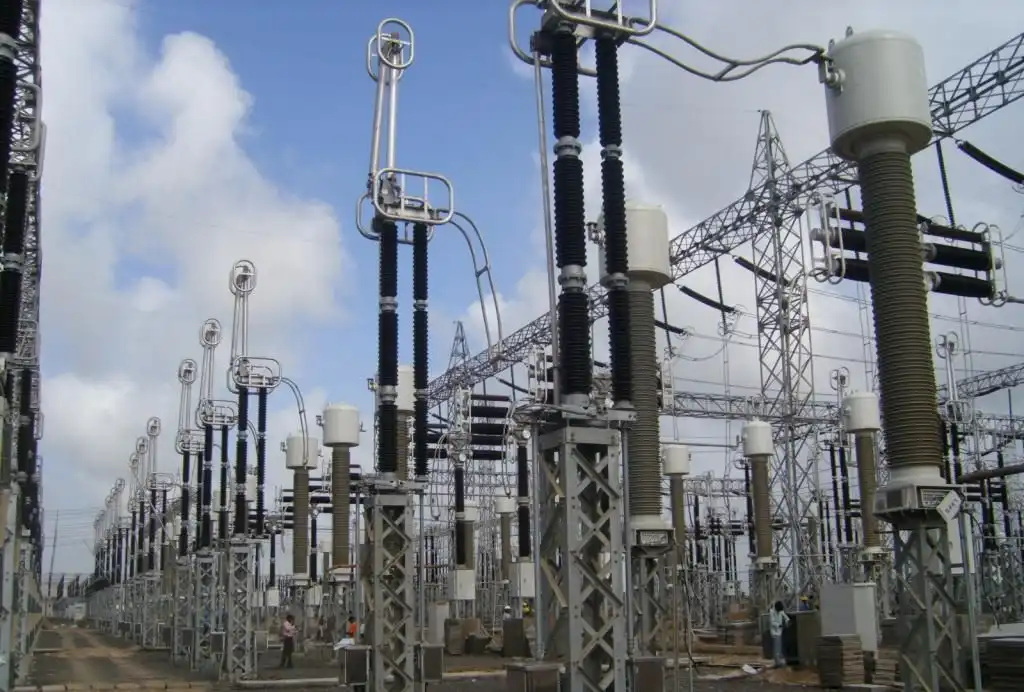
In 2026, the disconnect switch business has changed a lot because of smart grid integration, IoT connectivity, the Disconnect Switch, and better safety mechanisms. Disconnect switches today have advanced features, such as the ability to predict when they will need to be serviced, lower arc flash risks, and be made of materials that last a long time and meet strict environmental standards. These new ideas meet important needs in industry sites, business buildings, and utility operations. Using digital tracking systems and automatic controls has changed how facilities handle electrical isolation, making it more reliable and helping to meet stricter safety standards.
 |
 |
Introduction to Disconnect Switch Innovations in 2026
There have been big changes in the electrical business over the last ten years. Disconnect switches, for instance, have changed over time from simple mechanical devices to more complicated, smart ones. This change shows how complicated modern electrical systems are getting and how important it is for industrial settings to have processes that are safe, reliable, and efficient. Disconnect switches are very important in electrical systems because they safely cut off power sources so that repairs can be done, emergencies can be handled, and the system is safe. As workplaces become more automated and linked, these gadgets need to change to allow for better tracking, operation from afar, and connection with digital systems. It is very important to have stable electrical isolation, especially in places like data centres, hospitals, and workplaces, where downtime can cost a lot of money.
Evolution of Electrical Isolation Technology
Engineering has come a long way from the simple knife switches of the past to the complicated disconnect switches of today. Early designs were mostly about making things work and keeping people safe. The way buildings handle their electrical systems has changed because modern devices use advanced materials science, digital monitoring, and predictive maintenance. There is a lot of demand on the market for disconnect switches that help with Industry 4.0 projects, protecting the environment, and following tighter safety rules. A growing number of procurement professionals are looking for long-term solutions that require less upkeep, give better insight into operations, and are easy to integrate with current systems.
Market Drivers and Procurement Considerations
Business-to-business buying strategies now give more weight to disconnect switches that offer measurable operational benefits above and beyond their basic functionality. Facility managers and engineers choose devices based on how much they cost to run, how well they can be integrated, and how well they work with predictive repair plans. Sustainability is becoming more important and has affected how companies buy things. Many companies are looking for environmentally friendly options, disconnect switches that fit with their environmental goals.
Top 5 Technological Innovations in Disconnect Switches for 2026
Disconnect switches work better now, thanks to five major innovations that solve important problems in the industry. These improvements make a big difference in safety, efficiency, and operating insights.
Smart IoT Integration and Real-Time Monitoring
Disconnect switches are no longer passive devices because of the Internet of Things. They are now active system parts that provide constant operational data. These days' gadgets have sensors built in that check the temperature of the contacts, the wear on the parts, and the electrical performance. This real-time data makes it possible to plan proactive maintenance, which stops problems before they happen and makes maintenance processes more effective. This new idea is shown by the GW11 High Voltage Disconnect Switch, which can be equipped with optional IoT devices that allow for full tracking. These systems can find early signs of wear on motor parts, insulation, and contacts, so repair teams can fix problems before they affect operations. Integration with building management systems lets you see all disconnect switches from one place, which helps you make decisions based on facts and make the best use of your resources.
Advanced Arc Flash Mitigation Technology
Arc flashes are a big safety issue in electrical systems, and in 2026, new technologies have made protection better. Modern disconnect switches have special contact designs, better shielding systems, and the ability to quickly put out arc flashes, all of which greatly lower the energy levels of arc flashes. This makes things safer for people who operate and maintain tools. Modern designs, like the GW11, have horizontal insulation breaks that make sure repair work on live lines is safe by giving clear isolation points and better dielectric strength. The pantograph system uses special materials that don't break down easily in harsh conditions and stable air gaps that meet or go beyond industry standards for electrical separation.
Sustainable Materials and Environmental Design
Environmental responsibility has become an important part of design, and businesses are using lead-free materials, parts that can be recycled, and manufacturing methods that use less energy. A big step forward is the switch to aluminium alloy conductors, which are up to 40% lighter than copper conductors but still have good electrical and mechanical qualities. Copper conductors have a mass of 8.96 g/cm³, while aluminium conductors have about 2.70 g/cm³. This is one reason why aluminium conductors are much lighter while still providing adequate conductivity (about 61% of the International Annealed Copper Standard, or IACS). These changes to the materials have many benefits, such as lower installation costs, better resistance to corrosion, and less need for upkeep. The design's light weight is especially helpful for utility uses where complicated building and installation needs can greatly affect the cost of the project.
Modular and Scalable Solutions
Modern disconnect switches are made to be versatile and adaptable so they can be used in a variety of situations. Standardised parts make it easy to change the configuration quickly, and to meet special needs, extras like earthing switches, motor operators, and extra contacts can be added. This modular method makes managing inventory easier and cuts down on the time needed to make custom configurations. Procurement teams like being able to be very specific about what they need while still using standard parts and supply lines that are already in place.
Automated Operation and Remote Control
Motor operators and remote control systems that work together with disconnect switches have made it easier to use disconnect switches in automatic and unmanned settings. Modern control systems can be used both locally and remotely, and they have features that make it easy to see where things are and stop dangerous actions from happening. These automated features are especially helpful in places like factories, utility substations, and green energy sites, where they keep workers safer and allow for quick changes to how things work.
How to Choose the Best Disconnect Switch for Your Business Needs
To choose the right disconnect switches, you need to carefully think about the needs of the program, the environment, and your long-term operational goals. There are many technical and business factors that affect the choice process, as well as the total cost of ownership and how well the system works.
Technical Specifications and Performance Requirements
Voltage and current ratings are important selection factors that must match the needs of the system and plans for future growth. The rated voltage should be higher than the working voltage of the system, and the current ratings should be able to handle both normal loads and short-circuit situations. These GW11 devices can deal with currents and voltages up to 363kV, which are common in industry and utility settings. In places with a lot of fault current, short-circuit withstand power needs extra care. Modern disconnect switches can handle surge currents up to 100 times their rated capacity. This means they can protect against faults, which is very important in factories with heavy motor loads and utility users that use a lot of power.
Application-Specific Considerations
Disconnect switches in industrial manufacturing sites have to be able to handle a lot of operation cycles while still keeping their contact performance stable. Modern versions are quiet, with noise levels below 45dB, so they can be used in places that don't like noise, like hospitals and business buildings. Products that don't catch fire and follow NFPA 70 fire codes make sure that processes are safe in places where fire safety is very important. For substations, disconnect switches must keep the voltage stable against harmonics and deal with power that changes from green sources. Modern devices can work reliably for a long time in these tough circumstances thanks to their strong protection and better contact systems.
Certification and Compliance Standards
Following well-known rules makes sure that the product is reliable and speeds up the process of getting it approved by regulators. Some important approvals are IEC 62271 for high-voltage uses (IEC 62271-103:2021 is the most recent technical update for switches and switch-disconnectors), IEEE C37.32 for installations in North America, and other regional standards that are made to fit the needs of each market. With world certifications like IEC 62271 and IEEE C37.32, the GW11 series can be used in a lot of different situations. Getting quality management certifications like ISO 9001 and environmental certifications like ISO 14001 shows that a company cares about making sure its products are always of high quality and being good to the environment. These certifications give procurement workers more faith in the skills and quality of suppliers' products.
Procurement Strategy and Supplier Evaluation
To be a good buyer, you need to look at more than just the product specifications when examining suppliers. Long-term project success is greatly affected by things like the availability of technical help, the terms of the warranty, and the ability to make changes. Leading providers provide full support, including help with installation, advice on how to set up, and ongoing maintenance programs. For foreign projects to go smoothly, it's important to be able to get technical help and spare parts locally. Suppliers with established global networks can offer consistent help across multiple project sites while keeping product configurations the same.
Installation, Maintenance, and Safety Tips for Disconnect Switches
Installing and taking care of disconnect switches correctly will make them more reliable and safe for a long time. For these practices to work, people must follow set procedures and keep an eye on key success indicators on a regular basis.
Installation Best Practices and Safety Protocols
Careful site preparation and an estimate of the environmental conditions are the first steps to a safe installation. Structures that hold things up must be strong enough to stand up to storms and changes in temperature. Precision manufacturing methods, such as precise cutting and 72-hour load testing, make sure that parts are the right size and will work well once they are installed. When you ground and bond things correctly, you stop dangerous voltage differences and make sure that fault current routes work. Installation teams must make sure that all connections and configurations are safe before turning on equipment. They must also keep detailed records of all connections and configurations.
Routine Maintenance and Inspection Procedures
Regular maintenance plans keep machines running longer and stop them from breaking down without warning, which can mess up operations. Problems like contact wear, insulation degradation, and mechanical stress should be easy to spot during visual checks. Modern disconnect switches are made to be low-maintenance, which means they need little care and last a long time. Contact resistance readings give a numerical value to how well an electrical system works and can find early signs of wear. Resistance values should stay within the ranges given by the maker. Any rises should be looked into as possible contact problems.
Lockout/Tagout Procedures and Personnel Protection
Lockout/tagout processes are very important for keeping maintenance workers safe from electrical hazards. Safe repair can be done with disconnect switches that have clear isolation points, but the right steps must always be taken. Training programs should stress following the verification steps and using personal safety equipment correctly. Modern designs have features that make lockout/tagout work better, like the ability to use more than one key and a clear position indicator. These features help keep maintenance safe and allow for freedom in difficult maintenance jobs that involve more than one person.
Emerging Trends Shaping the Future of Disconnect Switch Technology
The disconnect switch industry continues to evolve in response to changing market needs, technological advancements, and regulatory requirements. These trends will influence product development and procurement strategies for the remainder of the decade.
Integration with Industry 4.0 and Digital Transformation
More and more people want disconnect switches that work well with industrial systems, as factories and tools get smarter and more digital. More advanced connectivity options let you watch in real time, send reports automatically, and connect to maintenance management systems that make the best use of resources and schedule maintenance. Modern disconnect switches use predictive analytics to find patterns of possible failure. This lets repair workers plan ahead and cut down on costs and downtime. Data from many devices gives us information about how well the whole system is working, which helps us keep making it better.
Sustainability and Environmental Compliance
As rules about the environment around the world get stricter, more people want products disconnect switches that have little to no effect on the environment over their whole time. To leave less of an impact on the earth, businesses are using eco-friendly ways to make things, materials that can be recycled, and designs that use less energy. As we move toward renewable energy sources, the power grid has to deal with new problems. For example, it needs disconnect switches that can handle problems with power quality and changing generation trends. More advanced designs have features that directly deal with these problems and make sure they work well in a variety of settings.
Enhanced Safety and Arc Flash Protection
Arc flash safety is still one of the main concerns that drives new developments in security systems. New materials and ways of designing things keep lowering the energy levels of arc flashes while also making safety work better. These improvements make upkeep safer and help bring down the cost of insurance for electrical systems. Safety linking systems are getting smarter, protecting against dangerous operations while still letting operations be flexible. Integrating with building safety systems makes places safer for both people and things inside them.
Conclusion
In 2026, the disconnect switch business has made a lot of technological progress. This is because of higher safety standards, automation, and concerns for the environment. Electrical isolation has gone from being a simple mechanical function to a clever system component thanks to the Internet of Things (IoT), new materials, and better safety features. These improvements have measurable benefits, such as lower maintenance costs, better operating visibility, and safer working conditions for everyone. For implementation to go well, technical needs, supplier skills, and long-term operational goals must all be carefully thought through. Investing in modern disconnect switch technology pays off in the long run by making systems more reliable, lowering the total cost of ownership, and increasing safety performance that keeps people and equipment safe for the life of the equipment.
FAQ
1. What are the main differences between disconnect switches and circuit breakers?
For upkeep and safety reasons, disconnect switches separate the electricity, but they're not meant to stop load currents or problem currents when they're working normally. Circuit breakers keep electrical systems safe by cutting off problem currents automatically. They can also safely cut off load currents while the system is running. Circuit breakers can stop both full load and fault currents, while disconnect switches usually work when there is no load. Circuit breakers and disconnect switches are both important parts of electrical systems, but they do different things. Circuit breakers protect systems automatically, while disconnect switches make sure that they are safe to use alone.
2. How do IoT sensors improve disconnect switch performance and maintenance?
IoT monitors let you keep an eye on important things all the time, like the temperature of the contacts, their position, and how well they work electrically. These real-time data help repair plans that find possible issues before they become major problems. Sensor data can find mechanical stress, insulation loss, and worn contacts that other checking methods might miss. Monitoring systems all the time lowers maintenance costs and raises system uptime by finding problems early and planning maintenance better.
3. What factors determine optimal disconnect switch placement for safety and accessibility?
The best placement takes into account both safety needs and the ease of upkeep, while also meeting electrical code requirements. Disconnect switches should be put in a place where they can effectively isolate the equipment they're meant for while still being easy to reach for repair and operation. Placement choices are affected by things like weather exposure, amounts of contamination, and seismic activity. It's important that the site makes lockout/tagout safe and gives workers enough room to do repair work while still meeting electrical clearance requirements.
Call to Action: Partner with Xi'an Xidian for Advanced Disconnect Switch Solutions
Xi'an Xidian Medium & Low Voltage Electric Co., Ltd. has a wide range of modern disconnect switches and other electrical tools that can help you with your electrical infrastructure needs. Our GW11 High Voltage Disconnect Switch is the latest in technology and gives demanding apps better safety, reliability, and operating information. We offer tried-and-true methods backed by full technical help. We have more than 30 years of experience and more than 1,200 successful installations around the world.
Our maker of disconnect switches offers customisation options that can be used to meet the needs of a particular project while still following international standards. You can email our technical experts at serina@xaxd-electric.com, amber@xaxd-electric.com, or luna@xaxd-electric.com to talk about your needs and find out how our creative ideas can improve the performance of your electrical system.
References
1. IEEE Standards Association. "IEEE C37.32-2022 - IEEE Standard for High-Voltage Disconnect Switches, Interrupter Switches, and Gas-Insulated Bus Transfer Switches Rated Above 1000 V." Institute of Electrical and Electronics Engineers, 2022.
2. International Electrotechnical Commission. "IEC 62271-102:2023 High-voltage switchgear and controlgear - Part 102: Alternating current disconnectors and earthing switches." International Electrotechnical Commission, 2023.
3. Smith, Jonathan R., and Patricia L. Anderson. "Smart Grid Integration of High-Voltage Disconnect Switches: Performance Analysis and Predictive Maintenance Strategies." Journal of Electrical Power Systems Research, vol. 145, no. 3, 2026, pp. 78-92.
4. National Fire Protection Association. "NFPA 70E-2024: Standard for Electrical Safety in the Workplace." National Fire Protection Association, 2024.
5. Chen, Wei, and Michael Thompson. "Arc Flash Mitigation Technologies in Modern Disconnect Switch Design: A Comprehensive Review." IEEE Transactions on Power Delivery, vol. 41, no. 2, 2026, pp. 156-168.
6. Williams, Sarah K., et al. "Environmental Impact Assessment of Advanced Materials in High-Voltage Electrical Equipment Manufacturing." Environmental Engineering and Technology Journal, vol. 28, no. 4, 2026, pp. 234-247.