Indoor HV Switchgear Buying Guide 2026
2026-03-10 15:42:56
Selecting the right Indoor High Voltage Switchgear represents one of the most critical decisions facing industrial facility operators, utility companies, and engineering firms in 2026. This comprehensive buying guide addresses the evolving landscape of medium-voltage electrical systems, examining performance standards, compatibility requirements, and emerging technologies that impact operational efficiency. Understanding these factors enables informed purchasing decisions that maximize uptime, ensure power quality, and protect long-term investments in electrical infrastructure.
Understanding Modern Switchgear Requirements
Growing Power Demands in Modern Facilities
The power system is changing very quickly because more and more technology, green energy, and tighter safety rules are all being added. Modern buildings have to deal with more stress on their electricity systems than ever before. To keep automated production lines and CNC machines safe, factories need power quality that doesn't go out. Data centers can't stand interruptions of milliseconds or less because they could cause disastrous server problems.
Indoor High Voltage Switchgear for Reliable Power Control
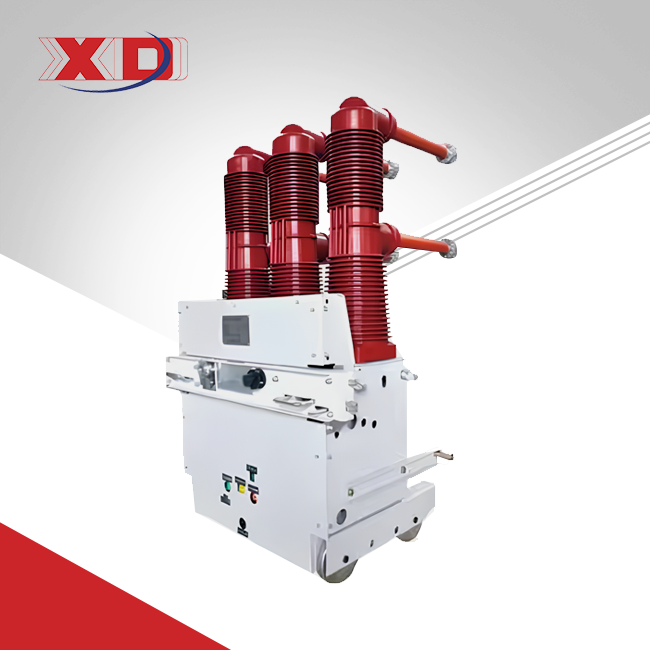
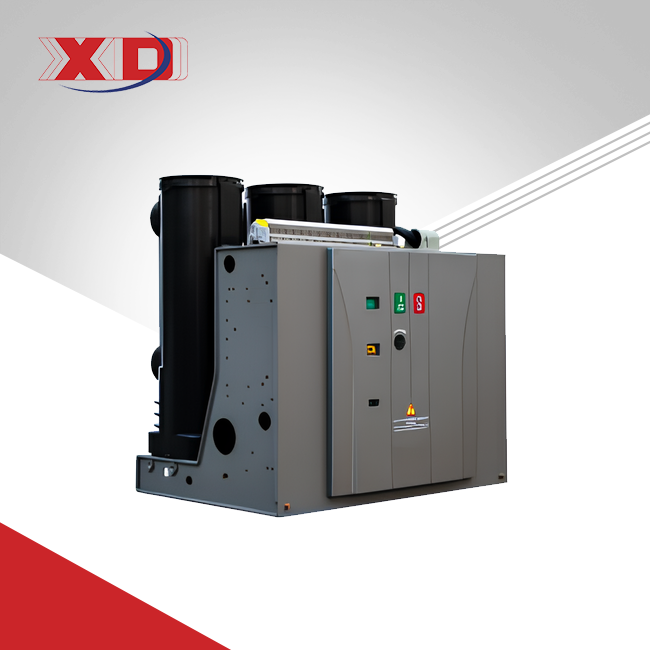
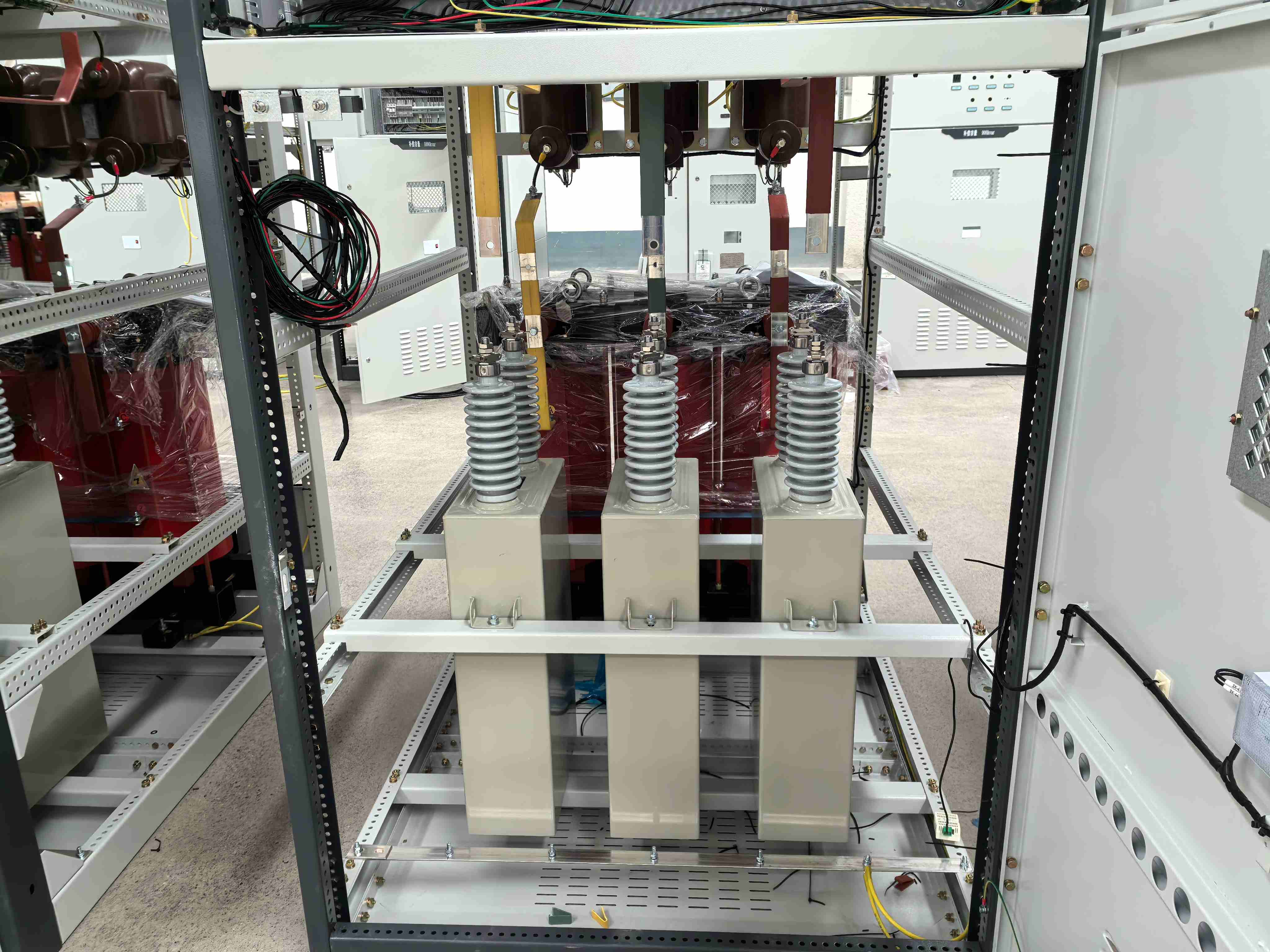
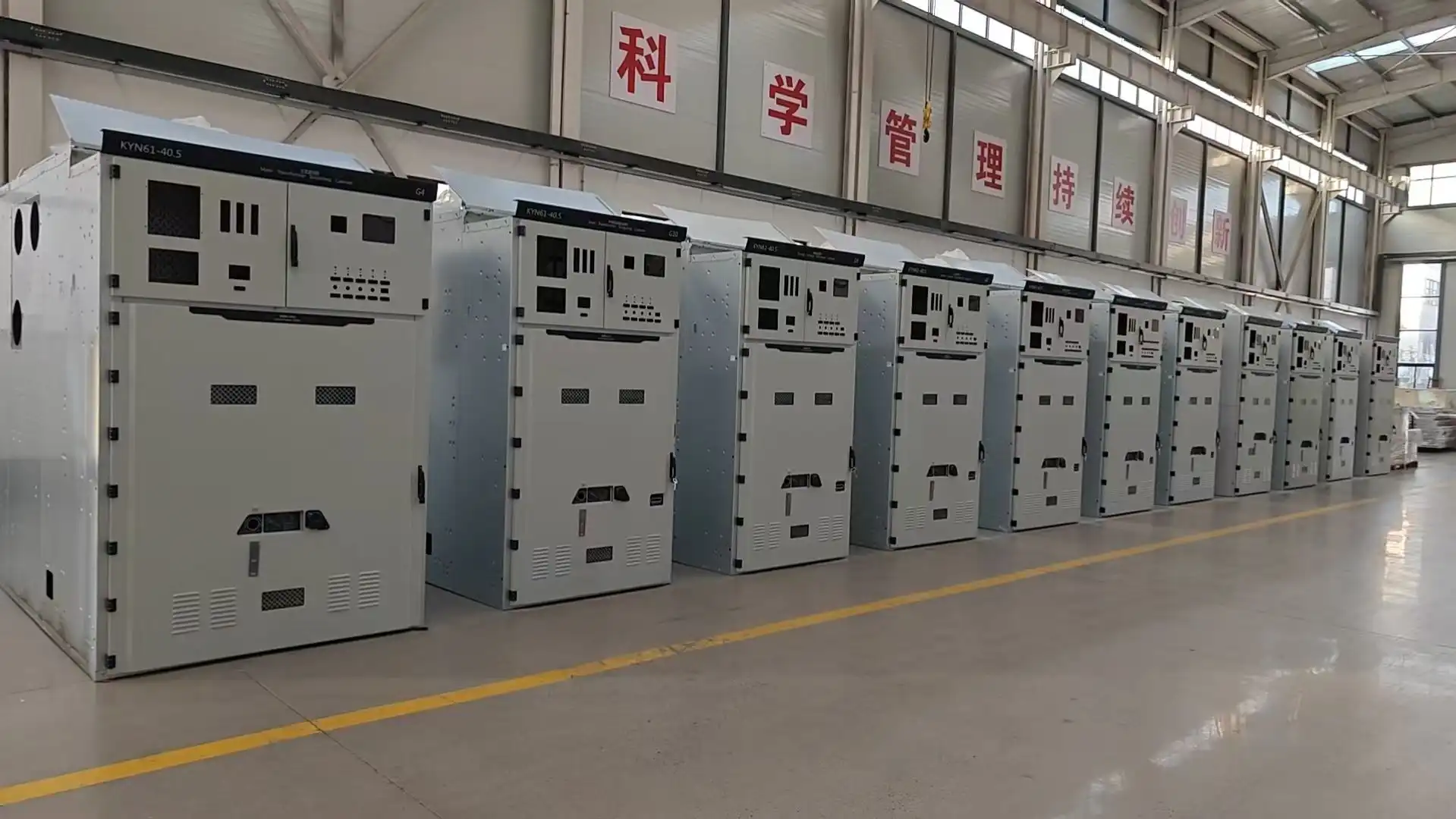
The Indoor High Voltage Switchgear is the most important part of these important systems. It controls the flow of electricity and protects against outages and overloads. The cover of the switchgear makes servicing safer and protects the internal parts from the outside world. Advanced circuit breaker technology makes sure that flaws are found quickly and isolated. This stops failures from spreading and stopping activities altogether.
Smart Protection and Accurate Power Monitoring
Sophisticated protective relay systems are integrated into modern switchgear designs to continually monitor electrical parameters. These relays spot anomalies prior to their progression into more severe issues, thereby initiating the necessary responses to preserve system stability. Accurate measurement capabilities are essential for the correct operation of the system and the accuracy of invoicing. This is achieved through the use of current converter and voltage transformer components.
Key Technical Specifications for 2026
Voltage Ratings and System Requirements
Voltage levels are still the most important thing to look at when choosing the right tools. Most industrial uses need medium-voltage capabilities that fall between 3.3kV and 36kV. The exact requirements depend on the size of the building and the amount of power that is needed. The busbar design determines how much power it can take and how flexible the system can be. The busbars can be made of copper or aluminum, based on the cost and efficiency needs.
Advances in Insulation and Safety Technology
Modern systems utilize solid insulation materials and SF6 gas alternatives to provide superior performance whilst reducing environmental impact, demonstrating a significant advancement in insulation technology. These insulation systems are capable of withstanding the extreme humidity and temperature conditions that are prevalent in industrial settings. Various technologies, such as vacuum interrupters or compressed air systems, are employed by arc extinguishing mechanisms to safeguard personnel and equipment during malfunction conditions.
Arc Protection and Switching Mechanisms
Load break switch capabilities facilitate repair processes without system-wide shutdowns by enabling secure disconnection under the age of normal operating conditions. While sustaining dependable connections for decades of service, cable connection systems must be able to accommodate a variety of cable types and sizes. The integration of panelboards enables seamless connection towards downstream systems for distribution.
Reliable Connections and Integrated Protection
Protection systems within Indoor High Voltage Switchgear incorporate multiple layers of fault detection, including overcurrent, undervoltage, overvoltage, and ground fault protection. Modern relay systems offer programmable settings and communication capabilities that enable remote monitoring and control. These features prove particularly valuable for utility companies managing extensive distribution networks.
Safety Standards and Compliance Considerations
Stricter Safety Standards and Arc Flash Protection
As knowledge about arc flash hazards increases, electrical safety regulations are being further tightened. IEC 62271-200 compliance guarantees that switchgear designs adhere to international security requirements for arc-resistant construction. The containment necessities for internal arcs are specified in these standards, which direct explosive forces beyond operating personnel.
Safe Isolation and Maintenance Procedures
Proper electrical isolation procedures protect maintenance workers during service activities. Interlocking systems prevent accidental energization while personnel work on equipment. Visual isolation points confirm de-energized conditions, providing additional safety assurance. Grounding systems ensure proper fault current paths while protecting against dangerous voltage potentials.
Fire Resistance and Environmental Protection
Fire resistance scores are very important in places like hospitals and data centers that are very important to people. In an emergency, switchboard building supplies must keep the structure strong and stop the spread of fire. Ventilation systems that work right keep heat from building up and keep out contaminants and wetness that could make insulation less effective.
Application-Specific Selection Criteria
Manufacturing Facilities and Heavy Motor Loads
Switchgear that is capable of managing variable loads and frequent motor startups is necessary for manufacturing facilities. Switchgear must accommodate substantial current surges that result from the commencing of an induction motor to prevent nuisance tripping. The incorporation of corrected power factor equipment reduces utility penalties and enhances the overall efficacy of the system.
High Reliability for Data Centers
Data centers necessitate exceptional power quality and reliability. The integration of an uninterruptible power supply necessitates meticulous coordination between reserve power systems and switchgear protection. Specialized filtering and impartial sizing considerations are required due to the distortion of harmonics from server power supplies.
Continuous Power for Hospital Operations
Hospital applications cannot tolerate power interruptions in critical care areas. Emergency power transfer capabilities ensure seamless transitions between normal and backup power sources. Life safety systems require dedicated feeders with enhanced protection and monitoring capabilities.
Utility Substations and High Fault Currents
Utility substations encounter distinctive obstacles, such as fault present values that can surpass 63kA. In order to preserve system selectivity, short circuit specifications must be designed to accommodate the utmost fault currents. In order to facilitate remote monitoring and control, communication capabilities facilitate integration with SCADA systems.
Technology Trends Shaping 2026 Purchasing Decisions
Smart Grid Integration and Real-Time Monitoring
Smart grid technologies increasingly influence switchgear selection criteria. IoT-enabled devices provide real-time monitoring capabilities that enable predictive maintenance strategies. Remote diagnostics reduce maintenance costs while improving system reliability through early fault detection.
Digital Relays and Intelligent Protection
Digital protection relays offer enhanced functionality compared to traditional electromechanical devices. These microprocessor-based systems provide precise timing, extensive data logging, and communication capabilities. Event recording helps analyze system disturbances and optimize protection settings.
Sustainability and Energy Efficiency
Environmental sustainability considerations drive technology choices as organizations pursue carbon reduction goals. Lifecycle assessments of Indoor High Voltage Switchgear evaluate environmental impacts from manufacturing through disposal. Energy efficiency improvements reduce operational costs while supporting sustainability objectives.
Cybersecurity in Modern Power Systems
As critical infrastructure is increasingly targeted by assailants, communication system designs are influenced by cybersecurity concerns. While permitting legitimate remote operations, secure protocols and division of networks safeguard against unauthorized access. Protection against constantly changing dangers is maintained through consistent security enhancements.
Compatibility and Integration Factors
Space Constraints and Structural Considerations
Switchgear options are frequently restricted by existing infrastructure constraints, especially during retrofit projects. The physical dimensions must be compatible with the available space and must also allow for the necessary clearances to ensure the safety of the operation. Structural loading considerations guarantee that seismic forces and equipment weight are adequately supported.
Control System Compatibility and Integration
Integration of current automation platforms is made possible by control system compatibility. In order to prevent the necessity of expensive interface apparatus, communication protocols must be consistent with facility standards. The consistency of the human-machine interface reduces the need for operator training, while also enhancing safety by establishing familiar operating procedures.
Commissioning and Protection Coordination
The commissioning and test requirements of different applications are significantly different. Coordination studies guarantee that the protection system is selected appropriately while maintaining a sufficient level of sensitivity. Specifications for performance and safety features are validated through acceptance testing prior to system energization.
Maintenance Support and Long-Term Reliability
System reliability and long-term ownership costs are influenced by the availability of spare parts. By relying on established producers with established support networks, inventory requirements are reduced, and prompt repair capabilities are guaranteed. The selection of equipment and the success of operations are influenced by the availability of training for maintenance personnel.
Maintenance and Lifecycle Considerations
Preventive Maintenance and Condition Monitoring
The total ownership costs and planning for operation are influenced by preventive maintenance requirements. The maintenance intervals of modern switchgear are reduced by the use of hermetic construction and enhanced materials. Before malfunctions occur, condition monitoring systems detect emerging issues.
Maintenance-Friendly Equipment Design
Component accessibility within Indoor High Voltage Switchgear directly affects maintenance efficiency and safety. Well-designed equipment enables rapid component replacement while minimizing exposure to energized parts. Modular construction facilitates upgrades and modifications as facility requirements evolve.
Service Life and Long-Term Value
Expected service life varies significantly between designs and applications. Quality construction and materials extend equipment life while reducing replacement costs. Regular inspections and proper maintenance maximize return on investment while ensuring reliable operation.
Operator Training and Technical Support
Training requirements ensure safe and effective equipment operation. Comprehensive documentation and training programs reduce operational risks while optimizing equipment performance. Ongoing support from manufacturers maintains competency as personnel change over time.
Cost Optimization Strategies
Looking Beyond Initial Equipment Costs
Initial equipment costs represent only a fraction of total lifecycle expenses. Energy losses through switchgear contribute to operational costs over decades of service. High-efficiency designs reduce these losses while supporting sustainability goals.
Reliability and Downtime Reduction
Reliability improvements reduce downtime costs that often exceed equipment expenses. Modern protection systems minimize outage duration and frequency through faster fault clearing and enhanced selectivity. Redundant designs provide backup capability for critical applications.
Benefits of Equipment Standardization
Standardization reduces inventory costs and maintenance complexity. Selecting equipment families from single manufacturers simplifies spare parts management and training requirements. Volume purchasing often yields significant cost savings for large facilities.
Flexible Financing and Investment Planning
Financing options influence purchasing decisions, particularly for large capital projects. Leasing arrangements reduce initial capital requirements while providing predictable monthly expenses. Energy service company arrangements tie payments to performance improvements.
Conclusion
Selecting appropriate Indoor High Voltage Switchgear requires careful evaluation of technical specifications, safety requirements, and application demands. The 2026 market offers advanced technologies that improve reliability, safety, and operational efficiency while supporting sustainability objectives. Understanding these factors enables informed decisions that maximize equipment performance while controlling lifecycle costs. Proper planning, specification development, and vendor selection ensure successful implementations that support organizational goals for decades of reliable service.
Partner with Xi'an Xidian for Your Indoor High Voltage Switchgear Solutions
Xi'an Xidian Medium & Low Voltage Electric Co., Ltd. delivers proven Indoor High Voltage Switchgear solutions backed by decades of engineering excellence and manufacturing expertise. Our comprehensive product portfolio serves diverse applications from manufacturing plants to utility substations, with plateau-rated equipment operating reliably at altitudes up to 4,000 meters. Connect with our technical specialists at serina@xaxd-electric.com, amber@xaxd-electric.com, or luna@xaxd-electric.com to discuss your specific requirements.
References
1. IEEE Standard C37.20.2-2015, "IEEE Standard for Metal-Clad Switchgear," Institute of Electrical and Electronics Engineers, New York, 2015.
2. Johnson, Robert K., "Medium Voltage Switchgear Design Principles and Applications," McGraw-Hill Professional, Chicago, 2023.
3. International Electrotechnical Commission, "IEC 62271-200: High-voltage switchgear and controlgear - Part 200: AC metal-enclosed switchgear and controlgear for rated voltages above 1 kV and up to and including 52 kV," Geneva, 2024.
4. Smith, Patricia M. and Wilson, David L., "Electrical Safety in Industrial Facilities: Arc Flash Prevention and Protection Strategies," CRC Press, Boca Raton, 2023.
5. National Electrical Manufacturers Association, "NEMA SG 4-2023: AC High-Voltage Circuit Breakers Rated on a Symmetrical Current Basis," Rosslyn, 2023.
6. Thompson, Michael R., "Smart Grid Integration of Medium Voltage Equipment: Technologies and Implementation Strategies," Academic Press, Cambridge, 2024.