Top Indoor High Voltage Switchgear Trends 2026
2026-03-25 15:49:26
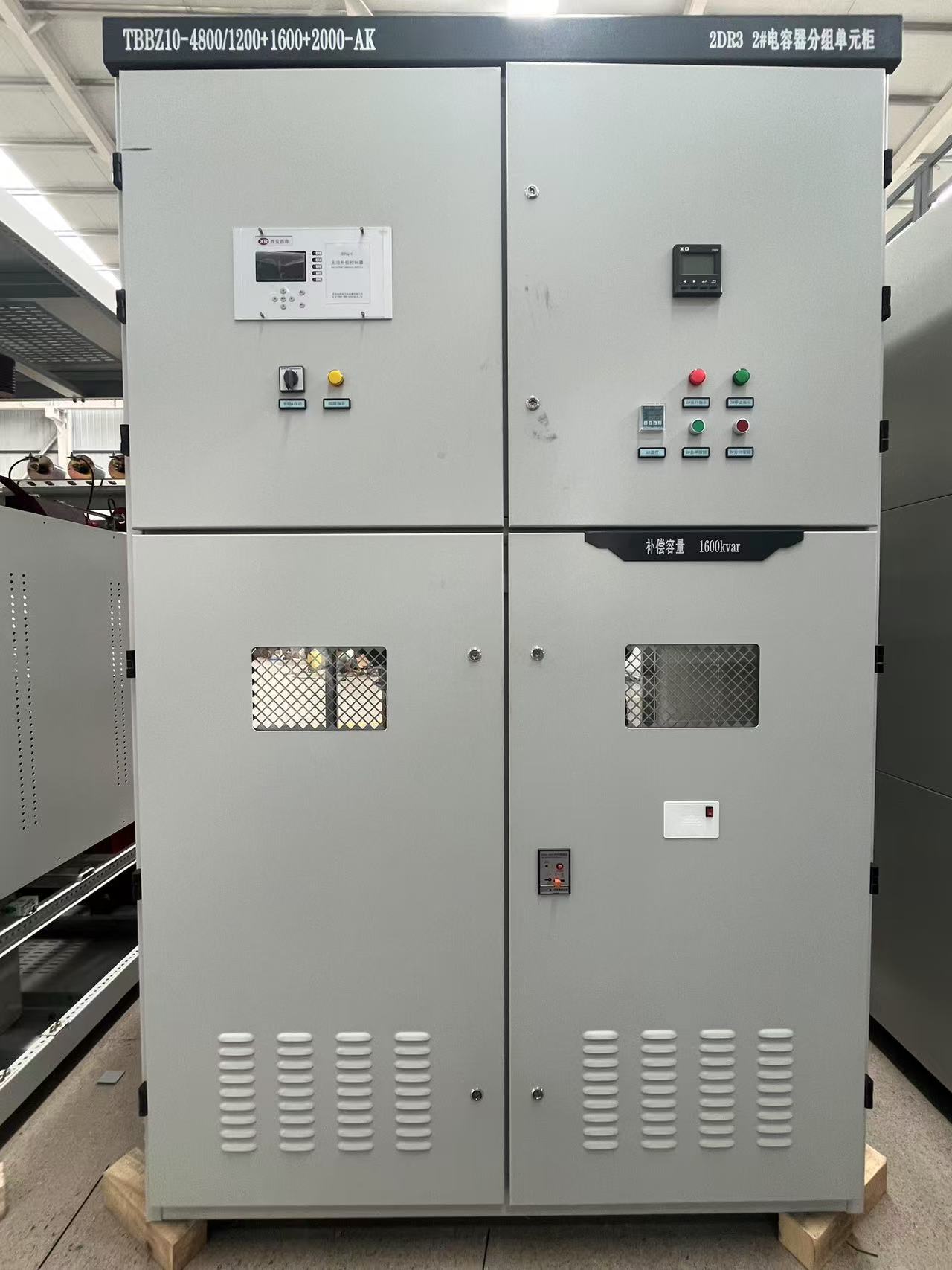
The indoor high voltage switchgear market in 2026 will be full of innovations that have never been seen before. These innovations will be pushed by digital change, protecting the environment, and better safety rules. To keep up with changing needs in the business world, modern indoor high voltage switchgear systems use eco-friendly materials, IoT-enabled tracking, and predictive maintenance. These improvements solve important practical problems, make sure they're legal, and lower costs in a wide range of situations, such as power distribution, motor startup systems, and grid tracking systems.

Introduction
The indoor high voltage (HV) switchgear market is rapidly evolving due to technological innovation and shifting industry requirements. Changes in power distribution affect factories, hospitals, data centers, utility networks, and EPC projects, directly impacting efficiency, reliability, and equipment lifespan. To stay competitive, industrial operators and utility companies must maintain continuous operation of sensitive equipment, while EPC firms need components that integrate seamlessly, comply with safety regulations, and support cost-effective project execution.
Emerging Trends in Switchgear Technology
Advancements such as smart monitoring, predictive maintenance, and modular designs are transforming traditional switchgear, enabling better performance tracking and proactive repair planning.
Meeting Operational and Safety Requirements
Modern indoor HV switchgear ensures stable power distribution for critical systems while adhering to strict safety standards and reducing the risk of downtime across industrial and commercial applications.
Strategic Procurement for Long-Term Value
Procurement managers benefit from understanding technical specifications, compatibility, and sustainability considerations to select switchgear solutions that minimize costs, improve efficiency, and support future-ready power infrastructure.
Emerging Trends Shaping Indoor High Voltage Switchgear in 2026
Digitalization, smart tracking, and the use of sustainable materials are changing the way medium voltage electrical equipment is used. Manufacturers are adding IoT-enabled diagnostics and real-time data analytics to improve predictive maintenance and operating efficiency because traditional designs aren't as flexible as they could be.
Digital Integration and Smart Monitoring Technologies
Modern indoor high voltage switchgear systems have high-tech digital interfaces that let you check the temperature in real time and do troubleshooting from afar. These systems lower the cost of upkeep by finding faults before they become major problems. By adding IoT-compatible sensors, building managers can keep an eye on how the equipment is working all the time and find problems by looking at patterns in the data. These tracking features are very helpful for industrial plants, especially when it comes to CNC machines and production lines, where power factor penalties can hurt profits. Surge currents up to 100 times the stated capacity make sure that the device keeps working even when electrical events happen out of the blue. Data centers and hospitals depend on this better tracking to keep important systems running.
Sustainable Materials and Environmental Compliance
Switchgear designers are using eco-friendly insulation and structure materials more and more because they are required to by law and because they care about the environment. Manufacturers now put a high priority on flame-resistant materials that meet NFPA 70 fire rules and still work well. These materials make things last longer and have less of an effect on the world over the course of a product's life. The move toward environmentally friendly manufacturing methods is in line with ISO 14001 environmental standards, showing that businesses are dedicated to using responsible production methods. To meet strict safety standards, technology that doesn't conduct electricity and advanced problem finding systems are now common. These new developments are especially helpful for business buildings that need to be quiet (less than 45dB) and safe from fire.
Modular and Customizable Design Approaches
Installation and updating can be done quickly with modular component designs, which helps with the tight project deadlines that are common in infrastructure updates. Single-bus and sectional bus system designs can fit a variety of building plans and meet a wide range of power distribution needs. This flexibility is especially helpful for EPC companies that are in charge of projects with different technical requirements and installation limits.
Key Components and Technical Specifications Evolving in 2026
Modern Indoor High Voltage Switchgear systems for medium-voltage power distribution rely on advanced circuit breakers, busbars, and insulating components made from new materials that enhance performance and durability. The aging and wear of these core components directly influence purchasing decisions and long-term operating costs, making material quality and design critical factors in selecting Indoor High Voltage Switchgear.
Advanced Circuit Breaker Technologies
Modern designs for circuit breakers focus on being compatible with existing systems while adding more safety features. The ability of ABB VD4 and VS1 breakers to work with current equipment means that replacement costs are lower and installation is easier. These breakers have advanced interlocks that stop accidental activation, arc-flash events, and mistakes made by the user. It is better for vacuum circuit breakers to work in tough settings because they can handle temperatures from -25°C to +55°C and still work reliably in dusty and humid conditions. This durability is very important for oil and gas sites, mines, and places in the desert, where the harsh conditions make equipment last less time.
Enhanced Insulation and Safety Systems
Arc-resistant design that has been approved by IEC 62271-200 keeps both devices and people safe when there is a fault. As power densities rise and electrical equipment gets more sensitive, these safety features become more important in workplace settings. Adding advanced fault detection systems lets you respond quickly to electricity problems, limiting harm and lowering the cost of repairs. Enclosures that don't rust make sure that the equipment works the same way in all kinds of industrial settings, and better insulation materials give the equipment higher power rates and better resistance to environmental damage. When building managers look at the total cost of ownership and reliability standards, these specifications have a direct effect on the purchases they make.
Predictive Maintenance and Diagnostic Tools
New developments in predictive repair are changing how facilities handle their equipment. Real-time diagnostic tools let you fix problems before they happen, which cuts down on unplanned downtime and business costs. When it comes to businesses that need to control power all the time, like data centers and factories with automated production lines, these tools are very useful. Maintenance teams can check on the state of equipment without having to physically inspect it. This makes it safer and saves money on labor costs. Using machine learning techniques helps find trends that point to possible failures. This lets preventive maintenance be planned in a way that causes the least amount of downtime for operations.
Indoor vs Outdoor High Voltage Switchgear: Making the Right Choice in 2026
When deciding between indoor and outdoor setups, you need to carefully think about the weather, the available space, safety rules, and how much it will cost in the long run. Each choice has its own benefits that depend on the needs of the business and the limitations of the building.
Space Optimization and Environmental Control
Indoor units make better use of space and keep the environment under control, which makes them perfect for sensitive industrial sites that need to keep the temperature and humidity levels stable. Indoor switchgear protects the area around manufacturing sites with sensitive equipment, which lowers the chance that external contamination will affect the electrical system's performance. Indoor systems are best for commercial buildings because they have a small size and can be controlled. This is especially true for hospitals and data centers. Because switchgear can be built into existing building infrastructure, less land is needed and it's easier to reach for upkeep and operation. Installation costs usually go down because base needs are cut down and wire handling is made easier.
Durability and Weather Resistance Considerations
Outdoor switchgear choices are more durable in tough weather, but they need extra protection and land. For transmission and distribution tasks, utility companies often choose outdoor sites where room is at a premium and weather resistance is more important than small size. The choice between metal-clad and metal-enclosed designs adds another level of flexibility based on the needs of the business. When it comes to security and isolation, metal-clad systems are the best. On the other hand, metal-enclosed choices are more cost-effective for less demanding uses. With these differences, procurement teams can choose equipment that fits both working needs and price limits.
Lifecycle Cost Analysis and ROI Considerations
A full lifetime cost analysis helps people make decisions by looking at things like the price of the original purchase, the cost of installation, the cost of ongoing upkeep, and the expected service life. Because they aren't exposed to the weather, indoor systems usually have lower upkeep costs. On the other hand, outdoor units may need to be inspected and parts replaced more often. When figuring out the return on investment, you have to take into account things like the need for operating uptime, safety concerns, and plans for future growth. If a building is planning to grow over the next few years, flexible indoor designs that are easy to expand are helpful. On the other hand, outdoor technologies that have been used for a long time may be preferred for their sturdiness.
Top Brands and Supplier Landscape: Trusted Names and Innovations in 2026
In the global market for medium voltage equipment, there are both well-known companies and new companies that are constantly pushing the limits of technology. By knowing what suppliers can do and how the market works, you can make smart choices about what to buy that balance dependability with new ideas.
Established Market Leaders and Their Strengths
Siemens, ABB, Schneider Electric, and GE are just a few of the top makers that offer reliable products and strong service networks. These companies offer a wide range of products that are known to work with a wide range of uses. This makes buying things for large-scale installs easier. Their position around the world makes sure that parts and expert help are always available, no matter where the project is located. Xi'an Xidian is one of the new companies that are offering cutting edge technology and cost-effective solutions to the market. At heights of up to 4,000 meters, our plateau-type equipment can do its job, and all of its technical specs meet national and industry standards. When installing in difficult terrain where normal tools might not work well, this feature becomes very important.
Quality Certifications and Supplier Evaluation
To lower the risks of a project, procurement teams look at providers based on their quality certifications, such as IEC and ISO standards, wait times, and their ability to provide service after the sale. Manufacturing centers that are ISO 9001-certified and use precision welding and automatic assembly make sure that the quality and dependability of their products are always the same. Performance standards are backed up by strict testing methods that include dielectric tests, mechanical endurance checks, and material quality assessments. Our production methods use patented technologies that were created through China's 863 Program research projects. This shows that we are committed to new ideas and technological progress. Eco-friendly manufacturing that meets ISO 14001 standards shows care for the environment while keeping product quality high. These approvals give you peace of mind that the product will work as promised and follow all safety rules.
Partnership Benefits and Custom Solutions
Working with well-known brands guarantees access to warranty benefits, professional help, and long-term product maintenance. Custom providers often offer unique solutions for specific uses, which gives customers more options than standard goods can provide. For complicated projects, being able to change designs to fit certain voltage levels, weather conditions, or limited room is very useful. Strategic relationships let you negotiate big orders and make unique product designs that cut down on project costs. Our help is available 24 hours a day, seven days a week, and includes fast delivery of spare parts and on-site troubleshooting. This reduces the risk of downtime that could hurt the revenue of operations. These service features are especially useful for key infrastructure applications where broken equipment causes big problems with operations.
Practical Guide to Purchasing and Installing Indoor High Voltage Switchgear in 2026
For a smooth purchase and deployment, Indoor High Voltage Switchgear must be carefully planned and thoroughly tested from a technical standpoint. Establishing clear specifications and evaluation criteria ensures that the selected equipment meets operational requirements and delivers maximum long-term value for the business.
Procurement Planning and Technical Requirements
To set clear technical requirements, you must first carefully look at the surroundings, your future plans for growth, and the power transfer needs you have. Compatibility with current infrastructure, especially isolation trucks and transformers, affects how hard it is to place and how much upkeep is needed over time. The general design factors of the system must match the voltage ratings, fault current capabilities, and coordination of safety. The warranty terms and review of the supplier's dependability protect against costs and performance problems that were not expected. Complete plans help procurement teams evaluate vendor offers in a structured way while making sure that important requirements are met. As part of these evaluations, the manufacturing skills, quality control methods, and availability of expert help should all be looked at.
Installation Best Practices and Downtime Minimization
Planning an installation well means making sure there is as little impact to operations as possible while still following safety rules and electricity codes. Working with qualified assembly professionals makes sure that the right steps are taken for commissioning and testing, which proves that the equipment works. Pre-installation site preparation, such as base work and wire routing, can be done while equipment is being made, which speeds up the whole job. Phased installation lets parts of the electrical systems keep working while changes are made. This is especially helpful for places that can't handle long power blackouts. During the installation process, important loads will always have power thanks to temporary power arrangements and careful coordination of switching processes.
Post-Purchase Support and System Integration
Full support after the sale includes help with fixing problems, ways to update, and ongoing expert advice that keeps the system's integrity as technology changes. Training programs for maintenance workers make sure that equipment is used correctly and that it gets regular repair that extends its life. Long-term management is easier when there are documentation packages with things like operation instructions, repair plans, and suggestions for spare parts. Integration with building management systems lets you watch and handle everything from one place, which makes operations run more smoothly. These systems keep track of past success, which helps with future purchasing choices and finding ways to make things better. Regular reviews of performance and system evaluations make sure that the system stays in line with practical needs.
Conclusion
In 2026, the indoor high voltage switchgear business will have more chances than ever to make things run more smoothly by using new technologies and environmentally friendly building methods. Digital tracking, better safety features, and flexible designs meet changing needs in the industry while lowering the total cost of ownership. Technology that is both new and reliable should be a part of good buying strategies. This way, investments in equipment will pay off in the long run by increasing uptime, lowering upkeep costs, and improving safety performance. Adding IoT features and predictive maintenance tools changes how buildings take care of their electrical systems, letting them be more proactive and avoid costly breakdowns and lost work time. As the industry changes, working together with creative makers who care about quality, the environment, and customer service becomes more and more important for keeping a competitive edge in tough industrial settings and achieving operational excellence.
FAQ
1. What are the main benefits of using high-voltage switches inside instead of outside?
When compared to outdoor options, indoor switchgear systems offer better environmental protection, smaller installation areas, and easier servicing access. They work in controlled settings that stop corrosion and damage from the weather. This makes equipment last longer and makes repair plans more reliable. Because they are space-efficient, indoor units are perfect for places that don't have a lot of land or need to fit in with other buildings.
2. How do I figure out what the right specs are for the power transfer needs of my building?
To set specifications, you need to look at a lot of things, like present and future power loads, the environment, and safety standards. Voltage levels, fault current powers, arc-flash safety needs, and compatibility with existing equipment are some of the most important things to think about. Talking to a professional electrical engineer can help make sure that the technical details match up with the needs of the business and the rules set by the government.
3. What safety standards should I look for in equipment suppliers?
Some important certificates are IEC 62271-200 for arc-resistant design, ISO 9001 for quality management systems, and following the national electrical rules that apply. Fire safety rules must be followed according to NFPA 70, and environmental certifications like ISO 14001 show a dedication to environmentally friendly production methods. These approvals give you peace of mind that the product will work as promised and follow all safety rules.
4. How can predictive maintenance technologies reduce operational costs?
Predictive maintenance systems constantly check the state of tools to find problems before they become major ones. This method cuts down on unexpected downtime, makes tools last longer, and improves the scheduling of upkeep. Real-time readings allow for focused actions that stop small problems from getting worse, vastly lowering the cost of repairs and minimizing downtime.
Partner with Xi'an Xidian for Advanced Indoor High Voltage Switchgear Solutions
Xi'an Xidian Medium & Low Voltage Electric Co., Ltd. makes indoor high voltage switchgear that is state-of-the-art and made to meet the needs of current industrial and business buildings. Our high-tech medium-voltage systems come with IoT-compatible tracking, predictive maintenance, and the ability to work with ABB VD4 and VS1 breakers so they can be easily added to current systems. As a top maker of indoor high voltage switchgear, we provide complete power distribution solutions that include arc-resistant designs that meet IEC 62271-200 standards, modular designs that allow for flexible installation, and the ability to work in temperatures ranging from -25°C to +55°C. Our ISO 9001-certified production methods guarantee consistent quality, and our technical help is available 24 hours a day, seven days a week. Get in touch with our knowledgeable staff at serina@xaxd-electric.com, amber@xaxd-electric.com, or luna@xaxd-electric.com to talk about your unique needs.
References
1. International Electrotechnical Commission. "High-voltage switchgear and controlgear - Part 200: AC metal-enclosed switchgear and controlgear for rated voltages above 1 kV and up to and including 52 kV." IEC 62271-200:2021.
2. Smith, R.J., & Johnson, M.K. "Digital Transformation in Medium Voltage Electrical Systems: Trends and Technologies for 2026." Electric Power Engineering Review, Vol. 45, No. 3, 2025.
3. Anderson, P.L., et al. "Sustainability and Innovation in Indoor High Voltage Switchgear Design." International Conference on Power Distribution Technology, 2025.
4. Chen, W.H., & Williams, S.R. "Predictive Maintenance Technologies for Industrial Electrical Equipment: A Comprehensive Analysis." Journal of Industrial Electrical Systems, Vol. 28, No. 2, 2025.
5. National Fire Protection Association. "National Electrical Code (NEC) 2026 Edition: Requirements for Industrial and Commercial Electrical Installations." NFPA 70-2026.
6. Thompson, K.A., & Rodriguez, C.M. "Economic Analysis of Indoor versus Outdoor High Voltage Switchgear Installations: A Lifecycle Cost Perspective." Power Engineering Economics Quarterly, Vol. 12, No. 4, 2025.