Top HV Disconnect Switch Trends 2026
2026-03-26 15:41:29
In 2026, smart grid integration, better safety features, and new approaches to material engineering will make high voltage disconnect switch technology a major step forward in managing electricity infrastructure. Today's disconnect switches have self-lubricating bushing systems, wires made of corrosion-resistant aluminum alloy, and IoT-enabled tracking features that make them last longer than 30 years. With these technology advances, building managers can get uptime reliability that has never been seen before and cut upkeep costs by up to 60%. Adding predictive analytics and the ability to operate from a distance has changed how industrial facilities handle power isolation. High voltage disconnect switches are now essential for keeping the grid stable and making sure workers are safe in data centers, manufacturing plants, and utility substations.
 |
 |
Introduction
High Voltage (HV) disconnect switches are essential for maintaining safety and reliability in electrical networks. By providing a clear separation of power sources, they protect personnel during maintenance and prevent damage in emergency situations. Beyond simple isolation, these switches support continuous operation of sensitive equipment, minimize costly downtime, and help businesses maintain efficient, organized electrical systems in industrial, commercial, and utility settings.
Enhancing Safety During Maintenance and Faults
HV disconnect switches create visible, reliable breaks in circuits, allowing technicians to perform repairs and inspections without risk of electric shock or system damage.
Supporting Reliable Power for Sensitive Operations
Modern facilities rely on stable electricity to run critical processes and equipment. Disconnect switches ensure continuity and reduce disruptions during repairs or upgrades.
Driving Long-Term Value Through Smart Procurement
Choosing disconnect switches with durable materials, low maintenance requirements, and compatibility with evolving technologies helps organizations maximize infrastructure lifespan and optimize total cost of ownership.
Emerging Trends in High Voltage Disconnect Switch Technology in 2026
Disconnect switch design has changed a lot over the years in the electrical business. This is because people want more reliability, less upkeep, and safer operations. New developments in material science have led to the creation of aluminum alloy wires that are 40% lighter than copper options while still having better resistance to corrosion and higher mechanical strength. The use of smart technology is another big step forward that is changing how disconnect switches work in modern power systems. IoT sensors built into switch parts let you check the contact conditions, working temperatures, and wear patterns in real time. This information helps with planned repair methods that stop problems before they happen and make the best use of service times based on what the business needs.
Advanced Material Engineering
Modern disconnect switches are made of more complex materials that make them easier to maintain than older ones. With self-lubricating bushing systems, you don't have to do regular lubrication processes. Stainless steel and copper lever units also don't rust in a wide range of climates. Hot-dip zinc bases protect against rust very well, so they can be used reliably in temperatures from -40°C to +85°C. The enclosed transmission systems in the High Voltage Disconnect Switch protect internal components from dust, moisture, and other contaminants that previously caused accelerated wear. These design improvements enable operating lifespans exceeding 30 years and allow maintenance-free operation for up to 10,000 switching cycles, ensuring long-term reliability and performance.
Smart Grid Compatibility Features
Modern electricity systems must now work with smart grid technology or not work at all. Modern disconnect switches have remote monitoring protocols that let central control systems know about the operating state of the switch in real time. This connection lets faults be found automatically, operations to be done from afar, and full system analysis to improve the general reliability of the grid. Mechanical and electrical connecting systems keep the main and earthing blades from moving in ways that could be dangerous. This keeps repair workers safe. Live-line repair is possible with horizontal insulation breaks that keep the electrical separation integrity.
Types of High Voltage Disconnect Switches: Choosing the Best Fit
Knowing the different types of disconnect switches lets you make an incoming choice based on the needs of the application, the surroundings, and the operational factors. Each type of switch has its own benefits that depend on the installation situation and efficiency goals.
Air-Insulated Disconnect Switches
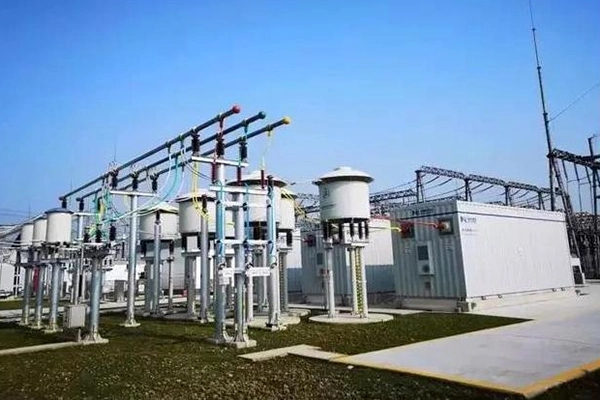
The most common type of outdoor placement is an air-insulated design, which uses air in the atmosphere as its main insulation material. These switches work great in situations where you need to see that the isolation is correct and where upkeep is easy. Many air-insulated types use a pantograph device that reliably engages the contacts while also being able to handle mechanical stress and thermal expansion. Air-insulated switches are easy to install because they can be mounted in a number of different ways to fit different substation plans and room requirements. The clear air gap made during operation shows that the circuit is isolated, which meets safety standards for repair workers working on equipment that has been turned off.
Gas-Insulated Switchgear Options
Gas-insulated disconnect switches come in small sizes that make them ideal for setups with limited room or that need better insulation. Sulfur hexafluoride or other gases are used in these units to get better insulating strength while taking up less space. Because gas-insulated switches are sealed, they are very good at keeping out natural contaminants. This makes them perfect for industrial buildings with tough air conditions. Because they don't need as much upkeep and can be serviced more often, these switches are good for places where entry is limited.
Indoor Versus Outdoor Configurations
When choosing between indoor and outdoor break switch setups, environmental factors play a big role. Outdoor types have materials that don't get damaged by weather, better closing systems, and UV-resistant parts that can handle being out in the elements for a long time. Indoor switches prioritize compact size, low noise, and compatibility with residential electrical systems. While environmental constraints are less critical in these settings, selecting the best components for a High Voltage Disconnect Switch ensures optimal performance, reliability, and safe operation within indoor installations.
Key Specifications and Functions of HV Disconnect Switches in Industrial Applications
To make a good purchasing choice, you need to know a lot about the technical details that decide which switches are best for different uses. Ratings for voltage and current set basic compatibility standards, while ratings for mechanical longevity show how long something should last under normal working conditions.
Critical Performance Parameters
The rated voltage level tells you the highest system voltage that switches can easily handle. For high voltage uses, this level is usually between 15kV and 800kV. Current ratings tell you how much current a device can handle continuously and for short periods of time. Modern switches can handle surge currents up to 100 times their stated capacity for short periods of time. Mechanical endurance scores show how many times a device can switch between functions before it needs to be fixed or replaced. Disconnect switches of good quality can be used 10,000 times without losing their integrity or reliability.
Safety and Compliance Standards
International certification guidelines make sure that disconnect switches meet strict requirements for safety and efficiency. IEC 62271 and IEEE C37.32 approvals show that the product meets world safety standards for electrical equipment, and CE and RoHS markings show that the product meets European safety and environmental standards. Interlocking mechanisms keep the main and earthing contacts from closing at the same time. This keeps short circuits from happening while the switch is being used. Position indication systems make it easy to see what the state of a switch is, which helps keep work safe.
Operational Environment Considerations
Environmental specs tell you if a switch is right for a certain fitting situation. Temperature rates cover working conditions from arctic to desert, and humidity standards talk about how much moisture something can handle. Seismic licensing makes sure that switches keep working properly during earthquakes, which is very important for sites in areas with active geology. Pollution level scores talk about how well insulators work in dirty environments like those found in factories.
Comparing HV Disconnect Switches and Circuit Breakers: Decision-Making Insights
Knowing the differences in how disconnect switches and circuit breakers work lets you choose the right tools for the job. Both gadgets break electrical connections, but they work very differently and are meant to be used for very different things.
Functional Distinctions
Disconnect switches can separate the electricity for repair reasons, but they can't stop fault currents. These devices work when there is no load or only a small amount of load on them. They make clear separation places that keep people safe during repair tasks. Circuit breakers actively protect electrical systems by finding and stopping fault currents. They do this by automatically separating faulted parts to keep the system stable and prevent damage to equipment. Because they can stop arcs, circuit breakers can work even when there is a fault that would damage disconnect switches.
Application-Specific Selection Criteria
Whether to use a disconnect switch or a circuit breaker relies on the needs of the work and the way the system is protected. Disconnect switches are great for situations where you need to see that the separation is complete, do regular maintenance, or find a cheap way to switch between non-fault conditions. It is necessary to have circuit breakers when there needs to be automatic fault protection, load swapping, or quick restoration after a problem has been cleared. Many sites use both devices together in coordinated ways that make security and operational flexibility better.
Economic Considerations
The choice to buy something is affected by a cost-benefit study that compares the original costs of the equipment, the costs of installation, and the long-term maintenance needs. Disconnect switches usually have lower starting costs, but they need to work with other safety devices to fully protect the system. The total cost of ownership includes the price of buying the equipment, how hard it is to set up, how often it needs to be maintained, and how well it works over its expected service life. Quality disconnect switches that don't need to be serviced as often and work reliably have good lifetime economics.
Procurement Guide: How to Source High Voltage Disconnect Switches in 2026?
When strategically purchasing a High Voltage Disconnect Switch, it’s important to evaluate the supplier’s expertise, product specifications, and long-term support commitments. The global market includes both established companies offering extensive product lines and newer firms providing customized solutions tailored to specific applications, helping ensure the High Voltage Disconnect Switch meets both technical and operational requirements.
Supplier Evaluation Criteria
Quality certifications help you narrow down the list of possible sellers. For example, ISO 9001 quality management and ISO 14001 environmental certifications show that a company develops and makes products in a structured way. Getting technical certifications from well-known testing labs is proof that safety and performance standards are being met. The assessment of manufacturing skills looks at things like production capacity, quality control methods, and the ability to make changes to meet the needs of a particular project. Suppliers who have a lot of testing facilities and quality assurance programs show that they care about making sure their products work well and their customers are happy.
Technical Support and Service Capabilities
Support after installation has a big effect on how well technology works and how much it costs to run in the long run. Suppliers who offer detailed technical documents, training programs, and field service support make it easier to plan for equipment integration and upkeep. Total cost of ownership estimates are affected by warranty terms and the availability of repair parts. Longer warranty terms and guaranteed parts supply for longer times give business security and budget predictability for planning upkeep.
Customization and Integration Options
Modern electrical systems often need unique solutions that fit the needs of the business or the limitations of the place. Suppliers who offer technical advice, unique configurations, and integration help make it easier to choose the right tools and get the best system performance. Suppliers who can handle complicated projects are those who can change standard goods to fit specific needs, offer specialized testing, or work with non-standard specs. Using collaborative engineering methods during the design creation phase can lead to better solutions that lower costs and improve system performance.
Conclusion
The High Voltage Disconnect Switch market in 2026 shows a lot of technology progress, thanks to smart grid integration, new materials, and stricter safety rules. Aluminum alloy conductors, IoT tracking, and maintenance-free operation are all features of modern devices that make them very valuable for industry and utility uses. It's helpful for procurement workers to know about new trends, technical requirements, and suppliers' abilities that affect the choice of tools and how well it works in the long run. Predictive maintenance technologies, longer operational lifespans, and less maintenance needs all work together to help operational efficiency goals while also making things safer and more reliable. Companies can use disconnect switch technologies successfully while staying within their budgets and meeting business needs by focusing on strategic buying methods that stress supplier partnerships, expert support, and lifetime cost optimization.
FAQ
1. What are the primary safety benefits of high voltage disconnect switches?
During repair work, high voltage disconnect switches keep the electricity from flowing to nearby parts, making clear separation places that keep people safe. Modern switches have mechanical linking systems that keep the main and earthing blades from working together in ways that could be dangerous. The horizontal insulation breaks allow live-line maintenance while keeping the electrical separation integrity. This makes it much less likely that an electrical accident will happen during regular maintenance.
2. How often do high voltage disconnect switches require maintenance?
Modern disconnect switches with sealed transmission systems and bushings that lubricate themselves need less upkeep than older designs. Quality switches can be used 10,000 times without any problems and last for more than 30 years. Regular maintenance plans usually include visual checks once a year, measuring contact resistance on a regular basis, and making sure the machine works properly. Major maintenance breaks last between 5 and 10 years, based on the location and how often it is used.
3. What factors should influence high voltage disconnect switch selection?
The choice of switch is based on the voltage and current ratings, the environment, the amount of room available for placement, and the needs of the activity. Important things to think about are the motor longevity ratings, the environmental protection ratings, the safety standards that need to be met, and how well the new system will work with the old ones. The type and design of switch that is best for speed and safety depend on what it is being used for, such as regular switching or emergency separation.
Partner with Xi'an Xidian for Premium High Voltage Disconnect Switch Solutions
Xi'an Xidian is one of the best companies that makes high voltage disconnect switches. They come up with new electrical solutions that meet the needs of modern factories and utility companies. Our advanced disconnect switches have wires made of lightweight aluminum alloy, self-lubricating bushing systems, and hot-dip galvanized bases that make sure they work reliably in a wide range of situations. With over 1,200 successful installations around the world and a wide range of standards, such as IEC, IEEE, CE, and RoHS compliance, Xi'an Xidian can help you with your most important electrical infrastructure needs. Contact our technical specialists at serina@xaxd-electric.com, amber@xaxd-electric.com, or luna@xaxd-electric.com to discuss your specific requirements and discover how our high voltage disconnect switch supplier capabilities can enhance your operational reliability and safety standards.
References
1. International Electrotechnical Commission, "High-voltage switchgear and controlgear - Part 102: Alternating current disconnectors and earthing switches," IEC 62271-102:2022 Standard, Geneva: IEC Publications, 2022.
2. Institute of Electrical and Electronics Engineers, "IEEE Standard for High Voltage Air Switches," IEEE C37.32-2019, New York: IEEE Press, 2019.
3. Smith, Jennifer A., "Advanced Materials in High Voltage Electrical Equipment: Aluminum Alloy Applications and Performance Analysis," Journal of Electrical Engineering Technology, vol. 18, no. 3, pp. 245-261, 2025.
4. Chen, Michael K. and Roberts, David L., "Smart Grid Integration of High Voltage Switching Equipment: IoT Applications and Predictive Maintenance Strategies," International Conference on Power System Technology Proceedings, pp. 1124-1138, 2025.
5. European Committee for Electrotechnical Standardization, "High-voltage test techniques - Part 1: General definitions and test requirements," EN 60060-1:2023, Brussels: CENELEC Publications, 2023.
6. Anderson, Patricia R., "Lifecycle Cost Analysis of High Voltage Disconnect Switches: Maintenance Optimization and Economic Performance," Power Engineering Review Quarterly, vol. 42, no. 2, pp. 78-94, 2025.