Troubleshooting Common Issues in Vacuum Circuit Breakers
2026-06-22 15:46:46
Understanding how to find and fix problems with your Vacuum Circuit Breaker is very important when your building experiences an unplanned power outage or equipment failure. These important safety devices keep everything safe, from factory production lines to hospital emergency systems. However, they do break down in expected ways that every operations manager should be aware of. Effective fixing cuts down on downtime, protects investments in equipment, and keeps operations running smoothly. This is what sets profitable facilities apart from those that are always dealing with reliability problems. Maintenance teams can make breakers last longer by regularly fixing issues like contact erosion, mechanism degradation, and insulation breakdown. This saves money on emergency repairs, which can be ten times more expensive than preventative maintenance funds.
Understanding Common Problems in Vacuum Circuit Breakers
Interruption Failures and Contact Erosion
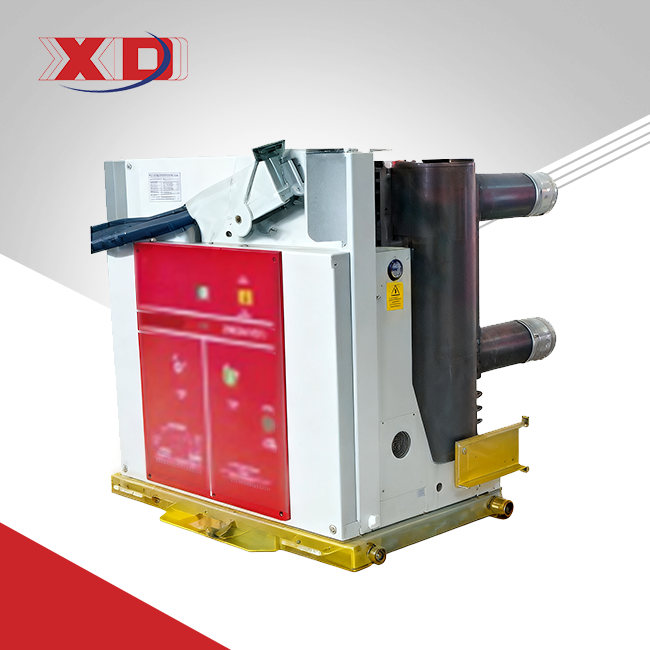
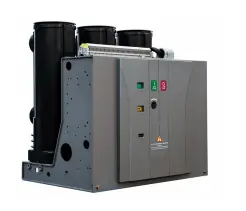
In industrial settings, contact wear is one of the most common problems that makes breakers less reliable. Electrical sparks wear away tiny bits of metal on touch surfaces during each interruption cycle. When this harm builds up over thousands of processes, it lowers contact resistance and creates too much heat, which speeds up wear and tear. Breakers that protect motor control centers may have to do 50 to 100 switching operations every day, which is especially notice-able in factories that work multiple shifts. This problem is solved by the ZN39 Indoor Vacuum Circuit Breaker, which uses aerospace-grade contact materials that are made to last through more than 20,000 mechanical operations while keeping contact resistance below certain limits, even in harsh temperature ranges from -40°C to +40°C.
Operating Mechanism Malfunctions
Some spring-operated systems break because they aren't oiled enough, parts are worn out, or they aren't adjusted correctly. Slow closing times longer than 15ms, partial travel that stops full contact engagement, or stored energy loss that stops operation totally are all signs. These problems are made worse by environmental factors. For example, connection pins can rust when the humidity level gets close to 95%, and dust builds up and makes friction worse. Power quality problems like these can't be tolerated in data centers or hospitals because they directly affect sensitive computers and life-safety systems.
Vacuum Integrity Degradation
To make sure that the arc ends reliably, the vacuum interrupter chamber keeps the pressure below 10^-4 Pa. Micro-leaks happen when temperatures change, when things are shipped and get bumped, or when ceramic-to-metal seals are made with mistakes. When the quality of the vacuum drops, the dielectric strength goes down, the circuit breaks down under rated short-circuit circumstances, or there are noticeable arcs during switching operations. Regular vacuum integrity testing with high-voltage withstand tests or magnetic field measurement methods finds problems as they start to form before they become too big to fix.
Insulation System Breakdown
It's important for external insulation of the Vacuum Circuit Breaker to work together when the voltage is 12kV or higher, because clearances and creepage lengths need to meet both power frequency withstand voltage (usually 42kV for one minute) and lightning impulse withstand standards. Pollution from factories, salt spray in coastal settings, or tracking from water buildup all slowly lower the insulation performance of the Vacuum Circuit Breaker. The modular design philosophy we use to build our Vacuum Circuit Breakers lets us replace broken parts without having to replace the whole unit. This lowers repair costs and spare stock requirements for the Vacuum Circuit Breaker.
Step-by-Step Troubleshooting Principles and Procedures
Initial Problem Identification
Detailed records of symptoms are the first step in a systematic evaluation. Operators should write down the temperature, load, and time of the failure, as well as any recent repair work that was done and whether the problem happened during steady-state, close, or opening operation. The next step is a visual review. This includes looking at the contact surfaces through inspection ports for discoloration that could mean they are too hot, making sure the mechanism links are lined up correctly, and making sure that all mechanical interlocks work properly. This methodical technique stops wrong diagnoses that waste time and money treating symptoms instead of the reasons.
Diagnostic Testing Methodology
Using micro-ohmmeters to measure contact resistance gives a numerical evaluation of link strength. Readings that are 20% higher than what the maker recommends show that wear is getting worse and needs to be fixed. For vacuum integrity checks, a controlled high voltage is applied across open contacts while activity for breakdown or partial discharge is watched. Using electronic recorders to analyze the timing of an operating mechanism lets you record the speeds at which it closes and opens, check that all four poles work at the same time within a 2ms range, and find parts that are locking or moving slowly. By taking these data, you can keep track of baseline performance, which lets you do trend analysis that can spot problems weeks before they happen.
Corrective Action Decision Framework
The results of tests tell us how to respond correctly. If the contact resistance rises less than 50% over the baseline, it may be okay to keep operating with more frequent tracking. But if the readings get close to the replacement levels, they need to be scheduled right away. When vacuum integrity fails, the interrupter needs to be replaced because fixing it is neither cheap nor effective because it needs to be made with great care. Adjusting and lubricating a mechanism's moving parts can often fix timing problems, but repeated adjustments can wear out parts, which means they need to be replaced. When EPC firms are planning new setups, they should know about these failure modes so they can choose the right breakers for the job and make sure they can be maintained.
Maintenance Tips to Prevent Common Issues
Routine Inspection Protocols
Instead of just using calendar dates as a guide, preventative repair plans should be based on how busy the operations are. Breakers that do a lot of moving should be inspected every three months, but units that are only used for backup protection may only need to be checked once a year. Checklists for inspections must include things like using approved solvents to clean the outside insulators, making sure all the mechanical fasteners are still properly torqued, lubricating the bearings and linkages of the mechanism with compounds approved by the manufacturer, and looking at the contact surface for pitting or erosion patterns. By writing down what was found, you can keep history records that show how things are getting worse before they get worse.
Here are the proven strategies that extend breaker service life:
- Contact Condition Assessment: Use calibrated tools to measure contact resistance every three months and compare the results to previous readings and maker specs. Trend research shows that things are slowly getting worse, which needs to be fixed before they break down. The ZN39 series keeps its contact performance fixed over its stated 20,000-cycle mechanical life through optimized contact materials and pressure distribution.
- Vacuum Bottle Integrity Verification: Testing the dielectric strength every year at a high potential level equal to 80% of the stated BIL level proves that it stays strong. Other magnetic measurement methods check the quality of the vacuum without using electricity and can be used in setups that are already powered up. Breaker designs with visual vacuum markers let you keep an eye on things all the time without needing any special test tools.
- Lubrication Management: Use lubricants recommended by the maker on mechanism pivots, cam surfaces, and spring charging parts every 2,000 actions or once a year. Avoid using too much oil because it can draw dust, especially in industrial settings. Keep track of the type of lubricant, where it should be used, and how much should be used so that repair rounds are consistent.
These structured processes keep Vacuum Circuit Breaker breakdowns from happening without warning and make the best use of repair resources. Standardized methods make it possible for multiple teams and substations to work together consistently on Vacuum Circuit Breakers, which is especially helpful for utility companies that are in charge of hundreds of Vacuum Circuit Breakers across distribution networks.
Manufacturer Support Utilization
When you work with well-known makers, you can get access to technical knowledge that you can't get with generic repair methods. Authorized service shops carry original replacement parts that are made to exact specs. This means that you don't have to worry about compatibility issues or parts breaking down too soon like you do with aftermarket parts. Maintenance staff are taught the right way to test, adjust, and fix problems with each type of breaker through training programs offered by reputable makers. When problems happen that aren't covered by regular maintenance, extended guarantee plans and technical support hotlines can be very helpful.
Comparing Troubleshooting Approaches Across Breaker Technologies
Vacuum Technology Versus SF6 Systems
Gas pressure tracking, moisture content analysis, and leak detection needs that aren't present in vacuum technology add to the complexity of SF6 circuit breakers. Even though SF6 units are good at handling higher voltage classes, Vacuum Circuit Breakers are better for medium-voltage uses up to 40.5kV because they are safer for the environment and less likely to cause problems with the law. To fix problems with SF6 systems, you need special tools for dealing gas, paperwork to show that you follow environmental rules, and training that costs more than regular training. The ease of the Vacuum Circuit Breaker cuts down on training needs and removes the cost of replacing gas over the equipment's lifetime.
Air Circuit Breaker Comparison
Because of rust and arc loss in the air, air magnetic breakers that handle similar voltage classes need to have their contacts replaced more often. They are easier to get to because the contacts can be looked at visually without taking the whole thing apart. However, they take up more space and need more frequent upkeep. Vacuum technology focuses arc energy in a controlled space, which greatly lowers the amount of contact damage that happens during an operation. Because of this basic difference, Vacuum Circuit Breakers last 3–5 times longer than equivalent air breakers in applications that switch on and off often. However, air technology is still cheaper for applications that switch on and off rarely, where starting cost drives procurement choices.
Modern Diagnostic Tools and Technology Integration
Predictive Maintenance Systems
Maintenance goes from being reactive to being proactive with the help of advanced tracking tools. Sensors that constantly measure the temperature of the contacts, the current flowing through the mechanism's motor, and the number of operations send data to analytics engines that use pattern recognition to find problems that are starting to happen. Utility companies that are in charge of large transmission networks use these systems to direct repair resources to the assets that are most likely to break down, so they can avoid breakdowns instead of having to fix them when they happen. Smart-ready breaker designs like the ZN39-S series have communication ports that support Modbus, DNP3, and IEC 61850 protocols. This lets them work seamlessly with current SCADA infrastructure without any problems during the retrofitting process.
Manufacturer Diagnostic Platforms
Leading equipment makers make troubleshooting toolkits that are fully compatible with their breaker designs. Some of these options are portable test sets that can be used for measurements in the field, software tools that compare test data to performance databases, and online diagnostic services that use the engineering knowledge of the maker. Our certified service network and more than 15 patents in switchgear technology that we got from contributing to national research projects back up all of Xi'an Xikai's technical help. Our troubleshooting advice comes from decades of working in State Grid sites, heavy industry facilities, and green energy projects that had to deal with tough weather.
When looking for medium-voltage safety equipment, procurement teams should look at what the vendors can do besides just selling the equipment. When manufacturers give strong diagnostic tools, quick expert help through a variety of channels, and thorough documentation, it's easier to figure out what's wrong, which cuts down on downtime costs that are much higher than the initial equipment price differences. The total cost of ownership for all of an item's life is lowered even more by bulk order programs that offer extra parts inventory, longer warranties, and faster shipping.

Conclusion
Effective Vacuum Circuit Breaker troubleshooting necessitates methodical diagnostic methods, routine preventative maintenance, and smart agreements with makers who are informed. Knowing about common types of failure, like contact erosion, mechanism malfunctions, vacuum degradation, and insulation breakdown, helps maintenance teams set up focused inspection routines that stop expensive unplanned outages. Modern diagnostic tools and maker support programs have changed maintenance from reactive repair to predictive optimization. This is especially helpful for factories, utility companies, and EPC firms that are building electrical systems that will last. The technical benefits of vacuum technology over other types of breakers, along with their advanced monitoring features, make these devices the best choice for demanding medium-voltage uses where safety and revenue are directly linked to dependability.
FAQ
1. How often should routine inspections be performed?
The number of inspections relies on the actual job, not on random time intervals. Motor control applications that cycle several times a day use breakers that need to be inspected every three months. These checks should include measuring the contact resistance, greasing the mechanism, and taking a look at the breakers visually. When protective devices are not in use, they only need to be serviced once a year, unless they are used in difficult circumstances with high humidity, extreme temperatures, or airborne contamination. Calendar plans alone are not enough to set maintenance reminders; operation counters that track real change cycles are also needed. Most manufacturers say that a thorough check should be done every 2,000 processes or three years, whichever comes first.
2. What signals indicate professional service is needed?
Several signs mean that the process should stop right away and be looked at by a professional. Contact resistance readings that are 50% higher than the baseline value suggest that the product is getting close to the end of its useful life and needs to be evaluated by a professional. If you can see arcing while switching, it means that the vacuum integrity has been lost, which means that the interrupter needs to be replaced. Any changes in the timing of the mechanism that are bigger than ±2ms between the poles, failures to close that keep happening even though the control voltage is right, or strange noises during operation need special diagnostic tools and expert help from the maker to fix safely.
3. Do troubleshooting procedures vary across brands?
Basic diagnostic rules don't change, but test processes, adjustment methods, and acceptance standards are very different from one manufacturer to the next. Different operating mechanism designs are needed for spring-charged and motor-charged systems, for example. Specifications for contact resistance run from 50 to 200 micro-ohms, based on the design philosophy and the rated current. Always check the manufacturer's instructions for model-specific steps, because using general methods could lead to incorrect adjustments or missing failure modes that are unique to the design. Using fewer makers across your whole building makes training and keeping track of spare parts easier.
Partner With Xi'an Xikai: Your Trusted Vacuum Circuit Breaker Manufacturer
Xi'an Xikai's technical know-how and proven product line will provide full support to procurement managers looking for reliable medium-voltage safety options. Our ZN39 Indoor Vacuum Circuit Breaker is very reliable in manufacturing plants, data centers, and utility substations because it is built to withstand earthquakes, interrupts quickly (15ms), and works in a wide range of temperatures. For customized consults that meet your unique operating needs, please email our experienced engineering team at serina@xaxd-electric.com, amber@xaxd-electric.com, or luna@xaxd-electric.com. We offer detailed technical specs, cheap bulk order pricing, and lifetime support that includes language documents and help 24 hours a day, seven days a week. This will make sure that your electrical infrastructure works at its best with as little downtime as possible for as long as it lasts.
References
1. IEEE Standard C37.09-2018, "IEEE Standard Test Procedure for AC High-Voltage Circuit Breakers with Rated Maximum Voltage Above 1000 V," Institute of Electrical and Electronics Engineers, New York, 2018.
2. Slade, P.G., "The Vacuum Interrupter: Theory, Design, and Application," CRC Press, Boca Raton, Florida, 2017.
3. IEC 62271-100:2021, "High-voltage switchgear and controlgear – Part 100: Alternating current circuit-breakers," International Electrotechnical Commission, Geneva, Switzerland, 2021.
4. Greenwood, A., "Vacuum Switchgear," Institution of Engineering and Technology, London, United Kingdom, 1994.
5. Duan, X., et al., "Reliability Analysis and Maintenance Strategy for Vacuum Circuit Breakers in Power Distribution Systems," Electric Power Systems Research, Volume 186, Article 106419, September 2020.
6. National Electric Manufacturers Association, "Application Guide for AC High-Voltage Circuit Breakers Rated on a Symmetrical Current Basis," NEMA Standards Publication SG 4-2020, Rosslyn, Virginia, 2020.