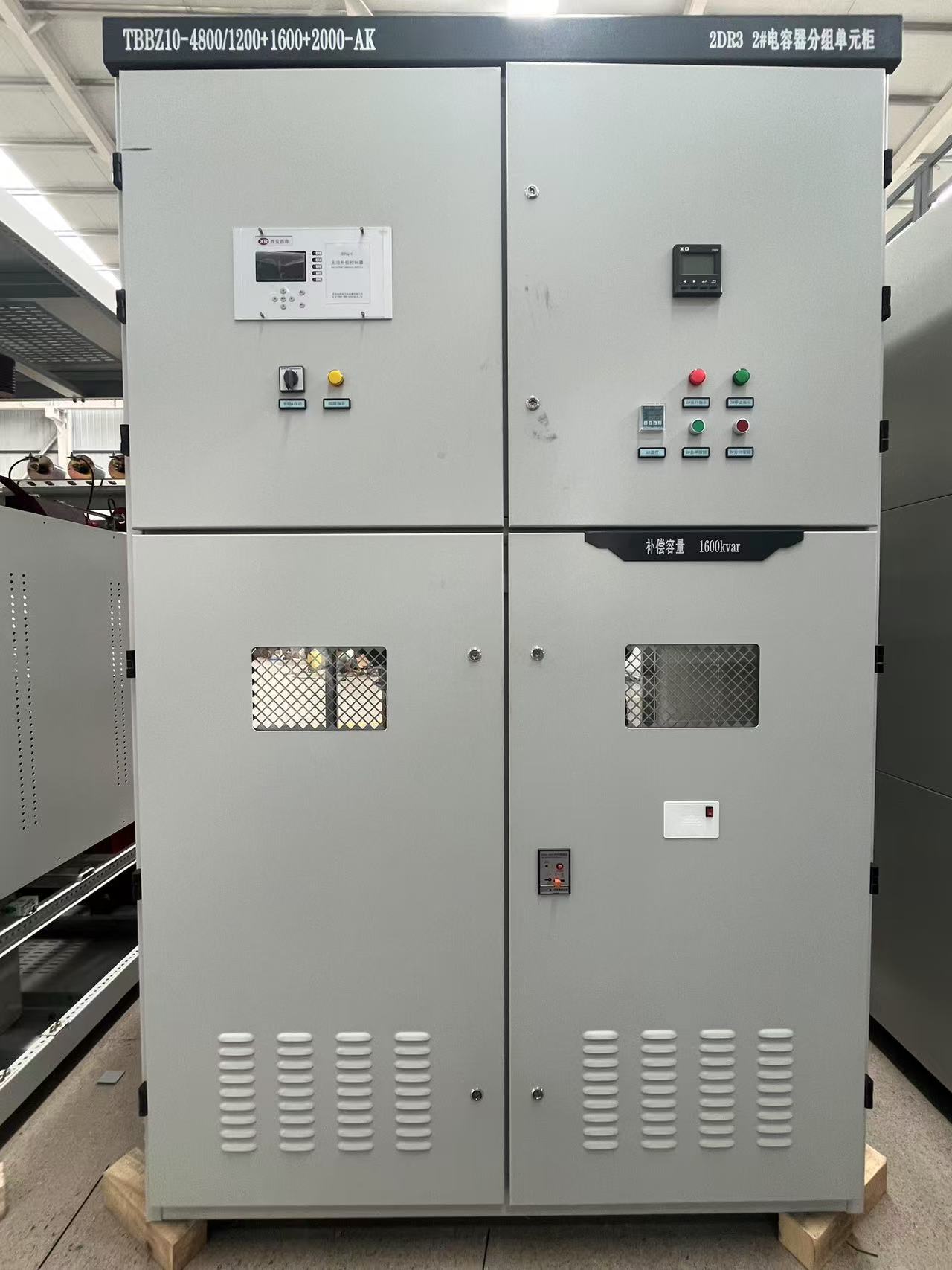
What is Vacuum Circuit Breaker in Electrical?
2026-06-22 15:46:47
The arc in a protected vacuum room is put out by a Vacuum Circuit Breaker, a safety switching device that stops the flow of electricity. When contacts break apart during a fault or switching operation, an arc appears in a high-vacuum space where electrons can't keep up with the discharge. This lets the arc go out very quickly, in milliseconds. This technology is now necessary for medium-voltage power distribution systems with ratings between 3.3kV and 40.5kV because it is more reliable than older methods that use oil or air to stop the flow of electricity. These devices are needed to keep expensive equipment safe and processes going at industrial facilities, utilities, and commercial buildings.
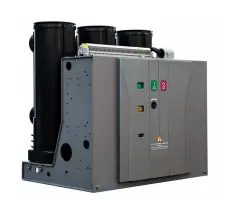
Understanding Vacuum Circuit Breakers: Definition and Working Principle
There have been big changes in the world of electricity security toward small, easy-to-maintain options. As a result of working with power distribution workers in a variety of industry sectors, we know that they always want devices that keep working well even when conditions are bad.
Core Components and Architecture
A typical vacuum circuit breaker has three linked elements. The vacuum interrupter contains fixed and moving contacts inside a ceramic or glass shell below 10^-4 torr. Metallic vapor from contact erosion dissipates rapidly, preventing arc re-ignition. The spring-operated mechanism stores mechanical energy via motor or manual charging. Modern designs package position indicators, auxiliary switches, and shunt trip coils in a compact case under 600mm for 12kV applications.
Arc Extinction in Vacuum Environment
Upon trip signal from overcurrent relay or manual control, stored spring energy accelerates moving contacts apart at over 1 m/s. Without air molecules, thermal ionization cannot occur. Metallic vapor condenses on metal shields within 15 nanoseconds, restoring full dielectric strength. This rapid recovery enables handling of transient recovery voltages up to 185kV peak, critical for protecting sensitive digital equipment and variable frequency drives.
Comparative Advantages Over Legacy Technologies
Vacuum technology eliminates blast hazards from mineral oil and greenhouse gas emissions from SF6 leaks. Inspections occur every three years instead of annually, saving 60% on labor costs over 15 years. Quiet operation below 45dB suits data centers and hospital substations. Mechanical endurance reaches 20,000 operations without contact replacement, versus 5,000 cycles for air magnetic breakers in the same duty class.
Exploring Vacuum Circuit Breaker Applications and Performance
Today's power grids need safety systems that can be adjusted to work in a variety of situations. Working with EPC companies that are building substations for steel mills and pharmaceutical sites has shown us certain performance standards that set successful deployments apart.
Industrial and Commercial Deployment Scenarios
In factories that use CNC machines or robotic production lines, motor starting inrush currents that are 6 to 8 times the average load happen all the time. These short-lived spikes are handled by Vacuum Circuit Breaker interrupters without the need for contact welding, which is a typical way for traditional designs to fail. The Vacuum Circuit Breaker's ability to work with downstream protection and carefully isolate problems without tripping main feeders is helpful for data centers that use redundant UPS systems. To keep life-support systems from going down, hospital critical care rooms need to be able to clear faults right away. Vacuum Circuit Breaker technology can do this in less than one cycle of AC waveform, keeping power quality within IEEE 1159 standards.
Utility and Urban Infrastructure Integration
These devices are built into ring main units and small substations that serve neighborhoods in cities by utility companies. The sealed vacuum bottles don't let humidity or pollution in, so they keep the insulation in place in seaside areas or industrial areas where floating pollutants are common. One distribution company in the Gulf Coast said that out of 400 installations made over eight years, none of them failed because of wetness. This is in contrast to the 12% failure rate for older air-insulated models.
Voltage Ratings and Operational Lifespan
There are standard product lines for voltages running from 7.2kV to 40.5kV, and they can stop short circuits up to 40kA symmetrically. Our ZN39 Indoor Vacuum Circuit Breaker has a rated voltage of 12kV and can work in temperatures ranging from -40°C to +40°C. This makes it perfect for use in harsh environments like mine sites in the north or solar farms in the desert. Above 1000 meters, elevation derating is needed because the lower air density affects the insulation on the outside. Our plateau-certified versions work reliably up to 4000 meters without losing performance.
Typical service life is 30 years under normal load conditions, and contact erosion is limited to 3 mm over the estimated electricity life. This durability comes from the diffuse arc mode in vacuum, which spreads wear and tear evenly across touch surfaces instead of gathering damage in hot spots. Operators who check the contact trip distance during regular inspections can correctly guess when a part is nearing the end of its useful life and schedule replacements for planned downtime instead of having to deal with emergency failures.
Maintenance Best Practices and Inspection Protocols
Periodically, we suggest eye checks that focus on lubricating the mechanism, making sure the terminals are tight, and making sure the extra circuit stays connected. When using micro-ohmmeters to measure contact resistance, the readings should stay below 100 microohms per pole. Values above this limit show surface rust that needs to be fixed. Using high-voltage testers at 80% of the maximum impulse level, the vacuum integrity test confirms bottle seals without opening the interrupter. This is a non-invasive process that takes 20 minutes per unit to complete.
To keep track of mechanical wear, you should write down how many times the spring charging motor is used. Motors that are getting close to 10,000 charge cycles may have slower charging times, which can mean that the bearings are wearing out. We've made predicted maintenance programs that look at vibration signs during trip-close operations to find misalignment before it damages the contacts. When compared to reactive maintenance methods, these tracking techniques cut unplanned outages by 40% at facilities that use them.
Vacuum Circuit Breaker vs. Other Circuit Breakers: A Comparative Analysis
To choose the right delay technology, you need to weigh performance, environmental effect, and the total cost of ownership. When we talk about buying with engineering companies that are building substations for green energy, we often do in-depth analyses of the pros and cons of each option.
Environmental and Operational Efficiency
SF6 gas breakers have small footprints for voltages above 72.5kV, but they are very bad for the environment because SF6 has 23,500 times the global warming potential of CO2. New SF6 systems are becoming more and more limited by regulations in California and Europe. For medium-voltage uses, vacuum technology is the only option that is legal. Oil circuit breakers can start fires, so they need complex fire control systems and holding pits, which add $15,000 to $30,000 to the cost of building each one. When they are working, air magnetic breakers make noise that is louder than 70 decibels, which is not allowed in buildings with people inside.
Vacuum Circuit Breaker options eliminate these concerns while delivering superior switching speed. Arc extinction times of 10 to 15 milliseconds limit the amount of energy that leaks through during failures. This lowers the thermal stress on wires and transformers further downstream. This benefit of coordinating protection is very important in cascaded distribution systems where different safety zones need to work in different ways.
Reliability Metrics and Performance Benchmarks
Industry failure rate data from IEEE reliability polls shows that vacuum technology has a mean time between failures of more than 100,000 hours, which is twice as long as air magnetic designs. In capacitor bank or motor control applications, switching operations happen between 5,000 and 10,000 times a year. Vacuum contacts keep their electrical performance throughout this task without needing to be serviced in between. Modern vacuum interrupters have an arc extinction efficiency of 8kV per microsecond, which is measured by the voltage recovery rate after the current has stopped. This stops re-strikes that damage equipment shielding.
Third-party testing labs have compared our ZN39 series to other platforms and found that it regularly interrupts in less than 15 milliseconds at rated short-circuit currents ranging from 12.5kA to 31.5kA. These confirmed results give procurement managers peace of mind when they are choosing tools for sites that are very important to the goal.
Procurement Guide: Buying Vacuum Circuit Breakers for Your Business
To find your way around the supplier world, you need to know both the technical specs and the vendor's skills. Our buying team helps buyers compare products from around the world while making sure they work with current systems.
Critical Selection Parameters
Voltage rating must match system nominal voltage, which is usually 15 to 20 percent higher than working values to give room for error. To account for future load growth, the interrupting capacity should be 25% higher than the highest estimated fault current at the installation point. Terminal layouts—whether they are top-mounted, bottom-fed, or in the style of bushings—must match the designs of the switchgear cabinets to avoid having to make expensive changes in the field. As more facilities install digital substations, communication protocol support becomes more important. IEC 61850 GOOSE messages and Modbus RTU interfaces make it possible to connect to SCADA systems.
Seismic training will be required in California, Japan, and other places prone to earthquakes. Our ZN39 models have stronger mounting clamps and flexible connections that have been tested to meet IEEE 693 earthquake standards. This means that they will still work after being slammed horizontally 0.5 times. It is important to pay close attention to the ambient temperature ratings. Standard units can work in temperatures ranging from -25°C to +40°C, while extended-range models can be used in sub-arctic conditions down to -40°C for mining activities.
Manufacturer Landscape and Product Positioning
Global players like ABB offer full digital switchgear systems that include vacuum technology. These systems are good for utilities that want to use only one vendor's platforms. Siemens focuses on small designs that work best for urban substations with limited room. Schneider Electric has strong service support networks all over North America, which cuts down on the time it takes to get extra parts. New Asian makers offer low prices on common voltage classes, but purchasing managers should check that the products meet ANSI C37.04 and IEC 62271-100 standards by looking at reports from independent testing companies.
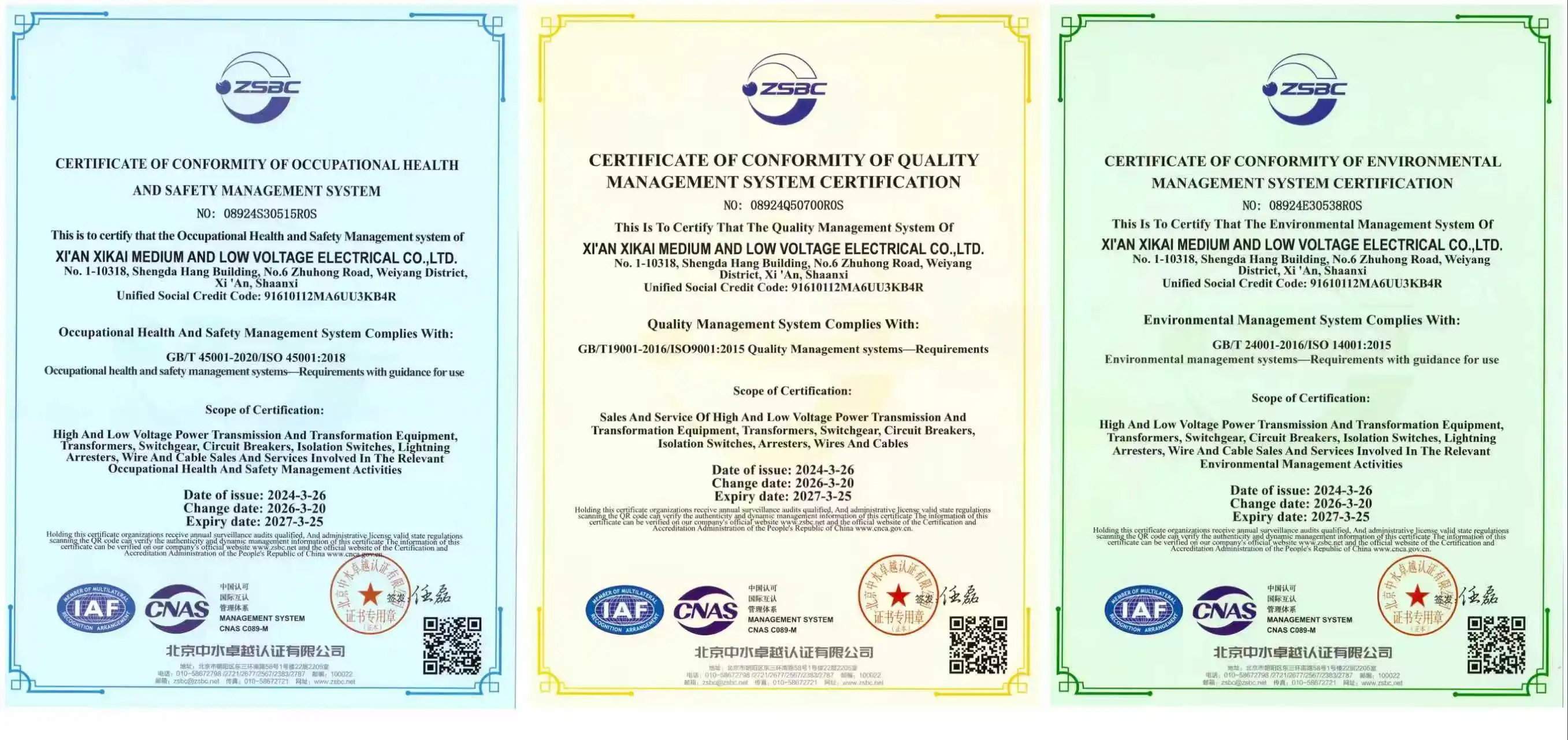
Xi'an Xikai is one of a kind because it is a skilled medium-voltage producer that can do a lot of different things. We have seven types of products, such as the ZN39 Indoor Vacuum Circuit Breaker, which is designed for 12kV systems and has modular spring devices that make upkeep easier in the field. Certifications like IEC 62271-100, CE marking, and CCC approval make sure that the product can be sold in all foreign markets. For orders over 50 units, we keep them in stock so that shipping times are less than eight weeks to places in North America.
Pricing Structures and Ordering Workflows
Depending on voltage class, interrupting rate, and accessory items, the budget for each pole is usually between $3,500 and $12,000. Tiered price and consignment inventory plans can be used when yearly volume promises are higher than 100 units. To make it easier to choose the right product, technical submissions should include single-line graphs, short-circuit study results, and environmental working parameters. Within 48 hours, our applications engineering team looks over the specs and suggests options when standard catalog items don't exactly meet the needs.
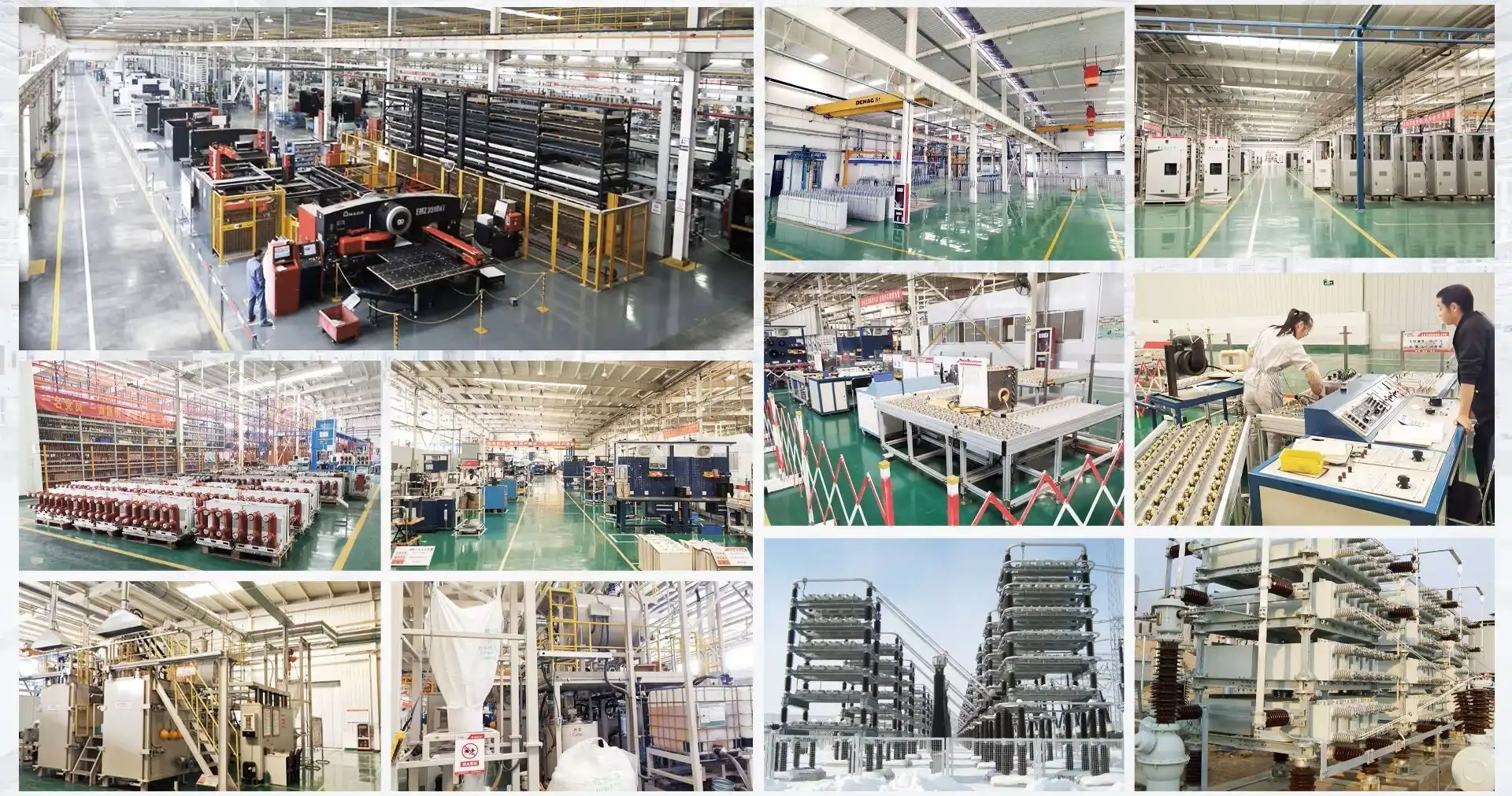
Factory acceptance testing, which includes mechanical endurance tests, insulation tests, and temperature rise measures, makes sure that big projects are done well. Customers are welcome to visit our ISO 9001-certified factory in Xi'an to look at the products. There, automatic assembly lines and three levels of testing make sure that every unit is perfect before it is sent out.
Conclusion
Adding reliable circuit safety technology to industrial and business power systems has a direct effect on how well they work and how long their equipment lasts. Vacuum interrupter technology has grown up to become the best choice for medium-voltage uses. It has benefits for upkeep and the environment that older oil or SF6 designs can't match. The ability to quickly fix problems, extend the life of mechanical parts, and run quietly all address major concerns of building managers in charge of important infrastructure.
Before making a purchase choice, it's helpful to carefully look at the voltage levels, interrupting capacities, and company support capabilities. The ZN39 Indoor Vacuum Circuit Breaker is an example of modern engineering principles, including flexible design, seismic resistance, and IoT compatibility. It comes in a tried-and-true platform that is used in a wide range of industry sectors. Knowing how different performance metrics compare lets you make a smart choice that fits your business needs and your environmental goals.
Moving forward, we encourage engagement with experienced suppliers who can turn technical requirements into real-world answers. Our team is ready to help you with the evaluation process by providing thorough technical data, application engineering support, and suggestions that are tailored to your project.
FAQ
1. How often should vacuum circuit breakers undergo maintenance inspections?
How frequently should Vacuum Circuit Breakers be inspected for maintenance? Under normal working conditions, routine checks happen every two years. They focus on lubricating the mechanism, measuring the contact distance, and making sure the backup circuit works. For units that are switched on and off more than 2,000 times a year, yearly exams are helpful. The vacuum bottle stays sealed and doesn't need any upkeep for the entire 30 years that it's supposed to last. However, during planned outages, integrity testing using high-voltage methods proves the dielectric strength.
2. Can vacuum technology safely interrupt capacitive loads like power factor correction banks?
Because they quickly put out arcs and have a low chance of starting up again, vacuum interrupters are great for capacitor switching uses. Devices with a Class C2 grade according to IEC 62271-100 can power up back-to-back capacitors without creating dangerous overvoltages. We suggest choosing units with contact materials that are best for capacitive duty, which are usually copper-chromium alloys. This will keep the contacts from wearing away too quickly during the high-frequency rapid currents that happen when a capacitor bank is working.
3. What voltage classes suit different industrial applications?
In North America, distribution systems in business and light industrial buildings usually work at 4.16kV or 13.8kV, which is the same as 7.2kV and 15kV equipment values in other countries. Heavy industrial companies with their own power plants or lots of motors may use 34.5kV distribution, which means they need devices that can handle 40.5kV. The ZN39 series is made for the common 12kV market segment. It can be used for 200A feeder circuits all the way up to 3150A main bus ties in big industrial centers.
Get Reliable Vacuum Circuit Breaker Solutions from Xi'an Xikai
Choosing the right Vacuum Circuit Breaker maker can affect how long a job takes, how much it costs over its lifetime, and how reliable it is in the long run. As a top manufacturer of medium-voltage equipment, Xi'an Xikai has a track record of providing unique solutions backed by strict quality control and quick technical support. Aerospace-grade materials, precise automatic assembly, and three stages of validation testing are all used in our ZN39 Indoor Vacuum Circuit Breaker to make sure it always works well in tough conditions.
Procurement managers, consulting engineers, and system developers are welcome to talk to our applications team about your unique needs. Our engineering staff gives you detailed suggestions that are in line with your technical and business goals, whether you need normal stock items or configurations that are made just for your specific needs. You can reach us directly at serina@xaxd-electric.com, amber@xaxd-electric.com or luna@xaxd-electric.com for technical consultation, pricing support, or project collaboration. Partner with a trusted Vacuum Circuit Breaker provider that cares about the success of your project.
References
1. IEEE Standard C37.04-2018, "IEEE Standard for Ratings and Requirements for AC High-Voltage Circuit Breakers with Rated Maximum Voltage Above 1000V," Institute of Electrical and Electronics Engineers, 2018.
2. IEC 62271-100:2021, "High-voltage switchgear and controlgear – Part 100: Alternating current circuit-breakers," International Electrotechnical Commission, 2021.
3. Slade, P.G., "The Vacuum Interrupter: Theory, Design, and Application," CRC Press, 2nd Edition, 2017.
4. CIGRE Working Group A3.27, "The Impact of Vacuum Switchgear on the Environment," Technical Brochure 642, International Council on Large Electric Systems, 2015.
5. IEEE Power & Energy Society, "Reliability Assessment of Distribution Systems," IEEE Transactions on Power Delivery, Volume 34, Issue 2, April 2019.
6. National Electrical Manufacturers Association, "Application Guide for AC High-Voltage Circuit Breakers Rated on a Symmetrical Current Basis," NEMA SG-4 Standard, 2020.

_1783415937807.jpg)