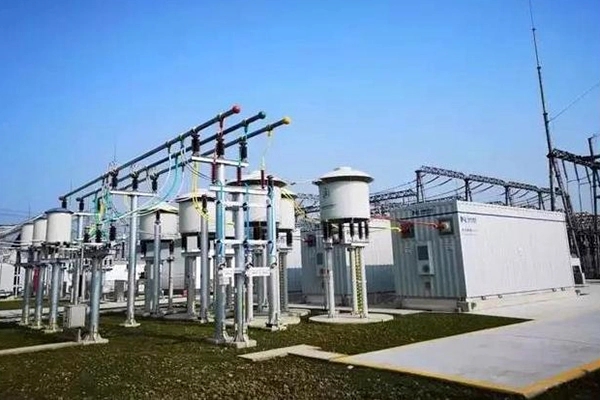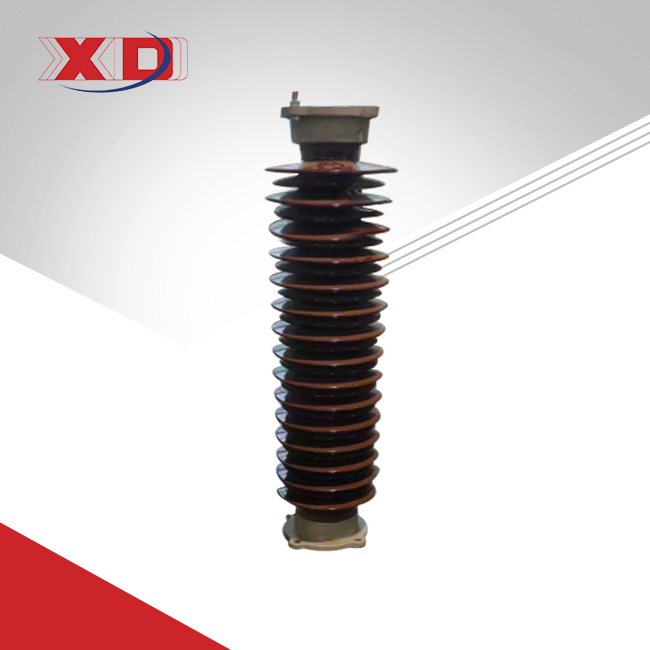
Y10W-102/266W Lightning Arrester Porcelain housed MOA for AC system
Uses of Circuit Breakers in Power Distribution
2026-03-13 15:44:49
Circuit breakers serve as critical safety devices in power distribution systems, automatically interrupting electrical current flow when dangerous conditions arise. These protective mechanisms safeguard electrical systems from damage caused by overcurrent conditions, short circuits, and other electrical faults. Modern power distribution relies heavily on these intelligent switching devices to maintain system integrity and prevent serious failures that could result in equipment damage, fires, or electrical hazards across industrial, commercial, and utility applications.
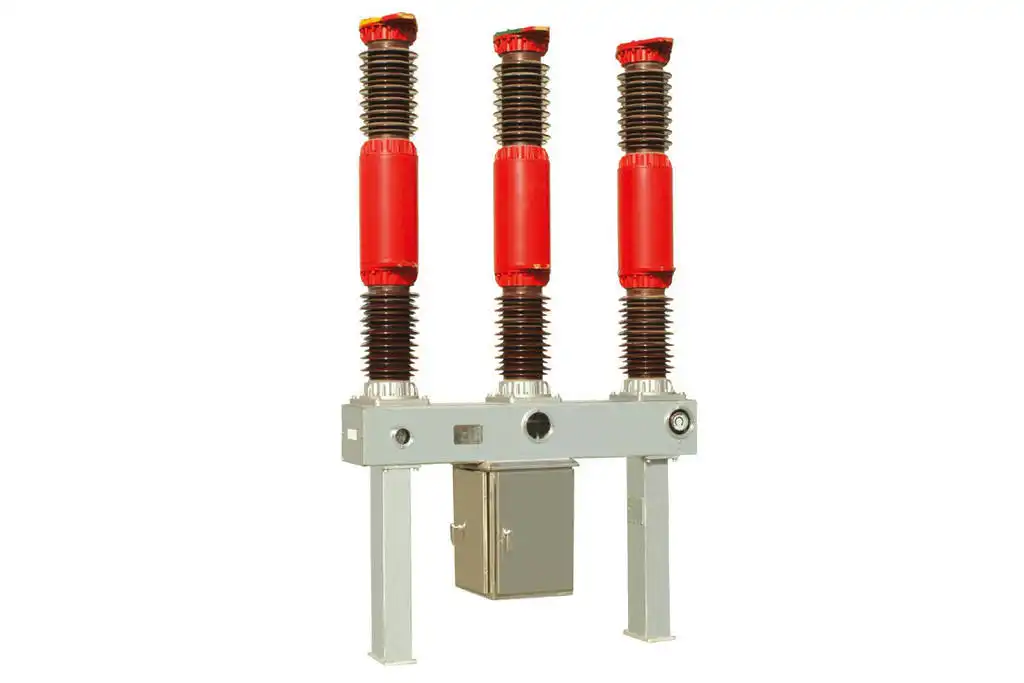
Understanding Circuit Protection Fundamentals
that can do a lot of damage if you're not protected. Circuit protection is an important part of electrical safety because it keeps expensive technology from breaking down and keeps it from being permanently damaged. When a fault happens, the automatic switch feature of protective devices responds in milliseconds. Unlike manual switches, these devices constantly check the electrical settings and act right away if something goes wrong. This ability to respond quickly is necessary to stop arc flashes and lower the risk of fire in electrical systems. Modern switchgear has clever trip mechanisms that can find different kinds of faults in a number of different ways. When there is a prolonged overcurrent state, thermal trip mechanisms respond. When there is a sudden short circuit, magnetic trip mechanisms respond. This method of dual protection makes sure that all fault scenarios are covered.
Essential Applications in Industrial Power Systems
Manufacturing Plant Protection
To keep up with output schedules and protect expensive equipment, factories need power that doesn't go out. Circuit safety devices constantly check the load current. This keeps equipment from getting damaged when motors draw too much current when starting up or when they get stuck. Stable power supplies are needed for CNC machines and other accurate manufacturing tools. Voltage changes and overcurrents that could damage sensitive electrical controls can be avoided with protective switching devices. The reset device makes it easy to get power back on quickly after a temporary problem is fixed. High-capacity protection systems that can handle big electrical loads are used in steel mills and other heavy manufacturing facilities. To make sure selective operation, where only the affected circuit section disconnects when there is a fault, these systems need precise trip curve coordination.
Data Center Reliability
Data centers are important pieces of infrastructure, circuit breakers that need very reliable electricity. If the power goes out for even a few seconds, thousands of people can lose a lot of data and have service interruptions. Backup power systems work with safety devices to keep things running even when the main power goes out. The ability to find faults stops failures that could spread through systems that are related to each other. Redundant power paths use coordinated protection methods that instantly cut off power to parts that aren't working while other routes keep service going. This way of thinking about design maximises uptime while giving strong safety against electrical problems.
Hospital and Healthcare Facilities
Electrical safety and dependability must be very good in healthcare settings. Life support systems and other important medical gadgets can't handle power outages or other electrical problems. During power outages, emergency power systems have special protection devices that put important loads at the top of the list. Through selective trip coordination, operating rooms and critical care units get special care. Fire safety rules say that electrical parts must be flame-resistant and not spark when there is a fault. Modern protection gear has to meet strict safety standards and work reliably in healthcare settings that are very demanding.
Utility Grid Protection and Stability
Transmission System Safeguarding
Utility companies manage vast transmission networks spanning hundreds of miles, requiring sophisticated protection schemes to maintain grid stability. High-voltage protective devices coordinate across multiple voltage levels to prevent system-wide disturbances. Power flow management becomes critical during peak demand periods when transmission lines operate near capacity limits. Protective relaying systems monitor system conditions continuously, automatically reconfiguring power flows when necessary. Renewable energy integration challenges traditional protection schemes due to variable generation patterns from solar and wind sources. Advanced protective devices adapt to changing power flow directions and magnitude variations.
Distribution Network Management
Local distribution networks serve thousands of customers through complex branching systems. Protective coordination ensures that faults affect the minimum number of customers by isolating only the affected circuit sections. Storm damage frequently causes multiple simultaneous faults across distribution systems. Protective devices with remote communication capabilities enable utility operators to quickly identify fault locations and prioritize restoration efforts. Underground cable systems require specialized protection due to different fault characteristics compared to overhead lines. Protective settings account for cable capacitance and thermal limitations to prevent unnecessary outages.
Commercial Building Applications
Shopping Centers and Office Buildings
Large commercial complexes house diverse electrical loads requiring flexible protection schemes. HVAC systems, lighting circuits, and elevator equipment each present unique protection challenges. Energy management systems integrate with protective devices to implement demand response programs during peak pricing periods. Selective load shedding prevents expensive demand charges while maintaining essential services. Tenant spaces within commercial buildings require individual metering and protection. Modular protection systems accommodate changing tenant requirements while maintaining overall building electrical integrity.
Educational Institutions
Classrooms, labs, and living rooms are all part of educational circuit breaker institutions. Protection systems have to be able to handle different load patterns that happen throughout the day and throughout the year. There is sensitive electronic equipment in computer labs and study facilities that needs clean power supplies. Power quality problems that could damage expensive equipment or mess up study data can be stopped by protective devices. Fire warning networks and emergency evacuation systems work together to make sure that operations keep running during emergencies. When the main power goes out, battery backup devices keep important communication and lighting systems running.
Renewable Energy Integration
Solar Power Systems
Because they produce DC power and need to link to the grid, photovoltaic installations need special protection. As the sun's output changes throughout the day, protective devices must be able to handle power flows going both ways. During power outages, inverter security keeps expensive equipment for converting power from one form to another from getting damaged. Anti-islanding protection makes sure that solar systems turn off when the power goes out to keep repair workers safe. Chemicals used in battery storage systems make security plans more difficult to understand. Protective devices keep an eye on the temperature, voltage, and current of the battery to stop thermal runaway situations.
Wind Farm Protection
Because wind power has variable output and is mechanically connected to electrical systems, it poses special security challenges. Protective devices must be able to handle sudden changes in output caused by changes in wind speed. Gearbox protection keeps an eye on mechanical factors that could mean that the gearbox is about to break down. Protection system data is used by predictive maintenance tools to plan repairs before major problems happen.In order to follow the grid code, wind farms must stay linked during certain grid disturbances. Power systems and protective devices work together to support the grid when voltage drops and frequency changes.
Advanced Features and Technologies
Smart Grid Integration
Intelligent safety devices talk to utility control centers to give them information about the system in real time. This communication feature lets maintenance be planned ahead of time and system performance be optimised. Cybersecurity features keep communication networks safe from threats that could damage the grid's reliability. Unauthorised people can't get into important security systems because of encrypted communication methods.
Wide-area protection plans work together with circuit breaker many substations to find problems that affect the whole system. These high-tech systems stop failures that could cause broad blackouts from spreading.
Environmental Considerations
SF6 gas options are better for the environment and still do a good job of putting out arcs. Hybrid technologies offer ways to move toward longer-lasting ways to protect people. Seismic licensing makes sure that operations can continue during earthquakes. Protection gear is put through a lot of tests to make sure it works in harsh environments. When installations are above sea level, where air density is lower, altitude compensation becomes very important because insulation qualities are affected. Specialised designs are needed to work in these tough conditions.
Conclusion
Circuit protection forms the foundation of safe and reliable power distribution across all sectors of modern society. From protecting sensitive medical equipment in hospitals to maintaining grid stability for millions of customers, these devices provide essential safety functions that prevent serious failures. Understanding the diverse applications and selection criteria enables engineers to design robust electrical systems that meet demanding performance requirements while maintaining high safety standards.
FAQ
1. How do I determine the correct breaker rating for my application?
Breaker rating selection requires careful analysis of load characteristics, fault current levels, and coordination requirements. Load current determines the continuous rating, while available fault current establishes interrupting capacity needs. Voltage rating must exceed system voltage with appropriate safety margins. Consulting with experienced engineers ensures optimal selection for specific applications.
2. What maintenance procedures extend protective device life?
Regular inspection schedules identify potential problems before they cause failures. Contact resistance measurements detect deterioration that could lead to overheating. Insulation testing verifies continued dielectric strength. Mechanical operation testing ensures the proper functioning of trip mechanisms. Documentation of maintenance activities supports predictive maintenance programs.
3. How do protective devices coordinate with each other?
Coordination studies analyze time-current characteristics to ensure selective operation during fault conditions. Upstream devices provide backup protection if downstream devices fail to operate. Time delays allow downstream devices to clear faults before upstream devices trip. Computer modeling software optimizes protective settings across complex electrical systems.
4. What factors influence arc interruption capability?
Arc interruption depends on the medium used to extinguish the arc, contact design, and interrupting chamber geometry. Gas-filled chambers provide superior performance compared to air-blast designs. Contact materials affect arc formation and erosion characteristics. Chamber pressure and gas composition optimize interrupting performance across different current levels.
Partner with Xi'an Xidian for Superior Circuit Protection Solutions
Xi'an Xidian Medium & Low Voltage Electric Co., Ltd. delivers cutting-edge circuit breaker solutions engineered for demanding power distribution applications. Our comprehensive portfolio spans seven major categories with patented technologies that ensure reliable protection across diverse industries. Contact our technical specialists at serina@xaxd-electric.com, amber@xaxd-electric.com, or luna@xaxd-electric.com to discuss your specific requirements with a leading circuit breaker manufacturer committed to excellence.
References
1. IEEE Standards Association. "IEEE Standard for AC High-Voltage Circuit Breakers Rated on a Symmetrical Current Basis." IEEE Std C37.06-2009, Institute of Electrical and Electronics Engineers, 2009.
2. Garzon, R.D. "High Voltage Circuit Breakers: Design and Applications." 2nd Edition, Marcel Dekker Inc., New York, 2002.
3. International Electrotechnical Commission. "High-voltage switchgear and controlgear - Part 100: Alternating current circuit-breakers." IEC 62271-100:2021, International Electrotechnical Commission, Geneva, 2021.
4. Beaty, H.W. and Fink, D.G. "Standard Handbook for Electrical Engineers." 16th Edition, McGraw-Hill Professional, New York, 2012.
5. Ryan, Hugh M. "High Voltage Engineering and Testing." 3rd Edition, Institution of Engineering and Technology, London, 2013.
6. Naidu, M.S. and Kamaraju, V. "High Voltage Engineering." 5th Edition, McGraw-Hill Education, New Delhi, 2013.