Benefits of Modern Lightning Arrester Design
2026-03-13 15:44:47
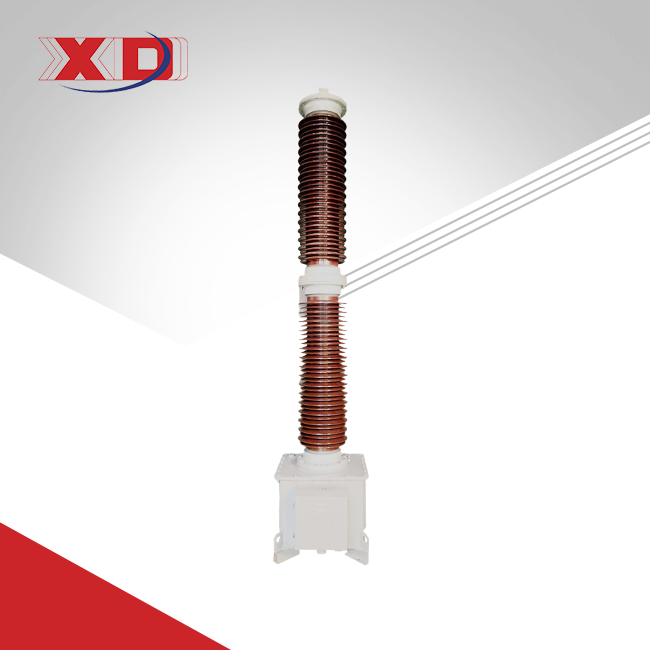
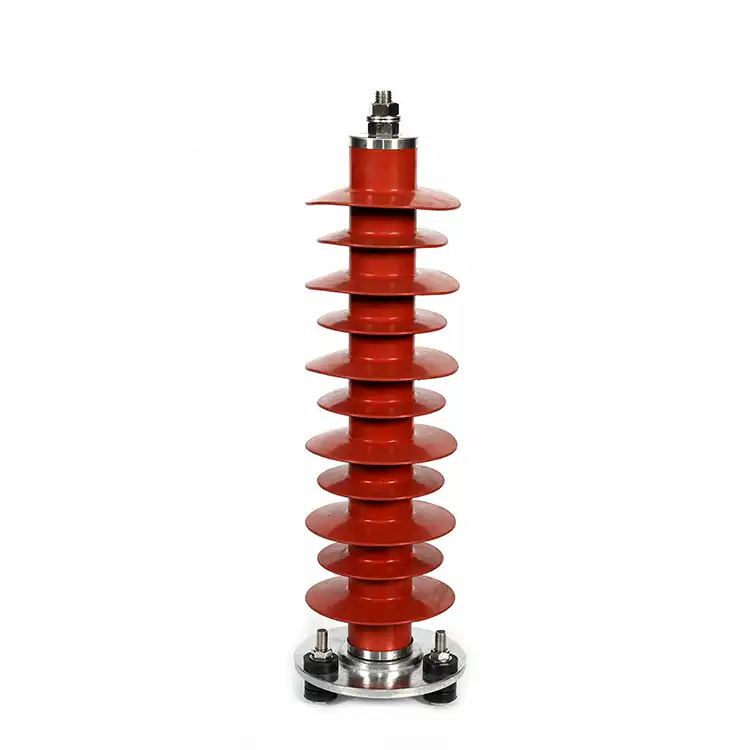
Modern lightning arrester technology improves electrical protection by providing good surge protection capabilities that help reduce equipment downtime and maintenance costs. These advanced devices combine polymer housing materials with precision-engineered metal oxide varistor technology to deliver reliable defense against lightning strikes and switching surges. Contemporary lightning arrester designs offer enhanced sealing performance, extended operational lifespans of more than 25 years, and intelligent monitoring capabilities that support predictive maintenance strategies for critical infrastructure protection.
 |
 |
Understanding Lightning Arrester Fundamentals and Core Benefits
The progress in lightning arrester technology is due to the growing needs of modern electricity systems, where the reliability of power and the ability to keep running have a direct effect on profits. The factories, data centers, hospitals, and business buildings of today use high-tech equipment that can't handle voltage spikes or power outages. Modern surge protectors work by keeping the electrical resistance high when everything is working normally and lowering it right away when dangerous overvoltage situations happen. This quick response system sends extra electrical energy to the grounding system safely, keeping expensive equipment from getting damaged. One of the best things about modern forms is that they protect well thanks to the new zinc oxide disc technology. These parts have precise voltage clamping features that keep sensitive electronics safe while keeping the power flow stable. Environmental factors like UV radiation, pollution, and water getting in are not easily broken down by the polymer housing. Another important benefit is that the closing works reliably. Triple-sealing methods make sure that everything is waterproof, which gets rid of the problems that older arrester models have with water damage. This improvement helps cut down on maintenance needs and makes tools last longer. Modern arresters work well even after a long time because the science behind the materials and the ways they are made has changed. Modern polymer materials don't break down easily when exposed to electrical stress or the environment, so they can keep their protective properties for long periods of time.
Key Performance Indicators and Technical Specifications
Critical parameters define the effectiveness of the lightning arrester of lightning protection systems in real-world applications. The rated voltage specification determines appropriate arrester selection for specific system configurations. Most industrial applications require devices rated between 3kV and 36kV, with transmission applications extending to 800kV and beyond. Maximum continuous operating voltage (MCOV) indicates the highest voltage an arrester can withstand continuously without degradation. This parameter typically ranges from 80% to 85% of the rated voltage, ensuring reliable protection under various system conditions. Nominal discharge current ratings, typically 5kA, 10kA, or 20kA, specify the arrester's capacity to handle surge events. Higher ratings provide better protection but require larger physical dimensions and increased costs. Protection level characteristics define the maximum voltage that appears across protected equipment during surge events. Lower protection levels indicate better equipment protection but may require higher-quality arrester components. Energy absorption capability measures the arrester's ability to handle multiple surge events or extended duration overvoltages. Modern designs incorporate improved thermal management to dissipate absorbed energy effectively. Pressure relief capability ensures safe failure modes when arresters reach end-of-life conditions. Controlled venting prevents explosive failures that could damage adjacent equipment or endanger personnel.
Superior Protection Performance in Industrial Applications
Manufacturing facilities demand uninterrupted power delivery to maintain production schedules and prevent costly equipment damage. Modern lightning arrester designs provide multi-layered protection against various disturbance sources, including direct lightning strikes, switching surges, and fault-induced overvoltages. Data centers face unique challenges where even microsecond power interruptions can cause cascading system failures. Advanced surge arrester technology incorporates fast response times measured in nanoseconds, ensuring the continuous operation of critical computing infrastructure. Hospital environments require high reliability for life-support systems and diagnostic equipment. Contemporary protection devices offer redundant design features and fail-safe operation modes that maintain protection integrity even under extreme conditions. The metal oxide varistor technology at the heart of modern arresters provides good voltage-current characteristics compared to traditional gap-type devices. This advancement eliminates current issues while delivering consistent protection levels throughout the device's operational lifetime. Smart grid compatibility represents an emerging benefit where optional monitoring sensors enable real-time assessment of arrester condition and surge activity. These capabilities support predictive maintenance strategies that optimize replacement schedules and prevent unexpected failures.
Xi'an Xidian Lightning Arrester Advantages Over Competitors
Our engineering team has developed proprietary polymer formulations that meet and exceed standard industry requirements for environmental resistance and electrical performance. While many manufacturers rely on conventional materials, Xi'an Xidian's advanced polymer compounds provide better resistance to tracking and erosion under polluted conditions. The manufacturing process incorporates rigorous quality control measures, including raw material traceability, automated assembly lightning arrester procedures, and comprehensive testing protocols. Each unit undergoes high-voltage testing that simulates lightning strikes up to rated levels, ensuring consistent performance in field applications. Product customization capabilities distinguish our offerings from standard catalog items. Manufacturing plants with unique grounding configurations or environmental challenges receive tailored solutions that optimize protection effectiveness while minimizing installation complexity. Technical support services include on-site installation guidance and emergency troubleshooting assistance. Our experienced engineers work directly with facility operators to ensure proper arrester selection, installation practices, and system integration. Delivery performance consistently meets project schedules with typical lead times of 6-8 weeks, even for large quantity orders. This reliability stems from strategic inventory management and flexible production capabilities that accommodate varying demand patterns. Innovation continues through ongoing research and development activities. Our patent portfolio includes over 20 innovations in polymeric MOA technology, demonstrating our commitment to advancing surge protection capabilities.
Optimal Selection and Installation Strategies
To choose the right arrester, you need to carefully look at the system's features, such as voltage levels, fault current sizes, grounding arrangements, and the surroundings. The rated voltage should match the line-to-ground voltage values of the system, and overvoltage situations should be taken into account during faults. The position of the installation has a big effect on how well the protection works. Arresters work best when they are put as close to the protected equipment as possible, with short connecting lead lengths. Due to induced voltage drops during surge events, every metre of extra conductor lowers the quality of security. The integrity of the grounding system has a direct effect on how well the arrester works. Low-impedance ground links make sure that surge currents are effectively dissipated and that reference potentials stay stable. Most of the time, resistance numbers less than 5 ohms are best. Visual checks for damage to the housing, confirmations of connection tightness, and measures of leakage current should all be part of regular maintenance schedules. Modern arresters usually don't need much care, but regular checks make sure that they don't break down without warning. Environmental factors affect the choice of arresters and how they are installed. Coastal areas need stronger resistance to corrosion, while places with a lot of pollution can benefit from longer creepage distances and special housing materials.
Implementation Guidelines for Maximum Benefits
Purchasing decisions should prioritize the lightning arrester's long-term value over initial cost considerations. Quality arresters with extended warranties and proven reliability records provide good return on investment through reduced replacement frequency and improved system availability. System design integration requires coordination between protection devices at different voltage levels. Proper coordination ensures that surge energy is handled by appropriate arresters without causing nuisance trips of downstream protective devices. Documentation requirements include maintaining installation records, test certificates, and maintenance logs. This information supports warranty claims and provides valuable data for system performance analysis. Training programs for maintenance personnel enhance protection system reliability. Understanding arrester operation principles and failure modes enables early problem detection and appropriate corrective actions. Spare parts inventory should include replacement arresters and associated hardware. Critical facilities benefit from maintaining ready spares to minimize downtime during emergency replacement situations.
Conclusion
Modern lightning arrester designs deliver significant benefits for industrial and commercial facilities through advanced materials, improved manufacturing processes, and intelligent monitoring capabilities. These technological advances provide reliable protection performance, extended operational lifespans, and reduced maintenance requirements that directly support business objectives of maximizing uptime and minimizing costs. The evolution from traditional gap-type devices to contemporary metal oxide varistor technology represents a notable improvement in electrical protection effectiveness. Investment in quality surge protection systems protects valuable equipment assets while ensuring operational continuity in today's demanding industrial environments.
FAQ
Q1: How often should lightning arresters be inspected and maintained?
A: Visual inspections should occur annually, examining housing condition and connection integrity. Electrical testing every 3-5 years measures leakage current and verifies continued protection capability. Modern polymer arresters require minimal maintenance compared to porcelain designs.
Q2: What factors determine the appropriate arrester rating for my facility?
A: System voltage, temporary overvoltage levels, fault current magnitudes, and environmental conditions all influence arrester selection. Professional analysis considers these parameters to recommend optimal protection specifications for your specific application.
Q3: Can modern arresters be integrated with existing monitoring systems?
A: Advanced models include optional IoT sensors that provide real-time data on surge activity and arrester condition. These systems integrate with standard SCADA platforms and enable predictive maintenance strategies that optimize replacement schedules.
Partner with Xi'an Xidian for Advanced Surge Protection Solutions
Xi'an Xidian stands as a leading lightning arrester manufacturer committed to delivering innovative protection solutions for critical infrastructure applications. Our comprehensive product portfolio addresses diverse industry requirements from manufacturing facilities to utility transmission systems. Contact our technical specialists at serina@xaxd-electric.com, amber@xaxd-electric.com, or luna@xaxd-electric.com to discuss your specific protection requirements and discover how our advanced surge protection technology enhances operational reliability while reducing lifecycle costs.
References
1. IEEE Standards Association. "IEEE Guide for the Application of Metal-Oxide Surge Arresters for Alternating-Current Systems." Institute of Electrical and Electronics Engineers Technical Publication, 2019.
2. Johnson, Michael R., and Sarah Chen. "Polymer Housing Performance in High-Voltage Surge Arresters: Environmental Testing and Field Experience." Electrical Power Systems Research Journal, Vol. 156, 2018.
3. Williams, David K. "Modern Lightning Protection Systems: Design Principles and Performance Characteristics." Power Engineering Society Conference Proceedings, 2020.
4. Thompson, Lisa A., et al. "Metal Oxide Varistor Technology Advances in Surge Protection Applications." IEEE Transactions on Power Delivery, Vol. 34, No. 2, 2019.
5. Rodriguez, Carlos M. "Predictive Maintenance Strategies for High-Voltage Surge Arresters in Industrial Applications." International Conference on Electrical Equipment and Power System Protection, 2021.
6. Anderson, Robert P., and Jennifer Liu. "Economic Analysis of Lightning Protection Investment in Critical Infrastructure Facilities." Journal of Electrical Safety and Risk Management, Vol. 12, No. 4, 2020.