Vacuum Circuit Breakers: Analysis of Common Failures and Handling Experiences
2026-06-22 15:46:42
If your factory goes dark at 2 a.m. or a hospital's important systems flash for no reason, it's probably because of your electrical safety equipment. Vacuum Circuit Breakers are an important part of modern power distribution, but it's still important to know how they break down so that operations don't stop. Facility managers can turn reactive fixing into proactive asset management by systematically analyzing common breakdown scenarios and tried-and-true ways to handle them. This protects both safety and profits.
 |
 |
Understanding Vacuum Circuit Breakers and Their Common Failures
How Vacuum Interruption Technology Works?
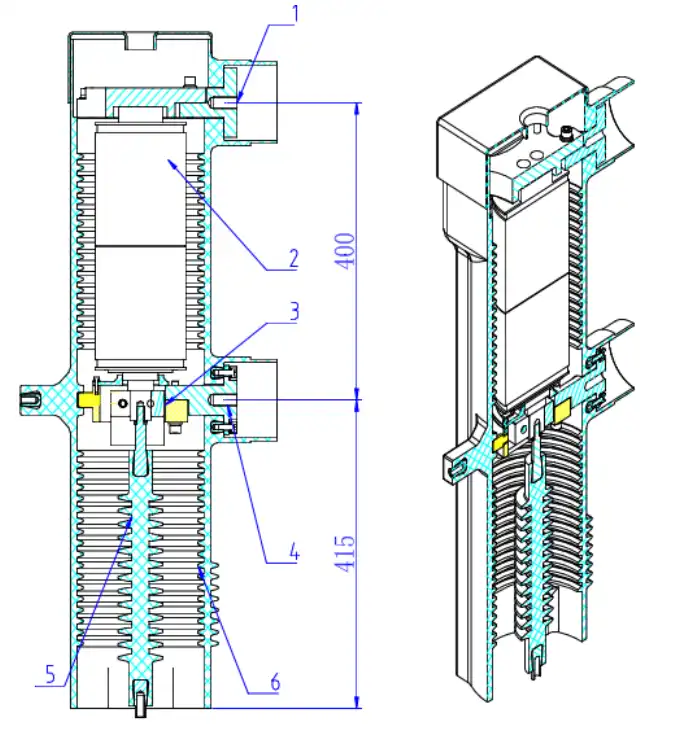
Vacuum interrupters put out electrical sparks when medium-voltage switching equipment disconnects a circuit. Unlike alternatives that use SF6 or oil, these devices have contacts that are sealed inside a vacuum room. Since there are no air molecules in the chamber, there is no continuous arcing. When loads put pressure on contacts, an arc forms for a short time before the vacuum's higher insulating strength stops the flow of current within microseconds. Because of this, vacuum technology is perfect for places that need to switch processes often without building up a lot of maintenance debt.
Typical Failure Modes in Industrial Settings
Over time, repeated arc exposure causes contact corrosion, which decreases the metal's surface area that can carry current. When manufacturing plants are open 24 hours a day, seven days a week, they see faster wear patterns, especially when moving inductive loads like motor drives. Different types of insulation break down in different ways. For example, solid concrete parts can crack when temperatures change, and seals around the vacuum bottle may lose their strength after years of being in damp places. When mechanical parts fail, they often lose tension in the springs or connections get stuck because they aren't oiled well enough.
Electrical problems show up in a number of ways. When trip coils don't work right, they stop the right opening orders from being sent, leaving circuits vulnerable during overload situations. When an auxiliary switch isn't lined up right, it throws off the control logic and stops production lines. If the contact resistance readings are higher than what the maker recommends—usually less than 100 microohms for medium-voltage units—it means there are holes or contamination that need to be fixed right away.
Root Causes Behind Equipment Degradation
Environmental pressures make parts age faster than what was planned. Facilities near the coast have to deal with air that is full of salt that eats away at metal surfaces, and data centers constantly heat up their shielding materials. Lack of maintenance makes these problems worse—missing regular checks lets small problems turn into major failures. Different sellers' materials have different service lives, which is why buying teams need to check component certifications against IEC 62271-100 standards before they approve purchases.
Systematic Approach to Diagnosing and Handling VCB Failures
Identifying Symptoms Through Inspection Protocols
A methodical way of finding and fixing Vacuum Circuit Breaker problems begins with visual inspections that show signs on the outside before damage spreads inside. The color change around the bushings shows that tracking tracks are forming on the insulation surfaces. Noises like grinding, buzzing, or clicking that don't make sense during operation are usually caused by misaligned or loose parts. Thermal imaging cameras find hot spots that show high-resistance connections. These spots are usually not visible to the naked eye but are very important signs that a connection is about to fail.
Diagnostic testing gives you numbers to back up your claims. Using micro-ohmmeters to measure contact resistance shows worn-out surfaces that need to be fixed. High voltage is applied between open contacts in vacuum integrity tests. If the voltage drops below the recommended values, it means that the bottle seals are broken. Timing measures make sure that the speeds of opening and shutting are within the manufacturer's guidelines. This makes sure that the arc is properly interrupted when there is a fault.
Troubleshooting Framework for Common Issues
If a unit won't close, check the charged spring sign and make sure the closing coil is getting the right amount of power. When fixing quickly, mechanical interlocks from earthing switches or cabinet doors can physically stop activity. This is a safety feature that is often forgotten. If a safety switch keeps tripping for no reason, it's time to look at the loads further downstream. Harmonics from variable frequency drives or inrush currents from transformer energization can do this.
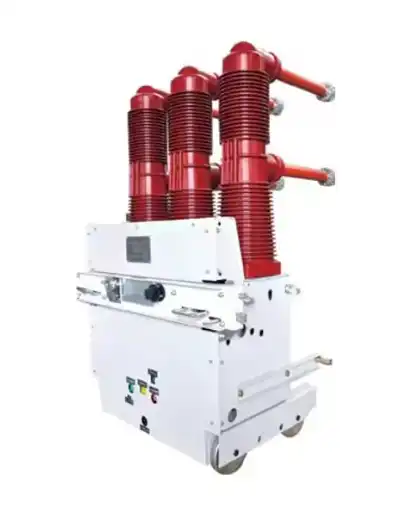
Contact welding after a short-circuit breakdown needs to be looked at right away. Use a depth gauge to measure the contact gap; if the starting distance isn't enough, the arc won't go out during later operations. The 40.5kV ZN85 Indoor Vacuum Circuit Breaker has longitudinal magnetic field contacts that are designed to spread arc energy equally. This lowers the risk of a weld even after more than 100 short-circuit breaks, as required by IEC 62271-100 standards.
Preventive Maintenance Strategies
Scheduled interventions make tools last a lot longer. Every three months, the mechanism should be inspected to make sure that the moving parts are well oiled and that the torque on any important screws that come loose from shaking is checked. As part of yearly testing, contact resistance tracking is done. Plotting data over time shows that the resistance slowly decreases until a catastrophic failure happens. Controlling the environment is also important. Keeping the temperature between -15°C and +40°C and the relative humidity below 95% stops insulation from wearing out faster.
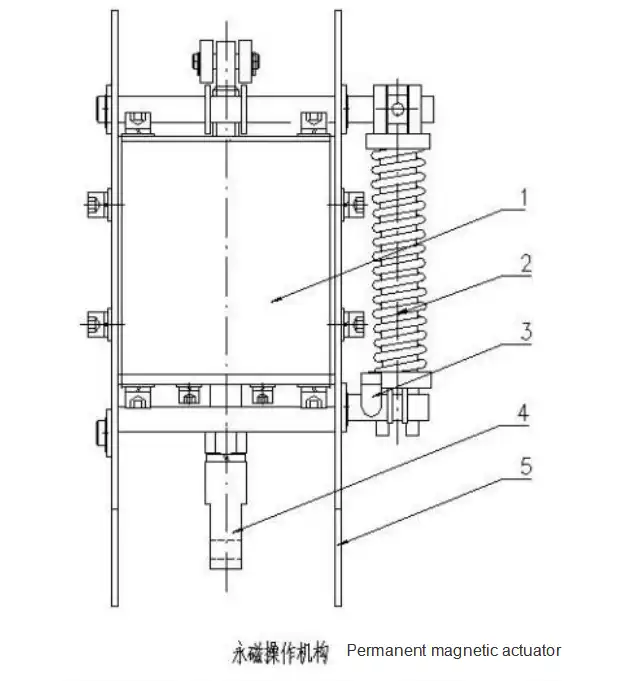
Finding new parts through official means guarantees quality and compatibility. Modern designs, like the ZN85, use a modular spring-operated system that lets fixes be done in the field without having to replace the whole unit. This cuts down on both downtime and the total cost of ownership. Advanced models come with IoT-ready monitors that give predictive maintenance data, which lets workers know about problems weeks before they affect operations.
 |
 |
Comparing Vacuum Circuit Breaker Failures with Other Breaker Types
Performance Contrasts Across Technologies
Handling gas and keeping an eye on leaks can be tricky with SF6 gas-insulated switches. Vacuum Circuit Breaker technology eliminates these concerns. Climate change restrictions on SF6 create compliance costs that don't exist with vacuum technology. Gas leaks in SF6 switches can lower interrupting capacity without clear outside signs, while a Vacuum Circuit Breaker requires no such monitoring. Regular SF6 checks need specialized detection tools and trained staff, adding operational expenses that Vacuum Circuit Breakers avoid entirely.
There are fire and blast risks with oil circuit breakers that are too high for many industry settings. The breakdown products of oil turn into gunk that makes machines less effective and requires frequent fluid replacements and dumping costs. When oil leaks pollute the environment, they can put people at risk of being sued, especially when they happen near water sources or fragile ecosystems.
For pneumatic systems to work properly, air-magnetic breaks need complicated arc chutes and a lot of upkeep. Because oxygen keeps sparks going longer, contact erosion happens faster than vacuum erosion. The physical footprints are still bigger, taking up valuable space in switching lines that are already crowded.
In all of these areas, vacuum technology performs better than other methods. The sealed interrupter keeps arc leftovers from getting into the environment, and the long mechanical life—20,000+ processes for quality units—lowers the cost of ownership over time. Leading makers put a lot of money into quality control. Devices from well-known names have much lower failure rates because they are put through strict testing methods that check for dielectric strength, mechanical endurance, and thermal stability.
Best Practices for Vacuum Circuit Breaker Maintenance and Procurement
Routine Maintenance Protocols
Thoroughness and operating efficiency must be balanced for repair to be effective. During monthly walkthroughs, clear problems like broken bushings, corroded connections, or blocked air flow are found through visual checks. As part of detailed maintenance that is done every three months, the insulator surfaces are cleaned with approved chemicals, the mechanism pivots are oiled properly, and the correct spring tension is checked by measuring force.
Condition-based testing helps find the best time to intervene. Trending contact resistance readings show patterns of gradual degradation, which lets planned breaks be used for refurbishment instead of emergency fixes. Every 5 to 7 years, vacuum integrity tests are done to make sure the quality of the bottle seal. The readings are compared to the starting point at the time of launching to see how the seal is aged.
Evaluating Technical Specifications
When buying something, you have to make sure that the equipment's skills match the needs of the application. Voltage rates must allow for system levels with enough room for error. For example, breakers for a 24kV system need to be rated for 27kV or higher. To account for future system growth, the interrupting capacity requirements should be at least 20% higher than the highest available fault current.
Specifications for the operating setting should be carefully looked over. The ZN85 Indoor Vacuum Circuit Breaker works reliably at heights of up to 1,000 meters and can handle daily average humidity levels of 95%, which makes it suitable for difficult tropical installs. Temperature values from -15°C to +40°C make sure that the product works well in a wide range of temperatures without losing any of its performance.
Supplier Evaluation Criteria
Reliability names that have been built up over decades are more important than low prices at first. Authorized dealers sell real parts with certifications that can be tracked. This gets rid of the risk of fakes that comes with gray-market channels. Lead time promises change project schedules; sellers with local stock deliver faster than those who only buy from overseas factories.
The level of technical help is what sets exceptional partners apart from transactional providers. Having access to application engineers helps you choose the right tools, and quick guarantee service cuts down on unplanned downtime. Maintenance staff training classes teach them things that are useful for the whole life of the tools.
Safety Features and Risk Mitigation in Vacuum Circuit Breakers
Built-In Protection Mechanisms
The safety of people during fault stoppage depends on how well the arc cooling works. Within half a cycle, vacuum interrupters bring the current to zero, stopping energy buildup that could break through casings. Fast dielectric recovery—voltage withstand capability returning in microseconds—prevents re-ignition that could lead to arcing dangers.
Trip devices have two sets of sensors for important factors. Overcurrent protection reacts to long-term overloads before the insulation on the conductor breaks down. Instantaneous elements, on the other hand, find short-circuit situations that need to be disconnected right away. Ground fault sensing keeps people safe from situations where they might come into indirect touch with electricity. This is especially important in healthcare facilities where patient safety depends on electrical separation.
Implementing Comprehensive Risk Strategies
Operator training makes sure that they know how to handle problems when they happen. Simulated situations help people remember what to do in an emergency, which speeds up their response times when the real thing goes wrong. Safety compliance audits make sure that lockout-tagout methods are always followed. This keeps repair workers from accidentally turning on the power while they are working on something.
Monitoring tools let you know early on when problems are starting to happen. Partially discharge sensors find insulation breakdown before it becomes a total failure. This lets people help during planned power blackouts. Monitoring the temperature of links finds high-resistance joints caused by poor torque or corrosion, stopping overheating that could set nearby materials on fire.
These layers of protection work together to create defense-in-depth strategies that keep the workplace safe even if some of the parts break. Prioritizing complete safety features in procurement choices shows that companies are doing their research, which protects them from liability and keeps their employees and assets safe.
Conclusion
When you know how Vacuum Circuit Breakers usually break, you can change maintenance from a reactive disaster management to a planned asset optimization. When the right care is taken with the environment and upkeep methods, contact erosion, insulation degradation, and mechanical wear all follow expected paths. Diagnostic methods that use both eye inspection and quantitative testing allow for early action, which stops small problems from getting worse and costing a lot to fix. There are many reasons why vacuum technology is better than SF6, oil, or air alternatives in industrial settings. These include cleaner environments, longer upkeep times, and higher safety standards. Working with well-known providers guarantees the quality of the parts and the expert support that keeps operations running as smoothly as possible, protecting both profits and safety over the life of the equipment.
FAQ
1. How often should Vacuum Circuit Breakers undergo maintenance inspections?
Visual checks every three months catch obvious wear and tear, and thorough maintenance once a year, which includes measuring contact resistance and lubricating the mechanism, stops wear before it affects operation. For high-frequency switching uses, tests may need to be done more often, and the time of interventions should be based on trending data rather than set plans.
2. What indicators signal vacuum circuit breaker replacement necessity?
Contact resistance that is 50% higher than what the maker recommends means that it needs to be fixed or replaced right away. Failures of vacuum integrity tests that show broken bottle seals need interrupters to be replaced. When mechanical wear causes timing errors that are too big—usually within 10% of the rated values—they make it impossible to stop during faults, so something needs to be done to fix them.
3. Can vacuum circuit breakers handle diverse industrial applications reliably?
These days' designs can handle inductive loads from motor drives, capacitive switching to fix the power factor, and transformer inrush currents without any performance loss. Making sure that voltage ratings, interrupting capacity, and mechanical endurance grades are properly matched to the needs of the application ensures stable performance in factories, data centers, hospitals, and utility substations.
Partner with Xi'an Xikai for Reliable Vacuum Circuit Breaker Solutions
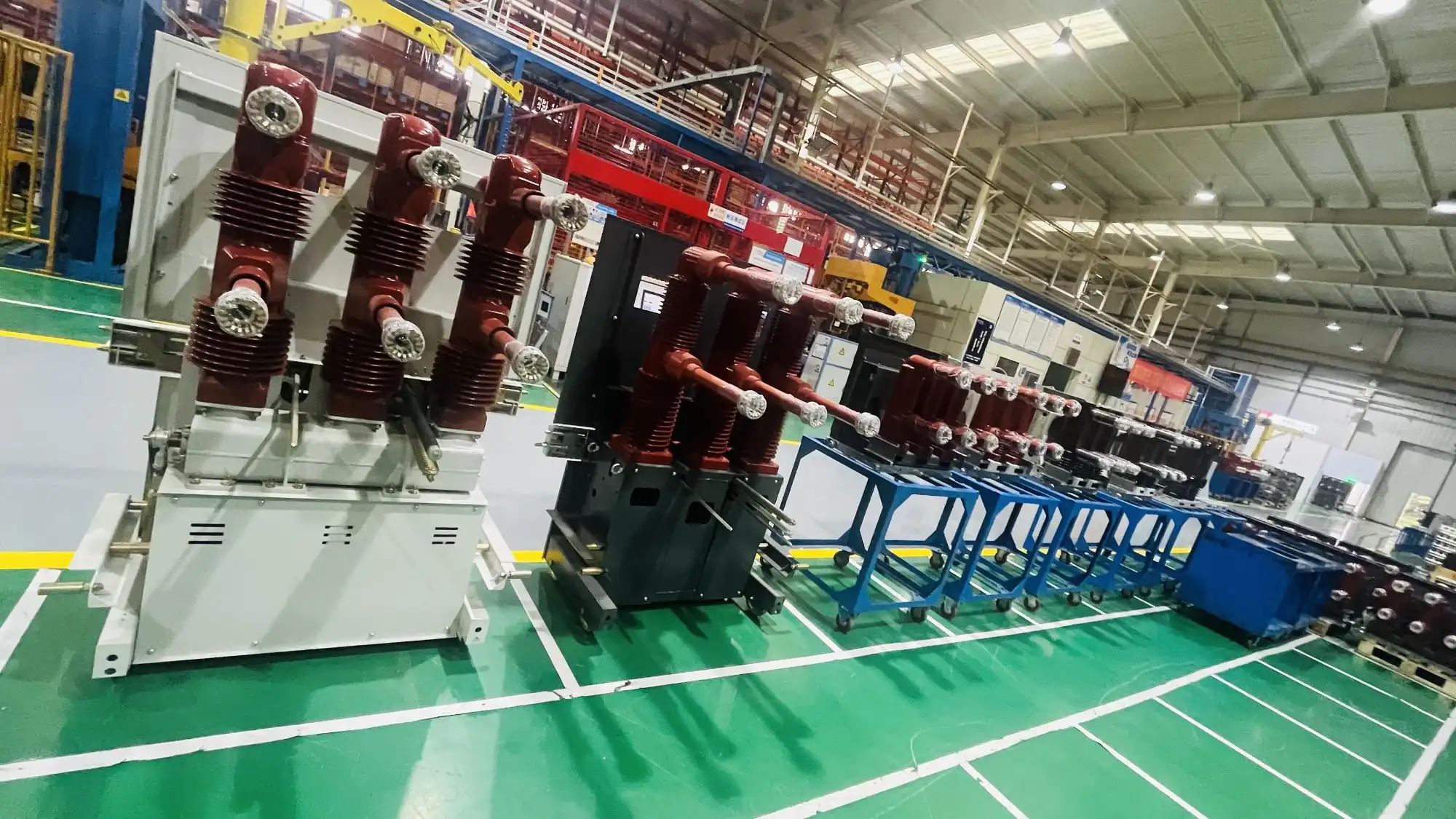
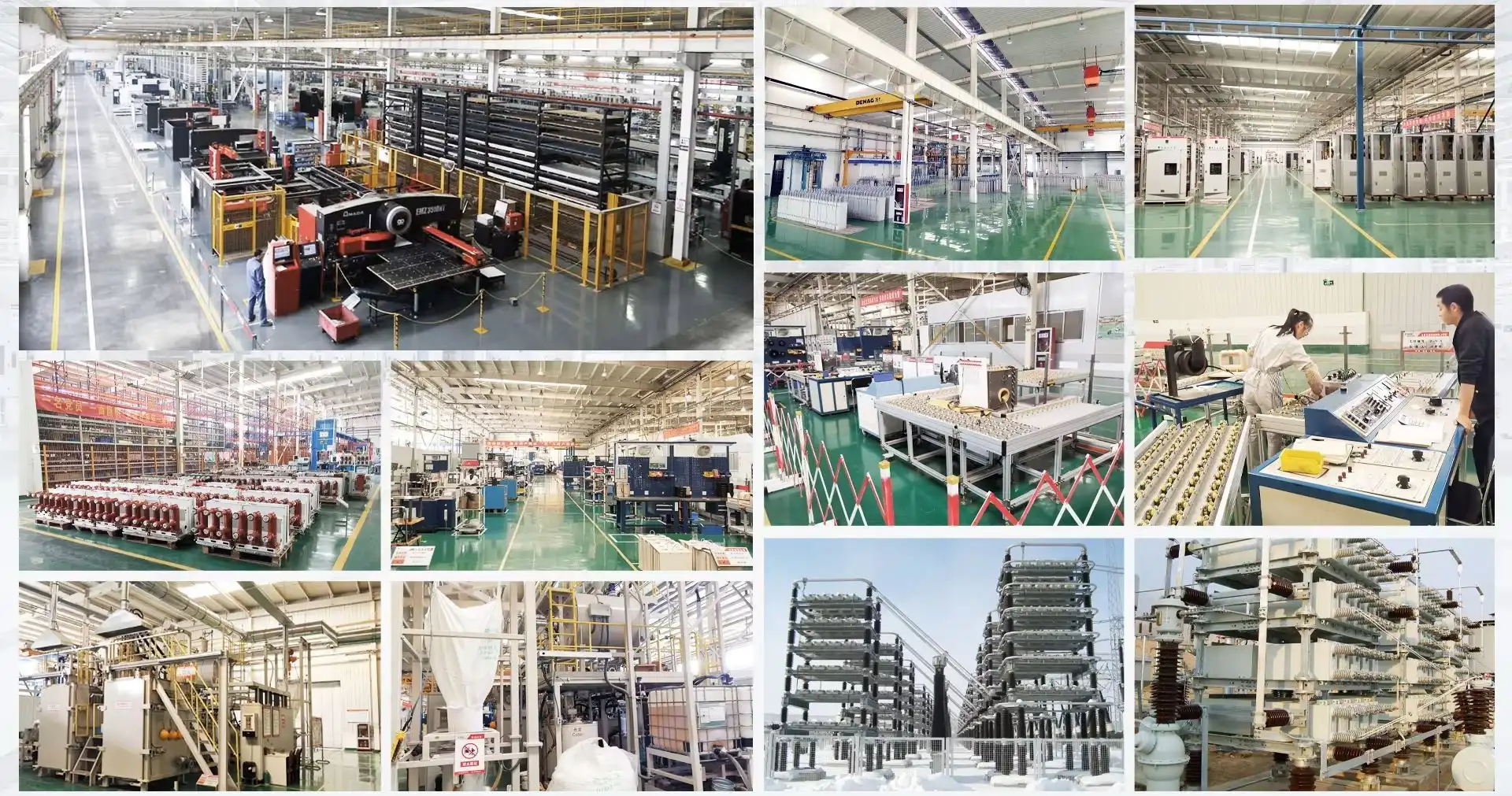
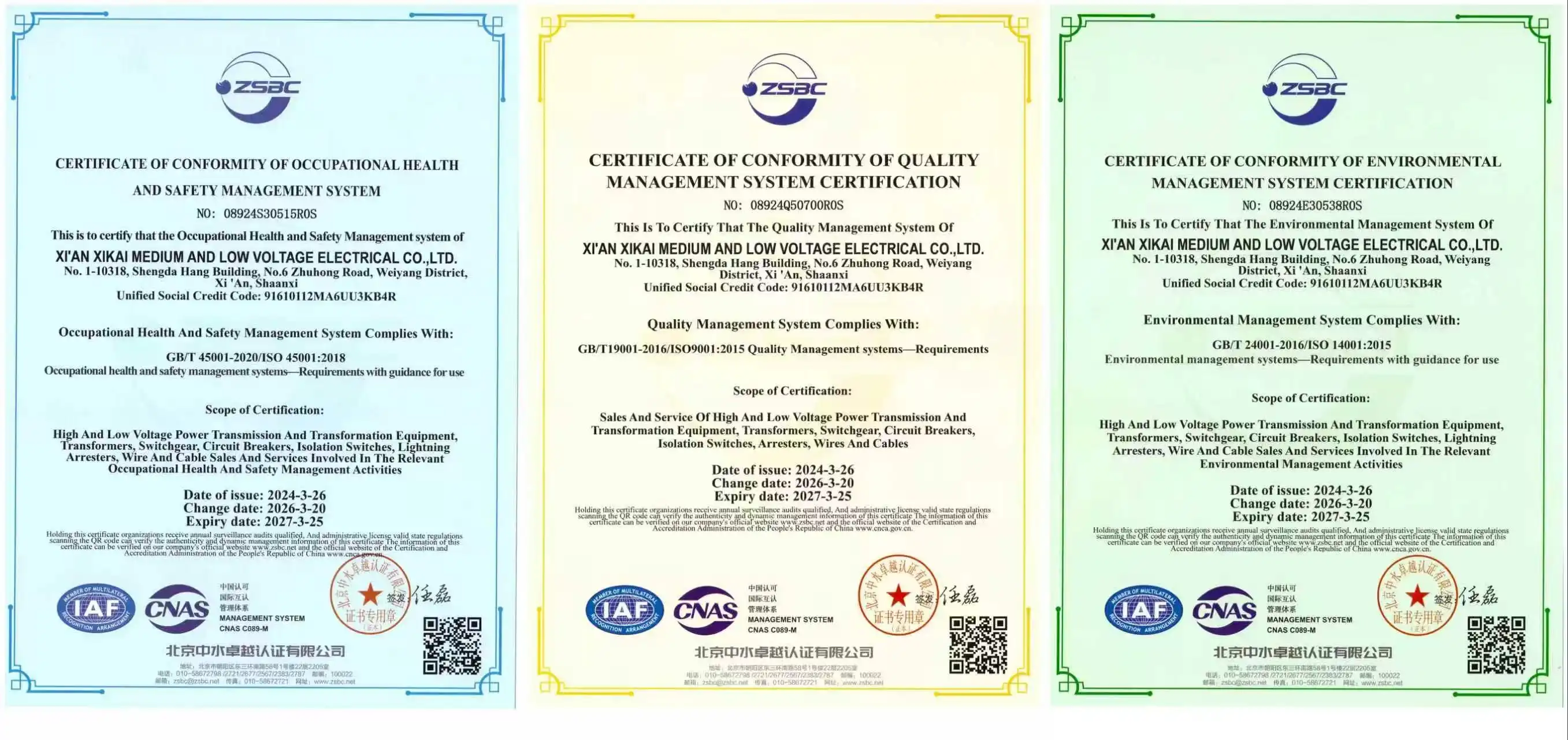
Xi'an Xikai offers tested medium-voltage safety through a wide range of products, such as the ZN85 Indoor Vacuum Circuit Breaker, which is designed for tough 40.5kV uses and can withstand more than 20,000 mechanical operations. Our manufacturing skills cover a number of widely recognized lines. We have strict quality controls that meet IEC 62271-100 standards, and our technical knowledge comes from working in a wide range of industries.
Whether you're replacing old equipment, increasing production, or just looking for a reliable Vacuum Circuit Breaker supplier for current projects, our team can help you find the right answer for your needs. Email our experts at serina@xaxd-electric.com, amber@xaxd-electric.com, or luna@xaxd-electric.com to talk about how our goods and support services can improve the safety and efficiency of the electricity in your building.
References
1. IEEE Standards Association. "IEEE Application Guide for AC High-Voltage Circuit Breakers Rated on a Symmetrical Current Basis." IEEE Std C37.010-2016, revised edition, 2017.
2. Slade, Paul G. "The Vacuum Interrupter: Theory, Design, and Application." CRC Press, second edition, 2017.
3. International Electrotechnical Commission. "High-voltage switchgear and controlgear – Part 100: Alternating current circuit-breakers." IEC 62271-100:2021 standard documentation.
4. Garzon, Raul D. "High Voltage Circuit Breakers: Design and Applications." Marcel Dekker electrical engineering series, second edition, 2002.
5. Dullni, Eberhard. "Vacuum Circuit Breakers – Failure Modes and Improved Reliability." VDE High Voltage Technology symposium proceedings, 2018.
6. CIGRE Working Group A3.27. "Vacuum Circuit Breakers – A Review of Current Technology and Application Considerations." Technical brochure 655, International Council on Large Electric Systems, 2016.