Vacuum Circuit Breakers (VCB): A Comprehensive Guide
2026-05-29 16:05:19
Maintenance of electrical systems in factories, data centers, and utility grids requires reliable protection devices. For safe and efficient fault current interruption in medium-voltage power distribution, Vacuum Circuit Breakers work well. These vacuum chamber-based breakers kill electrical arcs without oil or gas, providing consistent performance with low environmental impact. Our article explains Vacuum Circuit Breaker technology, compares breaker types, and offers procurement advice to help facility operators, utility managers, and system integrators choose the correct equipment for their needs.
Understanding Vacuum Circuit Breakers: Principles and Key Components
What Makes Vacuum Technology Effective?
Vacuum Circuit Breakers work by preventing arc production when electrical contacts separate in an enclosed vacuum chamber. The operational mechanism pulls contacts apart when a fault occurs, causing a short arc that fades quickly owing to vacuum. During millisecond arc extinction, downstream equipment is protected and system integrity is maintained.
This technique revolves around the vacuum interrupter. This component, made of high-grade copper-chromium alloy contacts in a ceramic or glass enclosure, maintains an internal pressure below 10⁻⁴ Pa. Normal functioning allows current to pass via blocked connections. After a trip signal activates the breaker, the stored-energy spring mechanism precisely separates these contacts, assuring constant breaking performance over thousands of operations.
Core Components Working Together
Understanding the main components helps operators understand how these devices outperform traditional options in reliability.
1. Vacuum Interrupter Chamber: The sealed Vacuum Interrupter Chamber holds the movable and stationary contacts. The vacuum atmosphere reduces oxidation and contamination, keeping contacts low resistance for long service durations. Material selection is crucial—copper-chromium alloys transmit well but resist welding under fault conditions.
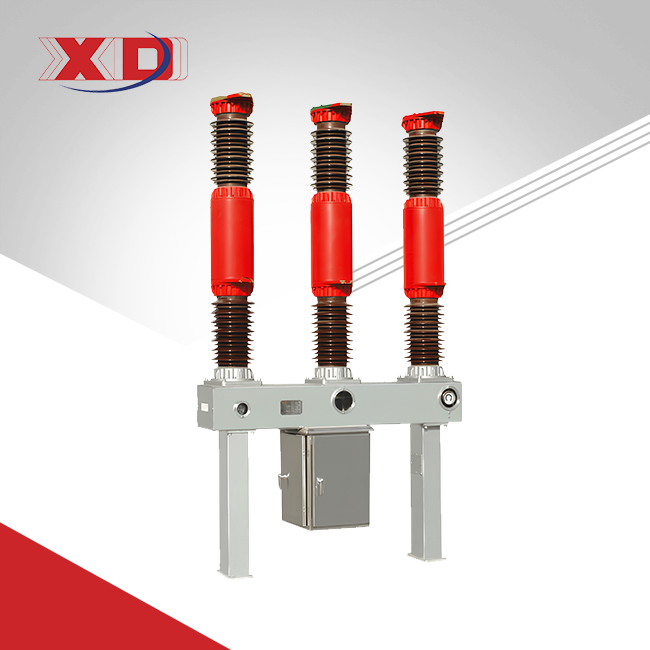
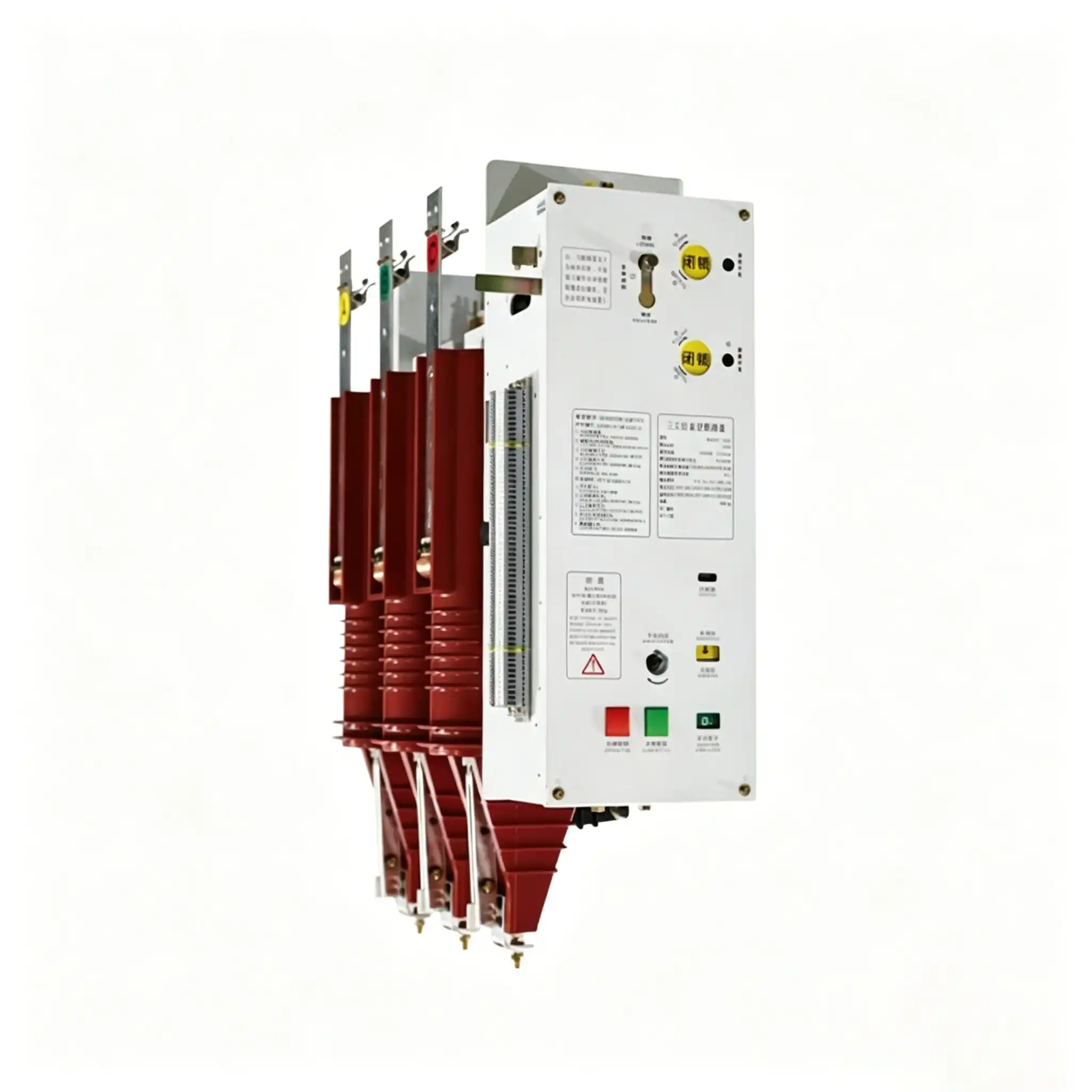
2. Operating Mechanism: Modern versions use modular spring-operated devices to store energy. A mechanism built for enhanced performance and prolonged service life is shown in Xi'an Xikai's 12kV BGH Vacuum Circuit Breaker with current choices of 630A and 1250A. This stored-energy mechanism maintains closing and opening rates regardless of operator strength or manual charging.
3. Insulation System: Phase-to-phase and phase-to-ground clearance is provided via external insulation around the interrupter. Solid insulating materials resist tracking and surface contamination better than air gaps, making them useful in dusty or chemical-exposed industrial settings.
4. Control and Protection Circuitry: Modern breakers have protection relays, shunt trip coils, and auxiliary connections that link with automation systems. These components provide remote operation, status monitoring, and cooperation with other electrical distribution network protection devices.
Advantages Over Traditional Circuit Protection
Procurement experts assessing breaker technologies should grasp the operational benefits of vacuum-based solutions. Quality Vacuum Circuit Breakers can last 30,000 to 50,000 cycles, compared to 10,000 for outdated oil breakers. This reduces replacement costs and downtime across facility lifespans.
Because sealed vacuum chambers remove oil changes, SF6 gas monitoring, and arc chute cleaning, maintenance is reduced. Facilities prevent oil disposal and greenhouse gas emission compliance difficulties while reducing labor expenses. The BGH type performs well in tough situations from -40°C to +55°C with IP65 environmental protection.
In crowded places like hospitals and data centers, safety matters. During arc interruption, vacuum technology creates no flame, explosion danger, or harmful consequences. Unlike air-blast breakers, which may scare workers and damage hearing, noise levels are below 75dB.
Comparing Vacuum Circuit Breakers with Other Circuit Protection Technologies
Performance Characteristics Across Breaker Types
Understanding how Vacuum Circuit Breakers compare to SF6 gas, air-magnetic, and oil-filled alternatives across several performance aspects helps choose circuit protection. Vacuum breakers shatter more than their size suggests. A 12kV vacuum unit takes roughly 40% less panel area than an oil breaker, which is important for renovating old substations with limited space. Breaking times are 0.1 seconds or quicker than 0.15-0.2 seconds for many oil designs, protecting sensitive electrical loads.
SF6 gas breakers operate similarly but are environmentally harmful. North American and European regulations prohibit SF6, one of the most powerful greenhouse gases. While providing comparable or better breaking capability, vacuum technology eliminates these regulatory issues. Since vacuum chambers don't need gas monitoring or leak detection, maintenance intervals are longer.
Air-magnetic breakers work well at low voltages but not over 1kV. Arc chutes wear out and need replacement. This disposable component is eliminated by Vacuum Circuit Breakers, ensuring constant functioning.
Although oil circuit breakers have several operating limitations, they dominated medium-voltage applications for decades. The degeneration of oil requires frequent testing and replacement. Installation and insurance must account for fire risk. Disposal harms the environment. Vacuum technology solves these issues while improving electrical performance.
Lifecycle Cost Analysis
The total cost of ownership includes acquisition, installation, operation, maintenance, and disposal or replacement. Although more expensive, Vacuum Circuit Breakers offer better value, according to a thorough research. Installation costs are lower owing to decreased weight and compactness. A 12kV vacuum breaker weighs 60-70% less than a comparable oil device, lowering structural and rigging expenses. Smaller footprints allow more circuits in existing areas, delaying costly building additions.
Since vacuum breakers don't need dielectric medium, operating expenses are low. As seals wear, SF6 devices need gas top-offs. Test and treat oil breakers. These costs are eliminated by sealing vacuum chambers forever.
Maintenance labor is the biggest lifetime cost differential. Inspect Vacuum Circuit Breakers after 2,000-5,000 operations or 3-5 years for mechanism lubrication and contact wear. Oil breakers need yearly oil testing, contact inspection, and arc chute inspection. Vacuum technology reduces maintenance labor by 60-75% over 25 years compared to oil alternatives.
Environmental and Regulatory Considerations
Sustainability initiatives increasingly affect equipment purchases. Better than alternatives, Vacuum Circuit Breakers meet company environmental and regulatory aims. Operating with zero emissions eliminates greenhouse gas reporting. Eliminating SF6 equipment, which has 23,500 times the global warming potential of CO2, helps LEED-certified or carbon neutral facilities. Environmental licenses and additional handling methods are not needed for vacuum technology.
It's easier to dispose of vacuum chambers since they only include metal and ceramic, which are recyclable through industrial processes. Oil breakers create hazardous waste that needs particular disposal. Before dismantling SF6 equipment, qualified personnel must collect gas.
Vacuum Circuit Breaker Maintenance and Troubleshooting
Establishing Effective Maintenance Programs
Maintenance must be adjusted to the Vacuum Circuit Breaker characteristics to maximize uptime. Oil and SF6 units require frequent inspections, whereas vacuum technology allows condition-based maintenance, decreasing labor and enhancing dependability. Quarterly visual inspections should examine exterior insulators for cracks or tracks, mechanism housings for corrosion, and auxiliary device performance. These 15-20-minute tests per breaker detect flaws before they fail.
Comprehensive preventative maintenance happens every 2,000 mechanical operations or 3-5 years. Mechanism lubrication on pivot points and guide rails using manufacturer-recommended greases, contact wear assessment by resistance testing or X-ray examination, and spring charging system certification are included. The modularized spring-operated mechanism in devices like the BGH Vacuum Circuit Breaker simplifies repair without removing it from service.
Common Issues and Resolution Strategies
Understanding typical failure mechanisms speeds up operational anomaly troubleshooting.
1. Contact Wear: Regular arcing wears down vacuum interrupters' contact material. Monitoring resistance across closed contacts warns of wear beyond 3mm in modern systems. High readings exceeding manufacturer guidelines by 20% indicate end-of-life. The BGH model lasts 10,000 operations with less than 1% contact degradation, prolonging replacement intervals.
2. Mechanism Binding: Poor lubrication or contamination can stiffen operating mechanisms. Slow closure, latch failure, and unequal contact pressure are symptoms. Disassembly, cleaning, and relubrication usually fix it. This is avoided by lubricating every 2,000 operations.
3. Vacuum Loss: Seal failure or interrupter damage can cause vacuum deterioration, which is unusual in excellent equipment. Ionization testing during contact separation requires specific equipment. Reduced breaking capability or persistent arcing indicate vacuum loss. Even in coastal sites with salt exposure, the BGH Vacuum Circuit Breaker's corrosion-resistant coatings and strong sealing techniques reduce this danger.
4. Control Circuit Faults: Instead of fundamental mechanism flaws, breakers that fail to trip or close typically have control circuit faults. Systematic troubleshooting should evaluate control voltage (85-110% of rated voltage), relay functionality, shunt trip coil continuity, and interlocking circuits. Diagnosed electrical issues usually fix rapidly.
Procurement Guide: Selecting the Right Vacuum Circuit Breaker
Critical Specification Parameters
Procurement specialists must convert operational requirements into technical specifications to ensure equipment satisfies application needs.
1. Voltage Rating: Allow margin between rated and system nominal voltage. 12kV Vacuum Circuit Breakers work with 11kV to 12kV nominal systems. High-altitude installations need higher voltage ratings or better exterior insulation since air insulation strength falls 10% each 1,000 meters above sea level.
2. Current Rating: Choose continuous current capacity 20-25% above maximum load current. The BGH Vacuum Circuit Breaker handles most medium-voltage distribution applications with 630A and 1250A ratings. Data centers and industrial facilities with substantial motor loads need higher ratings for inrush currents.
3. Breaking Capacity: Short-circuit breaking current must exceed maximum fault current during installation. System studies should consider future capacity expansions that may exacerbate faults. Utility substations may demand 40kA or greater, however most distribution applications need 20kA to 31.5kA.
4. Standards Compliance: Check certification to IEC 62271-100 for international projects, ANSI C37.04 for North American installations, and GB/T 1984 for Asian applications. The BGH methodology simplifies global procurement with all three certifications.
Evaluating Manufacturers and Suppliers
Consider reputation and support as much as technical specs when choosing a Vacuum Circuit Breaker provider. Companies like ABB, Siemens, and Schneider Electric dominate the premium market with broad product ranges and global service networks. These brands cost more but offer extensive documentation, widely available spare parts, and local expert assistance.
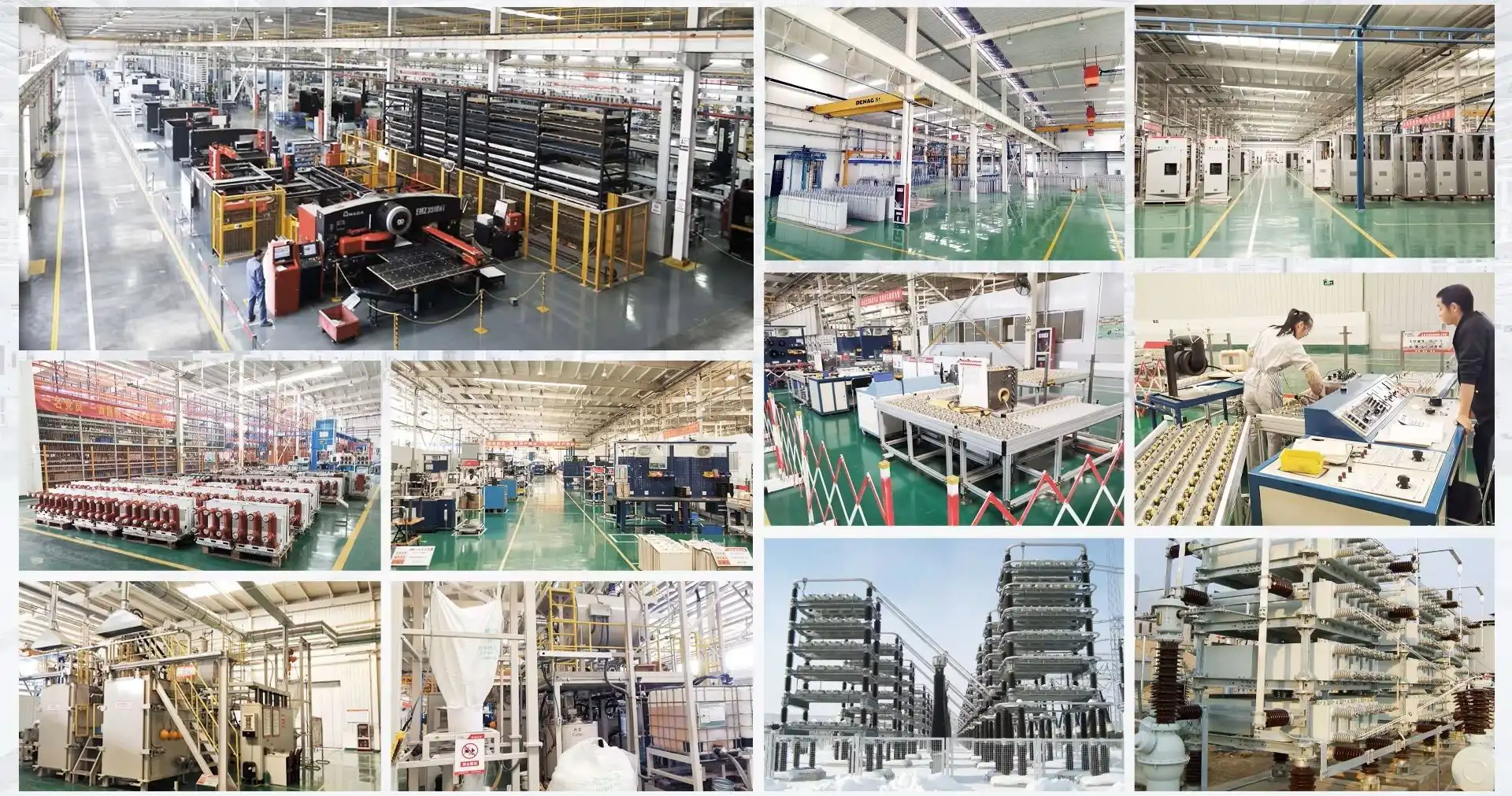
Xi'an Xikai's decades of medium-voltage switchgear production experience make it an appealing choice. Xi'an Xikai, one of China's major electrical distribution equipment manufacturers, offers competitive price and customisation on Vacuum Circuit Breaker technology. Their products service Asian State Grid installations, rail transit systems, and industrial facilities, and increasingly worldwide markets.
Certification documents, mechanical and electrical durability test data, reference installations in similar applications, spare parts availability, and technical support response times should be evaluated. Obtain factory audit and quality control records. Xi'an Xikai's 23-point quality inspection, including X-ray material testing and 10,000-cycle endurance validation, fulfills serious consumers' expectations.
Total Cost Considerations
Purchase price is simply one factor in long-term investment value. Installation, estimated maintenance during service life, breaker energy losses, and replacement costs should be included in a cost analysis. Quality Vacuum Circuit Breakers last 25-30 years. A device costing 15% more but eliminating maintenance expenses by 50 hours throughout its service life is far better value when labor costs $75-150 per hour. Premium contact materials and design decrease contact resistance losses, which cost $50–200 yearly depending on loads and power tariffs.
Purchasing quantities affect pricing greatly. Standardizing on one breaker type and establishing multi-year manufacturer agreements reduces costs by 10-25% and simplifies spare parts inventories and technician training. For this equipment category, Xi'an Xikai provides affordable bulk purchase terms and delivery in 6-8 weeks.
Applications and Industry Use Cases
Power Generation and Distribution Networks
Utility companies use Vacuum Circuit Breakers extensively in transmission and distribution. These devices safeguard transformers, bus sections, and feeder circuits in substations. Vacuum technology is appropriate for urban substations with limited space and maintenance access windows because of its dependability, cheap maintenance, and compact size.
Recent grid modernization projects increasingly require Vacuum Circuit Breakers with sophisticated monitoring. Utility automation techniques can use remote diagnostics, predictive maintenance alerts, and SCADA interface with optional IoT sensors. Grid operators may reduce outages and optimize maintenance spending across large asset populations using these features.
Industrial Manufacturing Facilities
To avoid costly production stoppages, factories need uninterrupted electricity. Automotive assembly lines, semiconductor manufacturing facilities, and food processing plants use Vacuum Circuit Breakers to safeguard motors, drives, and process equipment. Applications with frequent start-stop cycles benefit from switching operations without performance deterioration.
Mining operations are plagued by dust, severe temperatures, and vibration. The IP65-protected BGH Vacuum Circuit Breaker for industrial and mining applications performs well when other equipment fails. In situations with restricted cleaning and maintenance, the sealed vacuum chamber prevents contamination from compromising breaking performance.
Commercial Infrastructure
Hospitals, data centers, airports, and huge commercial buildings use Vacuum Circuit Breakers for electrical distribution. Fast breaking times safeguard sensitive IT equipment from voltage disruptions, which data centers appreciate. Hospitals need dependability to keep life-safety systems running during power outages.
The small size and silent operation are ideal for inhabited buildings with limited space and acoustic concerns. Facilities with sensitive populations benefit from vacuum technology's inherent safety—no explosion danger or harmful byproducts.
Renewable Energy Integration
Voltage fluctuations, switching transients, and remote sites make maintenance difficult on solar and wind farms. Vacuum Circuit Breakers are strong enough to withstand electrical stress and environmental extremes while minimizing service needs. Medium-scale solar and wind projects can employ the BGH Vacuum Circuit Breaker's 35kV voltage compatibility. In coastal or offshore wind farms exposed to salt, extended mechanical life and corrosion-resistant construction are crucial.
Conclusion
Vacuum Circuit Breakers are now the standard medium-voltage power distribution option for industrial, commercial, and utility applications. Facility operators and procurement experts desire dependable arc interruption, low maintenance, compact design, and environmental benefits. Voltage ratings, breaking capacity, ambient circumstances, and standards compliance must be considered while specifying. Long-term success is assured by choosing renowned manufacturers with strong track records and extensive support. As electrical systems become more automated and sustainable, Vacuum Circuit Breakers will remain essential for safe, efficient power distribution.
FAQ
1. What is the typical service life of a vacuum circuit breaker?
Quality Vacuum Circuit Breakers last 25-30 years if maintained and used within rated conditions. Electrical endurance can reach 50-100 fault interruptions depending on current magnitude, whereas mechanical endurance approaches 30,000 operations. This much exceeds oil circuit breakers' 15-20 year average under identical conditions.
2. Can vacuum circuit breakers be installed outdoors?
Indoor placement in metal-enclosed switchgear is typical for Vacuum Circuit Breakers. Outdoor applications need weatherproof enclosures or outdoor switchgear cabinets. The vacuum interrupter can withstand severe temperatures, but its functioning mechanisms and control components need moisture and weather protection. The BGH type with IP65 ratings handles humidity and dust well in enclosures.
3. How do vacuum circuit breakers improve workplace safety compared to oil breakers?
Vacuum technique removes oil-filled equipment fire and explosion dangers. No flammable dielectric reduces insurance costs and simplifies installation. Arc interruption does not create flames, hot gases, or debris that might harm adjacent personnel. Air-blast designs are noisy, while quiet operation below 75dB protects hearing. Electrical rooms provide better air quality because the sealed construction eliminates hazardous arc byproducts.
Partner with Xi'an Xikai for Reliable Vacuum Circuit Breaker Solutions
Xi'an Xikai's Vacuum Circuit Breaker technology satisfies the needs of industrial facilities, electrical utilities, and infrastructure projects globally with decades of manufacturing expertise and quality. Our BGH series has modular mechanisms for long service life and low maintenance and IEC-certified performance. Our expert staff tailors solutions to your voltage, current, and environmental needs for replacing switchgear, expanding capacity, or building new facilities. Discuss your project demands and obtain comprehensive specifications from our procurement professionals at serina@xaxd-electric.com, amber@xaxd-electric.com, or luna@xaxd-electric.com.
References
1. IEEE Standard C37.04-2018, "IEEE Standard for Ratings and Requirements for AC High-Voltage Circuit Breakers with Rated Maximum Voltage Above 1000V," Institute of Electrical and Electronics Engineers, 2018.
2. Greenwood, Allan N., "Vacuum Switchgear," The Institution of Engineering and Technology, London, 2007.
3. IEC 62271-100:2021, "High-voltage switchgear and controlgear - Part 100: Alternating current circuit-breakers," International Electrotechnical Commission, Geneva, 2021.
4. Slade, Paul G., "The Vacuum Interrupter: Theory, Design, and Application," CRC Press, Boca Raton, 2017.
5. Beyer, Michael and Boeck, Wolfgang, "Switching Overvoltages and Their Protection in Power Systems," Springer, Berlin, 2005.
6. Zhang, Jianhua and Wang, Liming, "Modern High Voltage Vacuum Circuit Breaker Technology and Applications," China Electric Power Press, Beijing, 2019.