Voltage Transformer Guide: How It Works & Why It Matters
2026-07-30 10:12:56
Understanding how voltage transformers function is crucial for maintaining grid stability and operational efficiency. These precision instruments step down high voltages to measurable levels, enabling accurate monitoring and protection in power systems. Whether you're managing a data center, operating utility infrastructure, or designing electrical installations, selecting the right device ensures safety compliance and cost-effective energy management. This guide explores essential working principles, selection criteria, and practical considerations to help procurement professionals make informed decisions that protect critical equipment and minimize downtime risks.


Understanding Voltage Transformers: Basics and Working Principles
What Are Voltage Transformers and Their Core Functions?
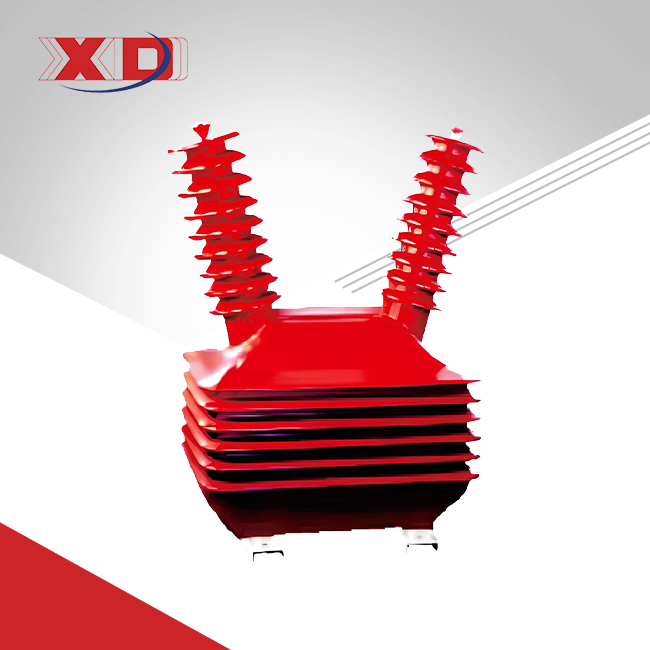
Voltage transformers are important measuring tools in electrical distribution systems because they change high primary voltages into standard secondary outputs that can be used by metering equipment and safety relays. These instrument transformers work with electromagnetic induction. They use precision-wound coils and bonded cores to keep the ratios correct even when the load changes. Unlike power transformers, which move energy from one place to another, voltage transformers focus on measurement accuracy and separation, keeping people and sensitive devices safe from dangerous voltage levels.
Our engineering team at Xi'an Xikai has created potential transformers that keep their ≤0.5% ratio error in a wide range of working conditions. The basic design uses cold-rolled silicon steel cores and high-purity copper windings, which are then covered in epoxy glue to make them strong and resistant to damage from the environment. Through vacuum casting processes, this building method gets rid of air pockets, which stops partial discharge events that weaken long-term reliability.
How Voltage Transformers Operate in Power Systems
Faraday's law of electromagnetic induction is what makes the mechanism work. A magnetic flux is created in the core when alternating current flows through the primary winding that is connected to high-voltage lines. Through this flux, the secondary coil is connected, and a voltage is created that is related to the number of turns. At Xi'an Xikai, we make a 24kV indoor voltage transformer that drops 24,000 volts to normal secondary outputs of 480V, 380V, 220V, or 110V, based on the needs of the area and the application.
Another important performance parameter is phase displacement. Our advanced electromagnetic design keeps angular error to less than 30 minutes, which makes sure that readings of voltage and current are in sync when power factor estimates are done. This level of accuracy is very important in revenue tracking, where even small errors can cause charging problems. The fully enclosed structure keeps outside contaminants from changing the core properties, so the device will always work the same way for as long as it is used.
Types of Voltage Transformers for Industrial Applications
Several variants meet operating needs. For industrial power distribution networks, three-phase potential transformers are better than single-phase ones for homes and small businesses. Oil-filled outdoor high-voltage substations cool better, but their insulation needs more testing and maintenance. Indoor data centers, hospitals, and enterprises use dry epoxy resin castings for safety.
The technical details of our 24kV model demonstrate these design objectives. It works with North American, European, and Asian power systems because it runs at 50/60Hz. Multiple instruments may be connected without affecting 30VA, 80VA, or 200VA secondary output accuracy. The insulation levels of 17.5kV, 55kV, and 105kV imply power frequency withstand voltage, lightning impulse protection, and partial discharge test thresholds. These ratings prove the product meets IEC 61869-1 and GB 20840.2-2014.
Many areas gain from these relationships. Power distribution network potential transformers separate control circuits from transmission voltages, protecting relaying. Manufacturer power quality is checked for harmonic distortion and voltage sags that influence variable frequency drivers. Systems need specific models to handle power spikes from solar inverters and wind turbine generators.
Voltage Transformer vs Other Transformers: Key Differences for Industrial Buyers
Distinguishing Voltage Transformers from Current Transformers
Despite their differences, procurement experts sometimes mistake voltage and current transformers. Parallel circuit voltage transformers reduce voltages based on potential differences. Current transformers in series monitor and reduce load currents to ammeter-safe levels. Current transformers deliver proportional secondary currents, while voltage transformers output constant secondary currents regardless of load.
Buildings represent function differences. Voltage transformers with closed magnetic circuits and controlled air gaps provide the optimum flux distribution for correct voltage ratios. Ring-core or bar-type current transformers prioritise low-resistance line current. Current transformers feed safety relay coils and inductive loads, whereas voltage transformers handle reactive loads from voltmeter impedances.
Understand these distinctions to prevent expensive purchase blunders. Without insulation and precision, utility companies can't modernise substation meters with current transformers instead of voltage measurement equipment. Putting voltage transformers in series causes dangerous open-circuit conditions that cause equipment damage.
Comparing Voltage Transformers with Power Transformers
Power and voltage transformers function differently but employ the same electrical ideas. Power transformers vary voltage. Megawatts or kilowatts won't break them. Efficiency rates of 98% decrease delivery network transmission losses. Only correctly measured voltage transformers have VA ratings that match equipment.
Testing and building materials reflect these goals. Power transformers sustain voltage via oil cooling and sophisticated tap-changing devices when loads vary. The consistent turns ratio and solid-cast insulation keep voltage transformers calibrated throughout loads. Voltage transformers undergo ratio error verification and phase displacement analysis, while power transformers are examined for temperature rise and efficiency.
These differences greatly impact purchases. Power transformers are incorrect for differential protection designs; thus, EPC businesses constructing manufacturing plant substations cannot utilise them for protective relay circuits. Motor supply voltage transformers fail instantly because their limited VA capacity can't support inductive starting currents.
Low Voltage vs High Voltage Transformer Selection
The right device for a given application is chosen based on its voltage rating. Low voltage transformers, which work below 1kV, are good for industrial control panels and building electrical systems. There are high voltage models that step down voltages from 11kV to 220kV and work with transmission and main distribution networks. With each voltage class, the insulation materials, physical measurements, and testing standards get much stricter. This makes it more expensive and harder to install.
International standards set accuracy classes based on how precise measurements need to be. Class 0.2 voltage transformers can keep ratio errors to within ±0.2% and phase shifts to less than 10 minutes. They are good for use in laboratories that measure revenue and do calibrations. Class 0.5 devices are accurate to within ±0.5%, which is good enough for safe relaying and industrial tracking. Choosing instruments that are too exact for non-essential tasks increases capital costs without need, and choosing instruments that are too inaccurate compromises operating safety and regulatory compliance.
How to Choose the Best Voltage Transformer for Your Business
Defining Your Voltage, Phase, and Environmental Requirements
Thorough site assessments are the first step in choosing the right device. Use utility interconnection agreements or current equipment paperwork to find the main voltage level. Check to see if single-phase or three-phase configurations work with your distribution design. For example, data centers usually need three-phase systems for UPS redundancy, while business buildings may use a mix of configurations. Environmental factors have a big effect on performance. For example, installations above 1,000 meters need to be recalculated because the lower air density makes cooling less efficient.
Our 24kV indoor potential transformer can work in temperatures ranging from -25°C to +55°C, which is fine for climate-controlled substations but needs extra care in harsh settings. Levels of humidity, pollution, and seismic activity all have an effect on how the insulation needs to be coordinated and how it needs to be mounted mechanically. The engineering team at Xi'an Xikai creates custom solutions for difficult installations. For example, they have plateau-rated equipment that is certified for 4,000-meter heights and is used by hydroelectric facilities and mining operations.
Evaluating Critical Performance Specifications
Other factors impact operating suitability besides voltage. Selecting an accuracy class requires balancing measurement precision and budget. Class 0.2S instruments work well at low loads for revenue metering, whereas protective relaying circuits can handle Class 1.0 devices. Insulation must exceed system voltages to prevent short-term overvoltages during switching operations and lightning strikes.
The rated secondary output capacity shows how many instruments can connect accurately. Our 30VA model accommodates two or three devices for simple metering. 200VA versions are appropriate for industrial applications with several protection switches, data loggers, and power quality analysers since they remain accurate as the load approaches capacity. Power transformer efficiency matters more than voltage transformer efficiency. Core losses raise base heat loads, influencing HVAC needs.
The epoxy resin-cast design meets many performance criteria and offers technological advantages. In wet weather, IP67 protection prevents insulation breakdown and measurement drift. The flame-retardant features meet hospital and data center NFPA 70 fire codes. tiny footprint facilitates retrofitting in tiny equipment spaces. Digital substations may work with smart grids using IEC 61850 protocol. Real-time monitoring and remote diagnostics save maintenance expenses.
Comparing Manufacturers and Evaluating Support Services
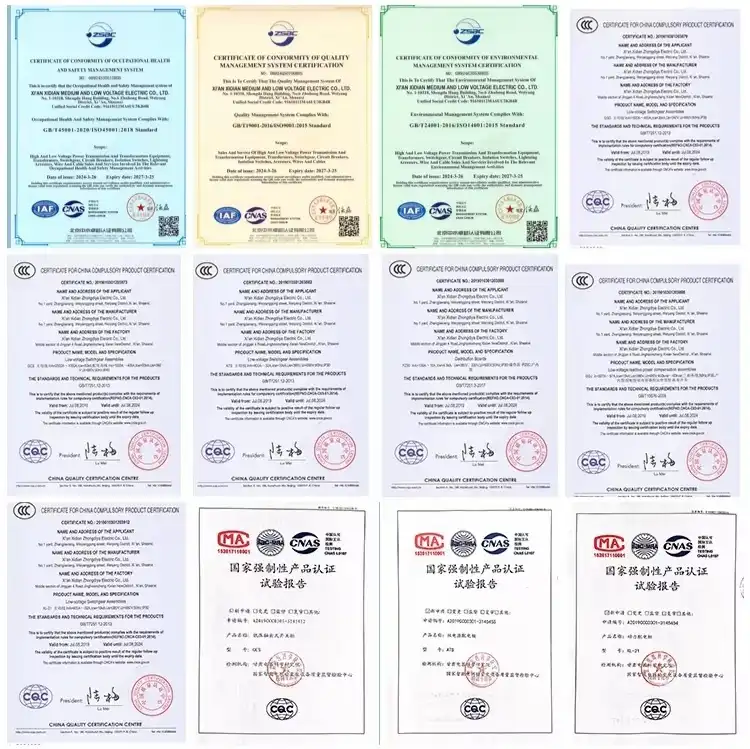
Examine providers' quality control and certification records. ISO 9001 certification standardises industrial procedures, while ISO 14001 certification shows environmental responsibility. Products with IEC test reports and UL listings meet international safety requirements. For Chinese markets, Xi'an Xikai has ISO 9001, ISO 14001, and 3C approval, and its products have been tested to IEC 61869-1, IEC 61869-2, IEEE C57.13, and GB 20840.2-2014 standards
Warranty and after-sales support greatly impact total cost of ownership. Standard guarantees for product manufacturing issues are the basic security. However, full programs with on-site setup, frequent testing, and supplementary components reduce operational hazards. Our company supports everything from custom ratio specs (like 24kV/120V setups for specific uses) to surge protection upgrades to make exposed installations lightning-resistant. Regional warehouse networks in Asia, Europe, and the Americas allow bulk orders to be delivered in three weeks, reducing project delays and inventory costs.
Installation, Safety, and Maintenance Best Practices
Professional Installation Guidelines for Optimal Performance
Mounting properly ensures reliable functioning. Covers with airflow keep indoor voltage transformer temperatures within ranges. Stops thermal stress, which accelerates insulation ageing. Cables must be held on hard surfaces because neighbouring equipment vibrations wear out their connections and windings. NFPA 70E and OSHA clearance lengths provide maintenance personnel ample space to operate, reducing the danger of arc flashes.
Phasing and polarity indications on main and secondary circuit connections should be observed. When connections are swapped, 180-degree phase shifts may cause protective relays to malfunction, leaving equipment susceptible during faults. Equipment grounding instructions should be followed. Our gadgets' grounding terminals must connect to station ground grids with size-appropriate cables for fault current calculations. Secondary circuit fusing protects the main system and voltage transformer against short circuits.
Safety Precautions for Personnel and Equipment Protection
Voltage transformers have special risks that need special safety rules. Due to uncontrolled magnetic flux, open-circuit secondary conditions create dangerously high voltages that can reach thousands of volts and damage connected meters and hurt people. Standard operating procedures say that secondary terminals must be shorted before instruments can be disconnected. This safely releases any stored energy. During maintenance, lockout-tagout procedures keep the power from being turned on by mistake, and arc-rated personal protective equipment keeps workers safe from flash dangers during switching operations.
Maintenance Strategies to Maximize Service Life
Routine inspections spot issues before they become significant. Insulation with physical deterioration, corrosion, and discolouration indicates overheating. Fix hot areas caused by weak connections or core faults during scheduled outages using infrared thermography. Insulation resistance using megohm meters confirms dielectric strength. Resistance drops as moisture or pollution enters and must be repaired.
Our epoxy-cast voltage transformers need less maintenance than oil-filled ones. Sealing the building eliminates the need to test insulation or oil regularly. Lifetime expenses drop and environmental safety improves. Partial discharge testing establishes performance during commissioning. Later measurements during significant outages corroborate integrity. These proactive efforts extend operational life beyond 25 years in most industries. This maximises capital investment returns and maintains measurement accuracy during service.
Procurement Insights: Buying and Sourcing Voltage Transformers Online
Identifying Reputable Manufacturers and Distributors
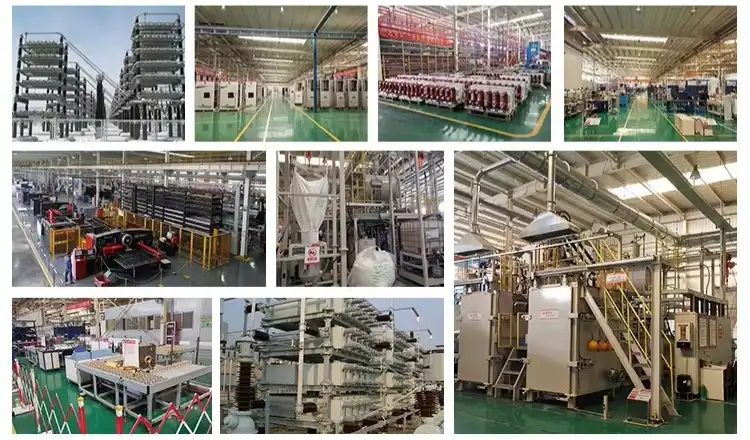
Strategies for sourcing that work well stress the qualifications and track records of suppliers. Check out factories by doing site audits or getting third-party certifications, and make sure the output skills and quality control systems are sound. Ask for examples of projects that show you've worked on similar tasks before—for example, installing a business building needs different skills than installing a utility center. With projects in 30 countries covering State Grid systems, petrochemical facilities, rail transportation networks, and green energy projects, Xi'an Xikai has proven its ability to perform in a wide range of challenging situations.
Case studies and comments from customers can help you figure out how good the after-sales service is. Technical service responsiveness during commissioning takes care of unexpected compatibility issues, and the speed with which warranty claims are processed cuts down on downtime when parts fail. A company's reputation in the industry is very important. Manufacturers like Xi'an Xikai, which has been in business for more than 25 years, show that they care about their customers by staying in business with them after the initial transaction.
Understanding Pricing Factors and Budget Planning
The price of a voltage transformer depends on its voltage rating, accuracy class, secondary output capacity, and the certification needs of the buyer. High-voltage types with Class 0.2 accuracy cost more because they are made with strict standards and go through a lot of tests. When procurement teams negotiate bulk purchases, they can get discounts, but they have to weigh the cash savings against the costs of keeping inventory and the risk of obsolescence for certain combinations.
Delivery dates affect project schedules and planning for what to do if something goes wrong. Catalogue items usually ship within a few weeks, but wait times for custom specs are longer to allow for engineering reviews and prototype testing. Xi'an Xikai can turn around bulk orders in three weeks, which shows that they are good at managing their production schedules and material supply chains. This keeps project delays to a minimum, which keeps labour costs and penalty clauses low. For international shipping, things like customs paperwork and goods forwarding arrangements need to be planned ahead of time to avoid delays at the border.
Maximizing Value Through Comprehensive Support Programs
In comprehensive programs, warranty coverage extends beyond manufacturing defects. Installation assistance services guide commissioning personnel through acceptance testing to ensure performance and identify setup errors before powering up. Training programs teach maintenance staff how to inspect and fix issues. Building internal talents reduces the company's reliance on outside vendors.
Working inquiry methods speed up inquiry processes. When you submit a complete RFQ with voltage ratings, accuracy criteria, environmental conditions, and delivery dates, you may obtain accurate estimates without additional clarifications. Technical discussions assist in determining the optimal performance-cost options during specification development. Our technical staff at xaxd-electric.com does specific ratio calculations, load capacity evaluations, and standards compliance verification to ensure the equipment meets application demands.
Conclusion
Voltage transformers are important parts of infrastructure that make sure measurements are accurate, people are safe, and equipment is protected in both industrial and utility settings. Understanding basic operating principles, telling them apart from other kinds of transformers, and weighing selection criteria helps buying professionals choose the right devices for each practical need. Following the right installation methods, safety rules, and maintenance schedules will make sure that the service life is maximised while still meeting international standards. Successful sourcing strategies focus on the qualifications of the maker, full support services, and clear communication throughout the purchase process. This leads to solutions that improve the stability of the grid and the speed of operations.
FAQ
1. What distinguishes voltage transformers from potential transformers?
When you hear the terms "voltage transformer" and "potential transformer," you should think of the same thing. These names are used interchangeably in industry standards like IEC 61869-2 and IEEE C57.13 to talk about instrument transformers that step down voltages for use in metering and protective relays. The language used depends on where you are; for example, in North America, markets usually talk about potential transformers, while in Europe and Asia, they talk about voltage transformers. These categories don't vary in how they work, and procurement papers that use either term describe the same equipment specifications.
2. Can low voltage transformers be used for high voltage applications?
When low voltage transformers are used on high voltage lines, safety risks and equipment breakdowns happen right away. Insulation systems made for voltages below 1kV can't handle the dielectric loads that come up in medium and high voltage networks. This can cause the insulation to break down, flashovers to happen, and people to get hurt. The voltage values on nameplates show the highest level of safety that can be used. Going over these limits voids promises and breaks electrical codes. Always make sure that the voltage ratings meet the needs of the system. If you're not sure about the right specs, talk to application engineers.
3. How frequently should voltage transformers undergo maintenance in industrial environments?
How often maintenance needs to be done depends on how bad the environment is and how important it is. Heavy industrial sites that are exposed to high levels of pollution, extreme temperatures, or vibrations need to be inspected once a year. These inspections should include eye checks, thermographic scans, and insulation resistance tests. Three-year cycles are possible for clean indoor installs in climate-controlled substations, and five-year cycles are fine for our epoxy-cast types with sealed construction. Misconfigured protective relays, strange measurements, or sudden temperature increases need to be looked into right away, no matter how often it's supposed to be done. This keeps small problems from getting worse and stopping production.
Partner with Xi'an Xikai for Reliable Voltage Transformer Solutions
Xi'an Xikai Medium & Low Voltage Electric Co., Ltd. makes precision-engineered potential transformers that have been used in difficult applications around the world for 25 years. Our 24kV indoor models are made of epoxy resin casting, IEC 61869 compliance, and IP67 weather protection. They can be used for both new installs and retrofits. As a reliable voltage transformer manufacturer, we work with EPC firms, manufacturing facilities, and utility companies to create custom solutions. Our wait times are three weeks, and we offer full expert support. You can email our procurement specialists at serina@xaxd-electric.com, amber@xaxd-electric.com, or luna@xaxd-electric.com to talk about your needs, get competitive quotes, and ask for detailed specifications.
References
1. Institute of Electrical and Electronics Engineers, "IEEE Standard Requirements for Instrument Transformers," IEEE C57.13-2016, 2016.
2. International Electrotechnical Commission, "Instrument Transformers – Part 2: Additional Requirements for Voltage Transformers," IEC 61869-2:2012, 2012.
3. National Fire Protection Association, "Standard for Electrical Safety in the Workplace," NFPA 70E-2021, 2021.
4. Standardization Administration of China, "Instrument Transformers – Part 2: Additional Requirements for Voltage Transformers," GB 20840.2-2014, 2014.
5. Zhang, W. and Liu, H., "Analysis of Voltage Transformer Accuracy Degradation in Smart Grid Applications," Electric Power Systems Research, vol. 195, 2021.
6. American National Standards Institute, "Requirements for Instrument Transformers," ANSI C57.13-2008, 2008.

_1774403963080.png)