Choosing the Right Indoor Current Transformer for Your Needs
2026-07-30 10:12:59
Selecting an indoor current transformer requires balancing precision, durability, and compliance with operational demands. Whether managing a data center's sensitive equipment, stabilizing utility grid infrastructure, or designing electrical systems for industrial complexes, the right current measurement solution directly impacts uptime, safety, and cost efficiency. This guide walks through essential considerations—from understanding core specifications and application requirements to evaluating procurement strategies—helping facility operators, utility companies, and EPC firms make informed decisions that optimize system performance and protect profitability.


Understanding Indoor Current Transformers: Basics and Key Specifications
Current transformers are the most important part of efficient devices for measuring and protecting electricity. These devices lower high primary currents to secondary levels that are easier to handle. This lets meters, switches, and tracking systems work properly and safely. An indoor current transformer works in controlled areas like substations, switchgear rooms, and industrial electrical panels. These areas are naturally protected from extreme weather, but accuracy and space efficiency are still very important.
Core Components and Operational Principles
The system relies on electromagnetic induction. Primary current travels through a wire, creating a magnetic field in the transformer core that generates a proportionate secondary current. The epoxy resin cast structure eliminates air gaps, preventing incomplete discharge and maintaining precision. Even in harmonically rich loads like renewable energy systems and variable frequency motors, silicon steel cores function well.
Modern devices are sealed to prevent dust, water, and rust. Working temperatures vary from -40°C to +70°C, making them ideal for severe interior conditions in coastal or polluted areas. This sturdy structure implies the building will endure longer and need less maintenance, which is crucial for situations where unanticipated downtime is costly.
Common Types and Application Suitability
Knowing about the different technologies helps you match tools to the limitations of a certain installation:
- Wound Primary Transformers: These are the most common type. They are very accurate (Class 0.2 or better) and work well for revenue metering where precise billing is important. Their small size makes them good for equipment that doesn't have a lot of room, but de-energizing circuits is needed for installation.
- Bar-Type Transformers: The primary conductors go through the middle opening of the transformer, which makes installation easier in new buildings. Rated primary currents range from 20A to 3150A, so they can handle a wide range of load patterns, from small distribution panels to big industrial feeders.
- Split-Core Designs: Hinged cores make it possible to install them around existing conductors without interrupting the circuit. This makes them perfect for retrofits in places like hospitals, factories, and businesses where business continuity can't be compromised. The accuracy is usually between Class 0.5 and Class 1.0, which is good for general tracking and defensive relaying.
- Rogowski Coils: These are flexible coils that can be wrapped around conductors with odd shapes, making placement easier in small areas. They are great at measuring high-frequency transients and harmonic currents in advanced energy monitoring systems, but they need external integrators to process signals.
Critical Specifications for Procurement
There are a number of factors that directly affect speed and compatibility when comparing choices, such as:
- Accuracy Class: This describes how accurate a number is under certain situations. For revenue metering, accuracy must be Class 0.2, while for protective relaying, it's usually Class 0.5 or 1.0. Knowing the limits of your application is important for making sure that you follow billing standards and relay coordination rules.
- Rated Currents: The primary ratings must be higher than the maximum load currents, which includes the surge capacity. For most medium-voltage tasks, a 24kV indoor current transformer with a primary range of 20–3150A and a secondary output of 5A or 1A will work. Standardizing secondary current (5A in North America and 1A in Europe) changes how well meters and relays work together.
- Burden Ratings: This number tells you how much load the secondary circuit can handle without losing accuracy. Higher burdens (measured in volt-amperes) allow for longer wire runs to meters and more devices that are linked. This is necessary in large substations where equipment is spread out over a large area.
- Safety Certifications: Devices that meet the requirements of IEC 61869-1 and 61869-2 and GB 20840.2-2014 are safe and perform well enough to meet international standards. These approvals make sure that the insulation is good, that it can handle short-circuits (often 25kA for 3 seconds), and that it is compatible with electromagnetic fields. These are all requirements that must be met for utility-grade installs.
In urban substations and upgrade projects, where the cost of land affects design choices, saving space is especially important. Fully enclosed epoxy resin construction doesn't need any extra protective enclosures, which cuts down on the size of the installation area and the cost of labor. Better safety features, like sealed secondary connections, stop people who aren't supposed to be there from getting in or touching the equipment by mistake. This helps with issues in public and multi-tenant buildings.
How to Choose the Best Indoor Current Transformer for Your Application
Before you can match equipment to operational needs, you need to take a close look at the system's features and performance goals. Different smart metering installations have very different voltage levels, load profiles, and accuracy needs. For example, billing needs to be very accurate, while protective relaying applications need to find faults quickly.
Defining Operational Requirements
Medium-voltage systems with 24kV input and 10kV output are common in big industrial plants and utility distribution systems. The 50/60Hz dual-frequency rate works with both normal equipment and equipment that isn't used by everyone. When you do a load analysis, you need to take into account both normal operating currents and transient conditions. For example, motor starting currents can reach 6 to 8 times their rated values, and fault currents may briefly spike to 100 times normal levels.
Indoor vs. Outdoor: Environmental Considerations
Even though this lecture is largely on indoor usage, understanding the differences helps you choose. Outdoor models include weatherproof housings, UV-resistant insulation, and greater temperature ranges (-55°C to +85°C). Indoor current transformers want to be tiny and integrate with switchgear to avoid moisture and excessive temperatures.
Industrial environments blur these boundaries. Facilities near beaches must have non-rusting materials since they are exposed to salty air. Even in enclosed areas, dusty industrial operations need IP23 or IP30 enclosures. Hospitals and data centers need quiet (< 45 dB) operations and fire-resistant materials under NFPA 70 fire regulations. Substation standards seldom mention them.
Technology Comparison and Cost Implications
Both the initial investment and the total cost of ownership are affected by trade-offs in performance:
- Traditional Wound/Bar Types: For traditional wound and bar types, the higher initial costs are due to more precise manufacturing and higher-quality materials. The starting cost is lessened by a long working life (30 years or more) and little maintenance. Because accuracy steadiness lowers the number of calibrations needed, running costs go down. Best for long-term installations where the accuracy of the measurements makes the investment worthwhile.
- Split-Core Options: Moderate pricing strikes a good balance between ease of installation and good accuracy. Installing without turning off the circuit saves money on labor because it keeps production from stopping, which can cost thousands of dollars an hour in manufacturing settings. A slightly lower level of accuracy (0.5 to 1.0 class) is still good enough for non-profit uses.
- Rogowski Coils: They are cheaper to buy and ship because they don't have an iron core and are made of lighter materials. Flexibility lets you work with unusual conductor geometries. Needs for external integrators make the system more complicated and add possible breakdown points. Excellent for short-term monitoring tasks or installations where regular designs won't fit.
Supplier Evaluation and Brand Considerations
Buying choices involve more than just technical details; they also consider the skills and image of the supplier. Manufacturers that have been around for a long time have a lot of field knowledge, strict testing protocols, and help networks around the world. When you compare prices, the guarantee terms show how confident the maker is. For example, coverage that lasts for 3 to 5 years means that the product was built well and was tested thoroughly.
Lead times are very different for stock items (2-4 weeks) and custom configurations (8-12 weeks). Suppliers who keep supplies in the area are helpful for projects with tight launching schedules. For specific uses, being able to customize is important—for example, dual-ratio outputs, small mounting options, or interaction with proprietary switchgear may need technical teamwork that catalog-only sellers can't provide.
Installation and Maintenance Best Practices for Indoor Current Transformers
The foundation for long-term, reliable operation is set by proper installation. Systematic maintenance keeps things accurate and finds problems before they get worse and cause failures.
Installation Guidelines and Safety Compliance
Before getting ready, examine the manufacturer's instructions and the site's electrical plans. The indoor current transformer's ratings should meet the system's voltage, maximum fault current, and secondary load estimations. A physical inspection reveals no transportation damage to the insulation.
Repairability and equipment closeness must be considered before installation. Enough space around connections facilitates testing and connecting. Grounding utilises IEC 61869. Connecting secondary windings to system ground prevents hazardous voltages when insulation fails. Metering and relaying circuits need accurate phase relationships, therefore pay attention to polarity indicators (P1/P2 for primary, S1/S2 for secondary).
Device size and placement determine wiring. 600V-insulated 5A secondary control cables avoid voltage drop and precision loss. Torque terminals per manufacturer's guidelines. Insufficient pressure degrades heating and connections, while excessive force destroys terminals. A megohmmeter test after wiring indicated insulation resistance above 1000 at rated voltage. This shows the insulation was neither moist or damaged during installation.
Periodic Inspection and Diagnostic Testing
A maintenance plan avoids surprises. Every six months, visual examinations indicate terminal corrosion, environmental degradation, and physical degeneration. Thermal imaging helps spot weak links in busy systems before they collapse. Hot, resistant areas need prompt attention.
Every three to five years, accuracy testing guarantees rated class compliance. Secondary output measurements utilising portable test sets with known primary currents to published accuracy curves. Deviations from manufacturer specifications indicate saturated core, winding failure, or load imbalances.
Impurities like dust may damage insulation, therefore washing eliminates them. Electric and lint-free cleaners save waste. Outdoor or difficult installations may need yearly cleaning, whereas controlled substations endure 5–10 years.
Troubleshooting Common Issues
Recognizing symptoms helps doctors make quick diagnoses:
- Inaccurate Metering: Check the load—too many connected devices lower precision. Check the orientation of the wires and measure the secondary current with a known load. Insulation resistance testing finds worn-out parts that need to be replaced.
- Overheating: This means that there is too much load, the primary current rating is wrong, or there are loose connections. By scanning for heat, you can find sources of heat. Getting rid of unnecessary loads or upgrading transformers can fix capacity problems.
- Physical Damage: Insulation is less effective when epoxy glue cracks because of contact or changes in temperature. That kind of damage means the item has to be replaced—field fixes can't bring it back to manufacturer-certified performance.
Following the IEC 61869 standards during installation and servicing makes sure that devices work as expected for the whole time they are in use. Writing down test results and maintenance tasks makes past records that can be used to find problems and show that the company is following the rules.
Procurement Strategies: How to Source the Right Indoor Current Transformer
Strategic buying looks at both technical and business factors, weighing cost against quality, delivery dependability, and the ability of the provider to provide support.
Identifying Qualified Suppliers
Different project needs are met by different channels:
- Direct Manufacturer Contact: Working with manufacturers like Xi'an Xikai gives you access to technical know-how, the ability to make changes, and low prices for large orders. Engineers can help with system integration problems and make sure that standards are optimized for specific uses when they have direct relationships with each other.
- Authorized Distributors: Regional distributors keep stock in their own areas, which cuts down on lead times for standard configurations. They take in demand from a lot of different customers and offer smaller order sizes that can work for one project. When a distributor works with more than one producer, they can compare different brands during the same buying process.
- Online Platforms: B2B markets give buyers more suppliers to choose from, but they need to be carefully checked out. Check certifications on your own—ask for copies of test results and proof of compliance. Payment security tools and escrow services lower the risks of doing business with unknown sellers.
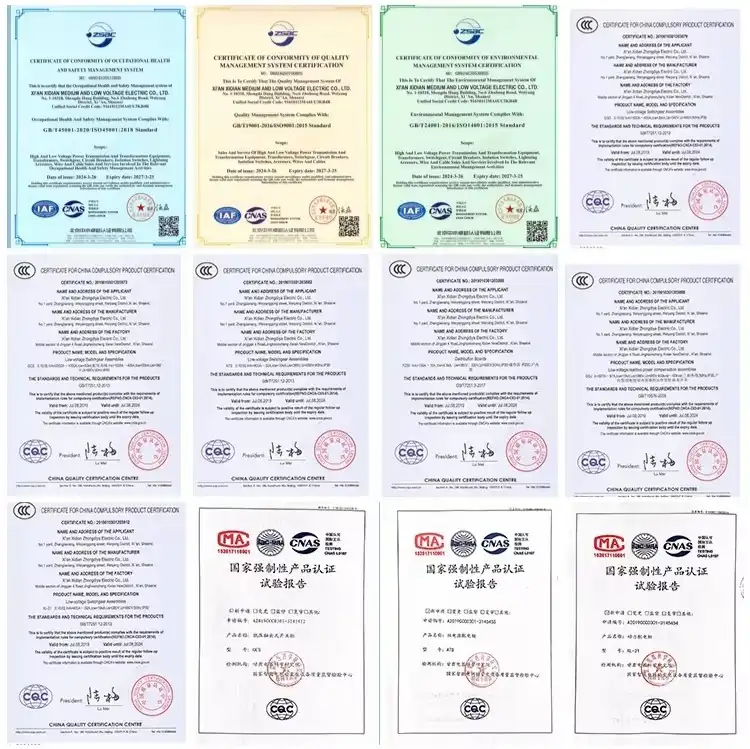
Credential verification keeps you safe from fake goods and makes sure you follow the rules. Getting ISO 9001 certification means that you handle quality in an organized way. Product certifications (IEC, ANSI, UL) show that performance claims were proven by independent testing. References from similar projects can help you figure out how reliable the service is and how good the expert support is.
Lead Time Management and Custom Requirements
Inventory items ship in two to four weeks, making them ideal for urgent jobs or replacements. Custom configurations with specified primary/secondary ratios, mounting arrangements, or protective ratings take 8–12 weeks to provide. International shipping is slower. Air freight may transport Asian freight to North American ports in 7–10 days for cheaper than sea freight, which takes 4–6 weeks.
These timescales should be considered while planning projects, particularly with construction timetables. Early supplier engagement in planning helps discover long-lead products, enabling procurement during site preparation and permit applications.
Preparing Effective RFQs
Requests for detailed quotes make it easier to compare prices and cut down on questions that come up after the award:
- System voltage and frequency
- Range of the primary current and the secondary power (5A or 1A)
- Level of accuracy and load rate
- Standards that apply (IEC, ANSI, GB)
- Setting up the mount and physical limits
- Conditions of the environment (heat, humidity, pollution)
- Quantity and time of delivery
- Certifications and paperwork that are needed
Clear specifications keep people from misinterpreting them, which can delay delivery or cause equipment that doesn't work with each other. Request a list of prices that breaks down the cost of the equipment into separate costs for shipping, taxes, and fitting help, if it's offered.
Evaluating Proposals Beyond Price
Lowest price seldom means greatest value. Full warranty coverage and conditions reflect that the manufacturer trusts the product. Technical assistance is crucial when installing complex systems or addressing field issues. Application engineering manufacturers improve systems by offering improvements.
Delivery reliability is important since late tool deliveries may delay project start-up, raise labour expenses, and delay profit. Supplier references indicate how successfully they produce on time and manage unexpected issues.
Strategic connections with suppliers that can provide replacement parts, growth equipment, and technical training generate long-term value beyond transaction savings. As facilities improve, manufacturers with large product choices make it easy to purchase stuff. Choose an indoor current transformer based on these long-term benefits.
Case Studies and Real-World Applications
Looking at real-life examples shows how the right choice and placement can improve operations in a variety of settings.
Industrial Panel Upgrade: Manufacturing Plant
Due to inaccurate power monitoring and false alerts, a food manufacturing factory had to cease production. An assessment found that Class 2.0 measurement equipment were outdated and inaccurate, rendering them unsuitable for managing critical operations. Replacement of 24kV Class 0.2 wound primary transformers yielded correct readings. Fine-tuned power factor adjustment reduced utility demand costs by 12%. Epoxy resin cast buildings eliminated 40 hours of annual maintenance, freeing up electricians for more critical tasks.
Surge current capabilities (100x transient rated) handled motor starting inrush without saturation, eliminating production-stopping excursions. The investment compensated for itself in 18 months by lowering energy costs and downtime.
Utility Substation: Renewable Integration
A municipal utility employing solar electricity caused harmonic distortion, decreasing distribution network power quality. Traditional iron-core transformers overheat and produce erroneous readings when harmonics are strong, complicating grid control. With a wide frequency response, Rogowski coil sensors identified harmonic content. This characterised power quality difficulties well.
Results showed that inverter settings needed to be modified to reduce harmonic injection. Testing showed the adjustment decreased harmonic distortion from 8.3% to 2.1%, fulfilling IEEE 519 requirements. Flexible coils made busbar retrofitting easy without modifying the circuit. Customers didn't wait since installation may happen during maintenance.
Hospital Emergency System: Reliability Enhancement
A regional hospital must check life-safety device power 24/7. Split-core transformers enabled them to be put on essential lines that supply operating rooms and intensive care units without shifting loads to backup generators, which would cause coordination issues and patient danger. IP30 barriers denied cleaning chemicals into commonly cleaned electrical rooms.
Flame-resistant materials that met hospital fire standards addressed occupied building safety. Quiet operation (< 45 dB) reduced noise near electrical equipment. Monitoring system suggests generator transfer switch connections wore out six weeks before breaking. This permitted scheduled repairs, eliminating service disruption during a winter storm when backup power was required.
Key Lessons from Deployments
These implementations show a number of factors that lead to success:
- Accurate Specification: Mismatched equipment can be avoided by fully understanding the needs of the application. Getting suppliers involved in the design process lets you use their application experience.
- Quality Over Cost: The higher original investment is worth it because high-quality parts last longer and need less upkeep. When figuring out the total cost of ownership, you should look at how long the equipment lasts, not just how much it costs to buy.
- Installation Planning: Technologies that allow energized installation help retrofit projects run more smoothly by causing less damage. When building something new, the placement of equipment and the route of wires can be optimized.
- Performance Verification: Testing after installation makes sure that everything works right before using measurements to make important decisions. Monitoring that is done all the time finds degradation before it affects operations. An indoor current transformer project is only successful when performance is verified in the field.
Conclusion
When picking an indoor current transformer, consider technical parameters, application demands, and cost. Understanding wound primary, split-core, and Rogowski designs helps match measurement demands to equipment. Accuracy class, rated currents, and load ratings affect system performance. Using IEC 61869 standards ensures system safety and reliability. Installing something correctly by following manufacturer instructions and safety rules ensures years of reliable use. Regular maintenance keeps things precise and detects issues early, preventing unexpected breakdowns. Strategic supplier relationships provide technical knowledge, product customisation, and quick support beyond the first piece of equipment, helping your business succeed.
FAQ
1. What distinguishes indoor from outdoor current transformers?
Indoor current transformers work in controlled settings and focus on being small and able to be integrated with equipment. Outdoor versions have housings that don't get damaged by weather, UV-stable insulation materials, and wider temperature ranges to handle being out in the elements. Indoor models are supposed to be protected from rain and sunlight, but they might need higher protection grades (IP23/IP30) in dirty or chemically contaminated workplaces.
2. How often should indoor current transformers undergo calibration?
To keep bills accurate and in line with regulations, revenue-metering software usually needs to be checked for accuracy every three to five years. Because fault monitoring can work with wider accuracy ranges, protective relaying systems may allow intervals to be extended to 5 to 8 years. More frequent testing is needed in harsh settings or for important uses. The best calibration plans for an indoor current transformer are based on recorded trends of accurate drift from past tests. These schedules balance the costs of verification with the needs for measurement integrity.
3. Can a single device handle both low-voltage and high-precision metering?
Modern designs with multiple ratios can be used for a variety of tasks in the same installation. A transformer with a primary current rating of 20–3150A and secondary ratios that can be chosen allows the system to grow without having to buy new equipment. This is possible because the secondary links can be rearranged to handle more loads. Maintaining Class 0.2 accuracy across this range lets revenue metering and protective relaying work at the same time. However, separate secondary windings can be chosen when safety or electromagnetic compatibility reasons call for isolation between measurement circuits.
Partner with Xi'an Xikai for Your Current Measurement Solutions
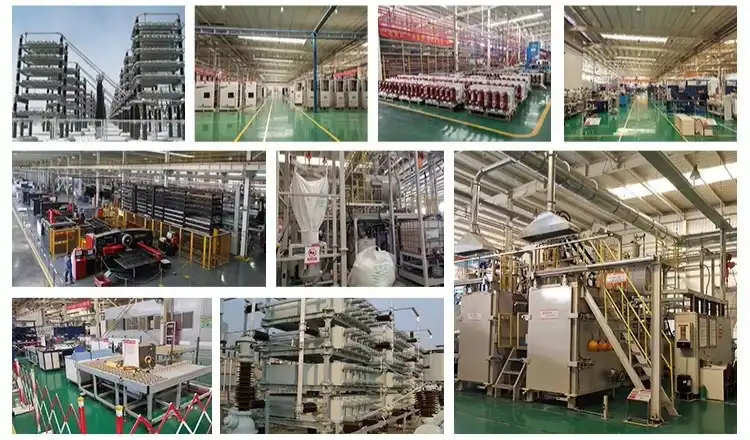
To get the most out of your electrical infrastructure, you need tools that are precision-made, long-lasting, and easy to connect to your current systems. Xi'an Xikai specializes in medium and low-voltage electrical solutions. They have a wide range of current transformers, such as our 24kV indoor current transformer, which is fully compliant with IEC 61869 standards and has a primary range of 20-3150A and Class 0.2 accuracy. Our epoxy resin cast construction guarantees stable performance in harsh industrial settings, such as power plants and manufacturing plants. Send an email to serina@xaxd-electric.com, amber@xaxd-electric.com, or luna@xaxd-electric.com with your specific needs to our expert team. We offer thorough catalogues of our products, cheap quotes, and the ability to make changes that are specific to your needs. As a reliable maker of indoor current transformers, we offer competitive pricing and full warranty packages for big purchases. This way, you can be sure that your power systems will provide the accuracy and dependability that your operations need.
References
1. International Electrotechnical Commission. Instrument Transformers – General Requirements. IEC 61869-1 Standard, 2014.
2. Anderson, P.M. Power System Protection Fundamentals. IEEE Press Series on Power Engineering, 2019.
3. Blackburn, J.L. and Domin, T.J. Protective Relaying: Principles and Applications, Fourth Edition. CRC Press, 2014.
4. IEEE Power and Energy Society. Guide for Application of Current Transformers Used for Protective Relaying Purposes. IEEE Standard C37.110, 2017.
5. Wright, A. and Newbery, P.G. Electric Fuses: Their Evolution and Engineering Design. Institution of Engineering and Technology, 2004.
6. Kulkarni, S.V. and Khaparde, S.A. Transformer Engineering: Design, Technology, and Diagnostics, Second Edition. CRC Press, 2013.