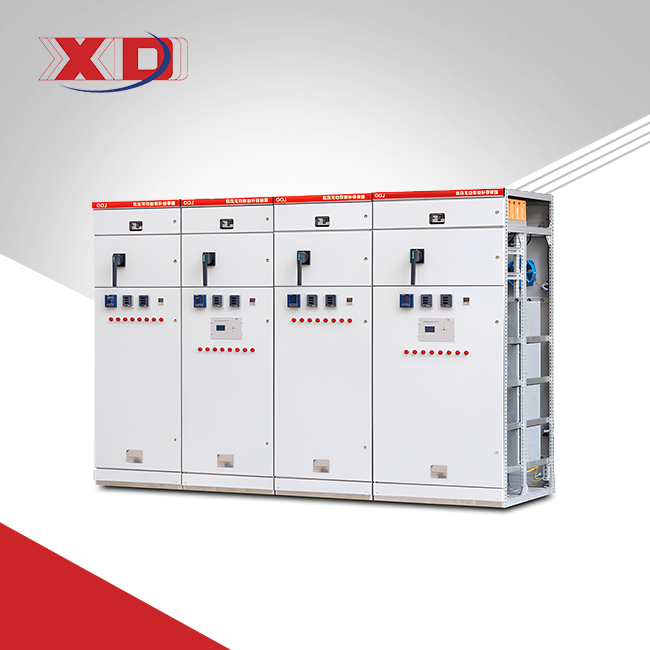
GGJ Low Voltage Reactive Power Intelligent Compensation Device
What are the Benefits of Oil-Immersed Transformers for Industry?
2026-07-01 16:03:43
For industrial power systems, Oil-immersed Transformers provide excellent thermal control, better insulation performance, and a long life. Mineral oil is used in these units to easily get rid of heat while keeping the voltage fixed even when the load is heavy. Because they have been proven to work reliably in harsh settings like mines and green energy installations, facilities that put uptime and energy economy first need to use them. With optimized core designs that cut losses by up to 30% and service life of more than 30 years, these transformers offer measurable operating benefits that have a direct effect on grid stability and revenue.
 |
 |
Understanding Oil-Immersed Transformers: Principles and Working Mechanism
Core Components and Design Architecture
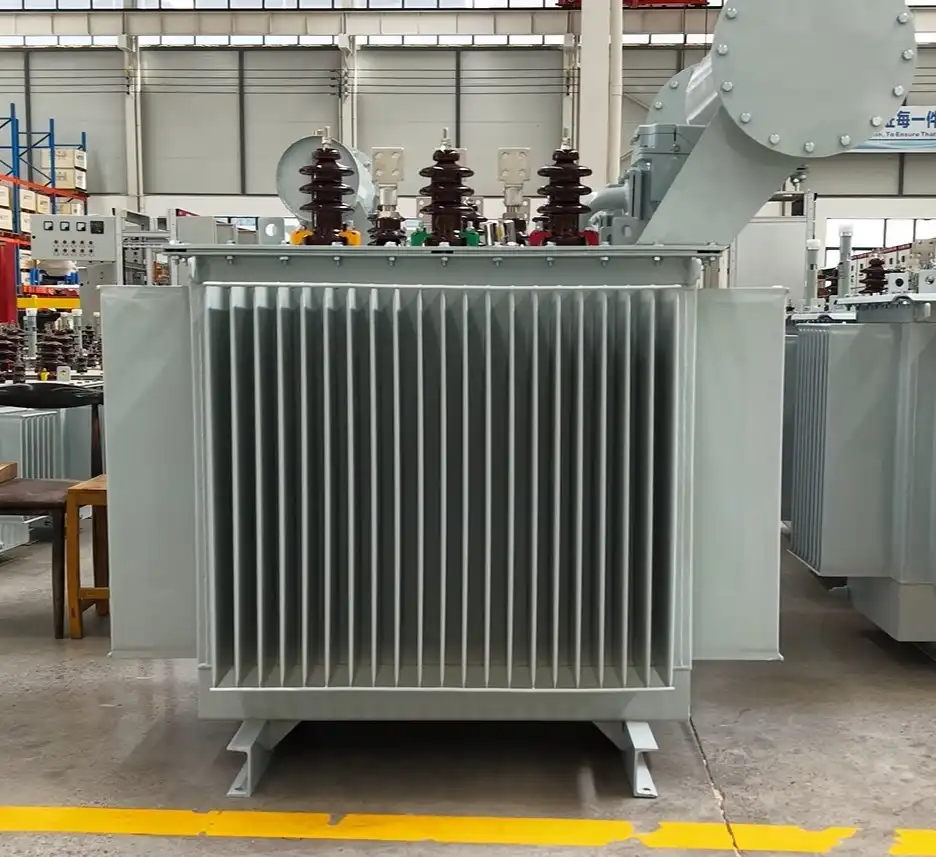
Industrial power distribution equipment must be powerful enough to operate continuously with fluctuating loads. The construction consists of silicon steel cores arranged along the grain, copper or aluminum windings, and a covered oil tank with two purposes. High-quality mineral oil has a dielectric strength above 30kV and absorbs heat from current-carrying wires. Designers may use this liquid insulation material to maximize power in compact spaces since it insulates eight times better than air.For 25 years, we've developed on a curved tank design that seldom requires additional heating. This design makes heat-transferring surfaces 40% larger than in flat-wall tanks and strengthens them against internal pressure variations. Shielding fails early in earlier Oil-immersed Transformer designs because the shielded system prevents moisture and oil oxidation.
Oil Circulation and Cooling Processes
Thermal control differentiates good transformers from sudden failures. Convection patterns in tank fluid flow result from heated oil rising from the windings and cold oil falling down the tank walls. Even under load, our S13-35kV models' sophisticated cooling systems maintain winding temperatures under Class A insulation requirements.How effectively cooling works affects load capabilities. In testing, our devices can bear 150% of their rated load for two hours without overheating. This is crucial for mines and petrochemical operations that face rapid demand spikes. Oil temperatures remain below 60K and coil temperatures stay under 65K at full load, according to temperature increase tests. This maintains motor performance over decades.
Voltage Transformation and Regulation
In the magnetic core, electromagnetic induction transports electricity between transmission and distribution levels. The silicon steel core is magnetically induced by alternating current in the primary windings. The secondary windings get proportionate voltage from this flux. Modern tap changers dynamically adjust output voltage to handle demand spikes that might harm data center devices or disrupt precision manufacturing processes.Our models can handle input voltages of 10kV, 35kV, and 110kV with ±0.5% accuracy. Integrating green energy sources with weather-dependent inverter outputs requires this precision. Tight control keeps the grid in sync without voltage dips that trigger safety relays and interrupt production.
Key Benefits of Oil-Immersed Transformers for Industrial Applications
More and more pressure is being put on industrial workers to keep uptime standards of 99.9% while also cutting energy costs. These problems can be solved by the Oil-immersed Transformers we make, which have real efficiency benefits that build up over time.
Superior Thermal Management and Extended Equipment Life
Heat is the biggest threat to electrical protection systems. IEEE C57.91 states that insulating life expectancy halves for every 8°C increase in operating temperature. These systems' liquid cooling removes heat 25 times better than air cooling, slowing insulation deterioration.Multiple core joint technologies reduce magnetostriction and source heat in our S18 distribution transformers. This approach extends service life beyond 30 years in most industries when paired with better oil flow patterns. Hospital systems with backup generators that cost $10,000 per hour of outage benefit from this stability, lowering risk and insurance costs.Corrugated tanks don't require forced air or water cooling since they have 35% higher heat transfer surface area than smooth tanks. This passive temperature management prevents pump failures and maintenance expenses. For noise-sensitive environments like hospitals and homes, it operates at sub 65dB.
Energy Efficiency and Loss Reduction
Energy waste from no-load losses totals 8,760 hours per year. In our upgraded core designs, high-permeability cold-rolled grain-oriented silicon steel reduces idle losses by 30% compared to S9 series units. This innovation saves $3,150 a year in no-load use if a facility utilizes a 1000kVA transformer and $0.12/kWh electricity.Precision windings minimize resistance and unpredictable flux, lowering load losses. Our S13 series achieves efficiency over 98.5% at rated load, according to independent testing. These units qualify for utility rebates in numerous states since they fulfill EU EcoDesign standards. Every percentage point of efficiency increase saves $52,560 a year in wasted energy for large corporate complexes that utilize 5MW of electricity 24/7.Our utility-grade versions with amorphous cores can reach 99% efficiency for transfer jobs where minor losses mount up over thousands of units. These innovative designs reduce distribution system losses, which squander 6–8% of national energy. This aids grid improvement and carbon reduction.
Operational Reliability in Harsh Environments
Electrical equipment in factories, remote sites, and mines must withstand extreme environments. Our IP55-rated enclosures protect against dust and humidity and operate from -40°C to 55°C, while silica gel breathers maintain insulation performance by preventing moisture absorption, keeping dielectric strength above 30 kV during thermal cycling. Seismic-rated designs for Zone 4 earthquakes use finite element–optimized frames and flexible bushings to withstand accelerations over 0.4g, verified by shake tests. Corrosion-resistant coatings ensure long-term durability in coastal and marine environments exposed to salt spray.
Lifecycle Cost Analysis and Total Value
Lifecycle cost typically accounts for 70–75% of total transformer ownership expenses, including maintenance, energy losses, and replacement cycles. Sealed tank designs reduce maintenance needs, requiring only visual inspections every six months and dissolved gas analysis every five years, with no annual oil filtration. Over 25 years, dry-type units require replacement every 15–20 years and incur 40% higher total costs due to lower efficiency and higher capital expenses. SF6 systems face additional environmental compliance and disposal costs. A 10-year warranty reduces financial risk and supports long-term asset planning.
Comparing Oil-Immersed Transformers with Other Types
Performance Metrics Across Transformer Technologies
In order to choose the best tools, you need to know how different technologies work in different situations. Dry-type transformers work well indoors, where fire rules don't allow dangerous liquids, but their air cooling means that they can only handle 120% overload for 30 minutes, which isn't enough for industrial processes that need to start up with large surge currents. Our Oil-immersed Transformers can handle 125% of the time loads from solar inverters and 150% of the time loads when mine equipment is running.SF6 gas-insulated transformers are small, which is useful in urban substations where room is limited. SF6 gas, on the other hand, has a global warming potential 23,500 times higher than CO2. This means that it needs to be reported to the EPA and could lead to carbon taxes. We use mineral oil that breaks down naturally and can be recycled. This makes following environmental rules easier and saves you from having to learn how to handle SF6 systems, which are more complicated.
Air-cooled designs don't need to be maintained for liquid dielectrics, but they are less efficient. Independent tests show that dry-type units are generally 97.5% efficient, while our oil-filled units are 98.5% efficient. This is a 1% difference that costs a 1000kVA installation $4,380 a year at standard industrial rates. When transformers work at 30–50% capacity during off-peak hours, which is typical in business buildings, this efficiency gap gets bigger.
Maintenance Requirements and Operating Costs
Maintenance requirements significantly influence operating costs and staffing needs. In sealed tank designs, oil sampling is required every five years, supported by silica gel breathers that prevent moisture ingress and extend oil life beyond 20 years under normal conditions. In contrast, dry-type transformers require quarterly cleaning, or monthly in contaminated environments, increasing labor demands. The sealed design reduces maintenance workload by about 60%. Thermographic screening enables early fault detection, and external tank surfaces allow infrared inspection without shutdown, supporting predictive maintenance and better outage planning.
Environmental Considerations and Regulatory Compliance
Environmental and regulatory requirements increasingly focus on sustainability and noise control. Our PCB-free, biodegradable mineral oil simplifies spill cleanup and complies with environmental standards, while still requiring standard concrete containment berms. Unlike SF6 systems, no complex leak detection is needed. End-of-life materials such as steel, copper, and silicon steel are recyclable, and oil recovery enables reuse, supporting circular economy goals and LEED reporting. Noise levels are below 65 dB, about 10 dB quieter than dry-type units, enabling installation in residential, hospital, and mixed-use areas.
Maintenance Best Practices and Operational Tips for Oil-Immersed Transformers
Oil Testing Protocols and Quality Monitoring
The state of the dielectric oil directly affects the insulation's strength and how long the Oil-immersed Transformer will last. Dissolved gas analysis finds early flaws by looking for specific gas patterns. For example, hydrogen and acetylene show arcing, while ethylene shows thermal breakdown. We suggest that important assets be tested with DGA once a year and standard distribution units be tested every six months, with results interpreted according to IEEE C57.104 recommendations.Moisture content measurement stops water pollution from speeding up the age process. Under normal circumstances, our sealed breather devices can keep the moisture levels in oil samples below 20 parts per million. When the moisture level goes above 35ppm, vacuum oil processing returns the dielectric strength without draining the transformer. This cuts down on downtime and dumping costs.
Acidity testing checks for oxidation products that damage cellulose insulation and leave behind gunk. Keeping the acidity below 0.03 mgKOH/g protects the insulation in the windings and keeps the cooling channels from getting clogged. Our grain-oriented steel cores reduce random losses that speed up oil oxidation. This means that in most setups, the time between oil changes is extended from 15 years to over 25 years.
Inspection Schedules and Preventive Measures
Inspection schedules focus on early detection through routine visual, thermal, and electrical checks. Monthly inspections include verifying oil levels, checking for leaks, and ensuring pressure relief devices operate correctly; abnormal oil changes may indicate gas formation or breather issues. Thermal imaging under load identifies hotspots, with temperature differences above 10°C suggesting uneven loading or internal faults. Annual insulation resistance testing using megohm meters confirms winding stability, with values below 1000 MΩ indicating moisture ingress or insulation degradation. Baseline test reports support long-term trend monitoring.
Troubleshooting Common Issues and Corrective Actions
Common issues include abnormal noise, oil leakage, and overheating. Noise is typically caused by loose core laminations or bolt tension loss from transport vibration and can often be resolved by tightening hardware and ensuring a level mounting base. Oil leaks may occur at gaskets, bushings, or welds; dye testing helps locate faults, and corrective actions include gasket replacement or resealing. Temperature protection requires properly set monitors, with alarms at 90°C and load reduction at 95°C, supported by regular sensor calibration and alarm testing.
Procurement Guide: How to Purchase Oil-Immersed Transformers for Industry
Technical Specifications and Performance Requirements
Setting clear standards stops expensive mistakes from happening when equipment doesn't meet the needs of the application. Load profile analysis figures out the right kVA rate and safety margin, which is usually 125% of the highest expected load for regular duty or 150% for heavy industrial uses where the motor starts and stops a lot. The choice of voltage ratio for the Oil-immersed Transformer needs to take into account changes in the power source and the limits of equipment further down the line.
The amount of impedance changes how the short-circuit current and voltage are regulated. Most distribution uses work with standard impedance of 4–6%. In systems with a lot of available short-circuit capacity, 8–10% impedance reduces fault currents. We do complex impedance calculations that take into account wire runs and the coordination of protective devices further downstream to make sure the system selection is correct.The cooling class—ONAN for natural oil circulation or ONAF for forced-air cooling—affects the cooling capacity and the cost of running the system. Our ONAN designs can continuously handle rated loads without the need for extra equipment. This means that fan motor problems are eliminated and parasitic power usage is lowered. For uses that need to be able to handle more than 125% overload, forced-air choices offer cost-effective capacity increases without having to switch to a bigger frame size.
Compliance Standards and Certification Requirements
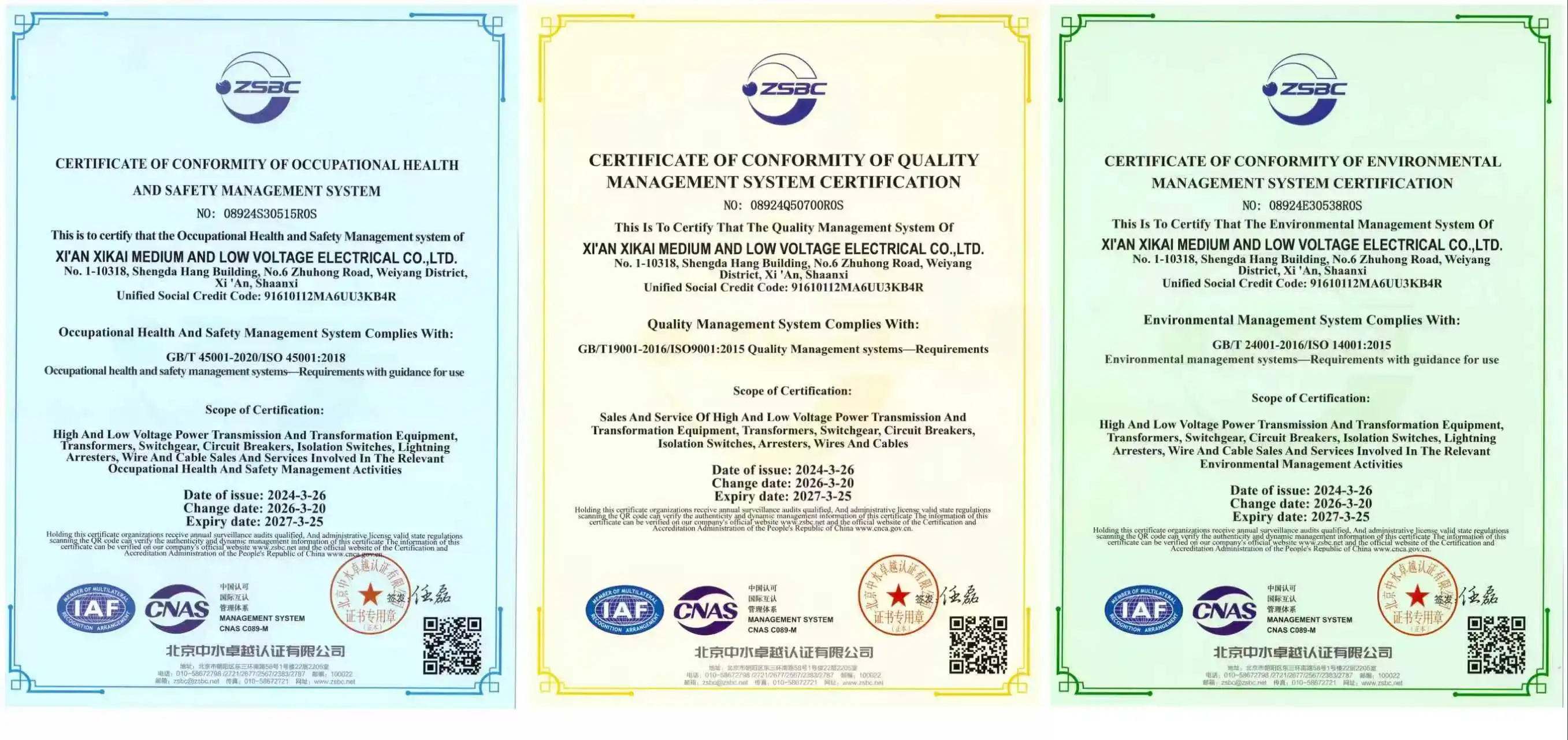
Industrial installations must comply with multiple international standards. IEC 60076 and IEEE C57.12.00 define efficiency and performance requirements, and our manufacturing processes ensure compliance with both, supporting cross-border utility compatibility. UL listing is required for insurance and permitting, with certified products undergoing independent testing for electrical safety, thermal performance, and short-circuit capability, reducing inspection delays and liability risks. Environmental compliance includes oil spill containment requirements (110% capacity in California) and corrosion-resistant coatings meeting ASTM B117 for coastal use, supported by complete documentation packages to streamline permitting.
Supplier Evaluation and Partnership Criteria
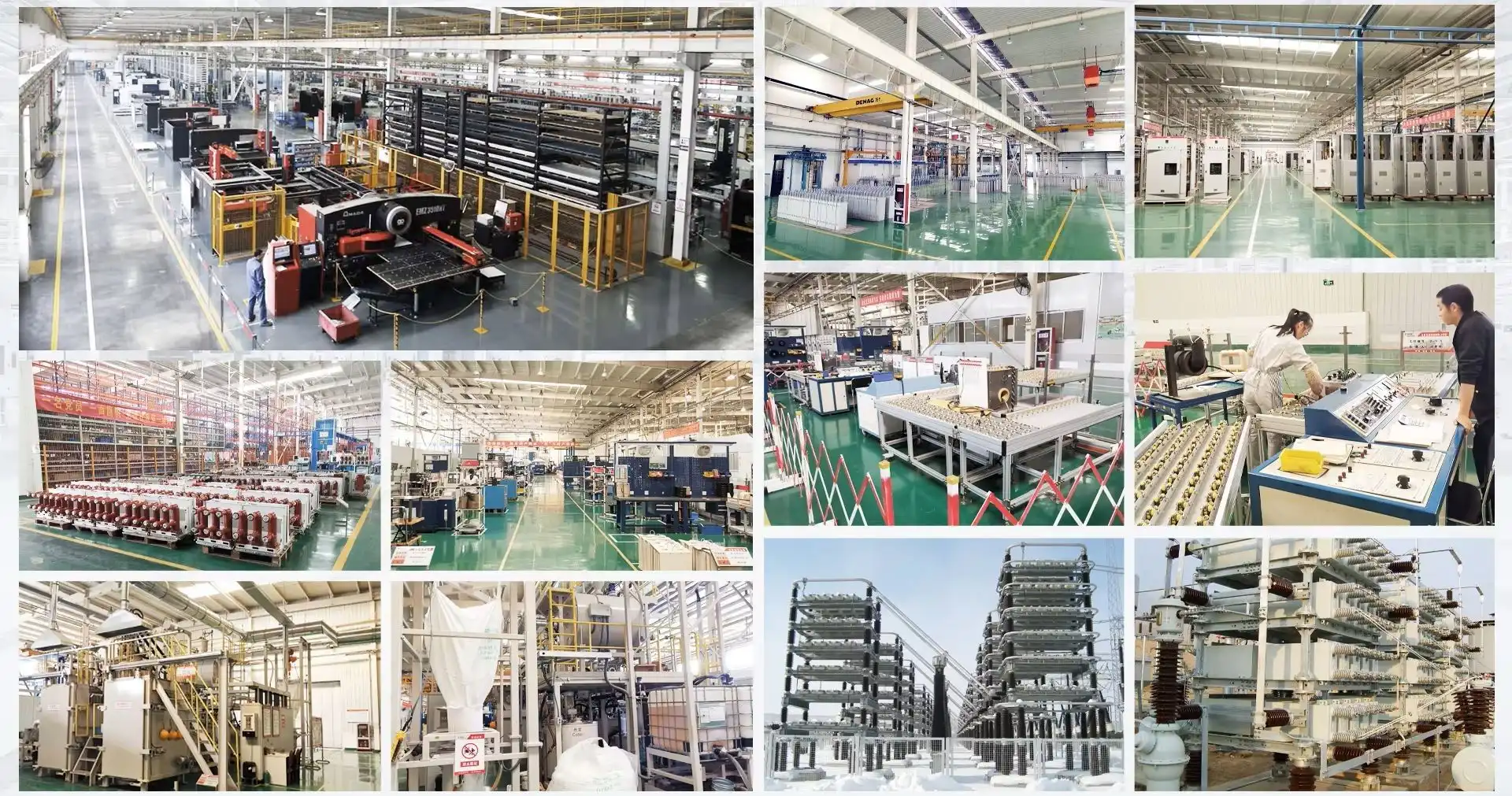
Supplier evaluation focuses on manufacturing expertise, quality assurance systems, and after-sales support. With over 25 years of design experience and multiple transformer patents, advanced automated winding equipment ensures consistent tension control and insulation quality. Quality control extends beyond final testing through full traceability of steel, copper, and oil components, enabling root-cause analysis and compliance with ISO 9001 standards. After-sales support includes rapid technical response within four hours and fast spare parts delivery. A 10-year warranty demonstrates product reliability and reduces ownership risk.
Cost-Benefit Analysis and Total Investment
Cost and investment depend on capacity, power class, and customization level. Standard distribution units range from $15,000 for 500 kVA to $80,000 for 2500 kVA, with options like amorphous cores or seismic certification increasing cost by 15–25%. Delivery times also impact project planning: stock models ship within three weeks, while custom units require 10–14 weeks. Early supplier involvement helps avoid delays and extra freight costs. Turnkey logistics—including transport planning, heavy-load routing, crane services, and unloading—reduces damage risk and ensures timely project execution.
Conclusion
Choosing the right power distribution equipment has a big effect on how reliably industrial buildings can run, how much energy they use, and how much they cost over their whole time. The Oil-immersed Transformers we make have measurable benefits, such as better thermal management, a proven lifespan of more than 30 years, and efficiency scores that cut yearly running costs by thousands of dollars per unit. Our sealed tank designs require less upkeep and can handle overloading, which is important for demanding uses in the mining, manufacturing, and green energy sectors. We have strict quality control procedures in place that include testing materials and checking the pressure 24 hours a day. These procedures make sure that the products always work the way they should and meet IEC 60076, ISO 9001, and UL standards. Total ownership costs, not just the original purchase price, should be taken into account when making purchasing choices. These transformers clearly show their value by lowering the risk of downtime, using less energy, and making it easier to follow the rules.
FAQ
1.What is the expected lifespan of industrial transformers?
Under standard working conditions, units that are well taken care of usually last between 30 and 35 years. Load cycling patterns, exposure to outdoor temperature, and the quality of care are some of the things that affect how long something lasts. Our sealed tank designs stop moisture from getting in and oil from oxidizing, which are two main reasons why systems fail early. This means that they can be used for longer than open-breathing systems. Regular testing of dissolved gases and oil quality finds problems early on, so they can be fixed before they become big problems. Many utilities say that units made to our standards have been working consistently for more than 40 years with the right care.
2.How often does transformer oil require testing or replacement?
Dissolved gas analysis should be done on distribution equipment every five years and on key assets serving hospital or data center operations once a year. The same time should be set aside for checking the quality of the oil by measuring its acidity, moisture content, and electrical strength. When units use sealed breather systems that keep contaminants out, full oil change is rarely needed before 20 to 25 years. If the amount of moisture or particles in the oil goes above what is allowed, vacuum oil handling can recover its dielectric qualities. This saves money on disposal and draining costs.
3.Can these transformers operate safely in indoor installations?
When installed correctly, liquid-filled units can be used indoors when building rules allow it. However, they work best when used outside. Usually, requirements include containment pots made of concrete, automatic fire control systems, and enough air flow. Our low-noise designs that work below 65dB can be installed in busy buildings where sound comfort is important. Many hospitals and universities are able to use indoor substations successfully by taking the right safety precautions. However, dry-type options should be thought about when local fire codes prohibit flammable liquids, even if safety precautions are taken.
Partner with Xi'an Xikai for Your Power Distribution Needs
Xi'an Xikai Medium & Low Voltage Electric Co., Ltd. can help you with all of your planning needs for your next job. We know how to make 34 lines of high- and low-voltage equipment, and our unique technologies and international certifications back this up. The plateau-rated equipment we make works consistently at heights of up to 4,000 meters and still meets performance standards. All over North America, our products are used by State Grid systems, petrochemical complexes, rail infrastructure, and green energy projects. When selecting an Oil-immersed Transformer supplier, consider our 10-year warranty and expert help that's available 24/7 to protect your investment. Contact our team at serina@xaxd-electric.com, amber@xaxd-electric.com, or luna@xaxd-electric.com to discuss your specific requirements and receive detailed technical proposals.
References
1. IEEE Standards Association. IEEE C57.91-2011: IEEE Guide for Loading Mineral-Oil-Immersed Transformers and Step-Voltage Regulators. Institute of Electrical and Electronics Engineers, 2011.
2. International Electrotechnical Commission. IEC 60076-1:2011 Power Transformers - Part 1: General. Geneva: International Electrotechnical Commission, 2011.
3. Harlow, James H. Electric Power Transformer Engineering, Third Edition. CRC Press, 2012.
4. National Electrical Manufacturers Association. NEMA TP 1-2002: Guide for Determining Energy Efficiency for Distribution Transformers. Rosslyn: NEMA, 2002.
5. Kulkarni, S.V., and Khaparde, S.A. Transformer Engineering: Design, Technology, and Diagnostics, Second Edition. CRC Press, 2013.
6. U.S. Department of Energy. Compliance Certification Database: Distribution Transformers Energy Conservation Standards. Washington: DOE Office of Energy Efficiency and Renewable Energy, 2016.
_1774411186884.png)