Why Outdoor Disconnect Switch Is Essential for High Voltage Networks
2026-07-01 16:03:44
There is always pressure on high voltage networks to keep things safe, reliable, and running smoothly. During maintenance, emergency fixes, or system reconfigurations, an Outdoor disconnect switch acts as a crucial safety barrier that isolates electrical circuits completely, preventing catastrophic failures and safeguarding human life. Without this important part, substations, factories, and utility systems would not be able to safely separate from the power grid so that normal work could be done without risking electric shock or damage to equipment. Buying good disconnect switches will immediately lead to less downtime, safer working conditions, and lower long-term costs for all power distribution equipment.
 |
 |
Understanding Outdoor Disconnect Switches in High Voltage Networks
What Is an Outdoor Disconnect Switch?
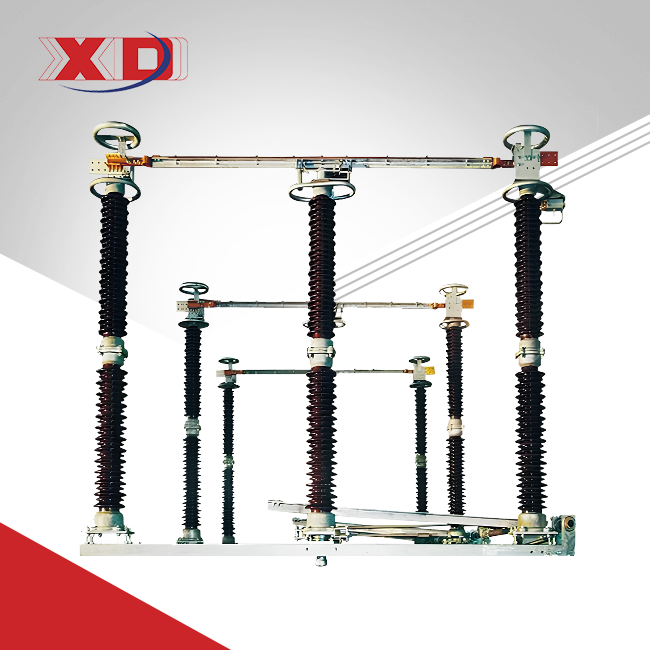
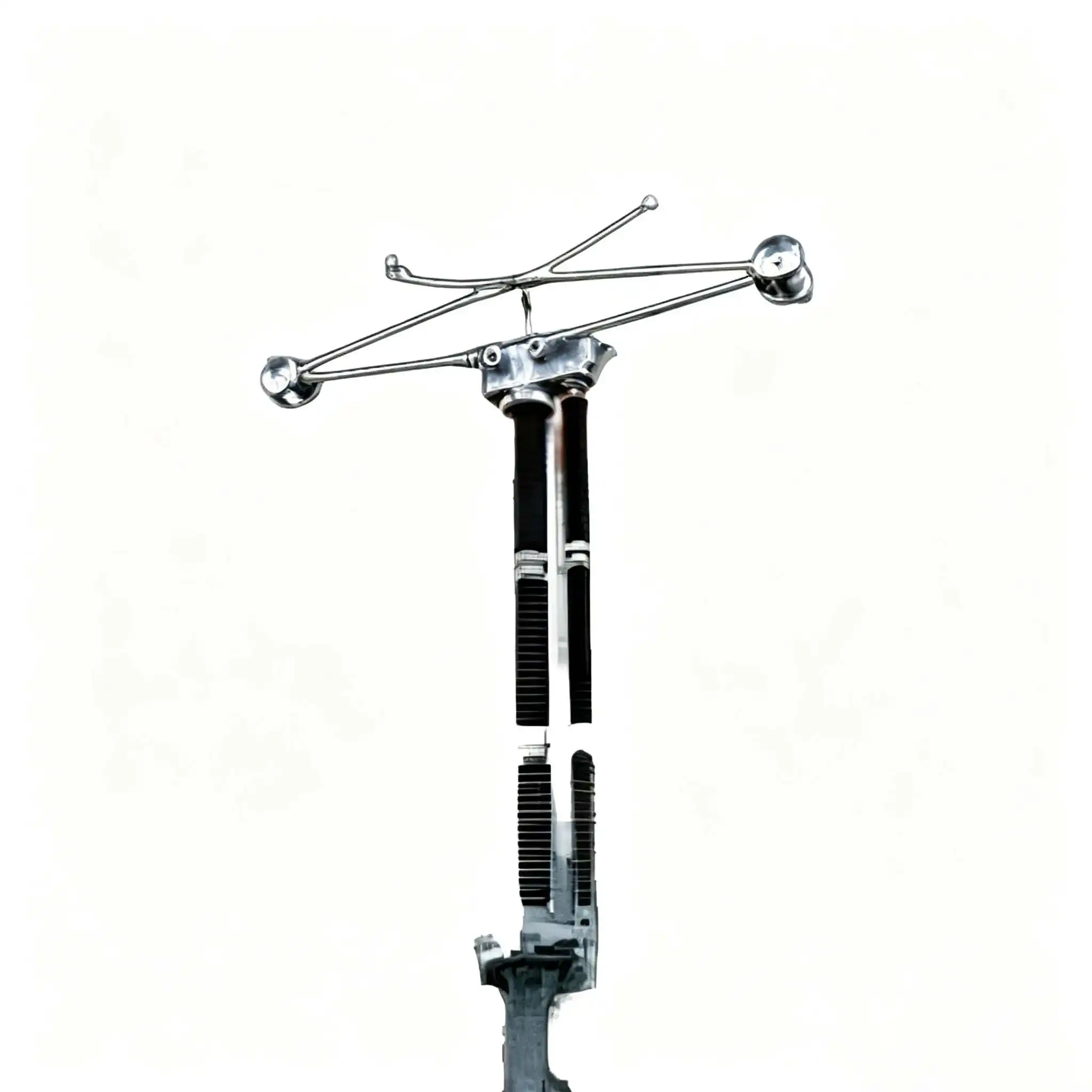
Outdoor disconnect switches are used to physically separate high-voltage electrical systems. They make a clear break in lines with ratings from 126kV to 550kV. Unlike circuit breakers, which stop problem currents, these switches work when there is no load or very little load, which makes the workplace safe. Their outdoor-rated build can handle outdoor stresses like UV rays, changing temperatures, water getting in, and air pollution.The design has both fixed and moving contacts that can be separated to make an air gap that keeps the electricity from touching anything else. Modern versions have graded rings on fixed contacts that cut down on radio interference and improve the spread of the electric field. This is especially important at high transmission voltage levels, where corona discharge can hurt performance.
Types and Configurations Available
In workplace settings, three main designs are used most often. Three-pole horizontal rotary switches have small footprints that work well in substations that don't have a lot of room. On the other hand, vertical retractable designs like the GW6 series cut phase-to-phase lengths by about 30% compared to traditional plans. In some situations, single-pole switches let you handle each step separately.Fused disconnect switches protect against overcurrent right into the separation mechanism, so they do two defensive jobs in one. Variants that aren't joined use different safety devices upstream. Each design fits with certain voltage ratings, current carrying capacities, and operating requirements set by NEMA, IEC, and UL standards that make sure equipment is safe and works with other equipment.
How They Differ From Circuit Breakers
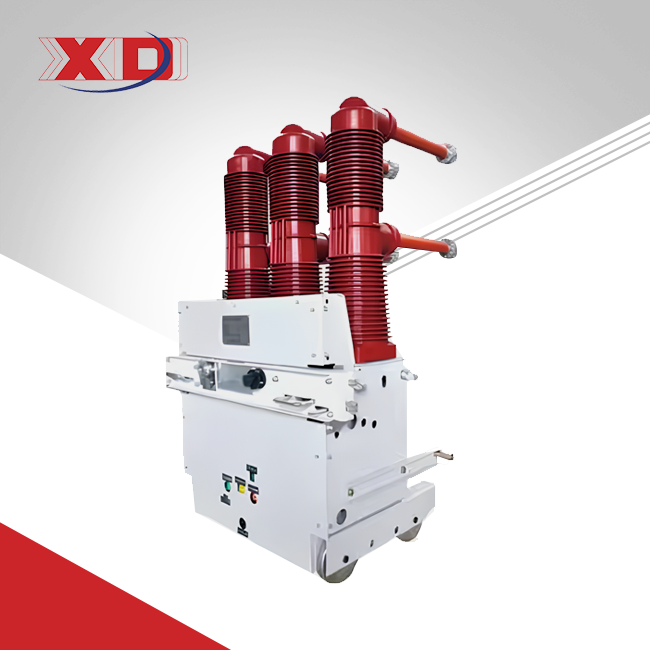
Circuit breakers stop fault currents instantly in milliseconds, keeping electronics safe from damage caused by short circuits. They have complex trip units and devices that stop arcs. Disconnect switches don't have these traits, so they can't safely stop fault or load currents. Their main job is to make the line look like it is disconnected after a circuit breaker or other safety device has turned off the power.During buying, this difference in function is important. For active safety, engineers choose circuit breakers, and for repair isolation, they choose disconnect switches. When disconnect switches are used incorrectly, like when trying to stop load currents, they cause dangerous arcing situations that can hurt people and damage equipment. Knowing this working limit is important for designing systems correctly and doing work safely in the field.
Why Outdoor Disconnect Switches Are Essential for High Voltage Networks
Ensuring Personnel Safety Through Lockout/Tagout Compliance
Maintenance crews who work on systems that are turned on run the risk of losing their lives. OSHA-compliant lockout/tagout methods can be used with Outdoor disconnect switches because they provide a mechanical separation point that workers can check before starting work. The position of the blades that can be seen makes it clear that the circuits are still off, which takes away any guessing that could be fatal.When unexpected energy is released during repair, an arc flash can happen. These events can produce temperatures of more than 35,000°F. Using Outdoor disconnect switches before handling equipment to properly isolate it greatly lowers this risk. Facilities that strictly follow separation procedures and use high-quality disconnect switches have incident rates that are significantly lower than those that only use electronic interlocks or administrative controls.
Maximizing Uptime Through Reliable Isolation
Long outages are not an option for hospitals, data centers, or factories. Disconnect switches are strategically placed throughout distribution networks so that repair crews can turn off certain sections while leaving circuits next to them powered up. In a hospital, one transformer might be being fixed while emergency power keeps moving through alternate routes to keep critical care running.The GW6 high voltage disconnect switch is an example of this dependability advantage because it has a sealed drive unit that keeps out sand, dust, and ice, which can damage less reliable designs. Facilities that work in tough regions say that their downtime is cut in half when they switch from traditional designs to sealed, weather-resistant ones. Triple-layer bushings that are self-lubricating keep things running smoothly even after years of use. This means that repair windows aren't lost because mechanisms get stuck.
Weatherproofing for Environmental Resilience
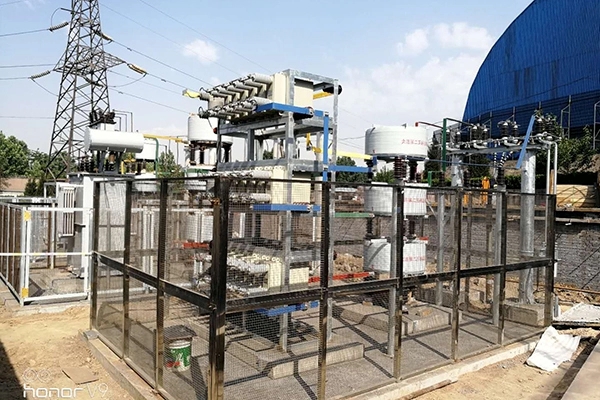
Electrical equipment outside has to deal with temperature changes from -40°F to 140°F, strong UV light, rain and humidity, and airborne pollutants such as industrial toxins and salt spray from the coast. Metal wires made of a high-strength aluminum alloy don't rust and are also light, which makes support systems less stressed. Hot-dip galvanized bases provide decades of protection against rust, which means that equipment can last longer than 30 years in places that are prone to corrosion.NEMA and IP grades tell us how well the environment is protected. A NEMA 3R rating guarantees protection against rain, sleet, and ice formation. An IP65 rating guarantees full protection against dust entry and resistance to water jets. Specifications for buying substations on the coast or in the desert should include rates that are right for the area. Protection that is too small can fail early and cost a lot to repair.
Real-World Performance in Critical Applications
Extreme temperature changes and dust getting into the 230kV switchyard caused frequent breakdowns for a regional utility in the southwestern United States. After changing old disconnect switches with new ones that had sealed drive hubs and better weather sealing, they had no problems with the weather for five years. The time between maintenance checks went from once a year to every five years, which gave expert staff more time to work on other things.In the same way, a steel factory that dealt with 4000A currents at 345kV installed Outdoor disconnect switches with movable joints at pivot points. This made installation easier and cut the time it took to start using each unit by three days. The flexible component design made it easy to quickly change worn-out parts during planned maintenance breaks. This kept production from stopping, which used to cost $50,000 an hour in lost output.
How to Choose the Best Outdoor Disconnect Switch for High Voltage Networks
Defining Your Technical Requirements
A successful acquisition starts with a precise system description. This includes short-term overvoltages, therefore voltage grade must match or exceed system maximum voltage. Some 345kV systems need 363kV switches for safety. The current figure represents the stable load current plus an appropriate increase capacity. Little capacity means the gadget must be changed too soon as load grows.Environmental variables influence material selection and safety. In coastal areas, stainless steel and brass tools and parts withstand corrosion better than normal steel. Above 3,300 feet, dielectric strength must be decreased or tailored for lower air density. At 4,000 meters, the GW6 line meets all performance standards.Substation performance depends on mounting design. Vertical moveable switches maximize space in urban substations when land prices effect project economics. In large spaces with limited height, horizontal shapes function nicely. Three-pole gang-operated switches are easier to switch than single-pole versions.
Evaluating Manufacturers and Product Lines
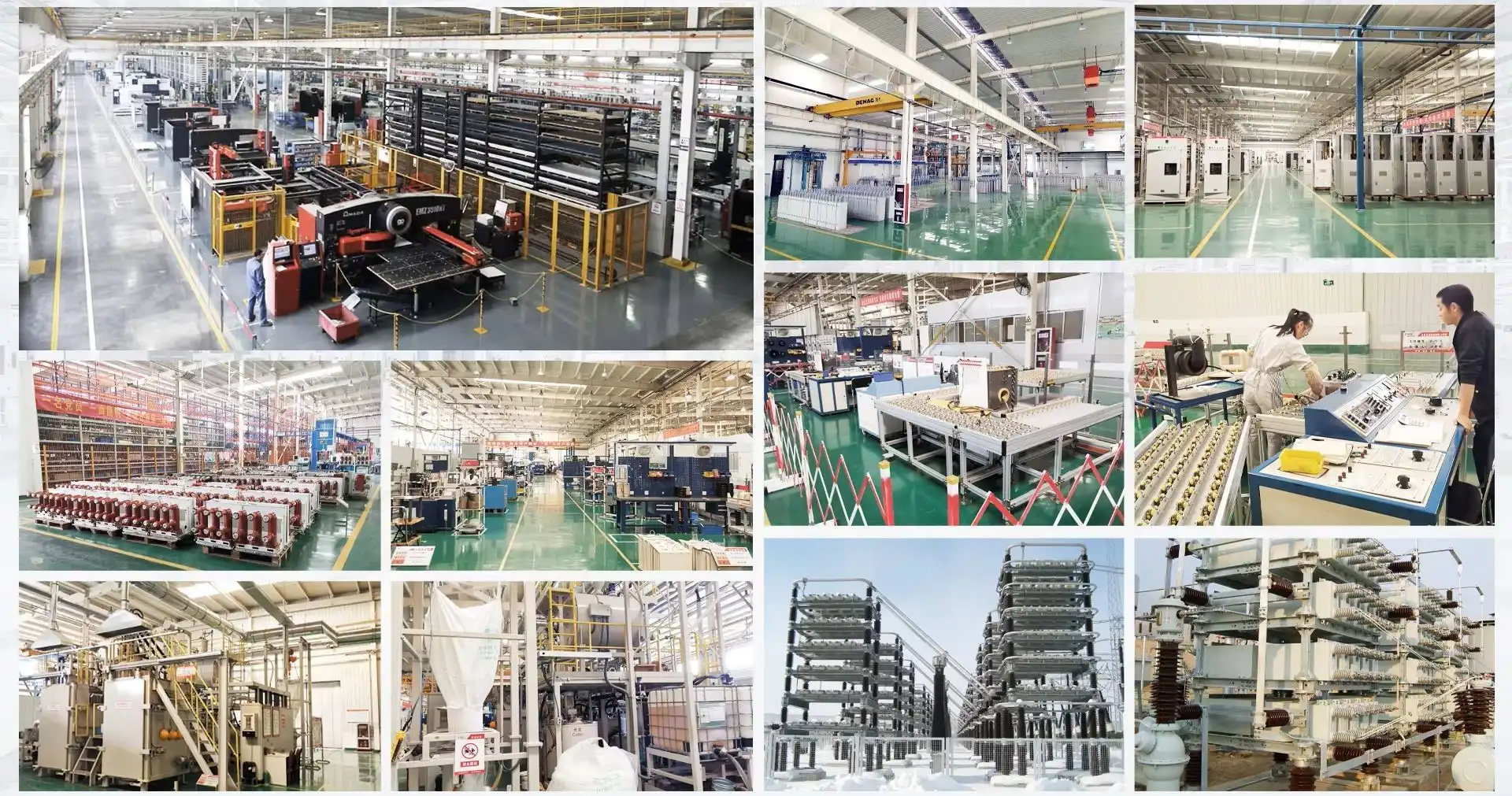
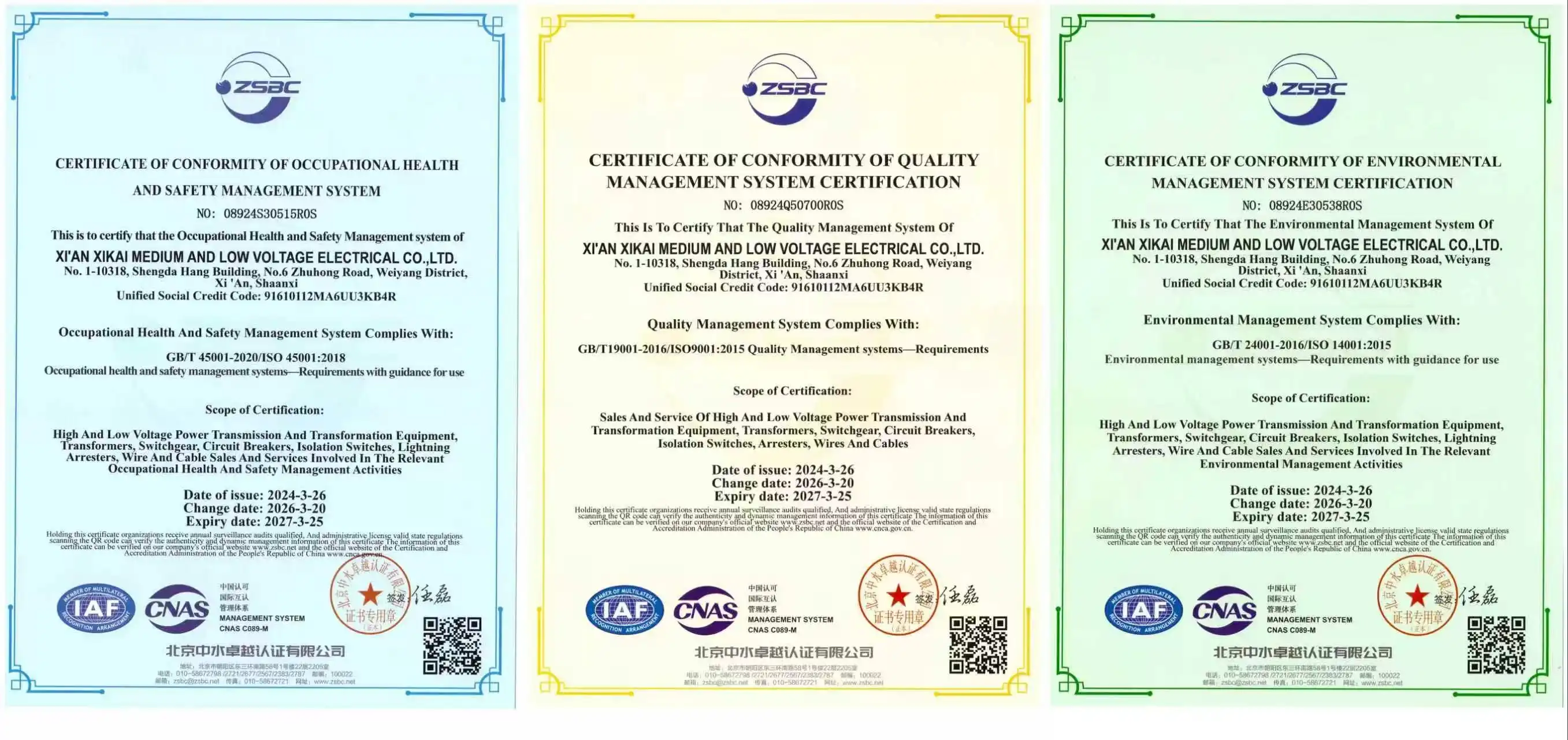
Reliable makers keep a lot of testing centers and quality certifications. Compliance with IEC 62271-102 and IEEE C37.30 standards provides safety and interoperability, while ISO 9001 certification shows that quality control systems are in place. In Xi'an Xikai's manufacturing process, alloy integrity is checked with X-rays, mechanical endurance testing is done 10,000 times, and full dielectric testing is done according to international standards. These are the proof steps that separate reliable equipment from problematic options.Test reports with lots of details, assembly guides with scaled drawings, and upkeep schedules based on real-world experience should all be part of a product's paperwork. Manufacturers who give expert support throughout the entire lifespan of an item—from helping with specifications to helping with commissioning and making sure extra parts are available—are more valuable than those who only deal with sales.
Balancing Quality With Total Cost of Ownership
The initial buying price is only one part of the total cost over the product's lifetime. A high-quality Outdoor disconnect switch with sealed gears and materials that don't rust might cost 15% more up front, but it will save you $8,000 in work costs and $12,000. The higher-quality unit saves a lot of money and makes things more reliable.Warranty terms show that the maker is confident. Standard warranties last between 12 and 18 months, but guarantees that last up to five years are a sign of better materials and building. Having access to spare parts is also important. Switch designs that use unique parts are tied to a single source, while designs that use standard bushings and hardware allow for competitive buying that lowers long-term costs.
Installation, Maintenance, and Troubleshooting of Outdoor Disconnect Switches
Installation Best Practices for High Voltage Applications
A well-prepared basis will last and be in the proper position. For mechanical binding-free functioning, support bases must be level within 1 mm of attaching surfaces. To avoid loosening when temperatures change, concrete supports should be thoroughly hardened and anchor bolts tightened before attaching equipment.Installing an insulator requires attention to the vertical line. Support insulator center lines must be perpendicular to base planes within 0.5 degrees. Operating insulators should spin freely around their axial axis and not slide laterally, indicating improper alignment. Before tightening, compare the phase-to-phase spacing to the design requirements to prevent costly repairs.
Use conductive lubricant on all contact points and measuring tools to verify torque to connect conductors. Uneven tightening creates hot spots that accelerate failure. Before turning the circuit on, megger testing verifies insulating resistance fulfills basic specifications. Phasing checks with the correct tools prevent faulty connections and phase-to-phase issues.
Maintenance Protocols That Extend Service Life
Visual checks done once a year find problems before they get bad enough to cause crashes. For example, inspectors should look for insulators that are cracked, gear that isn't tight, metal parts that are corroding, and contamination building up on touch surfaces. Thermal imaging during powered operation shows hot spots that mean connections aren't working well or there is internal damage that needs to be fixed.Five-year thorough care includes taking the machine apart, cleaning it, and checking all of its parts. Cleaning conductive surfaces with the right chemicals is followed by applying new conductive grease. Contact finger pressure measurement makes sure that there is enough force to move current reliably. Using weather-resistant substances to grease the drive system keeps it running smoothly even when the temperature changes. Facilities that follow these rules usually get 30 years or more of service from a quality Outdoor disconnect switch.
Troubleshooting Common Issues
Binding during operation is usually caused by base movement that throws pivot joints out of line or gets dirt in them. Most problems can be fixed by fixing problems with the base and cleaning and sealing the joints. If connections get too hot, it means there isn't enough contact pressure or the surfaces are dirty. Take the parts apart, clean them, and put them back together with the right amount of force.When it's wet, insulator flashovers mean that contaminants are building up or the glaze is breaking down. Surface dirt can be removed by high-pressure washing, but cracked insulators need to be replaced right away to avoid catastrophic failure. Strange noises during operation could mean that hardware is loose or that the machine is wearing down, which needs to be checked out before it can be used again.
Procurement and Supply Chain Considerations for B2B Clients
Selecting Reliable Suppliers and Partners
Authorized dealers offer support backed by the manufacturer, such as expert help, guarantee service, and original replacement parts. Direct connections with manufacturers work well for big projects that need to be customized or buy in bulk. Facility surveys, reference checks with similar clients, and a look at quality certifications should all be part of figuring out what a seller can do.Managing lead time is very important for keeping to project plans. Standard setups usually ship between 8 and 12 weeks, while planning and production for custom plans take 16 to 20 weeks. Getting providers involved early in the planning stages of a project keeps delays from happening. Setting up framework deals for needs that come up again and again makes the buying process easier and gets better prices through volume promises.
Custom Manufacturing and Volume Benefits
With large sales, changes to the specifications can be made without incurring huge costs. When you buy more than 10 to 20 units, it becomes more cost-effective to get custom paint colors to meet company standards, different mounting setups to fit the needs of each site, or built-in monitoring features for smart grid uses. For big promises, manufacturers may pay for the tools or offer longer guarantees.When you buy in bulk, you save 15–25% compared to buying one unit at a time, and the specs are kept the same across all sites. Keeping common extra parts on hand from large orders cuts down on future repair costs and gets rid of the need for emergency expediting fees. Prices are locked in by multi-year supply deals that protect against changes in commodities that could otherwise make costs go up during long project timelines.
After-Sales Support That Protects Your Investment
Quality suppliers stand out by offering full expert help. Help with installation, either through online coaching or on-site commissioning help, stops mistakes that void warranties. Maintenance staff training programs make things more reliable over time by teaching them how to take care of things properly. Quick answers to technical questions (in hours instead of days) cut down on downtime when problems happen.Maintainability is ensured by the supply of parts throughout the life of the equipment. Premature failure can be avoided by suppliers who keep an inventory of wear parts and promise to support parts for 20 years or more. Digital parts lists with clear part numbers and technical drawings make buying easier, and cross-reference information lets you make a quick switch when certain parts are back ordered.
Conclusion
Outdoor disconnect switches are an important part of the safety and dependability infrastructure for high voltage networks that serve factories, power plants, and business buildings. Because they allow safe repair separation, support ongoing operations through selective circuit control, and can handle harsh environmental conditions, they are essential parts of modern electrical systems. Quality is important. Weatherproof materials, sealed mechanisms, and tried-and-true designs in switches give years of reliable service while lowering total ownership costs by lowering upkeep needs and increasing lifespans. Making choices about what to buy that take into account technical specs, the name of the maker, and the cost over the product's lifecycle sets up businesses for long-term operational success.
FAQ
1.Can outdoor disconnect switches be used in renewable energy installations?
Outdoor disconnect switches are used a lot in renewable energy projects like solar farms and wind farms to separate inverters, transformers, and power lines while they are being serviced. Because they can provide apparent isolation, they are perfect for green energy installations where techs work at different places at the same time. Models with the right voltage and current ratings can handle the irregular production patterns that come from green sources.
2.What distinguishes fused from non-fused disconnect switches?
In fused setups, overcurrent protection is built right into the switch assembly and is provided by changeable fuse elements. This makes the isolation and protection functions more effective. Designs that don't have fuses only offer separation; they rely on separate circuit breakers or fuses to protect against overcurrent. Fused switches are best for protecting distribution circuits in cost-effective ways, while non-fused versions are more common in transmission uses where different breakers offer more complex safety measures.
3.How often should maintenance be performed?
Visual checks done once a year during planned breaks find problems before they get too bad, and full maintenance every five years keeps things running at their best. It may be necessary to act more often in harsh settings with a lot of pollution, high temperatures, or corrosive air. By keeping thorough repair logs, operations can change intervals based on the state of the equipment instead of sticking to set schedules. This makes the best use of resources.
Partner With Xi'an Xikai for Superior Outdoor Disconnect Switch Solutions
Xi'an Xikai Medium & Low Voltage Electric Co., Ltd. has decades of experience in the field and is a master in high voltage separation equipment. They have passed rigorous tests and received quality certifications. Advanced features in our GW6 series Outdoor disconnect switch include sealed drive units that are resistant to sand and ice, triple-layer self-lubricating bushings, and hot-dip galvanized construction that guarantees 30+ years of service life in harsh settings. Our products can handle voltages from 126kV to 550kV and currents up to 4000A. They are used in utility transmission systems, heavy industry sites, and green energy projects all over North America. Get in touch with our technical team at serina@xaxd-electric.com, amber@xaxd-electric.com, or luna@xaxd-electric.com to talk about your needs and get detailed offers from a dependable Outdoor disconnect switch maker that cares about your business's success.
References
1. Institute of Electrical and Electronics Engineers (2021). "IEEE Standard for High Voltage Disconnect Switches and Interrupter Switches," IEEE C37.30-2021.
2. International Electrotechnical Commission (2020). "High Voltage Switchgear and Controlgear - Part 102: Alternating Current Disconnect Switches and Earthing Switches," IEC 62271-102 Edition 2.0.
3. National Electrical Manufacturers Association (2019). "Enclosures for Industrial Controls and Systems: NEMA Standards Publication 250-2019."
4. Occupational Safety and Health Administration (2022). "Control of Hazardous Energy (Lockout/Tagout) Standard," 29 CFR 1910.147.
5. Electric Power Research Institute (2018). "Best Practices for High Voltage Substation Equipment Maintenance and Testing," EPRI Technical Report 3002013923.
6. American National Standards Institute (2020). "American National Standard for Switchgear - Disconnect Switches - Requirements for Disconnect and Instrument Switches Used in Switchgear," ANSI C37.30a-2020.