What are the installation requirements for an Polymeric Lightning Arreste?
2026-06-03 15:57:48
Installing a polymeric lightning arrester correctly is fundamental to achieving reliable surge protection in high-voltage systems. Proper installation ensures the arrester operates within its designed parameters, safeguarding transformers, circuit breakers, and sensitive equipment from lightning-induced overvoltages. Key installation requirements include secure mechanical mounting with appropriate torque specifications, direct low-impedance grounding connections, adequate clearance distances based on voltage ratings, environmental assessments considering pollution levels and altitude, and strict adherence to IEC 60099-4 and IEEE standards. Understanding these requirements helps facilities minimize downtime risks and maintain grid stability.
 |
 |
Understanding Polymeric Lightning Arresters: Features and Technical Specifications
Polymeric Lightning Arresters have revolutionized power system protection using sophisticated materials and metal oxide varistor technology. Instead of porcelain housings, these devices use silicone rubber housings for hydrophobicity and contamination resistance.
Core Operating Principles and Design Architecture
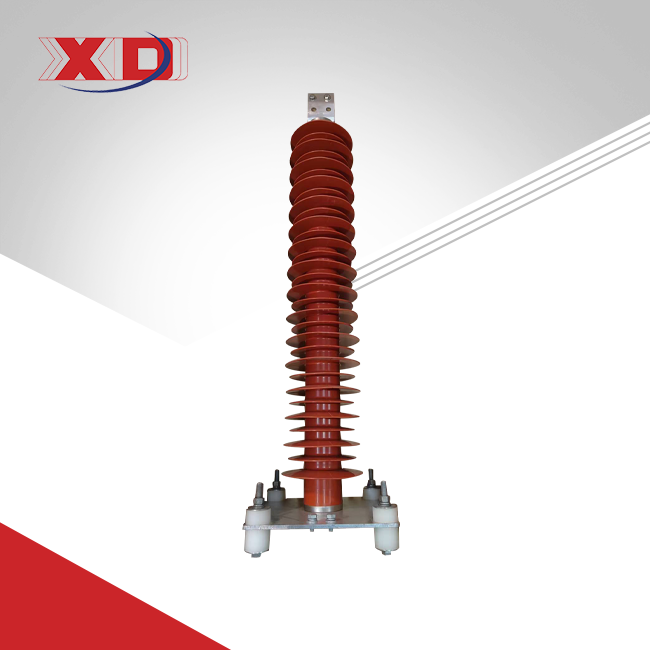
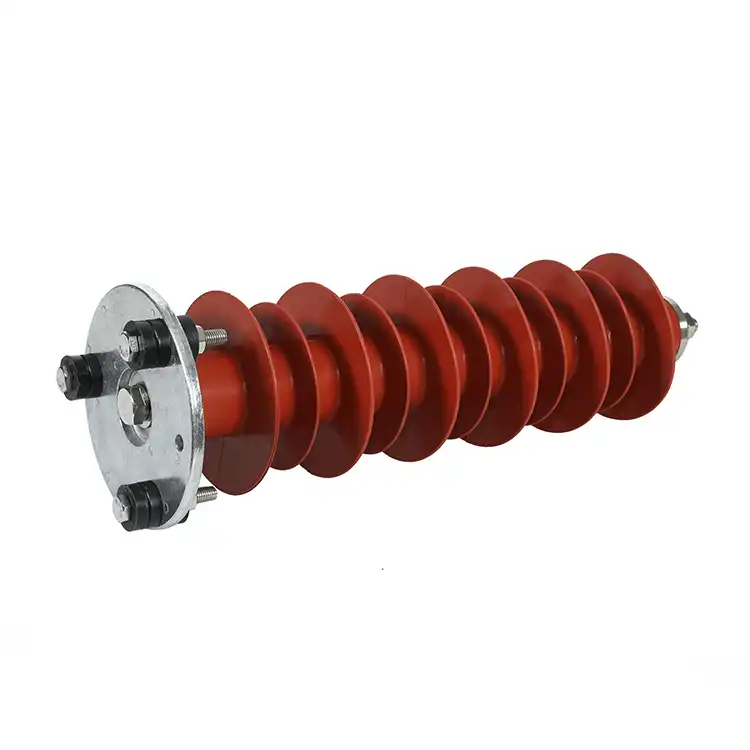
Metal oxide arresters use nonlinear voltage-current zinc oxide varistor blocks. High resistance limits leakage current in the arrester under normal operation. Resistance lowers instantly to near-zero when lightning or switching surges occur, directing surge energy safely to ground. With a rated voltage of 216kV and DC reference voltage surpassing 314kV, the YH10W-216/562W Polymeric Lightning Arrester for AC systems provides powerful transmission infrastructure safety margins.
Critical Specifications Influencing Installation Planning
Several technological factors affect installation choices. Pollution performance depends on creepage distance—the surface route length between electrified terminals and ground. The YH10W-216/562W has 31mm/kV creepage distance for extremely polluted industrial situations. Continuous operating voltage (MCOV) is the arrester's highest steady-state voltage without deterioration. Understanding these requirements eliminates misapplication and assures system voltage compatibility.
Many high-voltage arresters include two units for mechanical flexibility and pressure relief redundancy. Under 1 microsecond response time activates protection before surge energy destroys insulation. Operating temperatures from -40°C to +85°C handle harsh climates, however installation must account for mechanical connection thermal expansion and contraction cycles.
Material Advantages Affecting Installation Procedures
Installation is easier and structural support is less with silicone rubber housings, which weigh 70% less than porcelain versions. Its hydrophobicity transfers to surface impurities, minimizing moisture-related tracking failures. UV resistance prevents surface chalking and cracking in outdoor installations, preserving electrical performance. These features enable speedier installation and lower labor costs than older systems.
Installation Requirements and Best Practices for Polymeric Lightning Arresters
Successful Polymeric Lightning Arrester installation requires careful planning and execution. Manufacturing facilities, data centers, and utility substations have taught us what matters most for long-term success.
Pre-Installation Site Assessment and Environmental Considerations
Site evaluation begins with IEC 60815 pollutant severity categorization. Coastal sites must increase creepage distances due to salt fog, while cement mills and mining operations emit cement dust and particulates. Above 1,000 meters, air density and dielectric strength change, requiring derating factors or higher-rated arresters. The YH10W-216/562W meets plateau operational requirements without specification revisions up to 4,000 meters altitude.
Extreme temperatures affect installation. Thermal cycling causes arrester and mounting hardware expansion differences. Reflective coatings and vented mounting brackets help desert installations above 50°C. To avoid moisture condensation in enclosed chambers, arctic installations below -40°C require preheating during commissioning.
Mechanical Mounting Procedures and Structural Requirements
Mounting orientation greatly affects safety and performance. Vertical placement with upward-facing terminals reduces moisture collection and aids fault pressure release. ASCE 7 requires strong mounting brackets to resist wind and earthquake stresses. Mounting bolt torque should be 40-60 Nm, depending on arrester weight and bracket type. Overtightening deforms housing, while inadequate torque allows vibration-induced loosening.
For safe inspection and to avoid unintentional contact, ground clearance beneath the arrester should exceed 2.5 meters. Phase-to-phase spacing follows IEEE Std 1313.2 minimum air gap criteria, usually 1.5 times the rated voltage in meters. Installation crews must check structural load capabilities, especially on aged substation gantries where weight may exceed design limitations.
Electrical Connection Standards and Grounding System Integration
Line terminals need clean, corrosion-free surfaces to reduce contact resistance. Antioxidant chemicals and calibrated torque levels of 50–70 Nm are needed for aluminum or copper connections. Contact pressure should be maintained by spring washers in connection hardware during heat cycling. Localized heating from improper connections accelerates connector deterioration and system losses.
Grounding system quality is crucial to arrester performance. Ground lead impedance must be below 5 ohms at surge frequencies to dissipate energy quickly. Direct braided copper strap or rigid bus bar connections to substation ground grids reduce inductance. Ground leads should not exceed 0.5 meters as each metre adds around 1 µH inductance, increasing residual voltage and decreasing protective margins.
Compliance with International Standards and Safety Protocols
Installation must follow IEC 60099-5 and IEEE C62.22 requirements. These guidelines describe minimum approach distances during electrified operations, PPE requirements, and installation testing processes. The lockout-tagout technique prevents inadvertent energization during installation. Torque records, ground resistance measurements, and clearance photos should be documented after installation.
Modern arresters' reliable sealing mechanisms prevent moisture penetration, improving their protection. Before installing, installers must check housing for shipment damage and seal flaws. Terminal covers and shipment brackets must be removed following manufacturer directions to protect sealing systems during energization.
Comparing Installation: Polymeric vs Traditional Lightning Arresters
Installation discrepancies between polymeric and porcelain arresters affect project durations and lifecycle costs. Engineering teams may improve specs and procurement by understanding these differences.
Weight and Handling Efficiency Advantages
Cranes and multi-person installation crews are needed to install 150-180 kg 216kV porcelain arresters. Two people can manually handle and install the corresponding polymeric unit, which weighs 45-60 kg. Our field research shows polymeric installations take 40% less time than porcelain ones due to weight reduction. Reduced equipment requires reduced mobilization costs, especially for distant sites where crane rental is expensive.
Polymeric designs enhance transportation logistics. Lower freight costs and easier inventory management result from higher package density. Shatter-resistant housing reduces handling fragmentation, minimizing damage claims and replacement costs. Polymeric inventory has 85% fewer damage incidences than porcelain stock in distribution facilities.
Maintenance and Inspection Simplification
Other than visual inspections and ground resistance checks, polymeric arresters require little maintenance. The airtight polymer container avoids porcelain unit breakdown from moisture. Hydrophobic surfaces self-clean, prolonging washing cycles from yearly to 3-5 years in mild pollution settings.
Inspections are greatly simplified. Specialized ultrasonic testing equipment is needed to check porcelain units for imperceptible hairline fractures. Polymeric housings show deterioration or degeneration by discolouration or shed deformation. This openness lets maintenance workers with basic training identify conditions faster than specialists.
Different technologies have different pressure relieving techniques. During faults, porcelain arresters release high-velocity pieces, posing personnel dangers within 15 meters. Polymeric designs use bottom-mounted relief valves to release gasses while retaining housing integrity. Safe pressure relief simplifies substation layout development and eliminates safety exclusion zones.
Procurement and Logistics Considerations for Polymeric Lightning Arresters
Strategic procurement planning optimizes arrester availability and project timetables within ownership costs. A successful purchase balances technological needs, supplier capabilities, and logistics restrictions.
Supplier Evaluation and Technical Support Capabilities
Reputable Polymeric Lightning Arrester manufacturers have considerable application engineering capabilities for specialized system setups. Over 20 surge protection patents and site-specific technical advice demonstrate Xi'an Xikai Medium & Low Voltage Electric Co., Ltd.'s extensive support. Manufacturers with 24/7 technical support speed up installation and commissioning issues, reducing costly project delays.
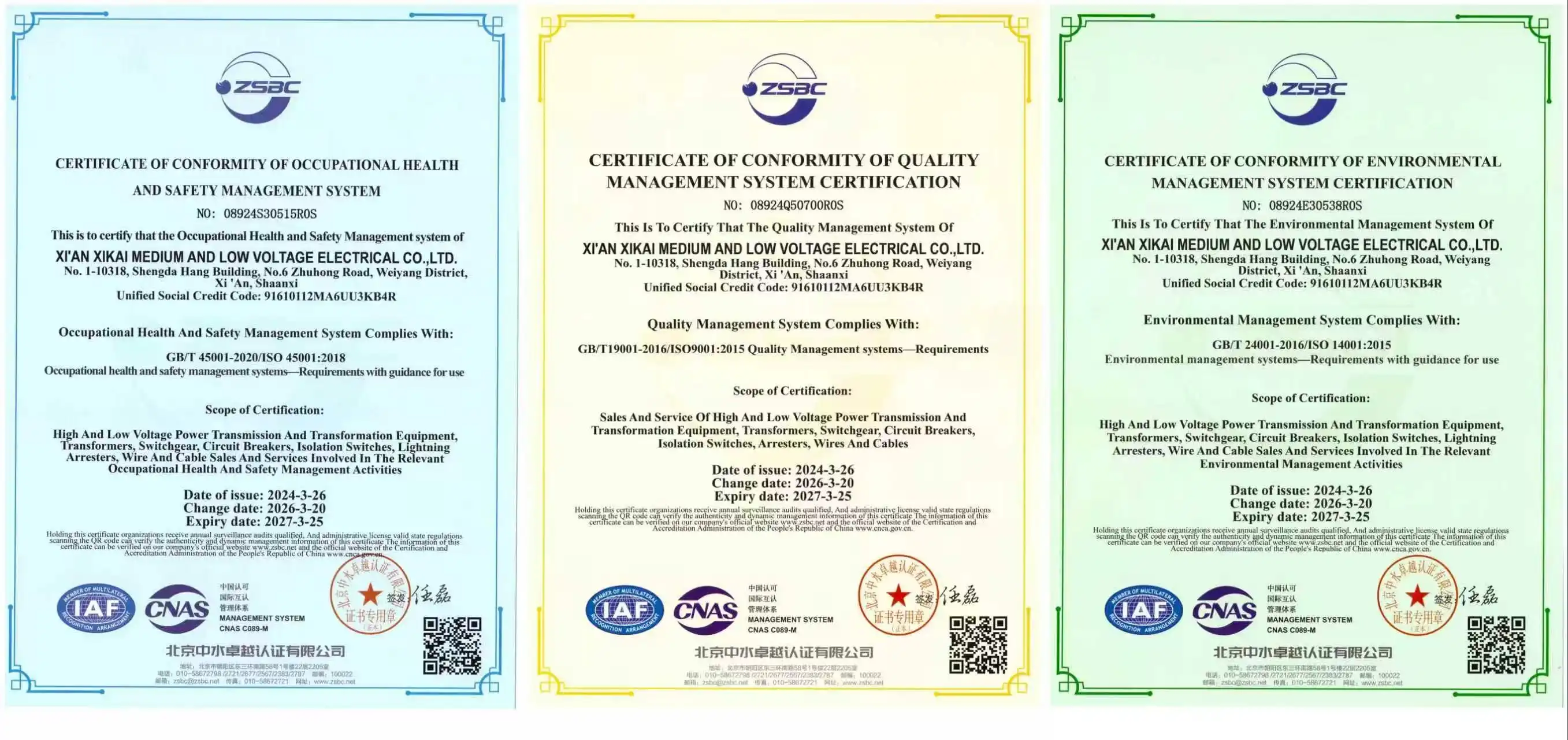
Portfolios of product certifications demonstrate quality and regulatory compliance. IEC 60099-4 type testing, IEEE 693 seismic qualification, and manufacturing process control environmental management certifications are essential. Xi'an Xikai's ISO 9001, ISO 14001, and ISO 45001 certifications guarantee quality and traceability throughout manufacturing chains.
Lead Time Management and Order Optimization
Standard arrester combinations delivery 6-8 weeks after purchase confirmation. Custom voltage ratings or housing formulations may increase lead times to 10-12 weeks, depending on production queue depth. Project planners should start procurement 4-6 months before installation deadlines to account for shipping delays and customs clearance.
Bulk order tactics are cost-effective. Quantity reductions start at 10 units and increase by 15-20% at 50 units. Coordination between project locations or yearly requirements into single procurement activity enhances cost efficiency. Create blanket purchase agreements with staggered delivery schedules to maximize cash flow and bulk pricing.
Total Cost of Ownership Analysis
Initial purchase price is 30-40% of lifespan expenditures. Installation labor, mounting hardware, grounding materials, and commissioning add 25-35% to upfront expenditures. Maintenance costs—testing, washing, and replacement—make up the remaining lifetime cost over 25 years. Polymeric arresters have 20-30% cheaper overall ownership costs than porcelain ones due to easier installation, maintenance, and service intervals.
Performance reliability substantially impacts indirect expenses. Emergency replacement, equipment damage claims, and production losses during arrester outages result from unplanned breakdowns. Field population data shows high-quality manufacturers have yearly failure rates < 0.1%. A 5-10-year warranty shows manufacturer confidence in product reliability and protects early user finances.
Maintenance and Lifespan Considerations Post-Installation
Proactive maintenance extends arrester life and ensures protection. Routine inspections avoid problems and improve replacement timing.
Routine Inspection Protocols and Performance Monitoring
Annual visual inspections should check housing, connection, and ground lead security. Peak load infrared thermography detects high-resistance connections via thermal fingerprints. Varistor deterioration or moisture penetration is detected by leakage current monitoring. Readings above 1 mA under normal operating voltage need inquiry. Due to accumulated energy absorption, discharge counters forecast surge event frequency and replacement options.
Quality Polymeric Lightning Arrester arresters age well due to consistent varistor properties and durable sealing mechanisms. Periodic ground resistance testing ensures system efficacy; resistance rises beyond 10 ohms require additional ground rods or chemical treatment. Trending data from all measures shows steady decline before catastrophic breakdowns.
Environmental Impact on Service Life Expectations
Location and season greatly affect pollution buildup. Coastal installations need biannual cleaning to preserve hydrophobicity against salt accumulation. Cement dust or chemical emissions may require quarterly cleaning in industrial settings. Desert sites have little pollution but severe UV exposure and temperature cycling accelerate housing degradation. UV stabilizers enhance housing life beyond 25 years in the YH10W-216/562W design under high sun radiation.
Electrical stress and environmental deterioration are affected by altitude. UV intensity and day-night temperature fluctuations increase at higher elevations. Inspections every two years instead of annually help detect accelerated aging in installations over 3,000 meters. Xi'an Xikai's plateau-type equipment uses improved materials to work well at 4,000 meters.
Replacement Timing and End-of-Life Indicators
Quality polymeric arresters typically last 25-30 years under moderate use. Harsh conditions or numerous high-energy surges accelerate aging. Consistent leakage current rises beyond manufacturer standards, apparent housing degradation with shed cracking or erosion, and discharge counter totals above design energy absorption limitations are replacement signs.
Before breakdown, proactive replacement protects collateral equipment. Planning replacement during scheduled maintenance outages reduces production impacts compared to emergency replacements. Spare inventory, usually 2-5% of installed population, allows fast response to unanticipated breakdowns without tying up cash.
Conclusion
Installing polymeric lightning arresters correctly affects protection system performance and dependability. Understanding technical requirements, following strict installation methods, and adopting proactive maintenance plans maximize protective investment returns. Polymeric technology's lightweight construction, environmental resilience, and ease of use provide it an edge over traditional solutions throughout the installation lifespan. Proper supplier selection, pre-installation planning, and international standards reduce hazards and optimize project deadlines and budgets. Prioritising these installation needs improves electrical infrastructure protection, equipment life, and total ownership costs.
FAQ
1. Why is grounding quality critical for arrester performance?
Ground connection impedance affects lightning surge energy dissipation. Due to high ground resistance, voltage losses along the ground line raise protected device voltage and reduce protection margins. Target ground resistance below 5 ohms to keep residual voltages inside device insulation. Poor grounding can reflect surge energy back into the system, producing insulation failures despite arrester functioning.
2. Can polymeric arresters withstand challenging outdoor environments?
Modern polymeric designs thrive in severe temperatures, pollutants, and high altitude installations. Hydrophobic silicone rubber casing repels moisture and contamination, ensuring electrical performance in coastal salt fog or industrial pollution. Under extreme sun exposure, UV-resistant compositions prevent deterioration. Operating temperatures from -40°C to +85°C suit arctic and desert regions. IEEE 693-compliant seismic-qualified designs provide mechanical integrity during ground motion occurrences.
3. What certifications verify product quality and compliance?
IEC 60099-4 type testing verifies electrical performance, high-current impulse withstand, and sealing integrity. Conformance to IEEE standards shows North American utility compatibility. ISO 9001 accreditation implies manufacturing quality management consistency. Environmental certifications like ISO 14001 show responsible production. Mechanical robustness is proven by IEEE 693 seismic certification. Independent laboratory testing from certified facilities verifies performance beyond product claims.
Partner with Xi'an Xikai for Reliable Polymeric Lightning Arrester Solutions
With engineering knowledge and product reliability, Xi'an Xikai Medium & Low Voltage Electric Co., Ltd. can meet your surge protection needs. Our robust offering includes the YH10W-216/562W and custom configurations for manufacturing and utility transmission systems. As a leading polymeric lightning arrester manufacturer, we tailor solutions to your voltage ratings, ambient circumstances, and installation requirements. Our expert team provides intensive application engineering, installation supervision, and commissioning to optimize protective system performance.
Contact our experienced specialists at serina@xaxd-electric.com, amber@xaxd-electric.com, or luna@xaxd-electric.com to discuss your project requirements. We offer competitive pricing for both standard and custom arrester configurations with delivery timelines supporting your project schedules.
References
1. International Electrotechnical Commission. (2014). Surge Arresters – Part 4: Metal-Oxide Surge Arresters without Gaps for A.C. Systems. IEC 60099-4 Edition 3.0.
2. Institute of Electrical and Electronics Engineers. (2018). IEEE Standard for Metal-Oxide Surge Arresters for AC Power Circuits. IEEE C62.11-2012 (R2018).
3. Hinrichsen, V. (2012). Metal-Oxide Surge Arresters: Fundamentals. Siemens AG Technical Publication, Berlin, Germany.
4. International Electrotechnical Commission. (2008). Selection and Dimensioning of High-Voltage Insulators Intended for Use in Polluted Conditions. IEC 60815-1 Edition 1.0.
5. Institute of Electrical and Electronics Engineers. (2006). IEEE Guide for the Application of Metal-Oxide Surge Arresters for Alternating-Current Systems. IEEE C62.22-1997 (R2003).
6. Lat, M.V. (2010). Thermal Properties of Metal Oxide Surge Arresters. IEEE Transactions on Power Delivery, Vol. 5, No. 4, pp. 2043-2050.