How to Choose Outdoor disconnect switches
2026-06-03 15:57:49
Understanding your operational environment and electrical needs helps you choose an Outdoor disconnect switch. Maintenance workers and equipment are protected by an Outdoor disconnect switch, which isolates electrical circuits from power sources. These switches must survive intense weather, temperature variations, UV exposure, and corrosive substances while performing reliably throughout 126 kV to 550 kV and 5000A current capabilities, unlike indoor switches.
 |
 |
Understanding Outdoor Disconnect Switches
What Are Outdoor Disconnect Switches and How Do They Function?
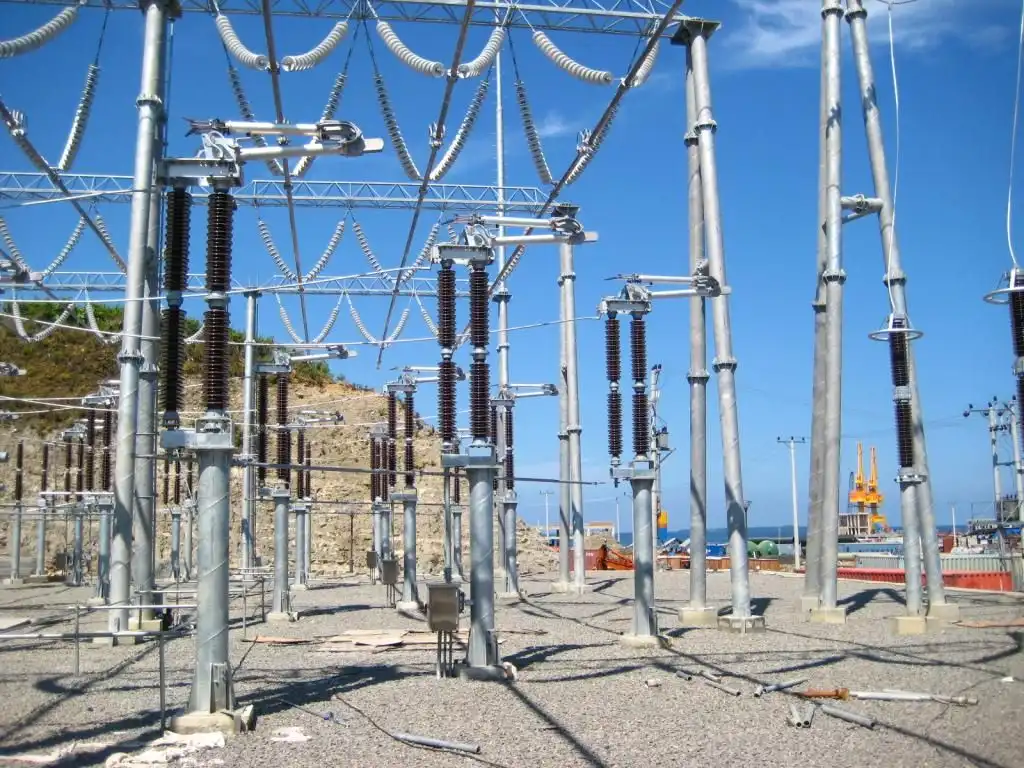
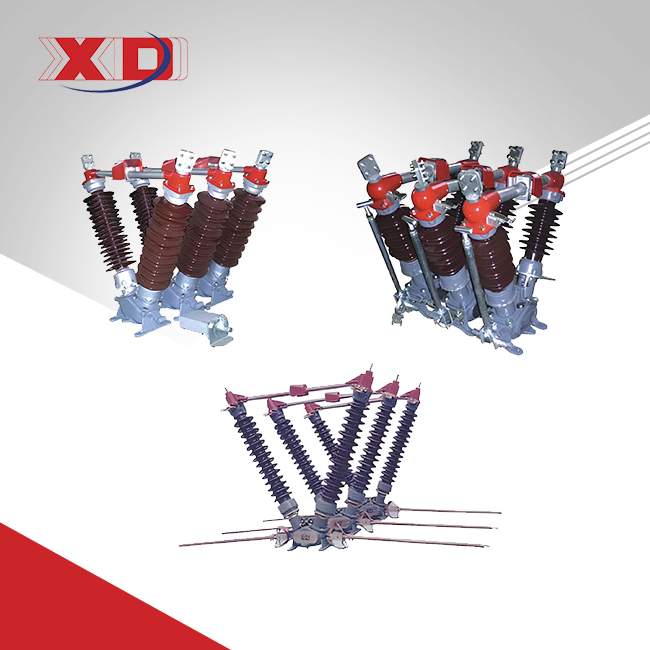
Outdoor disconnect switches ensure safe de-energization of equipment for maintenance or emergencies. These devices mechanically block current flow, providing a space between conductive materials to prevent inadvertent re-energization. The operating idea uses movable and stationary contacts that engage during closed positions and separate during openings. Vertical pantograph mechanisms or horizontal rotating arrangements rely on voltage and installation limits in modern designs. When operators manually or mechanically engage the switch, the movable contact rises or rotates away from the fixed contact, creating a visible air gap that ensures circuit isolation.
Typical Applications Across Industries
During maintenance, manufacturers isolate CNC machines, assembly line equipment, and high-power motors with these switches. They safeguard sensitive server infrastructure and cooling systems from power spikes in data centers. These devices maintain power quality for life-support and diagnostic equipment in hospitals. Outdoor disconnect switches help utility companies maintain grid stability and substation safety in transmission and distribution networks. The switches manage fault currents, decrease equipment maintenance downtime, and load-balance power grids. Engineering firms specify these components for new construction, retrofits, and infrastructure enhancements.
Outdoor Versus Indoor Switch Characteristics
Outdoor disconnect switches need weatherproofing that interior models lack. Salt fog-exposed coastal hot-dip galvanized steel components resist rust. Pins, bushings, joints, and bearings in stainless steel transmission systems resist corrosion after decades of hard environment usage. Heat-dissipating aluminum alloy profiles sustain contact pressure during high-current applications. Externally squeezed stainless contact springs function consistently from -40°C to +60°C. Indoor switches lack environmental safeguards, making them unsuitable for exposed locations where rain, dust, and UV radiation degrade material.
Key Selection Criteria for Outdoor Disconnect Switches
Evaluating Environmental Conditions and Load Requirements
Material and design requirements depend on site circumstances. Coastal projects need marine-grade stainless steel and galvanized coatings. Deserts require heat-resistant, thermally efficient components. Due to decreasing air density, dielectric strength must be compensated at high altitudes up to 4,000 meters. Amperage and voltage are determined via load analysis. Determine maximum continuous current, incorporating thermal expansion and ambient temperature safety tolerances. Short-circuit current ratings ensure the Outdoor disconnect switch can endure faults without catastrophic failure. Voltage categorization includes medium- and high-voltage applications (15–72.5) and networks (126–550).
Understanding Performance Metrics and Safety Standards
Conductor cross-sections and contact surface area determine amperage capacity. 1250A switches used for small industrial feeders, whereas 5000A handles substation bus transfers and transmission lines. Safety margins in IEC 62271-102 and IEEE standards require voltage ratings to exceed system operating limits. Fused devices isolate and guard against overcurrent. Non-fused systems require upstream circuit protection but are cheaper and easier to maintain. IP65 enclosures are dust-tight and water-jet-resistant for most outdoor applications, following NEMA and IP classifications. UL certification ensures mechanical durability, dielectric strength, and temperature increase restrictions meet North American safety requirements. International best practices and worldwide interoperability are guaranteed by IEC certification. Procurement teams should check third-party test results for standard compliance.
Balancing Cost, Durability, and Maintainability
Beyond purchase price, total cost of ownership includes installation, maintenance, and replacement parts. Maintenance-free designs with self-cleaning insulators eliminate lubrication and contact refurbishing, lowering lifespan costs. Bent copper plate layouts ease inspection and repair, reducing scheduled outage downtime. Warranty terms show manufacturer confidence in product durability. Quality vendors provide 10- to 15-year material and workmanship guarantees. Extended warranties protect demanding applications against premature wear. Replacement part lead times affect long-term operational costs, especially for specific voltage settings.
Comparing Types and Brands of Outdoor Disconnect Switches
Fused Versus Non-Fused Switch Configurations
Fused Outdoor disconnect switches have current-limiting fuses that stop fault currents before thermal damage. These devices prevent transformer, capacitor bank, and cable circuit overcurrent. The integrated design decreases equipment footprint and facilitates upstream protective device cooperation. Non-fused variants allow system design freedom by separating switching and protection. Separate fuse ratings and switch specifications allow operators to optimize each component for specific applications. Since fuse replacement doesn't involve switch disassembly, maintenance is easier. Modularity suits substations with different protective strategies.
Leading Global Manufacturers and Their Capabilities
1. Square D (Schneider Electric) provides medium-voltage systems with wide UL designations and utility dependability. The disconnect switches include corrosion-resistant coatings and motor-operated mechanisms for remote switching.
2. Siemens makes high-voltage pantographs with superior insulation and small footprints. Custom configurations for space-constrained installations and IEEE 693 seismic-rated models are their engineering assistance.
3. Eaton offers value-oriented alternatives with standard voltage ratings and fast delivery for typical installations. Their switches work flawlessly with Eaton circuit breakers and switchgear assemblies, facilitating major project procurement.
4. ABB offers superior transmission network solutions with SF6 insulation and digital monitoring. Their global service networks and extensive documentation help their goods survive severe situations.
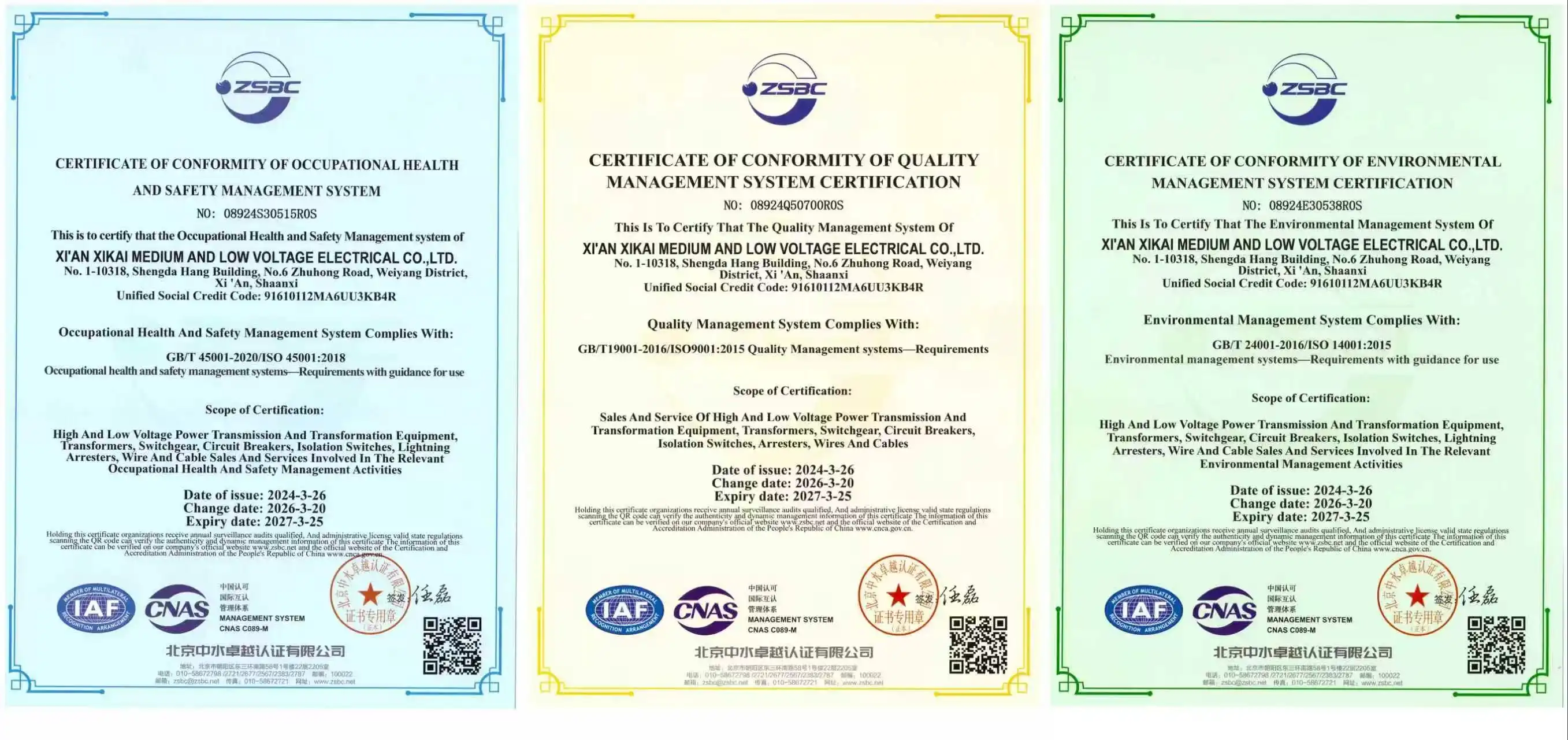
5. Xi'an Xikai Medium & Low Voltage Electric Co., Ltd. makes the GW10 High Voltage Disconnect Switch for 126 kV to 550 kV applications. Vertical pantograph operation, hot-dip galvanized steel construction, stainless steel transmission systems, and aluminum alloy profiles improve heat dissipation. The maintenance-free design features bent copper plates for easy service, grading rings for optimal electric field distribution, and flexible installation on both base sides. ISO 9001-certified manufacture includes 23+ inspection points, dielectric strength testing up to 550 kV, and salt fog corrosion validation.
Analyzing Total Cost of Ownership
Purchase price is 30-40% of lifetime costs. Medium-voltage modules cost $2,000 to install, whereas high-voltage transmission switches cost $15,000+. Complex projects requiring crane hire and specialist manpower boost these numbers. Routine checkups last 5-10 years, and contact refurbishment every 10,000-20,000 operations. Lubrication-free designs prolong service intervals and reduce labor expenses and system downtime. Warranty coverage covers unforeseen repairs in the first years. Over decades, contact resistance and corona discharge waste energy. High-quality switches optimize contact pressure and electric field control to reduce losses. Efficiency advantages justify premium price in high-utilization applications.
Installation, Maintenance, and Safety Tips
Site Preparation and Installation Best Practices
Local building rules require foundation construction to resist seismic occurrences and mechanical stresses during switching. Aligned moving and permanent contacts on level mounting surfaces avoid uneven wear and arcing. In base installations, anchor bolts (M24x75) must be tightened to manufacturer-recommended torque levels. In designated component sequences, support and operating insulators preserve vertical centerlines perpendicular to base planes. To ensure synchronous operation within ±1mm tolerances, adjustment bolts on support structures govern upper-end surface alignment in three-phase installations. Precision flange connections and radial axle alignment at 45 degrees are needed to match rotating flange holes on conductive base supports for conductive blade installation. Level check ensures assembly before permanent fastener tightening. Busbar connections need flexible conductors to accommodate thermal expansion without stressing switch terminals.
Preventive Maintenance Routines and Troubleshooting
Regular inspections every five years or after serious faults ensure component integrity and operational dependability. Using appropriate chemicals, conducting components and support insulators are cleaned. Conductive grease reduces resistance and prevents oxidation on contact surfaces. All fasteners are checked for tightness, especially cylindrical pins and bolts that vibrate. Pivot points and bearing surfaces are lubricated to ensure smooth drive mechanism rotation during changeover. Post insulators are visually inspected for fractures and flaws requiring quick repair. Auxiliary switch testing validates contact functionality at set handle angles, usually 100 degrees for fully open positions. Manual mechanism testing verifies final position indications match contact status. Manufacturer service bulletins specify lubrication and adjustment for motor-operated systems.
Adhering to Electrical Safety Standards
Staff training emphasizes lockout-tagout before maintenance. Outdoor disconnect switches don't ensure de-energization—voltage testing must be done before personnel touch equipment. Insulated tools and PPE certified for system voltage increase safety. Professionals with high-voltage system experience must execute all electrical work under OSHA 1910.333 and NFPA 70E. Analysis of arc flash hazards provides PPE classifications and safe approach bounds. Safety audits check compliance and identify areas for improvement.
Procurement Strategies and Where to Buy?
Sourcing from Trusted Industrial Suppliers
Technical assistance, bespoke configurations, and bulk purchase prices are advantages of direct manufacturer partnerships. Distributors stock standard models locally, decreasing urgent replacement lead times. Online industrial marketplaces compare prices and specs for the Outdoor disconnect switch from numerous suppliers. Beyond product availability, supplier capabilities include engineering assistance, documentation quality, and after-sales service. Manufacturers with ISO 9001 accreditation and in-house testing labs prioritize quality. Regional service centers speed warranty and technical support.
Negotiating Bulk Discounts and Budget Planning
Volume commitments unlock tiered pricing with 10-, 50-, and 100-unit reductions. Multi-year agreements stabilize copper and steel prices against commodity swings. Early involvement in project planning helps manufacturers improve production schedules and lower prices. Shipping, customs, and installation labor are budgeted. Shipping high-voltage switches with extended insulators can cost 10-15% of equipment value. Customs taxes vary by country and product categorization codes in international procurement.
Benefits of Customized and OEM Solutions
Catalog goods fit typical voltage and current combinations but may not fit site limitations. Special mounting configurations, pollution-environment creepage distances, and integrated monitoring sensors are custom additions. OEM alliances allow specialty system integrators to private label and customize specifications. Customization requires early specification finalization and 4-8 weeks longer lead times than regular models. Better fit, fewer field adjustments, and better system performance pay off the investment. Certified test results, dimensional drawings, and custom configuration maintenance instructions are included.
Conclusion
Environmental circumstances, electrical specifications, and lifespan costs must be considered while choosing an Outdoor disconnect switch. Modern design concepts combine corrosion-resistant materials, maintenance-free operation, and versatile installation choices in the GW10 High Voltage Disconnect Switch for 126 kV to 550 kV transmission applications. Balancing initial expenditure against long-term reliability with renowned manufacturers giving complete technical assistance and proven conformity with international safety standards is key to procurement success. Decisions that improve operational safety and save downtime need careful consideration of site-specific requirements, supplier capabilities, and overall ownership costs.
FAQ
1. What distinguishes fused from non-fused outdoor disconnect switches in practical applications?
Fused versions of the Outdoor disconnect switch employ current-limiting fuses to automatically interrupt fault currents in the switching device. This combination simplifies transformer and capacitor bank circuit protection coordination and decreases equipment count. Non-fused switches require separate upstream protection devices but are easier to maintain because fuse replacement doesn't involve switch disassembly, making them ideal for situations with accessible circuit breakers.
2. How do weatherproof ratings impact switch selection for specific environments?
IP65 standards assure dust-tight and water-jet-resistant performance in fully exposed sites, while NEMA 3R enclosures provide minimal rain and sleet protection for covered installations. Marine-grade materials are needed for coastal corrosion protection beyond weatherproofing. Extreme temperature ratings (-40°C to +60°C) meet arctic and desert situations when normal switches fail.
3. Should facility operators pursue professional installation or internal deployment for disconnect switches?
Above 72.5 kV, high-voltage installations require trained electrical contractors, specialized equipment, and safety training. Internal teams with credentials and supervision may work on medium-voltage installations. Professional installation provides warranty, liability, and compliance documents necessary by insurance carriers and regulatory agencies, offsetting internal deployment labor cost reductions.
Partner with Xi'an Xikai for Reliable Outdoor Disconnect Switch Solutions
Xi'an Xikai Medium & Low Voltage Electric Co., Ltd. delivers proven electrical equipment backed by decades of engineering expertise and ISO 9001-certified manufacturing. Our GW10 High Voltage Disconnect Switch serves transmission networks worldwide with maintenance-free operation, corrosion-resistant construction, and customizable configurations matching your precise voltage and current requirements. As a leading Outdoor disconnect switch manufacturer, we provide comprehensive technical consultations, competitive bulk order pricing, and rapid quotation turnaround for procurement managers and system integrators. Connect with our team at serina@xaxd-electric.com, amber@xaxd-electric.com, or luna@xaxd-electric.com to discuss your project specifications.
References
1. Institute of Electrical and Electronics Engineers, "IEEE Standard for Seismic Qualification of Electrical Equipment," IEEE 693-2018, 2018.
2. International Electrotechnical Commission, "High-Voltage Switchgear and Controlgear - Part 102: Alternating Current Disconnectors and Earthing Switches," IEC 62271-102:2018, 2018.
3. National Fire Protection Association, "Standard for Electrical Safety in the Workplace," NFPA 70E-2021, 2021.
4. Underwriters Laboratories, "High Voltage Industrial Control Equipment," UL 347 Standard, 2019 Edition.
5. American National Standards Institute, "High-Voltage Switchgear and Controlgear Standards," ANSI C37.30-2015, 2015.
6. International Organization for Standardization, "Quality Management Systems - Requirements," ISO 9001:2015, 2015.
_1774321455861.png)