What are the safety features to look for in a linear reactor system?
2026-07-23 10:54:39
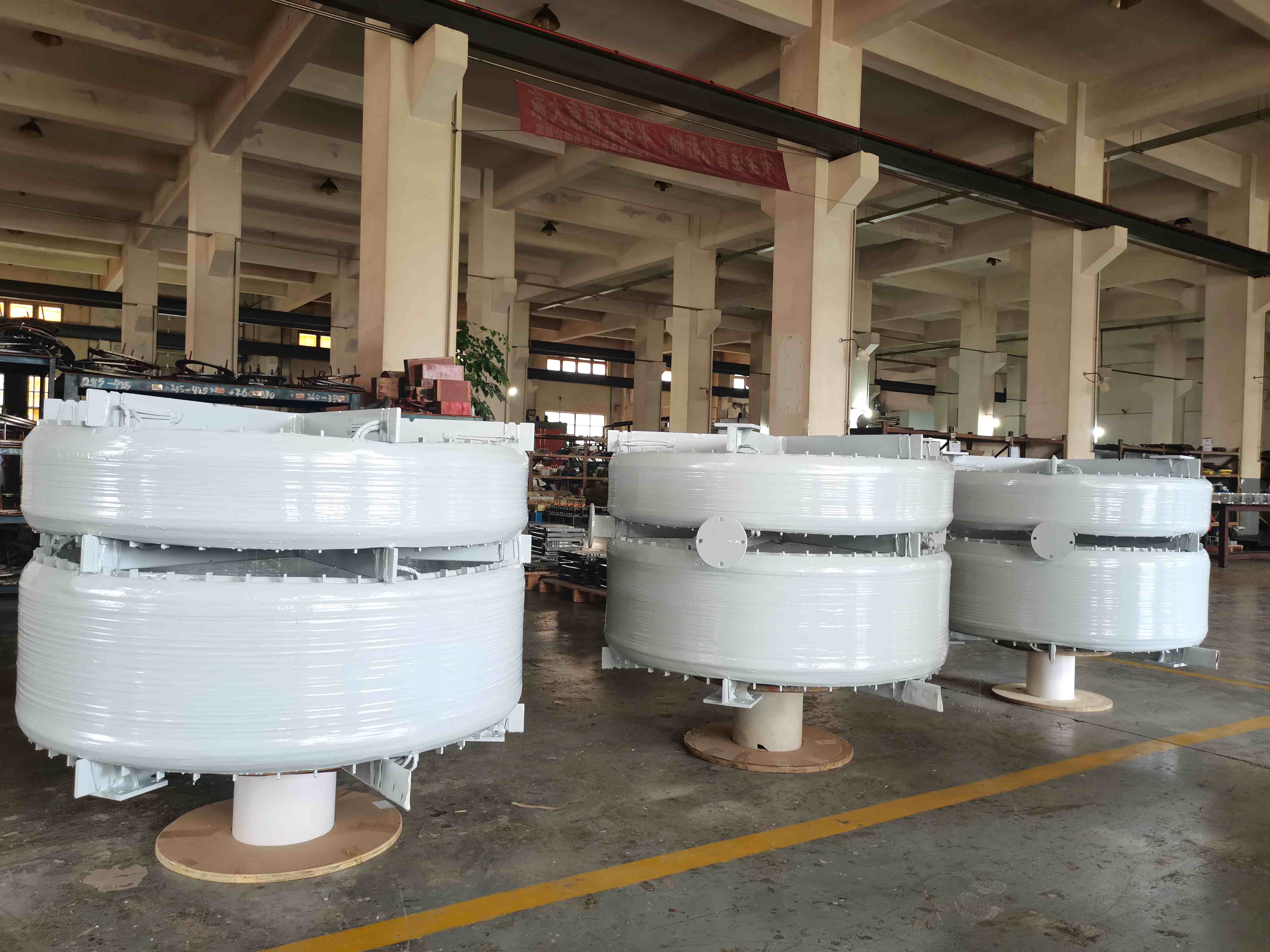
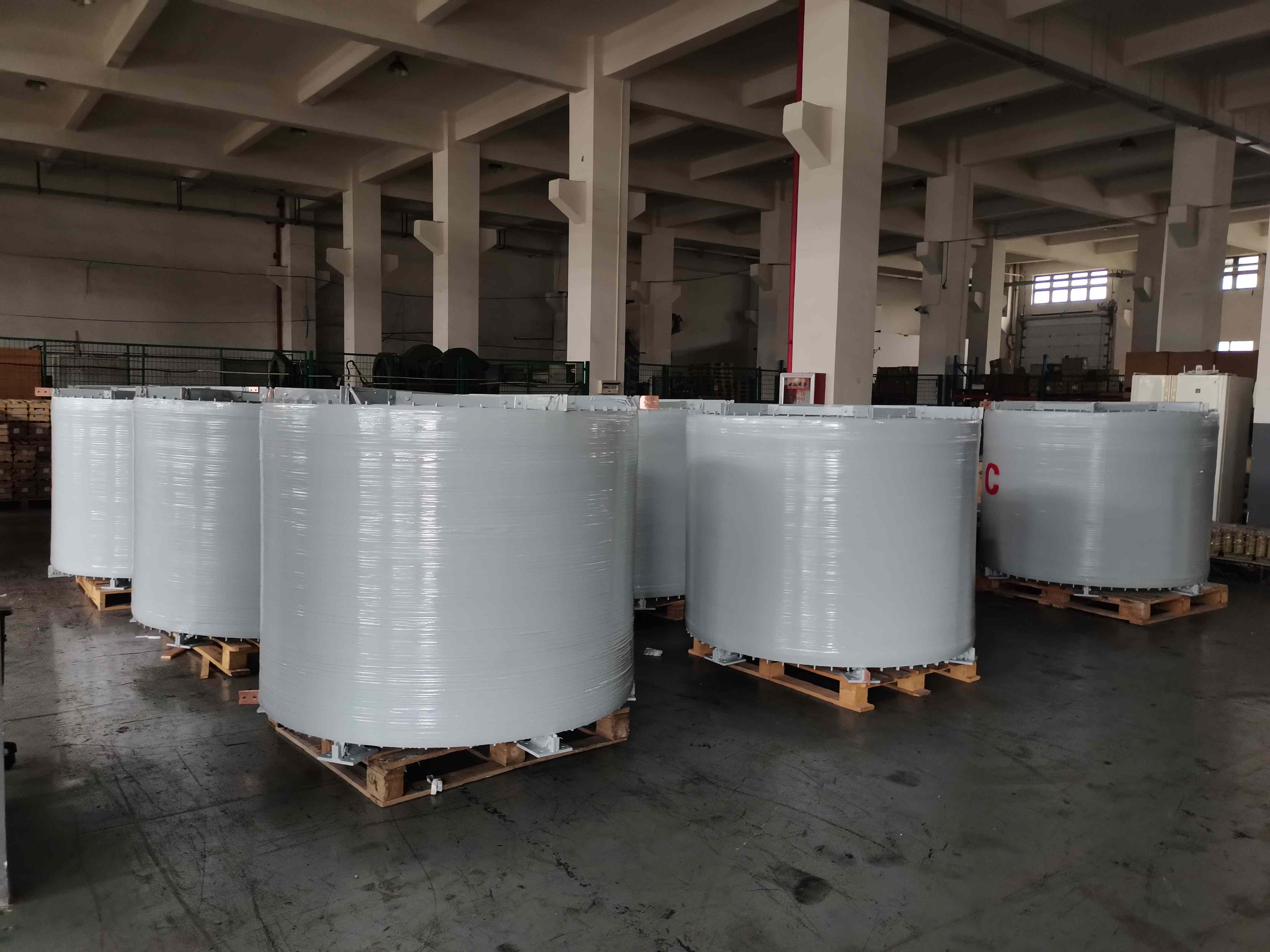
We put temperature management, insulation integrity, and harmonic reduction skills at the top of our list of safety features for a Linear Reactor system. Modern electrical reactors need to have high-temperature insulation materials (Class H or higher), carefully designed core structures to keep magnets from getting too strong, and full security against electrical problems. Effective systems include enclosures that don't rust, fail-safe thermal monitoring, and compliance with international standards like IEC, UL, and ANSI to keep people and equipment safe while keeping operations running in tough industrial settings.
 |
 |
Introduction
In the business world of today, Linear Reactor systems are important for managing power quality in factories, data centers, hospitals, and the infrastructure of electricity grids. We know that facility managers and engineers are under a lot of pressure to find a balance between strict safety rules and high operational efficiency. The electromagnetic parts of these systems handle big loads of electricity while reducing harmonics that could harm sensitive equipment or make power networks less stable.
There are more safety concerns than just basic electricity security. Thermal runaway risks, insulation degradation, mechanical vibrations, and environmental stressors that put people and capital investments at risk must all be taken into account in modern reactor installations. Purchasing managers looking for dependable answers need clear instructions on how to tell the difference between good and excellent safety engineering. This in-depth study looks at the most important safety features that make world-class reactor systems what they are. This will help you make decisions that keep your operations and employees safe.
Understanding Safety Challenges in Electrical Reactor Systems
Working with power quality equipment comes with a lot of risks that need to be managed proactively. Electrical reactors control high current levels that build up a lot of heat, which could damage shielding materials and cause them to fail early. We've seen that reactors still fail most of the time because they don't have enough heat discharge in industrial settings, especially when they are installed in places with bad ventilation or high ambient temperatures.
When harmonic currents flow, they add to the stress. When variable frequency drives and renewable energy inverters put out non-linear loads, they change the waveforms in ways that make the RMS current levels go above the nameplate ratings. This effect speeds up thermal ageing and can cause resonance conditions that make voltage stresses stronger across insulation systems. These electrical stresses are made worse by mechanical vibrations from magnetostriction, which makes connections loosen and creates hotspots at termination points.
Environmental factors make safety ratings even more complicated. Facilities that process chemicals have corrosive air that damages metal parts and weakens the grounding. Infiltration of humidity lowers the dielectric strength, and pollution with particles forms conductive paths that raise the risk of flashover. It's important to follow rules like OSHA's electrical safety requirements, NFPA 70's installation codes, and IEEE 519's harmonic recommendations to keep workers safe and limit your responsibility. Putting safety features in the right way solves these many problems by using integrated engineering methods instead of picking out individual parts.
Core Safety Features to Evaluate in Reactor Systems
Advanced Insulation Systems and Thermal Management
Insulation materials that can survive long-term thermal and electrical stress are the building blocks of nuclear safety. We want Class H insulation that can withstand constant temperatures of 180°C. This will give us enough warming space even when the temperature outside gets close to 40°C. Class C materials (200°C rating) are used in high-end designs for important uses where failure would have very bad results.
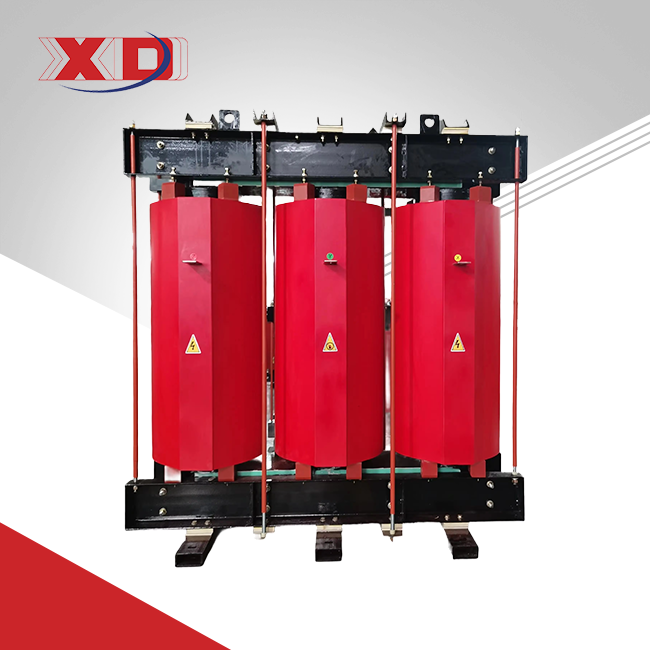
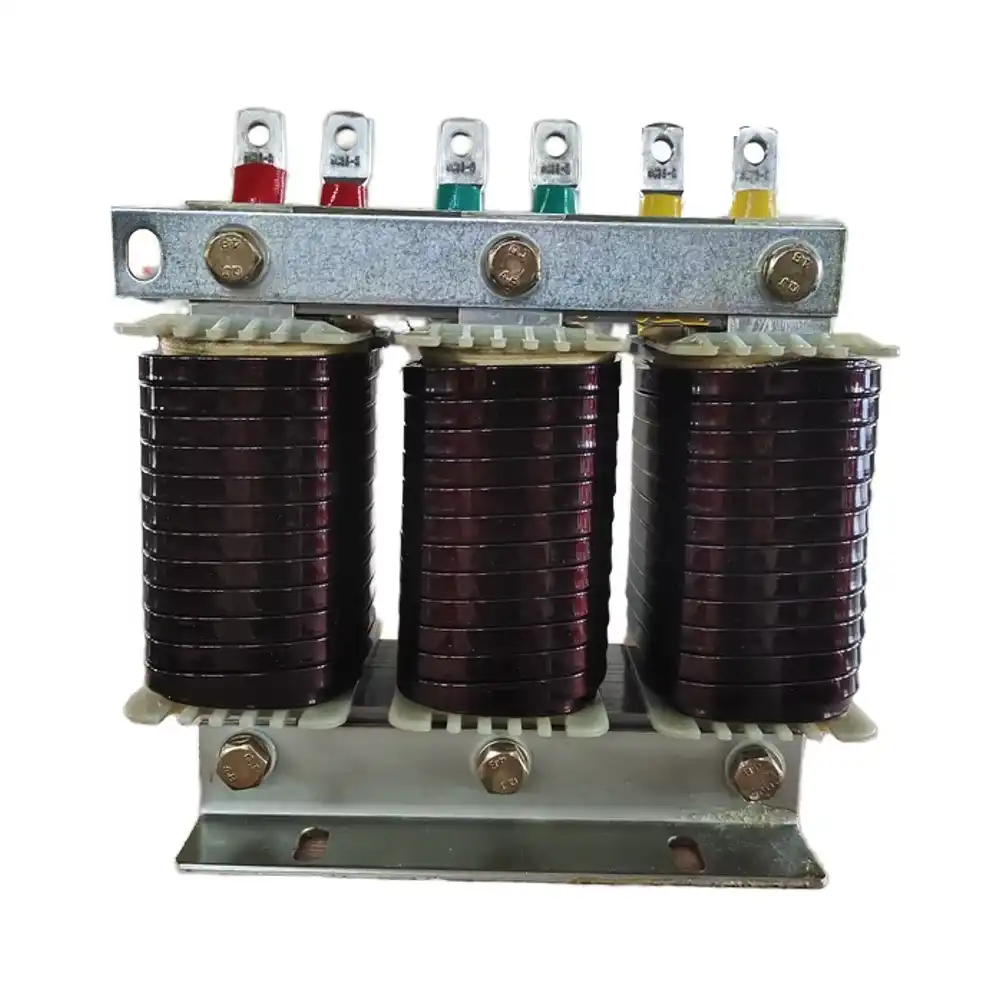
Vacuum pressure impregnation (VPI) methods are the best way to treat insulation in the business. This way of making things gets rid of empty spaces inside winding structures, which stops the partial release that causes insulation to break down over time. Xi'an Xikai's CKSG Series Low Voltage Reactor uses this method along with heat curing processes to make structures that join copper windings to core materials. This integration makes the structure more stable and improves the pathways for heat transfer.
Monitoring thermal conditions early on lets you know when things aren't working right. In more advanced systems, temperature monitors are built into the winding assemblies of the Linear Reactor and send data to central control systems in real time. We suggest that sites have thermal warning setpoints that can be changed and automatic load shedding methods to keep damage from happening during overloads.
Structural Integrity and Vibration Resistance
In reactor cores, magnetic forces cause cyclical mechanical stresses that show up as noise and vibrations in the body. If you don't control these forces, they can loosen fasteners, break weld joints, and make electrical gaps. Several types of engineering are used to deal with shaking in safety-conscious systems.
Using segmented silicon steel laminations and epoxy-laminated glass fillers in the core construction keeps the exact air gap shapes even when the system is under a lot of stress. The segmentation method used in Xi'an Xikai reactors stops the buildup of flow in one area and lowers the frequency of vibrations. Stainless steel fasteners that aren't magnetic get rid of magnetic attraction forces that would otherwise cause structures to wear out.
The mechanical stability is directly related to the acoustic performance. Reactors that make too much noise (above 65 dBA at one metre) usually have problems with the core clamping or winding compression. Through optimised coil tension and specialised core treatment, the CKSG Series keeps operation below 45 dBA. This means that the structure is more stable, which means that it lasts longer and needs less upkeep.
Corrosion Protection and Environmental Resilience
When electrical terminations are exposed to the climate, they become weak spots that can cause safety problems. At connection interfaces, oxidation raises contact resistance, which creates heat that can set nearby flammable materials on fire or melt insulation. We give more weight to designs that use tin-plated copper or nickel-plated brass connections and IP-rated enclosures for security.
Modern reactors usually have small, cabinet-compatible designs that make them easy to fit into NEMA-rated casings that keep out the environment. The way it is set up keeps moisture, corrosive gases, and conductive dust from getting into the internal parts, which could damage the dielectric. Upgraded barrier materials that are more resistant to rust are better for installations near the coast or in industrial settings where chemicals are present.
When there is a fault, the integrity of the grounding system is very important for keeping people safe. We check that reactor frames connect to facility grounding wires with low-impedance lines, usually getting bonding resistances below 0.1 ohms. If you ground something properly, fault currents will quickly set off upstream protective devices. This will keep you from being exposed to touch voltage and arc flash hazards.
Harmonic Suppression as a Safety Feature
Harmonic mitigation is usually thought of as a function of power quality, but it actually improves system safety by lowering temperature and electrical pressures in distribution networks. Reactors with carefully set reactance values stop resonant conditions that raise harmonic voltages to dangerous levels that can damage insulation or cause annoying tripping events.
The CKSG Series has different reactance configurations that can be chosen to fit different harmonic patterns. A reactance rating of 7% can successfully block 5th-order harmonics and higher, making it good for general industry uses with mild nonlinear load penetration. Facilities with a lot of VFDs can benefit from designs with 14% reactance that lower 3rd-order harmonics. This keeps the neutral wire from getting too hot and the generator from overheating. For specific uses that need full harmonic control, 27% reactance setups that target second-order components are used.
This customised method avoids both over-specification, which wastes money, and under-specification, which leaves systems open to attack. We have proof of situations where choosing the wrong reactor caused capacitor banks to fail, which cost facilities tens of thousands of dollars in emergency repairs and lost production time. Matching the reactance characteristics to the load profiles is an important part of safety engineering because it keeps equipment further down the line from being damaged by voltage distortion.
Harmonic suppression not only protects components, but it also lowers electromagnetic interference (EMI) that can damage sensitive control systems. When harmonics stay within the limits suggested by IEEE 519, there are fewer logic faults and fake alarms in factories that use programmable logic controllers and distributed control systems. This operational stability directly improves worker safety by getting rid of equipment behaviour that changes without warning, which can lead to dangerous situations.
Material Quality and Manufacturing Process Impact
Safety performance of the Linear Reactor depends on choosing the right materials and making sure they are fabricated accurately, which may not be clear when the materials are first bought. We stress how important cold-rolled grain-oriented silicon steel is for building cores because it has better magnetic qualities and less core loss than other electrical steel types. The hysteresis losses of imported silicon steel laminations used in Xi'an Xikai reactors are measurably lower, which means that the working temperatures are 15-20°C lower than with traditional materials.
The specifications of the winding conductor have a big effect on its thermal performance and its ability to handle fault currents. Copper wires that are flat have more surface area for letting heat escape than round conductors with the same cross-sectional area. The edge-wound shape makes the packing densities tighter while keeping the inter-turn space that keeps the voltage from dropping during short-term overvoltages.
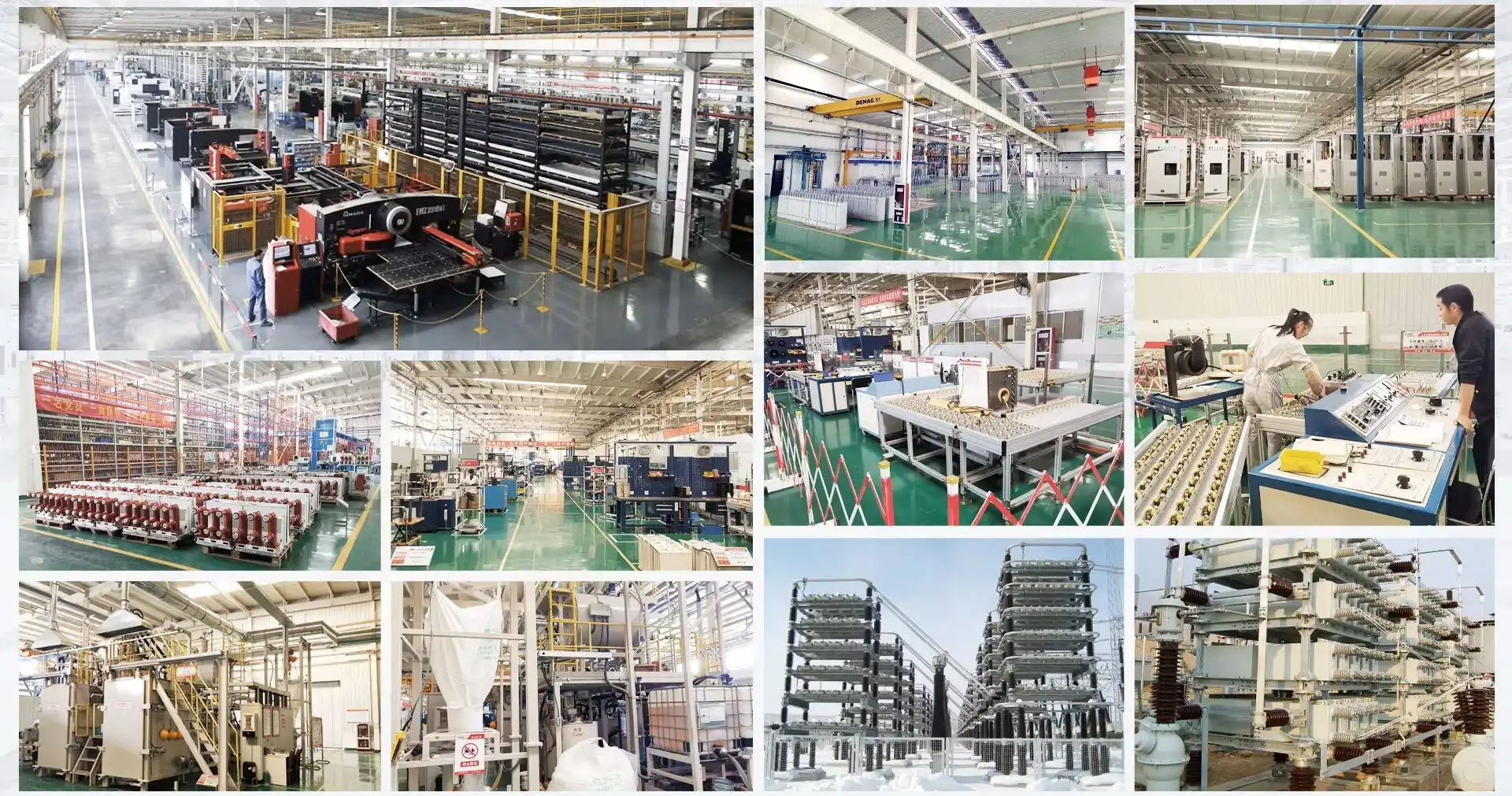
Controls in the manufacturing process make sure that each batch of products is the same. We suggest that you check that the suppliers you're considering have documented quality control systems that can be used to track important products. Xi'an Xikai uses a 12-step quality control process that checks the reactance tolerance (±3%), the impulse voltage (simulating lightning hits), and the temperature rise (confirming thermal design margins). These thorough checks find problems with the equipment before it is sent out to be installed in the field. This keeps safety incidents from happening, which hurts customer confidence and costs money for warranties.
Independent confirmation of safety performance claims is provided by third-party certifications. UL approval, 3C certification, and ISO 9001 registration all show that manufacturers follow process discipline and design validation protocols. We give more weight to suppliers who can show they follow a lot of different international standards. This is because it shows they use strong engineering methods instead of just meeting the bare minimum.
Maintenance Accessibility and Operational Safety
Even if the equipment is well-designed, it needs to be inspected from time to time to make sure it stays safe. Deferred maintenance is less likely to damage defensive functions if the reactor is designed in a way that makes maintenance easier. During purchase reviews, we look at the rules for getting to key inspection spots.
Terminal compartments should have enough space for infrared thermography scans to be done while the system is running. This way, repair workers can find hotspots before they get too close to live parts. With captive fasteners on inspection covers that can be taken off, lost hardware that could cause ground faults is kept from getting in. Labels that are easy to read and show voltage levels, phase rotation, and grounding points help keep installation and change work from going wrong by preventing connection mistakes.
Modern reactors like the CKSG Series have small footprints that make retrofitting into existing electrical rooms easier without having to make a lot of changes to the panels. This construction speed lowers the risk of arc flash for workers during commissioning. In retrofit uses, lightweight building (often 30–40% lighter than older designs) lowers the risks of moving materials and the stress on the structure.
Quality of documentation has a direct effect on the safety of upkeep. Single-line diagrams, torque standards for electrical connections, suggested inspection times, and thermal imaging reference baselines should all be part of complete guides. We've seen that when suppliers give detailed maintenance instructions, facility staff can keep up safety performance long after the warranty period is over. This protects the long-term value of the asset.
Selecting a Supplier Committed to Safety Excellence
Comparisons of data sheets aren't the only thing that goes into procurement decisions for a Linear Reactor; suppliers' abilities that ensure long-term safety performance are also taken into account. As a key selection factor, we look at the expert help infrastructure of the manufacturer. When unexpected problems come up during commissioning or operation, suppliers who offer engineering help 24 hours a day, seven days a week are very helpful. Xi'an Xikai has dedicated support channels, such as serina@xaxd-electric.com, amber@xaxd-electric.com, and luna@xaxd-electric.com, so technical questions can be answered quickly.
Lead time reliability affects project safety by keeping people from being rushed, which could lower the quality of the work. Electrical work can be planned and done correctly when manufacturers keep enough inventory on hand and deliver on time (usually in less than 12 weeks for normal setups). Installations that are done too quickly make it more likely that wiring mistakes, poor torqueing, or missing commissioning tests will happen, which can lead to hidden safety problems.
Customisation options let safety features be changed to fit the needs of a specific application. Buildings in areas prone to earthquakes can benefit from better fastening options that meet standards for earthquake protection. When installing in places with a lot of humidity, you need better enclosure seals and parts that won't rust. We appreciate it when providers can change standard designs to fit local situations without having to pay a lot of money or delay delivery.
The warranty terms and support after installation show that the manufacturer trusts safety engineering. Full coverage that includes material flaws, problems with the work, and early failures protects against unexpected safety incidents financially. When suppliers back their goods with multi-year warranties, they usually put more money into design approval and quality control. This means that fewer problems happen in the field and better safety records.
Conclusion
Choosing the right safety features for a Linear Reactor system needs a thorough analysis of many factors, such as how to control temperature, the quality of the insulator, the longevity of the structure, and how to protect the environment. We looked at how improved materials, precise manufacturing, and built-in safety systems all work together to make sure that machines work reliably in harsh industrial conditions. Xi'an Xikai's CKSG Series shows how to use engineering methods that put safety first by having Class H insulation, VPI processing, harmonic suppression, and construction that doesn't rust.
Procurement workers who have to balance safety needs with limited budgets should know how small differences in specifications can lead to big changes in safety performance. When you invest in high-quality reactor designs, you get measured results in the form of fewer failures, longer equipment life, and better compliance with regulations. We recommend that you carefully consider not only the initial cost of the equipment but also its total lifecycle value, which includes the amount of maintenance needed, the quality of technical support, and the supplier's track record of long-term dependability.
FAQ
1. What certifications should we prioritize when procuring reactor systems?
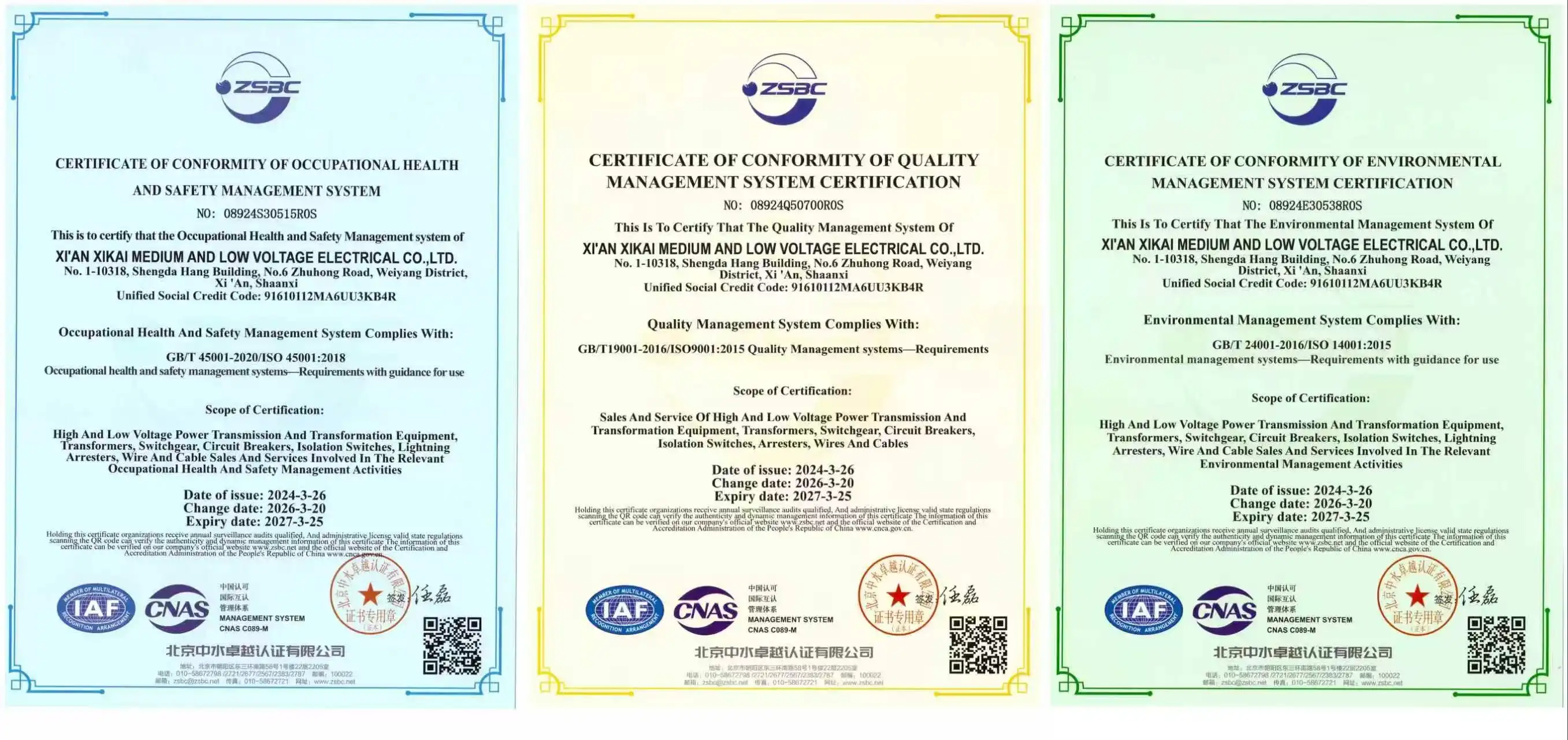
Recognising UL and following IEC standards are basic requirements for markets in North America and around the world. For tools made in China, we suggest checking for 3C certification, ISO 9001 for quality control systems, and ISO 45001 for health and safety at work. In addition to product certifications, ANSI standards and IEEE guidelines set requirements for harmonic control and power quality that are specific to each application.
2. How frequently should reactor systems undergo safety inspections?
Thermal imaging scans done once a year find hotspots that are starting to form before they fail, and visual checks done every three months find damage or contamination that is easy to see. Facilities that work in difficult conditions or close to their rated capacity benefit from thorough checks every six months, which include checking the link torque and the insulation resistance. Keeping inspection records shows that you are doing what you need to do to meet insurance and regulatory requirements.
3. Can existing reactor installations be upgraded to meet current safety standards?
A lot of older installations can be retrofitted with better monitoring systems, better ventilation, or better enclosures. We figure out if something is possible by surveying the spot and looking at things like room limitations, the need for electrical coordination, and the link between cost and value. When old equipment is getting close to the end of its useful life or can't handle more work, it's often cheaper to replace it than to make a lot of changes to it.
Partner with Xi'an Xikai for Safety-Engineered Linear Reactor Solutions
Xi'an Xikai Medium & Low Voltage Electric Co., Ltd. offers complete reactor systems that are designed to keep your important processes safe. Our CKSG Series Linear Reactor has strict quality controls, stable temperatures, and a strong build that is backed by ISO certifications and strict quality protocols. As a top maker that works with utilities, factories, and EPC companies all over North America, we can make solutions that meet your exact needs for safety and power quality. Our professional team can help you choose the right reactor, plan the installation, and make sure that the whole system works together. Get in touch with serina@xaxd-electric.com, amber@xaxd-electric.com, or luna@xaxd-electric.com to talk about how our advanced reactor technology can improve the electrical safety and practical reliability of your building.
References
1. Institute of Electrical and Electronics Engineers (IEEE), "IEEE Recommended Practice and Requirements for Harmonic Control in Electric Power Systems," IEEE Standard 519-2022, Institute of Electrical and Electronics Engineers, New York, 2022.
2. National Fire Protection Association (NFPA), "National Electrical Code," NFPA 70-2023, National Fire Protection Association, Quincy, Massachusetts, 2023.
3. International Electrotechnical Commission (IEC), "Power Transformers - Part 6: Reactors," IEC 60076-6:2007+AMD1:2013, International Electrotechnical Commission, Geneva, 2013.
4. Underwriters Laboratories (UL), "Industrial Control Equipment," UL Standard 508A, Underwriters Laboratories, Northbrook, Illinois, 2021.
5. Occupational Safety and Health Administration (OSHA), "Electrical Safety-Related Work Practices," OSHA Standard 1910.331-335, U.S. Department of Labor, Washington D.C., 2020.
6. American National Standards Institute (ANSI), "American National Standard for Dry-Type Transformers," ANSI C57.12.01-2020, American National Standards Institute, Washington D.C., 2020.