How does a linear reactor improve efficiency in polymer production?
2026-07-23 14:20:26
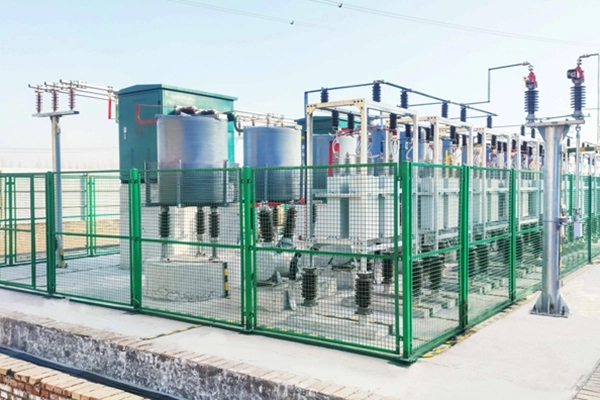
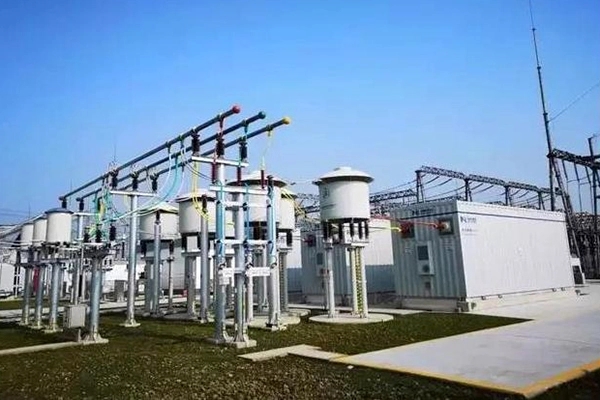
These days, making things out of polymers requires accuracy, regularity, and dependability. These goals are met by a Linear Reactor, which keeps the inductance stable even when the current flow changes. This keeps the magnetic field from becoming saturated during peak operating events. This electromagnetic part makes sure that polymerisation equipment gets the same amount of power, so voltage changes that mess up reaction kinetics don't happen as often. These reactors protect sensitive process control systems, lower equipment stress, and allow continuous operation by removing harmonics and stabilising the electricity supply. These are important factors for getting high-quality polymer output while lowering energy use and downtime.


Understanding Linear Reactors in Polymer Production
Reactors, extruders, and control systems in polymer production plants need complex electrical equipment to run. The inductive reactor is the most important part of this system. It controls the flow of electricity and screens out electrical problems. Unlike regular reactors, which lose performance when the load changes, a well-designed unit stays linear even when the current is 150 to 200% of its rated value. This keeps the resistance fixed during production cycles.
Core Operating Principles
Inductive reactance is how these electromagnetic devices work. They smooth out current patterns and absorb voltage spikes. Laminations of high-quality silicon steel with precise air gaps that control magnetic flux density are used in the technology. This design stops core saturation, which is a common way for things to go wrong that causes inductance to collapse during surges. When these parts are added to polymer plant power systems, they protect against sudden changes in the power supply and lower the amount of periodic input that goes into facility networks.
Technical Specifications for Industrial Applications
Professional-grade units usually have Class H insulation systems that can handle temperatures up to 180°C. This lets them work in the harsh thermal conditions that are common in polymer processing. Vacuum Pressure Impregnation (VPI) treatment joins the core and windings together, making a single structure that is not easily damaged by vibration or water. Different harmonic mitigation needs can be met with impedance ratings of 3% or 5% relative to load. According to IEEE 519 standards, higher impedance values offer better distortion reduction.
Integration with Process Control Systems
Variable Frequency Drives (VFDs) are used in modern polymer plants to control the speeds of extruders and mixing machines. Putting line reactors in front of these drives protects rectifier bridges and DC bus capacitors from sudden currents and evens out ripple current. This protection makes equipment last longer and stops annoying trips that mess up work plans. The Linear Reactor protects the sensitive drive electronics from the unstable power grid, keeping the power quality that is needed to precisely control the temperature and pressure during polymerisation.
Identifying Efficiency Bottlenecks in Traditional Polymer Production Methods
There are a lot of problems with conventional polymer production that affect throughput, product consistency, and costs. Knowing these limits helps procurement teams figure out when it's time to improve equipment.
Power Quality Issues
For heated elements, agitators, and control instruments, batch reactors and stirred tank systems need a steady source of electricity. Voltage drops that happen when a motor starts up or when the grid goes down change the temperature, which changes the way a reaction moves. Harmonic distortion from non-linear loads puts more stress on transformers and capacitor banks, which can cause them to fail early or shut down for repair that wasn't planned. These electrical disturbances show up as uneven distributions of polymer molecular weights and changes in the material's properties that have an impact on further processing.
Equipment Stress and Maintenance Burden
Motor drives and control systems wear out faster if they don't have the right electricity filters. Bearing failures in extruder motors, capacitor ruptures and insulation breakdowns in transformers all make servicing more often and raise the cost of keeping extra parts on hand. Each unexpected shutdown throws off production plans, which lowers the yearly output and raises the cost of making a single unit. All of these problems make companies less competitive in markets that need regular quality and reliable service.
Energy Inefficiency
Utility demand charges go up when inductive loads that aren't adjusted cause the power factor to drop. Harmonic currents moving through distribution systems cause heat loss in wires and transformers, which wastes energy and doesn't add to production. Power factor values below 0.85 are common in facilities that don't have enough harmonic mitigation. This can lead to fines from utility companies and less use of transformer capacity.
How Linear Reactors Address These Efficiency Challenges?
Using the right electromagnetic filtering changes how well the electrical grid works, which has a direct effect on how efficiently polymers are made. The following changes have real benefits for factory processes.
Enhanced Power Quality and Process Stability
When put on the line side of VFDs, these reactors soak up utility switching transients and lower the amount of harmonic feedback that goes into facility networks. This action of buffering keeps the power supply to control systems stable, which lets temperature control become more precise during exothermic polymerisation processes. Better process control means more uniform material properties and smaller molecular weight distributions, which are important for meeting customer needs and cutting down on production waste that doesn't meet those needs.
Equipment Protection and Reliability
The function that limits current keeps downstream parts safe from surge damage. When the motor speeds up or the capacitor switches on and off, inrush currents can reach 10 to 15 times their normal levels. These surges are kept in check by inductive reactance, which stops overcurrent trips and makes rectifier diodes, IGBTs, and DC link capacitors last longer. Facilities that use units that are the right size report 30–40% fewer drive-related failures than installations that aren't protected.
Energy Efficiency Improvements
These parts lower distribution system costs by increasing power factor and decreasing harmonic distortion. This is made possible by Xi'an Xikai's CKSG Series Low Voltage Reactor, which has Class H/C windings and optimised core materials that cut internal losses by up to 30% compared to standard designs. This level of effectiveness meets EN 50588 and ANSI standards and saves the utility company money by improving power factor bills and lowering transformer loads.
The CKSG Series has three reactance rates that can be set to deal with different harmonic profiles:
- 7% Reactance: This level of reactance stops harmonics above the 5th order and is good for buildings that have mild nonlinear loads.
- 14% Reactance: Aims for harmonics above the third order; great for plants with a lot of VFDs.
- 27% Reactance: Handles harmonics above the second order; good for specific uses that need the most filtering.
These arrangements let engineering teams match the specs of the equipment to the recorded harmonic patterns. This cuts down on capital costs while still meeting performance standards.
Construction Features Supporting Continuous Operation
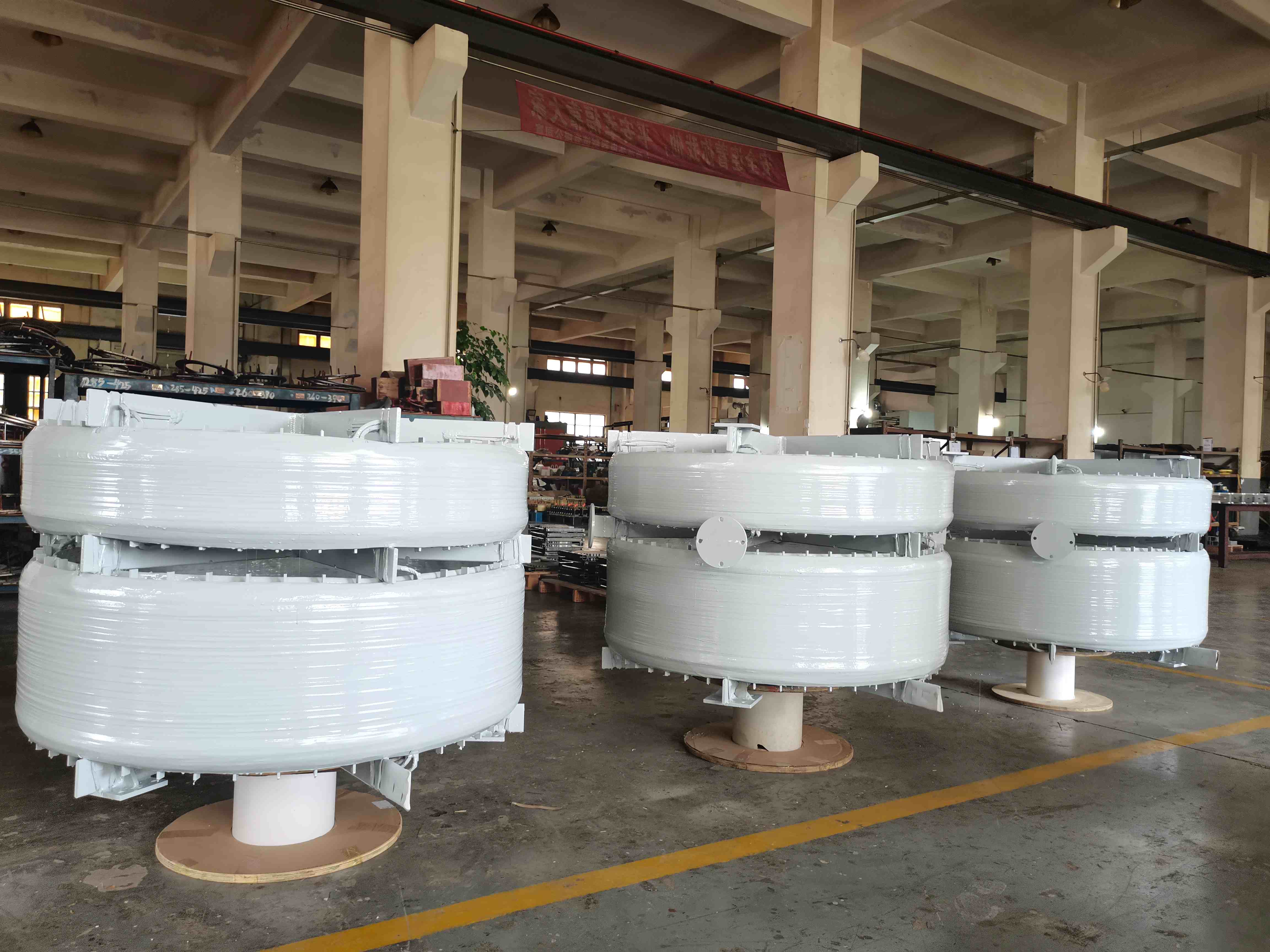
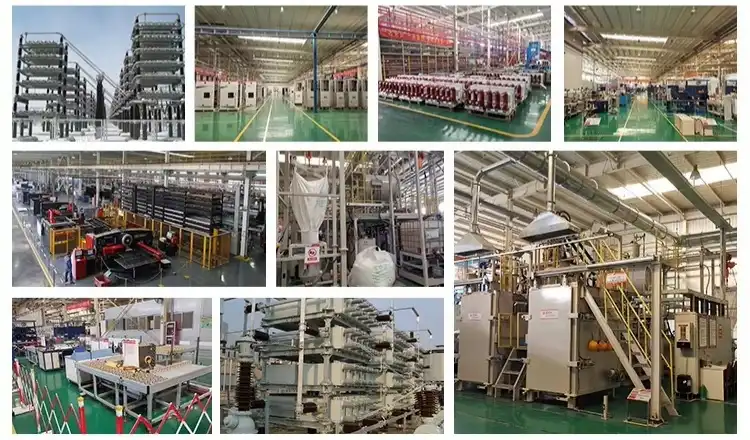
The CKSG Series uses foreign cold-rolled silicon steel laminations that are separated by epoxy-laminated glass spacers that keep air gaps stable and stop vibrations. The windings are made of tightly wound flat copper wire with an H-grade enamel covering. This gives them high-temperature protection and low noise levels (below 45dB), which is important for installations near places where people are working. Using vacuum impregnation, non-magnetic fasteners, and thermal curing together makes a bound unit that can handle the heat cycles that happens in industrial settings. Corrosion-resistant terminals and small enclosures make it easier to integrate cabinets, which lowers the cost of installation and the space needed.
Comparing Linear Reactors with Alternative Reactor Types in Polymer Production
To choose the right electrical protection equipment, you need to know how the different technologies affect performance. This analysis helps procurement teams make smart choices that meet the needs of the facility.
Linear Reactors vs. Standard Iron-Core Reactors
When the core material gets close to magnetic saturation, standard iron-core reactors lose some of their inductance. This lack of linearity makes filtering less effective just when security is most needed, like when there is a spike. This performance drop is avoided by Linear Reactors that keep the inductance stable over a wide range of currents. Protocols for testing make sure that the inductance stays at ≥90% of its standard value even when the rated current is 150%. This keeps the resistance stable during transient events.
Linear Reactors vs. Air-Core Reactors
Air-core systems don't have to worry about saturation because they aren't magnetic, but they need to be much bigger to have the same resistance. The bigger size and weight make installation harder in electrical rooms with limited space. When you use iron-core construction with properly designed air gaps, you can get compact form factors that keep linear performance qualities. The CKSG Series combines these benefits with its segmented core architecture, which controls flux density without needing a lot of space.
Selection Criteria for Polymer Applications
Choosing the right specs means looking at a number of things. Drive power values tell you how much current you need to be able to handle, and facility harmonic readings help you choose the right impedance. Whether line-side or load-side placement is best depends on the length of the cable between the drives and the motors. The CKSG Series meets a wide range of needs by offering flexible configurations that are tailored to local conditions. For example, the series is UL-certified for fire safety in North America and resistant to salt corrosion in tropical areas. This adaptability helps with both new building and remodelling projects in factories around the world.
Practical Tips for Procurement, Maintenance, and Troubleshooting of Linear Reactors
To get the best return on your investment, you need to pay attention to how you buy things, how you install them, and how you maintain them over time. These rules help building managers and people who work in buying use best practices.
Procurement Evaluation
When looking for electromagnetic components like a Linear Reactor, make sure the supplier follows the rules, like IEC 60076-6, UL 508, and IEEE 519. Ask for proof of quality control steps like checking the inductance consistency at 0%, 100%, and 150% of the maximum current to make sure it has linear properties. High-potential (high-pot) dielectric strength testing confirms the safety of the insulation, and temperature rise testing makes sure that the windings stay within the limits of their insulation class while they are running continuously. Xi'an Xikai uses 12-stage quality control checks that include reactance accuracy (3%), thermal cycling, and dielectric strength. These checks cut down on field failures and the costs that come with them.
Installation Best Practices
Having enough air flow around containers stops the heat stress that wears down insulation systems over time. To make sure there is enough cooling airflow, keep the minimum gaps listed in the manufacturer's instructions. Make sure that the mounting hardware has non-magnetic fasteners so that it doesn't introduce unwanted magnetic fields that could affect how well it works. Connection quality is important—loose terminations cause hot spots that wear down insulation faster. Using calibrated tools, torque all of the terminal connections to the manufacturer's specifications.
Maintenance and Troubleshooting
With regular thermal imaging surveys, hot spots that are starting to form can be found before they cause problems. Every year, resistance measures show when the windings are wearing down, and inductance tests show that the performance traits have stayed the same. Insulation that breaks down because of wetness getting in or too much heat are common ways that things go wrong. Overheating usually happens when there are too many harmonics above the design limit, not enough air flow, or large overcurrent conditions that are not compatible with the equipment's ratings. High-frequency losses can happen in units that weren't made for certain VFD switching rates when they are under a lot of stress. These problems show how important it is to do the right initial sizing and check on a regular basis to make sure that the operating conditions stay within the design parameters.
Conclusion
Quality of the electrical infrastructure has a direct effect on the efficiency of polymer production in a number of ways, including the security of process controls, the dependability of tools, and the use of energy. These problems can be fixed by using properly designed magnetic reactors like the Linear Reactor, which keep the power quality high, protect delicate electronics, and raise the power factor.
The CKSG Series shows that using high-tech materials, making sure the parts are perfect, and designing them for a particular job can lead to real operating benefits. Facilities that have a lot of drive problems, complaints about power quality, or high energy costs should check to see if their current electrical safety meets their current production needs. Upgrading to more modern reactor technology like the Linear Reactor often pays for itself quickly through lower energy costs, better uptime, and less upkeep. These benefits add up over the 15 to 20 years that most quality parts last.
FAQ
1. What distinguishes a quality electromagnetic reactor from commodity alternatives?
Professional-grade technology is different from basic types because it works better under stress. Check that the units keep their linear inductance even when the current level goes above their rated capacity. At 150% of their rated current, the units should usually show 90% nominal inductance. In industrial settings, insulation systems marked Class H (180°C) or higher can handle the heat stress that comes with it. Details in construction are important. For example, vacuum pressure impregnation makes assemblies resistant to water, and non-magnetic fasteners keep performance from dropping. Long-term dependability is guaranteed by compliance documentation that shows adherence to IEC 60076-6, UL 508, and IEEE 519 standards.
2. How does impedance rating affect system performance?
Impedance controls voltage drop and how well harmonic filtering works. A 3% impedance unit offers standard protection that works well in most situations and causes very little voltage drop when it's working normally. Facilities that have to follow the strict IEEE 519 harmonic mitigation standards can benefit from impedance values of 5%, which offer better distortion reduction and can usually lower overall harmonic distortion to about 35%. Higher resistance values cause the voltage drop to get bigger, so you have to make sure that the motor voltage stays within safe working ranges. Matching impedance to recorded facility harmonic profiles improves security while lowering the effect on the system.
3. Can single equipment serve both input and output applications?
Even though basic electric concepts don't change, the needs of each application do. Line-side units put in front of drives mostly filter out utility disturbances and limit inrush currents. Load-side units, which are put between drives and motors, need to be able to handle higher switching rates from IGBT carriers and more dv/dt stress. For output uses, grades must specifically address these situations to keep the insulation from failing. Always make sure that the equipment's specs cover the exact spot where it will be installed.
Partner with Xi'an Xikai for Reliable Power Quality Solutions
Xi'an Xikai Medium & Low Voltage Electric Co., Ltd. is one of the biggest companies that makes Linear Reactors and provides industrial sites all over the world with complete power distribution options. Our CKSG Series uses Class H/C enamel-coated windings and imported cold-rolled silicon steel cores to cut loss by up to 30% compared to other designs. These units can handle a wide range of harmonic profiles in industrial settings. They come in three-phase and single-phase dry-type setups and can be set to reactance rates of 7%, 14%, or 27%. We help clients in the steel and metallurgy, petrochemicals, rail transportation, and green energy sectors.
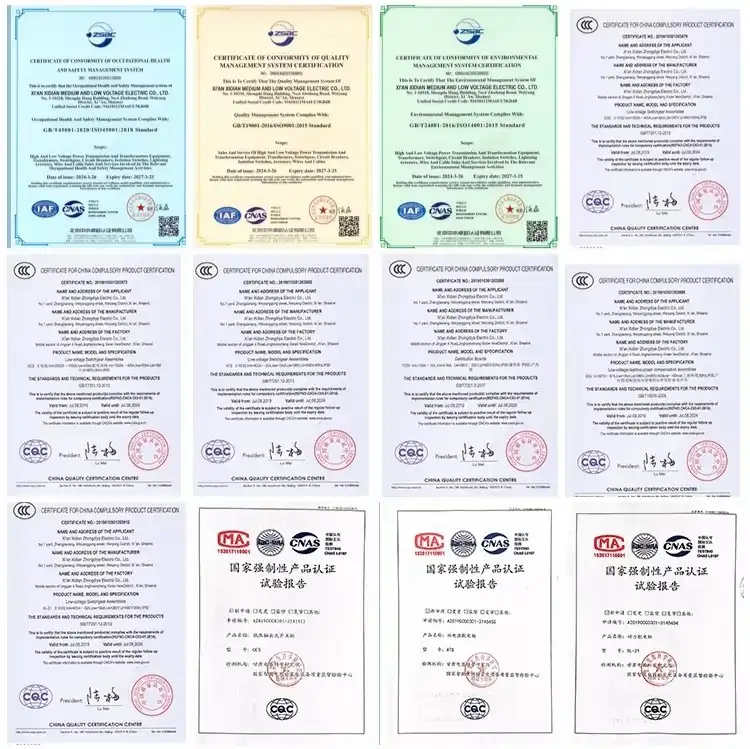
Our operations meet standards at heights of up to 4,000 meters, and we have certifications such as 3C, ISO 9001/45001/14001, and others. Our research team has more than 15 patents in the area of reactor technology, and we have a global support system that makes sure we can deliver on time and help with technical issues. Send an email to serina@xaxd-electric.com, amber@xaxd-electric.com, or luna@xaxd-electric.com to talk about your facility's needs and get personalised power quality suggestions that are in line with your business goals.
References
1. Chapman, Stephen J. Electric Machinery Fundamentals, 5th Edition. McGraw-Hill Education, 2012.
2. Institute of Electrical and Electronics Engineers. IEEE Standard 519: Recommended Practice and Requirements for Harmonic Control in Electric Power Systems. IEEE Power and Energy Society, 2014.
3. Mohan, Ned, Tore M. Undeland, and William P. Robbins. Power Electronics: Converters, Applications, and Design, 3rd Edition. John Wiley & Sons, 2003.
4. Arrillaga, Jos, and Neville R. Watson. Power System Harmonics, 2nd Edition. John Wiley & Sons, 2003.
5. International Electrotechnical Commission. IEC 60076-6: Power Transformers - Part 6: Reactors. IEC Standards, 2007.
6. Rashid, Muhammad H. Power Electronics Handbook: Devices, Circuits, and Applications, 3rd Edition. Butterworth-Heinemann, 2011.