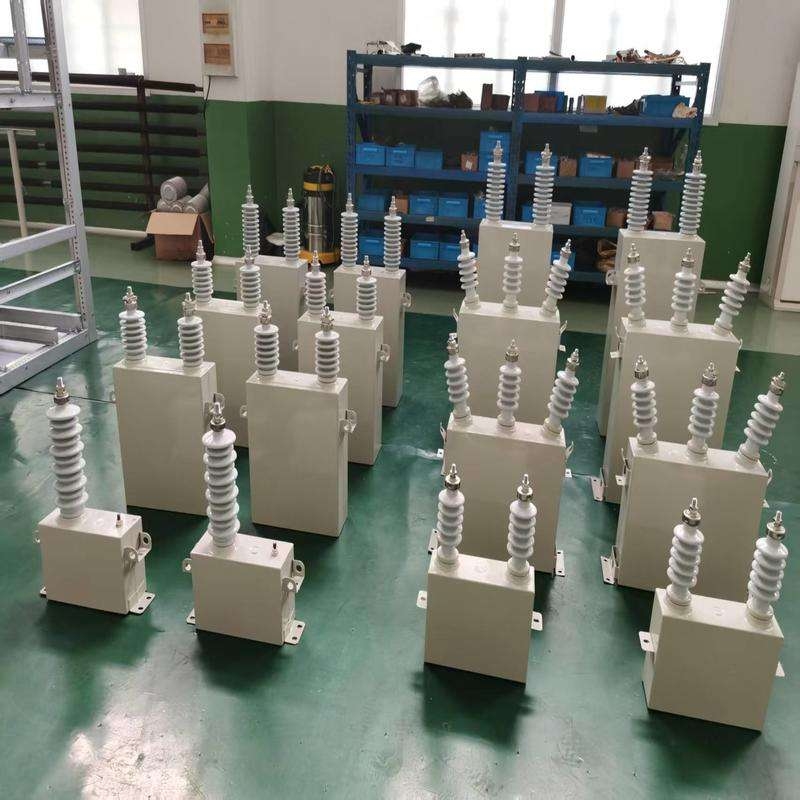
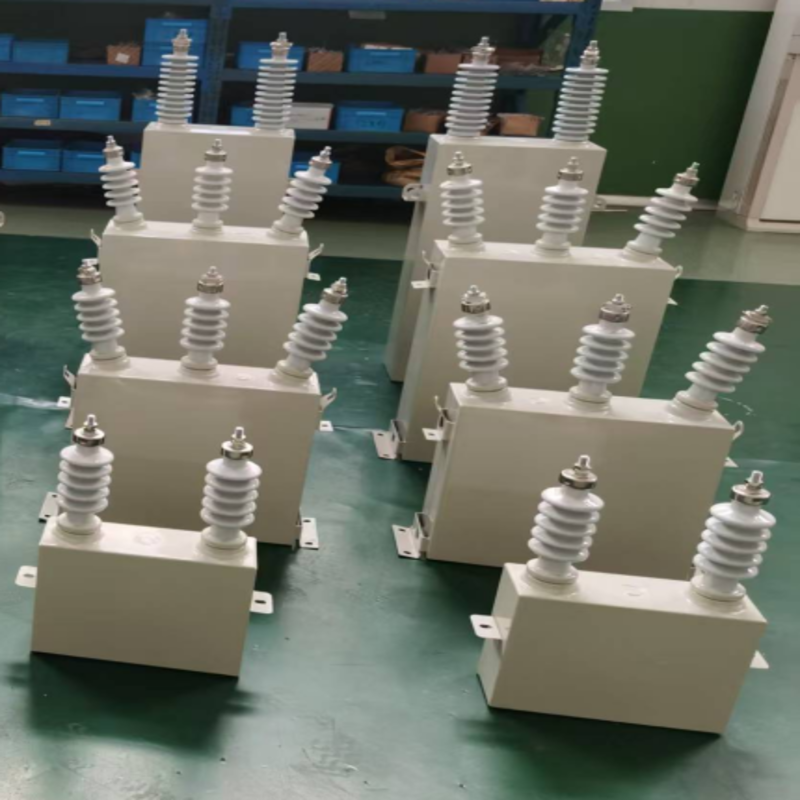
High-voltage Disconnect Switches In Power Systems
2026-07-22 11:32:38
In power systems, High Voltage Disconnect Switches are very important for safety because they make clear separation places between energised circuits and maintenance tools. These gadgets let operators physically separate electrical segments in transmission and distribution networks. This keeps people safe during repairs and keeps the system flexible. The High-Voltage Disconnect Switch is fundamentally different from circuit breakers; it separates circuits without being able to halt loads normally; it does this by acting as an air-gap barrier that stops electrical contact. In modern substations, factories, and utility networks across the US, these switches make sure that expensive equipment is safely turned off before repair starts. This protects both people and expensive equipment.
 |
 |
Understanding High Voltage Disconnect Switch: Functions and Types
What High Voltage Disconnect Switches are really for is making sure that systems that are powered up are safely separated from each other. Protection devices that respond automatically to problems are different from these switches. The conductive elements need to be repositioned by hand or by motor to make an insulating gap big enough to handle system voltage. This physical separation lets maintenance workers see for themselves that circuits are really turned off, which is an important safety feature that electronic indicators can't provide.
Primary Functions in Electrical Infrastructure
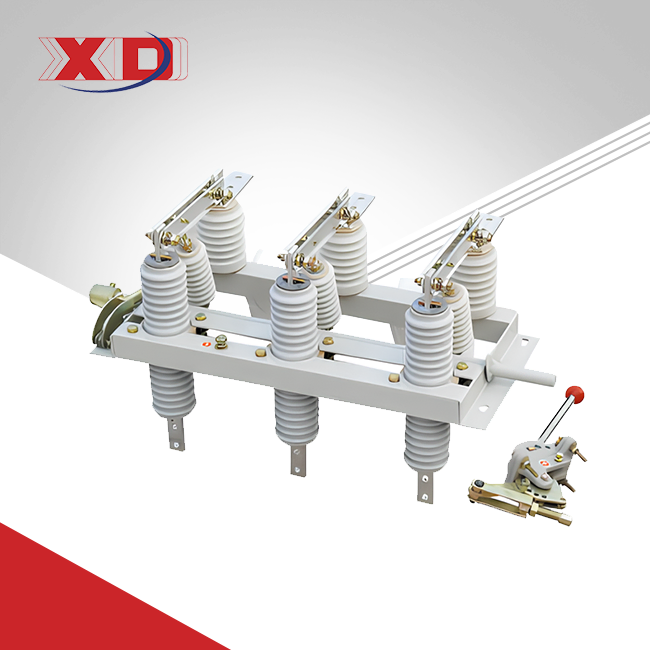
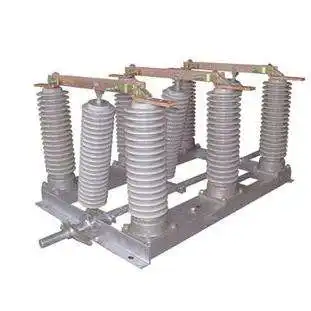
These switches isolate transformers, breakers, and bus sections during maintenance, avoiding whole-substation outages. They enable load transfers and emergency rerouting. The GN2 40.5kV model includes an earthing switch to discharge capacitive energy, protecting repair crews. They support flexible operations, e.g., maintaining redundant lines in data centers or factory substations without interrupting critical controls.
Air Break vs. Vacuum Technology
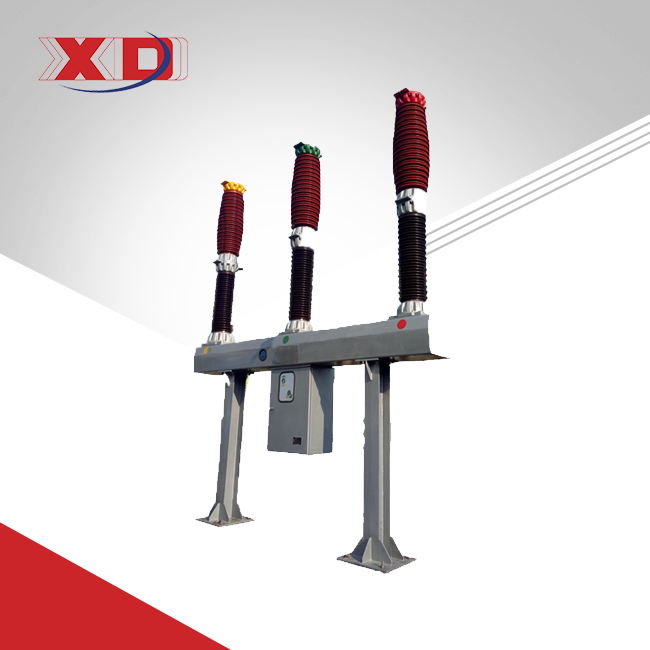
Air break designs dominate outdoor substations due to clear visible gaps and ruggedness. Contact spacing for 40.5kV is 5–15 inches. Simplicity lowers initial cost and maintenance. Vacuum types suit compact indoor switchgear, reducing oxidation and maintenance intervals, ideal for hospitals/commercial buildings with space limits, though higher upfront cost.
Load Break and Non-Load Break Variants
Non-load break High Voltage Disconnect Switches require breakers to clear load current first, handling only charging currents (<2A). Their thermal stability often exceeds 63kA for 1s. Load break versions interrupt small fault currents (up to 600A) for loop-fed systems but increase purchase and upkeep costs. Selection balances operational benefits against added complexity and lifecycle expenses.
Technical Specifications, Ratings, and Safety Considerations
When purchasing managers look at disconnect switches, they have to deal with a lot of technical factors that affect how well they work with other systems and how reliable they are in the long run. Voltage and current ratings are basic selection criteria, but short-time withstand current, mechanical endurance, and environmental ratings are also very important in figuring out if a switch will work well for its expected 30-year service life.
Essential Ratings and Performance Metrics
The GN2 switch offers 40.5kV and 400–2000A, suiting commercial feeds to utility bus ties. Its 10,000+ mechanical operations reflect precise contact alignment and robust bearings—vital for frequent load-management switching. Short-time withstand (31.5kA/1s) resists fault electromagnetic forces. Temperature rise stays below 40°C at max current, ensuring stable performance from -40°C to +55°C.
Standards Compliance and Certification Requirements
International standards like IEC 62271-102 (for >1kV AC switches) and IEEE C37.32 (adding seismic rules for North America) govern design and testing. Compliance ensures interoperability in switchgear and third-party validation. CE marking aids global project acceptance; RoHS limits hazardous substances, aligning with green procurement. Utilities often require extra pollution or shock tests beyond basic standards. Manufacturers offering custom testing demonstrate engineering capability for complex projects.
Installation and Maintenance Protocols
Proper installation follows ASCE 7 for seismic/operational forces. GN2's through-wall mounting saves retrofit space, keeping mechanisms indoors and contacts outside to prevent weather degradation. Maintenance every 3–5 years includes contact resistance checks (>100 microhms indicates wear), insulator cleaning, and greasing. Self-lubricating bearings extend greasing intervals, lowering lifetime upkeep costs significantly.
Comparing High Voltage Disconnect Switch: Making the Right Choice
To choose the right disconnect switches, you have to weigh a lot of technical and financial factors against the needs of the project. The decision matrix includes more than just voltage and current values. It also takes into account expected dependability, upkeep needs, environmental factors, and estimates of the total cost of ownership over decades of use.
Disconnect Switches vs. Circuit Breakers
Knowing when each technology works best helps avoid making mistakes in the specifications that cost a lot of money. Circuit breakers have advanced arc interrupting systems that let them clear fault currents of 63kA or more, automatically protecting equipment and wires further down the line. Within milliseconds, their electronic control systems disconnect faulty sections before they cause thermal damage when there is overcurrent or ground fault.
Disconnect switches don't have these safety features—they only set up borders for separation; to stop fault currents, they need circuit breakers or fuses. Because they do different things, they are much easier to make mechanically and cost less to buy. In most substation designs, circuit breakers protect each feeder circuit and disconnect switches separate the breakers from each other during maintenance. This way, the two functions work together instead of against each other.
A study of costs shows that circuit breakers usually cost three to five times more than equivalent-rated High Voltage Disconnect Switch. They also need to be maintained more often because they have more complicated processes and computer controls. Circuit breakers are worth the money for projects that need to switch loads often, but disconnect switches are more cost-effective for situations that need to be isolated during planned repair.
Evaluating Air vs. Vacuum Designs
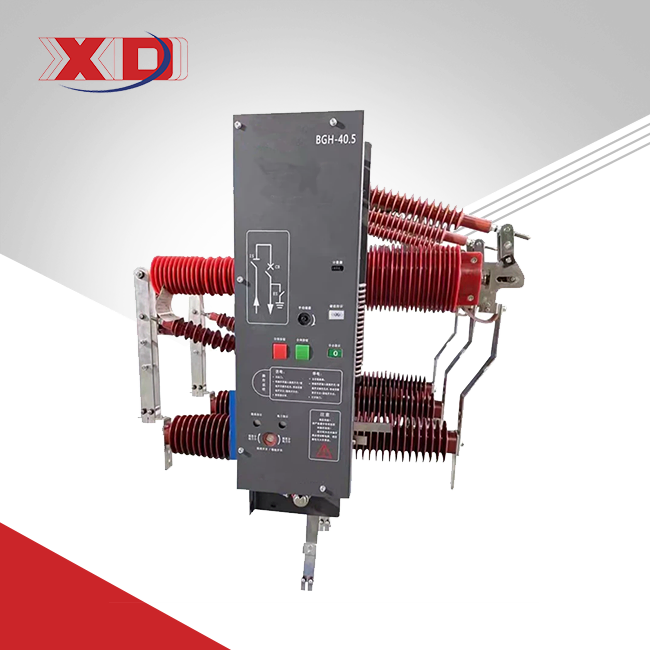
Air break switches dominate outdoor substations with visible gaps, galvanised steel/aluminium construction, and IP65 protection against pollution/salt spray. Maintenance is simple: contact cleaning and insulator restoration with standard tools. Modular spare parts are easy to stock. Vacuum designs suit indoor metal-clad gear with compact footprints and longer intervals, but failed bottles require full replacement, raising spare parts costs.
Load Break vs. Non-Load Break Selection Criteria
Non-load break switches are standard in utilities/industrials, requiring breakers to open first. Interlocking prevents human error. Simpler mechanics mean higher reliability and thermal stability up to 100× rated current for 1s. Load break types suit loop systems, capacitor bank, and transformer switching—but ratings must match actual tasks. Over 30 years, non-load break offers better ROI with lower cost and proven reliability.
Procurement Considerations: How to Source High Voltage Disconnect Switch Globally?
To strategically source disconnect switches, you have to find a balance between quality, cost, and the abilities of the suppliers in a supply chain that is becoming more globalised. To be successful at procurement, you need to know how the market works, check the credentials of suppliers, and handle the complicated processes that come with buying tools from other countries.
Market Overview and Pricing Dynamics
The price of a high-voltage disconnect switch depends a lot on its voltage class, current rate, and number of features. Standard 15kV class non-load break switches with a 600A rating usually cost between $2,000 and $4,000 per pole. For comparison, 40.5kV units with a 2000A capacity and built-in earthing switches cost around $15,000 to $25,000 per pole. These base prices go up if you need special features like making them more resistant to earthquakes, making them less likely to pollute, or adding motor operators for remote control.
Costs go down a lot when you order in bulk, especially when you use standard designs on multiple project sites. When makers optimise production schedule and material purchases, commitments of more than 50 units often lead to discounts of 15 to 20 percent. Long-term partnership agreements that include volume forecasts let suppliers offer better prices and make sure that customers are given priority during problems in the supply chain.
Customisation needs affect both the price and the time it takes to deliver. Standard catalogue items usually ship within 8 to 12 weeks. However, for engineered changes, wait times can go up to 16 to 20 weeks while plans are tested to make sure they work. When it comes to fast-track projects with tight deadlines for getting things going, procurement teams have to weigh the benefits of customisation against the effects on schedules.
Evaluating Suppliers and Manufacturers
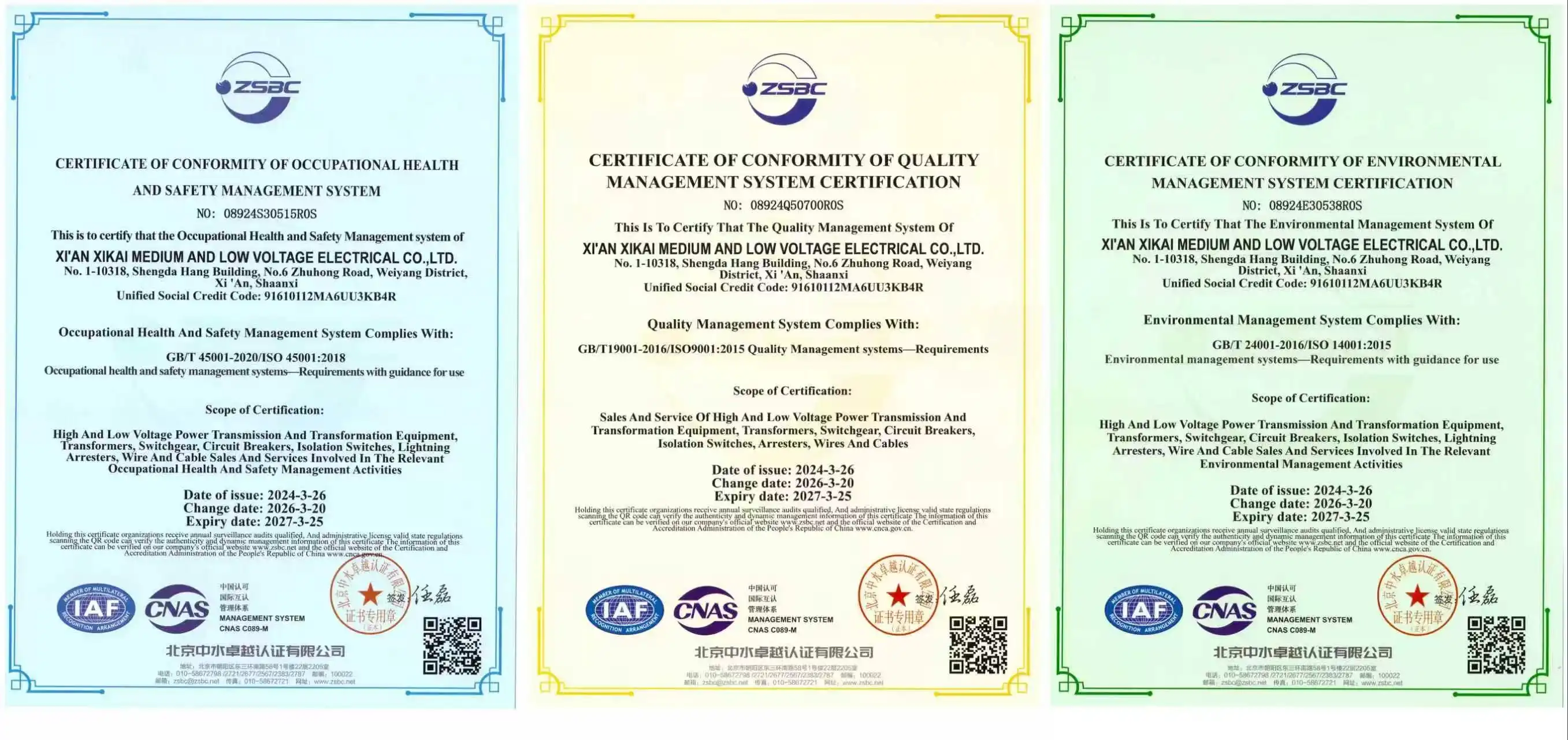
Global brands like Siemens, ABB, and Schneider offer broad ranges and service networks, with premium pricing justified by testing, reliability, and support—ideal for multi-state utility projects. Specialised suppliers like Xi'an Xikai provide cost-effective alternatives with 100+ switchgear types, 85kV dielectric testing, 10,000+ cycles, ISO 9001, and IEC/IEEE compliance. Procurement must verify engineering support, spare parts availability, training, and references.
Import Regulations and Logistics Management
When you bring electrical goods into the United States, you have to deal with customs rules and safety standards for the goods. Disconnect switches are classified under HTS code 8535.30, and their current tax rates depend on where they come from and the state of trade agreements. To meet customs rules, importers must give thorough technical specifications that show the product meets UL, ANSI, and IEEE standards.
Logistics planning takes into account the physical problems that come up when you have to move heavy, fragile equipment. A 40.5kV disconnect switch unit could weigh between 500 and 800 pounds and needs to be carefully packed to keep the insulation from getting damaged while it's being shipped by sea or by land. Container loading diagrams that show the best ways to distribute weight and secure items keep them from moving around while they're being moved. Coordinating delivery with project plans makes sure that equipment arrives at the right time for work to begin, so there are no costly storage fees or schedule delays.
Buying insurance that covers the value of the equipment and the risks of transporting it saves the money you spend on buying things. Transport by sea, delivery within a country, and storage at project sites until installation is complete and acceptance testing confirms proper functionality should all be covered by policies.
Innovations and Future Trends in High-Voltage Disconnect Switch Technology
As power systems change, High Voltage Disconnect Switches are always getting better, with new features that improve stability, lower upkeep, and make smart grid integration possible. The ability for buying managers to understand new trends helps them make investment decisions that will keep tools useful for many decades.
Advanced Materials and Design Evolution
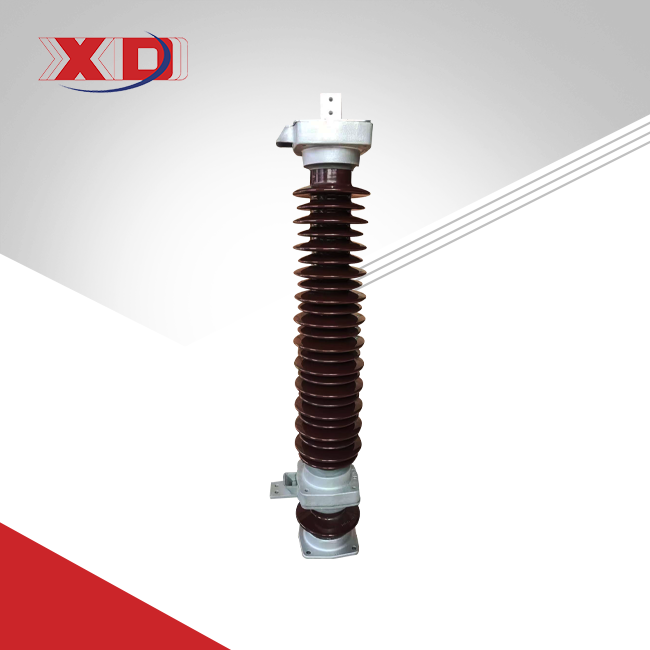
In places with a lot of pollution, where insulator contamination creates tracking paths that lower dielectric performance, standard air break designs don't work as well. Modern switches use silicone rubber insulators that have longer creepage distances and are more resistant to pollution than traditional porcelain insulators. Silicone rubber's hydrophobic surface repels water, keeping insulation intact even when fog, rain, and ice build up. This is especially important for seaside sites and industrial settings where airborne contaminants are common.
The goal of improvements in contact technology is to reduce the amount of maintenance that needs to be done while still ensuring reliable current transfer. Electrolytic copper contacts that are silver-plated survive oxidation better than bare copper, so they keep their low contact resistance over longer service times. Self-wiping contact geometries get rid of surface films while they're working, which keeps the electrical performance stable. Tight contact alignment limits are kept by precision machining and assembly methods. This cuts down on hot spots that speed up degradation.
Improvements to structures make them more resistant to earthquakes. This is especially important for buildings on the West Coast that have to follow earthquake codes. Finite element analysis improves the designs of support structures so that equipment can withstand earthquakes with up to 0.5g of horizontal acceleration and 0.3g of vertical acceleration without losing its usefulness or contact orientation.
Automation and Smart Grid Integration
When motor operators and electronic controls are combined, traditional switches that are operated by hand become assets that can be controlled from a distance and work with modern grid automation systems. IoT-enabled versions of switches, like the GN2 model, can be added as an option and work with SCADA systems without any problems. This lets monitoring and control of substations in different parts of the world be done from one place.
Having the ability to operate something remotely has many perks. Utilities cut down on the need to dispatch crews for routine switching tasks, which lowers operational costs and speeds up response times during emergency reconfigurations. Dispatchers can get accurate information about the state of the system in real time, which stops them from making mistakes that could damage equipment or interrupt service. Advanced load management strategies are possible with automated switching sequences, which improve power flow and lower high demand rates.
Predictive repair is possible with condition tracking sensors built into switch assemblies. Contact temperature measurement finds problems before they break down, so maintenance can be planned instead of repairs being done in an emergency. Mechanical operation counters keep track of accumulated tasks and set off inspections at the right times. Asset management systems use these data streams to make the best use of repair funds across entire fleets of equipment.
Strategic Recommendations for Future-Proofing Investments
The choices we make today about purchases will affect how things work and how much they cost for decades to come. If you choose switch platforms that have mounting holes for motor operators, control wiring lines, and communication connections, you can still make upgrades in the future, even if your current budget doesn't allow for full automation right now. These extra features usually add less than 5 percent to the base price of the equipment, and they keep expensive upgrades from having to be made in the future.
By working with companies that are dedicated to constant growth, you can get access to new technologies as they develop. Suppliers that put money into research and development, help make industry standards, and keep their ISO 9001 certification show that their companies can do more than just make things. They can also keep improving all the time.
Long-term service agreements with equipment suppliers make costs more predictable and give you faster access to parts and expert help. These partnerships are especially helpful as equipment gets older and the people who bought it retire. They help keep institutional knowledge about the features of installed equipment and how to maintain it.
Conclusion
High Voltage Disconnect Switches are essential for keeping power systems running smoothly. They create the visible barriers and isolation needed for maintenance work in utility transmission networks, industrial facilities and commercial settings. Strategic procurement weighs technical needs like voltage class, current capacity, and environmental ratings against economic factors like cost of acquisition, cost of maintenance, and expected service life. Modern design is shown by the GN2 High-Voltage Disconnect Switch, which has a capacity of 40.5kV/2000A, built-in earthing switches, and the ability to be mounted through walls in a variety of ways. To be successful, you need to work with qualified manufacturers who can provide both professional know-how and long-term help. This way, you can be sure that the purchases you make today will last for decades.
FAQ
1. What maintenance schedule optimizes disconnect switch performance?
For good air break designs in moderate environments, full inspections every three to five years should be enough. Measurement of contact resistance (acceptable values below 100 microhms), cleaning of insulators with allowed solvents or high-pressure water, mechanical lubrication according to maker specs, and checking the function of the working mechanism are some of the things that need to be done. Coastal or industrial areas with a lot of pollution may need to clean their insulators once a year to keep them from tracking. Self-lubricating bearings in devices make lubrication times much longer, which lowers the cost of upkeep over the life of the device. Using embedded sensors for condition-based tracking lets you plan maintenance ahead of time so that it only happens when degradation signs go above certain levels, instead of on a set schedule. This method minimises upkeep costs while avoiding failures that come up out of the blue.
2. How do I select between load break and non-load break switches?
Non-load break switches work best in situations where the circuit breakers must open before the switch can work. This is usually the case in industrial and utility setups. Because they are mechanically simple, they are more reliable and cost less to buy and keep up. Load break capability is only worth the extra cost when switching is needed under limited load situations, like in distribution loops, capacitor banks, or certain transformer uses. Instead of defining too much capacity that wastes money, make sure that the load break rates you give actually match the switching tasks you give them. Interlocking systems on sites that don't have load breaks stop people from trying to break the load by accident. This makes them as safe as load break designs when the right operating procedures are followed.
3. What advantages do vacuum switches offer over air break designs?
When space is limited, vacuum technology's small footprints are useful for indoor switchgear applications. Sealed interrupters get rid of the problem of oxidation, which could make repair times longer. But air break designs are most common in outdoor substations because they allow for visual gap verification, which is a very important safety feature, and their construction is tough enough to resist the elements. When an air break fails, it's easy to fix with normal tools, but when a vacuum bottle fails, the whole interrupter has to be replaced. For outdoor utility uses that need obvious isolation and proven reliability, air break technology usually offers better lifecycle value, even though it needs to be maintained a bit more often.
Partner with Xi'an Xikai for Your High Voltage Disconnect Switch Requirements
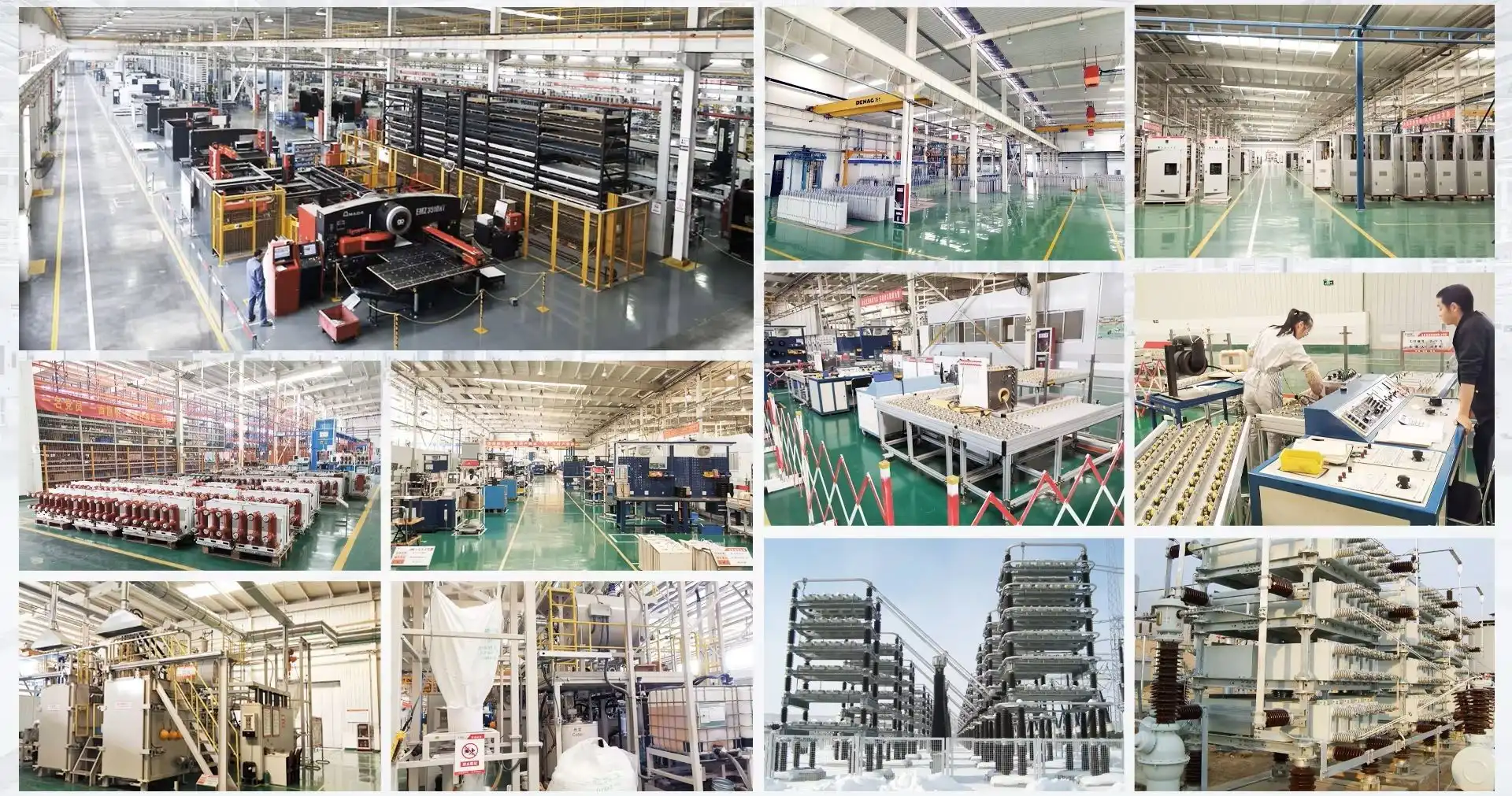
To get a high-voltage disconnect switch, you need a provider that has a lot of technical knowledge, great production skills, and service that is focused on the customer. As a reliable High Voltage Disconnect Switch supplier, Xi'an Xikai Medium & Low Voltage Electric is one of China's biggest factories that makes medium and low-voltage electrical equipment. It has over 100 different product types and 7 main groups of products. Our GN2 High-Voltage Disconnect Switch, which can handle up to 2000A of power and is rated at 40.5kV, shows that we are dedicated to making reliable parts that meet international standards like IEC 62271-102 and IEEE C37.32.
Our engineering team has a lot of experience working on State Grid systems, power engineering projects, steel and metalworking facilities, and rail infrastructure for a wide range of tough needs. Whether you're an EPC company looking for compatible parts, a utility company needing grid stability solutions, or an industrial site manager putting uptime first, our technical experts can help you choose the best tools for the job. Send an email to serina@xaxd-electric.com, amber@xaxd-electric.com, or luna@xaxd-electric.com to talk about your project needs and get competitive quotes from a reputable High-Voltage Disconnect Switch maker.
References
1. IEEE Standard C37.32-2022, IEEE Standard for High Voltage Disconnect Switch, Distribution Substations, and Transmission Stations
2. IEC 62271-102:2018, High-voltage switchgear and controlgear - Part 102: Alternating current disconnect switches and earthing switches
3. Johnson, R.W. and Patterson, M.L., "Reliability Analysis of High-Voltage Air Break Disconnect Switches in Utility Applications," IEEE Transactions on Power Delivery, Vol. 35, No. 4, 2020
4. National Electrical Manufacturers Association, "Application Guide for High Voltage Disconnect Switch," NEMA Publication SG 10-2019
5. Chen, Y. and Williams, D.T., "Comparative Study of Maintenance Requirements for Air Break versus Vacuum Disconnect Switch Technologies," Electric Power Systems Research, Vol. 198, 2021
6. American Society of Civil Engineers, "Seismic Design Criteria for Electrical Substation Equipment," ASCE Standard 693-2020