What is a Lightning Arrester and How It Works?
2026-03-31 15:50:03
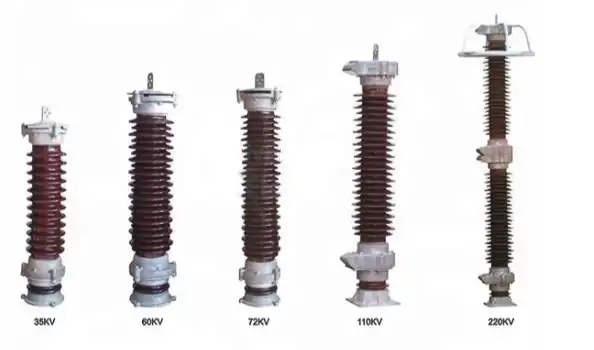
Lightning arresters prevent voltage spikes from lightning and switching surges. It is an insulator by default, but when voltage exceeds safe levels, its resistance drops instantly to divert harmful energy to ground. This vital mechanism safeguards expensive equipment and power network reliability.
What is Lightning Arrester?
Function and role
Lightning arresters are essential to modern electrical infrastructure. These sophisticated devices are the first line of defense against power system-crashing overvoltage events. Lightning arresters are intelligent switches that activate when dangerous voltage levels threaten electrical equipment.
Technical Specifications
Specialized materials, mostly zinc oxide varistors, give the device unique electrical properties. These materials have extremely high resistance under standard operating voltage, making them invisible to the electrical system. Modern arresters' non-linear voltage response is beautiful. Lightning and switching operations cause voltage spikes that lower the arrester's resistance in microseconds. This immediate response creates a low-resistance ground pathway, diverting dangerous energy from sensitive equipment.
Industrial Facility Benefits
Because they need reliable power, industrial facilities benefit from this protection. Manufacturing plants making millions of dollars cannot afford voltage disturbance-related equipment failures. Data centers hosting critical information systems need constant protection from power anomalies that could wipe out data.
Engineering and Materials Science Advances
These devices' engineering evolves with materials science and manufacturing advances. Polymer housings in modern arresters resist environmental degradation and provide better mechanical strength than porcelain.
The Problem It Solves
The Overvoltage Risk
Overvoltage events occur frequently and can destroy millions of dollars of equipment in seconds. Lightning strikes send massive energy surges through power lines at high speeds, seeking the lowest resistance to ground. Without protection, this energy destroys transformers, circuit breakers, and sensitive electronics.
Effects on Manufacturing Facilities
Manufacturing facilities suffer most from voltage spikes. Programmable logic controllers, variable frequency drives, and computerized monitoring systems make production lines vulnerable to transient voltages. A single lightning strike can shut down production, costing money, time, and customer relations.
Critical Hospital Systems Impact
Another critical application where power quality affects human safety is hospitals. MRI machines, ventilators, and patient monitoring systems need stable power. Voltage disturbances can cause critical procedure equipment failures, endangering patient lives.
Utility Company Challenges
Utility companies struggle with grid stability across large transmission networks. Switching operations, faults, and weather continue to threaten system reliability. Each outage costs utilities valuable revenue and damages their reliability.
The Bigger Financial Impact
Equipment replacement costs are not the only financial impact. Business interruption, lost productivity, and emergency repairs make inadequate surge protection costly. After one major voltage event, properly installed surge protection systems pay for themselves in downtime and equipment replacement costs, according to studies.
Modern electrical system vulnerabilities evolving
Modern electrical systems are more sensitive to voltage variations as digitalization advances. Smart grid technologies, renewable energy integration, and industrial automation create new vulnerabilities that require advanced protection.
Core Features & Functionality Deep Dive
Modern Lightning Arresters' Advanced Features
Modern lightning arresters have several advanced features that set them apart from surge protectors. These systems use zinc oxide discs in series to achieve precise voltage-current characteristics using metal oxide varistor technology.
Nonlinear Resistance
Modern lightning arresters' most important function is non-linear resistance. Leakage current is typically less than one milliampere under normal voltage. This low current flow keeps the arrester ready for protection without interfering with system operations.
Fast Overvoltage Response
Overvoltage exponentially lowers varistor resistance, allowing large current flow to ground. This nanosecond response protects against most electrical disturbances before they reach connected equipment. The arrester conducts until the voltage normalizes, then automatically returns to high resistance.
Extreme-condition safety mechanisms
In extreme fault conditions, pressure relief mechanisms add safety. Controlled venting prevents explosive failure that could harm personnel or equipment if internal pressure exceeds design limits. This fail-safe design makes arrester failure predictable and manageable.
Ability to Dissipate Energy
How much surge energy the arrester can absorb without damage depends on energy dissipation. To withstand repeated surge events, high-energy arresters have improved cooling and internal construction.
Performance in Different Environments
Temperature coefficients affect arrester performance in different environments. Quality arresters provide consistent protection from arctic cold to desert heat, regardless of installation location.
Outdoor Installation Pollution Resistance
Outdoor installations exposed to salt spray, industrial emissions, or desert dust must resist pollution. Innovative polymer housings resist tracking and flashover in contaminated conditions that would compromise traditional insulators.
Technology Behind Lightning Protection Systems
Lightning Arresters' Evolution
Modern lightning arresters are based on decades of materials and electrical engineering research. Due to its better voltage-current characteristics than silicon carbide designs, zinc oxide varistor technology has become the dominant method.
Advanced Manufacturing Methods
Optimizing electrical properties requires precise grain size, doping levels, and sintering temperatures in varistor manufacturing. A single arrester element has billions of parallel protection paths because each zinc oxide grain is a microscopic voltage regulator.
Housing Material Innovations
Polymer housing technology eliminated porcelain insulators' brittleness and weight, revolutionizing arrester design. Silicone rubber housings are hydrophobic, shedding water to prevent electrical tracking.
Sealed Construction Increases Durability
Sealed construction eliminates moisture ingress that caused arrester failures. Advanced sealing compounds allow internal component thermal expansion and maintain integrity across temperature cycles.
Vigorous Quality Control
Manufacturing quality control ensures batch-to-batch performance. To meet international standards, each arrester is impulse tested, thermally cycled, and accelerated aged.
Innovative Maintenance and Monitoring
Installation accessories like disconnect switches allow system testing and maintenance without shutdowns. Advanced models provide real-time arrester and surge data via remote monitoring.
Smart Sensor Predictive Maintenance
Smart sensors enable predictive maintenance that optimizes replacement timing and protects continuously. These sensors predict end-of-life conditions by monitoring leakage current, surge counter, and internal temperature.
Key Advantages for Industrial Applications
Protection Against Downtime and Equipment Failure
Lightning arresters protect against catastrophic equipment failures that prolonged production line shutdowns. These devices protect manufacturing revenue by reducing the risk of unexpected outages.
Extended Equipment Lifespan and Reduced Maintenance Costs
Motors, drives, and control systems last longer when voltage stresses are kept within design parameters. Lightning arresters prolong maintenance intervals and lower unexpected repair costs by reducing insulation degradation from voltage spikes. Modern metal oxide arresters run for decades without maintenance, unlike gap-type arresters that needed frequent adjustments and replacements. This feature keeps arresters' maintenance low throughout their lifespan.
Financial and Insurance Benefits
Insurance benefits often follow surge protection system installation. Due to the lower risk of weather-related claims, many insurers lower premiums for facilities with comprehensive lightning protection systems.
System Compatibility and Energy Efficiency Improvements
Lightning arresters are compatible with existing electrical systems, making retrofits easy. Standard mounting configurations and electrical connections allow easy integration into existing layouts without major modifications. Lightning arresters improve energy efficiency by eliminating voltage disturbances that cause equipment to operate outside optimal parameters. Variable frequency drives, power supplies, and other sensitive loads operate efficiently with clean power.
Potential Limitations & Considerations
System Stress and Coordination Challenges
Lightning arresters can experience temporary overvoltage due to system faults or resonance effects. Conditions may stress arresters beyond their continuous operating capability, causing failure. A proper operational sequence during fault conditions requires effective coordination with other protective devices. Poorly coordinated systems may cause nuisance operations or inadequate protection, leaving critical equipment vulnerable during fault scenarios.
Environmental and Installation Factors
Environmental factors affect arrester selection and performance. High-altitude installations must take into account reduced air density on external insulation. Extreme temperatures may require higher arrester specifications. Installation quality greatly affects lightning arrester effectiveness. Maximum protection requires proper grounding, clearances, and mounting. Poor installation can reduce arrester effectiveness and safety.
Cost, Maintenance, and Replacement
Lightning arresters can be expensive to install, especially in large installations with many units. However, lifecycle cost analysis usually yields positive returns by avoiding damage and downtime. Lightning arresters must be replaced promptly according to manufacturer and local environmental factors. Although arresters can last decades, harsh conditions or frequent surge activity may require earlier replacements to ensure protection.
System Updates and Performance Management
Existing lightning arresters must be assessed during system voltage changes. To maintain protection margins and effectiveness, arresters may need to be replaced after voltage or system configuration changes.
Lightning Arrester Performance Compared to Alternatives
Evolution from Traditional to Modern Arresters
Traditional gap-type arresters introduced surge protection. Despite their lower initial cost, these devices had inconsistent operation, high maintenance, and limited surge handling. This yielded more advanced solutions. Modern metal oxide arresters offer better protection with less maintenance. These surge protectors are the best choice today because they can handle high energy levels and perform reliably.
Limitations of Complementary Protection Devices
Low-voltage surge protectors protect sensitive electronics in different ways. These devices cannot manage high-voltage power system energy levels, so arresters are needed to protect primary electrical infrastructure. Although gas tube arresters have high let-through voltages, they handle surges well. This means they may not protect modern, sensitive equipment that needs lower voltage for safety. While isolation transformers and filters are effective for power conditioning, they cannot respond quickly to lightning-induced transients. They support arrester protection but cannot replace lightning protection's immediate action.
Role of UPS Systems in Power Protection
UPS protects connected loads well but is expensive for entire electrical systems. Lightning arresters provide system-wide protection at a fraction of the cost, allowing UPS systems to focus on power quality and backup.
Layered Protection Strategy for Improved Reliability
Lightning arresters combined with complementary protection technologies create layered defense systems that address multiple power quality issues. This strategy improves system reliability and electrical disturbance resilience.
Target Applications & Ideal Use Cases
Industrial Sites
Performance lightning arresters are mostly used in large industrial facilities. Automotive, pharmaceutical, and food manufacturers need continuous operation to meet production targets. These facilities benefit from comprehensive surge protection that prevents costly lightning-related shutdowns and maintains productivity.
Health Care Facilities
Hospitals need reliable power for life-critical medical equipment. Lightning arresters protect expensive diagnostic, surgical, and patient monitoring devices from voltage disturbances, improving patient care and medical service reliability.
The Data Center
Cloud, financial, and communications data centers must maintain uptime to meet service level agreements. Lightning-related outages can cascade through interconnected networks, affecting thousands of users and causing significant financial losses. Surge protection prevents this.
Utility Substations
Residential and commercial utility substations need strong protection during storms to maintain grid stability. Distribution system arresters prevent customer outages and protect utility equipment.
Installations of renewable energy
Solar farms and wind farms are often located in lightning-prone areas. Arrester protection is necessary to keep these investments profitable despite harsh environmental conditions and support the transition to sustainable energy.
Rail electrification
Rail electrification systems must withstand lightning along extensive overhead conductor networks. Lightning arresters ensure passenger service continuity and traction power supply protection during severe weather events, improving public transportation safety and reliability.
Conclusion
Modern electrical systems are increasingly vulnerable to voltage disturbances, so lightning arresters are essential. The advanced materials science and proven engineering principles in these devices provide reliable surge protection for various applications. Knowing their operation, benefits, and drawbacks helps implement comprehensive electrical protection strategies. Lightning arresters will adapt to new protection challenges while protecting critical infrastructure investments as electrical systems become more complex and sensitive.
Frequently Asked Questions
Q1: How long do lightning arresters typically last in service?
A: Modern metal oxide lightning arresters last 20-30 years under normal conditions. Environmental conditions, surge activity frequency, and installation quality affect service life. Frequent monitoring optimizes replacement timing.
Q2: Can lightning arresters protect against all types of electrical surges?
A: Lightning arresters are effective at preventing lightning-induced surges and switching transients but may not improve power quality. They work best in combination with surge protective devices for sensitive equipment and power conditioning equipment to improve power quality.
Q3: What maintenance is required for lightning arresters?
A: Compared to older technologies, metal oxide arresters require little maintenance. Annual visual inspections check for damage, contamination, and loose connections. Electrical testing every few years checks leakage current and protection. Modern monitor-equipped arresters continuously assess condition.
Transform Your Electrical Protection with Xi'an Xidian Lightning Arrester Solutions
You can count on Xi'an Xidian, a trusted lightning arrester supplier, to make high-quality lightning arresters and other advanced surge protection products that keep important electrical equipment safe. Our equipment that is rated for plateaus works efficiently at heights of up to 4,000 meters and meets strict international standards. We offer custom security systems for factories, hospitals, and data centers across the country. Our over 100 product variations and patented polymer technologies make this possible. Are you ready to make your building safer from surges? Send emails to serina@xaxd-electric.com, amber@xaxd-electric.com, and luna@xaxd-electric.com for expert advice.
References
1. IEEE Standard C62.11-2012: IEEE Standard for Metal-Oxide Surge Arresters for AC Power Circuits
2. International Electrotechnical Commission IEC 60099-4: Surge Arresters - Part 4: Metal-oxide surge arresters without gaps for a.c. systems
3. Hinrichsen, Volker. Metal-Oxide Surge Arresters: Fundamentals and Applications. Berlin: Springer-Verlag, 2019
4. McDermott, Thomas E. Lightning Protection for Power Systems. IEEE Power Engineering Society, 2018
5. Greenwood, Allan. Electrical Transients in Power Systems: Theory, Phenomena and Applications. New York: Wiley-IEEE Press, 2017
6. Cooray, Vernon. An Introduction to Lightning: Physics, Technology and Applications. Dordrecht: Springer Science+Business Media, 2020
_1774417662667.png)