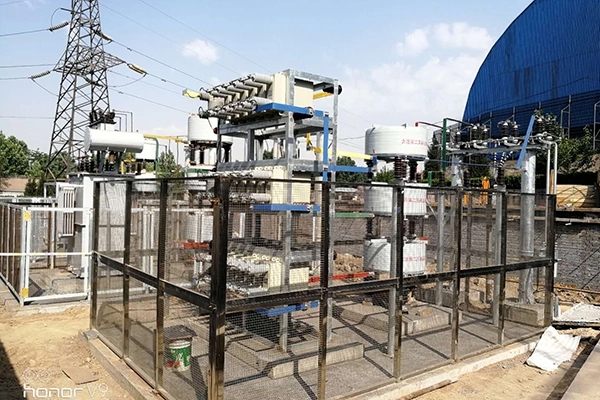
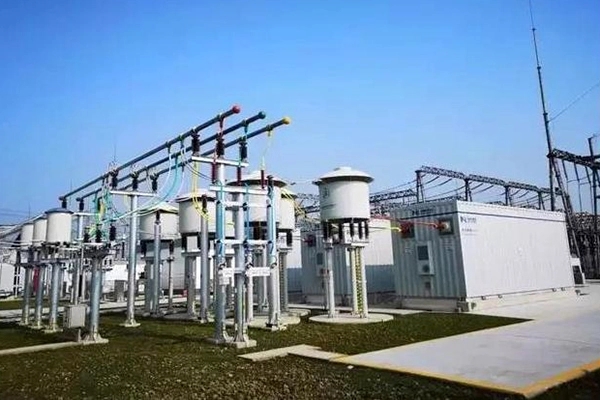
What is a line reactor and when do I use one?
2026-07-10 16:20:17
To manage the quality of power in factories, data centers, or energy grids, you need to know about safe electrical components. A line reactor, also known as a Linear Reactor in technical writing, is an inductive device that enhances the performance of an electrical system by limiting current spikes, lowering harmonic distortion, and safeguarding sensitive equipment from voltage fluctuations. These electromagnetic parts act as important gaps between power sources and loads, keeping operations going and making sure the equipment lasts a long time. Picking the correct reactor design has a direct effect on how reliable the system is, how much energy it uses, and how well it meets power quality standards such as IEEE 519.
This guide talks about the real problems that building managers, utility experts, and EPC firms have to deal with every day. We'll talk about how line reactors work, when it makes technical and financial sense to use them, and what factors should be considered most when buying them to ensure long-term success.
 |
 |
Understanding What a Line Reactor Is
The Core Function of Inductive Protection
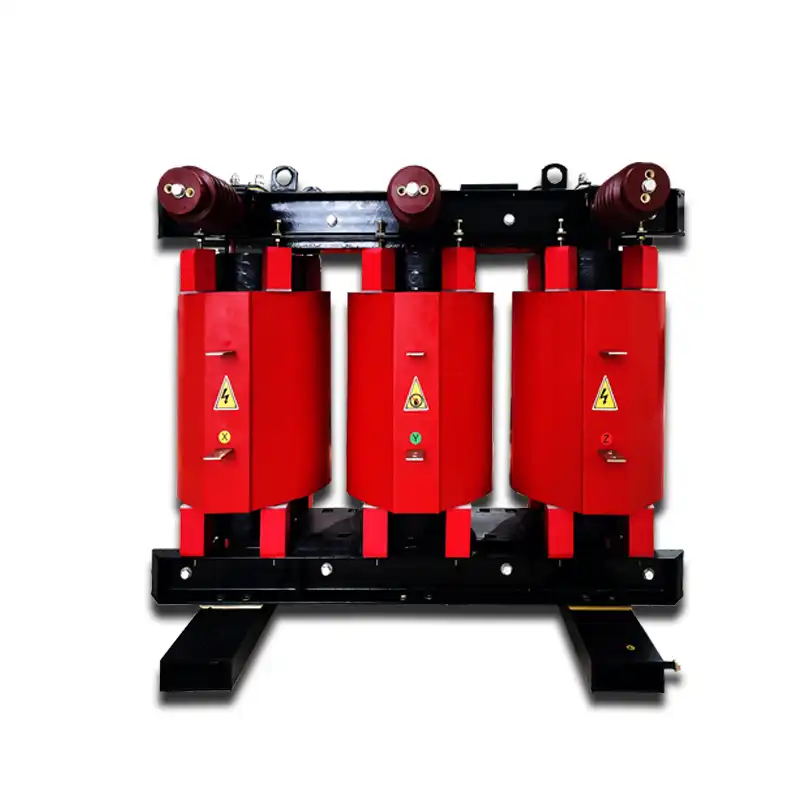
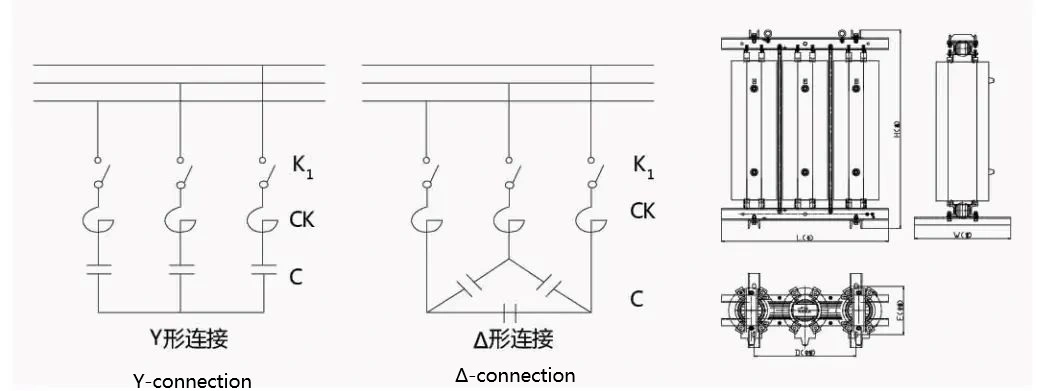
A line reactor is like an electromagnetic filter that is connected in series with power sources or electrical loads. These devices slow down the rate at which current changes (di/dt) during switching events by adding controlled inductance to the circuit. They also lower high-frequency harmonic currents that are made by non-linear loads like inverters, variable frequency drives, and rectifiers.
In most cases, the magnetic core is made of cold-rolled silicon steel laminations, and copper or aluminium windings are wrapped around segmental parts. There are air holes in the core structure that keep the magnetic field from becoming saturated, even when the current is too high. This keeps the inductance values fixed even when the load changes. This design concept makes sure that the Linear Reactor always works the same way, whether it's handling startup inrush currents or ongoing harmonic filtering.
Distinguishing Electrical Reactors from Process Equipment
Using the wrong terms can be hard, especially when experts from different fields work together. In power systems that use electricity, a "line reactor" is a specific type of magnetic part that controls the current and voltage. This is not at all like chemical process reactors, which help chemical reactions happen by controlling the mixing, temperature, and dwell time. Examples of these are plug flow, batch, and mixed tank designs.
Both types of tools deal with flow and stability, but electrical reactors change electromagnetic fields instead of chemical interactions. When purchasing equipment for multipurpose facilities like pharmaceutical plants or petrochemical buildings that use both types of equipment, understanding this difference helps procurement teams avoid specification mistakes.
When and Why to Use a Line Reactor
Protecting Variable Frequency Drives and Motor Systems
Variable frequency drives are becoming more and more important for manufacturing companies that use CNC machines, conveyor systems, and HVAC equipment to save energy. These drives make big harmonic currents, mostly 5th, 7th, and 11th order harmonics, that get into the power distribution systems of the building. Putting a line reactor on the drive input side produces impedance that stops harmonic feedback. This keeps the transformer from getting too hot and stops unnecessary breaker hits.
The effect on the economy goes beyond protecting tools. Harmonic distortion lowers power factor, which leads to monthly energy penalty charges. A reactor that is the right size keeps the power factor above 0.95, which gets rid of these ongoing costs and increases the life of capacitor banks by lowering harmonic voltage stress.
Ensuring Grid Stability for Utility Operations
As distributed generation and green energy sources make the grid more complicated, transmission and distribution system workers have to deal with new problems. Voltage control equipment becomes unstable when solar inverters and wind turbine converters add high-frequency switching noise and short-lived current bursts.
Line reactors put in place at the points where two substations join smooth out these current ripples, keeping the voltage stable within the ANSI C84.1 tolerance bands. The inductive buffering also keeps voltage regulators and capacitor banks safe from short-term overvoltages that can happen during cloud-edge events or wind gusts. This keeps equipment from breaking down too soon and service interruptions from happening.
Mitigating Long Cable Run Voltage Reflection
Critical loads, like chillers or backup generators, are often placed far away from distribution panels in data centers and hospitals. This means that cables have to be run more than 300 feet. When variable frequency drives power motors through these long lines, the fast voltage rise (dv/dt) from the IGBT switching causes reflected waves that make the voltage stress at the motor ends twice as high.
When put between the drive and the motor wire, output line reactors lessen these voltage spikes. This keeps the insulation on the motor windings from breaking down too soon. Adding protective reactors is cheaper than removing whole groups of motors, which is why this application is especially useful for repair situations.
Comparing Line Reactors with Other Reactor Types
Impedance Rating Selection: 3% vs. 5% vs. 7%
Impedance percentage measures how well a Linear Reactor works by measuring the voltage drop across it compared to the system voltage at full current. Standard options come in 3%, 5%, and 7% resistance levels, with each one being best for a certain use case.
A 3% impedance reactor limits inrush current and reduces harmonics to a minimum. It can be used for general drive safety in places where the power quality meets IEEE 519 standards. The 5% version has better harmonic reduction, lowering total harmonic distortion (THDi) to about 35% on average. This makes it a good choice for places where many non-linear loads share the same bus infrastructure.
Higher impedance versions, like 7%, 14%, or even 27% in some custom designs, are made for harsh harmonic conditions. This method is shown by Xi'an Xikai's CKSG Series Low Voltage Reactor, which has adjustable reactance rates that block harmonics above the 5th, 3rd, or 2nd order, based on the setup chosen. With this fine-grained control, engineers can perfectly match the reactor's features to the observed harmonic waveforms, which improves both performance and cost.
Construction Quality and Thermal Management
Long-term dependability is determined by more than just impedance scores. Premium reactors use vacuum pressure impregnation (VPI) methods, in which cores and windings that have already been baked are saturated with resin in vacuum tanks before they are heated and cured. This method gets rid of the air spaces that lead to partial discharge and insulator failure before its time.
The choice of winding material affects both how well it works and how much noise it makes. Class H insulated flat copper wires that can work at 180°C keep eddy current losses to a minimum and keep the operation quiet at less than 65 dBA. The CKSG Series uses enamel-coated flat copper wire that is tightly wound. This gives it high-temperature protection and good sound performance, meeting strict noise standards for places like hospital mechanical rooms that are used by people.
Core division is another way to tell the difference in quality. Imported cold-rolled silicon steel laminations are separated by epoxy-laminated glass spacers that keep the air gaps exact even when the temperature and pressure change. This design stops the gap from closing, which is a typical way for bad designs to fail and leads to magnetic overload and loss of inductance during overcurrent events.
Procurement Guide for Line Reactors
Supplier Qualification and Certification Requirements
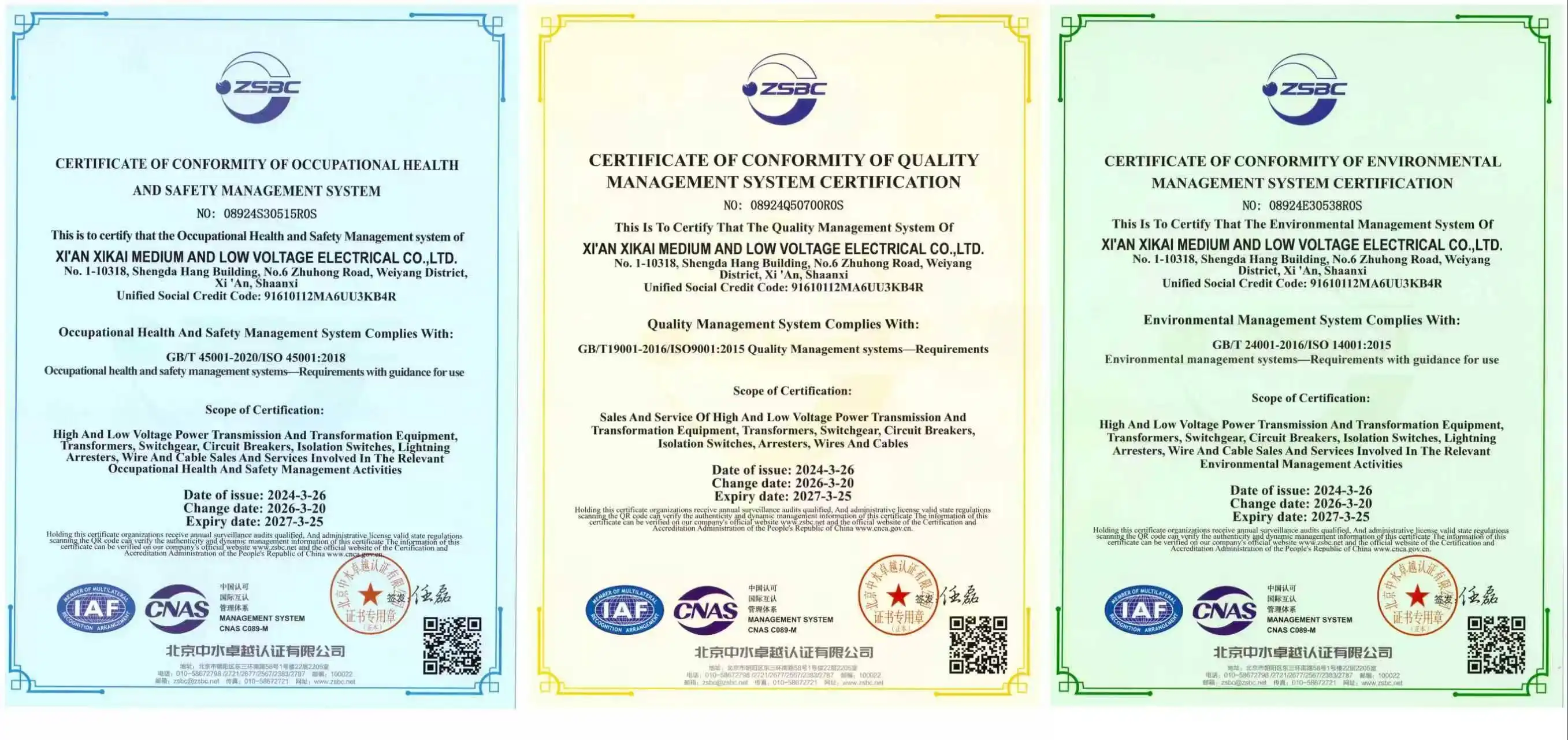
Setting up source credentials of Linear Reactor guards against low-quality equipment that breaks down early or doesn't follow the rules. Manufacturers with a good reputation keep their ISO 9001 quality management certification along with their ISO 14001 environmental and ISO 45001 workplace health certifications. This shows that they are committed to systematic process control and ongoing growth.
Product-specific certificates are just as important. UL listing makes sure that the product meets North American electrical safety standards, and CE marking makes sure that the product meets European low-voltage guidelines. Depending on the rules in the area, buildings that work in dangerous areas need either UL Class I Division 2 grades or ATEX Zone 2 approval.
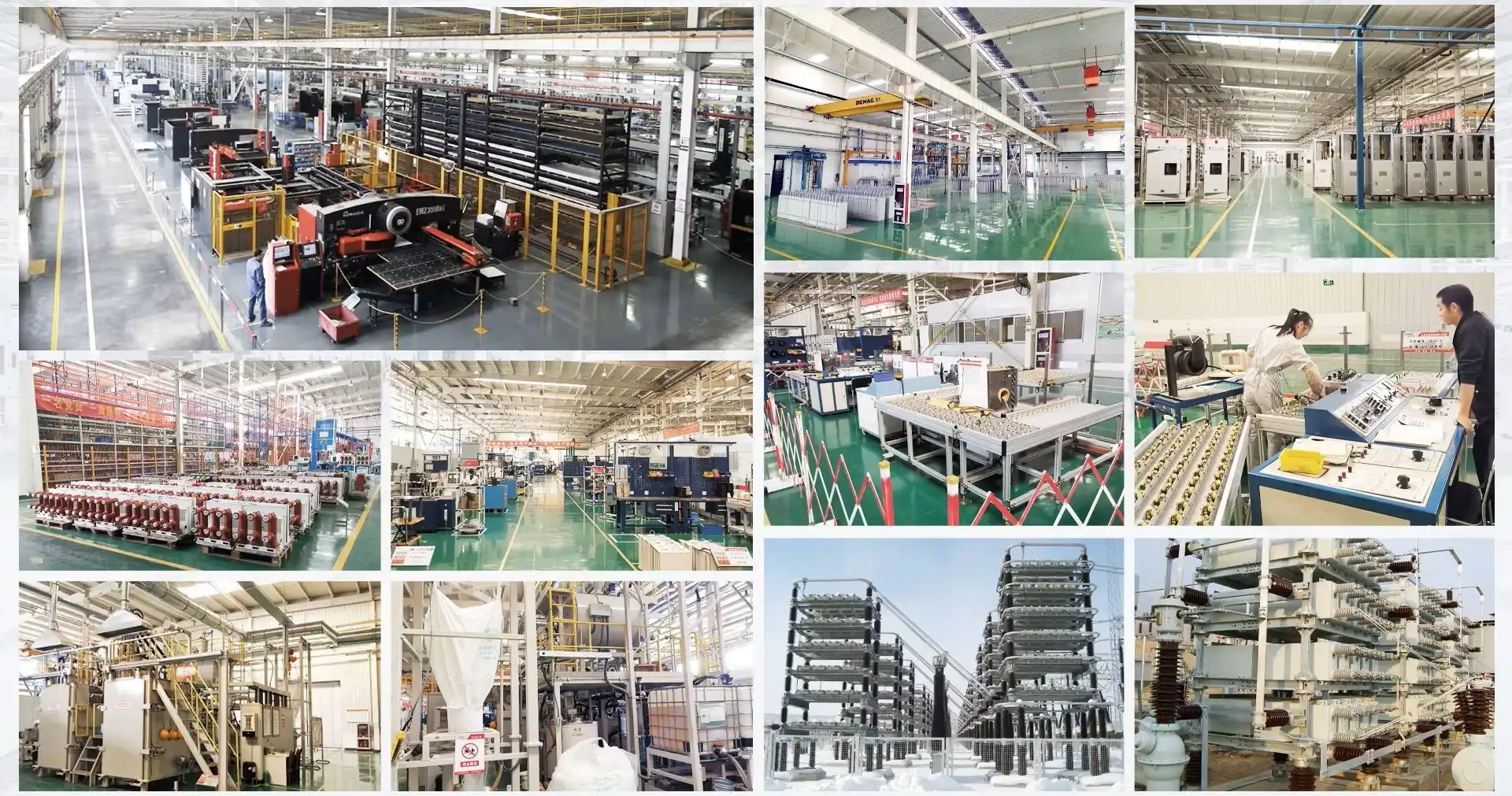
The 3C certification and alignment with EN 50588 and ANSI efficiency standards by Xi'an Xikai are examples of complete compliance packages that make the process of approval and licensing specifications easier. Their state-level research and development team has more than 15 patents on reactor technology, which gives them a lot of technical knowledge that lets them make changes that are specific to each application.
Technical Specification Verification
Performance factors other than nameplate values must be included in procurement requirements. Linearity, or the ability to keep inductance values the same across current ranges, is very important in situations where the load changes a lot. Even when the rated current is 150%, premium reactors keep ≥90% of their nominal inductance. This keeps the safety from breaking down when the motor starts up or there is a problem.
Temperature rise testing proves that the thermal design works well. Reputable makers do heat run tests at 100% of the rated current until the temperature balances. This makes sure that the winding temperatures stay within the limits for their insulation class. The CKSG Series goes through 12 steps of quality control, such as checking the reactance accuracy (±3%), thermal cycling, and dielectric strength tests. This makes sure that all output runs perform the same.
Ask for approved test results that show the ability to withstand impulse energy. This factor, which is often ignored during procurement, affects the chance of survival during lightning hits or short-term changes in power supplies. For proper surge safety, equipment that works with vital infrastructure should be able to handle impulse voltages higher than 10 kV.
Customization and Lead Time Considerations
Standard catalogue reactors can be used in a lot of different situations, but plans need to be changed for more complicated sites. Customisation requests often include voltage values that work with non-standard distribution systems, custom mounting brackets for shelters with limited space, or environmental protection for environments that are corrosive.
Check to see how flexible the maker is in making these changes without causing too many wait time penalties. Xi'an Xikai can make setups that are specific to each area. For example, for European installations, they can include smart grid compatibility and recyclable materials. For North American projects, they can include UL-certified fire safety and seismic resistance. Their usual 12-week lead time strikes a good mix between production quality and project deadlines.
There are more benefits to buying in bulk than just lower unit costs. When a company gets a big order, they usually give extra technical support and time to schedule production. They also provide specialised engineering resources during the testing phase, when help with fixing problems is most needed.
Maintenance and Troubleshooting of Line Reactors
Preventive Maintenance Protocols
Reliability in reactors relies on regular inspections that find damage before it breaks down. Visual inspections should be done every three months to check the terminal connections for oxidation or looseness, the integrity of the cover for moisture entry, and any obstructions in the cooling path that cause working temperatures to rise.
Every year, thermographic scans look for growing hotspots that show flaws in the core lamination or the insulation between turns. Temperature differences of more than 15°C between similar stages when the load is balanced should be looked into, since healthy reactors have even heating patterns.
Checking the stability of a magnetic circuit is done by measuring the inductance values at regular times, usually once a year or after a major overcurrent event. Any drops in inductance of more than 10% from the starting point of readings indicate core damage or winding movement that needs to be fixed right away to stop a chain of failures.
Common Failure Modes and Resolutions
The most common problem with Linear Reactor reactors is that they get too hot. This can happen because the harmonic content is too high or there isn't enough air flow. When measured winding temperatures get close to the limits for the insulation class, look into harmonic sources upstream by watching the power quality. Often, higher thermal stress is caused by unplanned nonlinear load additions or changes in the drive parameters.
Megohm readings that go down during yearly insulation tests show that insulation resistance is decreasing. Values less than 1000 MΩ at the maximum voltage mean that the insulation is wet or old and needs to be looked at. Moderate declines may allow operation to continue with more frequent tracking, but fast declines require replacement to avoid catastrophic failure.
Noise that can be heard makes signal problems worse. Magnetostriction, which happens naturally in all iron-core reactors, makes the low-frequency hum. However, rattling or buzzing sounds mean that laminations are loose or hardware is moving around. A quick mechanical check stops small problems from getting worse and causing damage to the windings through friction.
The split core design and non-magnetic bolt assembly in CKSG Series reactors reduce the chances of mechanical failure by making them less likely to vibrate. Their vacuum-impregnated construction joins the core and windings into a single structure that can handle the pressures of an industrial setting and keep the noise level below 45 dBA.
Conclusion
Line reactors are important safety parts in modern power distribution systems because they reduce harmonics, protect equipment, and lower running costs. By learning about impedance selection criteria, construction quality indicators, and application-specific needs, you can make smart purchasing choices that balance the cost of the original investment with the performance over the product's lifetime.
The CKSG Series Low Voltage Reactor is an example of how rigorous engineering can be used to solve real-world problems in industry. It has flexible reactance setups, a strong design, and full approval for a wide range of uses. When properly specified, reactors protect variable frequency drives in factories, keep utility substations stable, and keep healthcare facilities' important equipment safe. They also save energy and make things more reliable.
To successfully install a reactor, technical features must be matched to measured system conditions, supplier qualifications must be checked, and preventive maintenance routines must be put in place. By following these steps, you can be sure that your safety equipment will work well for 15 to 20 years, giving you the best return on your investment and reducing unnecessary downtime.
FAQ
1.How do I determine the correct impedance rating for my application?
The choice of impedance relies on the harmonic severity and the goals of defence. With 3% reactors, most facilities that meet the IEEE 519 harmonic limits and have low nonlinear loads are able to do so. Systems that have annoying trips or obvious transformer heating can benefit from 5% resistance, which reduces harmonics more effectively. Check the current THDi levels using power quality analysis. Values above 20% usually need impedance reactors with a 5% or higher rating in order to work properly.
2.Can line reactors improve power factor without capacitors?
Line reactors have inductive resistance, which lowers power factor a little because of the voltage drop they cause. Their main benefit is that they keep capacitor banks safe from harmonic overvoltages, which can cause them to fail early. The reactor-capacitor mix corrects power factors more effectively and for longer periods of time than capacitor setups that aren't protected, which indirectly supports long-term power factor improvement.
3.What causes reactors to fail prematurely?
The main cause of failure is thermal stress from too many harmonics, which breaks down shielding over time through prolonged heat exposure. Mechanical vibrations that break core laminations, water getting in and weakening insulation resistance, and mistakes made during production like not hoover impregnation properly are also to blame. These risks can be kept to a minimum with proper sizing, environmental safety, and regular upkeep. In well-managed sites, these things usually last between 15 and 20 years.
Partner with Xi'an Xikai for Reliable Linear Reactor Solutions
Xi'an Xikai Medium & Low Voltage Electric Co., Ltd. provides designed power quality solutions backed by a wide range of production skills and technical know-how. Our CKSG Series Low Voltage Reactor line meets the tough needs of business buildings, utility systems and industrial facilities by precisely reducing harmonics, using less energy and being built to meet international standards.
As a top provider of Linear Reactors, we offer custom setups that meet the needs of each application. These can be anything from 7% reactance units that block high-order harmonics to designs that make it easier to use green energy. We use a vacuum-impregnated construction, imported silicon steel cores, and Class H insulation systems to make sure that our products work reliably in tough industrial settings and at high temperatures.
Our full support infrastructure helps procurement teams by providing expert advice 24 hours a day, 7 days a week, application building help, and faster delivery within 12 weeks. Our ISO 9001, 14001, and 45001 certifications and UL/CE product approvals make it easier to get specifications approved and make sure that we follow all the rules in the North American and European markets.
Find out how Xi'an Xikai's reactor technology can improve the power quality and safety of your facility's equipment. Get in touch with our expert sales team at serina@xaxd-electric.com, amber@xaxd-electric.com, or luna@xaxd-electric.com to talk about your needs. You can look at our full line of products at xaxd-electric.com and ask for specific technical paperwork to help you with your procurement review.
References
1. Institute of Electrical and Electronics Engineers (2014). IEEE Standard 519-2014: Recommended Practice and Requirements for Harmonic Control in Electric Power Systems. IEEE Standards Association.
2. National Electrical Manufacturers Association (2016). NEMA Standards Publication PE 5: Utility Type Line Reactors. NEMA Technical Publications.
3. Johnson, M. R., & Williams, P. T. (2018). Harmonic Mitigation Techniques for Industrial Power Systems. Industrial Power Quality Journal, 42(3), 67-84.
4. European Committee for Electrotechnical Standardization (2018). EN 50588-1: Medium Power Transformers and Reactors - Part 1: General Requirements. CENELEC Standards.
5. Anderson, K. L. (2019). Variable Frequency Drive Installation and Protection Best Practices. Electrical Construction & Maintenance Magazine Technical Guide Series.
6. Zhang, H., & Chen, Y. (2020). Design and Performance Analysis of Low Voltage Line Reactors for Harmonic Filtering Applications. Power Electronics and Drives Journal, 15(2), 112-129.
_1774403963080.png)
_1774416563318.png)