Line Reactors Explained - What Engineers Should Know
2026-07-10 16:20:16
A Linear Reactor is a special kind of electromagnetic inductive part that is made to keep the inductance constant even when the current load changes. This keeps the magnetic field from becoming saturated during times of high demand. These devices keep resistance stable so that power supply lines can filter power well. They do this by removing harmonic distortion, voltage jumps, and inrush currents that can damage sensitive equipment in factories. Line reactors keep Variable Frequency Drives (VFDs), renewable energy transformers, and motor-driven systems from breaking down too soon because of unstable power quality.
 |
 |
Understanding Linear Reactors: Definition, Working Principles, and Design Fundamentals
What Defines a Linear Reactor?
A Linear Reactor keeps its electrical properties even when it's working at very high or very low current levels, while most magnetic components stop working when they're under a lot of stress. It is called "linear" because it can keep at least 90% of its nominal inductance even when it's handling 150% of its maximum current. This is an important performance measure for facilities that have loads that change.
In real life, these reactors act as shields that limit the flow of electricity between unstable power lines and precise machinery. When voltage changes happen, like when lightning hits, capacitor banks switch, or problems upstream, the reactor absorbs the energy through magnetic field expansion instead of letting damaging surges reach devices that are attached.
Core Working Principles and Process Flow
Faraday's law of electromagnetic induction is at the heart of how it works. When alternating current runs through the copper windings of the reactor, it creates a magnetic field that pushes against the changes in current. This resistance shows up as inductive reactance, which is measured in ohms and causes a voltage drop that is related to the size and speed of the current.
In a normal surge event, the process flow looks like this: a rapid voltage spike instantly raises the flow of current. The magnetic field of the reactor grows very quickly, holding on to energy and stopping the rise in current. This delayed current reaction gives safety devices time to act while also stopping voltage doubling effects that can happen with long wire runs. Once the brief is over, the magnetic energy that was saved safely breaks down as heat in the core and windings.
Design Fundamentals and Essential Components
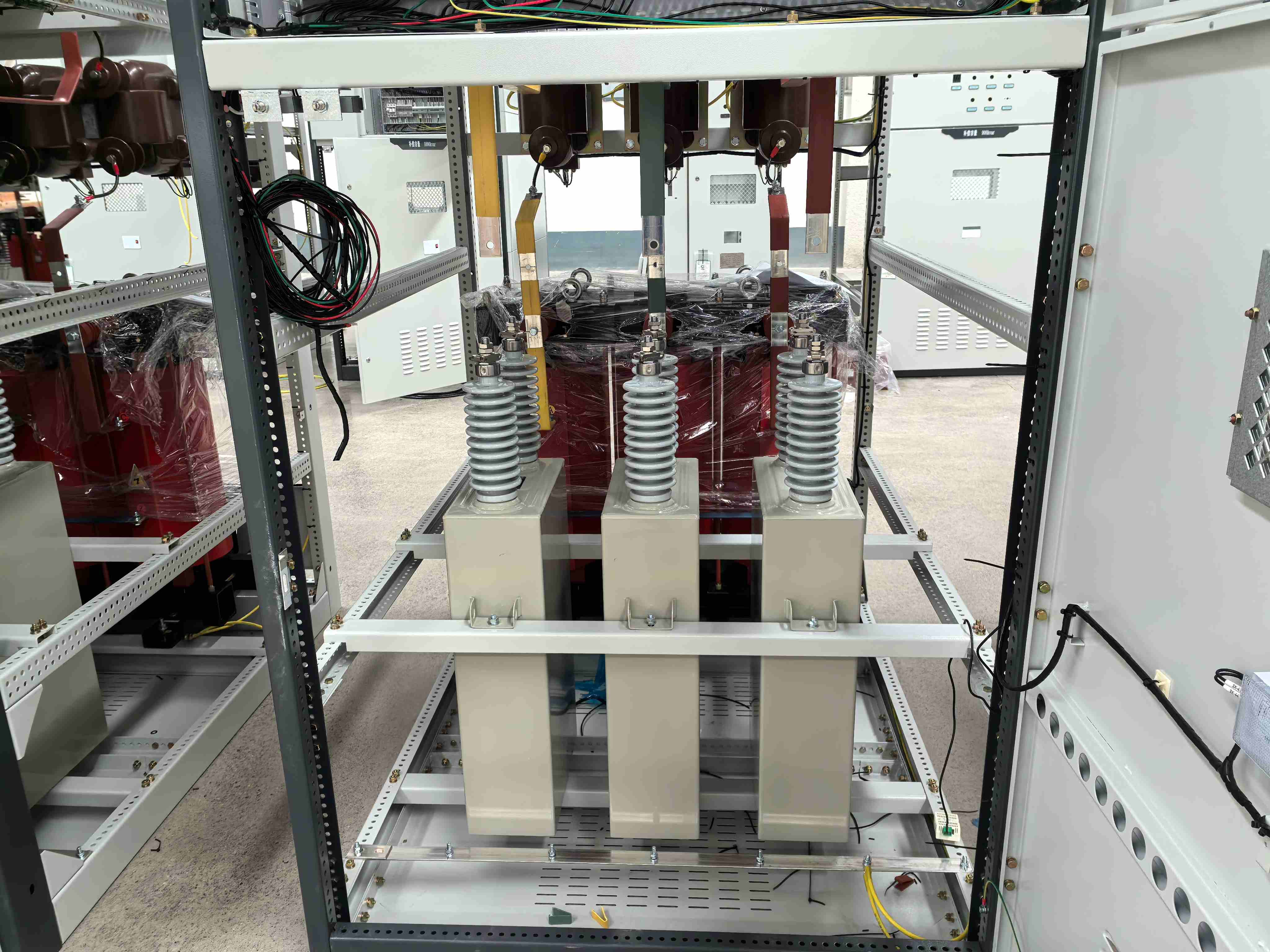
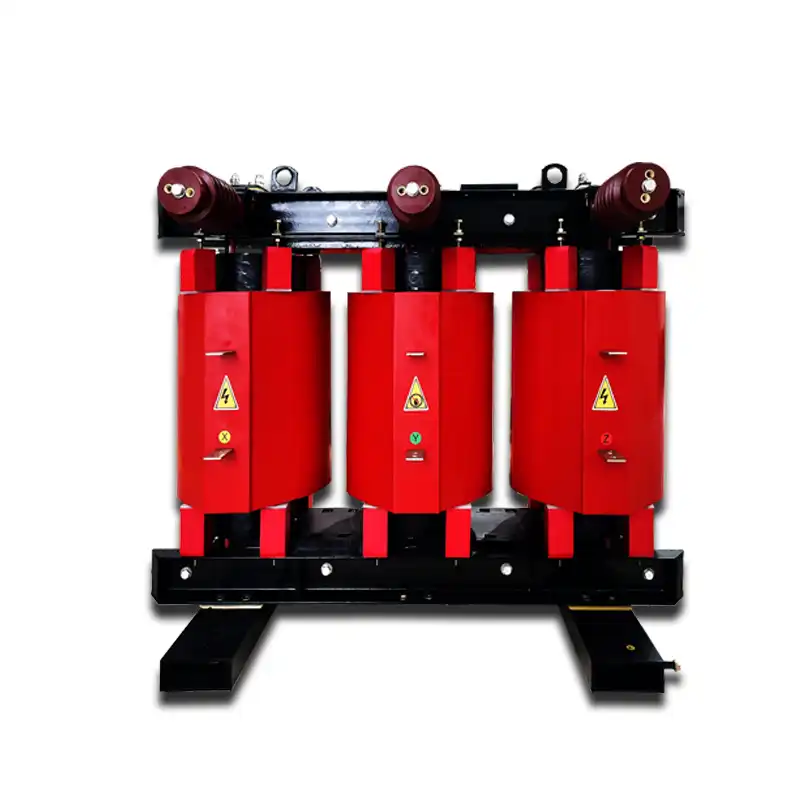
The magnetic core of high-performance reactors like our CKSG Series is made of foreign cold-rolled silicon steel laminations. Epoxy-laminated glass spacers keep the exact air gaps between these thin pieces while they are stacked. This division stops magnetic saturation, which is when the core can't hold any more flux density, so linearity stays the same when it's overloaded.
The windings are made up of flat copper wire that is tightly wound and covered with Class H or Class C metal insulation that can withstand constant operation at 180°C. The flat shape makes the most of the conductor's surface area in a small space, which means it gets rid of heat more quickly than round wire designs. Nonmagnetic stainless steel rivets stop the buildup of localised flux that could cause hot spots or humming sounds.
Manufacturing joined cores and windings go through pre-baking to get rid of any moisture. They are then filled with epoxy glue under vacuum before being heated to harden. This process joins all the parts together to make a single structure that can withstand shaking and changes in temperature.
Materials Influencing Durability and Efficiency
Material choice has a direct effect on how long something works and how much energy it uses. High-quality silicon steel laminations have low hysteresis losses (energy lost when the magnetic field reverses) and almost no eddy current formation. Magnetic permeability is based on the amount of iron in the material and its crystalline structure. This affects how well the core channels magnetic flux.
The quality of the copper wire is very important. Copper that doesn't contain oxygen lowers resistance losses that cause heat. This lets current levels go up without temperature rise problems. The enamel layer has to be able to withstand temperature ageing, mechanical wear and tear during production, and chemical breakdown from water or other contaminants.
The materials used for enclosures depend on the purpose. Standard NEMA-rated sheet steel is fine for placements inside, but powder-coated or stainless steel housings that can handle salt fog rusting are needed near the coast or in chemical plants. The design of ventilation takes into account both the need for cooling and the grade for water protection (IP codes).
Safety Guidelines and Troubleshooting for Engineers
With the right size, most practical problems can be avoided. Engineers need to make sure that the reactor impedance fits the voltage and load features of the system. When they are used normally, reactors that are too small become saturated, losing their ability to defend and making too much heat. Oversized units lose money and cabinet room and cause power drop that isn't needed.
Monitoring temperatures lets you know about problems early on. During setup, thermal imaging sets the standard temperature of hot spots. Readings should stay within the ranges for their insulation class during regular checks. Rising temperatures mean that there isn't enough movement to cool things down, that harmonic currents are higher than expected, or that the insulation is wearing down.
Increasing noise over time is a sign of core laminations that are coming loose or wound movement. If you don't fix this technical problem, it will get worse faster and could lead to turn-to-turn insulation failure. Progress is stopped by tightening hardware to the manufacturer's power specs during yearly maintenance.
Every five years or after an event that might have caused too much electricity, dielectric testing should be done. Putting high-potential electricity between the windings and the ground checks that the shielding is still good. If this test fails, the reactor must be replaced right away to avoid fatal shorts.
Comparing Linear Reactors with Standard Reactor Types: Key Differences and Applications
Flow Dynamics and Reaction Environments
The word "reactor" is used in many different areas of engineering, which can be confusing at times. Reactors are sensitive parts of electrical power systems that control the flow of current, not containers for chemical processes. When looking for parts, this difference is important—saying "line reactor" or "power reactor" clears up any confusion with process equipment like Continuous Stirred Tank Reactors (CSTR) that are used in chemical manufacturing.
The way that electrical reactors are built is very different. Normal air-core reactors get their inductance from the shape of their coils alone. They are cheaper, but they can't handle a lot of power. Iron-core reactors focus the magnetic flux inside steel laminations, which gives them more inductance per unit volume but needs careful gap control to keep them from becoming saturated. Linear Reactor designs focus on keeping the inductance steady across the entire current range. This makes them different from regular iron-core units that are only optimised for rated conditions.
Material Compatibility and Process Control
When putting together a system, electromagnetic compatibility needs to be taken into account. When reactors are put close to sensitive equipment, they can send noise into measurement circuits through stray magnetic fields. Grounding and covering that are done right reduce disturbance. Mounting direction is important—putting reactor cores so they are perpendicular to tools next to them lowers coupling.
Adding thermal control is very important for enclosed circuits. The amount of power that a reactor loses is equal to the sum of the I²R losses in its windings and the core losses. When cabinet builders size air systems, they have to take this heat load into account. Insulation that doesn't get enough airflow ages faster than it should, cutting its useful life from the 20-year design standard to 10 years or less.
Operational Costs and Long-Term ROI Analysis
The initial costs of buying a reactor are only 15 to 20 percent of the total costs of owning it over its lifetime. Utility bills that keep going up because of energy losses add up quickly. A 100A generator with 2% resistance and 480V loses about 960W all the time. At $0.10/kWh industrial rates, this adds up to $16,800 in electricity costs over 20 years, which is a lot more than the cost of the part itself.
Higher-efficiency designs cut down on these losses by using better core materials and coil arrangements. Our CKSG Series has up to 30% lower losses than economy-grade options, and the extra cost is paid for by lower energy bills within 3 to 5 years. This calculation of ROI works better for sites that are open 24 hours a day, seven days a week, or where demand charges punish impulsive power use.
Maintenance costs remain minimal for quality reactors. Reactors don't have any wearing parts like spinning gear does. Inspections that are planned take about two hours a year. Replacement only happens when the insulation fails, which doesn't happen often with units that were properly described. Because reactors are so reliable, they are a good alternative to active power stabilisation equipment that needs to have its capacitors replaced and software updated all the time.
Industrial Applications and Benefits of Using Line Reactors
Critical Infrastructure Deployment
Data centers are an example of a demanding application where the quality of the power of Linear Reactor has a direct effect on the continuation of business. At the 5th, 7th, and 11th harmonic frequencies, server power sources make a lot of harmonic current. These harmonics can cause neutral wires and transformers to boil, which can lead to fires if nothing is done to stop them. Putting in reactors with a 7% reactance on capacitor bank circuits stops harmonics above the 5th order, which protects infrastructure and makes the power factor better.
Hospitals can't stand it when tech breaks down. Medical imaging systems, gadgets that keep people alive, and surgery tools all need clean power with little voltage distortion. Line reactors protect these sensitive loads from changes in the power grid, stopping annoying trips that could stop patient care. The fact that vacuum-impregnated forms don't make noise makes them very useful in hospital settings where noise control is important.
Manufacturing plants face power factor penalties when inductive loads draw excessive reactive power. Power factor is fixed by capacitor banks, but swapping transients can damage capacitors that are not secured. Inrush currents are limited by reactors to 100 times the rated capacity. This makes capacitors last longer, from 3 to 5 years, to 10 to 15 years, and gets rid of energy fees.
Renewable Energy Integration Advantages
In renewable energy systems, inverters convert DC to AC using high-frequency switching, generating harmonics that must be filtered for grid compliance. Output reactors reduce THD to meet IEEE 519 standards. 14% reactance reactors suppress higher-order harmonics, protecting grid equipment and communication systems. In battery storage applications, reactors stabilize voltage fluctuations from frequent power cycling, improving distribution network stability as renewable penetration increases.
Environmental and Safety Benefits for Compliance
Reducing harmonic pollution lowers transformer heating, extends equipment life, and reduces premature replacements, supporting ESG goals and improved energy efficiency. Improved system performance also reduces fossil fuel consumption. Safety benefits include reduced fire risk by limiting fault currents and preventing resonance overvoltages; NFPA data links many fires to overloaded electrical systems. Reactors also reduce arc-flash energy, improving occupational safety and lowering PPE requirements during maintenance.
Procurement Insights: Selecting the Right Reactor for Your Application Needs
Technical Specifications and Compatibility Factors
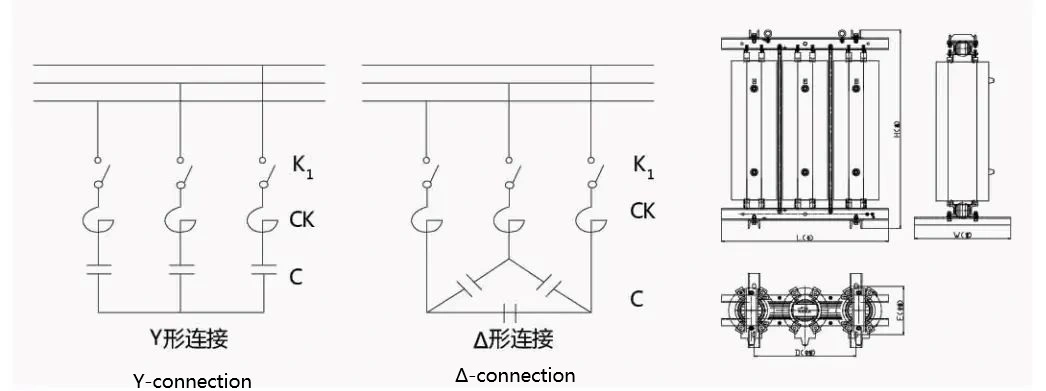
System design begins with determining voltage and load current. Reactor impedance is typically 3–7%, balancing harmonic suppression and voltage drop; higher impedance improves filtering but reduces voltage headroom. Configuration depends on load type: three-phase reactors suit balanced systems, while single-phase units handle unbalanced loads. Environmental ratings include 40°C standard or 50–60°C high-temperature versions, with altitude derating above 1,000 m unless designed for high-altitude (up to 4,000 m) operation.
Customization Options Influencing Decision-Making
Customization options influence system performance and design choices. Reactance values (7%, 14%, 27%) are selected to target specific harmonic ranges, with custom tuning available for specialized applications. Terminal configurations include lug, bus bar, and cable entries, with bus bars preferred for high-current efficiency. Enclosure types vary from open-frame to NEMA-rated housings, while cooling methods—natural, forced-air, or liquid—balance size, cost, noise, and maintenance requirements.
Partnering with Reputable Suppliers
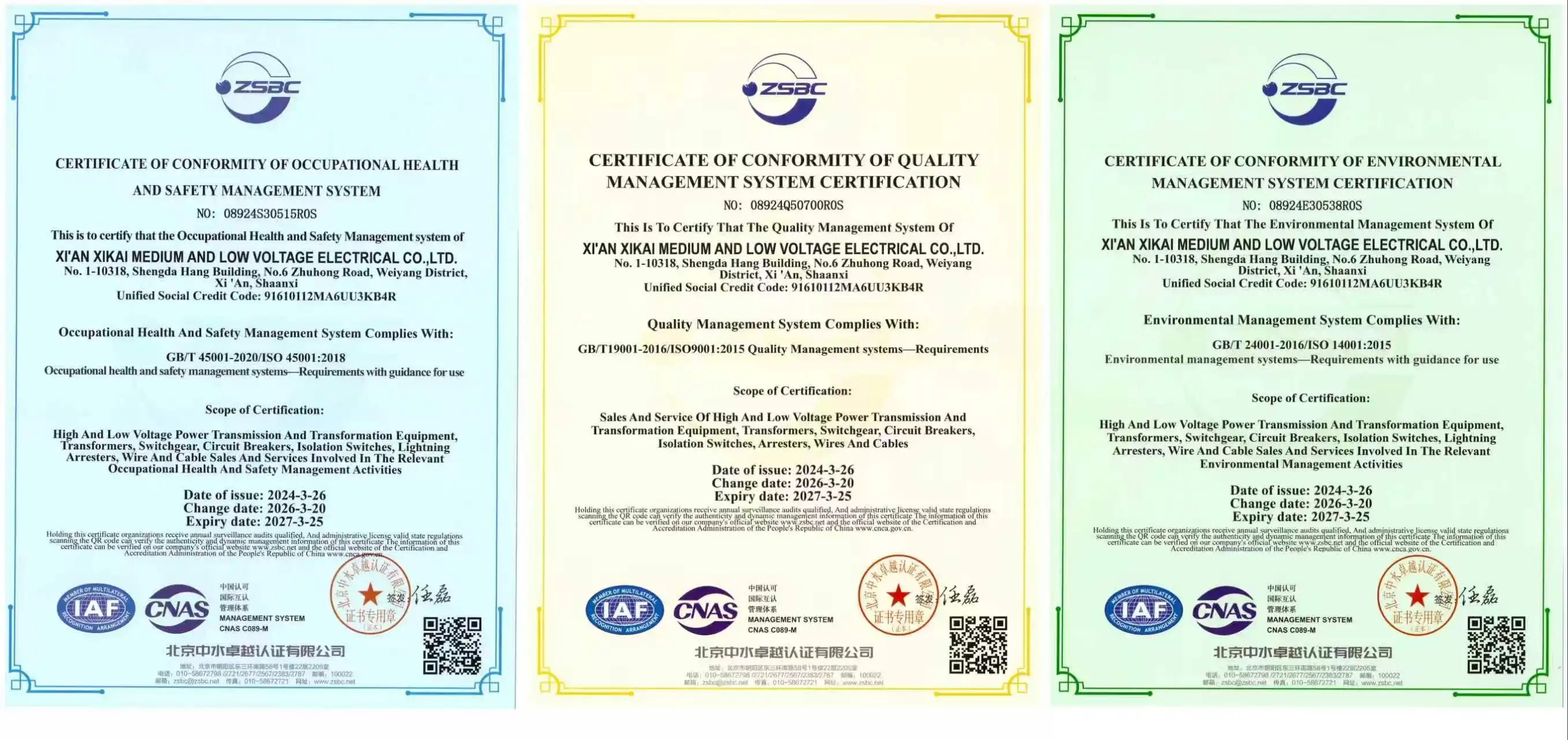
Partnering with reputable suppliers of Linear Reactor requires verifying certifications such as ISO 9001, ISO 14001, ISO 45001, and product approvals like UL, CE, or 3C. Strong partners provide engineering support, troubleshooting, and training to reduce downtime and extend equipment life. Warranty coverage typically ranges from 1–5 years with full service support. Transparent lead times (weeks for standard units, 8–12 weeks for custom designs) enable reliable project planning.
Troubleshooting, Maintenance, and Performance Optimization Strategies
Common Operational Challenges and Solutions
Overheating is the most common issue, caused by poor ventilation, excessive harmonic currents, or overvoltage conditions. Thermal imaging identifies localized hot spots and compares them with manufacturer limits to assess severity. Solutions include improving airflow, removing obstructions, and optimizing equipment placement, which can reduce temperatures by 15–25°C. Harmonic analysis with power quality meters may require reactor upgrades or additional filtering as nonlinear loads increase.
Maintenance Best Practices Extending Lifespan
Annual inspections identify early issues such as overheating discoloration, insulation cracks, corrosion, and loose hardware, with all connections retightened and cooling surfaces cleaned. Infrared thermography compares yearly thermal baselines, where >10°C temperature rises indicate degradation, especially at high-resistance joints. Annual or post-event Megger testing verifies insulation integrity; readings below 1,000 MΩ suggest moisture ingress or breakdown, with trend tracking enabling planned replacement before failure.
Process Optimization Tips for Maximum Uptime
System design optimization reduces stress on reactors and connected equipment by balancing loads across three phases and isolating harmonic-producing loads with appropriate reactors. Capacitor bank tuning prevents resonance by detuning systems below dominant harmonic frequencies, avoiding amplification damage. Continuous monitoring of temperature, current, and voltage enables predictive maintenance, with automated alerts and analytics identifying stress patterns to improve operational reliability and uptime.
Conclusion
Line reactors of Linear Reactor are important safety features in modern power distribution systems; they protect expensive equipment and make sure that power quality standards are met. Understanding their working principles, proper selection criteria, and upkeep needs enables engineers and procurement professionals to make informed choices matching performance against costs. Xi'an Xikai's CKSG Series reactors are examples of advanced engineering that solves real-world problems by reducing harmonics precisely, using less energy, and being built to last. Strategic reactor placement cuts down on downtime, extends the life of equipment, and makes sure that facilities like data centers and renewable energy sites follow the rules.
FAQ
1.When Should You Choose 5% Impedance Over 3% Impedance?
Choose 5% reactors when standard designs fail to meet IEEE 519 harmonic limits or when sites experience strong voltage changes from switching utilities or close industrial loads. While 3% resistance is good enough for most uses, 5% reactors offer better harmonic reduction, dropping total harmonic distortion of current (THDi) to about 35% on average compared to 45–50% with 3% units. The trade-off is a slightly higher voltage drop, which means that linked equipment needs to be tested to make sure it can handle lower working voltage.
2.Can Input Reactors Function on Drive Output Circuits?
Not the same thing. Output reactors must be able to handle higher switching rates from insulated gate bipolar transistors (IGBTs) and more dv/dt stress, even though the basic electromagnetic principles stay the same. Input reactors don't have special protection systems that can handle these circumstances. Before putting the reactor on the drive load sides, always make sure it has an output or dv/dt rate. This will keep the insulation from breaking down too soon.
3.How Do Reactors Affect Overall System Efficiency?
Most of the time, quality reactors lose less than 1% of their maximum power. The small drop in voltage is balanced out by a better power factor and less heat stress on the transformers and capacitors. System performance usually goes up because transformers don't get as hot and capacitors last longer, so they don't need to be replaced as often. Harmonic reduction also stops annoying trips that stop work from being done.
Partner with Xi'an Xikai - Your Trusted Linear Reactor Supplier
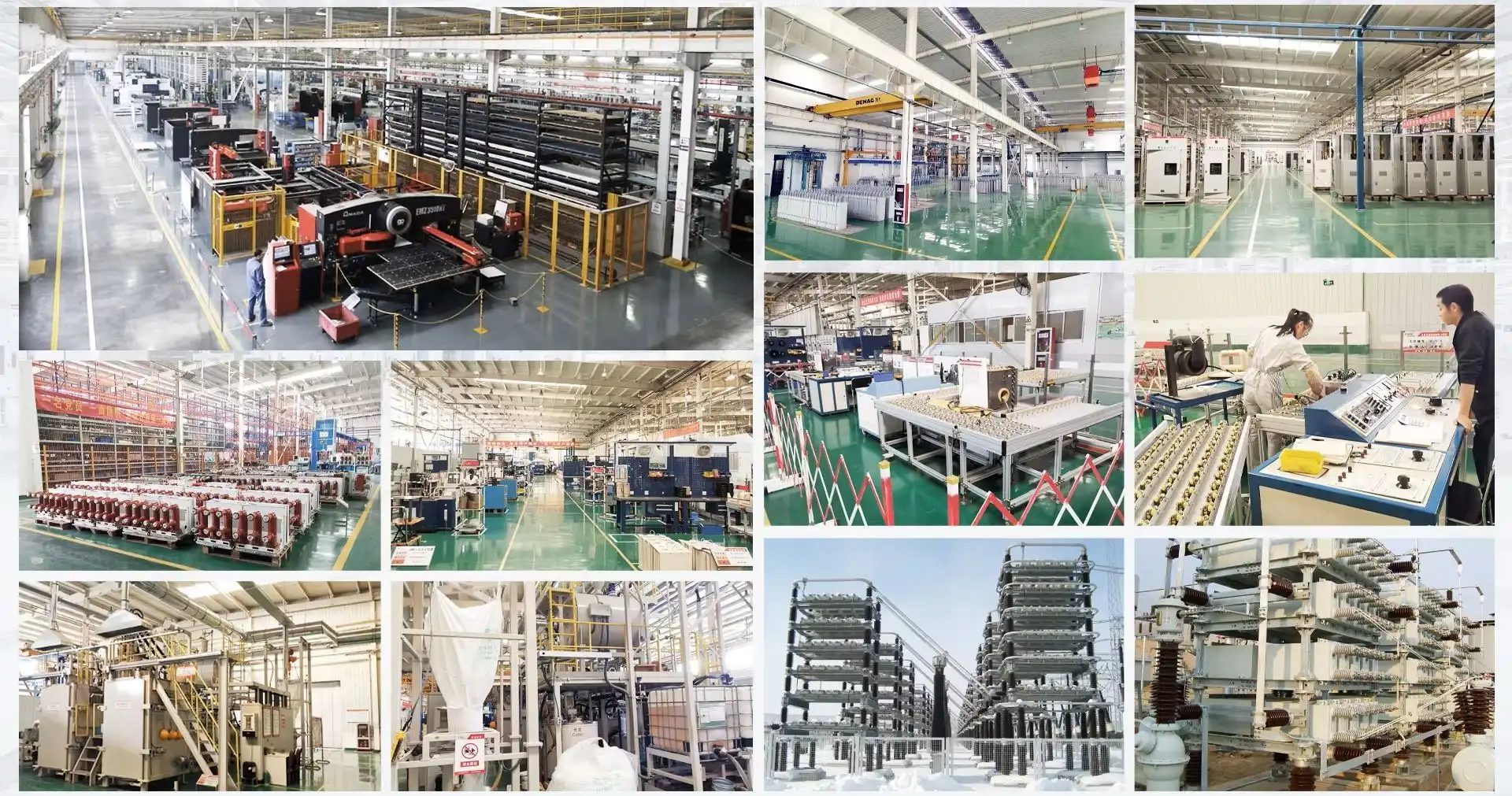
Our CKSG Series reactors, which are made for harsh industrial settings, are used by Xi'an Xikai Medium & Low Voltage Electric Co., Ltd. to provide reliable power quality options. As an experienced Linear Reactor supplier, we have a lot of experience making 34 different types of products, and we have a lot of quality certifications, such as ISO 9001, ISO 14001, and ISO 45001 standards. We can make reactor setups that are exactly right for your voltage, current, and environment, whether you need them for sites at sea level or at 4,000 meters above sea level. During the specification, testing, and operational phases, our skilled engineering team is available 24 hours a day, seven days a week for expert help. Get in touch with our experts at serina@xaxd-electric.com, amber@xaxd-electric.com, or luna@xaxd-electric.com to talk about your power quality problems and get specific offers in less than 12 weeks. You can look at our whole line of products at xaxd-electric.com. We serve utilities, factories, and EPC firms in North America and around the world.
References
1. Institute of Electrical and Electronics Engineers. "IEEE Recommended Practice and Requirements for Harmonic Control in Electric Power Systems - IEEE Standard 519-2014." IEEE Power and Energy Society, 2014.
2. National Fire Protection Association. "NFPA 70: National Electrical Code (NEC) 2020 Edition - Article 470: Resistors and Reactors." NFPA Standards Development, 2020.
3. Stone, G.C., Culbert, I., Boulter, E.A., and Dhirani, H. "Electrical Insulation for Rotating Machines: Design, Evaluation, Aging, Testing, and Repair, Second Edition." IEEE Press Series on Power Engineering, 2014.
4. Dugan, Roger C., McGranaghan, Mark F., Santoso, Surya, and Beaty, H. Wayne. "Electrical Power Systems Quality, Third Edition." McGraw-Hill Professional, 2012.
5. Chapman, David. "Power Quality Application Guide: Harmonics - Causes and Effects." Copper Development Association, Power Quality Centre, 2001.
6. Mohan, Ned, Undeland, Tore M., and Robbins, William P. "Power Electronics: Converters, Applications, and Design, Third Edition." John Wiley & Sons, 2003.