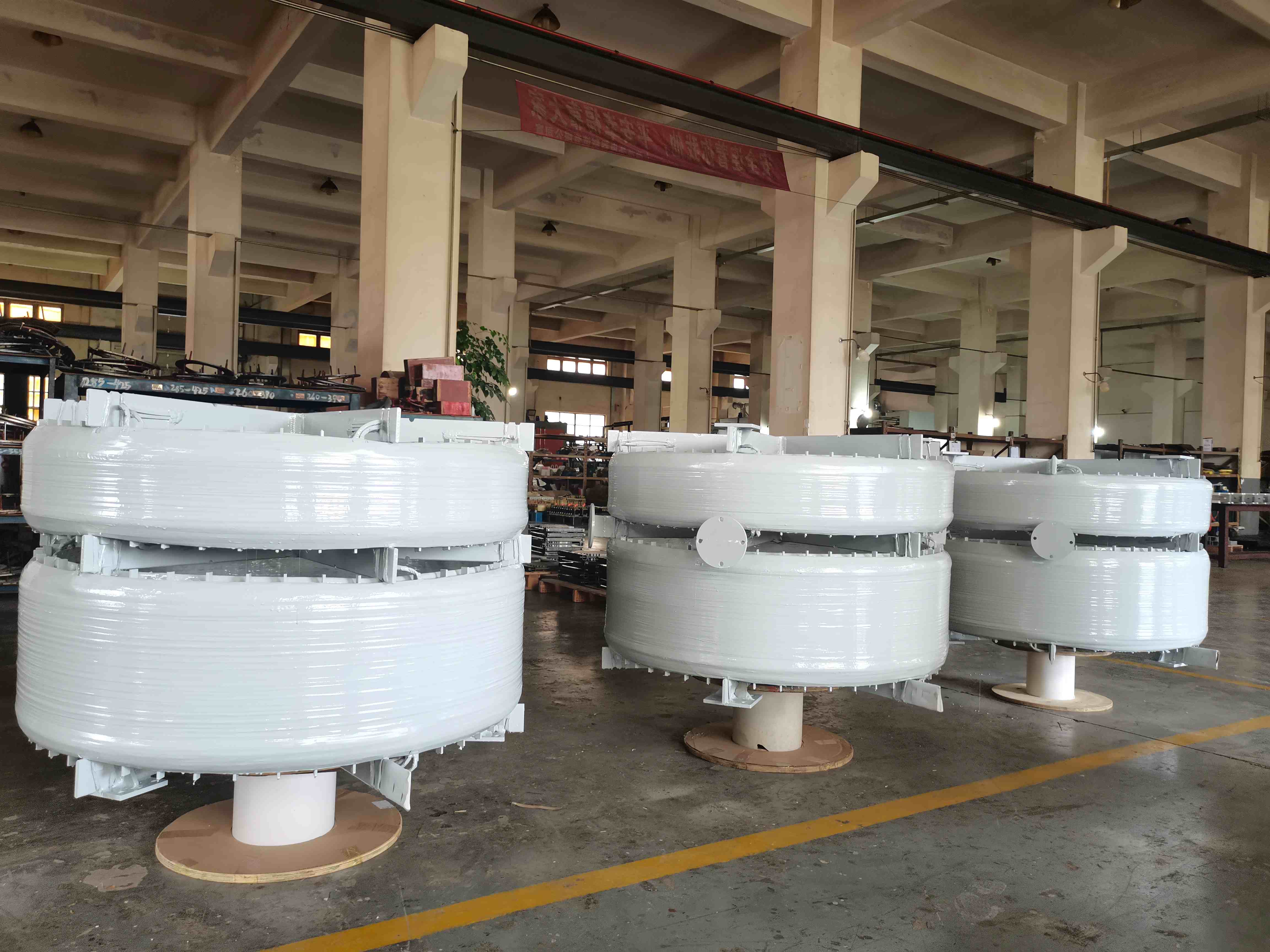
What Is a Potential Transformer? Working Principle & Engineering Applications
2026-06-22 15:47:10
A Potential transformer is an instrument transformer designed to correctly measure and keep an eye on high voltage levels by stepping them down to safer, more standard values that can be used by meters, safety relays, and monitoring gear. These devices work by using electromagnetic induction to keep precise voltage ratios and protect sensitive instruments from harmful primary voltages. They are very important in substations, industrial sites, and business power distribution networks around the world because they make sure the quality of the power, the safety of the system, and correct billing.
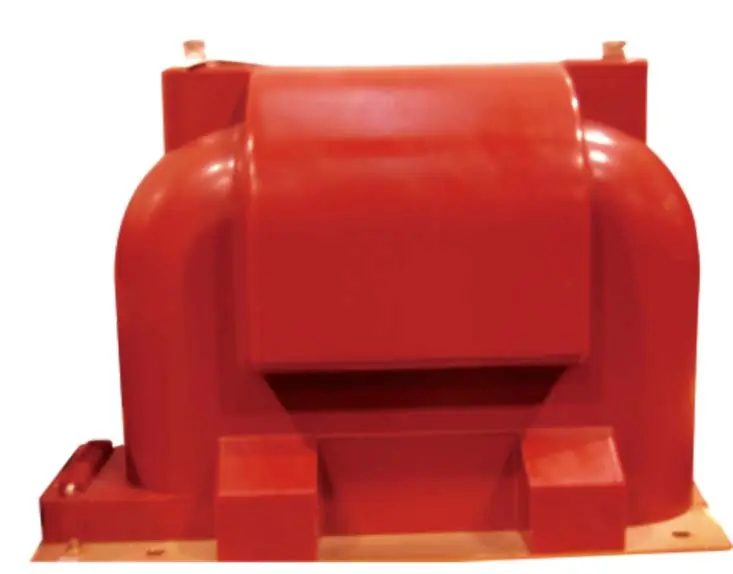
Understanding Potential Transformers: Definition and Core Functions
What Makes Potential Transformers Essential in Power Systems?
Potential transformers (PTs) provide accurate voltage signals for metering and protection, unlike power transformers that handle bulk energy transfer. They step down high voltage to 110V/120V (North America). Accuracy directly impacts revenue collection, data center uptime, and factory protection schemes. PTs enable fair billing, detect power drops, and coordinate protection to prevent equipment damage during faults.
How Potential Transformers Differ from Current Transformers?
CTs monitor current by stepping down amperage; PTs replicate voltage patterns at reduced scales. Both work together in power systems—CTs enable overcurrent protection, PTs enable voltage-based protection (undervoltage/overvoltage). This synergy is critical in utility substations where relays need simultaneous current and voltage inputs for synchronization checks, distance protection, and directional fault detection.
Key Configuration Types and Accuracy Classifications
Single-phase PTs suit smaller systems; three-phase units serve three-wire or four-wire distribution networks. Accuracy classes range from 0.1 to 3.0. Class 0.2 or better for revenue metering; Class 1.0 or 3.0 for protection. Epoxy resin-cast dry-type designs eliminate oil, reducing fire risk and environmental concerns. These fully sealed units work reliably across all temperatures without regular maintenance.
How Does a Potential Transformer Work? Working Principle Explained
Electromagnetic Induction Fundamentals
Faraday's law of electric induction is what makes the working principle work. When alternating current runs through the main winding, it creates a magnetic flux inside the transformer core that changes over time. This flux connects the main and secondary windings and causes the secondary winding to have a voltage that is related to the number of turns. A Potential transformer focuses on accuracy and voltage control, while power transformers are made to be highly efficient when they are loaded.
The silicon steel layered core keeps hysteresis and eddy current losses to a minimum while offering a magnetic path with high permeability. To handle system voltage, primary windings use fewer turns of larger gauge wire. Secondary windings, on the other hand, use many turns of thinner wire to make the standard output voltage. This design makes sure that the voltage ratio stays the same throughout the device's working range.
Understanding Voltage Ratios and Burden Capacity
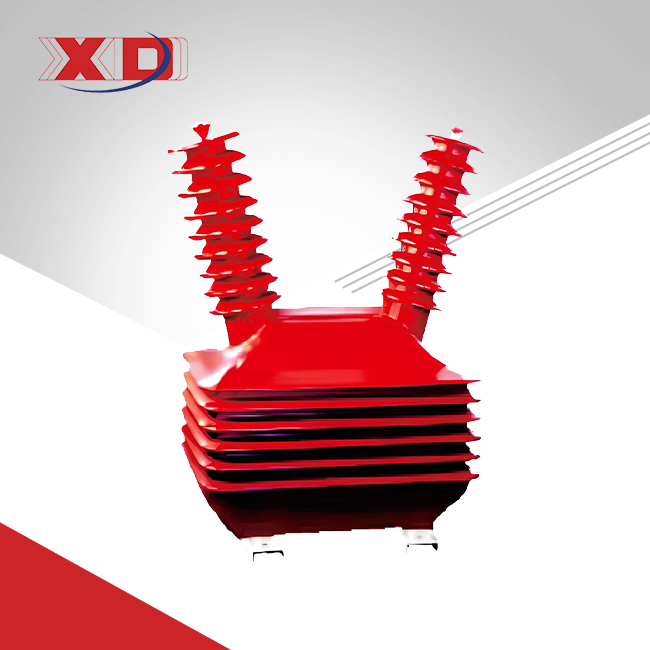
Voltage ratio (e.g., 10,000:100) must stay constant for measurement accuracy. Burden capacity (VA rating) is maximum secondary load without losing accuracy. Xi'an Xikai's 10kV outdoor/indoor PT steps down 10kV to 400V output, meets IEC 61869 and GB 20840.2-2014, operates at 50/60Hz with 12/42/75kV insulation. Epoxy casting eliminates moisture ingress problems.
Proper Connection Configurations for System Integration
PT primary connects in parallel, never series. Ground one secondary terminal for safety if primary insulation fails. Three-phase configurations: wye-connected for phase-to-neutral measurement; open-delta for three-phase voltage measurement using only two single-phase units. Each configuration serves different monitoring or protection goals, requiring careful consideration during system design.
Engineering Applications of Potential Transformers
Critical Roles in Metering and Revenue Protection
Billing is only possible if voltage and current are measured accurately and watched. At transmission substations, distribution lines, and big customer service points, utility companies put in Potential transformers that can make money. During their entire service life, these installations must meet strict accuracy standards, since even small measurement mistakes can add up to big financial problems when spread out over thousands of metering places.
Accurate voltage measurements that check for power quality compliance are helpful for industrial sites that use time-of-use rates. Reactive power use can lead to power factor fees in a lot of energy contracts. Facility managers can improve the efficiency of the electrical system while lowering penalty charges by keeping an eye on voltage angles and magnitudes.
Enabling Advanced Protection Schemes
Voltage sources are used by modern protective relays for many security tasks. By comparing voltage and current phasors, distance relays can figure out where the fault is and selectively trip only the faulty parts. Out-of-phase breaker closing, which could damage generators or make parts of the grid less stable, are stopped by synchronizing switches. Undervoltage switches start load shedding when there is a brownout, which stops breakdowns from spreading.
Our 10kV voltage transformer keeps measurement errors to less than 1% even when secondary loads change, which is exactly what these safety plans need. The device can handle surge currents up to 100 times its maximum capacity, which is very important when there is a fault and protective relays need correct voltage information right away. This makes sure that even when the system goes down, the relay screens still get correct info.
Maintenance Protocols for Long-Term Reliability
Preventive repair makes transformers last longer and keeps them accurate. As required by IEEE C57.13 standards, testing procedures should include checking the ratio, the polarity, the insulation resistance, and the load. These tests should be done at regular times. These tests find degradation before it affects the accuracy of measurements or the safety of the system.
Modern units require much less upkeep than their oil-filled predecessors because they are fully sealed in epoxy resin. These transformers work well for more than 20 years with little maintenance. There is no need to check the oil, review the seals, or clean the bushings. For installations in harsh environments, like the Arctic, where it can get as cold as -40°C, or the desert, where it can get as hot as 55°C, corrosion-resistant housings and strengthened insulation keep working without breaking down in the environment.
Comparing Potential Transformers with Related Technologies
Voltage Transformers Versus Current Transformers: Complementary Functions
Specification mistakes can be avoided by knowing the difference between these instrument transformers. When current transformers are connected in series with load wires, they step down the current. Their secondary circuits must never be opened when they are charged, because that creates dangerous voltages. With voltage transformers connected in parallel across the circuit, the voltage is stepped down, and their secondary circuits can be opened without causing any danger.
Both types usually need to work together on protection screens. To find overload and short-circuit situations, overcurrent switches need inputs from a current generator. To figure out which way the fault is going, directional switches need data from both the current and voltage transformers. Differential protection methods look at currents from different places, but voltage control stops false trips when moving heavy loads.
Clarifying Terminology: Potential Transformer Versus Voltage Transformer
A Potential transformer and voltage transformer are the same thing, but they are used in different ways depending on the area and business. Potential transformer is preferred by North American utilities and IEEE standards, while voltage transformer is more widely used by IEC standards and foreign markets. Both terms reference the same instrument transformer class designed for voltage measurement and monitoring applications.
Evaluating Dry-Type Versus Oil-Filled Designs
Mineral oil is used to insulate and cool traditional oil-filled voltage transformers. It has great dielectric qualities and thermal performance. But they come with risks of fire, damage to the environment from oil leaks, and the need for regular upkeep like oil testing and refilling. For setups inside, you usually need special vaults or fire control systems.
These worries are taken away by epoxy resin-cast dry-type units, which have strong insulation that doesn't leak or catch fire. During the production process, the windings and core are encased in epoxy resin under a vacuum. This makes an assembly that is resistant to dust and wetness and can't be contaminated by the environment. This design works for indoor switchgear, placements on roofs, and places where flammable products aren't allowed by fire rules. The small size and light weight make it easier to add to current power systems.
How to Choose and Procure Potential Transformers for Your Business?
Critical Selection Criteria for Optimal Performance
When selecting voltage transformers, procurement teams have to look at a number of technical and business factors. The primary voltage grade needs to match the system voltage and have the right insulation levels for the construction site. The secondary voltage should match the needs of the linked instrument. For North American equipment, this is usually 110V or 120V, and for some European uses, it's 100V.
Which accuracy class to use depends on how important the application is. Class 0.2 accuracy is needed for revenue metering to meet legal standards and keep billing disputes to a minimum. Because protective relays react to fault sizes instead of exact readings, Class 1.0 or 3.0 accuracy is fine for protection purposes. The burden capacity must be higher than the total linked load of all meters, relays, and tracking equipment, leaving enough room for growth in the future.
Choices about building are affected by environmental factors. For setups outside, you need weatherproof shelters that can handle the highs and lows of temperature, humidity, and pollution in the area. Coastal areas need better security against rust. Sites above 1,000 meters need to have their insulation lowered or raised to make up for the lower air density, which lowers the dielectric strength.
Navigating Leading Manufacturers and Product Lines
The Potential transformer market is dominated by a few well-known companies with good track records. ABB has a wide range of Potential transformer products that cover all power levels, from low to high, and they have strong networks to help customers after the sale. Siemens stresses its digital integration skills for Potential transformers as a way to support smart grid projects. Schneider Electric focuses on small Potential transformer designs that work best in setups with limited room.
GE makes ruggedized products for tough industrial settings, and Eaton focuses on making affordable products for business buildings and light industrial uses. Each manufacturer has unique benefits in certain market areas. This means that goods must be carefully compared to meet the needs of the application.
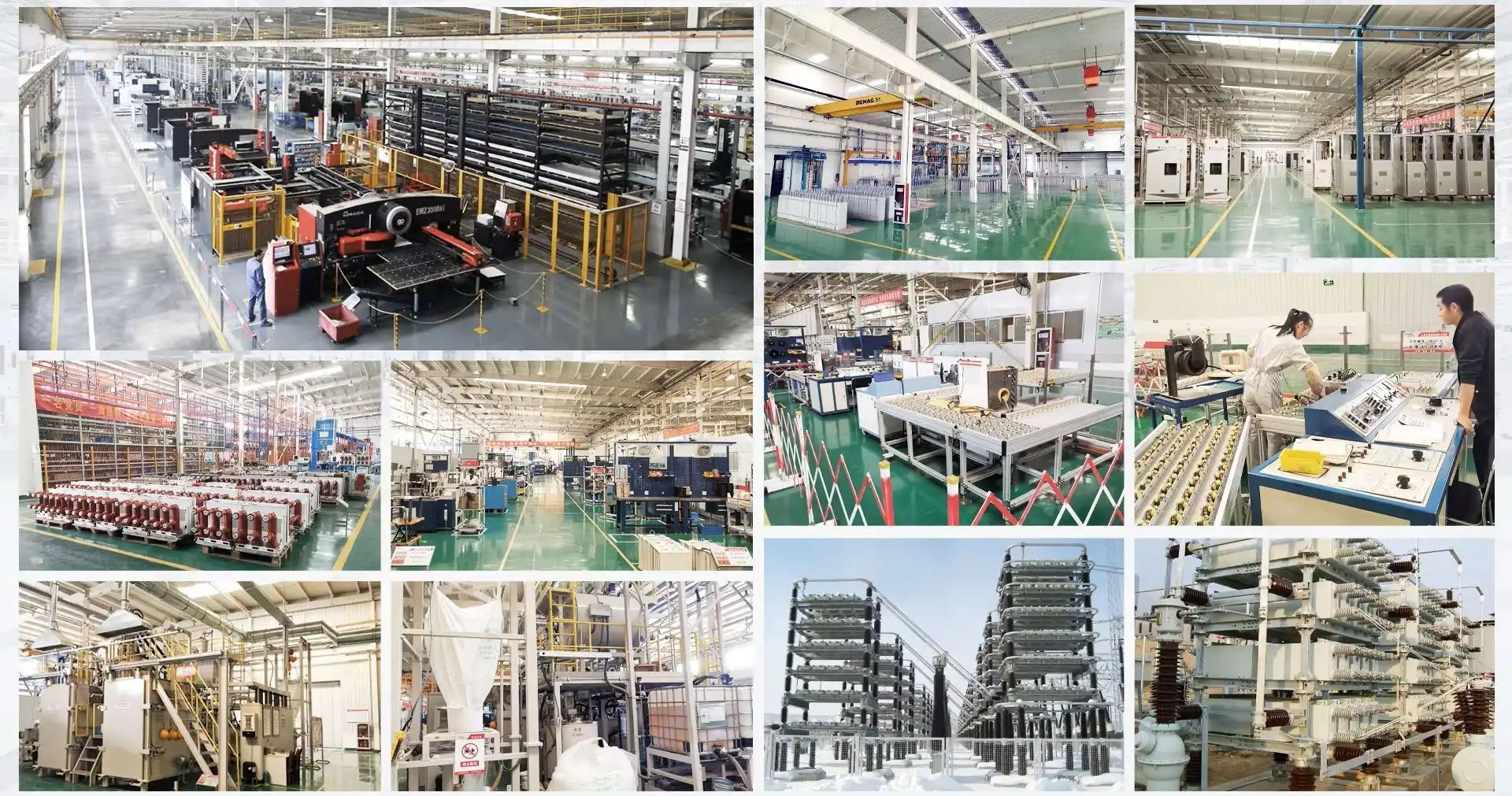
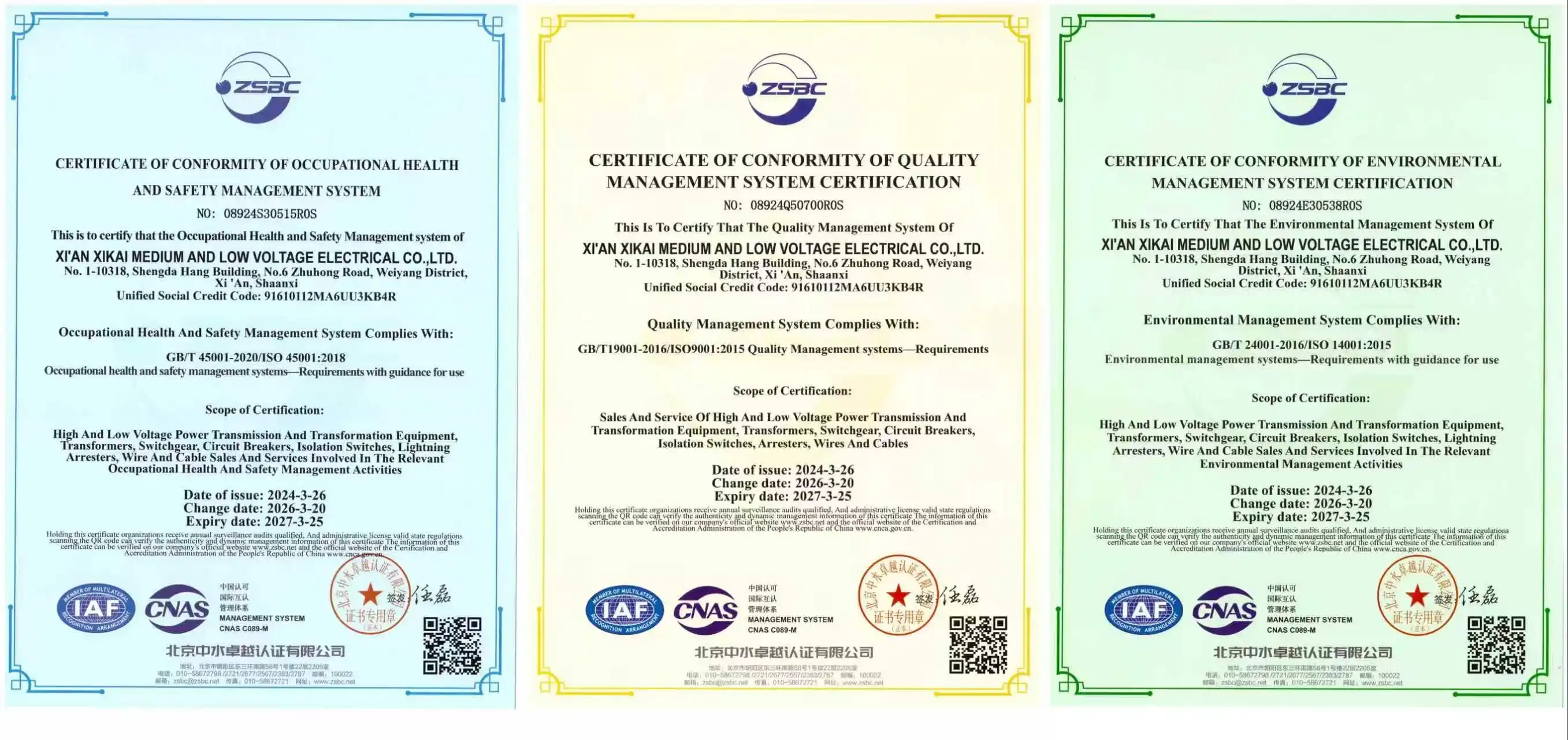
The Xi'an Xikai factory is one of China's biggest places to make medium- and low-voltage electrical equipment. It gives projects that value price over quality a competitive edge. Our 10kV voltage transformer uses new ideas protected by eight or more design patents. It also has ISO 9001 and ISO 14001 certifications that show it was made with great care. Products serve State Grid systems, rail transportation, petrochemical plants, and green energy projects.
Optimizing Procurement Through Strategic Sourcing
When you buy in bulk, you can often get big price cuts and better payment terms. Standardizing on a single maker can make it easier to keep track of spare parts and train repair staff for projects that need more than one unit. Custom solutions are available for projects that need them, like ones with specific voltage ratios, better earthquake qualification, or built-in digital tracking. However, they usually have longer wait times and cost more per unit.
In their request for quotes, people should be clear about their technical needs, the amount they want, when they need it, what kind of guarantee they want, and how much after-sales help they expect. Making these factors clear from the start avoids confusion and allows for accurate comparisons of quotes. Getting providers involved early in the design process lets you have value engineering conversations that improve standards without lowering performance goals.
Conclusion
Potential transformers are important parts of infrastructure that make tracking and protecting electrical power systems safe and accurate. Their ability to lower dangerously high voltages to standard measurement levels makes them useful for utility, industrial, and business uses that need to measure revenue, check power quality, and set off protective relays. Modern epoxy resin-cast Potential transformer versions are more reliable and require less upkeep than older oil-filled units, but they still have to meet strict accuracy standards. Selecting appropriate Potential transformer devices requires balancing technical specifications—voltage ratings, accuracy classes, burden capacity—with practical considerations including environmental conditions, compatibility with existing equipment, and total lifecycle costs. Partnering with experienced manufacturers ensures access to proven Potential transformer designs backed by comprehensive testing and quality assurance programs that deliver decades of reliable service.
FAQ
1. Why Are Potential Transformers Important for Accurate Metering?
For revenue meters to correctly figure out how much energy is being used, they need to measure the voltage very precisely. Potential transformers keep meters safe from dangerous main voltages while sending accurate voltage signals to measuring equipment. Their accuracy has a direct effect on fair bills and following the rules, which is why they are necessary parts of business metering installations.
2. How Often Should Potential Transformers Undergo Maintenance Testing?
How often you test relies on how important the application is and what the rules say. Installations of revenue meters usually need to be tested every three to five years to make sure they are still working correctly. Protection applications may make the time between applications five to ten years, depending on what the maker says and how well they've worked in the past. Verification of the ratio, tests for insulation, and load checks done on a regular basis find degradation before it hurts performance.
3. What Accuracy Class Should I Specify for Protection Applications?
Protection relays can handle less accuracy than revenue meters because they react to the size of the fault instead of exact readings. Class 1.0 precision is good enough for most security tasks, like overcurrent, distance, and directional relays. For synchronizing and voltage differential methods to work right in normal and emergency situations, they may need Class 0.5 accuracy for proper operation during normal and emergency conditions.
Partner with Xi'an Xikai for Reliable Voltage Transformer Solutions
When your facility needs accurate voltage measurement and unwavering dependability, Xi'an Xikai has options that have been tried and tested over decades of excellent manufacturing. Our 10kV outdoor/indoor voltage transformer stays accurate to within 1% in the coldest Arctic conditions and the hottest desert conditions. It supports mission-critical uses in substations, industrial plants, and business buildings. Built to IEC 61869 and GB standards with epoxy resin casting, these units will work for more than 20 years without any repairs.
Our engineering team is ready to talk with you about your unique needs and suggest the best setups for measuring voltage and protecting it. Contact our specialists at serina@xaxd-electric.com, amber@xaxd-electric.com, or luna@xaxd-electric.com to get full technical specs, help with your application, and price quotes for large orders. As a top producer of Potential transformers, we offer reasonable prices, quick technical support, and reliable shipping times to customers all over North America.
References
1. IEEE Standard C57.13-2016, "IEEE Standard Requirements for Instrument Transformers," Institute of Electrical and Electronics Engineers, New York, 2016.
2. International Electrotechnical Commission, "IEC 61869-3:2011 Instrument Transformers - Part 3: Additional Requirements for Inductive Voltage Transformers," Geneva, Switzerland, 2011.
3. Harlow, J.H., "Electric Power Transformer Engineering," Third Edition, CRC Press, Boca Raton, Florida, 2017.
4. Winders, J.J., "Power Transformers: Principles and Applications," Marcel Dekker Inc., New York, 2002.
5. Das, J.C., "Power System Protective Relaying," CRC Press, Taylor & Francis Group, Boca Raton, Florida, 2018.
6. Kasztenny, B., "Fundamentals of Voltage Transformer Application and Specification for Protective Relaying Purposes," Proceedings of the 62nd Annual Georgia Tech Protective Relaying Conference, Atlanta, Georgia, 2008.
_1774319435501.png)