What Is the Difference Between Current Transformer and Potential Transformer
2026-06-22 15:47:07
A Current transformer steps down high current to measurable levels for metering and protection, whereas a Potential transformer steps down high voltage to safe, standard levels for accurate voltage monitoring. Both types of instrument transformers are necessary for modern power systems, but they work in different ways, are used for different things, and need to be carefully chosen based on specific technical needs. Understanding these changes is important for making sure that the system works well, employees are safe, and regulations are followed.
Introduction
Instrument transformers (CTs/PTs) are eyes and ears of electrical systems, enabling safe measurement of high voltages/currents. Target audience: B2B procurement managers, power engineers, EPC firms. Choices must balance IEC 61869 compliance, vendor lead times, upfront costs vs long-term reliability. This guide explains technical differences, selection criteria, and integration tips for upgrading hospitals or manufacturing plants.
Understanding the Basics: Current Transformer vs Potential Transformer
What Is a Current Transformer?
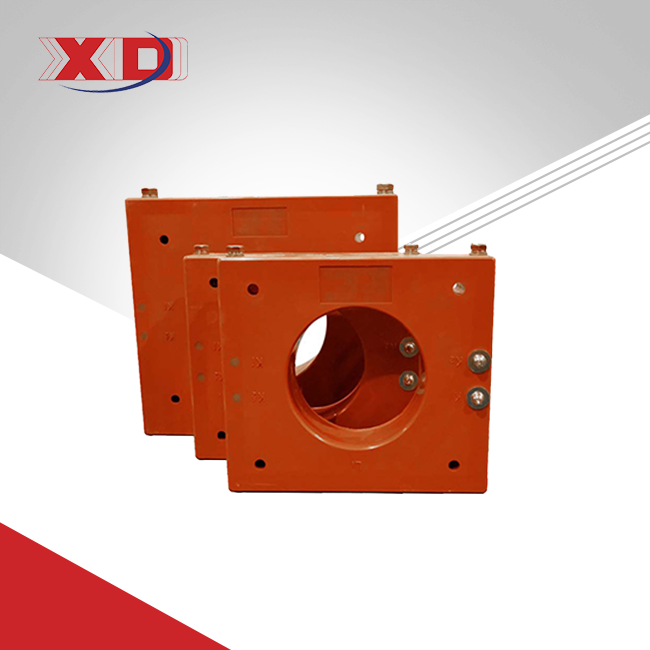
CT measures AC by stepping down high primary current (hundreds to thousands of amps) to 1A/5A secondary. Primary connects in series. Toroidal high-permeability silicon steel core. CT operates near short-circuit conditions. Never open-circuit CT secondary—dangerous high voltages and core saturation occur. Accuracy maintained despite primary current variations due to low impedance of connected instruments.
What Is a Potential Transformer?
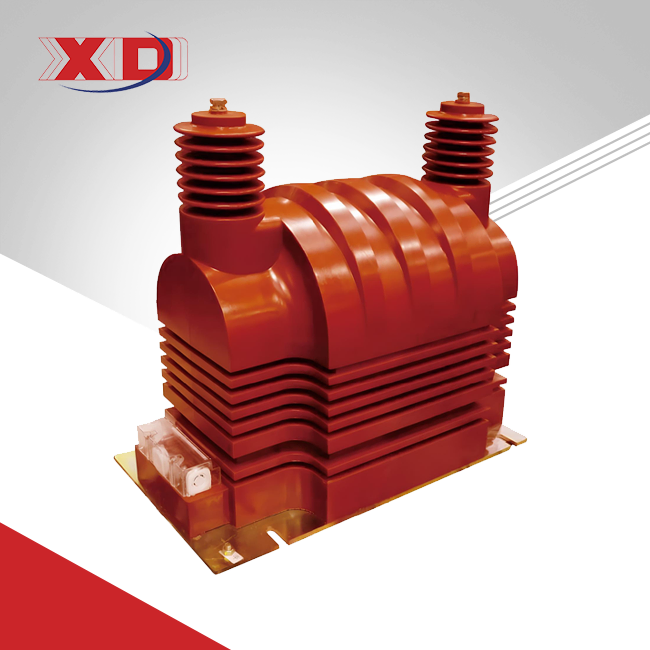
Potential transformers, which are also called Voltage transformers, lower high system voltages to normal secondary levels. In North America, these secondary levels are usually 110V or 120V, but they can be 100V in other places. In contrast to Current transformers, PTs connect across the circuit being measured in parallel. They work like regular power transformers, but are designed to be more accurate rather than move power. Their main job is to send safe, scaled voltage signals to safety switches, voltmeters, and watt-hour meters.
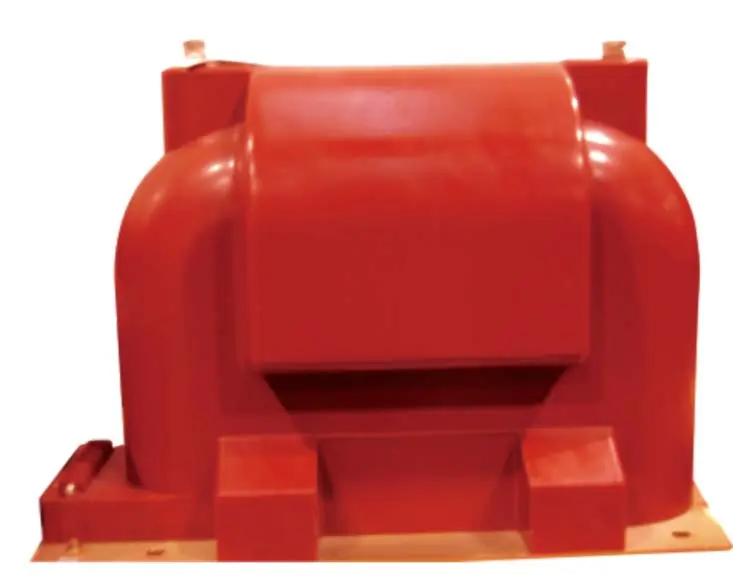
The electromagnetic Voltage transformer has carefully wound primary and secondary coils on a layered core. The insulation design and turn ratios were also given a lot of thought. Epoxy resin casting is often used in modern units to protect the environment and stop wetness from getting in, which could weaken the insulator. The 10kV Outdoor/Indoor Voltage Transformer from Xi'an Xikai is a good example of this way of building. It has a fully sealed electromagnetic design with high-grade silicon steel cores and UL-listed resins that make it accurate to within ±1.0% across temperatures as low as -40°C and as high as +55°C.
Core Operational Principles
CT works via Ampere's law—magnetic field proportional to ampere-turns creates lower secondary current mirroring primary pattern. PT works via Faraday's law—changing primary voltage induces time-varying flux, creating secondary voltage proportional to turn ratio. PTs handle only volt-amperes, not kilowatts, allowing focus on accuracy and stability over power handling capacity.
Key Technical Dimensions for Selecting Transformers
Accuracy Classes and Measurement Precision
The accuracy class tells you the biggest mistake that can happen under certain circumstances. This has a direct effect on how accurate your billing is and how reliable your safety is. As per IEC 61869-2, metering-class CTs usually list 0.2, 0.5, or 1.0 accuracy classes. Lower numbers mean smaller error limits. Protection-class CTs have names like 5P or 10P. The number stands for the percentage error at the rating accuracy limit current. This is very important when there is a fault and the relay reaction needs to be quick and accurate.
Potential transformers use accuracy classes range from 0.1 for precise revenue counting to 3.0 for general indication. The 10kV voltage transformer from Xi'an Xikai is accurate to within 0.5 class under a constant 1000VA load. It keeps measuring correctly even when the secondary duty changes. In data centers and hospitals, where voltage drops or rises directly affects sensitive electronics and systems that keep patients safe, this standard is very important.
To make the right choice, you need to match the accuracy class to the needs of the application. For example, billing meters need 0.2 or 0.5 class devices to keep records accurate, while tracking screens can use 1.0 or 3.0 class devices. Engineers also need to think about the effect on the load—both CTs and PTs have higher error rates as the connected load gets closer to the rated capacity. This is something that is often forgotten when initial specifications are made but is very important when the system is first put together.
Voltage and Insulation Ratings
Rated insulation level (e.g., 12/42/75kV) indicates power-frequency withstand, lightning impulse withstand, and switching impulse withstand. Values must exceed system voltage with margin for surges and faults. Xi'an Xikai's 10kV PT works with medium-voltage systems; 400V secondary output matches standard instrument voltage, eliminating extra conversion and simplifying integration with existing meters.
Burden Ratings and Connected Load
Burden (VA) is maximum load transformer handles at stated accuracy. Exceeding burden increases voltage drop, reducing accuracy. PT burden typically 25VA to 500VA. Xi'an Xikai's 10kV unit handles 1000VA continuous, 3000VA temporary, reducing need for auxiliary transformers. Keep actual load at 70-80% of rated capacity for accuracy margin. Digital relays are lighter than predecessors.
Comparative Analysis: Potential Transformer vs Current Transformer
Performance Metrics and Specifications
PTs maintain tighter accuracy across operating range; CT accuracy drops significantly below 10% of rated current. PTs continuously handle full system voltage requiring strong insulation and creepage distance design. Xi'an Xikai's PT uses 12/42/75kV insulation with corona-resistant materials. Epoxy casting improves thermal conductivity for heat dissipation in sealed switchgear at 40°C summer peaks.
Application Scenarios and System Integration
CT provides current data, PT provides voltage signals for watt-hour meters to calculate real/reactive power. Protection systems: CTs for overcurrent/earth fault/differential relays; PTs for undervoltage/overvoltage/directional protection. Xi'an Xikai's PT has IoT compatibility for real-time voltage monitoring and predictive maintenance, helping utilities detect deteriorating insulators or loose connections before expensive failures occur.
Common Challenges and Troubleshooting
CT saturation during faults (current up to 100x rated) can distort secondary waveform—choose proper core materials and short-time rating. Potential transformer ferroresonance with capacitive loads (long cables, CVTs) causes overvoltages—use damping resistors and proper grounding. Load mismatch during retrofits reduces accuracy without obvious signs. Xi'an Xikai recommends annual burden, insulation resistance, and ratio testing for Potential transformers to ensure 20+ year service life.
Procurement and Sourcing of Potential and Current Transformers
Evaluation Criteria and Technical Requirements
Specify voltage/current ratings, accuracy class, burden, insulation level, mechanical format, and environmental factors (temperature, humidity, altitude, pollution). Standards compliance (IEC 61869-1/2, IEEE C57.13, GB 20840.2-2014) ensures interoperability. Xi'an Xikai meets all three. Request factory test records for ratio accuracy, phase displacement, insulation resistance, and burden capacity. Third-party certifications add credibility.
Market Landscape and Supplier Selection
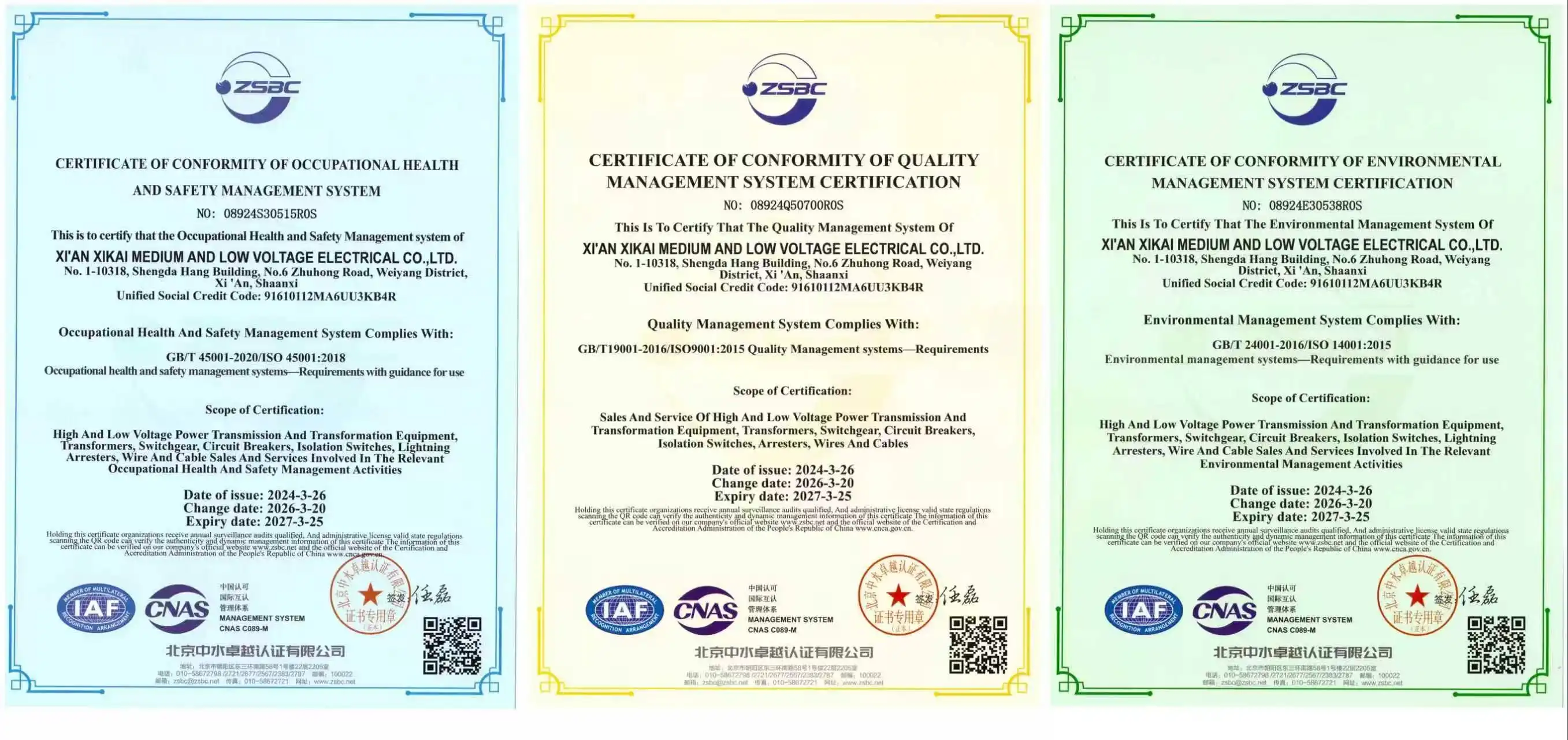
Global suppliers (Siemens, ABB, Schneider, GE) offer broad portfolios but higher prices and long lead times. Regional makers like Xi'an Xikai provide cost-effective options with shorter lead times and customization. Xi'an Xikai features 12-stage quality inspection, 150Hz/28kV impulse testing, 8+ design patents, ISO 9001/14001 certifications. Evaluate production capacity, engineering support, warranty terms, and service network before selecting.
Ordering Process and Commercial Considerations
Use detailed datasheets with primary/secondary ratings, accuracy class, burden, insulation level, standards, mounting arrangement, terminal configuration, and environmental conditions. Include mechanical drawings. Negotiate total cost of ownership, not just unit price. Bulk orders earn discounts. Standard catalog items ship in 6-8 weeks; custom designs take 12-16 weeks. Xi'an Xikai balances standard inventory with custom modifications on higher minimums.
Practical Applications and Case Studies
Voltage Measurement in Utility Substations
Potential transformers keep an eye on the voltage accurately across multiple bus sections in transmission substations that serve regional lines. In a recent update at a utility in the southwestern United States, old oil-filled Voltage transformers were swapped out for epoxy-cast units from Xi'an Xikai that can handle 10kV input and 12/42/75kV insulation. The device is used for tracking three-phase voltage and sending data to SCADA systems, synchronization panels, and safety relays.
Some of the benefits were less upkeep because there was no need to sample oil, better accuracy when temperatures changed, which made grid stability tracking easier, and better environmental compliance because there were no longer any risks of an oil spill. The smart grid compatibility feature lets workers check voltage levels from afar, which helps them find problems with voltage control across the distribution network before customers complain.
Standard utility practices were used for integration, including delta-connected primaries with a grounded secondary to protect against ground faults, instrument compartments for techs to keep them safe during repair, and secondary fuses to keep meter short circuits from damaging the transformer. During commissioning tests, it was confirmed that the 0.5 accuracy class was met across the entire load range, and phase displacement stayed within the ±5 minute standard.
Current Measurement in Industrial Manufacturing
To support new robotic welding lines that draw sporadic loads of up to 800A, a Michigan car assembly company had to improve its Current transformers. The old method for measuring energy used 400A-rated CTs that overloaded during welding cycles. This made power quality meters give inaccurate readings that made it harder to control energy use. Problems with saturation were fixed by replacing them with 1000A-rated units with a 5P20 accuracy class. This left room for future growth.
Accurate current measurements during fault situations helped with protection planning. The main breaker in the plant relies on CT inputs to protect against instantaneous overcurrent. The accuracy of the measurements during fault currents hitting 40kA decides whether the protection works within the required clearing times. As long as the CTs are the right size and have the right short-time thermal values, the relay will work correctly when it counts most: in the milliseconds after a fault starts.
A common problem was solved by the retrofit: new transformers had to be fitted into old panels that didn't have much room. Split-core designs would have made fitting easier, but they would have made the accuracy worse. Instead, the engineering team chose window-type CTs that would fit in the existing mounting holes and planned for installation to happen during planned repair breaks. This method kept the 0.5S accuracy class needed for ISO 50001 energy management approval while causing as few interruptions to production as possible.
Protection Systems in Commercial Buildings
Life safety equipment can't handle long power blackouts, so hospital power transfer systems have to be very reliable. Potential transformers and Current transformers were added to the electrical distribution system of a new hospital addition in Florida. This allowed for full tracking and selective coordination of safety devices. PT Voltage reading is used in emergency generator transfer plans to find out when the power goes out and to check the generator output before the automatic transfer switch turns on.
The plan called for Xi'an Xikai Voltage transformers with a 10kV rating to serve 480V distribution switchgear and step down the voltage to 120V for relay and meter sources. It worked well enough for protection purposes with an accuracy class of 3P, which cut costs while keeping stable operation. Current transformers with various secondary windings were used for both metering and safety, which cut down on the number of parts and the complexity of the panel.
The installation followed the rules in the NFPA 70 National Electrical Code, paying special attention to how to ground and bond, which stopped ground loops and kept people safe. The secondary circuits had the right fuses and termination blocks, which let the instruments be safely replaced without turning off the main circuits. As part of the acceptance testing, main injection tests were done to make sure the security plan worked by using real CT ratios instead of just nameplate data.

Conclusion
In current power systems, Current transformers and Potential transformers play different but complementary roles. For testing and safety, CTs lower high currents. They work in series with circuits that are being watched, and they need close attention to overload and saturation risks. When PTs join in line, they lower high voltages to safe levels. They need strong insulation systems to be able to handle constant system voltage exposure.
A good selection weighs the need for accuracy against the ability to pay, the climate against the need for dependability, and standard products against custom solutions. The 10kV voltage transformer from Xi'an Xikai shows how modern designs use smart grid compatibility, epoxy resin encapsulation, and thorough testing to make sure they work well in a wide range of demanding environments, from utility substations to industrial sites.
By knowing these technical differences, procurement professionals and engineers can choose the right instrument transformers, which guarantees accurate measurements, reliable safety, and long-term system performance that supports operational stability and cost-effective power management.
FAQ
1. Can potential transformers be used as voltage transformers?
Potential transformer and Voltage transformer are the same device, so they can be used interchangeably. Both terms relate to precise transformers that lower high system voltages to levels that meters and switches can work with. The preferred wording varies by area; for example, "Potential transformer" is commonly used in North America, whereas "Voltage transformer" is preferred by international standards.
2. What causes accuracy deviations in potential transformers?
Over time, PT precision goes down for a number of reasons. When the load is higher than the maximum capacity, the secondary circuits experience too much voltage drop, and when the temperature changes, it changes the winding resistance and the core magnetic qualities. Leakage currents can happen when insulation breaks down because of chemical or water contact. In substations with a lot of traffic, mechanical shaking can make links looser, which raises the contact resistance. By checking things on a regular basis, problems can be found before they get bad enough to make measurements less reliable.
3. How long does it take to buy a unique transformer?
Standard stock transformers usually ship between 6 and 8 weeks after the order is confirmed. Lead times can be 12 to 16 weeks for custom designs that need special voltage ratios, insulation classes, or changed mechanical setups. This includes engineering review, prototype testing, and production setup. Depending on production ability, rush orders may be possible, but there are usually extra fees. Schedule problems can be avoided by involving suppliers early on in the planning stages of a project.
Partner with Xi'an Xikai for Your Transformer Requirements
With complete Potential transformer and Current transformer options built for dependability and accuracy, Xi'an Xikai is ready to assist you with your next power system project. We are a top company that makes Voltage transformers. Our goods meet the standards set by IEC 61869, IEEE C57.13, and GB1207-2006 because they are made with modern electromagnetic design and strict quality control. Our 10kV Outdoor/Indoor Voltage Transformer is a great example of this dedication because it offers ±1.0% accuracy in the harshest situations and supports smart grid integration for infrastructure that looks to the future.
Our engineering team can help you with anything from specifying protection systems for healthcare facilities to designing power distribution for manufacturing operations. We offer expert advice to make sure that the transformer standards you need are met. Feel free to email our project specialists at serina@xaxd-electric.com, amber@xaxd-electric.com, or luna@xaxd-electric.com to talk about your needs, get full product catalogs, or get reasonable quotes backed by ISO 9001-certified manufacturing excellence.
References
1. Institute of Electrical and Electronics Engineers. (2016). IEEE Standard for Instrument Transformers. IEEE C57.13-2016.
2. International Electrotechnical Commission. (2014). Instrument Transformers - Part 1: General Requirements. IEC 61869-1:2007+AMD1:2014.
3. International Electrotechnical Commission. (2012). Instrument Transformers - Part 2: Additional Requirements for Current Transformers. IEC 61869-2:2012.
4. Standardization Administration of China. (2014). Instrument Transformers - Part 2: Inductive Voltage Transformers. GB 20840.2-2014.
5. Blackburn, J.L., & Domin, T.J. (2014). Protective Relaying: Principles and Applications (4th ed.). CRC Press.
6. Winders, J.J. (2002). Power Transformers: Principles and Applications. Marcel Dekker.