What is an Indoor Switch Disconnector and Why It is So Important
2026-07-24 11:16:12
Moving through a factory, data center, or hospital will make you hear the hum of machines and see the lights of screens that are always on. The Indoor disconnect switch is a key part that most people never see that makes this performance possible. This device keeps an eye on electrical systems in the background, isolating them safely during repair, keeping people safe from electrical dangers, and making sure the equipment lasts as long as possible. For building owners, utility companies, and engineering firms alike, knowing what an Indoor disconnect switch does and why it matters can mean the difference between expensive downtime and profitable uptime.


Understanding Indoor Switch Disconnectors
What Exactly is an Indoor Disconnect Switch?
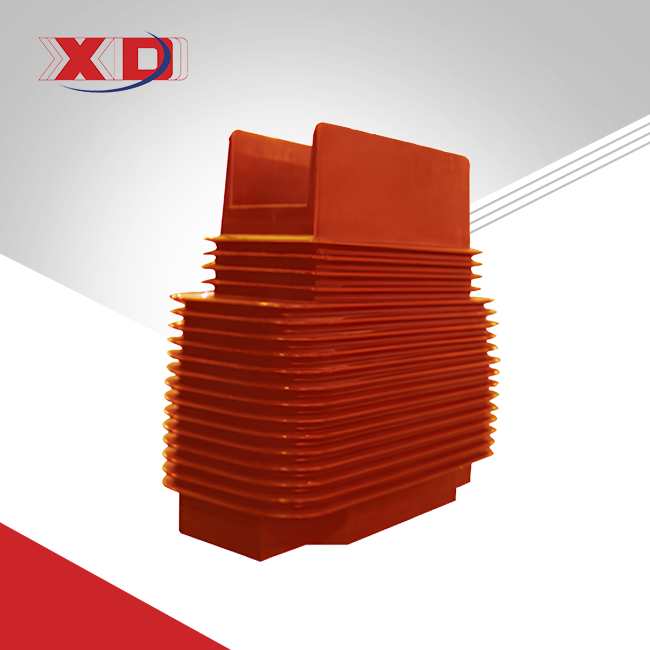
An Indoor disconnect switch, also referred to as an isolator or switch disconnector, is a mechanical device that directly cuts off power to electrical lines. Disconnect switches make a visible gap in the circuit, which keeps repair workers completely isolated. This is different from circuit breakers, which stop fault currents instantly. Technicians can be sure that the equipment is truly off-grid before they start fixing it or inspecting it because this break point can be seen.The basic idea behind how it works is that the blades move mechanically. When the switch is turned on, the electrical blades move or spin away from the fixed contacts, creating an air gap that stops the flow of electricity. High-quality insulators, which are usually made of epoxy resin or ceramic, hold these blades in place and can handle voltage stress. Once the door is open, the design makes sure that there is no electricity path. This keeps service workers from getting shocked.
Types of Indoor Disconnect Switches
Different working needs call for different switch arrangements. For situations where fault interruption is handled by different protective devices, non-fusible disconnect switches are the best choice because they provide simple separation without overcurrent protection. Fusible versions have fuse elements built right into the switch assembly. This makes it possible to protect against both isolation and overcurrent in a single small unit.A higher level of technology is shown by load-break disconnect switches. Not only can these devices safely separate circuits that are not plugged in, but they can also stop minimum load currents. Spark suppression devices in load-break switches put out the electrical spark that is made when the current stops, which keeps people and equipment from getting hurt. This feature is very useful in situations where switching needs to happen often without the upstream circuit breaker getting involved.
How Indoor Disconnect Switches Differ from Other Protective Devices
Circuit breakers are made to stop faults automatically, but they're not meant to be used for everyday isolation jobs. Indoor disconnect switches don't have automatic trip features, but they are great at isolating things in a way that can be seen and checked. Fuse switches protect against overcurrent with spare elements, but each time they go bad, a part has to be replaced. Knowing these differences helps buying professionals match the capabilities of a device to the needs of a specific application. This makes sure that safety rules are followed and operations run smoothly.
Key Features and Benefits of Indoor Switch Disconnectors
Critical Safety Features That Protect Your Team
Multiple levels of safety tech are used in modern Indoor disconnect switches. Interlocking devices stop switches from working when circuit breakers are closed. This stops people from opening switches when they are loaded, which is a risky practice. Lockout/tagout processes are made possible by mechanical locks and padlock provisions. This makes sure that switches stay open while repair work is being done.Another important safety feature is arc reduction technology. A high-temperature plasma arc forms between the electrodes when the contacts break apart under load (in load-break types). Arc chutes and magnetic blow-out coils that are specially made put out these arcs quickly, protecting equipment and people from arc flash dangers.
Voltage and Current Specifications That Match Your Needs
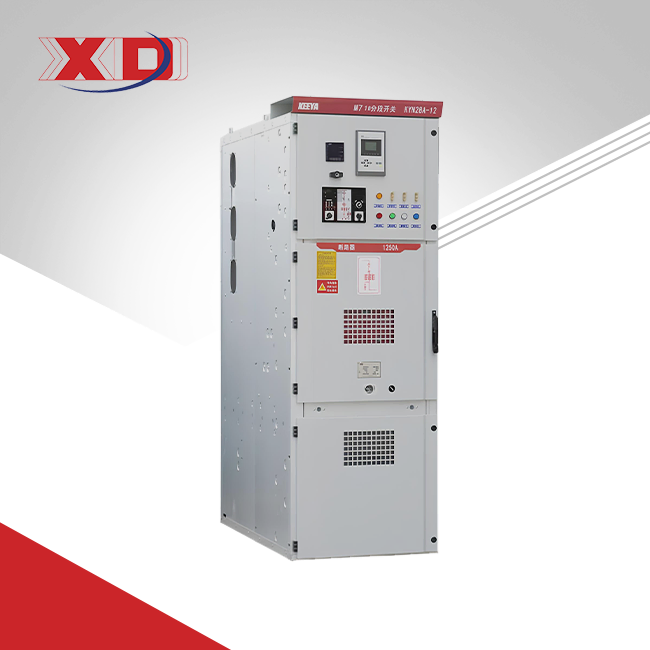
To suit a variety of uses, Indoor disconnect switches are available in a wide range of ratings. Low-voltage units work with systems that have voltages between 240V and 600V and currents between 30A and 800A. They are used in business and light industrial buildings. Medium-voltage types work at 12kV to 40.5kV and can handle currents from 400A to 1250A in big industry and utility substations.One example of this is the GN27 High Voltage Disconnect Switch. This device has an efficient swing-contact design that reduces mechanical wear and increases heat absorption. It is rated at 40.5kV and can handle currents of 630A or 1250A. Its low working torque keeps operators from getting tired while doing hard work, and its high-strength insulators make sure it works reliably even in tough conditions. Mounting options include horizontal, vertical, or inclined positions to fit setups with limited room. Pollution-resistant and high-altitude versions are available to meet specific environmental issues.
Operational Benefits That Boost Your Bottom Line
Reliable isolation switches allow for safe and effective repair, which cuts down on unplanned downtime. Technicians don't have to turn off whole parts of the building; instead, they can separate certain pieces of equipment and keep production going in other areas. This surgical approach to planning repair cuts down on lost income and increases the useful life of equipment by taking care of it before it breaks.Managing heat has a direct effect on how reliable operations are. When contact systems aren't built well, hotspots form that damage insulation, loosen connections, and finally cause crashes. The GN27's improved thermal properties keep it from overheating when it's running continuously at its maximum current. This means that it performs the same way over thousands of working cycles. Each unit goes through more than 10,000 mechanical cycles and high-voltage survive tests before it is shipped to make sure it meets IEC 62271-102 and IEEE C37.32 standards for longevity.When you understand something well, it's easy to fix common problems. Most of the time, surface rust or not enough contact pressure cause contacts to get too hot. Conductivity can be restored by checking it on a regular basis and cleaning it with approved solvents. Mechanical binding is often a sign of misalignment or lack of grease, both of which can be fixed by following the right upkeep steps. If you notice these signs early, you can stop major failures that shut down production lines or threaten the safety of the grid.
Indoor Switch Disconnector Installation and Maintenance Guide
Installation Best Practices for Optimal Performance
Environmental evaluation is the first step in a proper placement. Indoor disconnect switches need to be kept in controlled settings with little dust, water, and other harmful substances. Extreme temperatures can affect how well an insulator works and how the machine works, so installers should keep the temperature range within the manufacturer's recommendations, which for normal units is usually -5°C to +40°C.
The direction of the mounting has a big effect on the mechanical durability. The GN27's flexible design lets it be installed horizontally, vertically, or at an angle. However, for each setup, the mounting bolts need to be tightened to a certain torque, and the working linkages need to be carefully matched up. The same care needs to be taken with electrical lines. The sizes of the terminal rings and cables must match exactly, and the sides of the connections should be cleaned well before putting them together. When you use the right amount of torque, you can avoid both open connections (which heat up) and overtightened joints (which damage conductors).Different uses call for different wiring arrangements. To make sure proper spinning and balanced loading in three-phase systems, it's important to carefully identify each phase. For safety's sake, grounding connections are very important. During repair, both machine frames and disconnected load-side conductors must be linked to ground. Labeling all of the ports and working handles clearly cuts down on mistakes during emergency operations.
Maintenance Procedures That Extend Service Life
The timing of routine inspections should match the frequency of operations and the level of harshness of the surroundings. Most indoor installations that work normally can be inspected once a year, but installations that are in tough settings or are switched on and off a lot may need to be inspected every three months. Part of the inspection process is looking at the insulators visually for cracks or dirt, trying the mechanical operation to make sure the blades move smoothly, and measuring the contact resistance to see if there is any degradation.
Cleaning gets rid of dust and moisture that have built up and hurt the insulation. Mild soap solutions work well on insulators. After washing, they should be rinsed well and dried completely. Contact areas need special care—industrial chemicals get rid of oxidation without hurting the silver plate, and applying conductive grease makes the current flow again.Testing makes sure that safety rules are still being followed. Power frequency withstand voltage tests make sure the insulation is solid, and contact resistance tests find problems before they become big enough to break. The GN27 is tested thoroughly in the workshop, but it is also checked in the field after installation and tested again and again while it is in service to make sure it stays reliable.
Indoor vs. Outdoor Disconnect Switches: Understanding the Differences
Exposure to the environment marks the line between indoor and outdoor uses. Disconnect switches outside have waterproof covers, better UV protection, and drainage holes to handle rain, snow, and ice buildup. Insulator designs deal with pollution buildup from factory fumes or salt spray from the coast, which are problems that aren't usually present indoors.In secure settings, Indoor disconnect switches are designed to maximize space and cost effectiveness. Small sizes work well in switchgear boxes that aren't very big, and simpler insulator designs save money on materials without sacrificing safety. The GN27's pollution-resistant version falls in the middle of these two groups. It offers better resistance to contamination for indoor industrial plants that deal with flying particles while keeping the small size that's good for setups inside.
Comparison and Selection: Choosing the Right Indoor Switch Disconnector
Disconnect Switches vs. Circuit Breakers: Different Tools for Different Jobs
In methods for protecting electricity, circuit breakers and stop switches work together. Circuit breakers stop problem currents automatically within milliseconds. This keeps equipment from being damaged by short circuits and keeps fires from starting. Their complicated systems include working springs, trip units, and arc chutes that let them respond quickly and automatically to problems.Disconnect buttons let you manually isolate a circuit without protecting it automatically. This simplicity has benefits, such as lower cost, better dependability (because there are fewer moving parts), and the ability to see if the circuit is open. The best system design uses both circuit breakers and Indoor disconnect switches to keep repair work from affecting the system.Load-break release buttons are in the middle. They safely stop regular load currents, but they can't stop danger currents like circuit breakers can. Load-break capability is useful for situations where transformer magnetizing currents or capacitor banks need to be switched on and off a lot, but full circuit breaker specs are not needed.
Fusible vs. Non-Fusible Configurations
Fusible cutoff switches protect against overcurrent and isolate the circuit all in one. When fault currents are higher than the fuse's values, the fuse element melts. This stops the flow of current and protects equipment further down the line. This level of ease works well in situations where backup safety is enough and changing fuses every so often doesn't add any extra work.Overcurrent safety is provided by circuit breakers or fuses that are located ahead of non-fusible switches. This separation of tasks gives you more control over how the safety works and saves you money on fuse replacement costs, but it needs careful system design to make sure it covers enough.Cost-effectiveness makes non-fusible switches better for initial installation, while fusible versions may be more cost-effective for retrofits where adding extra safety devices is not possible. The GN27 High Voltage Disconnect Switch works as a non-fusible isolator and can be used with the CS6-2 control mechanism or built into switchgear systems that have their own circuit interruption devices.
Leading Manufacturers and Selection Criteria
Siemens, Eaton, Schneider Electric, and ABB are some of the biggest names in the disconnect switch market. Their products have been used successfully in both utility and commercial settings for a long time. These brands have a lot of products with voltage ranges from 240V to 765kV and current values from 30A to 4000A. They also have a lot of technical information and service networks all over the world to back up their products.Xi'an Xikai Medium & Low Voltage Electric Co., Ltd. has been in the medium and high-voltage disconnect switch business for decades and is very good at what it does. We can make plateau-type equipment that works reliably at elevations of up to 4,000 meters, which is important for sites in hilly areas where lower air density makes insulation less effective. Products are used in high-stress situations in State Grid systems, steel and metalworking plants, petroleum plants, and rail transportation infrastructure in more than 30 countries.
Practical Procurement Guidance
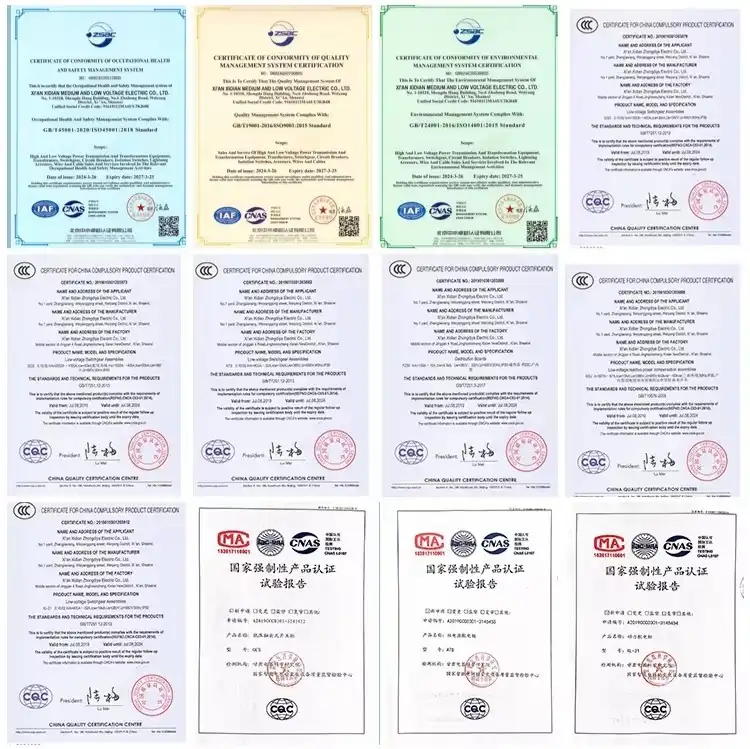
Making a thorough buyer's plan makes choices about what to buy easier. Voltage and current values must meet or go beyond what the system needs, with enough room for error. Temperature range, altitude, and pollution levels in the environment determine how the barrier is designed and how it is enclosed. Cost and ease of use are weighed against each other by operating method choices (manual, motorized, or spring-charged).Compliance badges show that rules are being followed. In North America, systems need to be approved by UL or CSA. In other countries, projects usually need to be IEC compliant. Quality standards, such as ISO 9001, show that the production process is strong and that the products are always reliable.Evaluation of suppliers goes beyond just looking at product specs. Total cost of ownership is affected by things like technical help, spare parts supply, and service reaction times. Customization choices from manufacturers, like the GN27's different voltage indicator versions or pollution-resistant setups, let customers get solutions that work best for their site conditions.
Conclusion
In industrial, business, and utility uses, Indoor disconnect switches are essential for maintaining electrical safety and usability. Their ability to provide obvious, provable isolation keeps people safe and makes it possible to service equipment quickly, which cuts down on downtime. These devices, which range from simple non-fusible isolators to complex load-break switches with arc suppression, can be used in a wide range of situations while still meeting the highest safety standards.Disconnect switches are becoming more and more useful as technology changes. Using smart tracking together with predictive repair plans lets you find problems before they become major ones. Designs that use less energy mean that less extra power is needed, and modular building makes fixes easier in the field. When procurement teams and engineering firms know about these new technologies, they can make decisions that improve business efficiency while keeping lifecycle costs low. The GN27 High Voltage Disconnect Switch is a great example of this change because it combines the proven stability of swing-contact switches with modern customization choices that meet the needs of different applications around the world.
FAQ
1.How Do I Select the Appropriate Voltage and Current Ratings?
The voltage in the system affects how well the break switch is insulated. Choose devices that are rated for the base voltage of your system. For example, switches rated for 12kV or higher are needed for a 12kV system. To allow for thermal growth and future load growth, current values should be 25–30% higher than the constant load current. To make sure the mechanical integrity during fault conditions, short-circuit withstand values must match or be higher than the available fault current at the placement point.
2.Should Professional Installation Be Required for Safety Compliance?
Professional installation by licensed electricians makes sure that the code is followed and that the system is safe to use. Electrical rules require certain distances, grounding methods, and testing methods that only trained professionals fully understand. Installing something wrong can cause shocks, fires, and damage to the equipment. Licensed workers have insurance that covers mistakes made during installation and have the right tools, like torque wrenches, insulation testers, and contact resistance meters, to do the job right.
3.What Distinguishes Indoor from Outdoor Disconnect Switches?
Protection of the environment is the main difference. Outdoor switches have waterproof housings that are labeled at least NEMA 3R. This keeps the inside parts safe from rain, snow, and ice. Better UV-resistant materials keep things from breaking down after being in the sun for a long time. Indoor disconnect switches make the best use of space in controlled settings by having small designs and easier insulator setups that work well for protected installations where weather exposure is not a problem.
Partner with Xi'an Xikai for Superior Disconnect Switch Solutions
If you need help with your electrical infrastructure, Xi'an Xikai Medium & Low Voltage Electric Co., Ltd. is ready to help with a wide range of disconnect switch options backed by decades of manufacturing excellence. Our product line includes over 100 different models in 7 main groups. The GN27 High Voltage Disconnect Switch is designed for tough situations that need 40.5kV separation with 630A or 1250A current capacity. Our expert team makes customized suggestions that improve safety, dependability, and cost-effectiveness, whether you're choosing equipment for a new data center, improving utility infrastructure, or creating custom switchgear assemblies.As a top Indoor disconnect switch maker, we have won the trust of State Grid systems, steel and metallurgy operations, petrochemical plants, and rail transportation networks in more than 30 countries. Our plateau-type equipment works regularly at heights of up to 4,000 meters, and our pollution-resistant versions are perfect for tough industrial settings. Send an email to serina@xaxd-electric.com, amber@xaxd-electric.com, or luna@xaxd-electric.com to talk to one of our application engineers about your needs. You can look at our full line of products at xaxd-electric.com and learn how Xi'an Xikai can improve your electricity safety and uptime.
References
1. Institute of Electrical and Electronics Engineers, "IEEE Standard for High-Voltage Switchgear and Controlgear - Part 102: Alternating Current Disconnectors and Earthing Switches," IEEE C37.32-2020, 2020.
2. International Electrotechnical Commission, "High-Voltage Switchgear and Controlgear - Part 102: Alternating Current Disconnectors and Earthing Switches," IEC 62271-102:2018, 2018.
3. National Fire Protection Association, "NFPA 70: National Electrical Code," 2023 Edition, Quincy, Massachusetts, 2022.
4. Electrical Safety Foundation International, "Lockout/Tagout Procedures for Electrical System Maintenance: Best Practices Guide," Arlington, Virginia, 2021.
5. Zhang, Wei and Liu, Jianhua, "Design Optimization of High-Voltage Disconnect Switches for Plateau Environmental Conditions," Journal of Power System Engineering, Vol. 45, No. 3, 2022, pp. 234-248.
6. American National Standards Institute, "ANSI C37.30-2015: Requirements for High-Voltage Switches," New York, New York, 2015.
_1774404811357.png)