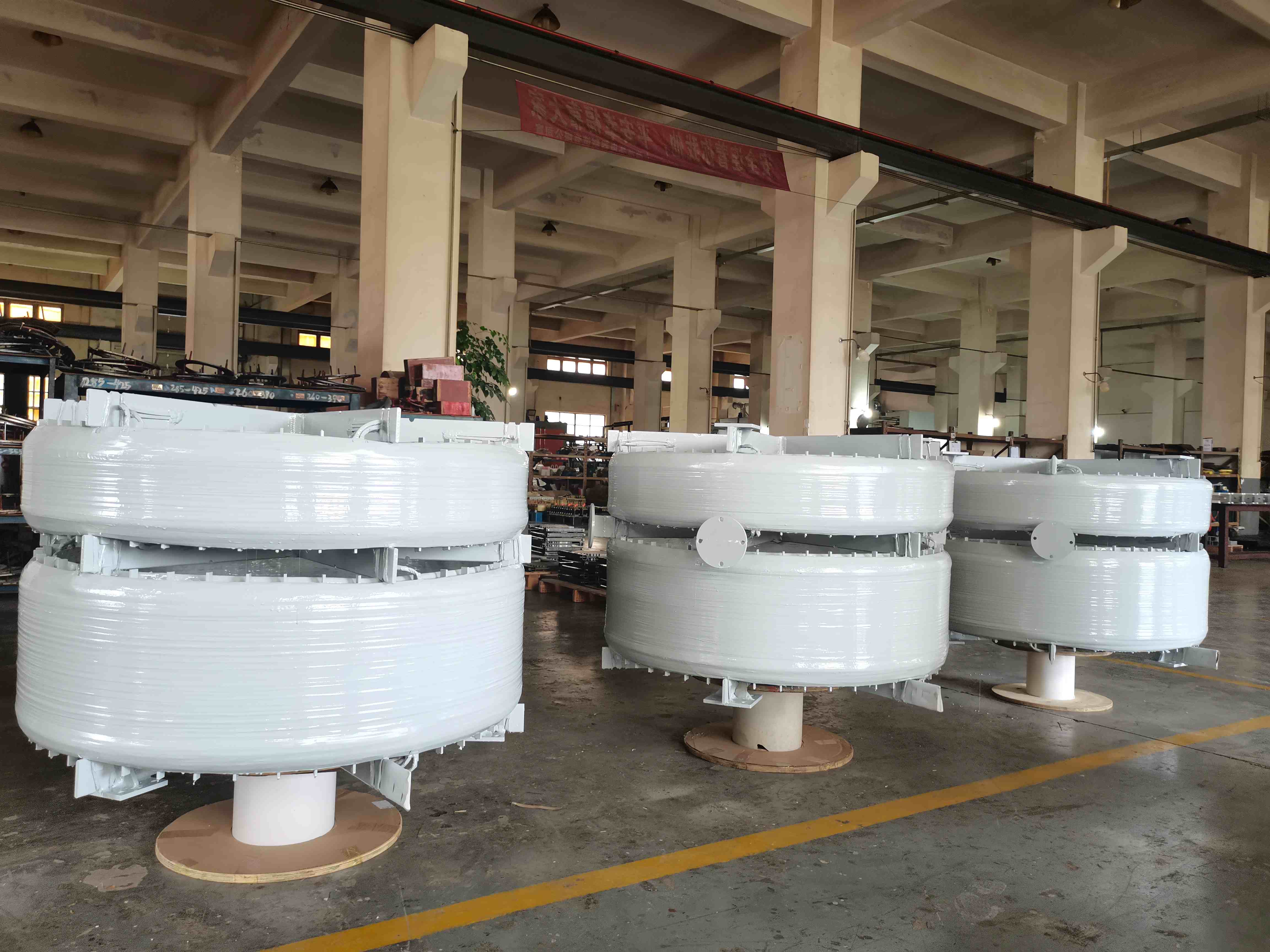
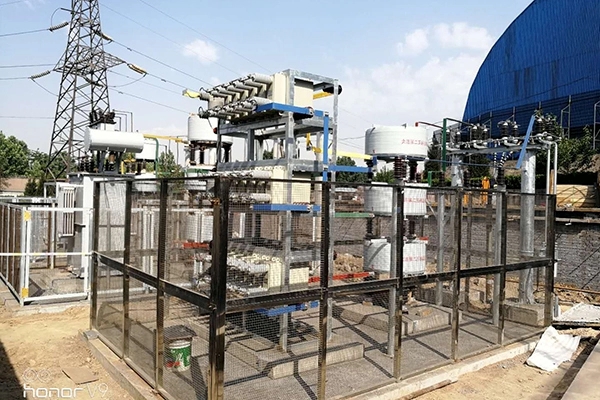
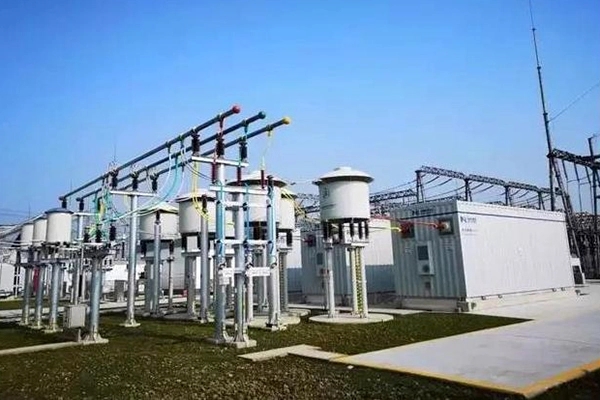
What is an LV Intelligent Capacitor Compensation Device?
2026-01-20 15:57:55
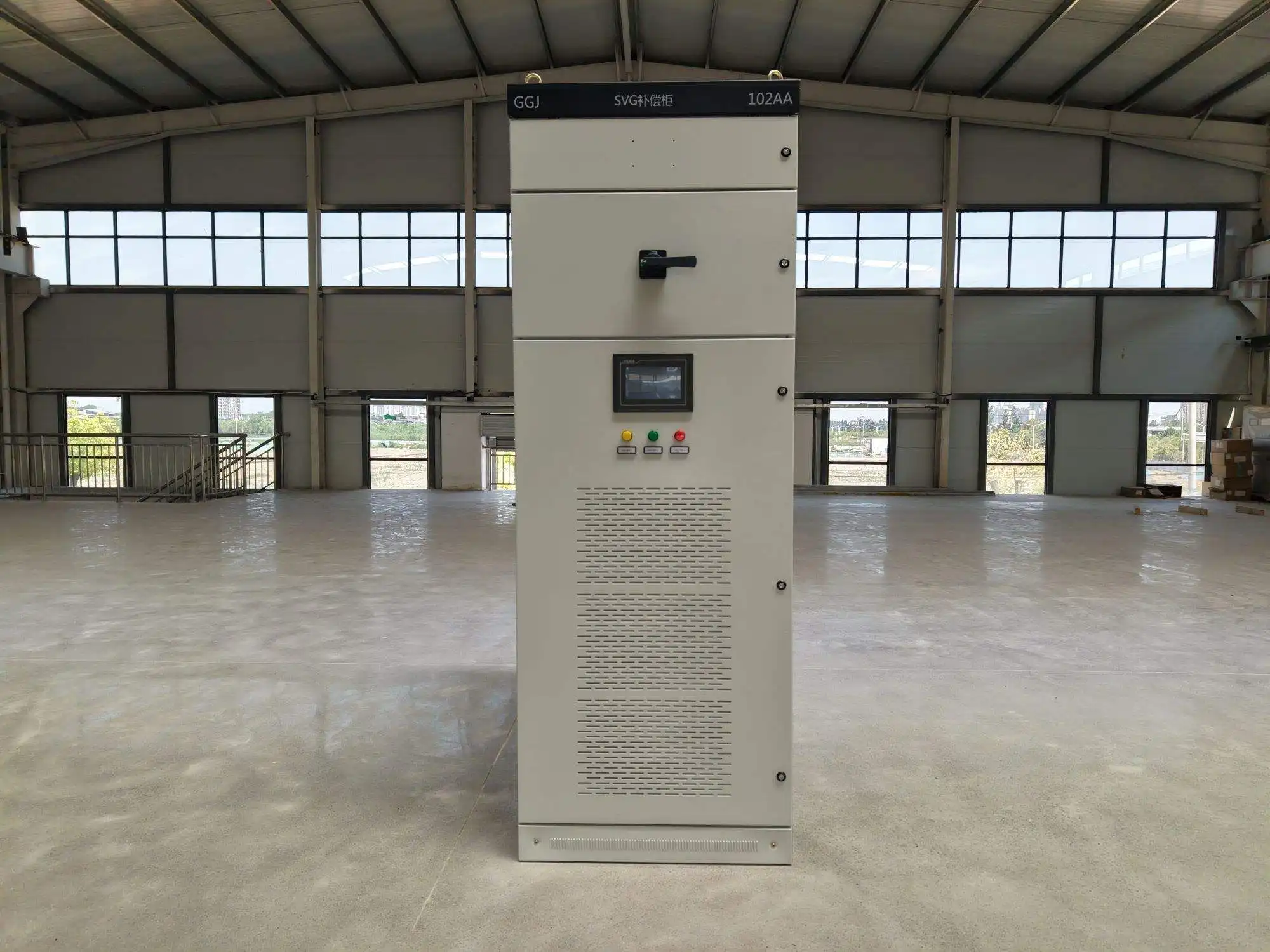
A sophisticated electrical system called an LV Intelligent Capacitor Compensation Device regulates reactive power in low-voltage networks below 450V. The clever technology monitors electrical loads in real time and changes capacitor banks for optimal power factor adjustment. These devices effectively balance reactive power needs to lower energy expenditures, increase power quality, and boost system efficiency. Facilities that prioritize energy management and operational reliability need modern devices with IoT capabilities and adaptive algorithms to respond promptly to changing electrical conditions.
|
|
|
Understanding the Core Problem These Devices Solve
Poor Power Factor Financial Impact
Pressure is mounting on industrial and commercial establishments to maximize energy efficiency and operational excellence. Poor power factor causes utility fines, a major issue. The penalties can increase monthly rates by 15-30% for electrical systems without power factor correction, resulting in enormous unanticipated expenditures that build quickly across big sites.
Operating Issues Due to Reactive Power
In addition to financial costs, reactive power concerns also hurt operational efficiency. Power quality degradation reduces equipment efficiency, causing motors, transformers, and sensitive electronic systems to wear out faster. Data centres risk costly downtime if power quality concerns affect server operations, while voltage variations can damage precision gear in manufacturing plants. Electrical instability could compromise life-support systems, thus hospitals cannot afford it.
Traditional Compensation Method Limitations
Traditional fixed capacitor banks provide basic power factor adjustment but lack the ability to respond to dynamic load situations. Equipment cycles on and off during operation, shifting electricity demands in modern facilities. Static compensation systems can under- or over-compensate under peak or lighter loads, causing power quality issues.
Harmonic Distortion Effect
Power quality control is complicated by harmonic distortion, especially in facilities with variable frequency drives, LED lights, and other non-linear loads. Harmonics can damage equipment, trip protection devices, and reduce power factor correction effectiveness. Intelligent compensation devices use advanced monitoring and adaptive control mechanisms to handle these complicated relationships, saving money and improving dependability.
Core Features & Functionality Deep Dive
Advanced Real-Time Monitoring
Advanced real-time monitoring underpins sophisticated capacitor compensation systems. Your electrical system's three phases are monitored by high-precision sensors for voltage, current, and phase. This system produces a complete picture of your facility's power characteristics by sampling these data hundreds of times per second. This continual monitoring detects even tiny electrical changes before they affect operations.
Automatic reactive power compensation
System functionality relies on automatic reactive power compensation. Complex algorithms examine observed data to determine current compensation needs. The system automatically switches capacitor banks to optimize power factor levels without human involvement. This mechanism effortlessly adjusts to load changes and operational schedules, improving energy efficiency.
Harmonic Filtering Skills
Harmonic filtering distinguishes intelligent devices from basic compensatory systems. Integrated reactors and filtering circuits actively reduce harmonic distortion up to the 13th order, shielding equipment from hazardous frequencies. The system continuously checks harmonic content and adapts filtering algorithms to deliver clean power across the facility, protecting sensitive equipment and improving operational reliability.
Smart Load Response
Dynamic load response optimizes performance under different operational settings. The device can respond to load changes in 20 milliseconds, preventing power quality degradation during equipment startup or rapid load fluctuations. Rapid response helps maintain steady voltage levels and eliminate reactive power fluctuations that could damage sensitive equipment, ensuring ongoing operations.
Communication Integration Improves Management
Intelligent capacitor compensation systems must integrate with building management systems and SCADA networks for seamless communication. Remote monitoring and control are possible using Modbus RTU and IEC 61850 protocols. Centralized dashboards give facility managers real-time performance statistics, historical trends, and system status information to adopt preventative maintenance and optimization initiatives.
Technical Architecture & Advanced Control Systems
Microprocessor-Controlled
Modern intelligent capacitor compensation devices optimize system performance using microprocessor-based controls and advanced algorithms. These sophisticated controllers assess voltage harmonics, load patterns, and environmental conditions simultaneously. Real-time decision-making and improved processing capability allow the system to react to changing situations faster than electromechanical systems.
Increased Measurement Precision
Digital signal processing improves measurement precision and system reliability. Advanced filtering algorithms remove measuring noise and transient interference, delivering accurate electrical data for compensating decisions. The system maintains compensation accuracy within ±1% under normal operating conditions, outperforming conventional systems and boosting efficiency.
Predictive Proactive Compensation Algorithms
Analyzing historical load patterns with predictive algorithms helps predict reactive power demand compensation needs. This proactive technique prevents power factor degradation during known load transitions like shift changes or scheduled equipment activities. Machine learning helps the system recognize and adapt to facility-specific electrical patterns, improving operating efficiency.
Protective Integration
Electrical fault protection for the compensation device and related equipment, including the LV Intelligent Capacitor Compensation Device, requires integrated protection systems. Continuous overvoltage, overcurrent, and temperature monitoring protects against abnormal operating circumstances. The device automatically disconnects capacitor banks when protective thresholds are surpassed, preventing equipment damage while preserving partial compensation. This function makes power quality management safe and reliable.
Key Advantages for Modern Facilities
Energy Costs Drop Instantly
Intelligent capacitor correction immediately reduces energy costs, a major benefit. In the first month after installation, reactive power charges drop 15-30%. Many systems pay for themselves in 12-18 months due to lower utility expenses. The system's automated optimization maintains these savings without manual modifications.
Extended Equipment Life
Better power quality and less electrical stress on loads extend equipment life. Power factor correction improves motor efficiency, reducing heat and wear. Transformer lifespans are extended by decreased losses and cooler operating temperatures. Electronic equipment has constant voltage and low harmonic distortion, boosting dependability and endurance.
Higher operational reliability
Power quality management and voltage stability improve operational reliability. Intelligent capacitor adjustment devices prevent voltage fluctuations from disrupting production or equipment. Power delivery consistency reduces equipment breakdowns and downtime expenses. Hospitals and data centers need uninterrupted electricity, thus this reliability is key.
Simplified Reg Compliance
Comprehensive power quality monitoring and documentation ease regulatory compliance. The system tracks power factor, harmonic levels, and energy consumption. These records aid energy audits, sustainability reporting, and utility compliance. Many facilities use this data to earn LEED certification or other green construction standards, demonstrating their energy efficiency and environmental stewardship.
Potential Limitations & Implementation Considerations
Considering Initial Investment Costs
Initial investment expenses must be weighed against long-term advantages and facility-specific conditions when considering clever capacitor compensation devices. Intelligent compensating devices cost more than capacitor banks, but they perform better and pay back faster. Facilities with steady loads and favorable power factors may have longer payback periods than those with large reactive power penalties.
Installing Complexity and Needs
Existing electrical infrastructure and system integration needs can greatly affect installation difficulty. Older buildings may need electrical improvements to suit current compensation devices. Installation should be done by qualified electrical contractors who understand power factor correction and harmonics. To ensure proper operation, electrical connections and system commissioning may require scheduled downtime during installation.
Maintenance for longevity
Intelligent capacitor compensation systems require low maintenance but periodic attention to work well. Due to normal aging, capacitor banks must be replaced after 15-20 years. Clean ventilation systems and examine electrical connections regularly to preserve system reliability. Intelligent systems have a lower maintenance burden than electromechanical systems, improving operational efficiency.
Environment Affects Performance
Environmental variables can greatly impact system performance and component lifespan. High ambient temperatures, humidity, and dust accumulation may require additional protection or more frequent maintenance. In difficult locations, facilities should consider higher enclosure ratings and environmental protection features when selecting an intelligent capacitor compensation system to ensure reliability and effectiveness.
Competitive Analysis & Market Positioning
Classic Fixed Capacitor Banks
Traditional fixed capacitor banks offer economical initial investments. They lack the intelligence and adaptability of modern compensation schemes. Fixed systems work well in steady and predictable loads, but they struggle in dynamic industrial environments. These systems cannot adjust to changing harmonic circumstances or provide the detailed monitoring needed for energy management.
Synchronous Condensers
Synchronous condensers provide reactive power correction and voltage support but require more capital and maintenance. Large utility applications suit these rotating machines, but most industrial and commercial sites cannot afford their complexity and maintenance. Synchronous condensers may not be suited for automated, low-maintenance installations.
Static VAR Compensators
Fast response and accurate control make static VAR compensators ideal for utility-scale applications. Their increased costs and complexity make them unsuitable for most industrial facilities. These systems work well in some situations, but their investment and operational costs make them unsuitable for many commercial applications. Intelligent capacitor compensating devices offer similar benefits at a lower cost for industrial and commercial settings.
Active Power Filters
Active power filters excel at harmonic mitigation but prioritize power quality over reactive power correction. Combining active power filters with reactive power technology can provide comprehensive power management solutions, but it increases system complexity and expense. Integrated intelligent compensation devices, such as the LV Intelligent Capacitor Compensation Device, balance reactive power and harmonic concerns in one system, making them an efficient and effective option for modern facilities.
Target Applications & Ideal Use Cases
Manufacturing Facility Benefits
Manufacturing facilities benefit from intelligent reactive power correction due to dynamic load situations and power quality sensitivity. CNC equipment, robotic systems, and automated production lines need reliable power. These devices prevent power quality difficulties during equipment starting and load changes due to their fast reaction. VFDs, used in production, cause harmonic distortion, which integrated filtering systems efficiently solve.
Ideal Data Center Solutions
Data centers, with their strict power quality and energy efficiency requirements, are ideal for sophisticated reactive power adjustment. Stable voltage and clean power are essential for server reliability. Data centers are crucial, therefore these intelligent solutions provide reliability and comprehensive monitoring. Energy efficiency improvements lower operational costs and assist sustainability measures, which data center operators are increasingly prioritizing to reduce their environmental effect.
Healthcare Facilities' Importance
Healthcare institutions need reliable electricity for crucial equipment and patient safety systems. Intelligent compensating devices provide stability and power quality for sensitive medical equipment, which is crucial for patient care. These systems also help meet regulatory and facility management standards with their extensive monitoring. Intelligent compensation reduces energy costs, helping healthcare facilities manage rising operating costs and maintain patient care.
Adaptable Commercial Building Solutions
Commercial structures with mixed loads and varied occupancy patterns benefit from adaptive compensation. Office buildings have considerable daily and seasonal load variations. To react to shifting lighting and HVAC demands, retail facilities need flexible power management solutions. Intelligent compensating systems automate power quality modifications, maintaining optimal power quality as building conditions change.
Future Outlook & Technological Evolution
Artificial intelligence and machine learning improve intelligent compensation. Based on weather, operational schedules, and historical patterns, future systems will forecast best compensation solutions. Predictive skills will boost energy efficiency and prevent reactive power fluctuations.
Smart grid integration is a major compensation technological advancement. Devices will connect with utilities to provide grid support beyond facility-level optimization. This bi-directional connectivity allows high-performance facility involvement in demand response and grid stabilization programs.
Digital twin technology improves monitoring and predictive maintenance. Virtual models of compensation systems will simulate performance under different scenarios, enabling proactive maintenance scheduling and optimization. These digital duplicates will detect flaws before they affect system operation.
Conclusion
Facilities that prioritize energy savings, power quality, and operational reliability need intelligent capacitor compensation devices, specifically LV Intelligent Capacitor Compensation Devices. These systems save money by reducing energy expenses and improving equipment protection and stability. The system solves several facility issues at once, offering power management solutions that traditional methods cannot match. Intelligent compensation is essential for competitive facility operations as energy costs rise and power quality requirements tighten. Forward-thinking facility managers invest in these devices for their immediate cost savings, reliability, and future-ready technology.
Frequently Asked Questions
Q1: How quickly does an intelligent capacitor compensation device respond to load changes?
Modern intelligent compensators react to dynamic load variations in 20 milliseconds. This fast response eliminates power factor loss during equipment starting and preserves power quality under different operational conditions.
Q2: Can these devices work with existing electrical panels and switchgear?
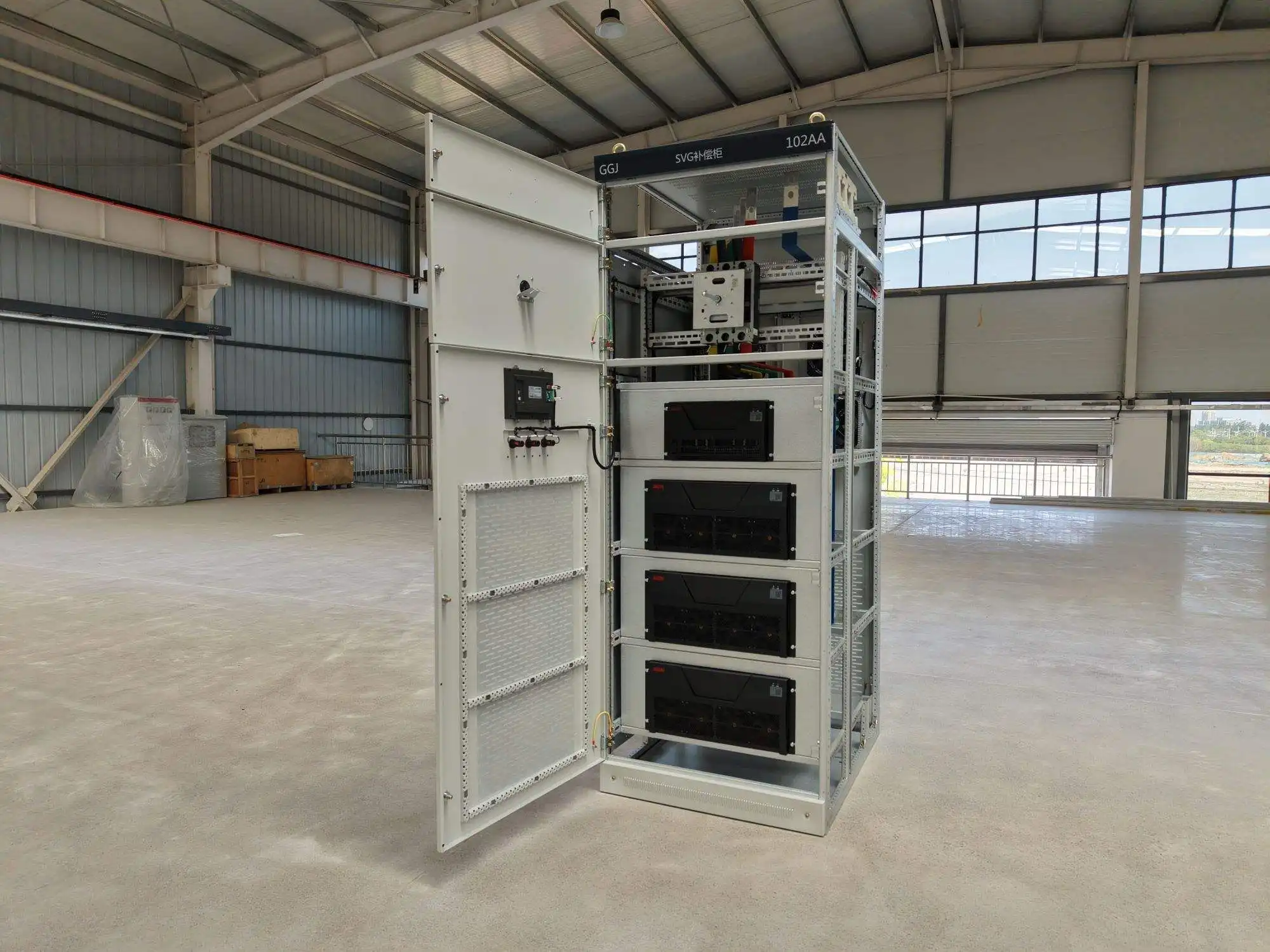
Intelligent capacitor compensation devices work with MNS, GCK, and GGD cabinet systems. Modular design facilitates adaptation onto existing electrical infrastructure with minimal system changes.
Q3: What maintenance is required for intelligent compensation devices?
These systems require less maintenance than traditional ones. Cleaning, electrical connection inspection, and capacitor status monitoring are routine maintenance. Normally, most components last 15-20 years without maintenance.
Partner with Xi'an Xidian for Advanced LV Intelligent Capacitor Compensation Solutions
Industry-leading intelligent capacitor compensation technology from Xi'an Xidian, a reputable LV Intelligent Capacitor Compensation Device manufacturer, is backed by 15 years of power electronics knowledge and proven performance across varied applications. We offer bespoke solutions for facilities up to 4,000 meters, supported by several patented technologies and international certifications. We understand your power management difficulties from State Grid systems, manufacturing, healthcare, and renewable energy deployments. Ready to improve your facility's power quality and energy efficiency? To discuss your LV Intelligent Capacitor Compensation Device needs with our technical experts, email serina@xaxd-electric.com, amber@xaxd-electric.com, and luna@xaxd-electric.com.
References
1. IEEE Standard 519-2014: IEEE Recommended Practices and Requirements for Harmonic Control in Electrical Power Systems
2. National Electrical Manufacturers Association (NEMA). "Power Factor Correction and Harmonic Considerations in Industrial and Commercial Facilities." Technical Report PE-2019.
3. Johnson, Michael R., and Sarah Chen. "Intelligent Reactive Power Compensation: Performance Analysis in Modern Industrial Applications." IEEE Transactions on Power Delivery, vol. 38, no. 4, 2023.
4. International Electrotechnical Commission. "Low-voltage switchgear and controlgear assemblies - Part 7: Assemblies for specific applications such as marinas, camping sites, market squares, electric vehicle charging stations." IEC 61439-7:2018.
5. Smith, David L., et al. "Economic Analysis of Smart Capacitor Banks for Commercial Building Power Factor Correction." Energy and Buildings, vol. 285, 2023.
6. American Society of Heating, Refrigerating and Air-Conditioning Engineers. "Power Quality and Harmonic Distortion in Commercial Buildings: Best Practices for Reactive Power Management." ASHRAE Technical Report TR-2022-03.
_1774322334531.png)