What Is an Outdoor Disconnect Switch and Why Is It Essential for Safety?
2026-07-02 15:57:22
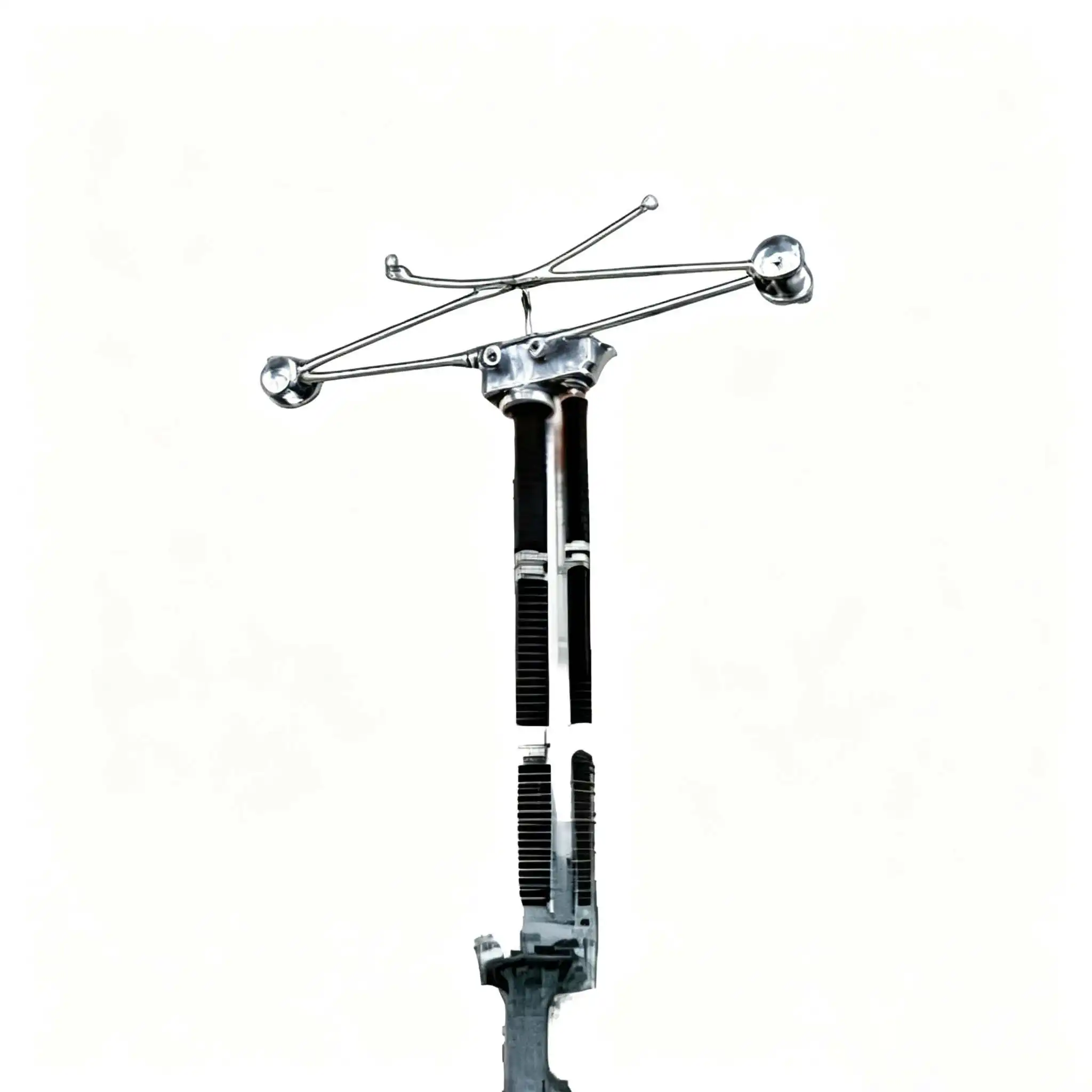
An Outdoor disconnect switch is an important electrical safety device that directly disconnects power sources from equipment, allowing repair workers to work without electrical hazards. In high-voltage and medium-voltage systems, these switches stop the flow of current, making a break that can be seen to prove that the system is no longer energized. Facilities managers in hospitals, data centers, and factories use these gadgets to keep workers safe during regular checks and sudden fixes, all while following the rules set by the National Electrical Code (NEC).
 |
 |
Understanding Outdoor Disconnect Switches: Definition and Function
Core Components That Enable Safe Electrical Isolation
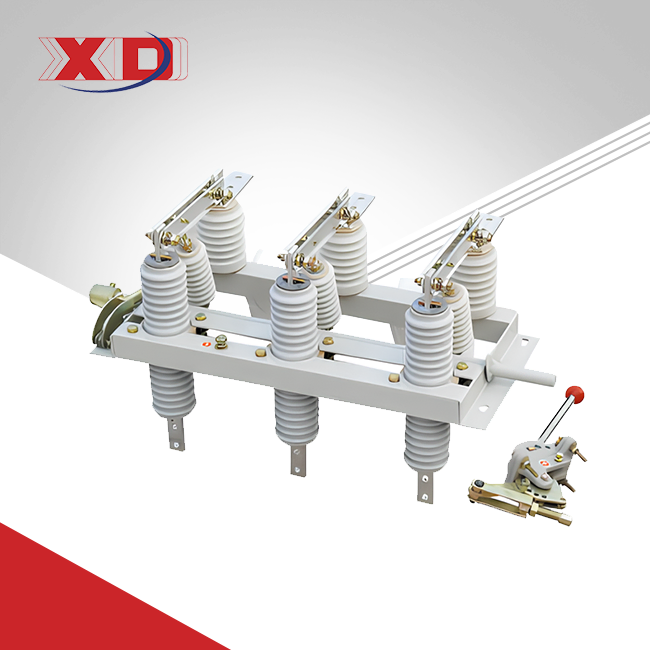
The switching mechanism, weatherproof housing, and connection points make up the basic design of an Outdoor disconnect switch. When the switching mechanism is turned on, it makes a physical gap between electrical parts. The cover keeps the inside parts dry in rain, snow, and UV light. Connection connections, which are usually made of copper or a high-conductivity aluminum metal, keep power lines coming in and going out safe. High-voltage models have grading rings on the fixed contacts that cut down on radio interference and improve the spread of the electric field. This keeps the model's performance stable even when it's under a lot of load.
Operating Principles in Demanding Environments
These devices work by stopping mechanically instead of electronically, and they show you the state of the circuit visually. When the handle is turned or the mechanical actuator is turned on, the blade contacts separate from the fixed contacts, creating an air gap that stops the flow of current. During grid situations, when automated systems might not work, this human override feature is very important. Modern types, like our GW6 series, have triple-layer bushings that reduce friction while still being self-lubricating. This means that the switches will still work reliably even after years of being exposed to desert sand or salt spray from the coast.
Distinguishing Types for Specific Applications
Buyers need to be able to tell the difference between fusible and non-fusible versions. Fusible designs build overcurrent protection right into the switch assembly, isolating and protecting the circuit in one unit, which makes it perfect for connecting to the main of a transformer. Non-fusible switches can handle higher steady currents and work best in situations where there are other safety devices further down the line. Heavy-duty types with a 4000A rating, like our high-voltage disconnect solutions, are used in manufacturing plants and utility substations that handle a lot of electricity. NEMA 3R shelters can handle falling rain and ice formation, and NEMA 4X grades protect chemical processing plants near the ocean from corrosion.
Knowing these differences helps EPC firms choose the right equipment during the planning part of a project, so they don't have to pay for expensive repairs when the environment is too harsh for the equipment.
Why Outdoor Disconnect Switches Are Essential for Safety
Lockout/Tagout Capabilities Prevent Electrical Accidents
The lockout/tagout (LOTO) rule is still the most important safety measure for repair workers. When Outdoor disconnect switches are made correctly, they have multiple padlock hasps that let up to six workers use their own locks. This way, no one person can turn on the power while others stay in danger zones. This mechanical locking system is better than electronic safety controls because bugs in the software or orders from afar can't get around it. Hospitals that are maintaining their MRI systems and data centers that are improving their cooling systems rely on these physical safeguards to keep people from getting electrocuted, which could kill someone or lead to multimillion-dollar liability claims.
Weatherproof Design Maintains Performance Under Harsh Conditions
Electrical equipment that is left outside is constantly being attacked by the weather. Our sealed drive units keep sand out of sites in the Middle East and keep ice out of power networks in Canada. The hot-dip galvanized base protects against rust and makes the unit last longer than 30 years, which saves utility companies money on repair costs. Levers made of stainless steel and rods made of brass can handle temperature changes from -40°F to 140°F without losing their mechanical integrity. These weather-resistant features help manufacturing plants in wet places like the Gulf Coast region keep their switching reliability during storm season, when grid stability is most important.
Code Compliance Reduces Legal Liability and Insurance Costs
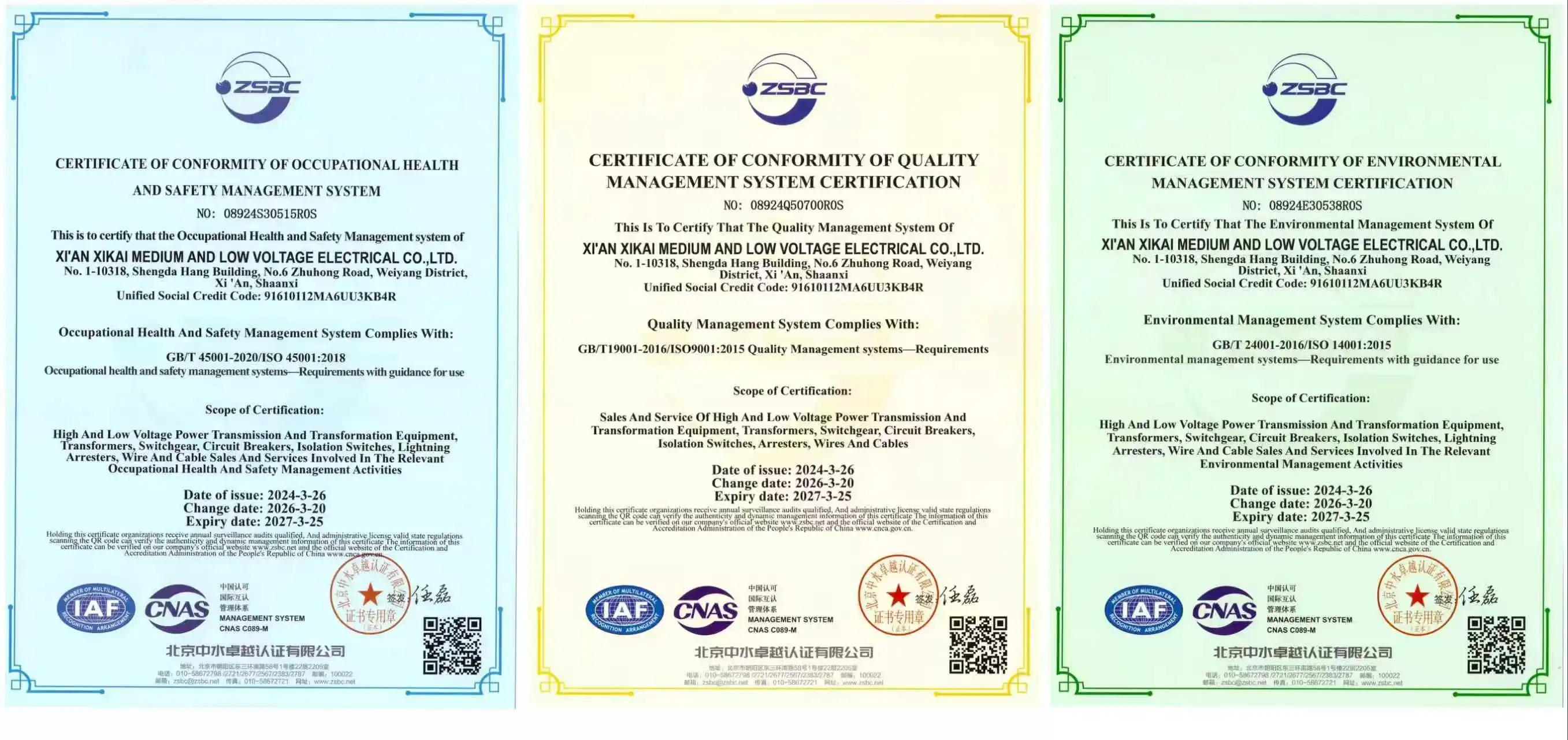
Article 230.70 of the NEC says that service tools must have easy-to-reach disconnects, and OSHA 1910.147 says that methods must be used to isolate energy. Installing legal Outdoor disconnect switches shows that you took the necessary precautions during safety checks at work. UL 98 approval shows that a product has passed strict safety tests, such as checking the dielectric strength and rating the short-circuit current resist. People who work as system designers on city projects in the US are required by contract to show proof of equipment compliance to an Authority Having Jurisdiction. Our manufacturing methods are ISO 9001-certified and include IEC-standard impulse tests and X-ray material integrity checks. These tests create the certification packages that procurement pros need to get permits.
By following these rules, you can lower your insurance rates and avoid lawsuits after electrical accidents, which means that investing in safety is a smart financial move.
Installation and Maintenance Guide for Outdoor Disconnect Switches
Site Selection and Pre-Installation Preparation
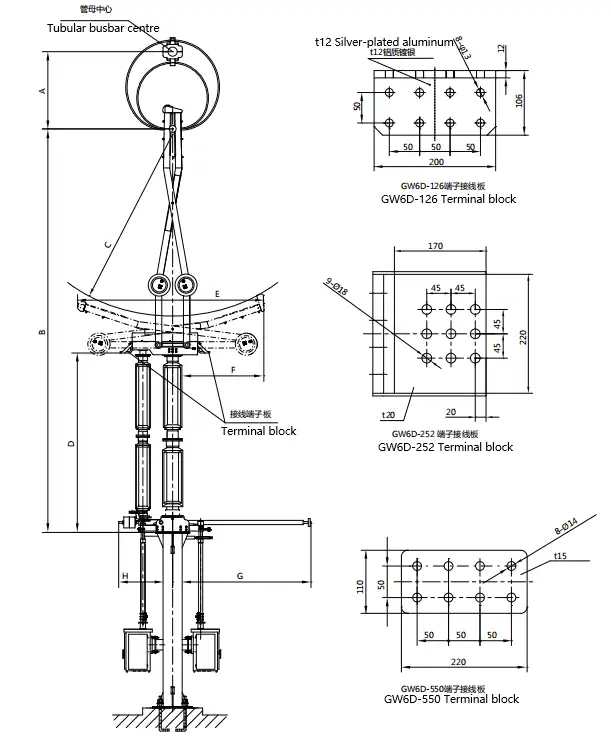
The first step in a proper installation is to check the foundation's load-bearing ability and space needs. Substations that work at 126kV to 550kV need phase-to-phase spacing that takes into account the edges of an arc flash. To keep the insulator from getting stressed, engineers should make sure that the concrete pads stay level within a 1 mm range of all fixing spots. Before using the rope setups described in our technical guides to lift insulators into place, check each ceramic or composite part for tiny cracks that could weaken the dielectric strength. Our GW6 models' vertical flexible design makes them 30% smaller than horizontal pantograph styles, which lets them be installed in urban substations with limited room.
Wiring Best Practices for Long-Term Reliability
For the conductors not to get stressed, the connection ends must line up perfectly with the fixing holes on the busbar. Our pivot points have flexible parts that make installation easier by allowing for small alignment errors during building. Torque wrenches that are set to the manufacturer's specs keep aluminum alloy conductors from being under-tightened, which can cause them to overheat, or over-tightened, which can cause them to crack. Apply anti-oxidant powder to the contact areas of high-strength aluminum alloy wires rated for 4000A before tightening them all the way. This stops galvanic rust in seaside settings where salt fog speeds up the breakdown of metal. Earth resistance testers must be used to prove that ground connections have values below 5 ohms. This makes sure that fault currents can safely discharge during lightning hits.
Routine Maintenance Protocols That Extend Service Life
In normal situations, maintenance times are every five years. However, buildings that have a lot of short circuits need to be inspected every year. Using alcohol to clean conductive surfaces gets rid of carbon deposits without harming the protected layers. Using high-temperature grease that can withstand temperatures from -40°F to 250°F to grease mechanical links keeps them running smoothly even when temperatures change with the seasons. Our modular component design lets techs change worn-out contact fingers without turning off the power to nearby equipment. This cuts downtime for urgent repairs by half. Check the contacts on the auxiliary switch for pits or issues with alignment. These parts control the interlocks with the circuit breakers and send status information to SCADA systems from afar.Keeping track of repair tasks in compliance logs meets OSHA record-keeping standards and shows proactive asset management during utility rate case hearings.
Comparing Outdoor Disconnect Switch Options for Informed Procurement
Matching Amperage Ratings to Load Requirements
Choosing the right current grade keeps tools from breaking down for no reason and from wearing out too quickly for Outdoor disconnect switch. For industrial plants that run ongoing processes at 2500A, switches with 3000A rates should be ordered so that there is a thermal cushion during summer peak demand times. Utility transmission systems that handle loads of 4000A need strong contact designs with many parallel current routes. Our grading rings on fixed contacts make the electric field more even in ultra-high-voltage situations. This lowers the corona discharge that wears down insulators over time. When data centers plan 10-year capacity increases, they can use disconnect rates that are too high to handle future load growth without having to replace equipment.
Environmental Classification Beyond Basic NEMA Standards
NEMA 3R shelters work well in most temperate areas, but NEMA 4X stainless steel housings are needed in factories that work with chemicals that eat away at metal. When digging in hilly areas, altitude derating factors become very important because normal equipment loses its dielectric strength above 3,300 feet elevation. Our plateau-rated equipment keeps working at full capacity at heights of up to 4,000 meters, meeting the needs of hydropower projects in the Rocky Mountain states and mine operations in the Andes. Testing for salt fog according to IEC 60068-2-52 confirms performance in offshore wind farms where rust is sped up by the sea.
Evaluating Total Cost of Ownership Across Brands
When buying something, the original cost should be weighed against the costs that will come up over its lifetime. Budget-minded providers may offer lower initial costs, but parts that need to be replaced every 10 years raise the total cost of ownership. The hot-dip zinc bases on our GW6 line mean that you won't have to paint them for thirty years. The sealed drive assembly doesn't get dirty easily and only needs to be cleaned once a year, which saves money on upkeep work costs. System integrators who are in charge of guarantee duties like it when makers offer technical help 24 hours a day, seven days a week, and have spare parts transportation networks that can ship important parts within 48 hours. When you compare prices from well-known sources like Eaton, Siemens, and specialized high-voltage makers, you can be sure that the prices are competitive while still meeting quality standards.
For multi-site utility deployments, wholesale buying deals can cut costs per unit by 15–25%, making the project more profitable for EPC companies.
Spotlight: GW6 High Voltage Disconnect Switch for Grid-Scale Applications
Modern power lines that serve industrial buildings and renewable energy sites need equipment that is both highly engineered and very long-lasting. These needs are met by the GW6 line, which has features made especially for isolating high power in tough conditions. Its vertically flexible structure makes substation plans better, which is especially helpful in places where space is limited. Utilities that update old infrastructure in cities get more efficient space while keeping safe distances.
Some important engineering benefits are grading rings that keep nearby communication equipment from being affected by radio interference, high-strength aluminum alloy conductors that make installation lighter without lowering current capacity, and triple-layer bushings that make sure the cable works smoothly at all temperatures. The sealed drive unit keeps sand out of the switching mechanisms in desert sites and ice from building up during polar vortex events. This keeps the systems running reliably when grid stability is most important. This family of switches works with transmission networks and big industrial feeders. It can handle steady currents of up to 4000A and values ranging from 126kV to 550kV.
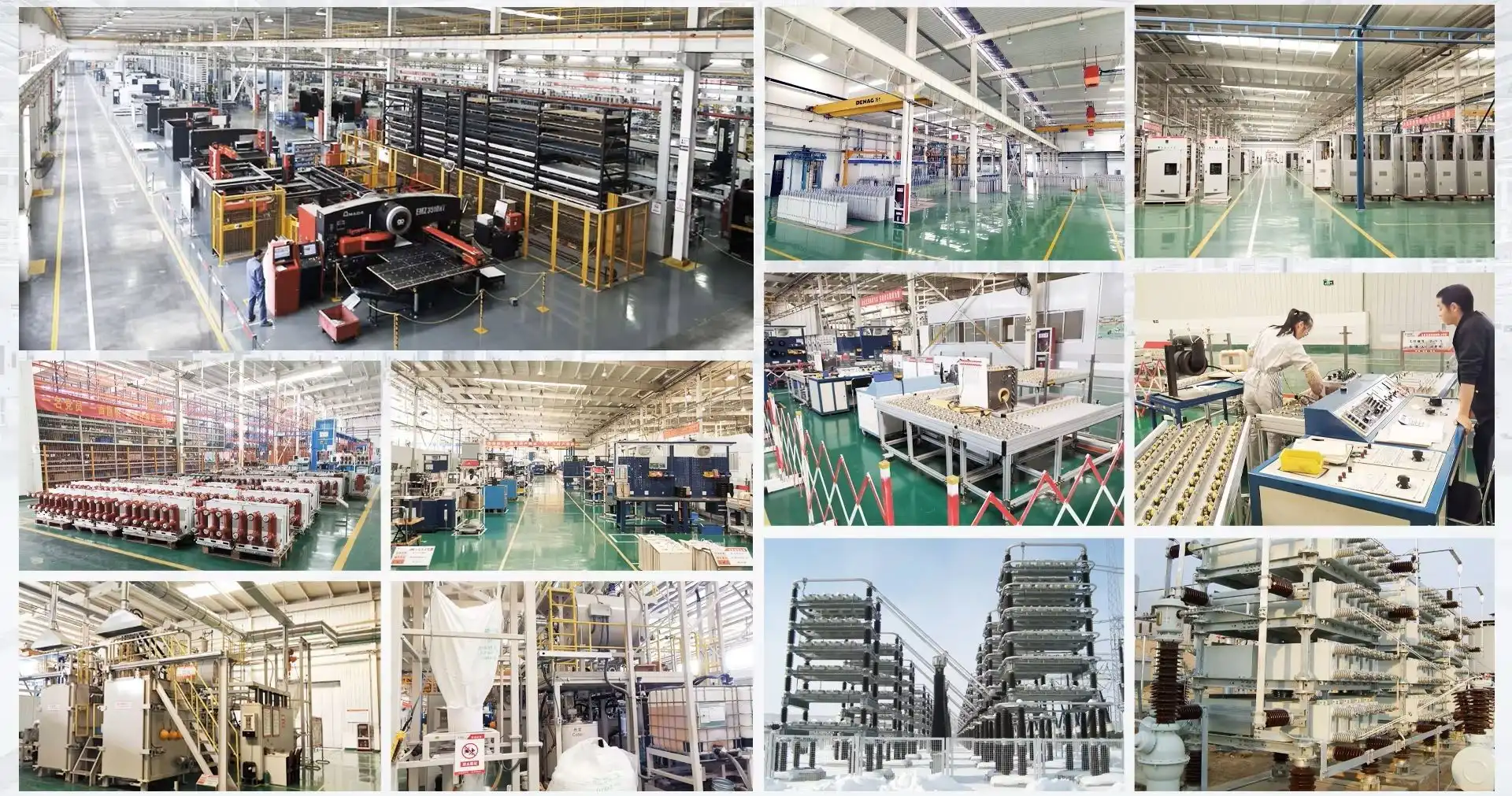
As part of our production process, we test the materials using X-rays to make sure the alloy is solid, run simulations of 10,000 mechanical operations in a controlled environment, and follow IEC dielectric standards for final review. These quality controls make sure that the same things are made in each run, which gives procurement pros faith that the specs will be followed. The hot-dip zinc base construction doesn't rust for more than 30 years, which lowers the cost of ownership by extending the time between replacements. IoT monitors that are optional let you check the resistance and alignment of the contacts from afar. This helps the predictive repair plans that utilities use to avoid unexpected power blackouts.
Conclusion
Safety standards, weather conditions, and working demands must all be considered when choosing the right Outdoor disconnect switches. These devices create physical separation that keeps repair workers safe and allows electrical systems in business, utility, and industrial settings to meet code requirements. To get solid long-term performance, it's important to know the difference between fusible and non-fusible types, match amperage values to load profiles correctly, and choose enclosures that are rated for the weather challenges at the site. Buying high-quality equipment that has been tested to work in all kinds of weather and doesn't need much upkeep pays for itself over time, even if it costs more at first. Strong disconnect technology is still necessary for safe and effective power distribution, even as grid infrastructure changes to handle green energy sources and more people getting electricity.
FAQ
1.What primary function does an outdoor disconnect switch serve in electrical systems?
The device makes a clear space between power sources and equipment, which lets repair teams check that the equipment is de-energized before working on high-voltage parts. This mechanical separation stops the risk of electrical shock and meets OSHA's lockout/tagout rules.
2.Can outdoor disconnect switches integrate with solar panel installations?
Of course. There need to be break switches between the solar panels and the inverters, between the inverters and the utility meters, and at the places where the service enters the system. Article 690 of the NEC says that solar systems must have easy-to-reach stopping means. Choosing the right switch is therefore very important for following the code.
3.How frequently should maintenance inspections occur?
Under normal working settings, it is standard practice to do inspections every five years. Annual checks should be done on facilities that have a lot of overcurrent events or work in settings that are toxic. Always check the equipment after a short circuit that exposes it to fault currents that are higher than what it can handle.
Partner With Xi'an Xikai for Reliable Outdoor Disconnect Switch Solutions
Xi'an Xikai Medium & Low Voltage Electric Co., Ltd. offers complete electrical isolation options backed by decades of engineering know-how and top-notch manufacturing. We offer a wide range of high-voltage disconnect switches, circuit breakers, transformers, and fully customized substation kits to meet your specific needs. Our team can help you with technical questions during the planning, buying, and starting up steps of any project, whether it's managing utility infrastructure, designing industrial facilities, or incorporating green energy projects. Send an email to serina@xaxd-electric.com, amber@xaxd-electric.com, or luna@xaxd-electric.com to talk about your project needs with one of our sourcing experts. As a reliable Outdoor disconnect switch maker, we can make products that meet NEC, IEC, and local standards.
References
1. National Fire Protection Association. NFPA 70: National Electrical Code, 2023 Edition. Quincy: NFPA Publications, 2022.
2. Institute of Electrical and Electronics Engineers. IEEE Standard for High-Voltage Switchgear and Controlgear, IEEE Std C37.30-2021. New York: IEEE Press, 2021.
3. Occupational Safety and Health Administration. Control of Hazardous Energy (Lockout/Tagout), OSHA 3120. Washington: U.S. Department of Labor, 2019.
4. International Electrotechnical Commission. High-Voltage Switchgear and Controlgear - Part 103: Switches for Rated Voltages Above 1 kV, IEC 62271-103:2021. Geneva: IEC Publications, 2021.
5. Underwriters Laboratories. UL Standard for Safety for Enclosed and Dead-Front Switches, UL 98, 8th Edition. Northbrook: UL Standards, 2020.
6. American National Standards Institute. American National Standard for Electric Power Systems and Equipment - Voltage Ratings, ANSI C84.1-2020. Washington: ANSI Publications, 2020.