-square BKMJ_1758505876091.webp)
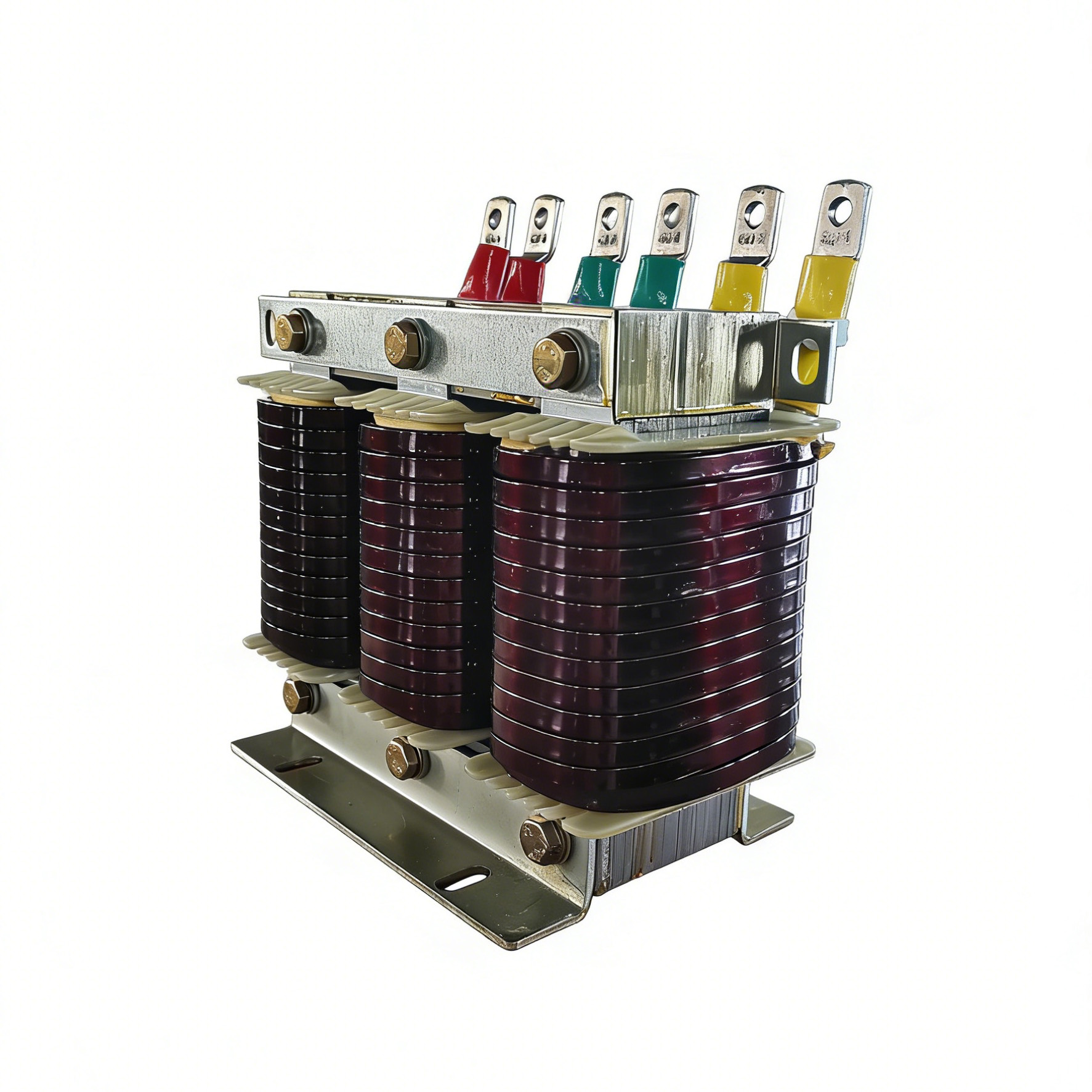
50KVAR Self-healing Capacitor for PFC(Power factor correction)-square BKMJ
Why Series Dry Type Transformer Is Safer Than Oil-Immersed Transformer
2026-07-02 15:57:30
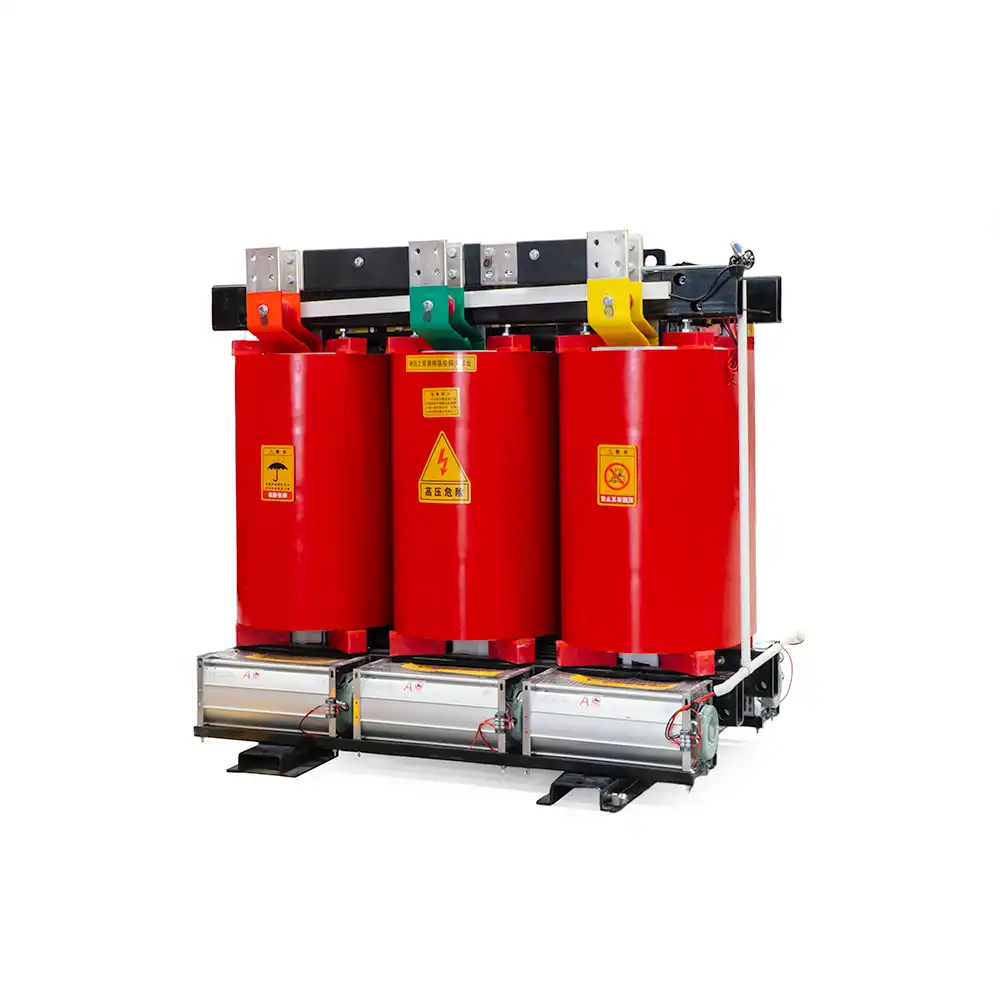
Safety is still the most important thing to think about when buying power infrastructure for factories, data centers, hospitals, or business buildings. When compared to oil-immersed options, the Series Dry type transformer is safer because it eliminates fire risks with solid insulation systems, reduces the risk of environmental exposure, and makes upkeep easier. Oil-filled units carry flammable liquids and need to be closely watched for leaks. Dry type transformers, on the other hand, use epoxy resin or cast resin insulation, which is self-extinguishing and allows placement directly in load centers without the need for fire control systems. This basic difference in design means less risk, continuous operations, and compliance with regulations for site managers who can't have power outages or safety incidents.
 |
 |
Understanding Transformer Safety: Series Dry Type vs Oil-Immersed
Working Principles of Dry Type Transformers
Insulation is dry type transformers' principal safety feature. Solid insulation like epoxy resin vacuum-cast windings or vacuum pressure infused (VPI) systems replace mineral oil in these devices. The SC9 Series Dry transformer illustrates this technology. Its Class F or H insulation can endure 155°C, creating considerable heat reserves while operating. This design eliminates the flammable dielectric fluid that ignites oil-immersed transformers.Dry type machines now feature improved cooling mechanisms that maintain a safe operating temperature without liquid coolants. Under airflow-optimized ONAF (Oil-Natural Air-Forced) cooling principles, the SC9 series can manage 150% more power than needed. Short surges are allowed within acceptable temperature limits. Temperature monitoring systems constantly monitor hotspots to warn of insulation failure. This proactive approach prevents errors that endanger people or equipment.
Fire Risk Mitigation Through Solid Insulation
The National Fire Protection Association reports that electrical distribution equipment destroys a lot of company property each year. Oil-immersed transformers are more prone to cause accidents due to their flammable shielding oil. A catastrophic breakdown might spill hundreds of liters of blazing liquid, requiring specific firefighting gear.Series Dry transformers eliminate this problem. SC9 series units employ epoxy resin insulation. The materials' UL 94 V-0 flammability ratings allow them to extinguish flames within seconds. This feature is useful in crowded buildings with limited evacuation time. Due to their inability to spread flames, hospitals, schools, and high-rise buildings are increasingly using dry systems.
Noise Emissions and Workplace Safety
Sound pressure levels affect both following the rules and the health and safety of workers. Through magnetostriction and oil circulation pumps, oil-immersed transformers usually make 70 to 80 dB of noise that can be heard. Long-term exposure to these amounts means wearing hearing protection and limiting where you can put things that are close to sensitive areas.The sound profiles of modern dry type transformers are much quieter. The SC9 line works at ≦65 dB thanks to its vibration-damping casings and precise core stacking. This 10-15 dB drop means that the noise level is half as loud, which means that power distribution equipment can be installed in places where it wasn't possible before. This quality is especially helpful for data centers because less background noise makes HVAC systems work better and technology last longer, and it meets OSHA sound standards for the workplace without any extra steps.
Oil-Immersed Transformer Hazard Profile
Oil-immersed transformers carry inherent risks despite design improvements. Mineral oil degrades over time, forming acids that weaken insulation, requiring regular sampling, filtering, and replacement, which increases maintenance risk and potential environmental exposure. Leak containment demands secondary 110% oil capacity tanks, increasing space and cost, along with spill response obligations and regulatory liability under environmental laws. In thermal fault conditions, oil can vaporize and create pressure buildup or tank rupture; even with relief systems, risks remain, and oil mist poses additional safety and environmental hazards not present in dry-type designs.
Core Advantages of Series Dry Type Transformers in Industrial Applications
Non-Flammable Insulation Reduces Fire Hazards
The SC9 Series Dry type transformer is well-made and has shielding systems that aren't dangerous or polluting, so it can be installed directly in load centers. With this feature, you don't need separate transformer boxes with fire-rated walls, pricey gas suppression systems, or placements that are far away, which raises the cost of copper in distribution lines and lowers voltage drop. Transformers can be put next to heavy machinery in factories, which cuts down on wire runs and makes voltage control better at the point of use.Insurance companies know this is a safety benefit, so they charge less for places that use dry type equipment. When flammable materials are taken out of electricity distribution lines, risk assessment models show a measurably lower loss potential. Because cast resin insulation is self-extinguishing, internal problems stay inside the transformer box. This keeps the fire from spreading to nearby equipment or building structures.
Maintenance Simplicity and Total Cost of Ownership
Over 25–30 years, a transformer's running expenses frequently exceed its purchase price. Regular oil analysis, DGA testing, and fluid replenishment are essential for oil-immersed devices. These tasks need specific equipment and training. Maintenance interrupts processes and might cause errors.The SC9 series' sealed epoxy resin construction and moisture-proof design make it maintenance-free. When exposed to 100% humidity, these devices perform well and may be switched back on without drying out like oil-filled transformers. Seaside locations, industrial wash-down areas, and locales without climate-controlled electrical rooms need this functionality.Work gets done more with less downtime. Changing transformers for many hours might be costly for a production line that produces $50,000 per hour. Visual and electrical testing are the only scheduled maintenance for dry systems. These tasks are fast and easy without oil or fluid disposal costs.
Energy Efficiency and Regulatory Compliance
Modern efficiency standards such as DOE 2023 and NEMA Premium drive low-loss transformer design. The SC9 series achieves up to 99% efficiency using laser-cut amorphous steel cores and precision-wound coils, minimizing eddy current losses and supporting sustainability goals and green building certifications. Low partial discharge (<10 pC at 1.5× voltage) reduces noise and protects sensitive electronics from interference in medical and laboratory environments. With ≤65 dB acoustic performance, dry-type transformers comply with urban noise regulations without requiring costly sound barriers or remote installations.
Extended Service Life Through Advanced Protection
Advanced protection extends transformer service life. SC9 dry-type transformers use PT100 sensors to monitor winding hot spots, with programmable alarms and automatic load reduction to prevent insulation damage and thermal stress. Forced-air cooling enables up to 150% overload capacity, accommodating motor starts and temporary load surges while maintaining reliability and delaying capacity upgrades. Xi’an Xikai equipment is designed for harsh environments, operating up to 4,000 m altitude and in temperatures from -25°C to +55°C, ensuring stable performance in desert, arctic, and tropical conditions.
Comparing Series Dry Type Transformers and Oil-Immersed Transformers: Key Decision Factors
Performance Under Demanding Industrial Loads
Heavy industrial transformers are stressed by electricity and weather. Inrush currents exceed 10 times the rated load when the motor is started repeatedly. It creates mechanical forces in the windings. Variable frequency drives generate harmonic distortion, which increases temperature and reduces capacity. These problems can be solved by the Series Dry type transformer, which is built to last and has better short-circuit withstand capability.Using vacuum pressure to fill epoxy resin insulation gaps creates homogenous dielectric structures that prevent partial discharge even with harmonic loads. This manufacturing approach ensures that all SC9 series units perform the same and prevents insulation deterioration, which shortens transformer life under severe settings. The transient voltage can endure greater than utility switching spikes, according to 170kV lightning impulse testing.
In some situations, like outdoor utility uses at transmission voltages where heat absorption needs are higher than what air cooling can handle, oil-immersed transformers are better. In places with poor air flow, these units are better at handling constant overloads than dry type options. However, new forced-air cooling systems for dry type transformers are getting better at making up for this performance gap while still providing important safety benefits for buildings that are occupied.
Installation Flexibility and Spatial Requirements
Transformer selection is often constrained by building layout. Dry-type units can be installed indoors without fire-rated vaults, reducing cost and complexity. Compact cast resin designs are suitable for confined spaces such as mechanical rooms, basements, or rooftop enclosures where oil containment is impractical. SC9 IP65 enclosures provide dust and water protection, enabling safe outdoor installation and more flexible placement based on electrical optimization. Reduced clearance requirements improve space utilization, especially in urban or high-value projects. Lighter, fully assembled dry-type units simplify transport, avoid on-site oil handling, and ease installation in restricted access or rooftop locations.
Total Cost Analysis for Procurement Planning
Total cost analysis considers the transformer lifecycle, including purchase price, installation, efficiency losses, maintenance, and end-of-life disposal. Although dry-type transformers cost 15–30% more initially than oil-immersed units, savings from eliminating vaults, fire systems, and oil storage reduce the gap. A 1000 kVA unit at 70% load with 1% efficiency improvement can save about 42,000 kWh annually (~$4,200). Maintenance savings from eliminating oil servicing add $2,000–$5,000 per year, while insurance reductions of 5–15% further lower costs. Warranty, support, and 8–12 week local lead times also improve project economics.
Why Procurement Managers Prefer Series Dry Type Transformers: Market and Brand Insights
Leading Global Suppliers and Technology Offerings
There are both large, well-known international companies and small, specialized regional producers in the global transformer market. The Siemens Geafol series, ABB's cast plastic designs, Schneider Electric Trihal units, and General Electric Prolec transformers are all high-end options that have been used for a long time in tough situations. These providers keep a wide range of products with values from 15kVA to 10MVA, and they can be customized to meet the specific needs of each project.Hyosung and other Asian companies make competing alternatives that focus on value placement and meeting performance standards. But purchasing managers need to carefully look at testing methods, quality control procedures, and after-sales support services to tell the difference between sellers who really offer value and those who are only competing on price by changing specs or using cheaper materials.
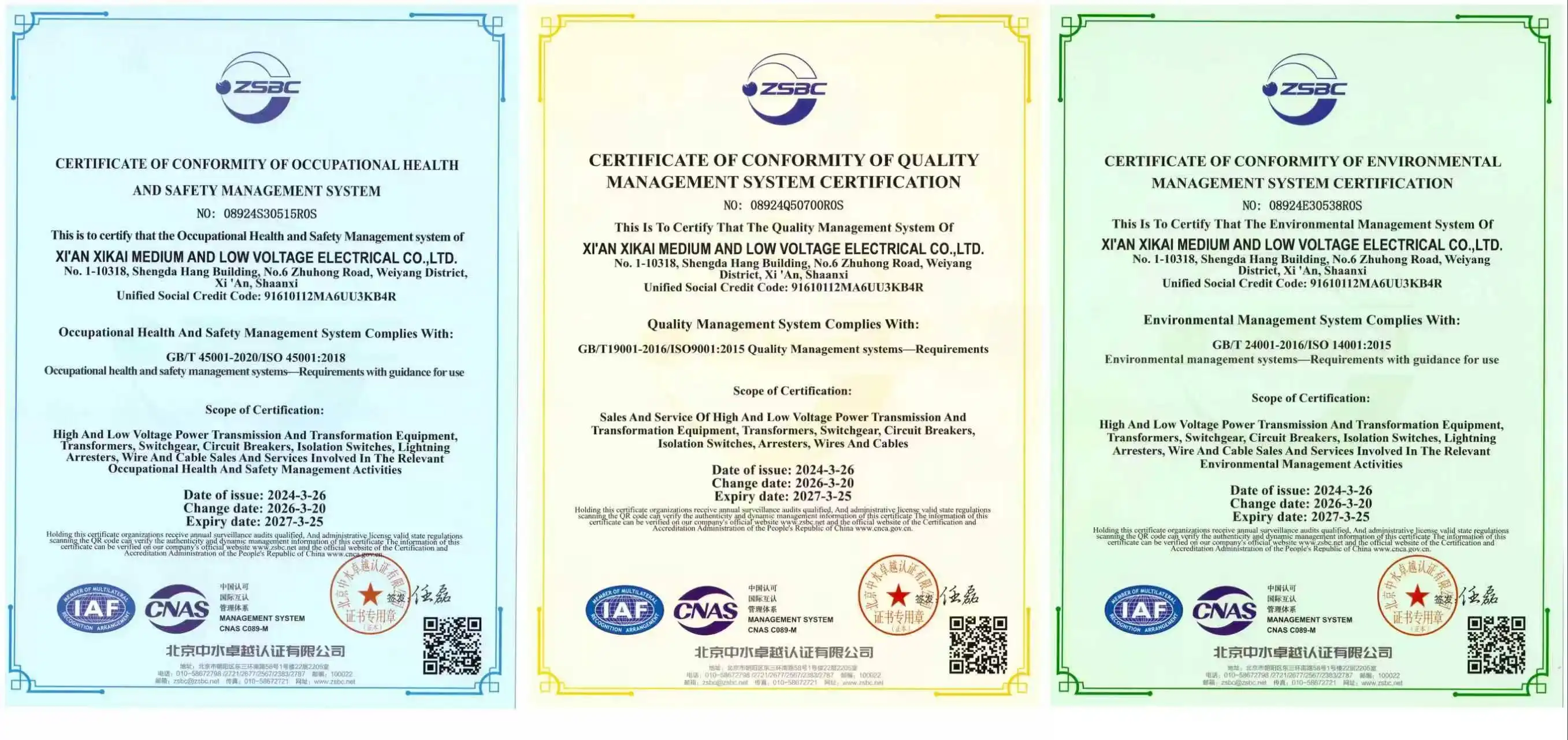
As one of China's biggest factories for medium and low-voltage electrical equipment, Xi'an Xikai is in a unique situation. It offers reasonable prices and some of the most advanced system integration skills in the world. Our SC9 Series Dry type transformer uses patented technologies to cool down and lower noise levels. It also meets the standards for IEC 60726, CE, UL/cUL, and ISO 9001/14001 approval. Core goods are the best in the local market and reach the highest standards of performance in other countries. This is made possible by extensive testing, such as measuring partial discharge, verifying lightning impulses, and validating thermal imaging to make sure even heat distribution.
Customization and Technical Support Value
Standard products rarely fully meet project-specific requirements. Variations in voltage ratio, impedance, termination, and environmental ratings require supplier engineering support beyond basic supply. Experienced providers can customize taps, cooling systems, and monitoring interfaces, distinguishing them from standard vendors. Long-term satisfaction depends on after-sales services such as installation guidance, commissioning support, training, and clear warranty terms (3–5 years). Xi’an Xikai applies expertise across sectors including power grids, petrochemicals, rail, energy, and renewables, enabling optimized configurations that reduce deployment risk and improve cost-performance outcomes.
Practical Guidance for Buying Series Dry Type Transformers
Essential Selection Criteria
Safety is the primary specification factor. Insulation class selection defines thermal limits: Class H (180°C) provides greater thermal margin than Class F (155°C), improving durability in harsh conditions. Enclosure rating must match environment, with IP33 suitable for controlled indoor use, while IP54 or IP65 is required for outdoor or corrosive settings. Efficiency balances energy and equipment costs; SC9 amorphous core design meets DOE 2023 Level 1, reaching 99% efficiency and reducing no-load losses up to 70%. Sound level limits also guide selection, with ≤65 dB preferred for populated areas.
Supplier Evaluation and Product Verification
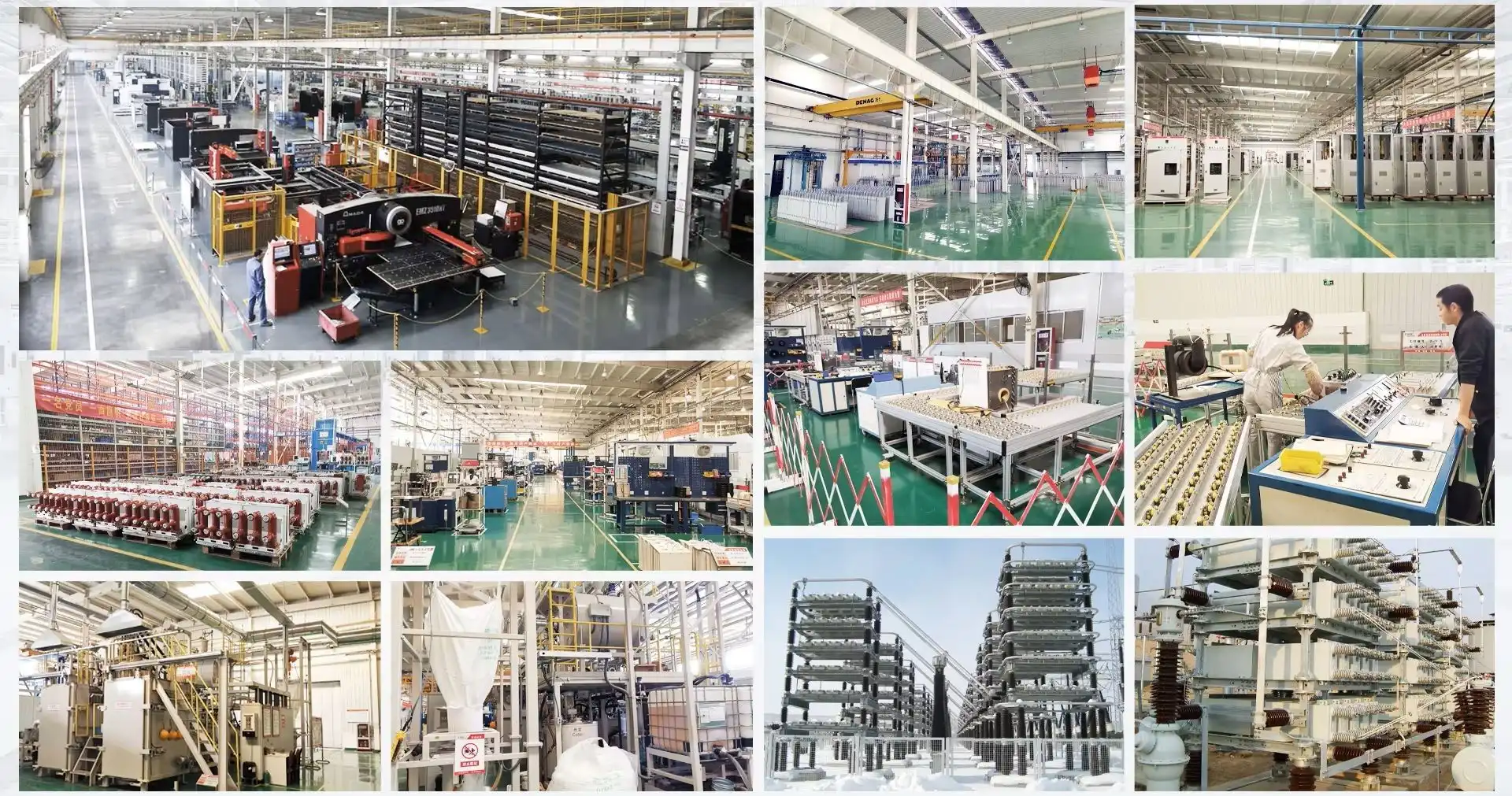
Supplier qualification should assess manufacturing capability, quality systems, and long-term financial reliability. Site audits verify test facilities, equipment, and process controls to ensure consistent product quality. ISO 9001 provides a baseline assurance, while deeper review of test methods improves reliability evaluation. Independent laboratory testing confirms efficiency, noise, temperature rise, and short-circuit performance before procurement decisions. Xi’an Xikai operates ISO-certified workshops with automated production and final inspections. Each unit includes verified test reports on partial discharge, lightning impulse, and thermal performance for commissioning and warranty support.
Installation and Maintenance Best Practices
Correct equipment installation protects your investment and ensures safety. There must be ample ventilation. For natural wind cooling, leave 36 inches on the sides and 72 inches above the units to allow heat escape. For efficient cooling, forced air systems require frequent filter and fan bearing checks.Once a year, insulation is visually inspected for cracks, thermal imaging is used to locate hot patches that indicate connection issues, and insulation resistance is tested to ensure dielectric integrity. These methods predict wear and tear, allowing scheduled repair during breaks instead of emergency responses that halt operations.The SC9 series' moisture-resistant construction simplifies maintenance in harsh situations. Units don't need to be dried out like ordinary transformers since they perform at 100% relative humidity without breaking down. This functionality improves uptime and reduces maintenance costs, which is crucial for continuous process organizations.
Conclusion
Series Dry type transformer technology is safer than oil-immersed alternatives because it has basic design features that get rid of fire dangers, lower environmental risks, and make operating needs simpler. Non-flammable solid insulation, maintenance-free operation, and better soundproofing make this product a top choice for industrial facilities, utility systems, and business complexes where power reliability affects profits and efficiency. Modern units like the SC9 series meet the highest standards for efficiency while also being able to handle overloads and adapt to different environments, making them useful for a wide range of tasks. By looking at total ownership costs, supplier skills, and installation needs, procurement managers can choose transformer options that are best for their specific business needs.
FAQ
1.What makes dry type transformers safer for hospital and data center installations?
Dry type transformers don't use shielding oil that can catch fire, which is very important in crowded buildings. The SC9 series uses self-extinguishing epoxy resin insulation that has UL 94 V-0 ratings. This means that materials put out fires within seconds of being removed from a fuel source. This feature stops the fire from spreading outside the transformer cage, keeping people and sensitive equipment safe. Less noise (≤65 dB) means less disturbance to sound in sensitive areas and the ability to put them close to load centers without building a fire-rated safe.
2.How do maintenance requirements differ between dry type and oil-immersed transformers?
Oil-immersed units need to have their fluids analyzed, filtered, and eventually replaced on a regular basis. These jobs need specialized tools and trained workers. Monitoring leaks, inspecting storage systems, and getting rid of oil add to the difficulty and cost. The SC9 series doesn't need any upkeep; it only needs to be visually checked and electrically tested every so often. Moisture-proof building can work in 100% humidity without the need for drying steps. This cuts down on downtime and labor costs by about 60% compared to liquid-filled options over normal 25–30 year service periods.
3.Can dry type transformers handle harmonic loads from variable frequency drives?
Modern dry type transformers can handle loads that are harmonically rich because they use vacuum pressure impregnation to fill in any gaps in the insulation and K-factor scores to show how well they can handle harmonics. The SC9 series has low partial discharge properties (<10pC), which keeps it from breaking down when waves are distorted. Choosing the right K-factor ratings (K-13 or K-20 for heavy VFD uses) makes sure there is enough capacity, and IEEE 519 harmonic analysis shows that the voltage THD stays below 5%, which protects the linked equipment.
Get Reliable Series Dry Type Transformer Solutions from a Trusted Supplier
Xi'an Xikai Medium & Low Voltage Electric Co., Ltd. offers tried-and-true transformer technology backed by more than 20 years of manufacturing experience and full system integration skills. Our SC9 Series Dry type transformer has insulation made of non-flammable epoxy resin, doesn't need any upkeep, and can handle 150% overload. It has also been through thorough testing that meets IEC 60076 and IEEE C57.12.01 standards. You can email our expert team at serina@xaxd-electric.com, amber@xaxd-electric.com, or luna@xaxd-electric.com to talk about your unique needs and get solutions that are tailored to meet the safety, efficiency, and reliability goals of your building. You can find full specs, application guides, and case studies of successful installations in the commercial, utility, and industrial sectors around the world at xaxd-electric.com.
References
1. National Fire Protection Association (2022). Electrical Distribution Equipment Fire Statistics and Risk Assessment Analysis. NFPA Research Division.
2. Institute of Electrical and Electronics Engineers (2020). IEEE C57.12.01 Standard for General Requirements for Dry-Type Distribution and Power Transformers. IEEE Standards Association.
3. International Electrotechnical Commission (2019). IEC 60076 Power Transformers - Part 11: Dry-Type Transformers. IEC Technical Committee 14.
4. U.S. Department of Energy (2023). Energy Conservation Standards for Distribution Transformers: Final Rule Analysis. DOE Office of Energy Efficiency and Renewable Energy.
5. Machinery Information Management Systems (2021). Total Cost of Ownership Analysis for Industrial Transformer Technologies. MIMS Industrial Research Publications.
6. Electrical Equipment Manufacturers Association (2023). Safety and Performance Specifications for Cast Resin Dry-Type Transformers in Critical Facility Applications. EEMA Technical Standards Division.