What Is Armored Metal-Enclosed Switchgear? A Complete Guide
2026-07-06 16:15:20
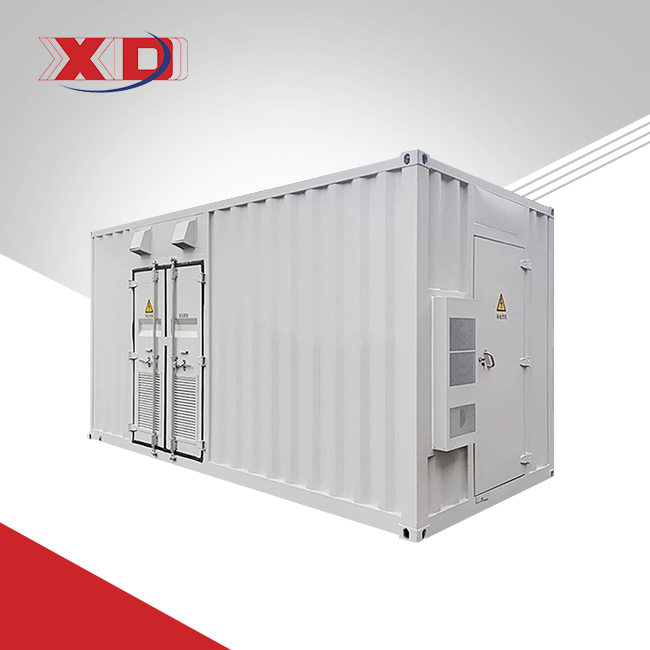
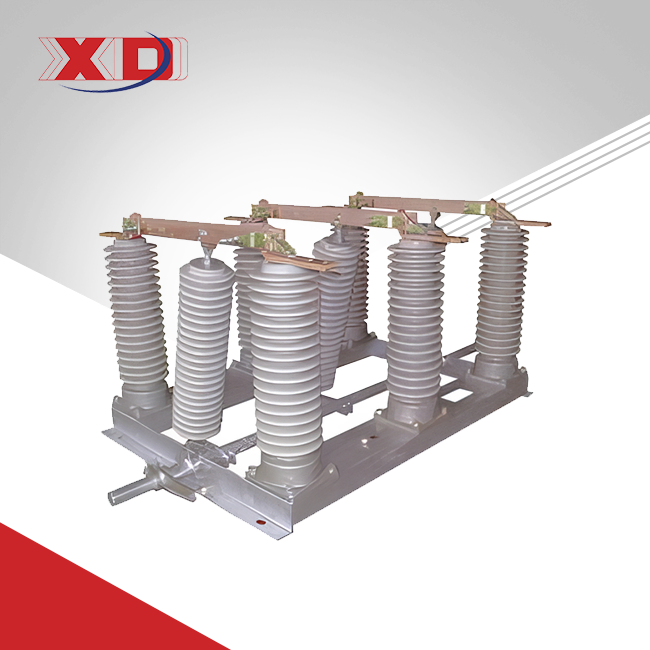
When the electricity system in your building needs to be completely protected and reliable, you need to know how to choose the right power distribution tools. Armored Metal-Enclosed Switchgear is a special kind of electrical distribution equipment that has safety relays, busbars, vacuum circuit breakers and disconnect switches all built into a strong metal case. This strong enclosure protects important parts from physical damage, external dangers, and internal arc problems while still letting them be used. Unlike most open-frame designs, this equipment has separate safety compartments that keep repair workers safe and make sure that electrical systems keep working even while parts are being replaced or inspected.
 |
 |
Understanding Armored Metal-Enclosed Switchgear
What Defines Metal-Clad Construction?
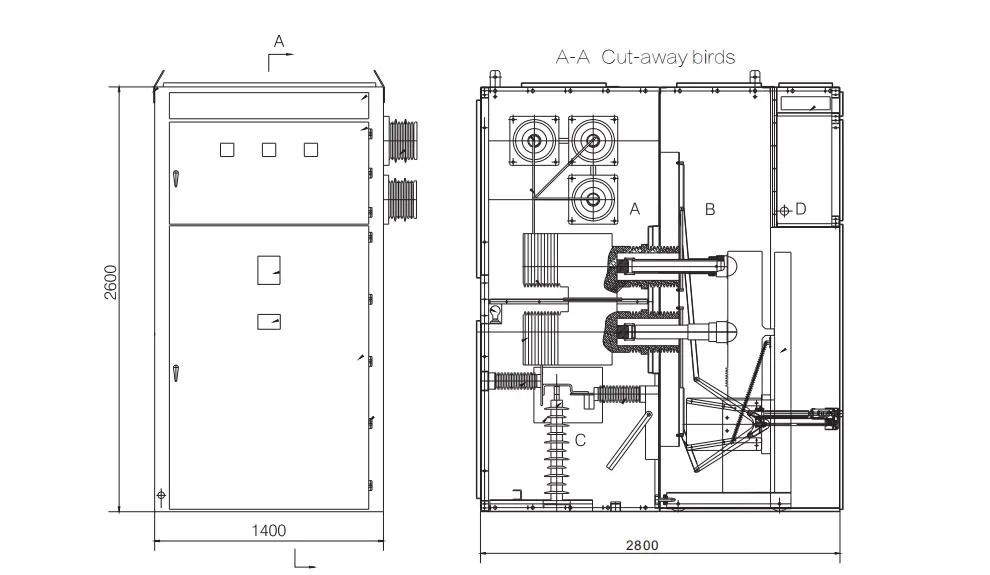
Using grounded metal barriers, metal-clad switchgear design divides functional zones into different areas. The busbar chamber, breaker room, wire connection area, and indicator screen are all separate parts that can work on their own. This separation stops faults from spreading during internal arcing events, keeping nearby equipment and people safe. The design is very strict and follows strict rules like IEC 62271-200 and GB/T 11022. These rules say how far things must be apart, how much insulation they need, and how strong they need to be.
This equipment is different from set placements because the handcart mechanism can be taken off. Circuit breakers are mounted on wheeled carts that techs can take out of the box without turning off the main busbar. This feature cuts down on repair downtime by a large amount compared to systems that need to be completely shut down for component service.
Operating Principles and System Integration
The most important part of current Armored Metal-Enclosed Switchgear is the vacuum circuit breaker. When fault currents happen, contacts inside empty spaces separate, putting out the electrical arc in microseconds without releasing any dangerous gases. Through IEC 61850 transmission protocols, the equipment works perfectly with SCADA systems, letting you see load currents, voltage levels, and breaker state in real time.
When someone tries to open disconnectors while they are loaded, close earthing switches on energised busbars, or get into live rooms, the system physically stops them. These "five-prevention" systems go beyond simple electrical interlocks by adding extra mechanical safety features that work even when the control power goes out.
Voltage Classifications and Design Standards
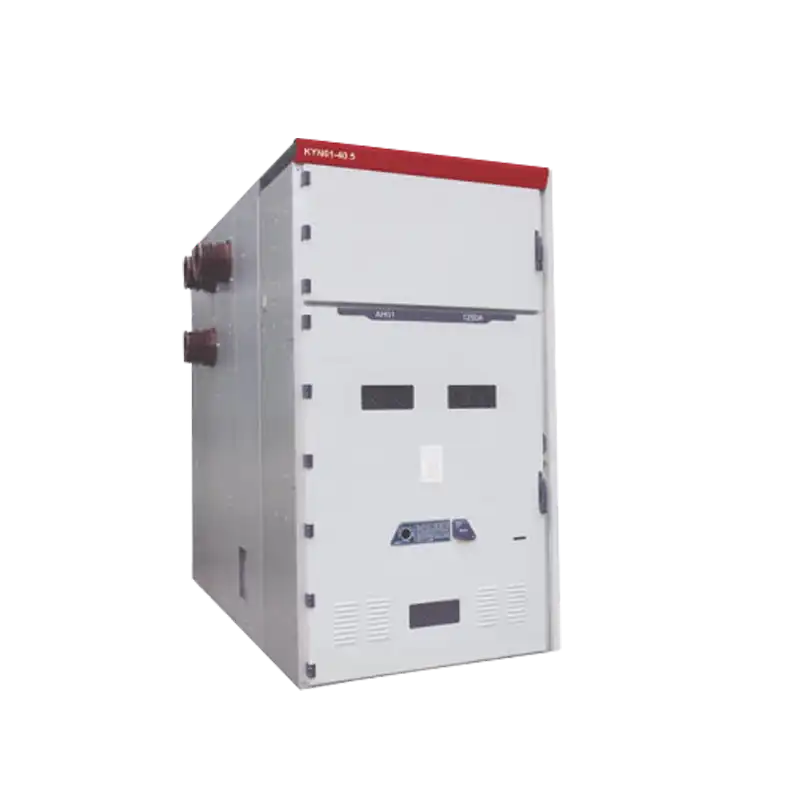
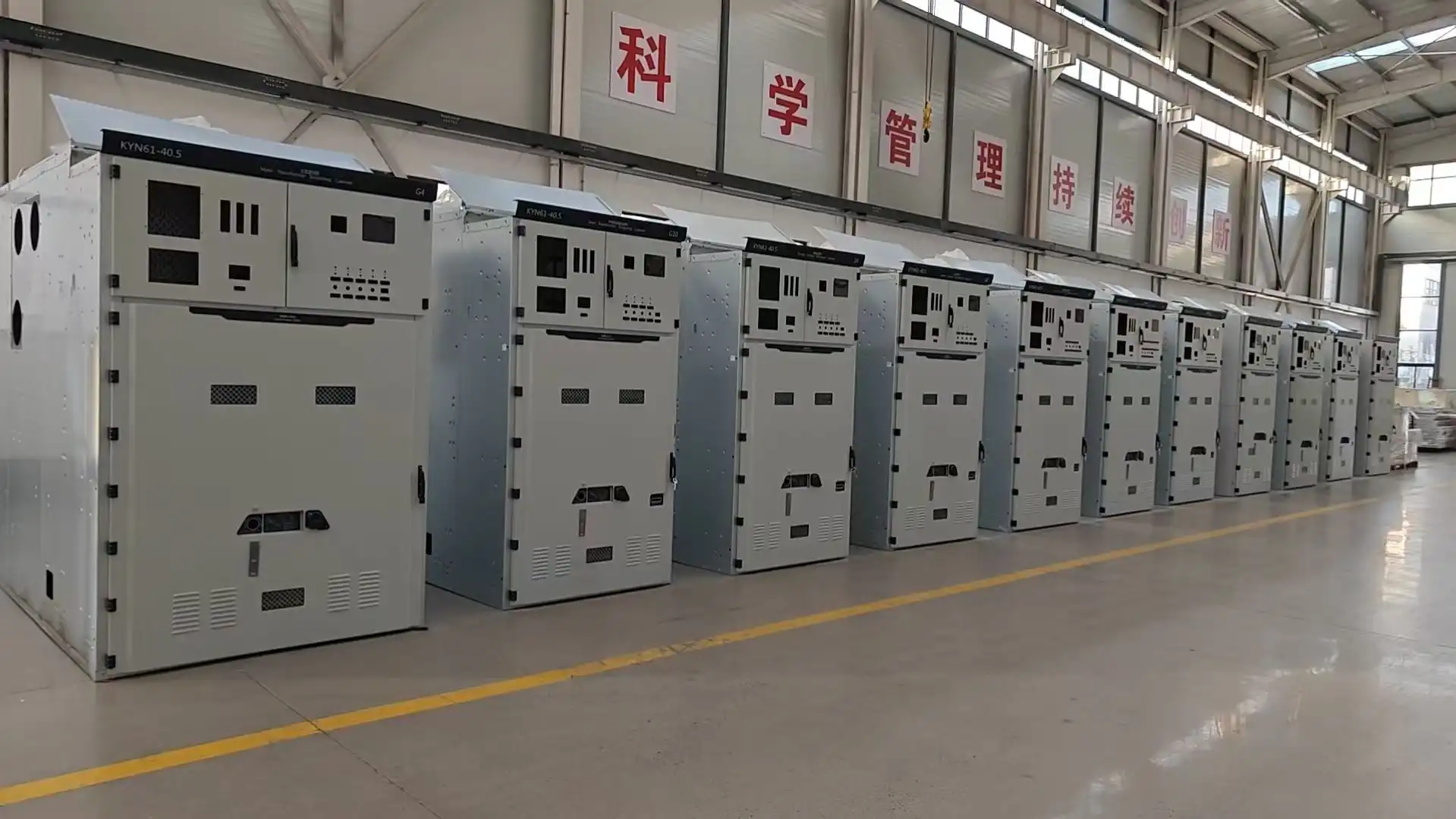
Systems with a medium voltage rating are usually between 12kV and 40.5kV. The KYN61-40.5 Removable Metal-Clad Switchgear is a great example of how to distribute high voltage. It can work with 40.5kV systems and current values of 630A to 2500A. This equipment works effectively at temperatures between -10°C and +40°C and at heights of up to 2000 meters. It can handle the tough conditions of utility substations and heavy industry uses.
Insulation cooperation, temperature rise limits, and the ability to withstand short-circuits are all governed by international standards. Equipment has to pass strict type tests, such as power-frequency withstand voltage tests (usually 95kV for 40.5kV systems) and partial discharge readings to make sure the insulation is still intact.
Benefits and Applications of Armored Metal-Enclosed Switchgear
Core Advantages for Industrial Operations
The compartmentalised Armored Metal-Enclosed Switchgear system makes safety better in a way that can be measured. Internal arc-resistant design keeps fault energy away from people working inside the cabinet through pressure release vents, which stops fatal cabinet ruptures. According to IEC 62271-200, testing makes sure that safety works at arc fault currents greater than 25kA for certain amounts of time.
Total cost of ownership goes down when maintenance is easy to get to. Because it is built in a flexible way, techs can change breakers, instrument transformers, or control modules during planned maintenance periods, without having to use special tools or wait for a long time. This trait is very useful in businesses that use continuous processes, where unplanned shutdowns cost a lot of money.
Materials that don't rust or corrosion last longer in harsh settings. In seaside sites, chemical plants, and other places where corrosion is a problem, high-grade steel enclosures with aluminum-zinc coatings keep the structure strong and the grounding constant. The IP4X grade stops dust and water from getting in, which could damage shielding systems.
Industry-Specific Applications
These pieces of equipment are used in factories to connect power to CNC machines, robotic assembly lines, and process control systems. The equipment handles the high currents that happen when a motor starts up and works with safety devices further down the line to isolate problems without affecting production areas nearby.
To keep service promises, data centers need to be very reliable. Critical IT infrastructure is kept safe by metal-enclosed switches with multiple busbar configurations and the ability to quickly fix problems. The low noise level (below 45dB) makes it suitable for these noise-sensitive areas.
Some of the problems that come with installing renewable energy sources are harmonic distortion from transformer systems and voltage changes from generation that doesn't happen all the time. Utility-grade switchgear keeps the voltage in a substation stable by working together with reactive power adjustment equipment to control it. When installed outside in protected shelters, the strong construction can handle the conditions.
Mining companies need tools that can handle heavy loads over and over again and doesn't shake. Specialised seals and reinforced fixing structures keep conductive dust from building up, which could cause flashovers in regular equipment.
Regulatory Compliance and Safety Standards
To make sure that the equipment is suitable, procurement requirements must include references to relevant standards. The IEC 62271 series talks about how well medium-voltage equipment works, and the IEEE/ANSI series covers sites in North America. GB/T standards are used for projects in China, while DL/T standards are used for utility uses.
Arc-flash danger analysis figures out how much personal safety equipment is needed and sets safe approach limits. Modern switchgear designs include arc-resistant features that lower the amount of energy that can be released, which could lower the need for PPE and make upkeep safer.
Armored Metal-Enclosed Switchgear vs Other Switchgear Types
Structural and Safety Comparisons
Gas-insulated switchgear (GIS) has small areas because it uses SF6 or other gases as protection. This technology works well for urban substations that don't have a lot of room, but Armored Metal-Enclosed Switchgear options are better for serviceability and the environment. Concerns about carbon gases caused by sulphur hexafluoride are taken care of by vacuum interrupter technology.
Applications outside where there is a lot of room can save money by using air-insulated designs. The metal-enclosed design protects better against environmental pollution, wildlife entry, and accidental touch, which is why it's better for indoor setups and places where reliability is important.
It costs less to buy fixed-mount equipment than removable versions, but it needs longer repair breaks. When long periods of downtime are taken into account, the difference in prices becomes smaller. Investing in withdrawable breaker technology is usually a good idea for places that run ongoing processes.
Lifecycle Cost Considerations
Temperature rise testing shows features that make something energy efficient. Too much resistance at the joints between busbars and the contacts makes heat, which wastes energy and speeds up the breakdown of the insulator. Good makers set limits on the contact resistance (usually less than 40 microhms) and test the products to make sure they meet those limits.
Long-term running prices are affected by the availability of replacement parts. Standardised breaker chassis measurements make it possible for parts from different makers to be used interchangeably, which gives you more options when you're buying. Planning for obsolescence is very important for technology that is supposed to last 30 years.
How often maintenance needs to be done depends on the working conditions and job cycles. Every year, there are visual checks, and every three to five years, there are full tests that include measuring contact resistance, checking insulation resistance, and calibrating safety relays. Condition-based maintenance methods can be used with equipment tracking systems that have thermographic cameras and partial discharge sensors.
Procurement Guide for Armored Metal-Enclosed Switchgear
Technical Specification Development
Accurate load planning for Armored Metal-Enclosed Switchgear figures out how much power is needed. When choosing busbar and breaker limits, facilities should think about how they will grow in the future. Fault current duties are determined by short-circuit analysis. These duties decide the interrupting rates of breakers and the bracing needs for busbars.
Environmental factors affect the choice of tools. Due to less dense air at higher elevations, systems above 1000 meters need insulation derating or wider gaps. In wet places, condensation controls and space heaters keep moisture from building up. In places where earthquakes are likely to happen, seismic approval becomes required.
Communication standard consistency makes sure that SCADA works with other systems. Modern installations use IEC 61850 to share data in a standard way, which lets products from different makers work together. Protocol adapters or plans for modernisation may be needed for old systems.
Supplier Evaluation Criteria
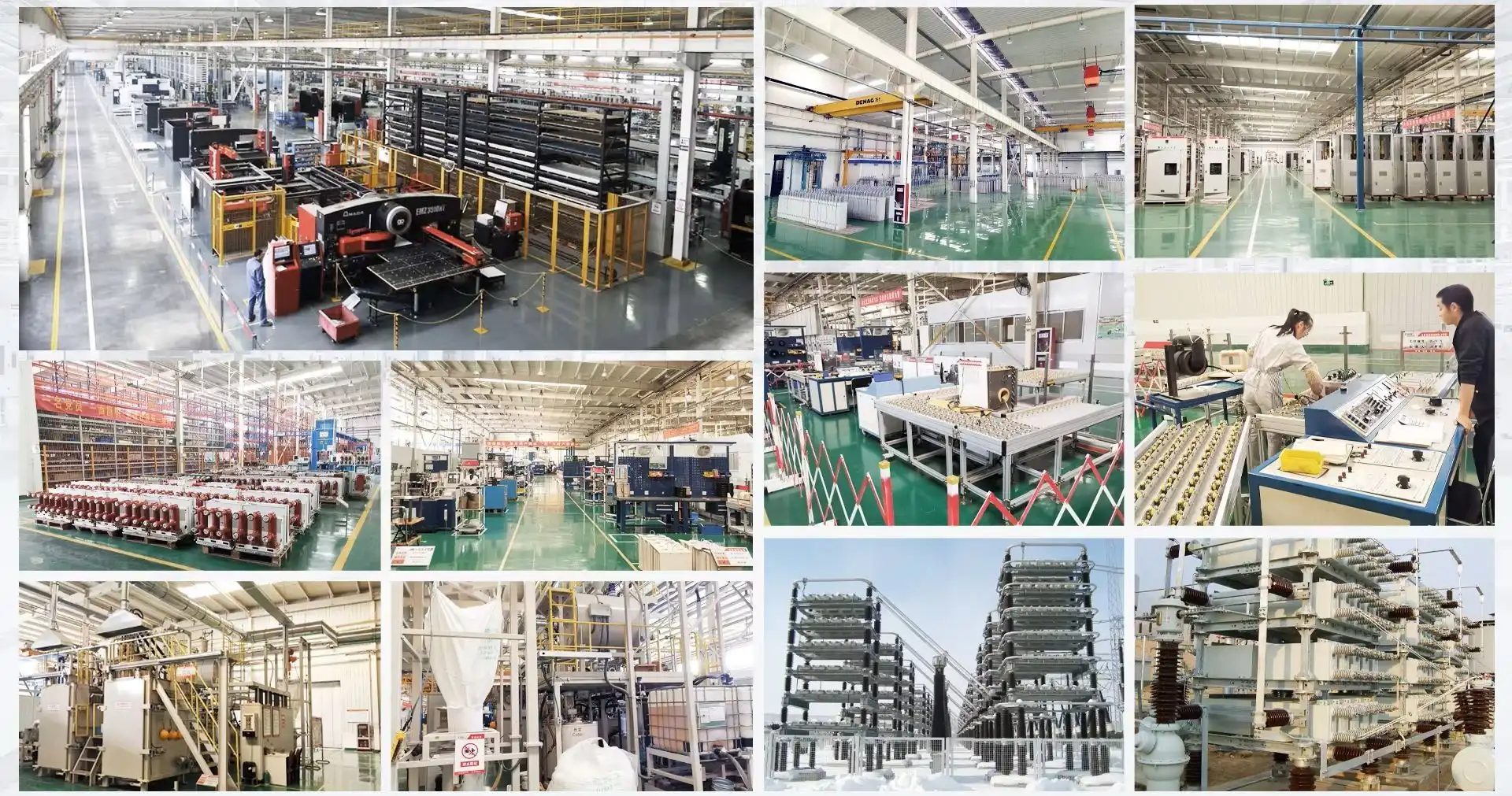
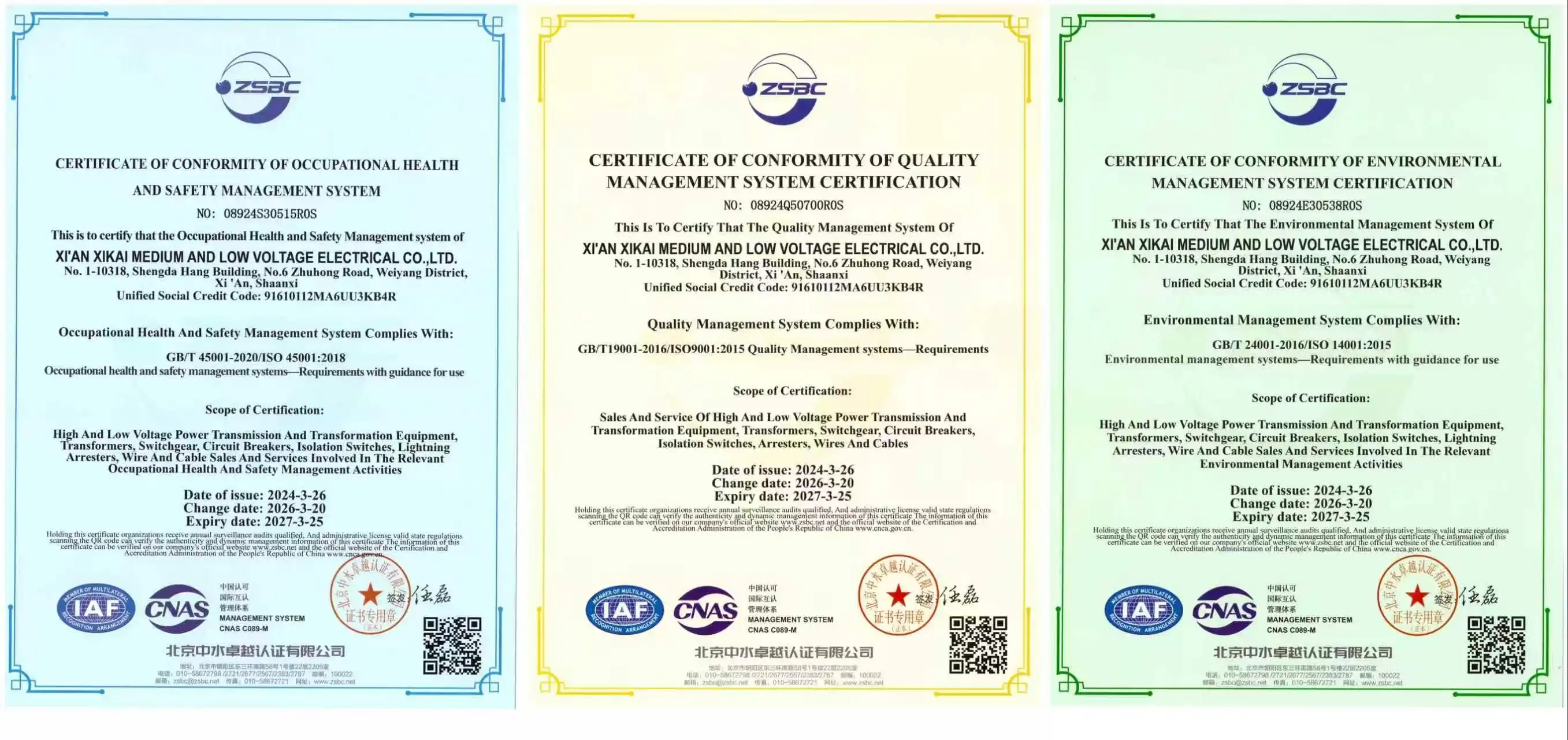
Verification of manufacturing quality includes plant inspections and chances to watch tests. Power-frequency withstand tests, temperature rise tests, and mechanical endurance tests are all done on every output unit by reputable providers. Quality standards like ISO 9001 show that manufacturing controls are carried out in a planned way.
Ability to provide technical help affects the success of a project. Installation and long-term use are made easier by detailed paperwork like single-line diagrams, wire schematics, and care instructions. Training plans for repair workers lower the risks of operations.
Delivery plans have an effect on project timelines. Standard setups may be ready to ship in 8 to 12 weeks, but unique designs take longer. Delays that cost a lot of money can be avoided by working with building plans.
The KYN61-40.5 Solution
Our KYN61-40.5 Removable Metal-Clad Switchgear meets the needs of both utilities and businesses that need to distribute high power. The equipment has a triple interlock system that protects against operating mistakes through mechanical, electrical, and software safeguards. Arc-resistant design can handle internal fault events, which keeps people and nearby equipment safe.
Maintenance tasks are easier to do with modular design. Technicians take away breaker handcarts to test or repair them offline, but the main busbar stays on and continues to serve feeds next to it. This feature is very important in places where full shutdowns have a big effect on the economy.
The equipment can handle currents between 630A and 2500A, so it can be used for a wide range of tasks, from medium-capacity feeds to heavy industrial loads. Vacuum interrupter technology can reliably stop 10,000 mechanical processes and has a breaking ability of more than 25kA for short circuits.
Adaptability to environmental changes increases the range of uses. The -10°C to +40°C working temperature range works for most workplace settings, and the 2000-meter altitude rating means it can be used in high places without affecting performance.
Maintenance and Best Practices for Longevity
Inspection Protocols
Thermographic studies for Armored Metal-Enclosed Switchgear find problems before they become fails. When temperatures rise at links, it means that resistance is going up because hardware is coming loose or touch surfaces are breaking down. Thermal imaging done every three months during times of high demand sets the standard for trend analysis.
Monitoring for partial flow finds insulation breakdown. Online sensors keep an eye on discharge activity all the time, sending repair staff alerts when gaps start to show. This method of planning ahead stops major problems before they happen and lets fixes happen during planned breaks.
A mechanical check makes sure that the switch and breaker work. Testing should make sure that safety features stop things from working wrong and that the charging motors, locking springs, and trip devices for breakers work within the limits that have been set.
Testing and Troubleshooting
Contact resistance readings show what repairs need to be done. High numbers mean that the links are breaking down and need to be cleaned or replaced. For reliable trends, measurements should be taken at the same locations.
Insulation resistance testing with megohm meters makes sure that the insulation between the stages and ground is correct. If resistance is going down, it means that there is dirt or wetness getting in, which needs to be fixed. The lowest numbers that are allowed depend on the voltage class, but for clean, dry equipment, they are usually higher than 1000 megohms.
Coordination and setpoint precision are checked by trying the protection relay. Modern computer relays keep records of events, which can be used to figure out what went wrong after an interruption. Protective functions stay reliable with regular testing.
Modernization and Upgrades
Obsolescence management deals with equipment that is getting old. When original equipment makers stop supporting a product, other providers may be able to offer retrofit options. Standardised breaker frame sizes make it easier to replace old vacuum interrupters with new ones that work better.
Communication improvements make it possible to watch older systems from afar. By adding digital safety switches and gateway devices to old equipment, it is possible to connect them to new control systems without having to buy all new equipment.
With arc-flash reduction retrofits, people are exposed to less incident energy. Calculated arc-flash danger levels can be lowered by adding current-limiting fuses, setting up zone-selective interlocking, or switching to breakers that work faster.
Conclusion
Armored Metal-Enclosed Switchgear systems offer strong protection, operating freedom, and safety features that businesses, utility companies, and industrial facilities need. The metal-clad design with separate compartments keeps faults from spreading, protects workers, and lets repair be done without affecting the whole system. Designs with removable breakers cut down on downtime, and vacuum interruption technology makes sure that thousands of processes run smoothly every time. If you choose the right tools, taking into account voltage levels, current limits, environmental conditions, and safety guidelines, it will last for decades. Regular maintenance, such as thermal surveys, insulation tests, and mechanical checks, makes things more reliable, and predictive tracking technologies let you use condition-based tactics that make the best use of resources. As electrical systems move toward using green energy sources and smart grids, modern switchgear platforms can adapt by being able to work with a variety of communication protocols and being able to be set up in a variety of ways.
FAQ
1.How does metal-clad differ from metal-enclosed switchgear?
A certain type of metal-enclosed equipment is called "metal-clad." Not all metal-enclosed designs meet the standards for metal-clad units, but all metal-clad units are metal-enclosed. Metal-clad standards call for full separation with metal barriers that are grounded, circuit breakers that can be removed or installed permanently, mechanical interlocks that stop dangerous operations, an insulated or grounded bus, and certain arrangements for the instrument transformers. Metal-enclosed is a more general term for a variety of designs that have metal casings but might not have full compartmentalisation or other metal-clad features.
2.What maintenance frequency does this equipment require?
Once a year, visual checks should be done to look for loose connections, damaged insulation, and proper container closing. Every three to five years, full maintenance is usually done, which includes checking the motor operation, measuring the contact resistance, and testing the insulation. Intervals depend on the conditions of the operation; for example, if there is a lot of dust or the operation switches between tasks often, the frequency may need to be raised. Modern condition tracking systems with constant sensors allow for planned repair, which could increase efficiency while stretching intervals.
3.Can specifications be customized for extreme environments?
Manufacturers offer changes to fit tough situations. For placements above 2000 meters, the insulation gaps need to be increased or the voltage needs to be lowered. Applications that work in very high temperatures need special parts and methods for managing heat. Better coats and seals are helpful in corrosive environments. In seismic zones, mounting platforms must be stronger and have been approved through shake-table testing. Talking to experienced sources like Xi'an Xikai makes sure that the right specifications are made to solve specific operating problems while still meeting safety and government standards.
Partner with Xi'an Xikai for Reliable Power Distribution Solutions
Xi'an Xikai Medium & Low Voltage Electric Co., Ltd. has been making high-quality products for over 25 years and can help you with your important power infrastructure tasks. We make Armored Metal-Enclosed Switchgear for utility companies, industrial sites, and EPC firms all over North America. The equipment we sell is built to last and uses cutting-edge engineering. Our KYN61-40.5 and KYN28 series switchgear are designed to meet strict IEC, GB/T, and IEEE standards. You can also change the settings to meet your unique needs for voltage, current, and environment. We keep two sources of output open to make sure the supply chain works well, and we have several patents in the areas of vacuum interruption and arc-resistant technologies. Our expert support team is available 24 hours a day, seven days a week at serina@xaxd-electric.com, amber@xaxd-electric.com, and luna@xaxd-electric.com to help with installation, setup, and answering service questions quickly. Whether you're in charge of a data center, a renewable energy installation, or a heavy industrial operation, our wide range of products can help you with your power distribution problems. Our products are reliable, as proven by ISO 9001/14001 certifications and a five-year warranty with 72-hour response times.
References
1. IEEE Standard C37.20.2-2015, "IEEE Standard for Metal-Clad Switchgear," Institute of Electrical and Electronics Engineers, New York, 2015.
2. IEC 62271-200:2011, "High-voltage switchgear and controlgear - Part 200: AC metal-enclosed switchgear and controlgear for rated voltages above 1 kV and up to and including 52 kV," International Electrotechnical Commission, Geneva, 2011.
3. GB/T 11022-2011, "Common specifications for high-voltage switchgear and controlgear standards," Standards Press of China, Beijing, 2011.
4. Das, J.C., "Arc Flash Hazard Analysis and Mitigation," IEEE Press Series on Power Engineering, Wiley-IEEE Press, 2012.
5. Kappenman, D., "Medium Voltage Switchgear: Application and Specification Guide for Industrial and Commercial Power Systems," Technical Report, Electrical Apparatus Service Association, St. Louis, 2018.
6. Zhang, W., "Vacuum Switchgear Technology and Engineering Practice in Power Systems," China Electric Power Press, Beijing, 2017.