What is Indoor Current Transformer: Functions, Types and Uses
2026-06-22 15:46:54
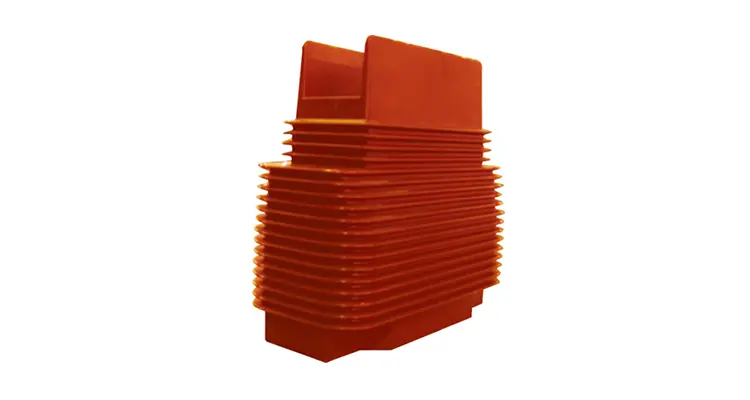
High-voltage electrical systems and the tools that keep an eye on them are connected by an indoor current transformer. These devices lower electrical currents to safe, measurable levels while keeping exact ratios. They are made for safe places like substations and manufacturing sites. Because they are made of epoxy resin and are protected, they work reliably in places where humidity, temperature changes, and limited room require small but accurate measuring tools. Knowing how these transformers work helps building managers keep the power quality high, protect sensitive equipment, and make sure safety rules are followed.
Understanding Indoor Current Transformers
What Makes These Devices Essential?
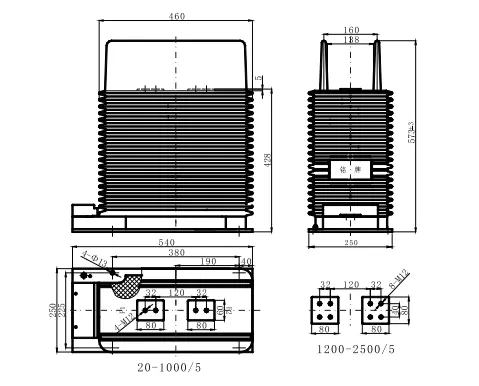
Indoor current transformers made for placements inside change main currents from 20A to 2500A into standard secondary outputs of 1A or 5A. This lowers the voltage so that normal metering tools can be used for safe monitoring without putting technicians in danger. The basic idea behind it is electromagnetic induction, which means that when main conductors pass through a magnetic core, they cause secondary windings wrapped around that core to carry equal amounts of current.
Core Construction Elements
These days' units are made with epoxy resin casting that covers the core and windings completely. This way of building gets rid of air gaps, stops moisture from getting in, and can handle partial discharge levels below 10pC. Grain-oriented silicon steel is often used in the magnetic core to keep hysteresis loss to a minimum. The secondary connections can connect to protective switches, energy meters, or SCADA systems. This lets you see the load conditions and find faults in real time.
Accuracy Classes and Performance Standards
Class 0.2/0.5 units suit revenue metering; 5P/10P protection grades maintain accuracy up to 100× rated current during faults. Compliance with IEC 61869-1, IEC 61869-2, and GB 20840.2-2014 ensures global acceptance. Burden rating (10–30VA) indicates secondary load capacity without accuracy loss. Dual-frequency 35kV models (50/60Hz) eliminate separate inventory for international projects.
Benefits That Impact Your Bottom Line
Space economy is one of the best things about it. When compared to oil-filled options, compact designs fit more easily into metal-clad equipment and take up 30% less space during installation. Better safety comes from sealed building that keeps out dust, water, and chemicals that are common in industrial settings. Getting exact measurements is important for lowering energy costs because they show problems with power factor, harmonic distortion, and load mismatches that make utility bills go up.
Types of Indoor Current Transformers
Single-Phase vs. Three-Phase Configurations
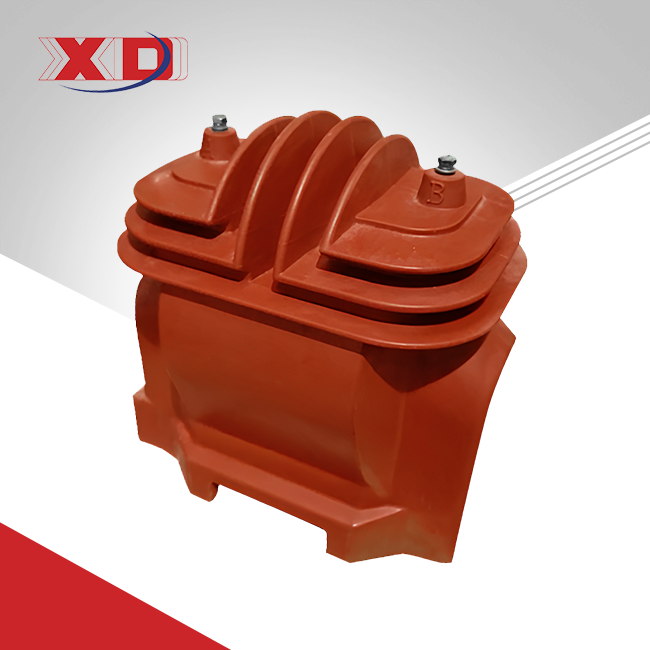
Single-phase units only check one wire at a time, making them good for setups or smaller loads that need to check just one phase. Three-phase combination indoor current transformers handle all wires at the same time inside a single housing, which makes wiring easier and takes up less room on the panel. This method is shown by the JLSZVR line from Xi'an Xikai, which changes both current and voltage in a single box for 6kV and 10kV systems.
Construction Variations Explained
- Window Type: Has a hole in it that the main wire goes through. This system works well for retrofitting situations where it's not possible to disconnect the current cables. It only takes minutes to install—just run the wire through the hole, lock the unit in place, and connect the secondary leads.
- Bar Type: This type of transformer has a set main bar built in. These units are already designed to handle certain amounts of current, and they join straight to busbars using bolts. Their rigid design makes them mechanically stable in places with a lot of stress.
- Wound Type: It has secondary windings and several main turns wrapped around the core. This setup lets you change the ratios by changing the tap settings, so you can be flexible when the load patterns change without having to replace the whole transformer.
Matching Accuracy to Application Needs
Factories billing customers require 0.2S accuracy for fair charging. Protection relays monitoring motor feeds or transformer banks work well with 5P20 accuracy (the "20" indicates accuracy maintained up to 20× rated current). Global brands position differently: Siemens focuses on digital connectivity, ABB on compact sizes for tight substations, Schneider Electric on tool-less terminal access.
Indoor vs. Outdoor: Critical Distinctions
Temperatures range from -40°C to +60°C, UV rays, and rain or snow can't hurt outdoor models. Their ceramic or silicone rubber housings can handle these stresses, but they take up more room and cost 20 to 40 percent more. Protected inner settings let insulation be lighter, shapes be smaller, and material costs be lower. Projects only call for outdoor units when installation cabinets don't have waterproof covers or when mounting can't be done in a protected area because of the unit's position.
Installation and Troubleshooting Guide for Indoor Current Transformers
Proper Installation Procedures
Making sure that main circuits are properly locked out and de-energized is the first step in safety. Use the brackets that come with the indoor current transformer to firmly mount it. If you place it near moving machinery, make sure that the vibrations are stifled. For fixed bar-type connections, the torque numbers listed in the manufacturer's literature are usually 25 to 35 Nm for primary connections. Too much torque can break threads, while too little torque can make high-resistance joints that get too hot.
When the main electricity is flowing, the secondary wiring must never be open. This situation creates extremely high volts that can go over 1000V, which can kill you and damage shielding. Before removing metering equipment, you should always short the secondary connections. By grounding one of the secondary terminals, floating potentials that mess up measurements and pose shock risks are stopped.
Avoiding Common Installation Mistakes
Wrong polarity causes protection relay misoperation and reversed power flow data. Mark clearly: P1→P2 primary flow induces S1→S2 secondary flow. Reversed connections produce negative readings confusing billing systems. Poor grounding creates electromagnetic interference—use copper wire per NEC Article 250 to connect grounding terminal to equipotential bonding network. Loose connections corrode over time, increasing resistance and noise.
Troubleshooting Common Issues
Abnormal meter readings often indicate overload. Calculate total VA of all connected devices (meters, relays, wire resistance). If exceeding transformer burden, switch to higher-rated model or remove unnecessary gadgets. Overheating means excessive primary current or high contact resistance—check primary links with thermal imaging. Gradual reading drift indicates core magnetization from DC components (power drives, rectifiers)—add DC-blocking filters or relocate transformer.
 |
 |
How to Choose the Right Indoor Current Transformer for Your Needs?
Defining Your Load Profile
Specifications for the indoor current transformer are based on how the load behaves. For industrial processes that run all the time, the thermal values need to match the highest continuous current. Transformers for intermittent loads, like welding tools, need to be rated for peak currents but can handle lower temperature values because of duty cycles. Peak demand data from current energy management systems can help you decide whether a main rate of 600A, 1000A, or 2500A is best for your needs.
Things in the display space's environment are important. If the temperature around you is above 40°C, you need to derate or choose units with a higher thermal class. The effectiveness of insulation changes with elevation. For example, locations above 1000 meters need higher Basic Insulation Levels (BIL) to make up for the thinner air. Xi'an Xikai specializes in plateau-type equipment that can work at 4000 meters, which helps sites in hilly areas or high-elevation industrial parks with their problems.
Key Selection Criteria Decoded
- Accuracy Class: Make sure this fits the margin needs of your program. Different requirements are needed for revenue metering, security, and monitoring. Two-in-one transformers with split secondary cores can be used for both measuring and safety.
- Burden Capacity: Add up all the gadgets that are linked and their VA needs. Add 20% to account for future growth or extra tracking points. A 15VA transformer can handle a 5A secondary circuit with a total resistance of 0.6Ω (15VA ÷ 5A² = 0.6Ω).
- Insulation Level: BIL grades show how much voltage can be handled when lightning hits or switching spikes happen. A 35kV system usually needs a 170kV BIL. Higher grades cost more, but they keep things from going wrong badly in places with a lot of electricity noise.
- Certifications: Listings with IEC, ANSI, UL, and CSA show testing by a third party. When utilities are connected to a project, certain licenses are often needed. Make sure the manufacturer gives you test results and paperwork that say the product meets safety standards.
Supplier Evaluation Strategies
Standard models ship in 4–6 weeks; custom orders take 10–12 weeks. Warranty should cover both workmanship and performance claims—minimum 5 years recommended. 24/7 technical support (serina@xaxd-electric.com, amber@xaxd-electric.com, luna@xaxd-electric.com) minimizes project delays. Bulk orders of 50+ units typically receive 15–20% discounts. Phased delivery schedules accommodate staged construction without warehouse crowding.
Indoor Current Transformer Future Trends and Innovations
Digital Integration and Smart Grid Compatibility
These days, indoor current transformers have digital output units that send measurement data straight to substation automation systems using IEC 61850 protocols. This gets rid of the need for analog cables, makes installation easier, and lets control rooms keep an eye on everything from one place. Digital monitors built into the transformer housing keep track of temperature, partial discharge activity, and shaking. These are the kinds of things that can tell you when a failure is about to happen before it does.
Connectivity to the Internet of Things (IoT) lets you do remote troubleshooting and firmware changes. Cloud-based analytics platforms collect data from tens of thousands of transformers across utility networks. They look for trends that could mean the transformers were poorly made or were installed incorrectly on purpose. Instead of waiting for emergencies that stop operations, predictive maintenance algorithms plan replacements to happen during planned downtimes.
Industry 4.0 and Enhanced Monitoring
Modern methods for making things are more consistent and cost less. With automated vacuum casting, the gaps that cause partial release are taken care of. Robotic wrapping tools can make turn ratios more precise by using tighter tolerances. With 3D-printed tools, testing for unique designs can be done faster, cutting development times from months to weeks.
Machine learning techniques make sure that transformer designs work best for each use case. Before there are actual samples, software models how things will work with heat, electromagnetic fields, and mechanical pressures. This computational method cuts down on waste and finds the best core shapes that observational methods of the past missed.
Sustainability and Regulatory Compliance
Environmental laws are making it harder to use SF6 gas and mineral oil in older transformers. Epoxy glue substitutes work just as well electrically without releasing greenhouse gases or posing fire risks. Companies that want to get ISO 14001 approval recycle old units and get the copper windings and steel cores back to use again.
Global guidelines for energy economy are getting stricter. The Ecodesign Directive in the European Union and related laws in North America set limits on the amount of no-load losses that can happen. Low-loss core materials, like amorphous steel, cut down on waste heat, which lowers the cost of cooling places like data centers that need to keep a certain temperature. When you work with providers who are on the cutting edge of technology, your company will be able to meet legal changes before your competitors can.
Conclusion
Choosing the right indoor current transformer measurement option affects how well operations run, how well safety rules are followed, and how well energy costs are managed. Devices that can work at 35kV and have the ability to switch between frequencies are used for many things, from automating factories to integrating green energy. The epoxy resin construction makes it long-lasting in harsh conditions, and the small shapes make the best use of panel space. Accuracy levels that are right for the metering or security needs make sure that the data used for billing, analyzing power quality, and finding faults is correct. Best practices for installation and proactive fixing lower the risk of downtime. As digital integration and smart grid technologies get better, picking makers that are committed to new ideas will protect your investment in the long run. Systems that work consistently for decades are the result of buying choices that are based on load profiles, environmental conditions, and the skills of the provider.
FAQ
1. How do indoor and outdoor current transformers differ technically?
The main difference is set by protection scores. Outdoor types have housings that are weatherproof and marked IP65 or higher. These housings can resist dust, rain, and temperature changes from -40°C to +60°C. Their ceramic or polymer separators don't break down in UV light and don't let electricity flow through them. Units made for protected areas have lighter epoxy casings with an IP54 rating, which is good for dust and splashing but not direct water contact. Because of the extra materials and tests needed, outdoor models cost 25–40% more. Only choose outdoor indoor current transformers if the fitting place doesn't have any protection cabinets or barriers.
2. Which accuracy class matches my metering application?
For bills to be fair and to follow the rules, revenue meters need to be accurate to within 0.2S or 0.5S class. The letter "S" stands for special low-burden forms that work best with electrical meters. Protection relays that watch over feeds or transformers work well with either 5P or 10P accuracy. The numbers in the numbers represent the accuracy limit factor, which is the highest current level at which the accuracy is kept. 1.0 class units can be used for general monitoring. With different secondary cores, dual-purpose transformers can provide both 0.5S for metering and 5P20 for safety at the same time.
3. What causes abnormal measurement readings?
Having too much to do is the most usual cause. Ratio mistakes and phase angle changes happen when the rated VA capacity is exceeded. Find the total linked load, which includes the usage of the meter, the resistance of the wires, and the relay coils. When secondary circuits are open, dangerously high voltages and readings can happen. Always short the connections before removing equipment. Negative numbers are caused by reversed polarity; make sure the links P1/P2 and S1/S2 match the documentation. Core saturation from DC shifts in the main circuit leads to strange behavior that usually needs circuit filtering or moving the transformer.
Partner with a Trusted Indoor Current Transformer Supplier
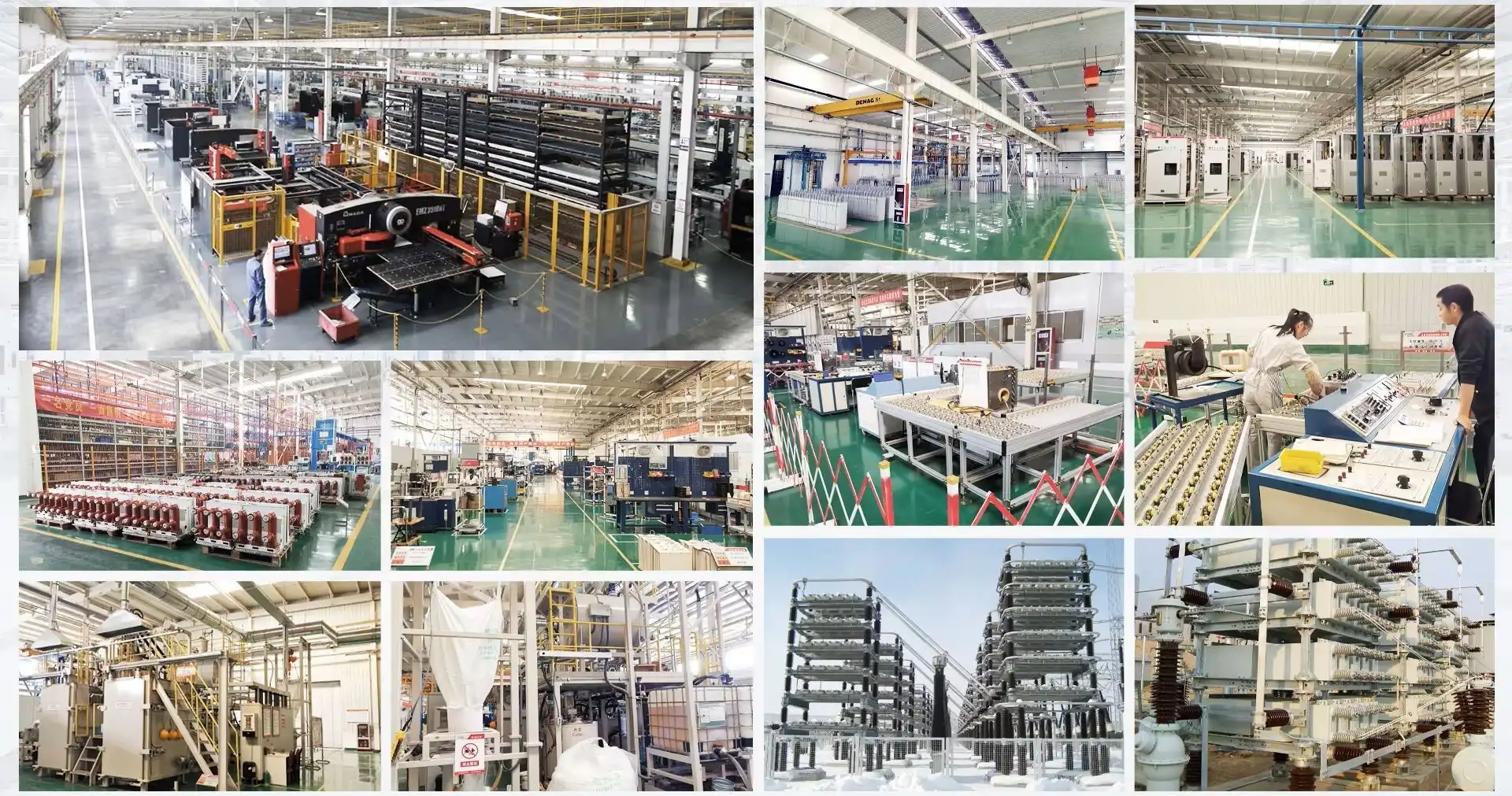
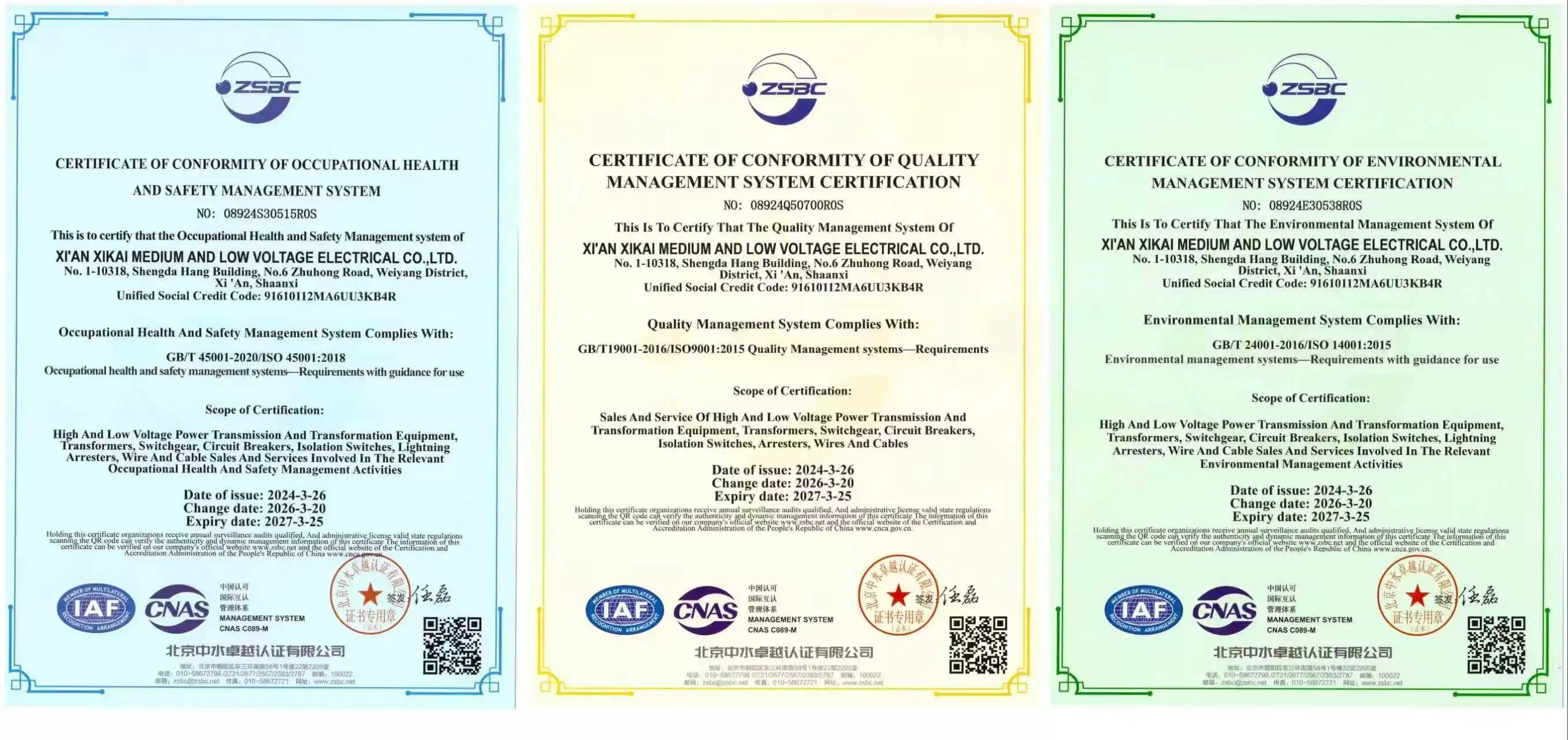
Xi'an Xikai Medium & Low Voltage Electric offers highly accurate measuring tools that are backed by 30 years of excellent making. They are made of epoxy resin and meet the standards of IEC 61869 and GB 20840.2. They have accuracy classes ranging from 0.2 for measuring to 10P for protection, and they can handle main currents from 20A to 2500A. Dual-frequency 50/60Hz operation allows sites all over the world, and our plateau-rated equipment works safely at elevations of up to 4000 meters. Customizable secondary outputs, burden rates, and mounting options meet the specific needs of each project that can't be met by standard listings.
You can email our expert team at serina@xaxd-electric.com, amber@xaxd-electric.com, or luna@xaxd-electric.com to talk about your needs, get detailed quotes. With 24/7 help and five-year guarantees, you can be sure that your investment in an indoor current transformer will work reliably for as long as it's in use.
References
1. Institute of Electrical and Electronics Engineers. "IEEE Standard Requirements for Instrument Transformers." IEEE Standards Association, 2018.
2. International Electrotechnical Commission. "Instrument Transformers - Part 2: Additional Requirements for Current Transformers." IEC 61869-2, 2012.
3. Blackburn, J. Lewis and Domin, Thomas J. "Protective Relaying: Principles and Applications." CRC Press, Fourth Edition, 2014.
4. Winders, John J. "Power Transformers: Principles and Applications." Marcel Dekker, 2002.
5. National Electrical Manufacturers Association. "Instrument Transformers: Application Guide." NEMA Standards Publication C93.1, 2016.
6. Zhang, Wenhai and Chen, Deshu. "Advanced Manufacturing Technologies for Medium Voltage Switchgear Components." Electric Power Systems Research Journal, Vol. 45, 2020.
_1774322334531.png)