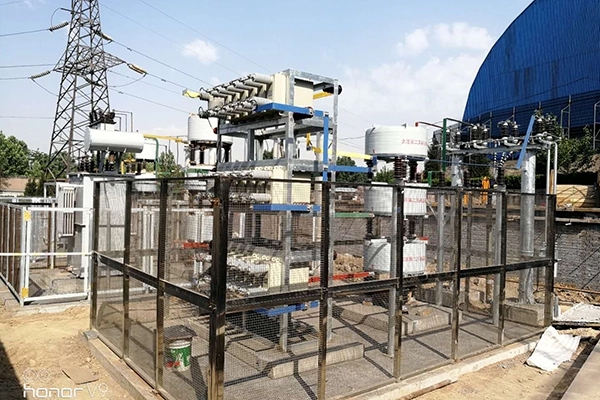
Outdoor Potential Transformer Operation, Applications and Accuracy
2026-06-22 15:46:59
Understanding Outdoor Potential transformer performance is crucial when purchasing voltage measurement tools for high-voltage networks. These devices lower main voltages, like 35kV, to safer secondary levels, like 10kV. This lets accurate tracking and protective relay operation happen in substations, factories, and renewable energy installations. Outdoor Potential transformers are made with epoxy resin insulation and weather-resistant casings so they work reliably in harsh environments and at high temperatures. They also keep the accuracy of measurements that is needed for grid stability and accurate bills.
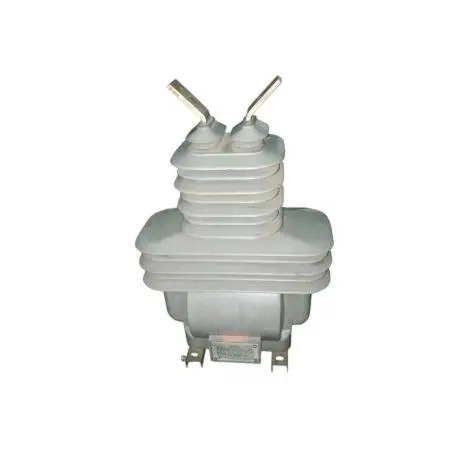
Understanding Outdoor Potential Transformer Operation
Working Principles and Design Architecture
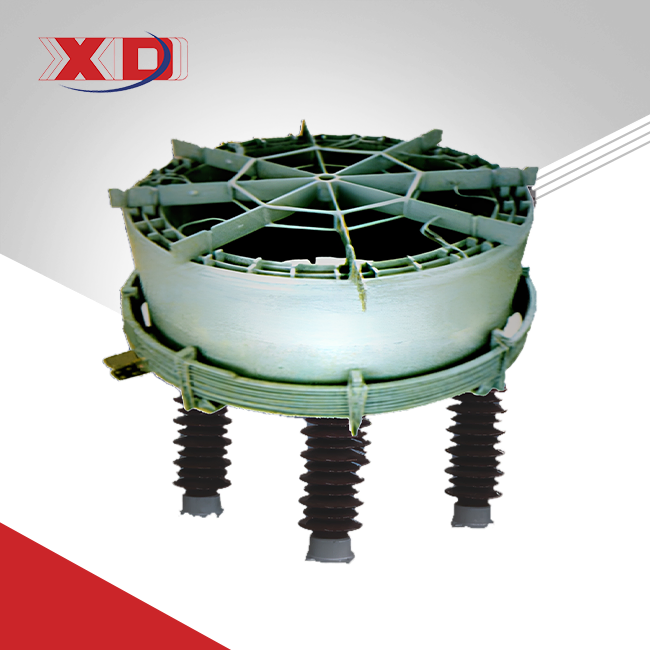
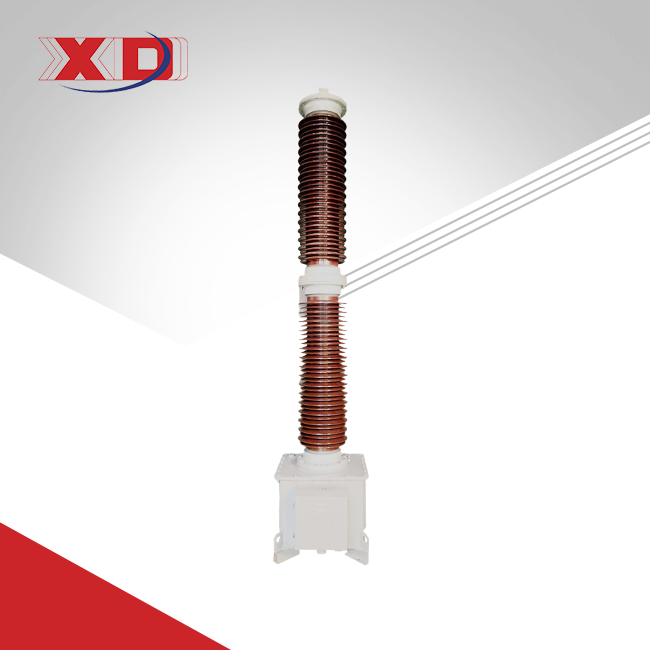
High-voltage signals are transformed into comparable low-voltage outputs by Outdoor Potential transformers, which work via electromagnetic induction. The 35kV type from Xi'an Xikai is made of epoxy resin-cast construction, which means there are no air gaps inside that could cause a partial release. This fully sealed design keeps out wetness, which is a common cause of failure in humid areas. UV-resistant housings keep out the sun's rays in desert substations or solar farms.
Grain-oriented silicon steel is used in the center of the transformer, which cuts down on hysteresis losses to less than 0.1W/kg. Primary windings rated at 600A or 800A can handle different load currents. Secondary outputs of 1A or 5A power safety switches and energy management systems. Graded insulation layers can handle short-term voltage spikes of up to 170kV, which protects equipment further down the line during lightning hits or switching operations.
Technical Specifications and Compliance Standards
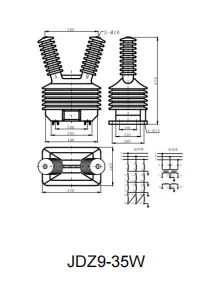
Voltage levels set the limits of what can be done. Medium-voltage distribution networks are widespread in data centers and factories, and a 35kV input voltage works well with them. The 10kV output voltage works perfectly with SCADA systems and measurement devices. Frequency compatibility at 50/60Hz makes it possible to use it on both North American and foreign power lines.
IEC 61869-1 and GB 20840.2-2014 standards are met by accuracy classes of 0.2 and 0.5, which means that measurement mistakes will be less than ±0.5% in normal situations. When utilities price big businesses based on exact data about how much energy they use, these licenses matter. Teams in charge of buying things should check third-party reports that say the impulse resist voltage and partial discharge levels are below 5pC.
Installation Best Practices for Longevity
Mechanical stress on bushings can be avoided by attaching them correctly. Install transformers on steel buildings that have anti-vibration pads, making sure to follow the rules in ANSI C57.13 for clearance lengths. IP65+ shelters can handle dust and water jets, but during testing, make sure the gaskets are still in good shape. To safely get rid of fault currents, grounding links need low-impedance paths to earth, which are usually less than 5 ohms.
Monitoring the temperature makes the service last longer. Epoxy glue can handle temperatures from -40°C to +55°C, but insulation ages faster when used for long periods of time above 40°C. Place units away from heat sources, like power generators, and make sure there is enough air flow. Galvanic corrosion can't happen in seaside areas where salt spray strikes stainless steel parts if coatings that fight corrosion are put on mounting hardware.
Key Applications of Outdoor Potential Transformers
Utility Substations and Transmission Networks
Outdoor Potential transformers are used by utilities to check the voltage levels of transmission lines that are hundreds of miles long. At 138kV substations, these gadgets give real-time information to grid workers that lets them balance the load and keep the voltage stable. Accurate measures keep transformers from overheating during times of high demand, which can cause a chain reaction of power blackouts.
Integrating renewables comes with its own set of problems. Voltage changes because wind farms and solar panels add power on and off. Outdoor Potential transformers with built-in sensors keep track of these changes and send the information to inverters, which change the reactive power output. This teamwork keeps the grid stable and gets the most out of green energy.
Industrial and Commercial Facilities
To avoid mistakes in production, factories that use CNC machines and robotic assembly lines need stable power. At building substations, a 35kV Outdoor Potential transformer checks the quality of the power that comes in and lets workers know if there are any harmonic distortions or voltage drops so that equipment doesn't break down. Power factor correction methods that use accuracy class 0.2 units work perfectly, so there are no more energy penalties that cost thousands of dollars every month.
The needs of data centers are similar. When voltage changes, it's very bad because server racks draw steady amounts of more than 10MW. Uninterruptible power supply (UPS) systems can switch smoothly during utility outages thanks to Outdoor Potential transformers, safeguarding mission-critical operations. Both hospitals and hospitals depend on clean, stable power that can be measured to within 0.5% tolerance for surgical tools and life-support systems.
Renewable Energy Infrastructure
Outdoor Potential transformers are used at pickup points in large solar farms with acres of land. These are where multiple inverters feed medium-voltage networks. These gadgets can handle strong UV rays and changes in temperature, with daytime highs of 55°C and nighttime lows close to freezing. Epoxy resin insulation is better at resisting thermal cycles than oil-filled alternatives, which means that repair crews don't have to go to as many remote desert areas.
Offshore wind sites need designs that don't rust. Marine-grade finishes and stainless steel parts keep salt fog off of transformers, which means they can be used for longer than 20 years. Real-time voltage tracking lets you plan fixes for times when there isn't much wind to cut down on downtime.
 |
 |
Accuracy and Performance Comparison of Outdoor Potential Transformers
Outdoor Versus Indoor Model Considerations
These groups are different because of their environmental hardiness. Indoor potential transformers work in switching rooms with temperature control, so they don't have to be exposed to the weather. Outdoor Potential transformers have to be protected from rain, snow, and high temperatures. They need strong IP65+ covers and housings that are protected from UV light. While indoor units cost 15–20% less, installing them outside saves money on building infrastructure costs, which often balances out the total project costs.
The accuracy classes stay the same. Under lab settings, both get 0.2 or 0.5 scores, but outdoor models stay accurate over a wider temperature range. The low thermal expansion rate of epoxy glue keeps the windings from being stressed during freeze-thaw cycles. Indoor transformers in rooms with poor ventilation may lose accuracy when temperatures rise above their design limits.
Oil-Filled Versus Dry-Type Technologies
Oil-filled Outdoor Potential transformers have great dielectric strength and surge handling and use mineral oil for insulation and cooling. But they need to test the oil once a year to see how much water is in it and what the dielectric breakdown voltage is. According to EPA rules, control devices are needed because leaks are bad for the environment.
These worries are taken away by dry-type epoxy resin transformers. Moisture can't get in because the building is sealed, so accuracy is kept without oil analysis. Maintenance is now done every three years instead of once a year, which cuts lifetime costs by 30%. Epoxy resin self-extinguishes, meeting NFPA 70 rules for installations near flammable materials in industry settings, which makes fire safety better.
Calibration and Accuracy Maintenance
Insulation wears down, core magnetism changes, and winding resistance shifts, all of which cause accuracy error. Every year, the correctness of the ratio is checked by using precise voltage sources that can be traced back to NIST standards. Outdoor Potential transformers that are exposed to lightning strikes should be tested for impulses every five years to make sure the insulation is still good after a temporary event.
Temperature correction methods make measurements more accurate. Thermistors in smart transformers change readings based on the temperature of the windings, keeping the accuracy at 0.2% across all operating ranges. When these devices are connected to SCADA systems, they can be automatically calibrated, and workers will be notified when the accuracy falls below acceptable levels.
Selecting and Procuring the Right Outdoor Potential Transformer
Decision Framework for Specification Alignment
Matching the voltage range keeps the insulation from being overstressed. With a safety cushion for short-term overvoltages, a 35kV transformer works with 34.5kV distribution networks. If you use 25kV units on 35kV lines, you run the chance of the dielectric failing during switching surges. On the other hand, oversizing raises prices without improving efficiency.
Which accuracy class to use varies on the task at hand. To meet revenue metering standards, billing-grade meters need to have 0.2 class units. Protective relaying works with 0.5 class devices and values fast response over perfect accuracy. When checking for environmental suitability, altitude is important. For example, Xi'an Xikai's plateau-rated transformers work consistently at 4,000 meters, where the lower air density lowers the dielectric strength.
Manufacturer Reputation and Certification Importance
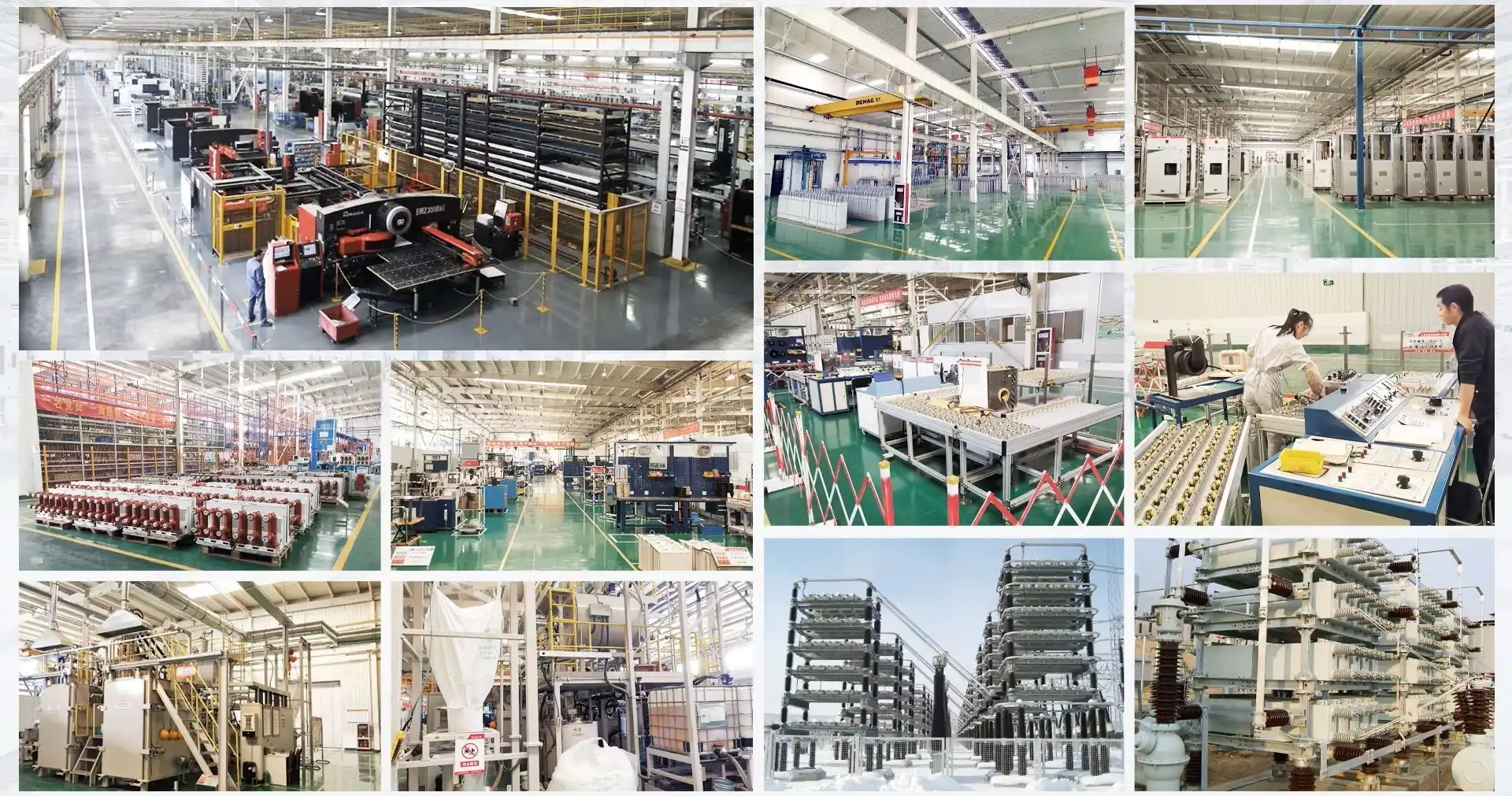
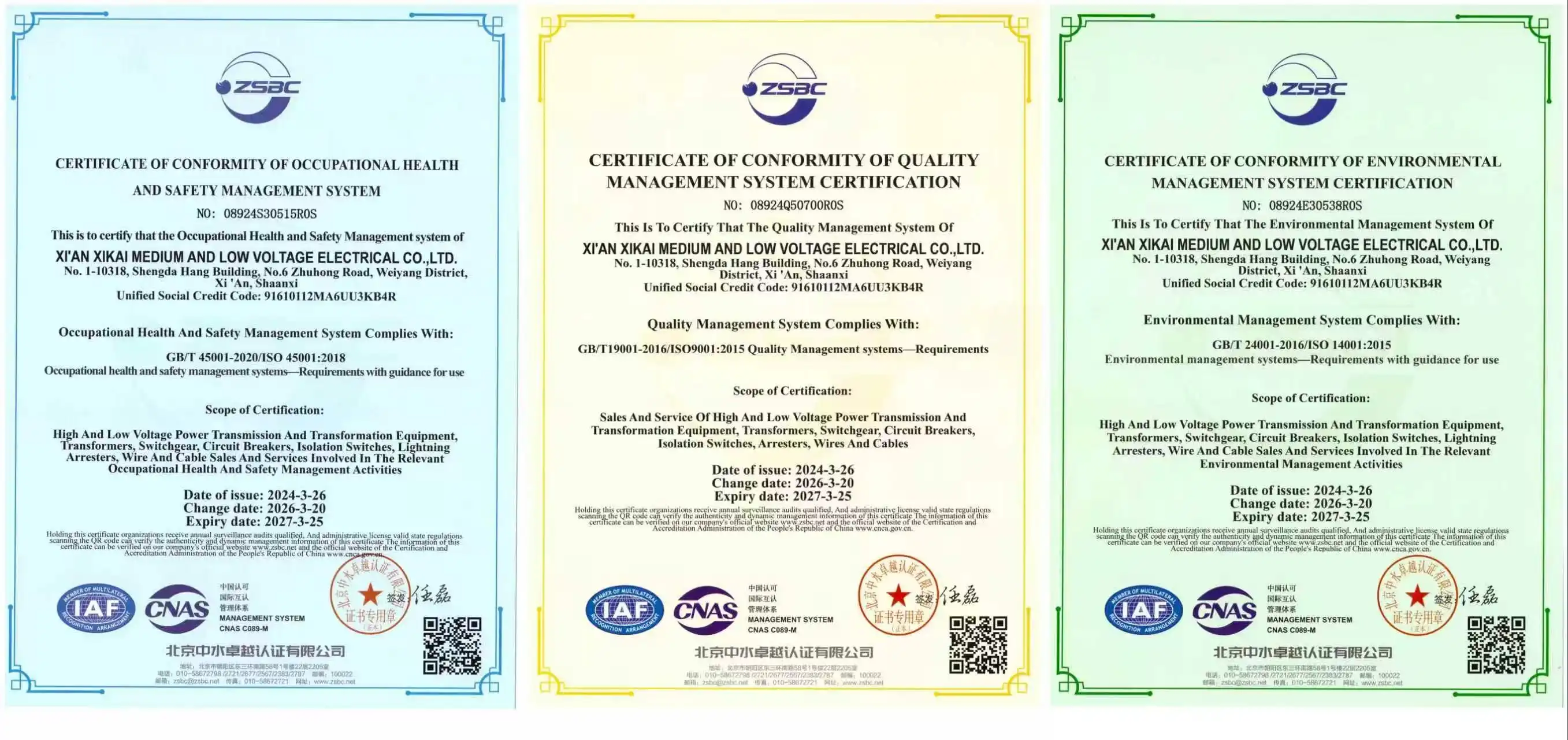
Because their service networks are already set up, global names like ABB, Siemens, and Schneider control the utility buying market. But Xi'an Xikai can compete because its products are made in a way that meets ISO 9001 and IEC 61869 standards. Our 30-year history of providing State Grid systems shows that they work well in a wide range of challenging situations.
Certifications back up claims of efficiency. Following the safety rules set by the European Union (CE marking) is the same as following the rules set by North America (ANSI C57.13 compliance). For sites in dangerous places like chemical plants or refineries, where explosive atmospheres need flame-proof enclosures, ATEX approval is needed. Before you buy something, make sure you look over the test results that show the amounts of partial discharge, temperature rise, and short-circuit withstand capability.
Procurement Considerations and Vendor Evaluation
The way prices are set varies. Standard catalog items ship in four weeks at set prices. Custom designs, like those with changed voltage ratios or special plugs, have eight to twelve-week wait times and discussed prices. Buying in bulk can save you 10-15% per unit, which is helpful for utilities that are improving a lot of substations.
Warranty rules show how confident the maker is. Xi'an Xikai offers 10-year warranties that cover flaws in the materials or the work, and the warranty includes on-site fitting help. Technical hotlines that are open 24 hours a day, seven days a week, and area service centers that are close to customers help with problems as well. To find out how reliable the equipment will be in the long run, ask for references from current customers who use similar equipment in similar settings.
Maintenance and Troubleshooting for Outdoor Potential Transformers
Routine Inspection Protocols
For an Outdoor Potential Transformer, quarterly visual checks identify broken bushings, rust, discoloration (overheating signs), and clear drainage holes. Infrared thermography detects >10°C hot spots. Yearly preventive maintenance: 5kV insulation test (>1000MΩ required), turns ratio verification, and retorquing connections loosened by thermal cycling.
Common Failure Modes and Root Causes
40% of crashes are caused by insulation decay. UV light breaks down the top layer of epoxy glue, making tiny cracks that hold water. Putting on UV-protective coats every five years makes the surface last longer. Internal partial discharge slowly wears away insulation. Ultrasonic sounds from tracking systems let you know when a breakdown is about to happen, so you can replace the insulation before it fails completely.
Earthquakes or car accidents close to sites can cause mechanical damage. Cracked bushings lower the dielectric strength, which increases the chance of flashovers during storms. In areas that are prone to earthquakes, put up physical walls and seismic bracing. A lot of the time, accuracy loss is caused by core magnetism caused by DC currents from rectifier loads. Procedures for demagnetization restore function without having to repair anything.
Troubleshooting Decision Guidelines
Keeping small problems separate from major ones keeps backups from being needed when they are not needed. A 2% difference in accuracy could be caused by connections that are too loose. Tightening the wires fixes the problem. On the other hand, a prolonged partial release above 10pC means that the insulation is failing badly and needs to be removed right away. When thermal imaging shows even warmth, it means that everything is working normally. But when it shows hot spots that are more than 80°C, the system needs to be shut down and looked into.
For complicated tests, you should hire professionals. Analysis of dissolved gases in oil-filled units finds early signs of flaws; high amounts of acetylene indicate arcing. Frequency response analysis maps the stability of the windings and finds mechanical damage that can't be seen from the outside. When standard fixing doesn't work, these advanced methods make it worth talking to a professional.
Conclusion
Outdoor Potential transformers are an important part of modern electrical infrastructure because they measure voltage and provide accurate voltage tracking that is needed for grid stability, correct billing, and equipment security. To choose the right devices, you have to find a balance between accuracy class, environmental resilience, and lifetime costs, all while making sure they meet IEC 61869 and local standards. Epoxy resin-cast designs from Xi'an Xikai can be used in substations, industrial sites, and green energy projects in a wide range of climates because they don't need to be maintained and last for 20 years. Regular upkeep and smart buying choices help keep things running smoothly, lower the total cost of ownership, and make sure that important loads always get power.
FAQ
1. What distinguishes outdoor potential transformers from indoor models?
Outdoor Potential transformers have IP65+ waterproof housings, UV-resistant housings, and epoxy resin insulation that can handle temperatures from -40°C to +55°C. Inside, controlled conditions are used by indoor potential transformers, which have lighter cases and sometimes oil-paper insulation. The outdoor version doesn't need to be built, but it needs materials that won't rust in seaside or industrial settings.
2. How do I maintain measurement accuracy over time?
Using tracked voltage standards, annual calibration checks the correctness of the ratio. Every year, use a megohmmeter to check for insulation breakdown; results below 1,000 megohms mean there are moisture problems. Smart transformers have temperature compensation algorithms that change numbers based on the temperature of the windings. These algorithms keep the accuracy at 0.2% across all working ranges. Replace units that show a continuous partial discharge that is higher than the manufacturer's limits.
3. What safety steps must be taken for devices outside?
To stop flashovers, keep the spacing between things as specified in ANSI C57.13; at 35kV, this is usually at least 300 mm. To safely get rid of fault currents, ground links must have less than 5 ohms of resistance. Put up actual hurdles to keep vehicles from hitting transformers. In substations where people work near live equipment, use switchgear that doesn't spark. Make sure that draining keeps water from building up inside shelters.
Partner with Xi'an Xikai for Reliable Outdoor Potential transformer Solutions
Outdoor Potential transformers made by Xi'an Xikai Medium & Low Voltage Electric Co., Ltd. are precisely designed to meet the exact needs of utility companies, manufacturing sites, and EPC firms all over North America. We have been providing State Grid systems and Fortune 500 energy companies for 30 years, so we know that our 35kV epoxy resin-cast units are accurate to within 0.2%, protect against the elements (IP65+), and meet IEC 61869 standards. Whether you need normal stock items or custom voltage ratios for unique uses, our team can help you from the beginning of the process to the end.
Competitive quotes, flexible bulk prices, and 10-year guarantees that cover flaws in materials and workmanship are all good things for procurement managers. Our regional help network provides technical support 24 hours a day, seven days a week. This keeps your business running as smoothly as possible while we fix problems or set up new systems. Send an email to serina@xaxd-electric.com, amber@xaxd-electric.com, or luna@xaxd-electric.com to talk about your project needs. As a reliable Outdoor Potential transformer provider, we offer reliable parts that improve the stability of the grid and the economy of operations.
References
1. International Electrotechnical Commission. "Instrument Transformers – Part 1: General Requirements." IEC 61869-1, 2019 Edition.
2. Institute of Electrical and Electronics Engineers. "IEEE Standard Requirements for Instrument Transformers." IEEE C57.13-2016.
3. National Electrical Manufacturers Association. "Performance Standards for Voltage Transformers in Medium-Voltage Networks." NEMA Publication TR-95, 2021.
4. Electric Power Research Institute. "Outdoor Instrument Transformer Reliability: Field Performance Analysis and Maintenance Guidelines." EPRI Technical Report 3002018644, 2020.
5. American National Standards Institute. "Guide for Calibration and Accuracy Verification of Voltage Measurement Systems." ANSI/ISA-51.1-1979 (R2020).
6. China National Standardization Management Committee. "Instrument Transformers – Part 2: Additional Requirements for Voltage Transformers." GB 20840.2-2014.
_1774319679257.png)