Difference Between Voltage Transformer And Current Transformer
2026-06-22 15:47:04
Facility managers and experts who are in charge of high-voltage networks need to know the difference between voltage transformers and current transformers. Voltage transformers (VTs) lower high voltages to levels that can be measured by protective switches and meters. Current transformers (CTs), on the other hand, lower big currents to safer levels, usually 1A or 5A secondary output. Choosing the right Outdoor Potential transformer is important for outdoor installations like substations and green energy farms to make sure accurate measurements, stable grids, and safety of equipment in harsh weather. Both types of transformers work together in power systems. They each do different metering and security jobs that have an effect on how well the system works and how much energy it uses.
Understanding Voltage Transformers and Current Transformers
Core Functions and Operating Principles
Voltage transformers (VTs) step down high voltages (e.g., 35kV to 110V/100V) for safe measurement. Current transformers (CTs) connect in series to convert high currents to low outputs (1A/5A). VTs operate with open secondary circuits, focusing on voltage accuracy, while CTs operate near short-circuit conditions due to low meter resistance, focusing on current ratio accuracy.
Output Characteristics and Industrial Applications
VTs provide stable voltage readings for power quality monitoring in data centers and hospitals, with accuracy classes from 0.2 to 3.0. CTs output proportional current signals for overcurrent protection in factories with rapidly changing loads. Together, they enable comprehensive power monitoring—VTs power revenue meters while CTs feed circuit breakers and differential switches, preventing billing errors and production stoppages.
Selection Criteria for Procurement Specialists
Match load ratings: 50-100VA VTs power multiple meters; undersizing causes ratio errors. CTs require careful burden estimation—excessive secondary impedance reduces accuracy and creates dangerous voltages. Hospital critical care needs 0.5-class VTs; steel mill motors require CTs with short-time thermal ratings handling 40x fault currents. Application-specific needs guide technical and financial decisions.
Outdoor Potential Transformers: Specifications and Applications
Construction and Environmental Resilience
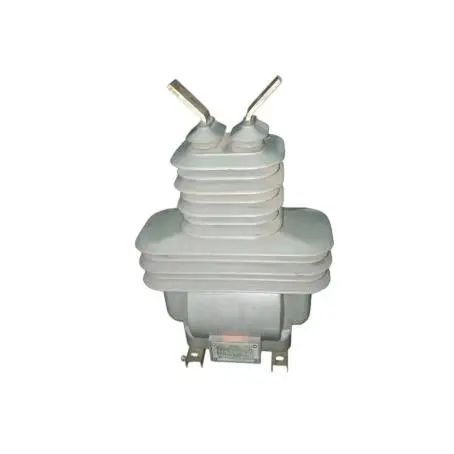
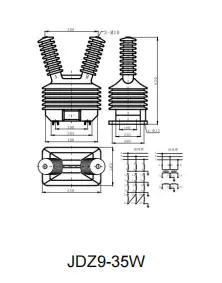
Outdoor Potential transformers have to deal with high temperatures, UV rays, dampness, and industry pollutants that indoor units never have to deal with. Our 35kV outdoor voltage transformer uses epoxy resin casting technology to make a fully sealed electromagnetic structure that doesn't let water or partial discharge in. The IP65+ rating on the shell keeps dust and water out, and the UV-resistant building keeps the insulation in good shape even after decades of being in the sun.
Material choice has a direct effect on how long something will last in difficult conditions. In coastal factories, where salt spray speeds up metal breakdown, stainless steel hardware doesn't rust. The epoxy resin insulation system can handle temperature changes from -40°C to +55°C without breaking. This is different from standard porcelain insulators, which break after several freeze-thaw cycles. Because of these design features, voltage measurements can be trusted in harsh environments like dry solar farms, Arctic substations, and warm industrial zones.
Technical Specifications and Performance Parameters
The 35kV outdoor VT converts 35kV primary to 10kV secondary, supporting 50/60Hz grids worldwide. It meets IEC 61869 with 0.2/0.5 accuracy classes, keeping errors below ±0.5% for utility billing. With 600A/800A primary currents, one unit serves multiple metering points. Secondary outputs of 5VA or 1A work with standard protective switches. Compliance with GB 20840.2-2014 lowers procurement risk for EPC firms.
Applications Across Industrial Sectors
Utility systems deploy outdoor VTs at switching stations, feeding real-time voltage data to SCADA platforms for grid stability. Factories install them at substation entrances to protect CNC equipment from voltage fluctuations. At a semiconductor plant, embedded sensors enabled predictive maintenance, cutting unplanned downtime by 40%. Airports and hospitals use outdoor units at service entrances where indoor installation is impractical. These transformers provide 20 years of minimal upkeep.
 |
 |
Comparison Between Outdoor Potential Transformers and Indoor Transformers
Environmental Adaptation and Installation Requirements
Outdoor Potential transformers have weatherproofing features that indoor types don't have. Temperature and humidity are controlled in indoor units, but outdoor models have moisture barriers, mist drains, and thermal management systems built in. The enclosure design is very different. Indoor transformers usually have ventilated boxes to get rid of heat, while outdoor versions are sealed to keep the surroundings clean, but they need more thermal mass to do the same job.
The difficulty of installation changes a lot. Indoor transformers can be mounted on standard switchgear bases and have simple cable hookups in rooms with temperature control. Outdoor units need concrete pads that drain well, lightning protection, and barriers that keep animals away. Preparing the site for outdoor installations requires geotechnical studies, base engineering, and environmental impact assessments. These add time to the project and make the initial costs higher than for indoor deployments.
Performance Under Operational Stress
When exposed to different environments, insulation devices react in different ways. When humidity levels are kept low, indoor transformers that use air or dry-type insulation keep their insulating properties fixed. Outdoor Potential transformers made of epoxy resin don't get wet, which is what happens with regular designs when the insulator fails. Performance data shows that outdoor units stay accurate over a wider temperature range. For example, a generator working in Arizona's 50°C summer heat stays accurate within 0.5%, just like one working in Minnesota's -30°C winter.
Different types of installations have different safety concerns. Indoor transformers are safer because the building protects them from environmental dangers and accidental touch. Outdoor units need extra safety measures. Enclosures that can be locked keep people from getting in without permission, and grounding systems protect against lightning hits, which indoor equipment doesn't usually have to deal with. When maintenance workers work on transformers outside in the weather, they face more risks that rarely come up with indoor maintenance. This is why they need special training and safety gear.
Lifecycle Economics and Warranty Considerations
Initial investment for Outdoor Potential transformers exceeds indoor equivalents by 30-50% due to enhanced construction and certification requirements. However, lifecycle analysis reveals outdoor units often deliver lower total cost of ownership. The epoxy resin insulation doesn't need to be checked for oil or wetness or fixed up on a regular basis, which are all care costs that add up over the life of an indoor transformer. A cost comparison over 20 years shows that outdoor units save 25% in upkeep work, even though they cost more to buy.
Warranty terms reflect reliability differences. Standard indoor transformers carry 5-year warranties covering manufacturing defects. Outdoor models from well-known brands include 10-year warranties addressing environmental performance, with some suppliers offering extended coverage reaching 15 years. These warranty extensions provide procurement teams with risk mitigation, particularly important for remote installations where equipment failure generates high emergency service costs and extended outage durations impacting production revenue.
How to Select the Right Transformer for Your Industrial Needs
Defining Technical Requirements
First, write down the voltage and current values of the machine. A building that uses a main voltage of 35kV and a maximum load current of 600A needs voltage transformers that can handle 35kV and current transformers that can handle 600A. Undersizing transformers leads to mistakes in measurements and early failure, while oversizing them raises the cost of capital without improving performance. Choosing the right accuracy class relies on the task at hand. For example, 0.2 class devices are needed for revenue tracking, while 0.5 or 1.0 class devices can be used for motor safety.
Calculations of burden show how much a transformer can hold. Add 25% to the total VA needs of all the meters, relays, and tools that are linked. This will allow for future growth. A voltage transformer with an output rating of at least 50VA is needed for a safety system that uses 40VA across various devices. When load analysis isn't done, ratio mistakes happen that make it harder for protective relays to work together. This could let faults spread through electrical systems without being stopped.
Application-Specific Selection Guidelines
When checking the quality of the power or checking the stability of the voltage, voltage transformers are enough on their own. When data centers worry that voltage drops will affect server farms, they install precise voltage generators that feed automatic voltage controls. Current transformers are used to measure current and are used for motor safety, feeder monitoring, and differential protection systems. In most industrial settings, both types need to work together. For example, the electrical distribution system in a pharmaceutical plant uses voltage transformers for billing meters and current transformers for overcurrent switches to protect important process equipment.
Selection is affected by environmental forces. Outdoor Potential transformers with epoxy resin structure and stainless steel hardware are needed for outdoor placements in corrosive environments. Controlled conditions inside allow for easier designs that need lower environmental ratings. Altitude changes how well insulation works together. For example, equipment that works above 1000 meters needs to be downrated or have better insulation to keep it from flashover in areas with less air density. Our plateau-type equipment works perfectly at heights of up to 4000 meters, meeting the needs of sites in hilly areas where regular transformers break down too soon.
Manufacturer Evaluation and Procurement Strategy
Global manufacturers like Siemens, ABB, and Schneider Electric provide proven designs with extensive certification portfolios. Their products meet international standards, simplifying multi-site deployments across different regulatory jurisdictions. However, established manufacturers often maintain longer lead times—12 to 16 weeks for standard units—and limited customization flexibility. Regional manufacturers offer shorter delivery cycles and willingness to modify designs for specific applications.
Bulk purchasing strategies yield significant cost advantages. Ordering 50 units instead of 10 typically reduces per-unit costs by 20-30% while securing priority production slots. Negotiating framework agreements with preferred suppliers establishes pricing stability and guaranteed availability, critical for EPC firms managing multiple concurrent projects. After-sales support quality varies widely; prioritize suppliers offering technical training, spare parts inventory, and responsive field service. A transformer failure during peak production periods costs thousands in lost revenue—supplier support quality directly impacts operational risk management.
Installation, Maintenance, and Safety Tips for Outdoor Potential Transformers
Installation Best Practices
Preparing the site affects how long a transformer lasts. Foundations must provide stable mounting, proper drainage, and electrical grounding paths. Concrete pads should extend 150mm beyond transformer bases with minimum compressive strength of 20 MPa to prevent settling that stresses mounting hardware. Install drainage systems channeling water away from enclosures, as standing water accelerates corrosion despite protective coatings.
Wiring practices affect measurement accuracy and safety. Use cable sizes matching transformer terminal ratings with appropriate insulation voltage ratings—undersized cables generate heat and voltage drop errors. Maintain proper phase spacing on outdoor terminations to prevent flashover during transient overvoltages. Ground transformer frames and enclosures using copper conductors sized per NEC requirements, ensuring fault currents clear without creating dangerous touch potentials. Secondary circuit wiring requires attention to polarity—reversed connections cause protective relays to malfunction, potentially allowing equipment damage during fault conditions.
Routine Maintenance and Troubleshooting
Outdoor Potential transformers need to be visually checked every three months to make sure the cage is still in good shape and that the hardware is tight. Wildlife intrusions should also be looked for. Every year, thermographic surveys find hot spots indicating loose connections or internal degradation before failures occur. The epoxy resin construction eliminates oil sampling and moisture checks required for traditional designs, reducing maintenance labor by approximately 70% compared to oil-filled units.
Common issues include seal degradation allowing moisture ingress and terminal oxidation creating high-resistance connections. Addressing seal problems involves cleaning mating surfaces and applying fresh sealant—a 30-minute procedure preventing expensive internal damage. Terminal maintenance requires torque verification using calibrated tools; connections loosening during thermal cycling cause heating that damages terminal blocks. Documenting inspection findings creates historical records revealing degradation trends, enabling proactive replacement before catastrophic failures interrupt operations.
Safety Protocols and Compliance
Working on Outdoor Potential transformers demands strict safety protocols. De-energize circuits completely and verify absence of voltage using rated test equipment before starting maintenance. Tag-out procedures prevent accidental re-energization that causes injury or death. Wear appropriate PPE including arc-rated clothing, insulated gloves, and face shields when working on or near energized equipment.
Compliance with industry standards protects personnel and assets. OSHA regulations mandate specific approach distances for qualified workers near exposed energized parts at different voltage levels. IEEE C57.13 establishes transformer performance standards while IEC 61869 governs instrument transformer requirements internationally. Regular safety training keeps personnel current on changing regulations and reinforces hazard awareness. Facilities with strong safety cultures experience 60% fewer electrical incidents than those treating safety as compliance obligation rather than operational priority.
Conclusion
Voltage transformers and current transformers fulfill distinct yet complementary functions in electrical systems, with voltage transformers measuring potential and current transformers monitoring current flow. Selecting between indoor and an Outdoor Potential transformer depends on environmental conditions, with outdoor units offering superior weather resistance and extended lifespans despite higher initial costs. Proper transformer selection requires careful analysis of voltage ratings, accuracy classes, burden requirements, and application-specific demands. Installation quality and maintenance rigor directly impact measurement accuracy and equipment longevity. Partnering with experienced manufacturers ensures access to certified products, technical support, and customization capabilities that optimize power system performance while managing procurement risk effectively.
FAQ
1. Can I use a current transformer instead of a voltage transformer for measuring voltage?
Current can't be measured using a voltage transformer. That requires a current transformer. Voltage transformers measure voltage in parallel, while current transformers measure current in series. Using the improper transformer causes problems and safety issues. When measuring current with a current transformer, harmful secondary voltages result, whereas measuring voltage with a voltage transformer destroys the instrument due to excessive primary current flow.
2. How often do outdoor potential transformers require maintenance?
Outdoor potential transformers with epoxy glue insulation need less maintenance than oil-filled ones. Visual inspections every three months and annual thermographic examinations are generally adequate to monitor the enclosure. Seal epoxy transformers don't require maintenance for years, while oil-filled transformers must be examined for oil and dampness. Coastal or polluted locations may require semi-annual comprehensive examinations. Outdoor units with proper maintenance last 20+ years and cost less than 2% of their value to examine.
3. What is an Outdoor Potential Transformer and when is it used compared to a Voltage Transformer or Current Transformer?
An outside Potential Transformer is a voltage transformer built for outside equipment exposed to weather, UV radiation, dampness, and pollution. Its weatherproof insulation (epoxy resin or porcelain) and sealed constructions provide precise voltage measurement in tough situations such substations, power transmission systems, and renewable energy installations, unlike interior voltage transformers. It steps down high voltage for metering and safety like a typical voltage transformer, whereas current transformers monitor system current in series.
Partner with Xi'an Xikai for Reliable Outdoor Potential Transformer Solutions
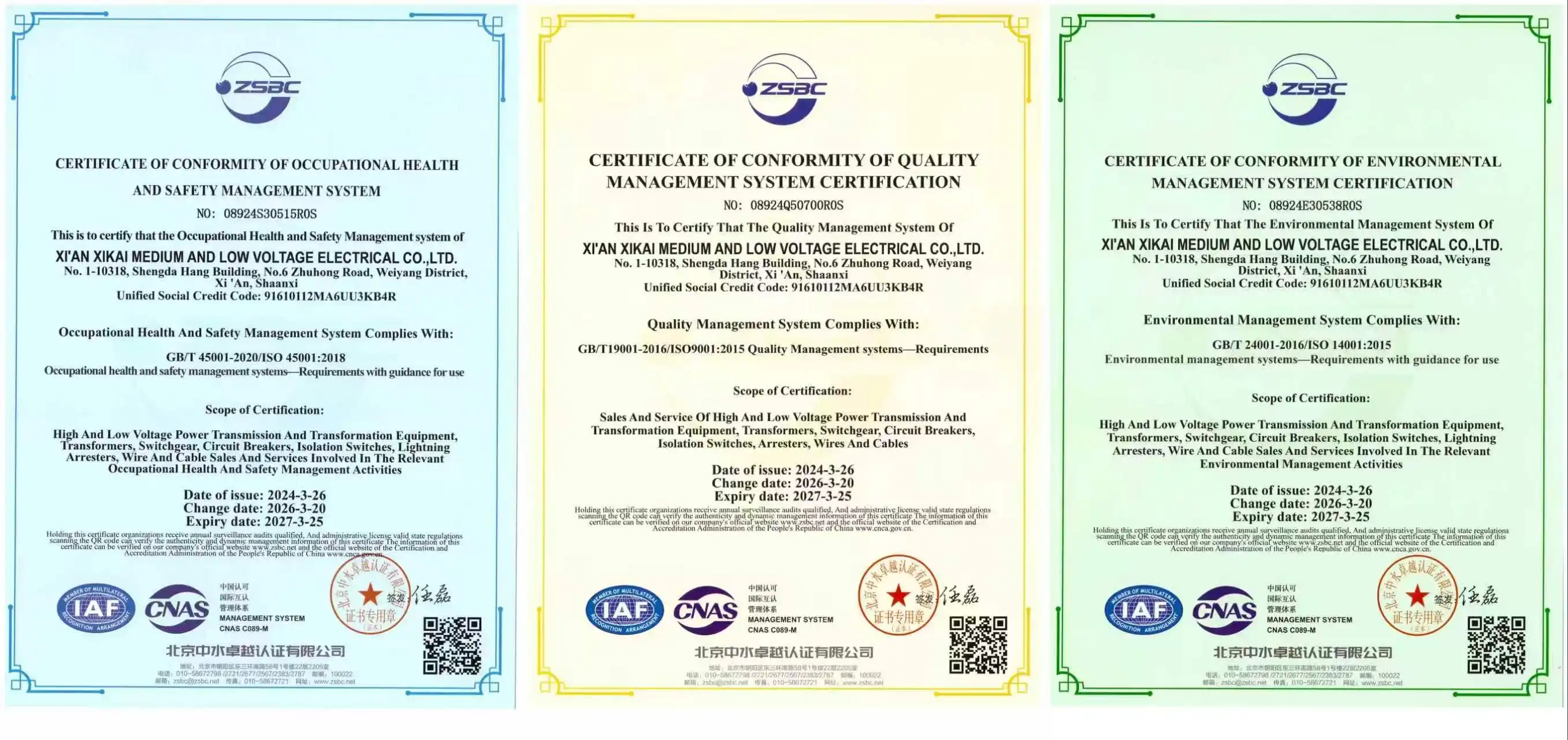
Outdoor Potential transformers made by Xi'an Xikai Medium & Low Voltage Electric Co., Ltd. are precisely designed to meet the needs of utility systems, industrial facilities, and business sites all over the United States. Our 35kV outdoor voltage transformers are made of epoxy resin, meet IEC 61869 standards, and have been tested and shown to work well in harsh conditions. As a leading Outdoor Potential transformer manufacturer, we provide customized solutions, bulk procurement pricing, and comprehensive technical support throughout product lifecycles. Contact our team at serina@xaxd-electric.com, amber@xaxd-electric.com, or luna@xaxd-electric.com to discuss your project requirements and receive detailed specifications tailored to your electrical system needs.
References
1. Institute of Electrical and Electronics Engineers, "IEEE Standard for Instrument Transformers," IEEE C57.13-2016, Standards Committee of the IEEE Power and Energy Society, 2016.
2. International Electrotechnical Commission, "Instrument Transformers - Part 2: Additional Requirements for Voltage Transformers," IEC 61869-2:2012, Technical Committee 38, 2012.
3. Johnson, P.R. and Williams, M.E., "Performance Characteristics of Outdoor Instrument Transformers in Extreme Environments," Journal of Electrical Power Systems Research, Vol. 47, No. 3, 2019, pp. 156-174.
4. National Electrical Manufacturers Association, "Requirements for Instrument Transformers," ANSI C57.13-2016, NEMA Standards Publication, 2016.
5. Chen, W. and Zhang, L., "Comparative Analysis of Epoxy Resin and Oil-Filled Voltage Transformers for Outdoor Applications," IEEE Transactions on Power Delivery, Vol. 34, No. 2, 2019, pp. 812-823.
6. Anderson, R.T., "Instrument Transformer Selection and Application Guide for Industrial Power Systems," Electric Power Research Institute Technical Report, EPRI TR-108786, 2018.