
What is the difference between indoor and outdoor high voltage switchgear?
2026-10-12 17:27:22
High voltage switchgear is used to regulate, protect and isolate electrical equipment in power distribution systems. The primary distinction between indoor and outdoor versions is where and how they operate. Indoor High Voltage Switchgear is designed for installation in a building or substation area with a controlled environment. It provides a compact design with more rapid access for maintenance and protection from weather. Outdoor switchgear is installed in the open air and needs weatherproof enclosures to handle rain, dust, UV radiation and temperature changes. This difference aids EPC contractors and electrical engineers in selecting the proper equipment for their site circumstances.
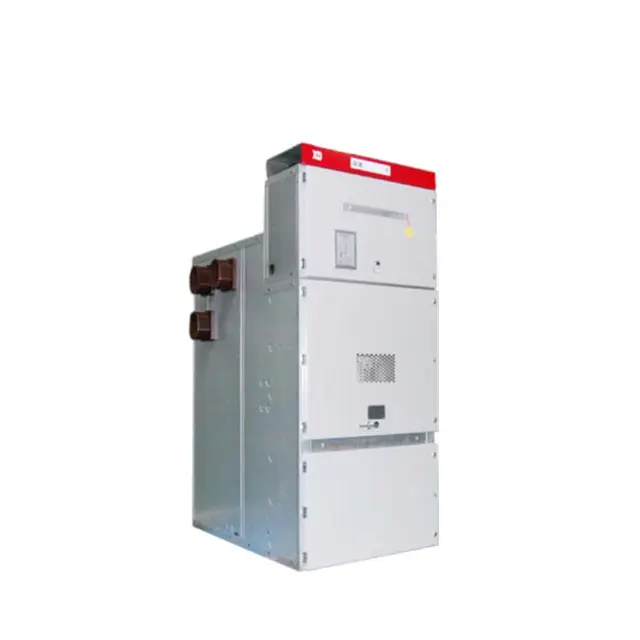
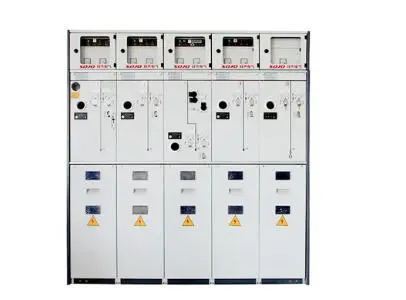
Understanding Indoor and Outdoor High Voltage Switchgear
Before comparing them, it helps to know what the two varieties really are and what they belong to.
What Is Indoor High Voltage Switchgear?
Indoor high voltage switchgear is a metal enclosed assembly that is to be installed in specialist electrical rooms or substations. It is a controlled environment where temperature, humidity and pollution are controlled. Common forms include withdrawable circuit breaker metal covered switchgear, air insulated switchgear (AIS) and vacuum circuit breaker panels. These devices are often rated for voltage from 12kV up to 40.5kV, and for current up to 2500A or more.
What Is Outdoor High Voltage Switchgear?
Open air switchgear is intended for usage in open air without any protection. It uses waterproof enclosures rated at IP55 or above, and materials selected for UV and corrosion protection. This comprises pole mounted reclosers, outdoor SF6 ring main units and open frame outdoor substations. These assemblies are rated for the same voltage ranges but have to deal with rain ingress, harsh ambient temperatures and wind stress.
Why This Distinction Matters for EPC Projects
One of the most important factors in the specification for an EPC contractor purchasing the equipment for a 40.5kV substation is the installation environment. Choosing indoor equipment for an outside setting is a safety issue and will lead to premature failure. No need to purchase outdoor clothing for a controlled indoor environment. Doing it properly the first time saves months of rework and procurement delays.
Key Differences Between Indoor and Outdoor High Voltage Switchgear
These two types of things are different from each other in other ways than the shell. They affect the design, cost, maintenance schedules and the performance during the whole life cycle.
Design and Enclosure Standards
Indoor high voltage switchgear usually has an IP4X security grade, which means it doesn't let solid particles in but doesn't need to be fully weatherproofed. The enclosures are cabinets made of steel that have separate spaces for cable connections, busbars, and circuit breakers. To keep wetness out, outdoor units need to have ratings of IP55 or IP65, coatings that don't rust, and sealed wire openings.
Maintenance Access and Frequency
). The metal-clad switchgear's withdrawable or detachable trolley design lets you change the breakers without turning off the power to the panels next to them. This cuts down on downtime by a lot. When it comes to outdoor switchgear, longer maintenance times are built in because it's not possible to go back to the site often, and each service call tends to be more involved.
Cost and Installation Complexity
Indoor switchgear usually costs less per unit and only needs a simple civil structure—a concrete electrical room instead of a full outdoor weatherproof housing. Outdoor switchgear needs extra protection, transportation-rated packing, and closing work that is done on-site. This difference in cost per bay adds up quickly for big EPC projects in Southeast Asia or the Middle East.
These differences have a direct effect on the decision to buy. Before making any specifications, the site should be carefully checked for environmental impact, maintenance access, and the cost of building the project.
Technical Specifications and Performance Comparison
Knowing the rated parameters helps procurement teams match the right equipment to the needs of the system.
Voltage and Current Ratings
The medium-voltage range for indoor and outdoor switchgear is from 12kV to 40.5kV, and some outdoor units can go up to 72.5kV. In most cases, the current ratings range from 630A to 2500A. At 2500A, thermal management becomes an important part of design, especially for cabinets that are kept inside and whose ability to get rid of heat rests on how well they are ventilated rather than being open to the air.
Insulation Technology: Vacuum vs. SF6
Indoor high voltage switchgear mostly uses vacuum circuit breakers, which don't need insulation gas and don't pose any risk of SF6 emissions. Outdoor switchgear usually has ring main units and reclosers that are insulated with SF6 gas. However, the industry is moving toward SF6-free options because of rules about the environment. IEC 62271-200 sets rules for metal-enclosed switchgear, and IEC 62271-1 makes basic rules for both kinds.
Arc Flash and Internal Arc Performance
For industry and utility uses, the ability to withstand internal arcs is a must. The test criteria for internal arc classification (IAC) are set out in IEC 62271-200. Metal-clad indoor switchgear that is immune to arcs and has pressure relief flaps protects workers in a measured way when faults happen. By physically separating live parts, outdoor equipment deals with spark energy in a different way.
How to Choose Between Indoor and Outdoor High Voltage Switchgear
To choose the right type, you need to match the conditions of your spot to the specifications of proven tools.
Assess Your Site Environment
Indoor high voltage switchgear is the right choice if your project site has a specialized electrical building with temperature control. It takes up less space and works well with the way substations are already set up. Outdoor switchgear protects against the weather in the right way at cable connections, field sites without buildings, and remote outdoor substations.
Match Specifications to System Requirements
The KYN61-40.5 Removable Metal-Clad Switchgear from Xi'an Xikai is a standard that you might want to look into for 40.5kV uses with rated currents of up to 2500A. It can work in temperatures ranging from -10°C to +40°C and at heights of up to 2000m. IEC 62271-200, GB/T 11022, and DL/T 404-1997 are all met by the unit. Its five-interlock system—mechanical, electrical, programmatic, and other—keeps practical mistakes from happening when swapping. Xi'an Xikai also has equipment that has been tried at heights of up to 4000 meters for work in high-altitude areas.
Evaluate Supplier Track Record and Certifications
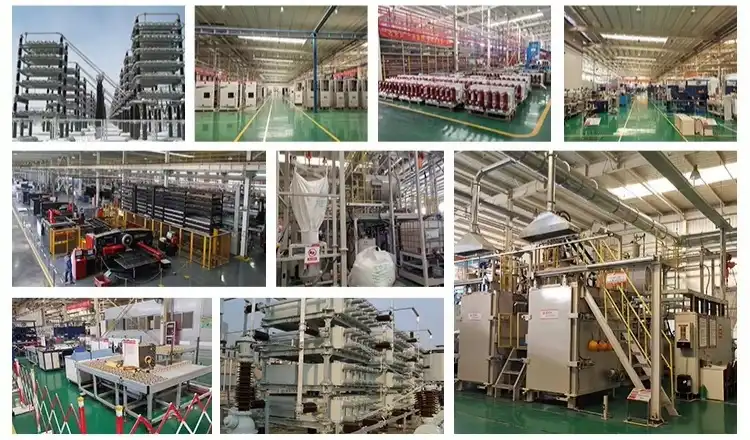
Catalog specifications alone are not enough to make a purchasing decision. Type test reports, internal arc test certificates, and project references are more important. Xi'an Xikai has been making things for more than 25 years and has 18 patents in the field of switching technology. Before it leaves the plant, every KYN61-40.5 unit goes through more than 50 quality checks. These include power-frequency survive tests and partial discharge tests.
Future Trends in High Voltage Switchgear
The medium-voltage switchgear industry is changing to meet the needs of modernizing the grid and being environmentally friendly.
IoT Integration and Predictive Monitoring
IEC 61850-compatible intelligent electronic devices (IEDs) are being added to more and more modern indoor high voltage switchgear to monitor temperature, current, and breaker health in real time. This changes maintenance from set plans to condition-based programs. This cuts down on unneeded downtime and costs over the 25–30 year life of the equipment.
SF6-Free and Eco-Friendly Designs
Vacuum-based and dry-air insulated switchgear is being used more and more because of growing awareness in Asia and the Middle East and pressure from regulators in Europe. Indoor AIS with vacuum circuit breakers already doesn't use any SF6, which makes it easier to comply with stricter environmental rules.
Compact and Modular Architectures
Small switchgear with flexible bay configurations are becoming more popular because urban substations and industrial sites are running out of space. Withdrawable designs, like the ones used in the KYN61-40.5, let you change a single breaker without affecting other equipment nearby. This is useful for both initial installation and long-term use.
Conclusion
Indoor and outdoor high voltage switchgear have the same core function of managing and safeguarding medium voltage power systems, but they achieve so in quite different ways. Indoor high voltage switchgear is designed for compactness, controlled environment performance, and accessibility for maintenance. Outdoor switchgear is intended for open air installation, hence weatherproofing and durability are the key factors. The selection of the proper type for EPC contractors working on 40.5kV substations and industrial distribution systems begins with a sound site evaluation and a supplier with confirmed type test credentials. Xi'an Xikai KYN61-40.5 is a well documented indoor alternative. Covered by wide current range and multi-standard compliance.
FAQ
1.What is the main advantage of indoor high voltage switchgear over outdoor models?
Indoor high voltage switchgear operates in a controlled environment, which allows for a more compact design, lower IP protection requirements, and easier maintenance access. The withdrawable circuit breaker design reduces downtime because technicians can replace a breaker without isolating adjacent panels.
2.How does altitude affect indoor high voltage switchgear performance?
At altitudes above 1000m, air density decreases, reducing the dielectric strength of insulation and increasing the risk of partial discharge. IEC 62271-1 requires derating above 1000m. Xi'an Xikai's standard KYN61-40.5 is rated for operation up to 2000m, with plateau-rated variants available for sites up to 4000m.
3.What certifications should I request from a switchgear manufacturer?
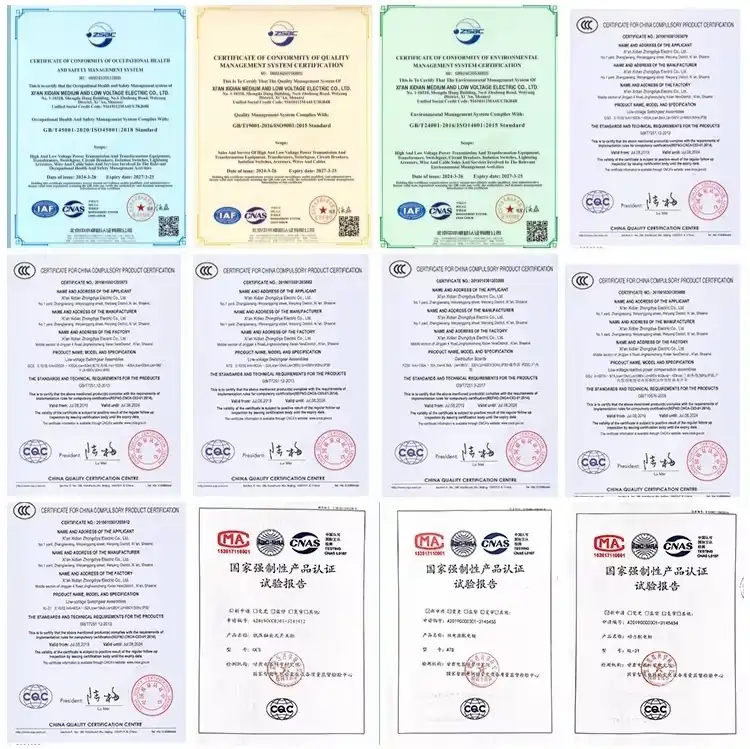
Request type test reports per IEC 62271-200, internal arc classification certificates, and regional approvals relevant to your project location. ISO 9001 and ISO 14001 manufacturing certifications indicate consistent quality control processes.
4.What is the typical service life of indoor metal-clad switchgear?
With proper maintenance and routine testing, well-manufactured indoor high voltage switchgear has a design life of 25 to 30 years.
5.Can indoor high voltage switchgear integrate with smart grid systems?
Yes. Modern units support IEC 61850 communication protocols through IEDs for real-time monitoring of temperature, current, and equipment health, enabling condition-based maintenance programs.
Get a Direct Quote from Xi'an Xikai — Your Indoor High Voltage Switchgear Manufacturer
The KYN61-40.5 and other medium-voltage products are sold by Xi'an Xikai Medium & Low Voltage Electric Co., Ltd. to EPC contractors and industrial projects all over the world. The indoor high voltage switchgear we sell comes in a range of sizes, from 630A to 2500A, and is compliant with multiple standards. Get in touch with our team directly to talk about the details of your project:
- serina@xaxd-electric.com
- amber@xaxd-electric.com
- luna@xaxd-electric.com
- Website: xaxd-electric.com
References
1. International Electrotechnical Commission. IEC 62271-200: AC Metal-Enclosed Switchgear and Controlgear for Rated Voltages Above 1 kV and up to and Including 52 kV. IEC, 2021.
2. International Electrotechnical Commission. IEC 62271-1: High-Voltage Switchgear and Controlgear — Part 1: Common Specifications. IEC, 2017.
3. IEEE Standards Association. IEEE C37.20.2: Standard for Metal-Clad Switchgear. IEEE, 2015.
4. Blackburn, J. L., and Domin, T. J. Protective Relaying: Principles and Applications. CRC Press, 2014.
5. Cigré Working Group A3.27. The Impact of the Application of Vacuum Switchgear at Transmission Voltages. Cigré Technical Brochure 589, 2014.
6. National Energy Administration of China. DL/T 404-1997: Indoor AC High Voltage Switchgear Ordering Technical Conditions. NEA, 1997.