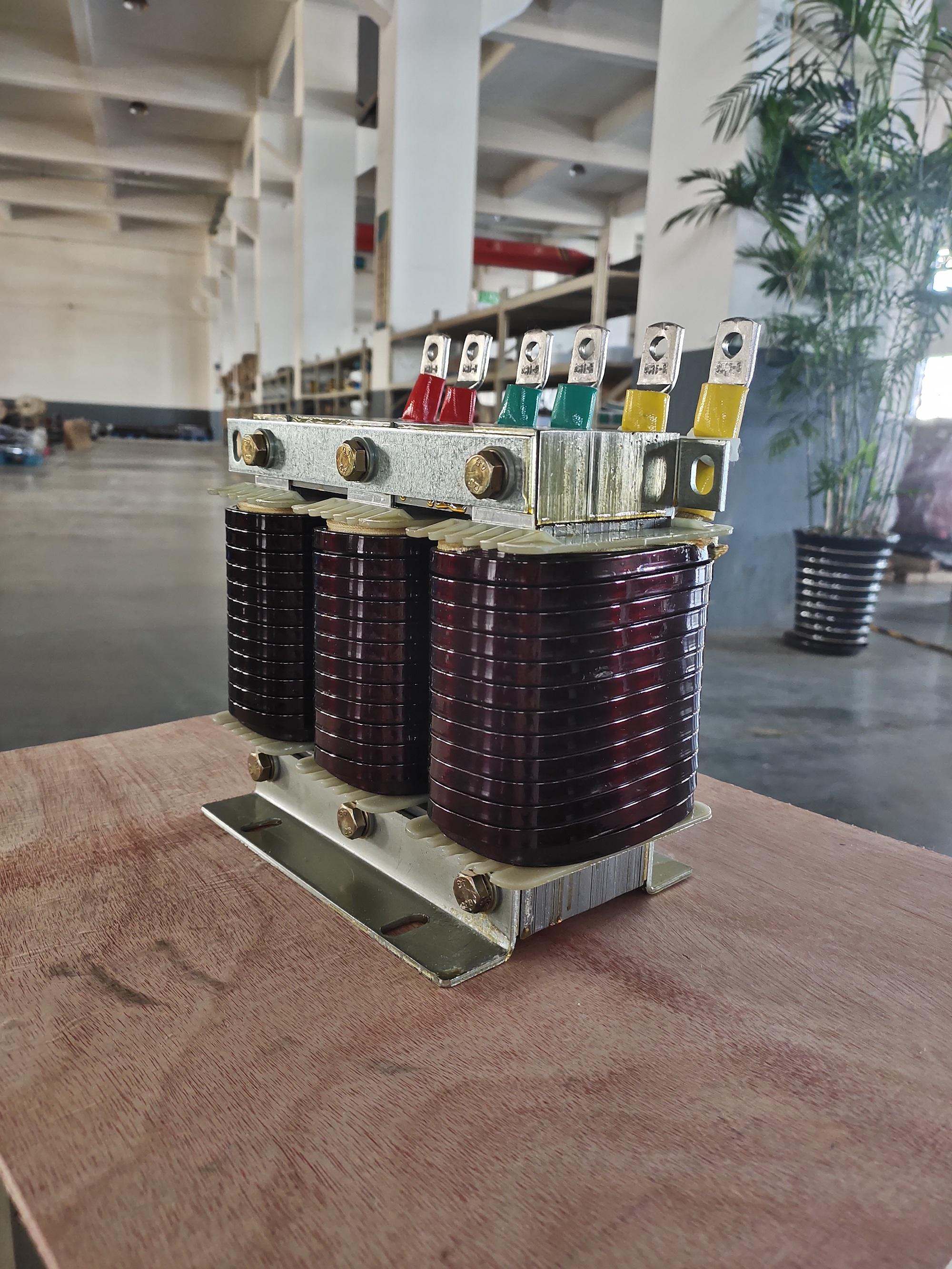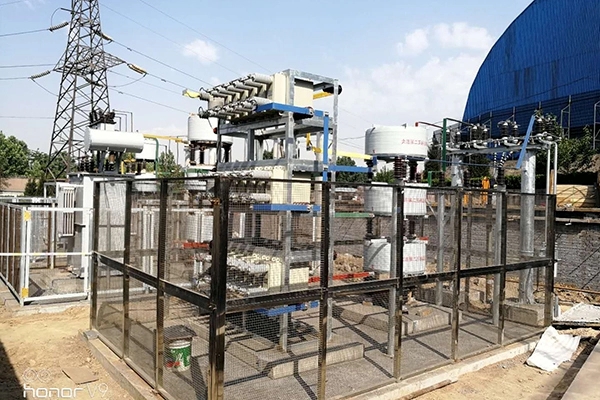
What is the purpose of an indoor current transformer?
2026-06-12 15:54:31
An indoor current transformer steps down high alternating currents to safe, manageable levels for measuring equipment and security switches. It does this while providing accurate measurements and safety. When put in controlled areas like substations, factories, and business buildings, these transformers let accurate tracking of electrical loads happen while keeping sensitive instruments away from dangerous high-voltage circuits. They do more than just measure things; they give building managers, utility companies, and engineers the important information they need to keep the power quality high, find problems quickly, and make the best use of energy across complicated electrical networks.
 |
 |
Introduction
Incorrect current measurement damages equipment, causes downtime, and inflates energy costs. Current transformers turn dangerous currents into safe data. Indoor designs suit controlled environments with stable temperatures (-5°C to 40°C). They serve CNC factories, data centers, hospitals, and utilities. Split-core units enable retrofits; solid-core provides superior long-term accuracy for revenue metering.
Understanding Indoor Current Transformers: Function and Working Principle
What Makes Indoor Current Transformers Distinct?
Indoor current transformers feature compact cases with standard IP20 ratings (higher IP23/IP30 available for tougher environments). No weatherproofing needed, so engineers optimize space and switchgear integration. Solid-core indoor units require installation during construction or planned outages but deliver better accuracy and long-term stability than split-core types. This makes them essential for revenue-grade metering and multi-zone protection schemes.
Electromagnetic Induction Principles
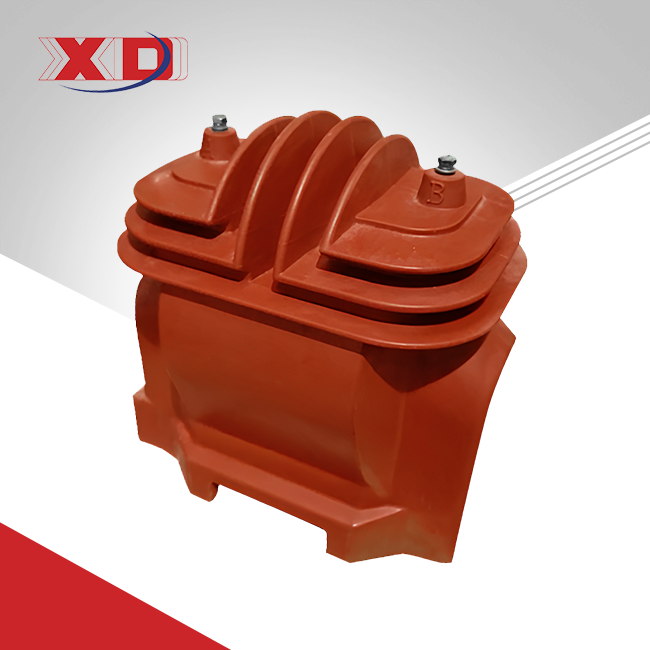
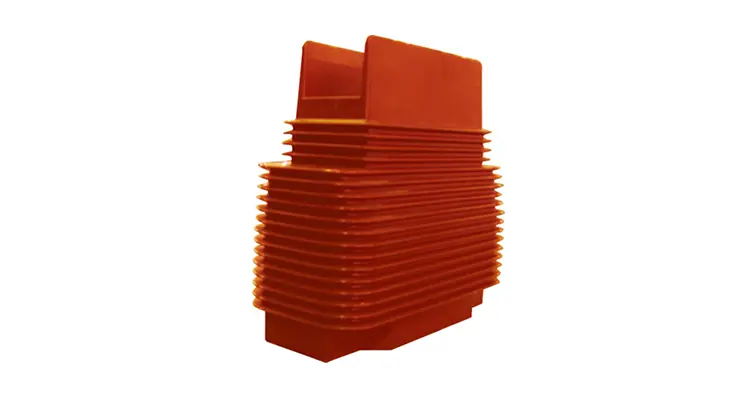
Faraday's law governs operation: AC in primary winding (single pass-through conductor) creates magnetic flux in the core, inducing proportional secondary current stepped down to 5A or 1A. A 2000/5A transformer has 400:1 ratio. Xi'an Xikai's 35kV models use epoxy resin casting around the entire core assembly, leaving no air voids that cause measurement errors or partial discharge.
Core Components and Wiring Practices
Modern indoor CTs contain grain-oriented silicon steel laminations for low-reluctance magnetic flux. Secondary windings wrap precisely around the core; primary conductors pass through the center window. Polarity marks (P1 facing source, connected to S1) are critical. Ground auxiliary circuit at one point. Never open-circuit secondary under load—dangerously high voltages damage electronics and harm personnel.
Core Purposes and Benefits of Indoor Current Transformers
Essential Functions in Power Systems
Three vital roles: (1) Accurate current readings for billing—utilities use Class 0.2/0.5 CTs at thousands of points. (2) Protection coordination—Class 5P/10P CTs repeat fault currents up to 20× rated value for relays. (3) Load management—real-time data finds inefficient equipment and avoids demand charges. Hospitals monitoring imaging equipment can detect impending failures days in advance.
Advantages Over Alternative Solutions
Controlled climate protection means less maintenance—no UV damage, temperature swings, or moisture ingress. Installation saves 30% labor versus outdoor retrofits needing weatherproof shelters. Solid-core indoor CTs offer superior long-term accuracy over split-core types, which develop air gaps at splitting lines exacerbated by temperature changes. For revenue metering, solid-core indoor units are mandatory.
Typical Industrial Applications
Factories monitor feeder lines (e.g., 600A on welding bays) and production cells (200A transformers) for predictive maintenance and energy savings. Data centers submeter colocation customers and find inefficient cooling systems. Commercial buildings submeter tenants and sync backup generators. Xi'an Xikai makes 35kV transformers for utility connections and lower-voltage units for internal distribution.
Comparison and Selection Criteria for Indoor Current Transformers
Environmental Suitability Differences
Indoor current transformers work best in places with mostly stable temperatures, like substations, electrical rooms, and equipment shelters. Most of the time, temperatures run from -5°C to 40°C, and HVAC systems control the humidity. Outdoor units, on the other hand, have to be able to handle temperatures ranging from -40°C to 70°C, strong sunlight, and rain. To meet these needs, they need thicker insulation and bigger sizes.
Split-core transformers are useful for repair situations where turning off circuits is not possible or would be too expensive. During short breaks in operations, maintenance workers can put them around existing bus bars. But because they are hinged, they are less accurate and can't be used for income metering or critical security systems. For split-core systems, accuracy classes rarely go above 1.0. With solid-core indoor units, you can get classes as low as 0.2S.
Installation Complexity Considerations
Solid-core CTs require planning during construction or planned outages but provide decades of trouble-free use. Xi'an Xikai's 35kV models fit standard switchgear panels, reducing space needs. Plug-in primary connections (ZT-15/200 elbow plugs) speed installation and prevent accidental short-circuits. Proper termination includes correct stripping length and torquing terminal screws to 1.5–2.5 Nm (M4 screws).
Accuracy Requirements and System Compatibility
Revenue metering needs Class 0.2S CTs maintaining accuracy down to 1% of rated current. Protection uses Class 5P20—accurate up to 20× rated current before saturation. North America uses 5A secondary outputs; Europe/Asia use 1A to reduce I²R losses. Dual-frequency 50/60Hz designs suit international projects. Verify total impedance of connected meters and relays to prevent voltage drop errors.
Supplier and Brand Considerations
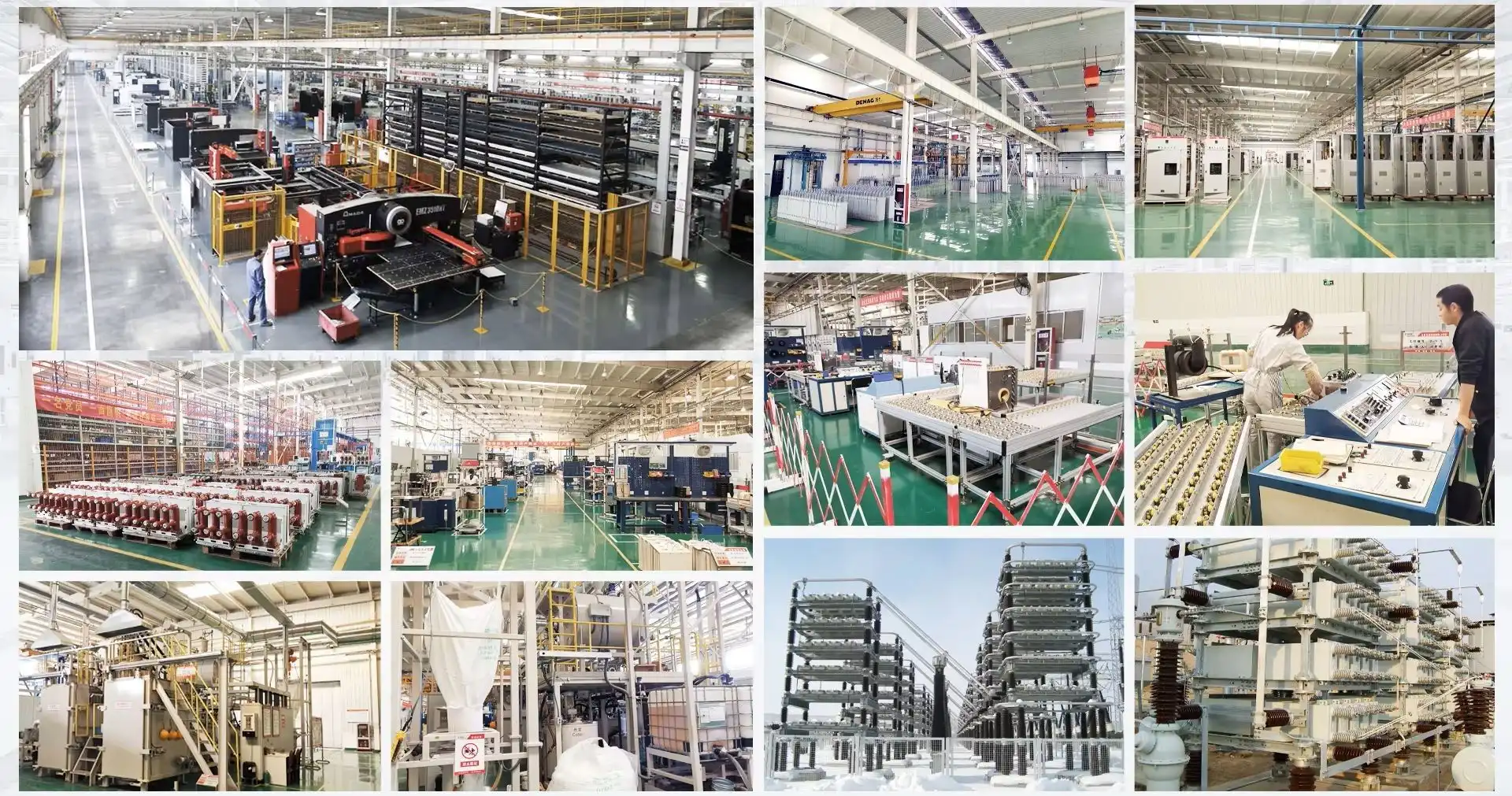
Reputable manufacturers like Xi'an Xikai use automated epoxy resin casting for void-free insulation, testing every unit for partial discharge, ratio error, and dielectric strength. Standard ratios (1000/5A, Class 0.5/5P) ship in 4–6 weeks. Custom designs take 10–12 weeks. Bulk orders (50+ units) improve lead times and pricing. Partner with suppliers offering expert installation and commissioning support.
Installation, Troubleshooting, and Maintenance Guidelines
Comprehensive Installation Protocol
Pre-installation: ensure 600 mm clearance around accessible sides. Verify mounting handles mechanical forces exceeding 10× CT weight. Wiring: correct stripping length prevents high-resistance connections; torque M4 secondary screws to 1.5–2.5 Nm. Commissioning: low-voltage injection checks polarity (P1 to S1); ratio testing at 20%, 100%, and 120% of rated current; insulation resistance >1000 MΩ for new installations.
Common Troubleshooting Scenarios
Annual ratio verification: replace revenue metering CTs if error exceeds ±0.5% (protection CTs tolerate ±3%). Unstable readings indicate open secondary circuits creating dangerous high voltages—always check continuity before energizing. Partial discharge >100 pC (new units <10 pC) signals insulation breakdown requiring immediate attention. Ultrasonic or tan-delta testing detects these conditions before catastrophic failure.
Maintenance Best Practices
Indoor current transformers don't need as much care as some other electrical parts, but they do last longer if they are inspected on a regular basis. Visual checks every three months should show any dust buildup on the enclosure's surfaces. Even though dust seems harmless, it creates paths for surface discharges that break down insulation over time. The creepage lengths stay at the design values by simply wiping them down with dry cloths.
During yearly thermographic scans, strange heating patterns that point to loose links or problems inside the building are found. If the temperature at the connections rises more than 10°C above room temperature, this should be looked into. Differences in the loads on different phases could mean that the secondary loads aren't adjusted or that there are wiring mistakes. By following these heat traces over time, you can see how they're breaking down, which lets you replace them before they fail.
Maintenance times are affected by factors in the environment. Chemical companies and sites near the coast, for example, should have checks every six months instead of once a year, which is the recommended schedule for climate-controlled environments. Insulation works differently at different elevations. For sites above 1000 meters, you need transformers with longer creepage distances or more inspection rounds to keep the same safety limits.
Procurement Insights: Pricing, Lead Time, and Ordering Tips
Specification Impact on Pricing
Costs for indoor current transformers change a lot depending on the voltage class, accuracy rating, and quality of building. The starting price for a normal 10kV unit with 0.5 Class accuracy and 200A main rating is around $900. Moving up to 35kV with 0.2S accuracy and 2500A capacity can make prices go up by a lot. Tighter accuracy tolerances require more precise machining and materials, which makes production more difficult. Suppliers show this in their price systems.
The image of a brand affects its price by how reliable people think it is and how good its after-sales service is. Established makers with decades of experience in the field deserve to be at the top of the list, but new suppliers giving the same technical specs at lower prices should also be taken into account as long as they have full testing certifications. Compare the initial cost of buying something to the total cost of owning it over its lifetime. Cheaper units that need to be replaced after 15 years cost more than high-quality transformers that work regularly for 30 years or more.
Choosing the right accuracy class has a direct effect on buying costs. For revenue metering, Class 0.2S accuracy is necessary, which can cost a lot more than Class 1.0 units that are enough for simple load tracking. Protection applications find sweet spots with 5P or 10P accuracy, which gives them the fault-finding tools they need without having to pay for metering-grade accuracy. When you match the accuracy to the needs of the application, you avoid both wasting on precision that you don't need and underperforming because the specs aren't right.
Bulk Purchasing and Timeline Management
Project size gives you negotiating power that you can't get from buying things one at a time. When you commit to 50 or more units for a building expansion or utility system upgrade, you can usually get bulk savings. Suppliers like stable production runs that make manufacturing more efficient. They can share the savings by lowering the price per unit. Setting the same standards for various installation places makes your bargaining situation even stronger.
Managing supply timelines requires early interaction with suppliers. Starting conversations during the design development stages, long before the finalization of equipment purchase packages, shows possible wait time issues while the design is still flexible. Long-lead items, like custom ratios and special secondary setups, work better when they are ordered ahead of time and built while specific engineering is still going on.
Carrying costs and supply threats are weighed in strategic inventory choices. Critical spares for high-stakes applications, like hospital emergency power systems and data center utility feeds, are reasons to keep inventory on-site, even if it means capital is being used to hold inventory. For less important uses, supplier-managed inventory programs may work. This is where makers keep regional stock that can be reached within 24 to 48 hours. This way, replacements can be made quickly without having to invest in their own facilities.
Supplier Evaluation Criteria
Support quality and the ability to respond to emergencies are affected by regional access. When urgent replacements are needed, suppliers with local stock and service staff can reply faster than those who ship every order abroad. You should weigh the ease of doing business with foreign providers against the possible cost savings. A 15% price advantage doesn't mean much if equipment delays stop production for days while you wait for delivery.
Dependable delivery is what sets great providers apart from just-good ones. Request success measures that include the percentage of on-time deliveries, the percentage of quality rejections, and the average wait times for both standard and custom configurations. Suppliers who deliver more than 95% of the time and reject less than 1% of the goods for quality reasons show good production control that lowers the risks to the project schedule.
In addition to delivering tools, support services include expert advice, help with installation, and help with fixing problems. When manufacturers give engineering teams detailed application notes, CAD designs for panel integration, and quick technical support, it helps them avoid making mistakes that cost a lot of money. Xi'an Xikai is a good example of this method because they offer expert support 24 hours a day, 7 days a week, detailed installation instructions, and 5-year warranties. They also have 30 years of experience making medium and low-voltage electrical equipment.
Conclusion
Indoor current transformers are what make safe electrical tracking and security possible in utility, commercial, and industrial settings. They are an important part of modern power systems because they can correctly measure current while protecting sensitive equipment from the risks of high voltage. Knowing the differences between indoor and outdoor designs, choosing the right accuracy classes, and installing these devices correctly will make sure they work for decades without any problems.
Early supplier involvement and careful specification development help procurement choices that have to balance technical needs with budget limits. The right indoor current transformer—one that is the right size, has the right specifications, and is put by a professional—keeps your building from having to pay for expensive downtime and lets you use energy management techniques that lower costs and make equipment last longer.
FAQ
1. What accuracy class should we specify for industrial metering applications?
Class 0.5 is good for most business metering needs because it gives enough accuracy for cost sharing and energy management systems inside the company. For revenue meters, where utilities bill based on readings from transformers, accuracy of Class 0.2 or 0.2S is needed. Protection-only apps work fine with Class 1.0 or higher limits, leaving money for other important things.
2. Can indoor current transformers operate in high-humidity environments?
Standard indoor current transformers with an IP20 rating work fine in most HVAC-controlled settings. Places with a lot of humidity, like pump rooms or sites near the coast, need protection grades of IP23 or higher to keep moisture out. Epoxy resin casting naturally resists wetness better than older oil-paper insulation designs, but external barriers still need the right protection against intrusion.
3. How do we verify compatibility with existing metering systems?
Check three important factors: the secondary current output (1A or 5A), the accuracy class meeting the meter's input specs, and the burden capacity being higher than the total connected load. Documentation for metering systems usually lists the features of transformers that are needed. Matching the original specs makes sure that when you upgrade transformers in current installations, everything will work right away without having to be re-calibrated.
Partner with Xi'an Xikai for Your Indoor Current Transformer Needs
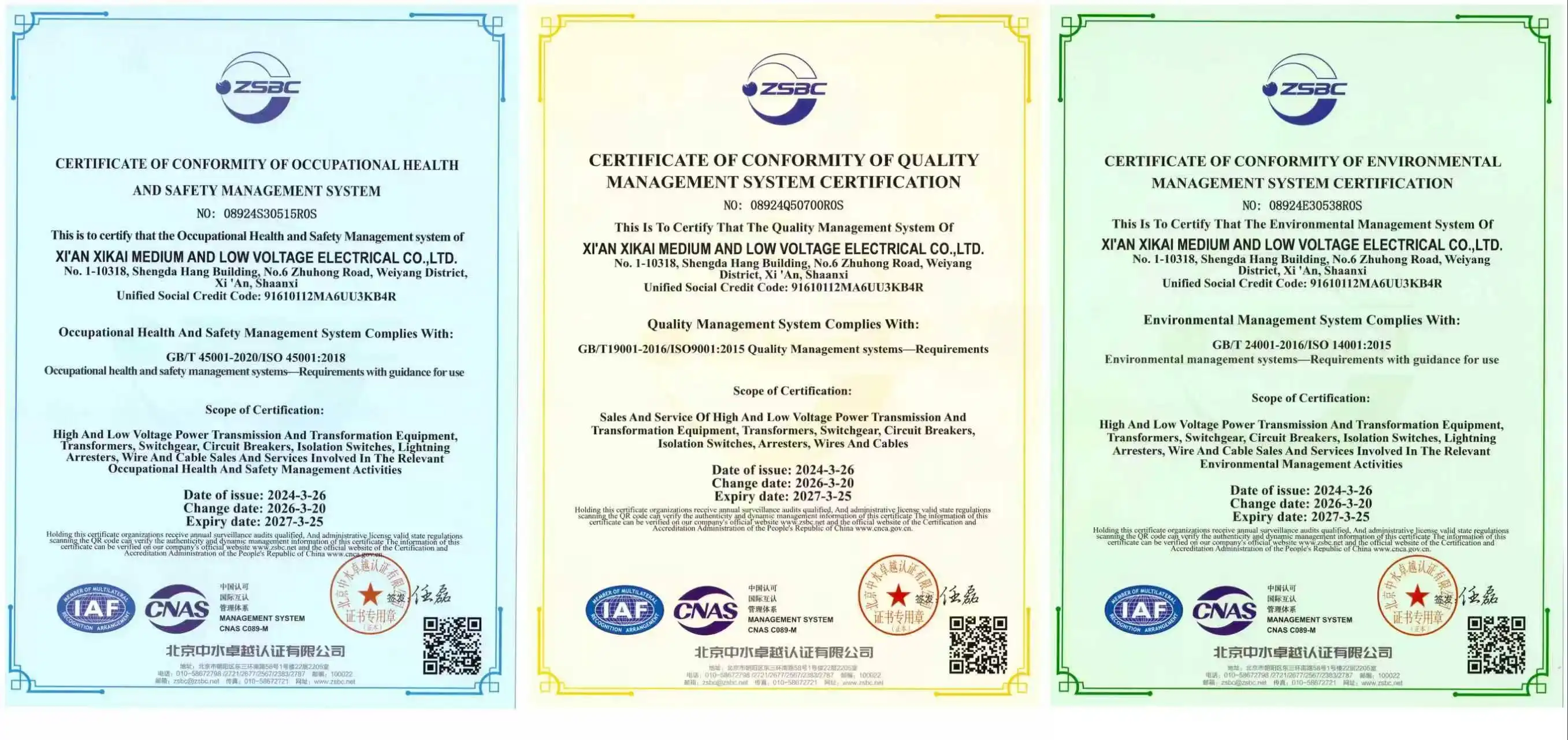
Xi'an Xikai Medium & Low Voltage Electric Co., Ltd. is ready to help you with your current transformer purchase. For 30 years, they have been making high-quality transformers for State Grid systems, industry facilities, and building projects on six continents. With a wide range of quality certifications, such as GB 20840.2-2014 and IEC 61869 compliance, our 35kV indoor current transformer options give your important uses the accuracy and dependability they need.
As a top maker of indoor current transformers, we can make any configuration you need, with main ratings ranging from 20A to 2500A, compatibility with both 50Hz and 60Hz, and accuracy classes from 0.2P to 10P. You can reach our expert team at serina@xaxd-electric.com, amber@xaxd-electric.com, or luna@xaxd-electric.com. They can help you with application planning, panel integration, and procurement in a way that fits the needs of your project. Check out our full line of products at xaxd-electric.com and see what a difference good manufacturing and quick expert help can make.
References
1. International Electrotechnical Commission. "Instrument Transformers—Part 2: Additional Requirements for Current Transformers." IEC 61869-2:2012 Standard Documentation, 2012.
2. IEEE Power System Relaying Committee. "IEEE Guide for Protective Relay Applications to Transmission Lines." IEEE Standard C37.113-2015, Institute of Electrical and Electronics Engineers, 2015.
3. Johnson, Michael A., and Roberts, David L. "Current Transformer Accuracy and Performance in Modern Power Systems." Electric Power Systems Research Journal, vol. 142, 2017, pp. 89-103.
4. National Electrical Manufacturers Association. "Instrument Transformers: Requirements and Test Procedures." NEMA Standards Publication C93.1-2016, 2016.
5. Zhang, Wei, and Chen, Xiaoping. "Epoxy Resin Casting Technology for High-Voltage Instrument Transformers: Design Principles and Manufacturing Processes." High Voltage Engineering, vol. 44, no. 8, 2018, pp. 2567-2578.
6. Blackburn, J. Lewis, and Domin, Thomas J. "Protective Relaying: Principles and Applications." Fourth Edition, CRC Press, 2014, chapters 4-6 covering current transformer selection and application guidelines.