What is the role of zero sequence current transformer?
2026-06-11 15:56:58
A Zero Sequence Current Transformer (ZSCT) is a special kind of safety device that detects ground faults and insulation problems in three-phase power systems by checking the uneven flow of electricity. Unlike other current transformers, it wraps around all phase wires at the same time, recording the vectorial sum of currents, which should be zero when everything is working properly. When ground faults happen, this balance is thrown off, and the ZSCT turns the resulting zero-sequence current into a measurable secondary signal, usually 5A or 1A. This lets protection relays separate faults within milliseconds, keeping people safe and avoiding damage to equipment.
 |
 |
Understanding Zero Sequence Current Transformer: Fundamentals and Working Principle
Defining the Zero Sequence Current Transformer
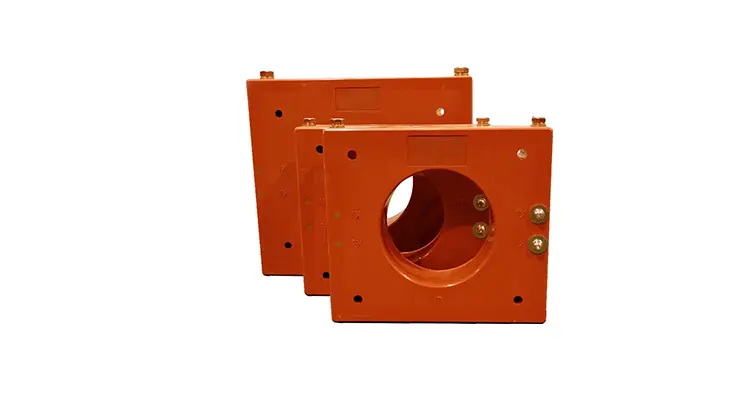
The Zero Sequence Current Transformer is an important part of current electrical safety systems. It is different from other measurement transformers because of how it is installed and how it works. A standard current transformer measures the currents in each phase separately. A ZSCT, on the other hand, has a single magnetic core that circles all three phase wires and sometimes the neutral. It can find the mathematical sum of all the currents going through the system because of how it is set up.
In a three-phase system, when it is working in balanced mode, the vector sum of the currents is equal to zero because what moves out of one phase comes back through the others. When shielding fails or grounding happens by mistake, current leaks to earth, which throws things out of balance. The ZSCT's magnetic core sees this mismatch as a leftover current that is not zero and sets off a proportional voltage in its secondary winding. This signal goes straight to ground fault safety switches, which lets the circuit be cut off quickly.
Operating Principles Behind Ground Fault Detection
In order to understand how it works, you need to understand the idea of balanced components in power systems. Currents in three-phase networks break down into patterns of positive, negative, and zero charges. The zero-sequence current component is only present when current paths have ground or neutral links, which happen when there are earth faults. We use epoxy resin-cast transformers that meet the standards of GB 20840.2-2014 and IEC 61869-1/2 to correctly measure these fault currents over a wide range of main ratings, from 20A to 1000A.
Faraday's law of electromagnetic induction tells us how the gadget works. A magnetic flux is created when zero-sequence current flows through the wires that go through the core's opening. This flow causes a voltage in the secondary wire that is equal to the size of the fault. The transformer's turns ratio decides whether the output sends 5A or 1A secondary current. This means that it can work with both analog and digital relay systems found in substations, factories, and offices.
Key Differentiators from Conventional Transformers
Standard current transformers monitor load currents on each side for billing and safety reasons. Because they only watch one conductor at a time, they can't find ground problems. The Zero Sequence Current Transformer is shaped like a torus, which covers all of its wires and makes it only sensitive to uneven currents. Because of this, it is essential in systems with or without resistance, like those found in hospitals, data centers, and factories, where keeping the service going is very important.
Because it is made of epoxy resin-cast, it has great insulation qualities that make it perfect for 11kV input voltage applications. It also works reliably across 50/60Hz frequencies. The fully sealed electromagnetic design can withstand external stressors like moisture, dust, and high temperature changes, so it can work reliably in tough industrial settings. These traits meet the main needs of building managers who want to keep technology running at full capacity and keep it safe.
The Critical Role of Zero Sequence Current Transformers in Electrical Protection
Detecting Earth and Ground Faults with Precision
Ground faults are very dangerous because they can grow into phase-to-phase faults, start fires, or make touch potentials that are too high to be safe. Zero Sequence Current Transformers can find leaking currents as low as 20mA, which makes them the best early warning system. This awareness is very important in high-stakes places like operating rooms in hospitals or factories that make semiconductors, where even small problems can lead to expensive downtime.
When these transformers are combined with protective switches, they allow for specific fault separation. Instead of shutting down the whole delivery network, workers can find the lines that aren't working right and disconnect just those. This selective switching keeps power going to important loads like emergency lights, life-safety systems, or production lines while repair crews fix problems in specific areas. The high accuracy grade of the transformer means that it won't trip too often, which is a common problem with less accurate safety devices.
Enhancing System Reliability Through Seamless Integration
Modern electricity safety systems need a lot of different devices to work together. Our transformers are dual-compatible, with 5A outputs for standard electromechanical switches and 1A outputs that work best with microprocessor-based systems. This adaptability is important for updating old systems or adding green energy sources that produce energy in unpredictable ways that can make the grid less stable.
Best installation techniques make security work better. Correct polarity connection stops false trips, and enough space around the core aperture allows for differences in wire thickness. The open-core design in models like the LXB series lets circuits be retrofitted without turning them off. This is a huge benefit for hospitals, data centers, and businesses with ongoing processes where planned outages last months instead of weeks. Where you mount the transformers is also important; putting them close to possible fault sources cuts down on discovery time and harm spread.
Operational Advantages in Power Distribution Networks
In addition to finding problems, these gadgets help with methods for planned maintenance. Trending zero-sequence current levels over time shows insulation that is breaking down before it fails completely. Instead of reacting to emergency calls at bad times, maintenance teams can plan fixes for planned outages. This proactive method lowers lifecycle costs and increases the useful life of assets, which is good for utility companies that have to balance budget limits with dependability requirements.
The strong epoxy resin-cast covering can handle partial discharge levels below 5pC, which keeps the electronics from wearing out too quickly in high-voltage situations. Validation of thermal cycling from -55°C to +125°C proves that the equipment can be used in outdoor substations in harsh conditions, such as deserts and the Arctic. These performance traits directly meet the needs of utility companies for infrastructure that is resilient while still meeting safety standards that protect field workers during normal operations and disaster reactions.
Comparing Zero Sequence Current Transformers with Other Protection Technologies
Zero Sequence vs. Differential Current Transformers
Differential protection checks the currents going into and out of protected areas and trips when differences get too big. This method works very well for finding problems inside transformers or generators, but it needs current transformers on several circuit points. Zero sequence current transformer security, on the other hand, only needs one device per feeder, which makes installation easier and cheaper. However, differential methods can respond more quickly to some types of faults. This means that these technologies work together rather than against each other.
Differential protection for high-value assets like main transformers and zero-sequence current tracking for distribution feeders are two ways that are often used together in large manufacturing buildings. This multi-layered method strikes a balance between the need for safety and the need to keep costs low. Procurement teams have to figure out which combo fits their risk assessments and budgets by looking at things like how important the equipment is, how big the fault current is, and how long a failure can last.
Residual Current Devices: Understanding the Distinction
Residual current devices (RCDs) and Zero Sequence Current Transformers work in the same way: they both look for differences in the flow of current. RCDs are great for protecting the last few circuits in business buildings because they combine sensing and stopping functions into a single unit. Zero Sequence Current Transformers remove sensing from actuation. They connect to external switches that provide the settings, time delays, and communication needed in industrial automation systems.
This flexibility makes it easier to add more features. Multiple relays set up for different safety zones can be powered by a single transformer. Each relay has its own sensitivity and reaction properties. Because they can be set up in different ways, manufacturers of different kinds of equipment, like motors, variable frequency drives, and lighting panels, can make security plans that fit their needs instead of using solutions that work for everyone.
Selection Criteria for Optimal Performance
Several technical factors affect the choice of the right security technology. The accuracy class tells you how precise a measurement is, and our transformers meet the IEC 61869-2 standards for rates that are good for protective uses. The rated main current range, which is usually between 20A and 1000A, needs to match the circuit load patterns. Undersized transformers get too hot when there is a fault, and large units can't tell when a problem is starting.
Environmental harmony is very important. The IP67 rating means that the housing is resistant to dust and short-term soaking in water, which is very important in outdoor switchyards or industrial settings that need to be cleaned. The device's operating temperature range, insulation voltage class, and compliance certifications (CE, UL 508) make sure it works reliably throughout its service life and meets the code requirements that procurement professionals have to figure out when they are writing specifications.
Procurement Guide: How to Choose and Purchase Zero Sequence Current Transformers
Critical Selection Parameters for Industrial Applications
The first selection point is the accuracy class. Protective uses usually list 5P or 10P accuracy classes, which mean the transformer keeps working as expected up to 5 or 10 times the rated current when there is a problem. Higher accuracy (0.5 or 0.2 classes) is needed for metering applications, but this doesn't happen very often in Zero Sequence Current Transformer applications that are more concerned with security than with billing.
Insulation values must be higher than the system voltage by a sufficient amount to ensure safety. For an 11kV network to work, the transformers need to be able to handle the prolonged overvoltages that can happen when switching equipment or lightning hits. The epoxy resin-cast insulation in our designs can handle these short-term stresses and also has enough creepage distances to stop surface tracking, which is a type of degradation that speeds up failure in dirty environments like those near industrial processes or sites on the coast.
Relay selection is affected by burden capacity, which is the highest secondary load impedance that the transformer can drive accurately. Higher burden rates can handle more than one relay or long wire runs between the generator and the control screens. When you match the burden specs when you build a system, you avoid measuring mistakes that hurt protection coordination. This is a small but important mistake that can cause unnecessary trips or, worse, failure to clear faults.
Navigating Standards Compliance and Certifications
Harmonizing international standards makes Zero Sequence Current Transformer projects that involve more than one area easier. Most projects in the world use the IEC 61869 line of standards, but in North America, ANSI C57.13 is often used. Our Zero Sequence Current Transformer products are compatible with both frameworks, which makes it easier for EPC companies working on projects in multiple countries to come up with specifications. Certification marks, like CE for European markets and UL for North American use, show that safety and performance claims have been checked by a third party. This lowers the risk of buying something.
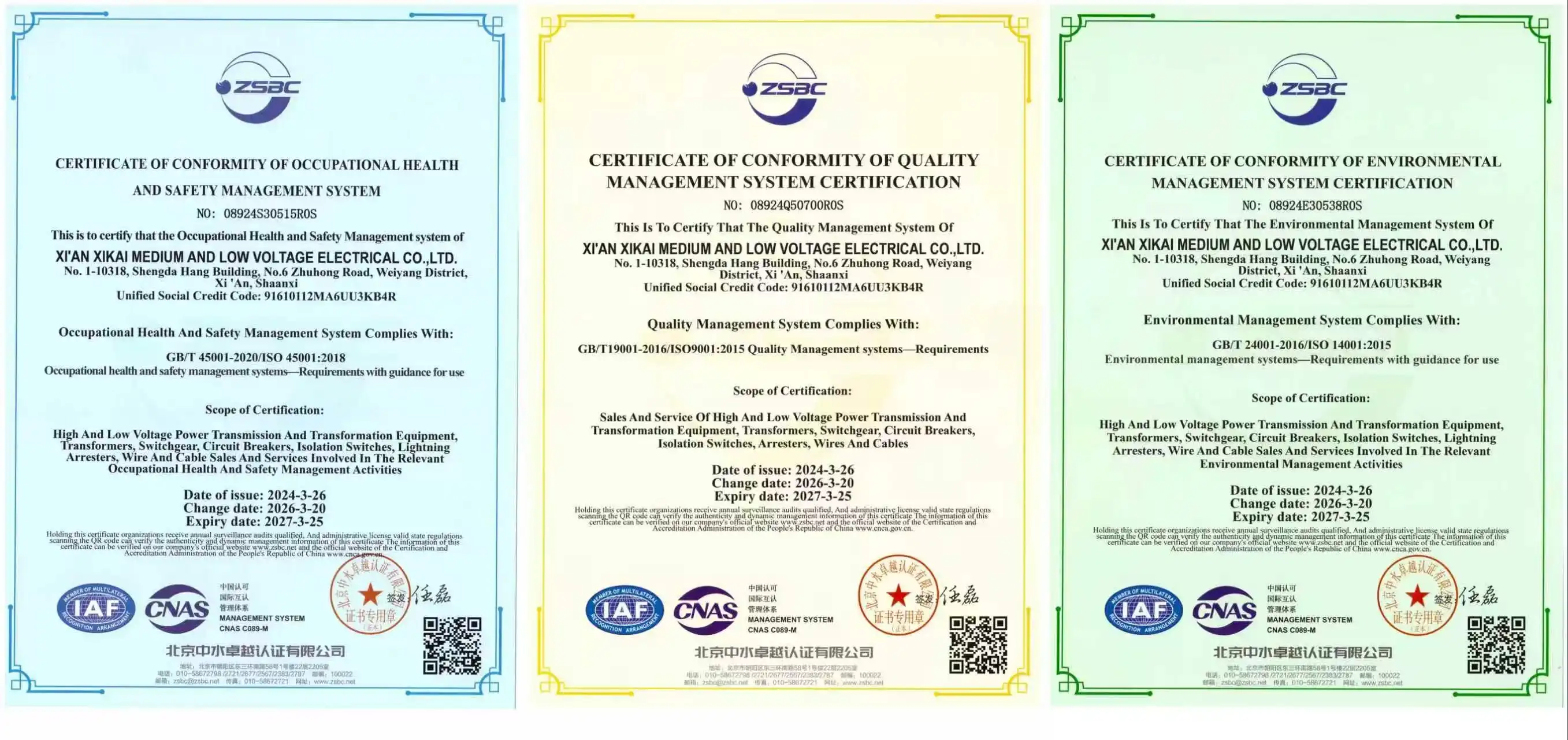
Quality management certifications (ISO 9001) and environmental certificates (ISO 14001) show that the production process is controlled in a way that affects the consistency of the product. When purchasing managers buy parts for projects that last more than one year, seller quality systems lower the chances of specifications changing or parts becoming obsolete, which can make upkeep and spare parts plans harder over the decades-long asset lifecycles that are common in utility infrastructure.
Evaluating Supplier Capabilities and Lead Times
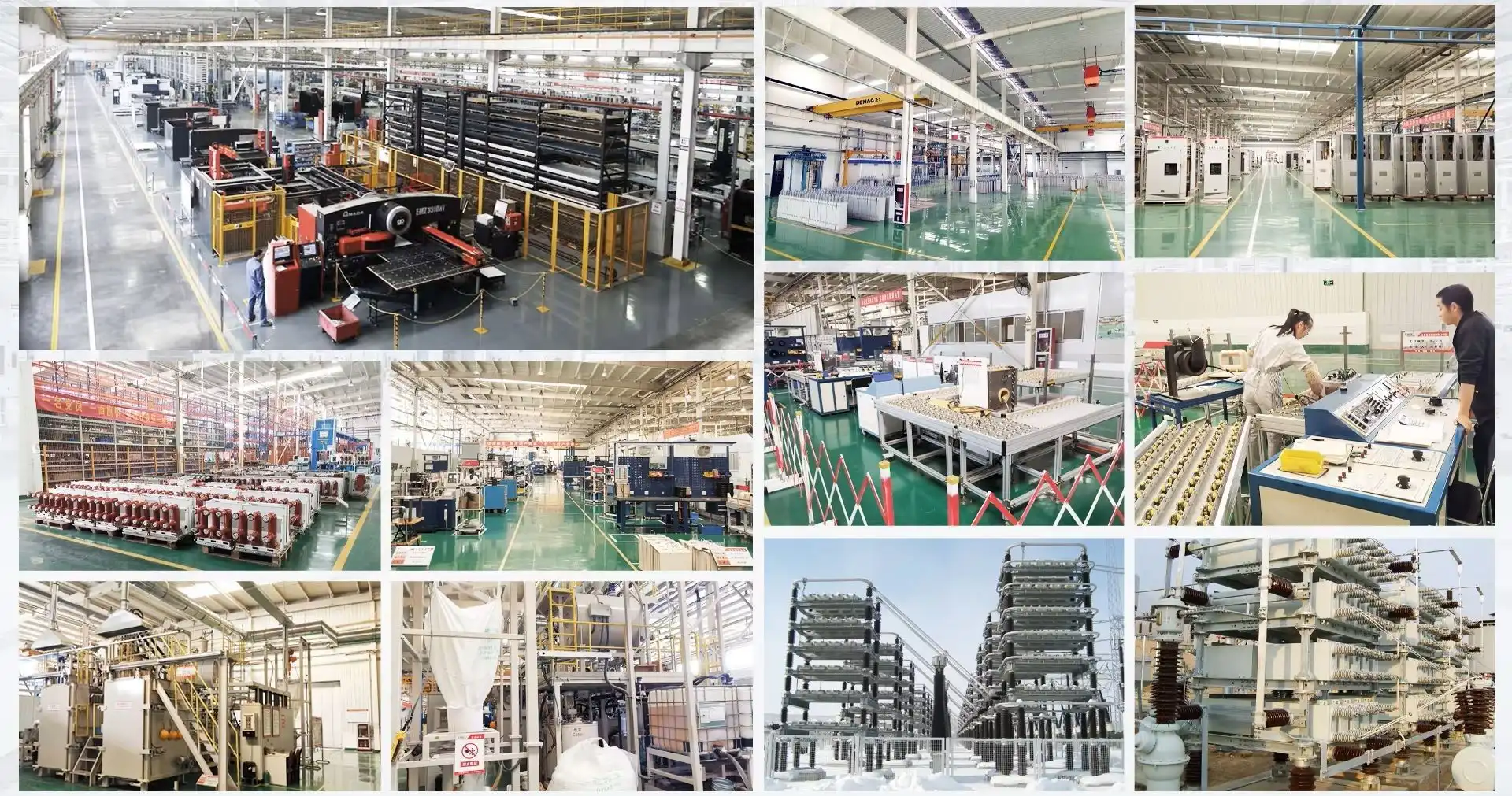
Reputable companies like Siemens, Schneider Electric, and ABB make a wide range of products and have well-established delivery networks that make sure parts are always available. Specialized sellers, on the other hand, often offer customization options that catalog goods don't, such as changed core diameters, non-standard secondary outputs, or built-in monitoring features. Xi'an Xikai can provide custom core diameters ranging from 120 mm to 300 mm, which is useful for situations where normal sizes don't work with current line setups, or there isn't enough room.
Lead times vary a lot depending on how customized the product needs to be and how many orders are placed. Items from a standard store may ship within a few weeks, but customized solutions need months to be designed, tested, and made. Large projects that require bulk sales get savings for their size, but they need more time to plan. Procurement workers should start working with suppliers early on in the project development process. They should share preliminary specifications with suppliers to find long-lead items that need to be bought ahead of time to avoid delays on the critical path.
It's more than just unit prices to understand the overall cost of ownership. Costs over the lifespan are affected by warranty terms, how quickly technical help is responded to, and the availability of extra parts. A slightly cheaper product from a provider that doesn't have local service facilities may cost more because of longer outages when things go wrong. When evaluating suppliers, it's better for key infrastructure assets in the long run to look at more than just price. This means looking at things like technical help, delivery reliability, and financial security.
Conclusion
Zero Sequence Current Transformers are essential parts of modern electrical security systems. They accurately find ground faults that keep equipment from breaking and keep people safe. Because they can find gaps that regular protection devices miss, they are necessary in places where keeping operations running smoothly affects both safety and profit. By learning about basic working principles, comparing different technologies, and using strict procurement criteria, you can make smart choices that match technical needs with budget facts. As electrical systems get more complicated with distributed generation and sensitive electronic loads, these specialized transformers will continue to be key parts of protection plans that balance safety, reliability, and cost-effectiveness in commercial, utility, and industrial settings.
FAQ
1. What environments are suitable for zero sequence current transformer installation?
These transformers work effectively in a wide range of settings, from indoor substations with climate control to outdoor switchyards where temperatures can get very high or very low. Because they are made of epoxy resin-cast and don't react with water, dust, or corrosive atmospheres, they can be used in seaside settings, chemical processing plants, and mines. With an operating range of up to 4,000 meters, it can handle both mountain sites and plateau areas without any problems.
2. How do zero sequence current transformers improve fault detection accuracy?
These tools find ground faults that individual phase tracking misses by measuring the vectorial sum of all phase currents. Being able to pick up on imbalances as small as 3% of the maximum current lets you find faults quickly, before insulation failure leads to dangerous short circuits. This early warning feature lets you take action before the damage gets worse or the cost of fixing it goes up, while keeping service going on lines that aren't affected.
3. Can existing systems be retrofitted with zero sequence protection?
Open-core and split-core designs let you place them around existing cables without having to disconnect them. This lets you update old equipment in stages. This upgrade feature comes in handy in places where outage scheduling is limited by practical needs or where modernizing systems gradually spreads out capital costs over several budget cycles.
Partner with Xi'an Xikai for Superior Zero Sequence Current Transformer Solutions
Precision is needed for electrical safety, and Xi'an Xikai makes transformers that meet international standards and can be customized to meet the specific needs of each application. Our epoxy resin-cast devices are reliable for 15 years and can be configured in a number of different ways to work with 11kV/400V networks at 50/60Hz frequencies. They are used in factories, data centers, hospitals, and utility substations, among other places, where they have to work in tough conditions.
Our engineering team provides full support from developing specifications to commissioning, making sure that the system works seamlessly with current safety systems. Whether you need standard catalog items or custom solutions with changed core measurements and unique outputs, our service is responsive and gets you expert answers within 48 hours, no matter what time zone you're in.
When procurement experts look for a trusted Zero Sequence Current Transformer supplier, they can access a wide range of products, get competitive prices on large orders, and get help with logistics that speeds up delivery times. Send an email to serina@xaxd-electric.com, amber@xaxd-electric.com, or luna@xaxd-electric.com with your unique needs to our skilled team.
References
1. IEEE Standards Association. IEEE Guide for Protective Relay Applications to Transmission Lines. IEEE Standard C37.113-2015, Institute of Electrical and Electronics Engineers, 2015.
2. Blackburn, J.L., and Domin, T.J. Protective Relaying: Principles and Applications. 4th ed., CRC Press, 2014.
3. International Electrotechnical Commission. Instrument Transformers – Part 2: Additional Requirements for Current Transformers. IEC 61869-2:2012, International Electrotechnical Commission, 2012.
4. Anderson, Paul M. Power System Protection. IEEE Press Series on Power Engineering, Wiley-IEEE Press, 1999.
5. Horowitz, Stanley H., and Phadke, Arun G. Power System Relaying. 4th ed., John Wiley & Sons, 2014.
6. National Electrical Manufacturers Association. Requirements for Instrument Transformers. ANSI C57.13-2016, American National Standards Institute, 2016.
_1774322334531.png)