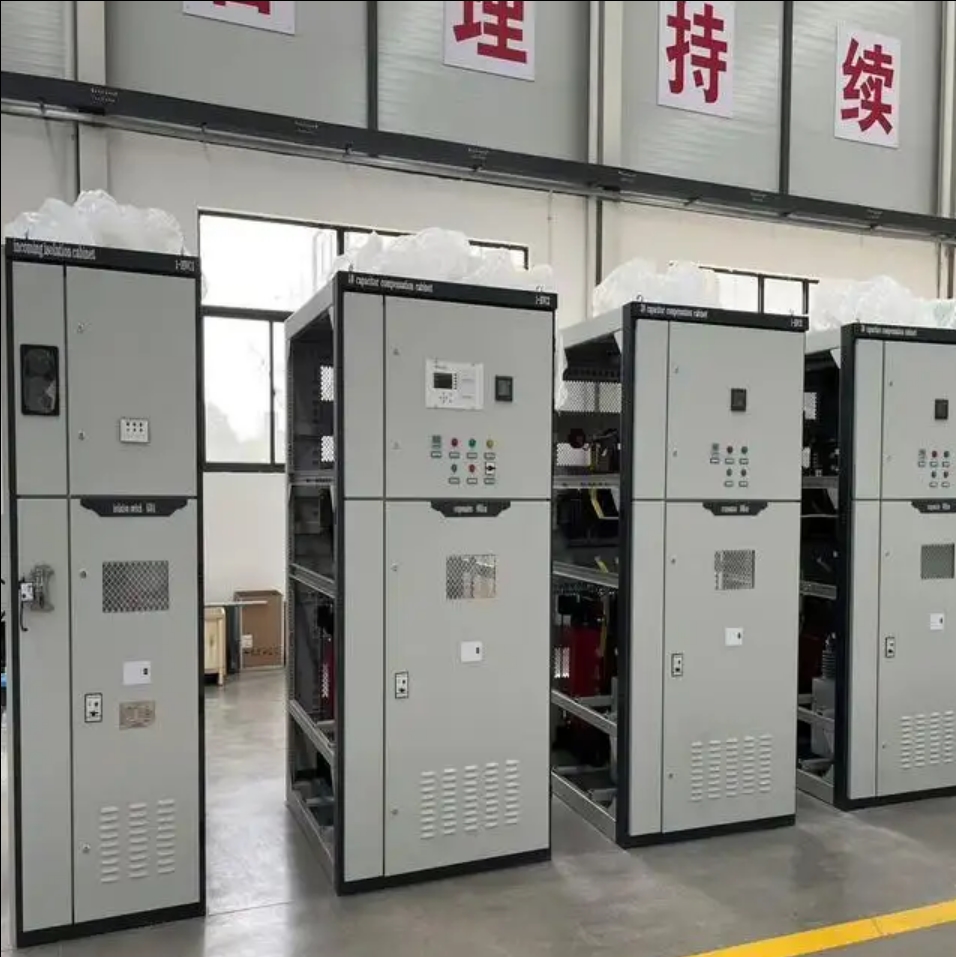
What is Indoor Potential Transformer - Working, Advantages & Uses
2026-06-11 15:56:56
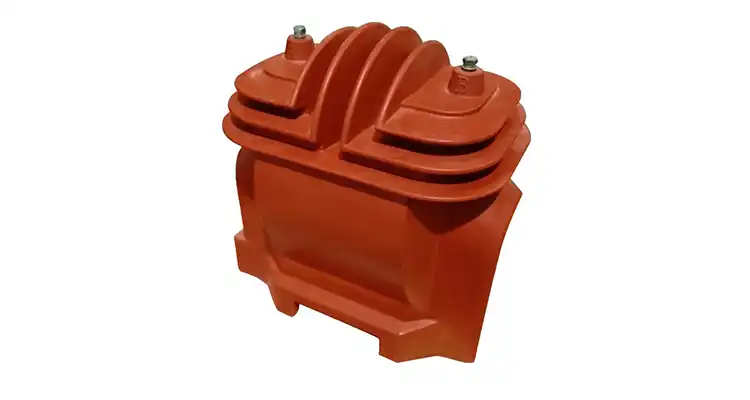
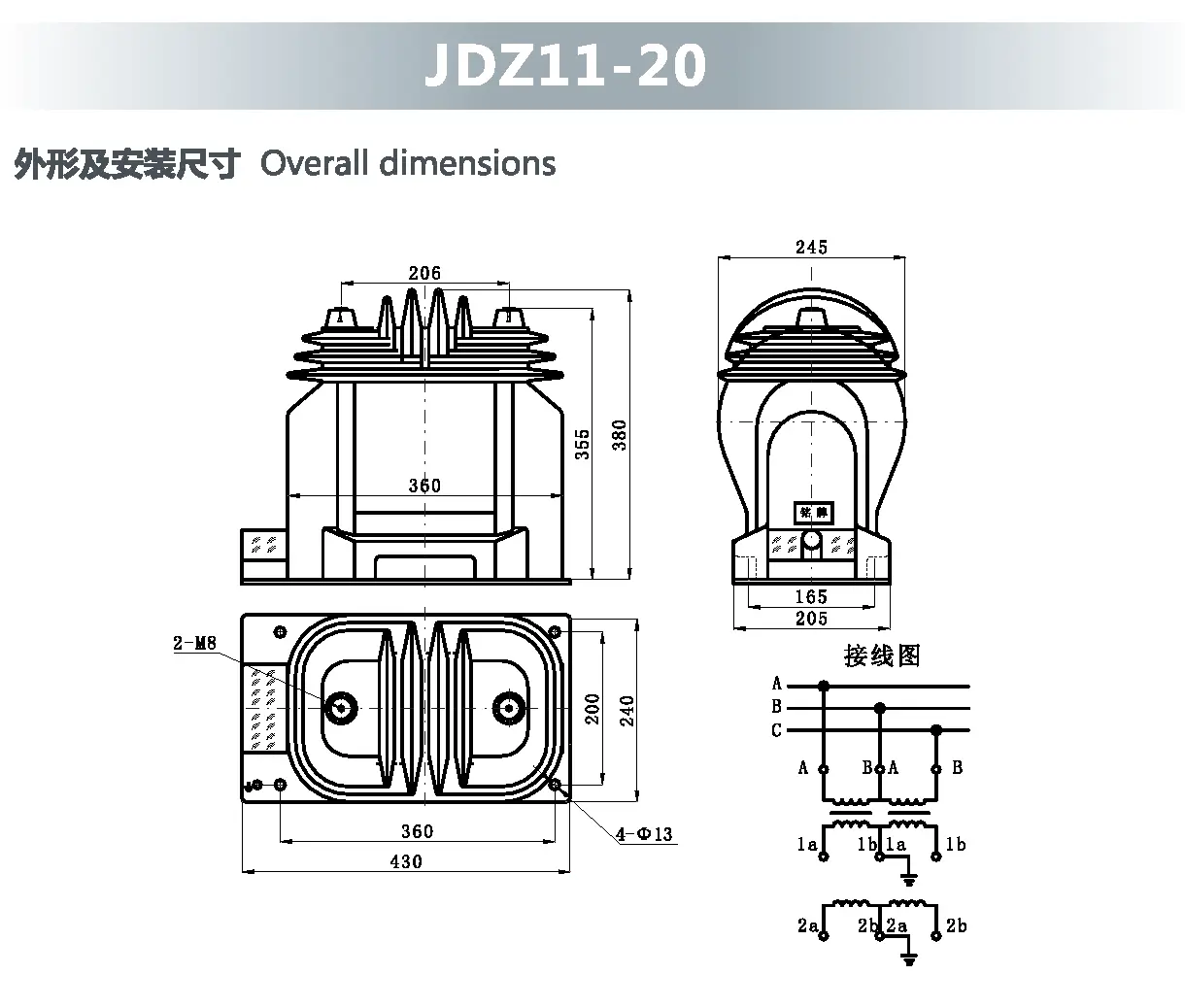
An Indoor Potential transformer is a precise voltage-measuring device made for safe electrical environments. It changes high primary voltages (like 24kV) to standard secondary outputs (usually 480V or less) for accurate monitoring, safety relaying, and control tasks. These devices work by using electromagnetic induction and have fully sealed epoxy resin cases. They make sure that measurements are accurate to within 0.5% of the true value, and they keep working safely in substations, factories, data centres, and other business buildings. Their design focuses on saving space, making things safer by controlling the environment, and delivering reliable performance that meets IEC 61869 and ANSI standards. This makes them necessary parts of modern power distribution systems where uptime and power quality have a direct effect on profits and grid stability.
 |
 |
Understanding Indoor Potential Transformers
To be successful at handling the electrical infrastructure of factories or power networks, you need to know how to use voltage measurement technology. When placed in protected areas, voltage transformers have different jobs to do than their outdoor peers. They deal with problems that are unique to electrical systems inside buildings.
What Defines an Indoor Potential Transformer
Special voltage step-down tools for climate-controlled situations. Indoor models employ the stability of the environment to measure more accurately than outside models that are impacted by harsh weather. This design uses totally enclosed electromagnetic circuits with epoxy resin casting. This keeps dust and water out. Data centres that maintain computer equipment's temperature and humidity benefit from this construction technique.
In retrofitting, the footprint is 30–40% lower than outdoor ones, which saves space. Main voltage ratings (typically 24kV for medium-voltage usage), secondary outputs (standardised to 480V, 380V, 220V, or 110V depending on regional demands), and frequency compatibility across 50Hz and 60Hz systems are vital to purchasing teams. IEC 61869-3 grades match 0.2 and 0.5 accuracy classes. For revenue metering, lower numbers suggest narrower measurement margins.
Working Principles Behind Voltage Transformation
The operating component uses electromagnetic induction via precisely built core parts. The main windings receive high voltage from distribution lines, creating magnetic flux within cold-rolled silicon steel laminations. Secondary windings with particular turn ratios experience proportionate voltage from this flux. A 24kV to 480V transformer properly lowers voltage with a 50:1 ratio. The phase shift must remain below 30 minutes of arc to sync the primary and secondary circuits for the safety relay to operate.
Stable temperature is crucial during work. Core materials' magnetic permeability remains constant from -25°C to +55°C. This prevents measurement drift from causing energy management systems to produce false warnings or information. Vacuum casting removes interior gaps that weaken dielectrics. The device can withstand one-minute power frequency testing at 55kV, and impulse voltage surges up to 105kV without insulation failure.
Key Technical Specifications for Procurement
When engineering teams search for these components, they highlight many specifications. The device's rated insulation levels (17.5/55/105kV for typical 24kV usage) indicate its ability to withstand operational pressures, short-term overvoltages, and lightning surges. Secondary output capacity, in volt-amperes (30VA, 80VA, or 200VA ratings), determines how many protection relays, meters, or tracking devices may connect without overloading secondary circuits and producing measurement errors.
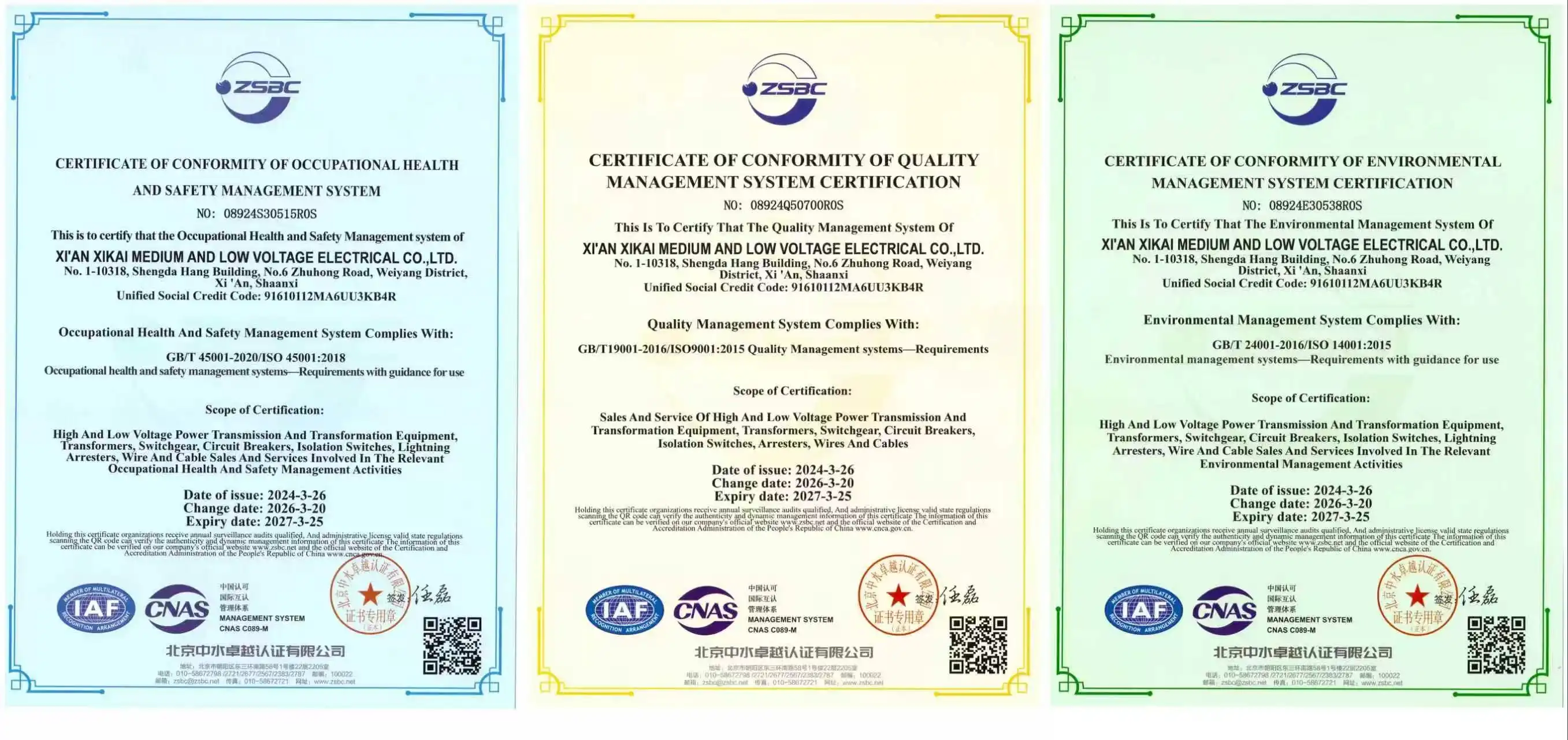
Following international standards ensures Indoor Potential transformer system compatibility and safety. IEC 61869-1 and 61869-2 define global construction and testing standards, whereas GB 20840.2-2014 specifies Chinese market laws. For US projects, utility companies and EPC businesses must obey local laws; hence, IEEE C57.13 North American standards are crucial. ISO 9001 for quality management and ISO 14001 for environmental compliance demonstrate the company's commitment to excellent Indoor Potential transformer products.
Advantages of Indoor Potential Transformers
Choosing voltage transformers that are specifically made for fitting indoors has real benefits that go beyond the initial purchase choice. These benefits directly address the main practical concerns of building managers who are in charge of keeping energy costs low and uptime high.
Enhanced Measurement Accuracy and Stability
Substations and switching rooms with controlled weather eliminate temperature cycles and humidity variations that reduce measurement accuracy. Field data from indoor units used in manufacturing locations shows long-term ratio error stability of 0.2% over five years. This contrasts with ±0.5% drift in outdoor installations subjected to temperatures above 60°C. This precision preservation is crucial for data centres and hospitals that employ sensitive medical imaging equipment that requires consistent voltage references. Server shutdowns due to power quality issues are costly.
Natural partial discharge resistance below 10 picocoulombs in epoxy resin prevents internal ionisation, which accelerates insulation ageing. Automated winding procedures maintain conductor spacing and insulation layer width throughout manufacture. This stabilises phase shift. Connecting these transformers to IEC 61850-based digital tracking systems allows real-time voltage trend monitoring. This allows for pre-planned repairs, reducing unexpected outages by identifying wear and tear trends.
Space Efficiency and Installation Flexibility
The compact size enables easy addition to existing switchgear lines without construction adjustments. Standard 24kV indoor units take up 0.15 cubic meters, whereas weatherproof outdoor versions with additional construction layers take up 0.3. This size advantage is beneficial for constructing urban data centres or manufacturing facilities with stringent footprint requirements since they demand a lot of floor space.
Installation is simpler without weather protection. Simple bolted connections to common equipment racks eliminate the need for foundation work, pipe sealing, and drainage systems for outdoor installations. Simple laws regulate wiring. Secondary terminals take ordinary cable lugs, while major connections need interface devices to connect to switchgear bus bars. Upgrade initiatives disturb present operations less due to fewer installation labour and shorter project deadlines.
Lifecycle Cost Benefits and Maintenance Savings
Indoor arrangements cost less over 25 years than outdoor ones. Seals don't need to be changed or examined as frequently as in outdoor equipment if the weather doesn't damage them. Outdoor units are inspected every 36 months instead of 12 months, saving money and time.
Further savings may be achieved by bulk purchase. Manufacturers provide 8–12% discounts on purchases above 50 units. Utility businesses who seek to standardise voltage measurement across substations and EPC firms working on large industrial projects would benefit from this contract. Longer guarantee periods, generally five to seven years, shield budgets against unexpected replacement expenses early in a project's operation while financing is still in place.
Applications of Indoor Potential Transformers in Industry
Real-world application scenarios cover a wide range of industries where accurate voltage measurements and reliable operations are key to business success. Understanding the individual needs of an application helps with the right way to specify and integrate.
Power Distribution and Control Systems
For manufacturing equipment to operate normally, industries require accurate voltage monitoring. CNC machining machines, injection moulding presses, and computerised assembly lines employ voltage sensing to speed cycle times and prevent supply change damage. A 24kV Indoor Potential transformer feeding safety switches may drop below 90% nominal in 20 milliseconds. This triggers load shedding to safeguard critical operations by reducing less critical loads.
Commercial structures like shopping malls and office towers utilise Indoor Potential transformers to synchronise safety relays in main distribution switchgear. Monitoring Indoor Potential transformer bank voltage differences detects early issues and permits selective excursions to pinpoint problems without shutting down facilities. Hospitals employ double-voltage measuring circuits with two Indoor Potential transformers to give signals to automated transfer switch controllers that switch between utility and generator sources for emergency power systems.
Smart Grid Integration and Energy Management
Modern electrical systems increasingly incorporate digital transmission for real-time tracking and control. SCADA helps utilities manage transmission and distribution networks. Extra-output voltage transformers connected to clever electronic gadgets facilitate these systems. These systems centralise voltage profile tracking throughout service regions. This locates power quality issues like capacitor bank relocation or voltage regulator adjustments.
Industrial energy management technologies increase power factor and demand responsiveness using voltage data. Real-time voltage and current measurements determine reactive power utilisation. Automatic capacitor bank switching reduces utility penalty charges. The grid operator sends demand response facility notifications to reduce loads during peak periods. Using voltage transformer data, computers rate load shedding by production plans and contractual obligations.
Specialised OEM and Custom Applications
Equipment manufacturers specify distinct designs for voltage measuring in packaged systems to fulfil demands. Renewable energy inverters require voltage for grid synchronisation. Transformers with specific secondary windings isolate signals, preventing ground loops in multi-inverter installations. Mining equipment has improved cooling systems and insulation to manage 65°C temperatures.
Elevated facilities have distinct issues that may be overcome by redesigning. Standard insulating clearances don't function over 3,000 meters because reduced air density weakens dielectric strength. Hydroelectric plants and hilly mines employ Xi'an Xikai technology that can operate at full insulation up to 4,000 meters. Older industrial installations with non-standard distribution voltages might use custom voltage ratios. Modernisation initiatives may include digital safety and metering without replacing the primary distribution infrastructure.
Installation and Maintenance Guide for Indoor Potential Transformers
The reliability of measurements and the life of tools are directly affected by the right way to put it and keep it in good shape. Risks can be reduced, and performance can be improved throughout the working lifecycle by using organised methods.
Installation Procedures and Safety Protocols
Before installing, make sure that the main voltage levels match the nominal voltage of the distribution system. Overstressing a 24kV transformer on a 27kV line might induce early failure or insulation failure. Calculate secondary burdens using all associated devices, such as protection switches, meters, and tracking equipment. This will limit the transformer's total load below its rated VA capacity while allowing for error (typically 80% maximum loading).
Physical installation requires sufficient mechanical support to prevent device vibrations. Switchgear manufacturers create fastening tracks or panels for transformer weight and size. Bus bar ends with fastened lugs provide primary connections. Too little contact pressure and too much force might destroy insulating barriers; therefore, M10 hardware requires 25–30 Nm connection torque. Shielded twisted-pair wires are used for secondary wiring to reduce electromagnetic interference. The shield is only grounded at one end to prevent ground loop currents from affecting measurements.
Follow lockout-tagout guidelines properly for safety. To safeguard humans, equipment must have segregated secondary windings and grounded coverings to keep primary circuits on during secondary work. Testing for voltage using standard equipment indicates the circuit is de-energised before touching the main terminals. Never open-circuit the secondary circuit while the main circuit is on. This may generate multiple kilovolt overvoltages.
Maintenance Routines and Troubleshooting
Equipment is inspected every 36 months to ensure proper dimensions and condition. Internal tension or manufacturing faults may produce epoxy resin surface cracks, which should be investigated. Terminal testing ensures a tight connection since thermal cycling loosens hardware, increasing contact resistance and localised heating. When the power is on, infrared thermography may detect unusual temperature spikes that may indicate connection failure or machine issues before they create a significant failure.
Comparing secondary voltage measurements to measured reference standards when the primary voltage is known checks accuracy. Any deviation over ±0.5% for 0.2-class transformers indicates deterioration and requires repair. Portable test kits measure secondary output and add main voltage at 80%, 100%, and 120% of nominal over the acceptable range. To maintain device specifications, they capture ratio error and phase displacement data. Trends that show steadily decreasing accuracy lead to replacement planning, which keeps activities from being interrupted by sudden breakdowns.
A secondary voltage that is lower than anticipated when loaded indicates an overloaded secondary circuit, which must be repaired. Find the related load and compare it to the specified capacity to determine whether you need additional transformers or higher-capacity units. Ultrasound monitors for partial discharge testing detect internal ionisation before insulation breaks, enabling replacement. Stocking spares reduces replacement downtime. Temporary measuring circuits allow hot-swap operations during maintenance windows.
How to Choose the Right Indoor Potential Transformer for Your Business
Selecting appropriate voltage measurement equipment requires balancing technical requirements against commercial considerations. Systematic review makes sure that performance is at its best while keeping costs low for both purchase and lifecycle.
Technical Selection Criteria
The main voltage grade matters most. With the correct safety margin, it matches the distribution system nominal voltage. 24kV nominal voltage systems require transformers that can handle 17.5kV rated voltage, 55kV power frequency withstand voltage, and 105kV shock withstand. This aids shielding with equipment up and down the line. When grades don't match, safety gaps aren't enough, insulation can fail, or insulation is too big, increasing cost without improving performance.
What accuracy class to use depends on the software. To install revenue meters, use 0.2-class transformers with a ratio error of ±0.2% and phase displacement below 10 minutes. This ensures accurate billing estimations and energy use. Protective relaying has 0.5-class precision, allowing for ±0.5% error and 20-minute phase shift. Protective functions respond to large alterations from normal rather than precise measures. Overachieving precision adds expenses without enhancing operations.
The secondary bearing capacity of Indoor Potential transformers must exceed the coupled load by enough. The minimum capacity is calculated by summing the VA demands of all secondary winding-attached protection relays, meters, and tracking devices and applying a 1.25 safety factor. Safety circuits utilise 60 VA and tracking systems use 150 VA; thus, their Indoor Potential transformers must handle 80 VA and 200 VA, respectively. Secondary circuit voltage declines when load is neglected. This may cause measurement errors and disable the safety relay during a malfunction.
Evaluating Manufacturers and Support Services
Independent test certificates and detailed technical papers demonstrate compliance for reputable manufacturers. CESI, KEMA, or comparable third-party confirmation of IEC 61869 conformity lends credibility to the stated requirements. ISO 9001-certified factories adopt consistent manufacturing procedures, reducing batch variances. Companies with many transformer design and manufacturing patents regularly innovate to increase performance.
Long-term ownership is affected by after-sales infrastructure. When manufacturers have many service offices, they can promptly answer technical concerns and manage insurance claims. Replacing pieces instead of the full equipment extends service life since fresh parts are accessible beyond usual warranty durations. Customer repair professionals get technical training to solve issues quicker and save downtime.
With 25 years of production expertise and 30 nations of clients, Xi'an Xikai provides complete assistance. Our technical staff helps with bespoke voltage ratios, insulation coordination for harsh environments, and complicated protection system integration. Our regional warehouses in Asia, Europe, and the Americas offer speedy delivery—typically three weeks for bulk orders—minimising project schedule implications.
Procurement Strategies and Commercial Considerations
Knowing the market and where to bargain helps with budgeting. Factory capacity constraints during peak construction seasons (March to August in North America and Europe) might delay delivery by four to six weeks. Ordering off-peak makes shipment more predictable and may lead to a slight price reduction as producers struggle to maintain production.
Bulk purchases save a lot. Orders that combine demands from multiple project phases or building sites get volume savings of 8% for 50 units and 15% for 200 units. EPC businesses that coordinate purchases across numerous projects benefit from this pricing system. Preferred supplier agreements with manufacturers mitigate against commodity price swings that influence copper and steel inputs and stabilise pricing over time.
Total cost of ownership goes beyond purchase price. It also covers installation, commissioning, maintenance, and disposal of the product. Indoor Potential transformers have 20–30% cheaper lifetime costs than outdoor ones. Due to its low maintenance and ease of installation. Manufacturers like Xi'an Xikai give 5- to 7-year guarantees. These guarantees keep your budget constant in the early years of your organisation, when financial plans are still in place, and unanticipated capital expenditures might be disruptive.
Conclusion
Indoor Potential transformers are basic parts of electrical infrastructure. They allow for accurate voltage measurement, which is needed for energy management, operational tracking, and protective relaying in industrial sites, business buildings, and utility substations. Controlled environmental conditions in their design give measurement stability, space efficiency, and lifetime cost benefits that meet the main concerns of building managers, energy companies, and EPC firms. To make the right choice, you need to match technical specs like voltage grades, accuracy class, and load capacity to the needs of the application while also looking at the manufacturer's skills and support system. As electricity systems become more digitalised and smart grids are added, these devices change to meet new needs by getting better at communicating and coming in different forms. When you use strategic buying methods that balance technology needs with business needs, you get the best performance and investment value over a longer period of time.
FAQ
1. What safety considerations apply during indoor potential transformer installation?
Installation must strictly follow lockout-tagout processes to make sure that all main circuits are turned off before anyone touches them. Instead of depending only on the position of the switching device, use calibrated test tools to make sure there is no voltage. When the main circuit is on, the secondary circuit must never be open-circuited. This creates dangerous overvoltage that could damage electronics or hurt people. When transformer covers and secondary shields are properly grounded, they are protected against situations where the insulator fails. All work should be done in a way that meets NFPA 70E electricity safety standards and any other area rules.
2. How often should indoor voltage transformers undergo calibration and maintenance?
For indoor setups, routine maintenance usually takes place every 36 months. Inspections include eye checks, making sure the terminals are tight, and using infrared thermography. Once every 60 months, accuracy should be checked against measured standards, unless regulations or important uses require more frequent confirmation. If a facility has ISO 17025 laboratory approval or uses revenue meters, it may need to do yearly calibration rounds. Trending measurements of accuracy over time lets condition-based maintenance plans replace units that are losing accuracy before it gets too low to be acceptable.
3. Can indoor potential transformers function as metering transformers for revenue applications?
Technically, units with a 0.2 accuracy class and the right metering parts meet the needs of revenue metering uses. But in order to get legal approval, fiscal metering often needs extra certifications. For example, in the US, it needs to be in line with ANSI C12.11 and utility company requirements. Metering systems usually use separate transformers from protective relaying circuits. This keeps changes in the load from affecting the accuracy of bills. When making a request, check with the provider to make sure that the equipment chosen meets all the rules that govern business energy transactions.
Partner with a Trusted Indoor Potential Transformer Supplier
Xi'an Xikai delivers precision voltage measurement solutions engineered for demanding industrial and utility applications where operational reliability directly impacts your bottom line. Our 24kV Indoor Potential Transformer exemplifies 25 years of manufacturing expertise, incorporating epoxy resin casting, automated winding precision, and rigorous testing protocols ensuring compliance with IEC 61869 and IEEE C57.13 standards. Contact our specialists at serina@xaxd-electric.com, amber@xaxd-electric.com, or luna@xaxd-electric.com to discuss your voltage measurement needs and receive detailed technical specifications and competitive quotations.
References
1. International Electrotechnical Commission. (2014). Instrument Transformers - Part 2: Additional Requirements for Voltage Transformers. IEC 61869-2:2012.
2. Institute of Electrical and Electronics Engineers. (2016). IEEE Standard for Instrument Transformers. IEEE C57.13-2016.
3. National Electrical Manufacturers Association. (2018). Application Guide for Voltage Transformers in Power Systems. NEMA Publication TR 75-2018.
4. Zhang, W., & Liu, H. (2020). Modern Protective Relaying and Voltage Transformer Application in Industrial Power Systems. Electric Power Systems Research, 186, 106-118.
5. American National Standards Institute. (2019). Requirements for Instrument Transformers Used in Revenue Metering. ANSI C12.11-2019.
6. Blackburn, J. L., & Domin, T. J. (2021). Protective Relaying: Principles and Applications (5th ed.). CRC Press.