What is zero sequence current transformer?
2026-06-11 15:56:59
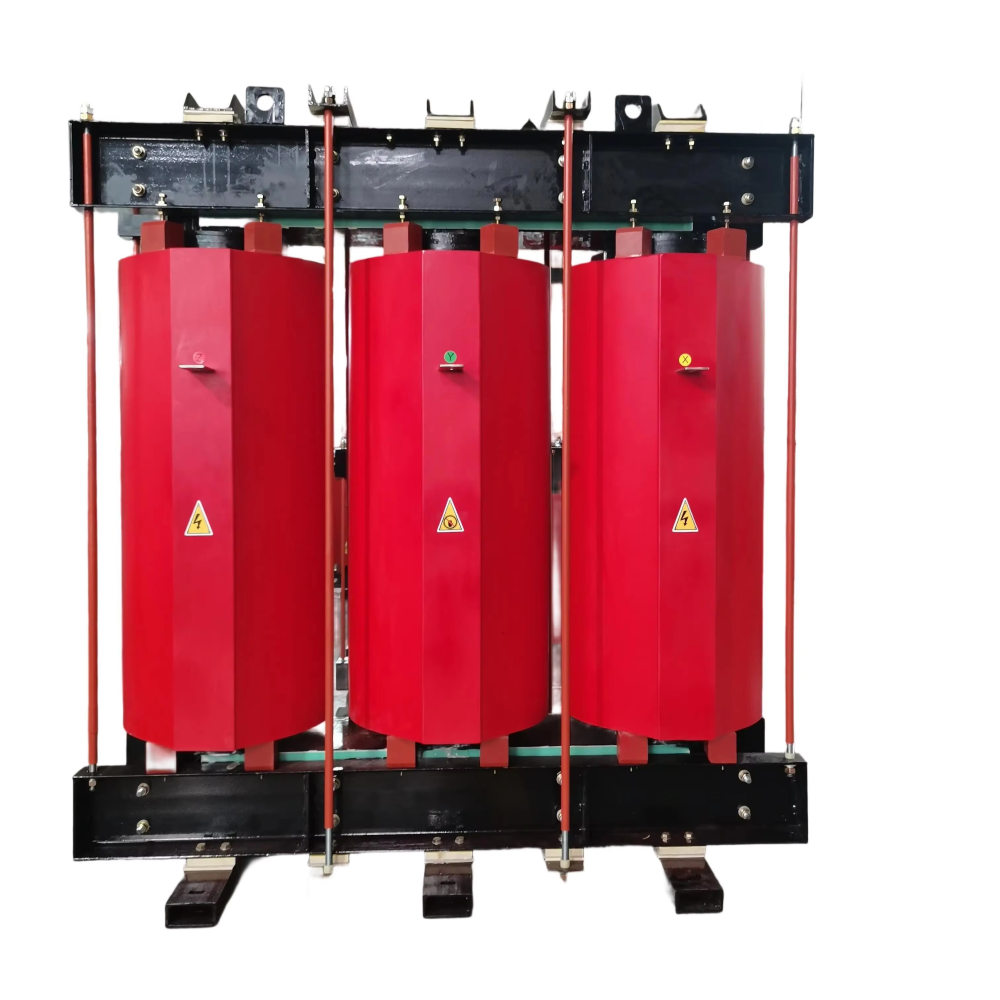
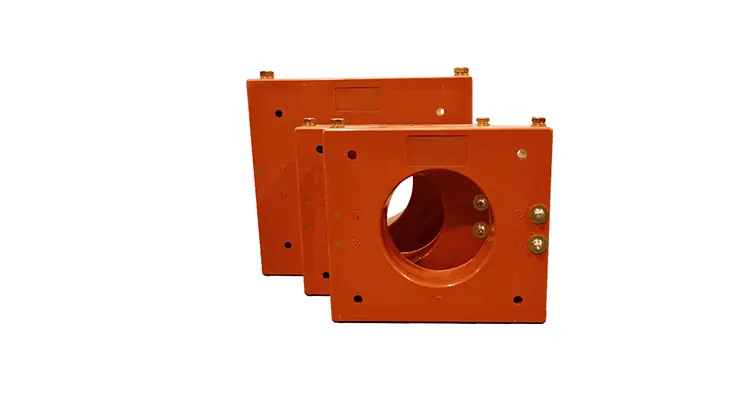
A Zero Sequence Current Transformer (ZSCT) is a special kind of safety device that goes around all of a power system's three-phase wires and measures the vector sum of the currents that move through them. This sum is equal to zero when everything is fair. When a ground fault happens, like when insulation breaks down or a wire touches the ground by mistake, the current imbalance creates a zero-sequence current that can be measured. This strange behavior is picked up by the ZSCT, which changes it into a proportional secondary signal (usually 5A or 1A). This signal sets off protection switches, which stop the fault before it causes more damage to equipment or safety risks.
 |
 |
Introduction
Around 70% of utility and commercial electrical system failures are due to ground faults. Earth fault monitoring affects operational stability and safety, whether you manage transmission networks for millions of customers, a data center that must be available 99.99% of the time, or factory substations. Zero Sequence Current Transformers detect ground faults that normal overcurrent safety may overlook.
This book provides procurement managers, electrical specialists, and EPC organisations with ZSCT selection, acquisition, and usage technical knowledge. We discuss electromagnetic concepts, how they are employed in various sectors, how to pick system settings, and how to acquire products that balance performance and cost. Knowing how these devices interact with existing safe relaying systems lets you make smart grid reliability decisions that fulfil IEC 61869 and GB 20840.2-2014.
Understanding Zero Sequence Current Transformers
The Core Operating Principle
A Zero Sequence Current Transformer keeps an eye on all phase wires at the same time by enclosing them in a single magnetic core. This is different from regular current transformers that measure line currents separately. Kirchhoff's current law is used in the device. It says that in a balanced three-phase system, the sum of the phase currents (Ia + Ib + Ic) is zero. If there is a ground fault, current leaks to earth, throwing off this balance. This could happen because of water getting into the cable insulation or an overhanging tree branch touching the lines. The leftover current, which is also known as zero-sequence current, runs through the neutral or ground route and creates a magnetic flux in the ZSCT core. This flow creates a secondary current that is related to the size of the fault. This makes it possible to find faults accurately even when the imbalance level is low.
Electromagnetic Design and Construction
Modern Xi'an Xikai ZSCTs are epoxy resin-cast, which offers advantages over oil-based ones. The enclosed electromagnetic core operates at 50/60Hz. It can withstand 11kV input and 400V output. Our devices can take 20A to 1000A main currents and always produce 5A or 1A, depending on the relay. Seaside substations that receive salt spray or desert solar farms that suffer sandstorms may utilise these transformers since the epoxy covering protects against dust and water up to IP67.
Toroidal cores reduce magnetic leakage so drastically that they can detect imbalances at 3% of maximum current. This sensitivity is crucial in systems with resistance grounds, where fault currents may stay below 10A, which regular overcurrent protectors would miss. Follow IEC 61869-1, IEC 61869-2, and GB 20840.2-2014 to provide worldwide compatibility, making it easy to integrate new systems into existing security systems, whether you're upgrading or beginning from scratch.
Installation Configurations and Wiring Practices
Installing split-core types on live wires without interrupting service is beneficial for progressive improvements of hospital power systems or manufacturing lines, when halting work costs a lot each minute. The spring-opening core lets technicians wrap it around cables and bolt it down. New buildings benefit from window-style designs since lines may pass through the aperture while being built. From single feeds to trunk lines with many conductors, 120mm to 300mm core diameters can suit cable bundles.
Correct polarity (S1/S2 connections) ensures relay compatibility. The secondary winding connects to ground fault switches with ohm load values of 20Ω at a 200:1 ratio and 6Ω at a 100:1 ratio. External load must be below rated levels for accuracy. Overstepping these limits causes phase angle errors that slow fault detection. While exchanging, terminal blocks with 600V shielding can manage short-term voltages, preventing flashovers that might disable safety circuits.
Applications and Advantages of Zero Sequence Current Transformers
Critical Use Cases Across Industries
Data centers need Zero Sequence Current Transformers to protect server farms, where power outages of just a few milliseconds can mess up deals worth millions of dollars. Because these transformers find ground problems faster than regular breakers, they stop failures that could shut down whole racks. They protect life-supporting equipment in hospital operating rooms from shielding problems that might not be seen until a catastrophic failure happens. ZSCTs help factories that do CNC cutting because they get rid of trips that are caused by motor starting currents and still find real ground faults on assembly lines.
Performance Advantages Over Conventional Protection
Utility companies use these devices in transmission and distribution networks to stabilise the grid. ZSCTs monitor incoming lines at substations and identify problems before voltage decreases impact surrounding circuits. Solar farms and wind mills utilise them to manage ground currents and harmonic distortions caused by unpredictable power patterns. The transformer reduces false trips that lower energy production by distinguishing fault currents from switching transients. When leakage current is below pickup limits, typical overcurrent switches struggle with high-resistance ground faults. A ZSCT may detect insulation deterioration before it fails by monitoring vector sums instead of actual magnitudes. With reaction times under 50 milliseconds, they may interact with upstream breakers to switch off just the problematic component, not the substation.
The devices remain accurate at temperatures from -40°C to +85°C, when thermal drift would render CTs ineffective. Outdoor switchgear in scorching deserts or cold frigid locations needs temperature stability. Train traction systems and transportable substations for temporary construction sites can endure vibrations and shock loads with strong mechanical design. In addition to defect detection, ZSCTs forecast maintenance schedules. Progressive zero-sequence current values indicate insulation degradation. This allows scheduled outage repairs instead of emergency solutions. This reduces maintenance expenses by 30–40% over reactive techniques. It boosts safety margins and asset lifespan.
Installation Best Practices for Optimal Performance
Position matters—the ZSCT must cover phase and neutral returns but not external grounding wires that might generate incorrect readings. When a system has several neutrals, only the safe circuit neutral passes through the core. The mounting height should allow tools to test the load and examine the secondary wires without using a ladder during maintenance checks.
Avoid direct sunlight since it speeds up epoxy decomposition, even though our UV-resistant compositions may last decades outdoors. Due to airflow surrounding the generator, heat doesn't build up within the switchgear, but the low-load design causes self-heating. According to IEEE 693 guidelines, seismic zones require special mounting clamps to prevent core movement during earthquakes, which might access secondary circuits and disable security.
Comparison and Selection Criteria for Zero Sequence Current Transformers
Differentiating ZSCTs from Conventional Current Transformers
Traditional CTs measure each phase current separately for metering and overcurrent safety. Zero Sequence Current Transformers, on the other hand, only look at residual currents that show ground flaws. A normal CT tracking phase A can't tell if the current comes back through ground instead of neutral. Because of this, systems are open to high-resistance faults that can burn for weeks before they start a fire. The Zero Sequence Current Transformer fills this gap by looking at the whole three-phase system as a single unit. It can find any mismatch no matter which phase started the problem.
ZSCT Variants and Their Applications
The burden criteria vary. Metering CTs require Class 0.2 or 0.5 accuracy across a large current range to calculate revenue. In contrast, ZSCTs emphasise sensitivity at low fault levels with Class 5P or 10P accuracy for safe relaying. This lower precision raises ratios and lowers secondary burdens. This reduces wire costs in large locations with relay boxes hundreds of meters from monitored equipment. Continuously closed magnetic circuits characterise core-type transformers. Their accuracy and resistance to external magnetic fields are high. The additional price is worth it for profitable usage or precise protection strategies that need 1% accuracy over the existing range. Window-type types with open holes are simpler to install in full cable trays, but air gaps in the magnetic route reduce their accuracy. Split-core designs provide the most installation choices. They enable retrofits without unhooking wires, which is crucial in hospitals and trade floors where even brief interruptions might result in penalties.
Busbar-type ZSCTs are employed when wires terminate at equipment busbars. Models like the LJM series can handle 1, 2, or 3 busbar installations and change their mounting components for various spaces. In compact electrical rooms, these devices slot inside circuit breaker sections, reducing panel size.
Selection Parameters for System Matching
The main current rate must exceed the greatest continuous load by 20–30%. This accounts for motor and transformer startup surge currents. A 1000A ZSCT protects feeds that continually supply loads of 700–800A from overheating during brief overloads. Secondary current selection optimises cable voltage drop and relay compatibility (5A for electromechanical devices, 1A for digital relays). Long runs benefit from 1A outputs' lower wire strain.
The accuracy class depends on application sensitivity. Distribution lines for non-critical loads may employ Class 10P units with a 10% inaccuracy at rated current. Hospital surgical rooms must be Class 5P or above to maintain issues below 50. Before leaking currents cause electrocution, alarms sound. IEC, GB, UL, CE certifications follow regional regulations. European projects require a CE designation, Chinese State Grid installations need GB norms, while North American specifications include UL 508. Size limits retrofit initiatives. Minimum core aperture is calculated by measuring the present wire bundle diameter and adding 20 mm for fitting convenience. The transformer on a panel must fit within the cabinet while allowing secondary wires to reach it. Weight affects mounting structure—300mm core units above 15 kg need structural steel frames instead of sheet metal enclosures.
Buyer's Guide to Zero Sequence Current Transformers
Critical Procurement Parameters
Specifications for accuracy need more than just a quick look at the top numbers. A Class 5P Zero Sequence Current Transformer promises a 5% error at the maximum load and current, but accuracy drops when there are partial loads or too much load. Ask the makers to send you accuracy curves that show how well their products work across a range of 10 to 200% current at your unique burden value. This information shows if the device keeps its safety sensitivity even when there are low-level ground faults or if it only works effectively when there are high currents.
To determine a ratio, calculate the projected fault currents. Systems with resistance grounding that limit ground faults to 10A benefit from relay sensitivity at 200:1 (20A primary, 0.1A secondary). To avoid relay overload, properly grounded systems with fault currents above 100A may require 1000:1 ratios. Multi-ratio units with switchable taps (200:1, 100:1, and 40:1) provide you with additional field control, so you can make system modifications without replacing the transformer. Thermal and short-time ratings determine fault survival. Continuous thermal current (Icth) is the highest main current that won't burn. Usually 1.2–1.5 times the rated current. The short-time rating (Ith) indicates how much high fault current the device can withstand in one second. This is normally 100 times the rated current. High usable fault current substations require 50kA or more short-circuit duty units.
Evaluating Supplier Capabilities
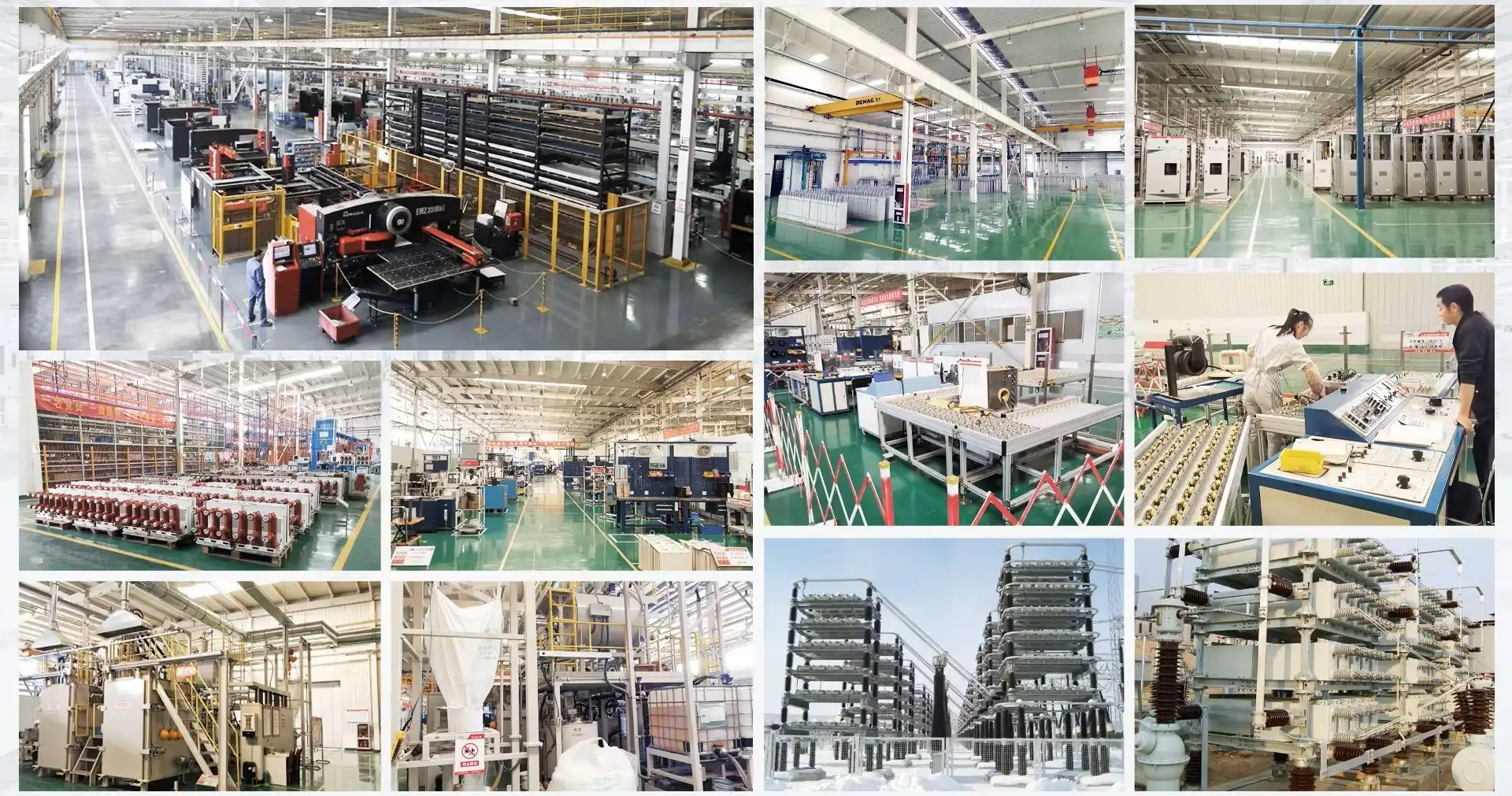
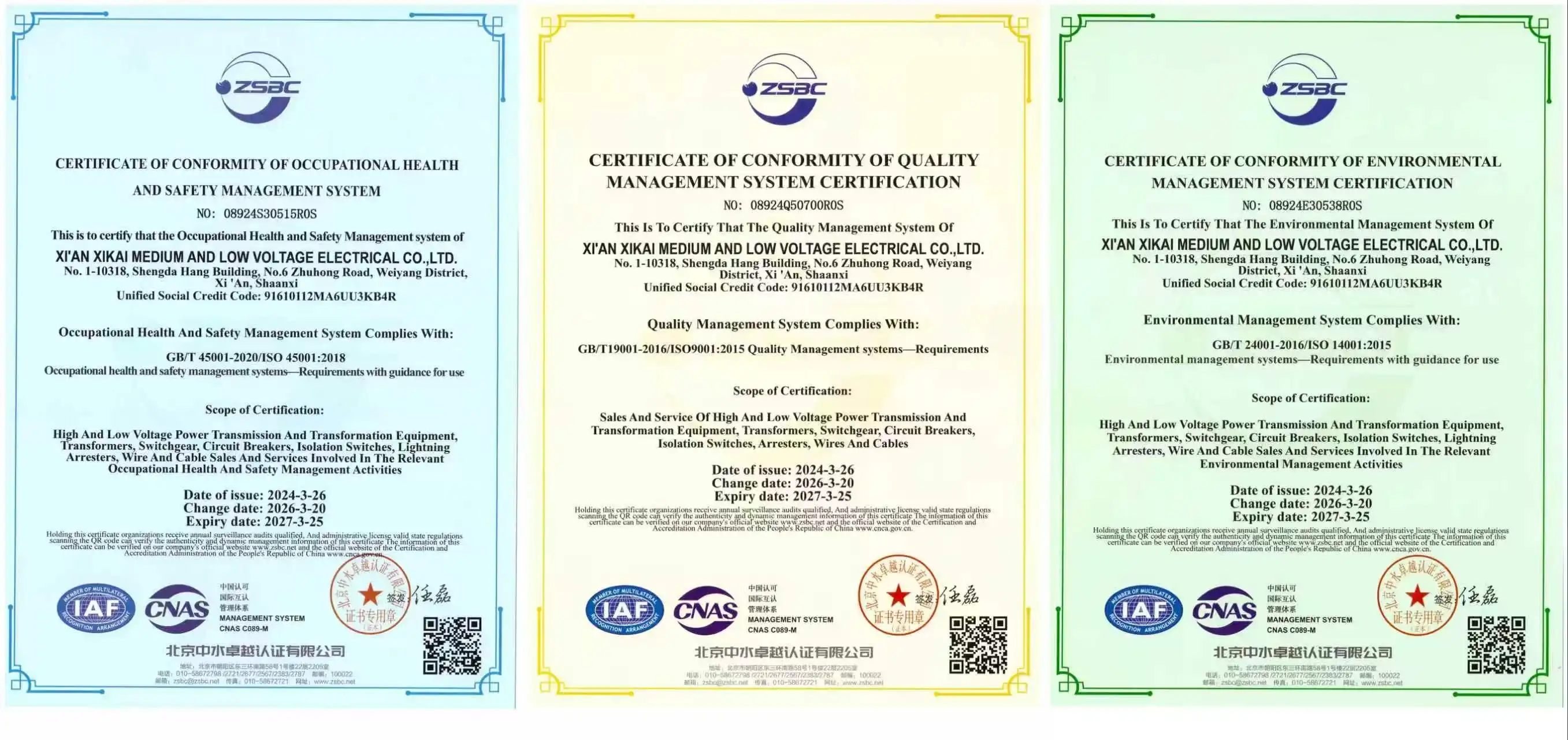
Lead times impact project planning. Standard catalogue products arrive in 2–4 weeks. Tool production and shipping for unique core sizes or ratios may take 8-12 weeks. Long-lead parts should be found early in procurement strategies and ordered during planning rather than construction. Suppliers with regional outlets reduce logistics delays. Xi'an Xikai's distribution network delivers to important industries in 48 hours. Quality clearances are more reassuring than product datasheets. ISO 9001 and ISO 14001 certifications indicate dependable production and environmental responsibility by employing RoHS-compliant items and recycling procedures. Performance claims are supported by independent lab validation of IEC 61869-6 type test results. Accuracy, thermal behaviour, and short-circuit resistance are reported. Ask to witness factory acceptance tests before shipping large orders so your engineers can view them.
Technical aid is crucial for setup and troubleshooting. Global project workers in North America, Europe, and Asia can communicate better with suppliers that speak 12 or more languages. Application engineering services determine the appropriate relay pickup values and coordination curves for your system to optimise safety. Post-installation assistance includes flowcharts for correcting unpleasant trips, testing the system's limitations, and enhancing existing systems.
Total Cost of Ownership Analysis
The purchase price is 30–40% of the overall cost during its lifetime. For retrofit tasks that need power cuts, installation crew expenses frequently exceed equipment prices. Even though they cost more, split-core ZSCTs that don't need to be shut down save installation costs. Maintenance expenditures include load checks every 5–10 years and device replacement. Annualised expenses are lower for 15-year MTBF devices than 7–10-year ones.
When utilising a lot of energy, consider losses. A transformer that consistently loses 5W consumes 44kWh a year, which isn't much but adds up across hundreds of utility lines. Plans with greater economies pay for themselves in 20 years by lowering energy prices. Warranty clauses and spare parts prevent early failure. Standard one-year warranties cover manufacturing defects. Extended warranties (three to five years) decrease risk in critical circumstances where errors might cause significant downtime. Suppliers that stock spare components for discontinued models assist facilities in managing their assets so equipment doesn't become outdated.
Conclusion
Zero Sequence Current Transformers are the most important part of modern ground fault protection. They provide the sensitivity and dependability needed to keep manufacturing facilities, power lines, and business buildings running. When choosing the right device, you need to think about both technical specs (like accuracy class, ratio, burden, and environmental scores) and practical ones (like installation limitations and provider support capabilities). The electromagnetic principles that control ZSCT operation lead to measured benefits, such as faster problem finding, less damage to equipment, and higher worker safety. As power systems change to include more green energy and digital tracking, these transformers change too. They do this by adding new features like split-core designs that make retrofitting easier and multi-ratio configurations that let you change the field. By knowing these factors and making choices based on them, you can be sure that your protection schemes meet both the needs of the current project and your long-term reliability goals.
FAQ
1. What primary function does a zero-sequence current transformer serve?
To find ground faults, the device measures residual current, which is the vector sum of all phase and neutral currents. This sum is equal to zero when the process is balanced. Any number other than zero means that current is leaking to ground. This causes protective switches to shut off the faulty circuit before it causes more damage or safety risks.
2. How should I install a ZSCT correctly?
Within the center aperture, wrap all phase conductors and the neutral around it. Leave any external ground lines out. When connecting secondary wires to switches, make sure the polarity is correct (S1/S2 marking). Check that the load stays below the maximum values by measuring the resistance. For split-core models, the maker specifies a safe bolt torque that must be met in order to avoid air gaps that hurt accuracy.
3. What factors affect ZSCT accuracy and reliability?
Too much burden resistance causes phase angle mistakes that make fault identification take longer. Keep a 300 mm distance from high-current busbars to avoid getting false readings from external magnetic fields from nearby wires. Extremes of temperature change core permeability, so choose units that are recommended for the temperature range in your area. Mechanical vibrations can break connections between terminals, which can lead to irregular operation that needs to be checked on a regular basis.
Partner with Xi'an Xikai for Reliable Ground Fault Protection Solutions
The Zero Sequence Current Transformer options that Xi'an Xikai Medium & Low Voltage Electric Co., Ltd. offers have been tried and tested in State Grid systems, petrochemical plants, and green energy installations. Our epoxy resin-cast transformers meet the requirements of IEC 61869 and GB 20840.2-2014. They can handle main currents of 20A to 1000A and secondary outputs of 5A or 1A. Our engineering team creates specs that are specific to your safety needs, whether you're looking for parts for a new substation or to fix up old distribution networks. Send an email to serina@xaxd-electric.com, amber@xaxd-electric.com, or luna@xaxd-electric.com to talk about your project needs with one of our sourcing experts. As a top maker of Zero Sequence Current Transformers, we help global B2B customers with detailed technical documentation, factory acceptance testing, and support in multiple languages to make sure that our products work perfectly with your electrical systems.
References
1. IEEE Standard C57.13-2016, "IEEE Standard Requirements for Instrument Transformers," Institute of Electrical and Electronics Engineers, New York, 2016.
2. IEC 61869-1:2007, "Instrument Transformers - Part 1: General Requirements," International Electrotechnical Commission, Geneva, 2007.
3. Blackburn, J.L. and Domin, T.J., "Protective Relaying: Principles and Applications," 4th Edition, CRC Press, Boca Raton, 2014.
4. GB 20840.2-2014, "Instrument Transformers - Part 2: Additional Requirements for Current Transformers," Standardization Administration of China, Beijing, 2014.
5. Horowitz, S.H. and Phadke, A.G., "Power System Relaying," 3rd Edition, John Wiley & Sons, Chichester, 2008.
6. CIGRE Working Group B5.05, "Modern Techniques for Protecting, Controlling and Monitoring Power Systems," CIGRE Technical Brochure 358, Paris, 2008.