What Makes 10kV High Voltage Reactive Power Compensation Device Efficient?
2026-05-21 15:40:54
There are three main things that make a 10kV High Voltage Reactive Power Compensation Device work well: smart reactive power management that reacts to changes in the grid within milliseconds; high-quality parts like high-grade capacitors and advanced switching mechanisms; and the ability to precisely suppress harmonics. Automatically keeping power factors above 0.95 is what these systems do. This cuts down on transmission losses by up to 30% and keeps sensitive equipment safe from voltage fluctuations. These days, gadgets like the TBB10 have real-time monitoring, modular scalability, and strong designs that work reliably even in harsh conditions. This makes them essential for factories, utility companies, and system integrators that want to save energy and keep their operations running.
 |
 |
Understanding 10kV High Voltage Reactive Power Compensation Devices
The Role of Reactive Power in Medium Voltage Systems
The electromagnetic energy that moves back and forth between generators and inductive loads, like motors, transformers, and arc furnaces, is called reactive power. While active power, which is measured in kilowatts, does work, reactive power, which is measured in kilovolt-amperes reactive (kVAr), is needed to make magnetic fields. When not managed properly, too much reactive current makes transformers seem to need more power, leads to utility penalty charges, and lowers the voltage that stops production lines. When you have the right-sized 10kV High Voltage Reactive Power Compensation Devices, these imbalances are evened out. This frees up transformer capacity and keeps voltage stable across distribution networks.
Types of Compensation Technologies and Their Applications
The pay landscape is split into three main architectures, each of which is best for a different type of operation:
- Automatic Capacitor Banks (TBB Series): Vacuum circuit breakers are used in these step-controlled systems to toggle fixed capacitor stages in clear steps. They are a good value for money for buildings with stable loads, like hospitals or shopping malls. Five safety locking mechanisms in the TBB10 lower the residual voltage to less than 50V within five minutes. This protects maintenance workers during service breaks.
- Static VAR Generators (SVG/STATCOM): These inverter-based solutions make reactive current through insulated gate bipolar transistors (IGBTs) to provide stepless, continuous compensation. Because they have response times of less than 10 milliseconds, they work great in places where loads change quickly, like electric arc furnaces or wind farms. While capacitor banks use switching transients to make up for both leading and lagging power factors, SVGs don't.
- Magnetic Controlled Reactors (MCR): These devices change inductance by using direct current (DC) to excite them. They provide smooth control of reactive power without using switching parts. They are better at controlling voltage, but they cost more to buy than capacitor-based systems.
The type of load, budget, and performance needs will determine which of these technologies to use. In data centers with steady but important loads, automatic capacitor banks are often used for cost-effective 24/7 operation. On the other hand, steel mills that deal with 10kV High Voltage Reactive Power Compensation Device unstable arc furnace loads need SVG systems that can respond quickly.
Key Factors Influencing the Efficiency of 10kV Reactive Power Compensation Devices
Component Quality and Design Excellence
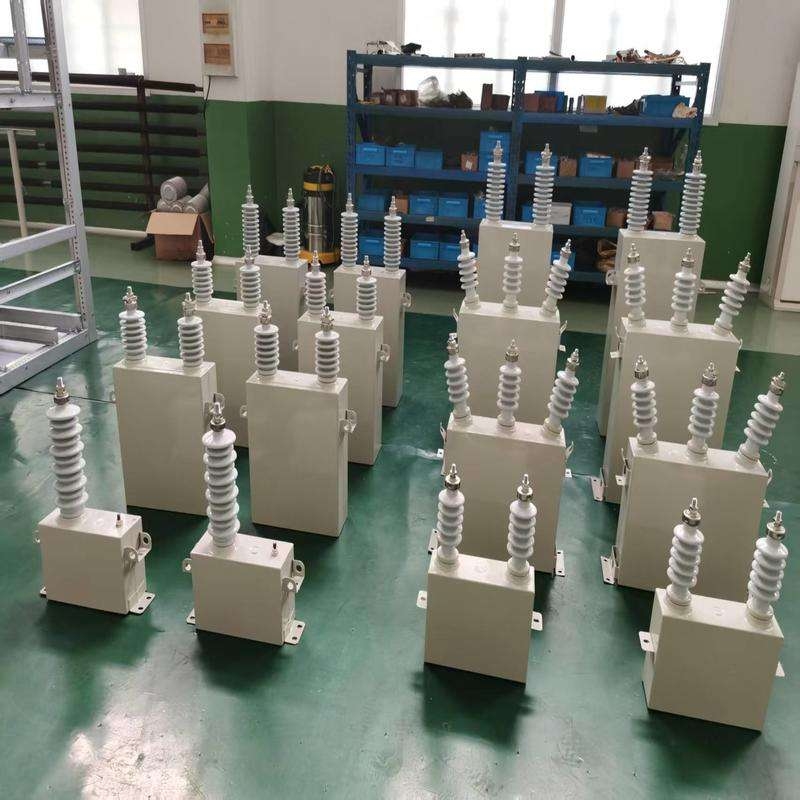
Each 10kV High Voltage Reactive Power Compensation Device's efficiency starts with the materials it is made of and the engineering standards it meets. High-quality metallized polypropylene film capacitors are at the heart of compensation banks. They were chosen because they can fix themselves and have low dissipation factors below 0.0002. It is possible for these capacitors to withstand continuous overvoltage conditions up to 1.1 times their rated voltage without failing early, which has a direct effect on the longevity of the system. When the TBB10 uses capacitors, they are put through a lot of thermal cycling, which means they are exposed to extreme temperatures that make them work under stress for decades in just a few weeks. Smart solutions are different from simple compensation devices because they use more complex control systems. Controllers based on microprocessors and communicating via RS485 or Modbus work well with SCADA networks and allow for central monitoring of operations at multiple sites. Self-diagnostic alerts on the TBB10 let operators know when capacitance is dropping before failures happen. This changes maintenance from reactive to predictive models, which lowers the cost of downtime.
Harmonic Mitigation Through Reactor Selection
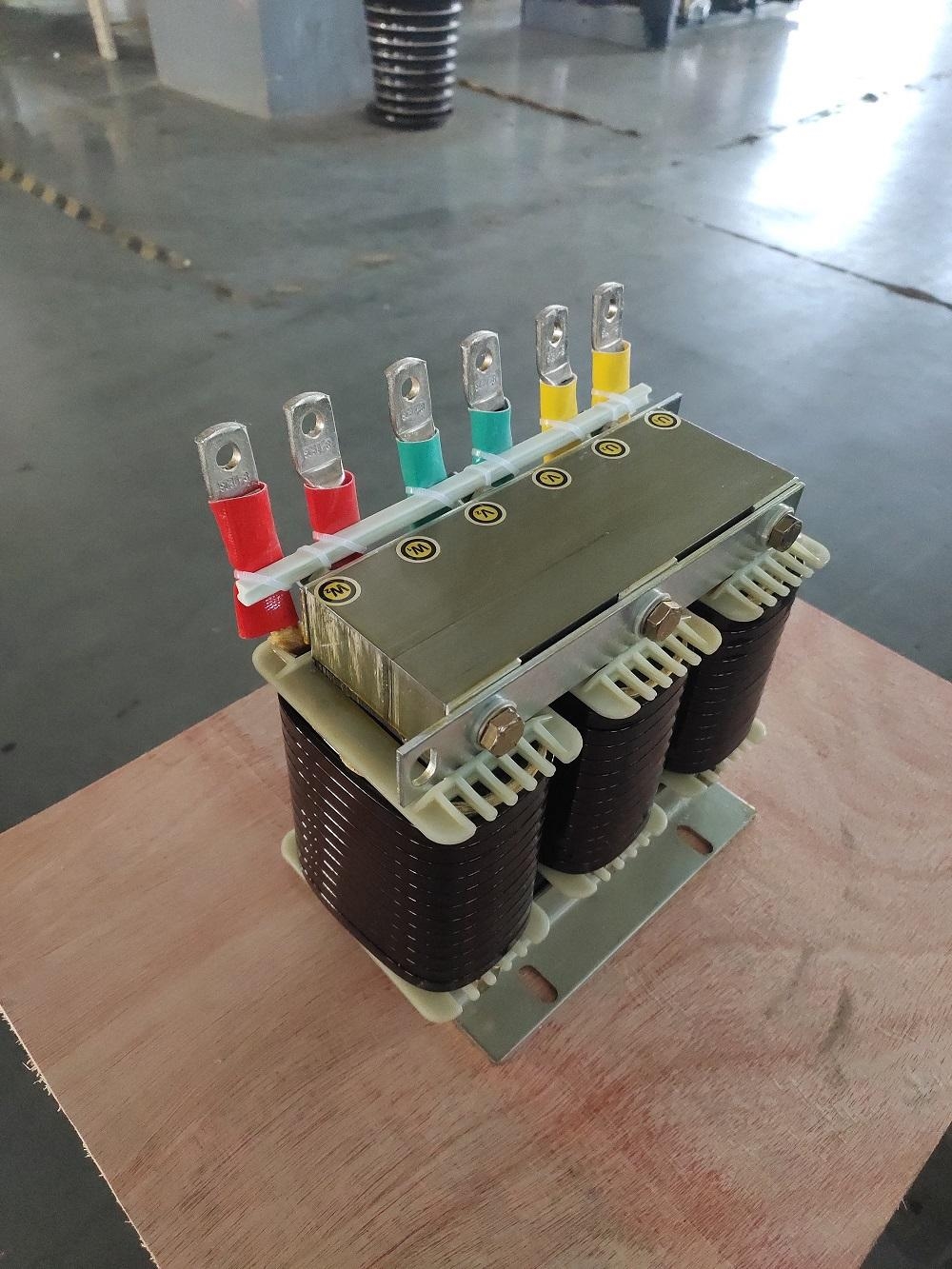
Harmonic currents are introduced by modern industrial loads like variable frequency drives, UPS systems, and LED lighting. These currents change the shape of voltage waves and make transformers overheat. If the compensation systems aren't built right, these harmonics can get stronger through resonance, which could lead to catastrophic capacitor failures. Here's how the TBB10's reactor options can be set up to solve this problem:
- 0.1–1% Reactance: This lowers inrush currents during capacitor switching, which gets rid of voltage jumps that can damage sensitive electronics.
- 6% Reactance: Resonance frequency drops below the 5th harmonic order (250Hz), which blocks the most common industrial harmonics that six-pulse rectifiers produce.
- 12% Reactance: Protects against 3rd harmonic distortion common in single-phase loads and some power electronic converters.
Harmonic analysis of the facility's load profile is needed to choose the right reactor. To block 5th and 7th harmonics, a petrochemical refinery with a lot of big VFD-driven pumps would need 6% reactors. On the other hand, a commercial building with a lot of single-phase loads might need 12% reactors. By making this change, resonance conditions are avoided, which are times when harmonic currents get stronger and cause annoying trips and damage to equipment.
Comparing 10kV High Voltage Reactive Power Compensation Devices with Other Solutions
Performance Differences Between Voltage Classes
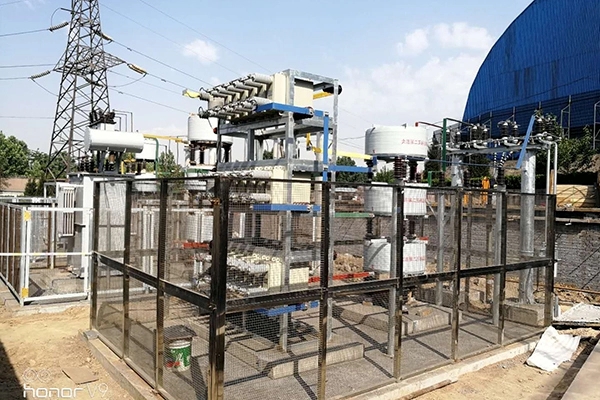
Facilities' distribution boards are served by low-voltage compensation systems that work below 1kV, and 10kV High Voltage Reactive Power Compensation Devices are built at the medium voltage level upstream of distribution transformers. Because of this difference in positioning, there are clear operational benefits. Reactive current is lowered through the whole distribution chain by medium voltage compensation. This lowers losses in transformers, cables, and switchgear as a whole. A compensating 10kV system of 5,000 kVAr stops this reactive current from going through the main substation transformer. This frees up 5 MVA of capacity for useful loads. Low-voltage compensation further downstream of the transformer still puts reactive current stress on the transformer, which limits capacity gains. The advantages of voltage regulation also grow with the voltage of the installation. A 5% drop in voltage at 400V means a 20V change, which has a big effect on the motor's performance and the stability of the process. The same percentage drop at 10kV is equal to 500V,10kV High Voltage Reactive Power Compensation Device, but when the medium voltage drop is made up for, the stability of the voltage downstream improves in the same way. When factories install medium voltage compensation, motor trips go down less often, and equipment lasts longer. These are measurable benefits that make the higher initial investment worth it compared to low-voltage options.
Evaluating Manufacturer Credibility and Support Infrastructure
Aside from technical specs, procurement decisions also include how reliable the supplier is and how much support they offer after the sale. Certifications from third parties, such as IEC 60871 for capacitors, IEC 62271 for switchgear, and IEEE 18 for power factor controllers, show that well-known manufacturers follow the rules. The ISO 9001-certified factories that make Xi'an Xikai products test every batch for dielectric strength, partial discharge, and temperature rise. This paperwork gives customers peace of mind during acceptance testing. What the warranty covers shows how confident the company is in the product's durability. Full coverage for five years on capacitors and ten years on structural parts shows that the product was built well, while one-year warranties show that it was made quickly. The infrastructure for after-sales service is just as important. A supplier with regional service centers and certified technicians will reduce downtime during faults. The technical support lines at Xi'an Xikai are staffed 24 hours a day, seven days a week by engineers who know how to set up medium voltage systems. This is a great resource that comes in handy when there are problems with integration.
Procurement and Installation Insights for Global B2B Clients
Total Cost of Ownership Analysis
The purchase price is only one part of lifecycle economics. Getting the site ready, terminating cables, integrating protection relays, and commissioning services are all examples of installed costs that can add 30 to 40 percent to the cost of the equipment. The modular design of the TBB10 cuts down on installation time by allowing a pre-assembled configuration. This saves money on labor costs and speeds up the time it takes to get a return on investment. You should think about future expansion capacity when you're buying a 10kV High Voltage Reactive Power Compensation Device for the first time. For example, if you choose an enclosure that can hold 50% more capacity, you won't have to install parallel systems as your facilities grow. Operational savings from power factor correction accumulate through multiple channels. Utility penalty avoidance provides immediate returns—industrial facilities maintaining 0.85 power factors often pay surcharges of 3-5% of their total electricity bills, costs eliminated entirely by compensation systems maintaining 0.95 or higher. Energy loss reduction in cables and transformers contributes ongoing savings, typically 2-4% of total consumption, depending on facility load distribution. Transformer capacity release delivers less tangible but equally valuable benefits by deferring capital expenditures for substation upgrades.
Supplier Selection Criteria and Risk Mitigation
Currency fluctuations, shipping logistics, customs rules, and communication problems across time zones are just a few of the problems that come up when you buy things globally instead of just locally. These risks are kept to a minimum by working with suppliers who have official export experience. The fact that Xi'an Xikai has worked on international projects like State Grid modernization programs and renewable energy installations shows that it can handle the technical requirements and certification processes that differ between countries. Training and sharing of knowledge should be covered in the contract terms. Facility teams must be able to properly maintain compensation systems on a regular basis, such as by checking the capacitance once a year, inspecting the contacts, and making sure the cooling system is working. Suppliers who offer detailed maintenance manuals in the client's language and on-site training during commissioning make clients less reliant on outside service providers and lower the costs of lifetime support.
Best Practices and Future Outlook for 10kV Reactive Power Compensation Efficiency
Optimizing Performance Through Smart Monitoring
Traditional compensation systems use setpoints for fixed power factors, which is a simple method that the 10kV High Voltage Reactive Power Compensation Device doesn't take into account time-of-use rate structures or ways to improve demand charges. These days, controllers use real-time signals from utilities to change compensation strategies in order to keep target power factors while also lowering costs. When utility rates are at their highest, during peak demand periods, systems switch to more aggressive compensation. During off-peak hours, targets are lowered to reduce switching wear. IoT connectivity turns 10kV High Voltage Reactive Power Compensation Devices from separate pieces of equipment into assets that are part of the grid. With the TBB10's remote monitoring features, predictive maintenance can be done by constantly looking at the number of switching operations, the temperature trends of the capacitors, and changes in the harmonic spectrum. Operators are notified when capacitance drops below 5% of its nominal value, so replacements are planned for planned downtime instead of having to be done when something goes wrong during production. Moving from time-based to condition-based maintenance cuts down on the number of spare parts that need to be kept on hand while also making the system more available.
Sustainability Advantages and Regulatory Alignment
Power factor goals are being required by energy efficiency rules more and more, which changes compensation from an economic optimization to a compliance necessity. Minimum power factor thresholds for industrial facilities are set by European standards under the Energy Efficiency Directive. Similar rules are being made in North America. By putting in place a proactive compensation system, facilities can get ahead of regulatory changes and avoid the costs and time constraints that come with retrofitting. Reporting systems for the environment, such as CDP and GRI, include Scope 2 emission reductions from transmission loss minimization. When compensation systems save 3% of energy, their carbon footprints decrease proportionally. These are measurable facts that make sustainability disclosures stronger. Buildings that want to get LEED certification or something similar can get credits for taking steps to improve the quality of their power, which creates more value than just operational savings. Grid modernization projects depend on end users' reactive power support to keep distribution networks stable when renewable energy sources go offline. Utilities pay facilities that provide dynamic reactive power support, especially during times of high demand or when the grid is down. When compensation systems have fast response times and communication interfaces, they stop being just cost centers and start making money. This changes the way things work so that facility goals are aligned with grid stability goals.
Conclusion
When smart control strategies, good component choice, and proper system integration work together, 10kV High Voltage Reactive Power Compensation Devices work efficiently. These ideas are shown by the TBB10 High Voltage Reactive Power Automatic Compensation Device, which has quick response times, a strong build, and scalable architectures that can be used in a variety of industrial settings. Power factors above 0.95 have measurable benefits for facilities, such as lower utility costs, longer equipment life, more stable voltage, and more transformer capacity. As the grid gets more complicated because of more renewable energy and electric vehicles, advanced compensation systems go from being nice-to-have extras to being necessary infrastructure. When you choose well-known manufacturers that offer full support, you can be sure that you will get long-term value during the purchasing, installation, and use phases.

FAQ
1. How do I determine the correct compensation capacity for my facility?
Accurate sizing requires analysis of your facility's reactive power demand across operational cycles. Review utility bills for power factor data and kVAr charges over 12 months to identify seasonal patterns. Peak reactive demand usually happens when production is at its highest, when many motors and transformers are running at the same time. A qualified electrical engineer should use power analyzers to do load profiling and record data every 15 minutes. This will make sure that the 10kV High Voltage Reactive Power Compensation Device can handle the worst-case scenarios without overcorrecting for light loads. A power factor of 0.95 should be aimed for at the utility metering point. Power factors higher than that could cause leading issues that utilities may punish.
2. What maintenance activities are required for 10kV compensation devices?
Visually checking capacitor enclosures for bulging or leakage, measuring capacitance to find degradation of more than 5%, checking contacts in switching mechanisms, and making sure the cooling system works should all be part of yearly inspections. Infrared thermography finds "hotspots" that mean connections aren't working right or parts are breaking down before they cause major problems. The TBB10's self-diagnostic features make this process easier by sending out automated alerts, but physical inspections are still needed for a full evaluation.
3. Can compensation systems operate with on-site generators and renewable energy sources?
When set up correctly, modern compensation devices work perfectly with distributed generation. To avoid overcorrection during islanded operation when utility impedance goes away, microgrid applications need to be carefully coordinated. The TBB10 can be connected to generator control systems through its communication interfaces, which let the compensation strategies be changed depending on the operating mode. When designed as a whole, solar inverters and battery systems can provide reactive power that can work with or instead of dedicated compensation equipment. This lowers the overall cost of the system.
Partner With Xi'an Xikai for Reliable 10kV High Voltage Reactive Power Compensation Solutions
To improve the power quality in your building, you need more than just equipment. You need to work with a 10kV High Voltage Reactive Power Compensation Device manufacturer who is dedicated to your operational success. Xi'an Xikai has been a top-notch engineer in medium-voltage systems for more than 25 years, working with factories, utility companies, and EPC firms all over the world. Our TBB10 series devices use patented technologies created through national research programs, along with strict ISO 9001 quality standards, to make sure they work well even in the worst conditions. Our technical teams work with your engineers to specify, configure, and commission systems that are best for your specific load profiles. This is true whether they are updating old infrastructure or designing brand-new installations. Full support from the first meeting to decades of business, with help available 24 hours a day, seven days a week, and through regional service networks. Get in touch with our experts at serina@xaxd-electric.com, amber@xaxd-electric.com, or luna@xaxd-electric.com to talk about how our tried-and-true solutions can help you save money on energy costs and make the grid more reliable.

References
1. IEEE Std 1036-2010, "IEEE Guide for Application of Shunt Power Capacitors," Institute of Electrical and Electronics Engineers, 2010.
2. International Electrotechnical Commission, "IEC 60871-1:2014 Shunt Capacitors for AC Power Systems Having a Rated Voltage Above 1000 V," Geneva, Switzerland, 2014.
3. Arrillaga, J., and Watson, N.R., "Power System Harmonics, Second Edition," John Wiley & Sons, Chichester, United Kingdom, 2003.
4. Hingorani, N.G., and Gyugyi, L., "Understanding FACTS: Concepts and Technology of Flexible AC Transmission Systems," IEEE Press, New York, 2000.
5. Dixon, J., Moran, L., Rodriguez, J., and Domke, R., "Reactive Power Compensation Technologies: State-of-the-Art Review," Proceedings of the IEEE, Vol. 93, No. 12, December 2005.
6. Xu, W., and Liu, Y., "A Method for Determining Customer and Utility Harmonic Contributions at the Point of Common Coupling," IEEE Transactions on Power Delivery, Vol. 15, No. 2, April 2000.
_1774322334531.png)