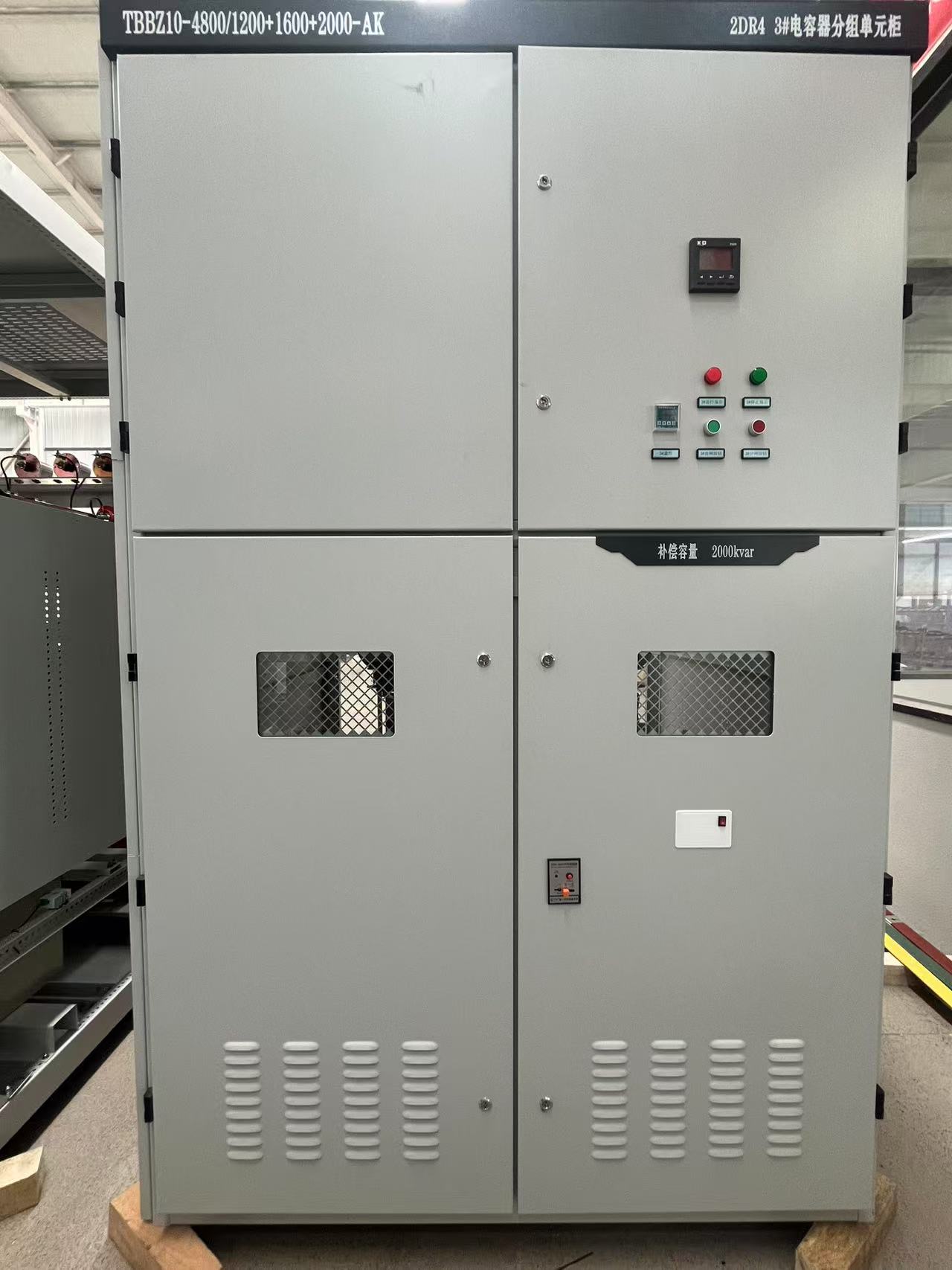
Benefits of Low Voltage Fixed Type Switchgear Systems
2026-05-09 16:25:12
Facility Low Voltage Fixed Type Switchgear managers and engineers both have to deal with the task of keeping the electrical distribution system reliable while also keeping costs low. Low-voltage fixed-type switchgear systems solve this problem by protecting and controlling power reliably without the hassle of switching between different types of switchgear. In factories, data centers, hospitals, and utility networks, these securely fixed electrical distribution units keep circuits safe, separate faults, and keep operations running smoothly. Their simple design makes them easier to maintain and gives them strong thermal stability and breaking strength, which are important when machine breakdowns directly mean lost income and lessened safety.
 |
 |
Understanding Low Voltage Fixed Type Switchgear Systems
What Defines Fixed Switchgear Architecture
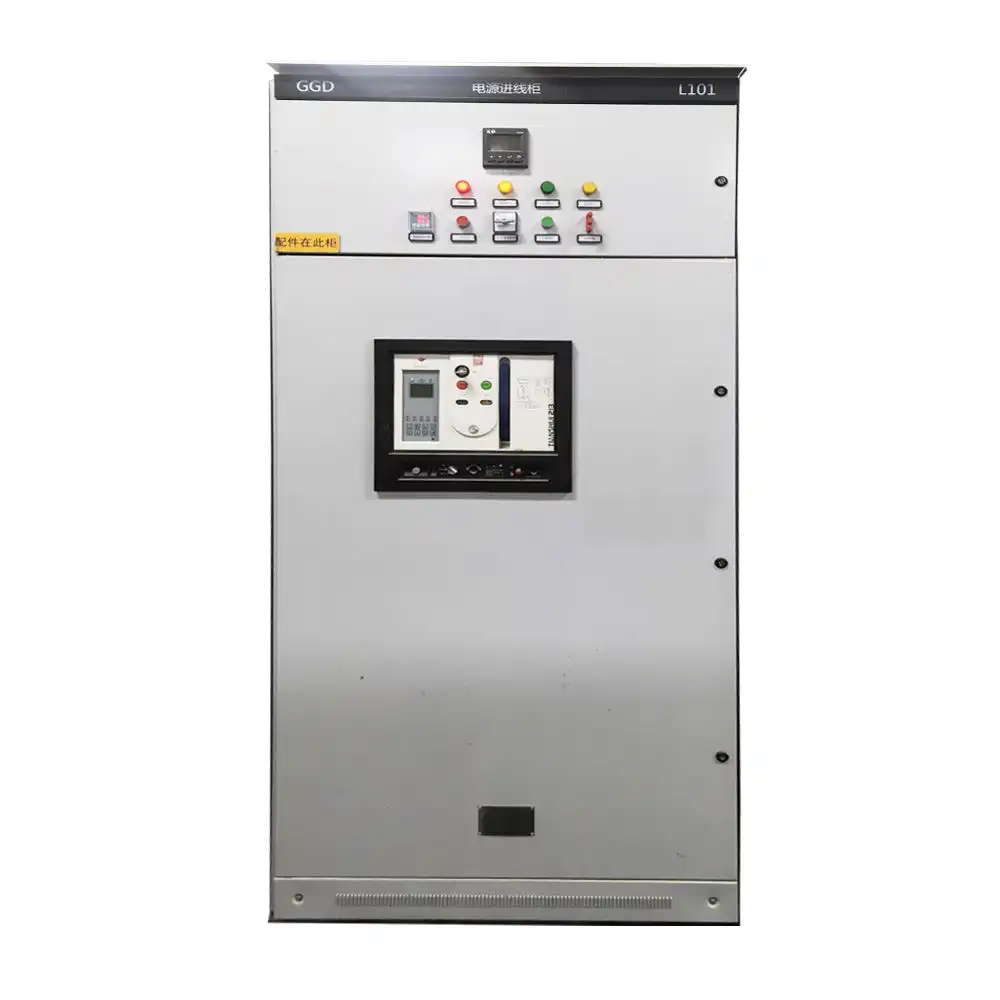
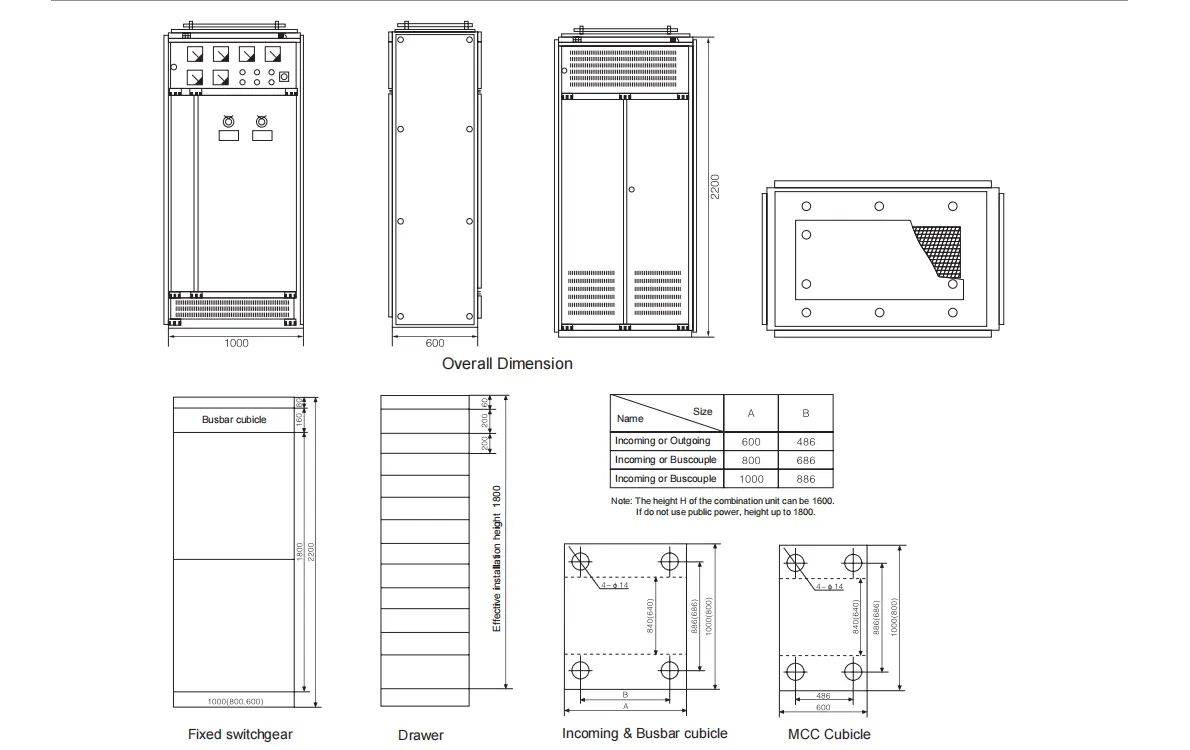
Low-voltage fixed-type switchgear systems have parts that are permanently placed inside metal structures. This equipment combines circuit breakers, busbars, protective switches, and disconnectors into a single unit, unlike withdrawable versions where breakers slide out for maintenance. This permanent mounting method makes building easier, cuts down on places where things could go wrong, and makes a small footprint that's great for setups with limited room. The design is based on three functional zones: the entering section gets power from transformers or utility lines, the busbar section sends current in either a horizontal or vertical direction, and the outgoing section sends power to specific loads like motors or lighting circuits. Isolation switches in each zone separate parts of the system so that repair work can be done without affecting other parts.
Core Components and Their Functions
When procurement teams understand the internal parts, they can more accurately analyze specs. Circuit breakers are the main devices that stop power. They open immediately when there is an overload or a short circuit. These days, air circuit breakers (ACBs) and molded case circuit breakers (MCCBs) offer limited coordination, which means that only the circuit that is affected trips instead of the whole system. Busbars, which are thick copper or metal wires, are what make electricity flow possible. Their ampacity values, which are usually between 630A and 4000A in industrial settings, are based on their cross-sectional size. Protective switches keep an eye on voltage, current, and frequency levels and set off breakers when certain limits are reached. Earth-leaking protection adds another level of safety by finding ground problems before they get worse and cause damage to equipment or put people in danger.
Typical Application Environments
Low-voltage fixed-type switchgear is used in factories to keep production lines running all the time. If a line stops working without warning, it costs thousands of dollars per hour. These systems are used by data centers to protect computer racks and cooling systems. For extra protection, they are often paired with uninterruptible power supplies (UPS). Failure-safe operation is required for hospital electrical systems. These units separate critical care equipment from general lighting loads, which means that life-support devices never lose power when there are problems with the electricity in other parts of the building. Electricity substations change medium voltage (11kV–35kV) to low voltage (380V–690V) using fixed equipment at voltage transformation points. The tough design can handle being installed outside in waterproof cases, which is necessary for rural grid nodes that don't have climate-controlled buildings.
Technical Benefits and Performance Insights
Compliance Standards and Safety Certifications
By specifying compliant tools, organizations avoid responsibility for Low Voltage Fixed Type Switchgear and make sure that systems can work together. The GGD Low Voltage Fixed Type Switchgear from Xi'an Xikai follows the rules set by IEC 60439-1 and GB7251.1 for how it is assembled, how much temperature it can handle, and how long it can last after a short circuit. These certifications show that the equipment passed strict type tests, such as dielectric strength tests at twice the maximum voltage and mechanical endurance tests that simulated 10,000 working cycles.UL certification is important for sites in the United States because local authorities with jurisdiction (AHJs) may not accept equipment that isn't named. IEC standards are recognized all over the world, which makes it easier to buy things for global projects that have to deal with a lot of different regulations. Documenting arc fault containment in testing reports is important for making sure that internal failures don't spread outside of the affected compartment. This is especially important now that the 2020 changes to NFPA 70E have made arc flash protection standards stricter.
Electrical Ratings and Performance Metrics
The system's normal working level is set by the rated voltage. The GGD model runs on 380V three-phase power and can power normal industrial motors and distribution transformers. Kiloamperes (kA) are used to measure breaking capacity, which is the largest problem current that the breakers can safely stop. With short-circuit values of up to 65kA, these units can handle fault currents that are much higher than normal load conditions. This keeps catastrophic failures from happening when transformers or generators upstream develop internal shorts. How long the system can handle fault currents before the circuit temperatures get too high is based on its thermal stability. Good busbars keep their structure strong during faults that last up to one second at the rated short-circuit current. This gives safety devices further down the line enough time to work. Ambient temperature limits range from -25°C for storage to +55°C for operation, so they can be used in both cold warehouses and hot factories near furnaces or fires. These performance traits have a direct effect on the downtime of the building. A data center with a 50kA fault on one feeding circuit needs hardware that can fix the fault in milliseconds without affecting server racks next to it. The breaking capacity and thermal durability ensure that the broken circuit is completely cut off from the healthy circuits, which keeps the whole building from going dark.
Maintenance Requirements and Longevity
When compared to designs that can be removed, Low Voltage Fixed Type Switchgear requires less regular upkeep. There are fewer possible wear spots because there are no moving tracks, interlock devices, or plug-in contacts. Visual checks should be done once a year to look for signs of overheating, loose connections, and insulator loss. Thermographic scans find hot spots before they become major problems, such as wires that are too small or connections that have corroded. As part of preventative maintenance, busbar joints need to be tightened to certain torque levels. Over time, heat cycling from changes in load can make links loose. Contact resistance testing makes sure that the breaker connections keep their low impedance, which stops voltage drops and the production of too much heat. Protective relay calibration makes sure that trip settings stay correct, which is especially important as equipment ages and mechanical parts deviate from what the manufacturer intended. With proper care, the expected service life is 25 to 30 years. However, as communication methods change to make smart grid integration possible, obsolescence may force replacement sooner. Systems like the GGD series allow for improvements where intelligent electronic devices (IEDs) can be retrofitted into existing panels instead of having to replace whole sections.
Fixed Type vs. Withdrawable & Modular Switchgear: A Comparative Analysis
Structural Differences and Design Philosophy
Low-Voltage Fixed-Type Switchgear focuses on keeping things simple and saving space. Using bolted connections, the components are attached directly to the enclosure backplane. This makes the unit rigid and resistant to shaking and mechanical shock. This method works well for setups where repair can be done from the front panel and where the whole system won't need to be taken apart for service periods. Breakers are mounted on wheeled carriages that can be slid out of the way to be inspected or replaced without having to unhook the wires. This ease of use is appealing to places that need to test breakers often or work in places where failures happen often. But the withdrawal mechanism makes the system more complicated—the guide rails need to be greased, the interlock switches need to be adjusted, and the main disconnects wear out over time from being inserted and removed many times. Modular designs stress flexibility by using standard parts that join to each other with plug-in busbars. Increasing capacity means adding cabinets instead of redoing old panels, which is helpful for construction projects that are done in stages. It costs more and adds more connection points, where resistance can build up over time because of the freedom.
Performance Under Varying Load Conditions
When properly set up, all three systems work the same way in steady-state function. There are differences between Low Voltage Fixed Type Switchgear breakdown situations and upkeep situations. Low-voltage fixed-type switchgear is better at protecting against short circuits because the fixed unit doesn't move when fault currents create electromagnetic forces. Withdrawable designs depend on spring-loaded contacts that can come apart if they aren't fully engaged, which could lead to arc flash dangers. The way an enclosure is mounted doesn't affect its thermal performance; the design of the enclosure does. Larger air holes are often found in fixed switches because parts don't need room to move out of the way, which helps heat escape. Better cooling makes insulation last longer and lets you use bigger cabinets with higher constant current values. Analysis of downtime shows trade-offs. In withdrawable switchgear, replacing a broken breaker takes 30 to 45 minutes, but in low-voltage fixed-type switchgear systems, which require disconnecting the conductors, it takes 2 to 4 hours. However, main disconnect arcing and interlock faults cause more annoying trips in withdrawable systems, which cancels out the benefit of being able to fix them more quickly.
Cost Analysis Across the Lifecycle
When it comes to initial capital costs, Low Voltage Fixed Type Switchgear is 20–30% less expensive than similar withdrawable systems. The simpler design makes it easier to make and costs less in materials. Because they need special busbar couplers and standard container tools, modular systems cost the most up front. Different trends show up in operating costs. Because fixed circuitry doesn't have as many moving parts, it needs less preventative upkeep. Withdrawable designs need to be cleaned and oiled every year, which adds to the work that needs to be done. When modular systems have more connection points, energy is lost. This can lead to real power costs in big setups that are close to full capacity. Replacement parts must be available when figuring out the total cost of ownership. Low Voltage Fixed Type Switchgear with standard breaker frames lets you buy from many suppliers, which keeps prices low for decades. With proprietary withdrawable systems, buyers are locked into a single source of sellers, who may stop making parts as models get older.
Procurement Insights: Buying Low-Voltage Fixed-Type Switchgear
Evaluating Manufacturer Credentials
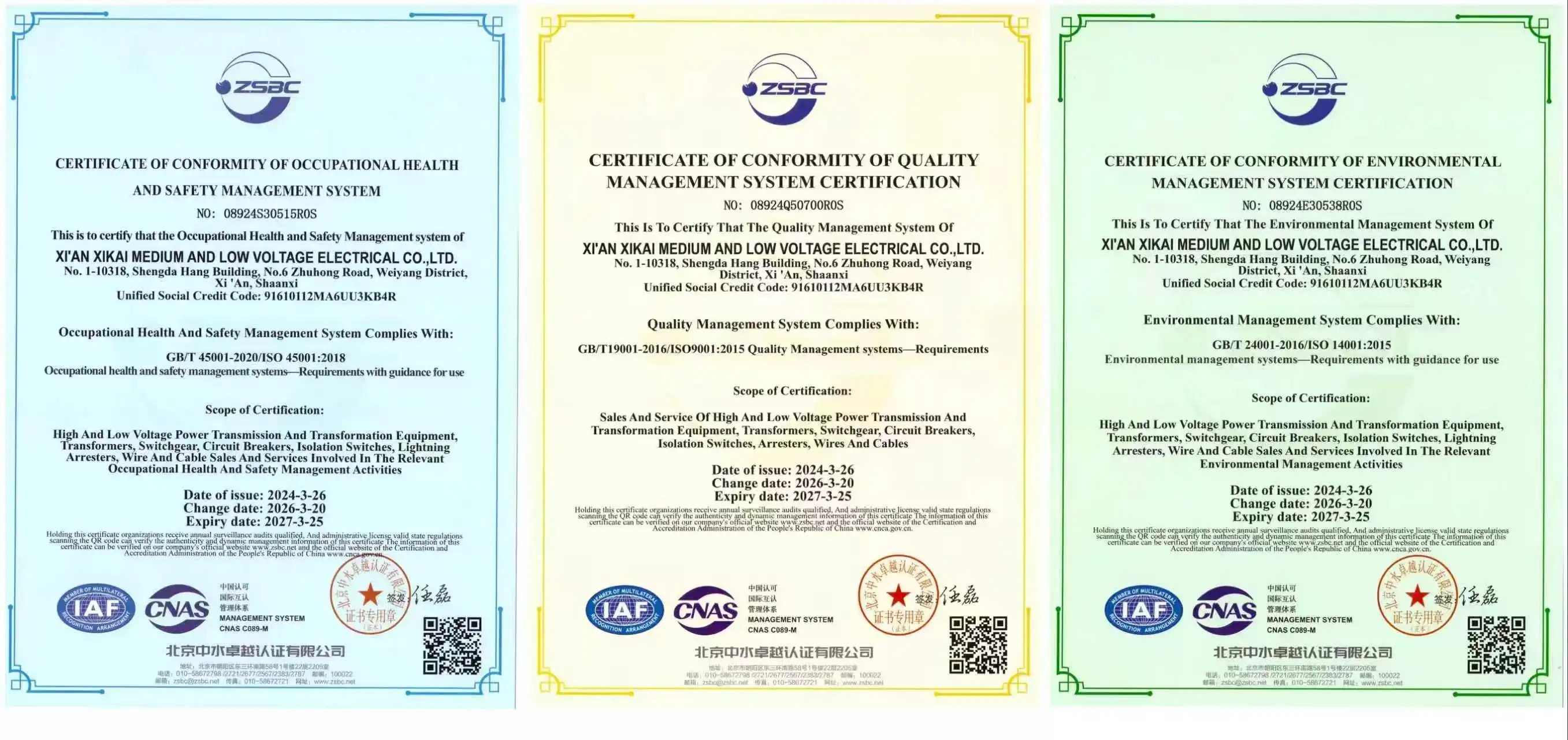
Buying low-voltage fixed-type switchgear involves more than just looking at a catalog. When problems happen years after installation, it's important to have access to engineering tools, testing labs, and global help networks from well-known manufacturers. Companies like ABB, Siemens, and Schneider Electric have regional service centers with factory-trained techs that can help with complicated problems with how protective relays work together. Some Chinese companies, like Xi'an Xikai, offer affordable prices and are getting better at tech. Their goods are made to the same high standards as those made by global companies, and they offer customization options that are hard to find from those companies. Independent test reports from accredited labs should always be checked; never just rely on the manufacturer's statements of conformity. Quality management systems that are ISO 9001 certified show that the production process is uniform. Facilities that have been inspected under ISO 14001 environmental standards show that they responsibly source materials and handle trash, which is becoming more and more important as companies' sustainability goals affect their purchasing choices. When recording conflict-free mineral sources for SEC reporting standards, supply chain openness is important.
Customization Options and Lead Time Considerations
Catalog goods that are already made work well for many uses, but sometimes they need to be changed to fit the needs of a specific location. Custom busbar layouts can handle generator secondary connections that aren't common or motor control center integration that isn't standard. Specialized coats can stand up to corrosive environments in chemical plants or seaside sites where salt spray is a problem. Early on in the design process, procurement teams should make sure that they understand how customizations can be made. Some makers keep modular systems that let choices work together without having to wait for engineering to finish. Others see changes as unique jobs that need 12 to 16 weeks of lead time for design approval and tooling. The GGD line from Xi'an Xikai uses flexible horizontal and vertical busbar arrangements that can be changed to fit different spaces without requiring a lot of reengineering. Strategies for buying in bulk lower unit costs but add costs to keeping supplies on hand. Framework agreements set price and delivery dates, and shipments are staged to match installation goals. This helps facilities plan building stages that last more than one year. With vendor-managed inventory programs, suppliers take care of storage, which frees up cash and warehouse space.
Installation Support and After-Sales Service
Professional installation makes the difference between jobs that go well and ones that don't. Reliable providers send factory-certified installation managers to make sure that the right parts are put together and that the testing and torque requirements are met. Their help saves the guarantee, since many makers will not honor warranties if the installation doesn't follow the instructions that were provided. After-sales help includes things like the availability of spare parts, expert hotlines, and the time it takes for field service to arrive. Instead of depending on foreign shipping for emergency fixes, U.S. facilities should check their own parts stockpiles. There are a lot of different types of warranties. Some only cover parts, while others cover work and trip costs for on-site repairs during the coverage time. Training programs teach building care staff new skills, which makes the company less reliant on outside providers. Teams can do routine jobs on their own after attending workshops that teach them how to program protective relays, maintain breakers, and use thermographic inspection methods. Online tools like debugging tips and listings of spare parts keep operations going even after the Low Voltage Fixed Type Switchgear is fully operational.
Maximizing the Value of Low Voltage Fixed Type Switchgear Systems
Operational Efficiency and Uptime Optimization
The dependability of the Low Voltage Fixed Type Switchgear system has a direct effect on output measures. Electrical problems are recorded as unplanned downtime events in factories that measure overall equipment efficiency (OEE). When these systems are properly organized, problems are limited to the smallest possible part of the system. This choice stops cascade failures, which happen when one tripped breaker causes voltage drops across the building, shutting down processes that aren't affected. Monitoring technology is used in predictive maintenance methods to switch from time-based to condition-based actions. Putting in current transformers and voltage monitors lets you keep an eye on all the parameters all the time and find problems before they become problems. With built-in diagnostics, smart relays keep track of breaker actions, contact wear, and thermal events. This builds on past files that help with choices about replacement. By connecting switches to building management systems or SCADA platforms, workers can see what's happening in real time and act before something goes wrong. Voltage optimization and power factor adjustment lead to better energy economy. Fixed equipment with automatic capacitor switching keeps the power factor above 0.95, which lowers utility demand charges that punish using reactive power. Variable frequency drives (VFDs), which are managed by contactors placed on the panels, change motor speeds based on the load. This saves 20–40% of the energy used by constant-speed operation.
Regulatory Compliance and Safety Enhancement
Occupational Safety and Health Administration (OSHA) rules require safe ways to work with electricity, and people who break them face harsh punishments. NFPA 70E requires that arc flash risk assessments be done to classify hazards and set approach limits around electrified equipment. Low Voltage Fixed Type Switchgear that is properly rated as arc-resistant reduces the amount of incident energy. This means that repair work can be done with less personal protective equipment (PPE), possibly downgrading from 40 cal/cm² arc suits to 8 cal/cm² rated gear. Updates to the National Electrical Code (NEC) keep making safety standards higher. The 2023 revision made ground fault protection standards stricter and made it clearer what needs to be done for key operations' power systems to selectively coordinate. Updating old equipment to meet current code requirements saves facilities from risk and makes work safer for everyone. Insurance companies are checking electrical systems more and more. Older hardware can lead to higher prices or coverage limits. Documentation methods go beyond hardware specs to ensure compliance. Keeping test records, upkeep logs, and as-built drawings shows that you did your job correctly during checks. Digital record-keeping systems keep track of when things happen and who is responsible for them. This is useful information in case something goes wrong and regulators start looking into it.
Future-Proofing and Technology Integration
The development of smart grids is what drives the use of communication protocols in equipment that distributes electricity. Modern Low Voltage Fixed Type Switchgear has ports for Modbus RTU, DNP3, or IEC 61850, which lets it work with systems that control energy. This connection helps demand response programs, in which utilities automatically turn off loads that aren't needed during busy times. This makes facilities money while also making the grid more stable. Adding renewable energy poses technical problems that can be solved by using modern switches. Traditional protective switches have a hard time detecting the two-way power flows that are made by solar photovoltaic panels and battery energy storage systems. Distributed sources can't backfeed deenergized utility lines during outages, so anti-islanding security keeps line workers safe. These complicated power flows are safely controlled by fixed equipment set up with directional overcurrent switches and timing controls. Long-term planning is based on scalability issues. By installing equipment that is rated 20–30% higher than what is needed now, future growth can be accommodated without having to be completely replaced. Because systems like the GGD series are built in modules, you can add more external feeds as the load increases. This protects your initial capital investments. Retrofits are easier when there are extra pipe slots and cable trays that are too big. This keeps expensive structural changes from being needed to increase distribution capacity.
Conclusion
When choosing the right electrical distribution equipment, buyers must balance short-term budget constraints with long-term operational reliability and maintenance goals. Low Voltage Fixed Type Switchgear has proven effective in environments that prioritize simplicity, space efficiency, and reduced maintenance requirements. The permanently fixed structure of Low Voltage Fixed Type Switchgear provides strong short-circuit resistance and thermal stability while minimizing potential failure points compared to more complex withdrawable systems. Compliance with international standards such as IEC 60439-1 ensures safety and dependable operation across a wide range of industrial applications. During the early specification stage, procurement teams should carefully evaluate manufacturer qualifications, verify certification authenticity, and establish clear customization requirements. With proper maintenance, Low Voltage Fixed Type Switchgear systems can deliver decades of reliable service while protecting personnel and equipment and supporting critical uptime requirements for factories, data centers, and utility infrastructure.
FAQ
1. What distinguishes fixed switchgear from withdrawable designs?
Circuit breakers and other parts are permanently mounted inside the container by Low Voltage Fixed Type Switchgear. This makes the unit smaller and less likely to move. Breakers on sliding carriages in withdrawable designs can be taken out for repair without having to unhook the wires. Fixed types are easier to build and cost less at first, while withdrawable types let you change the breaker faster when it needs to be fixed. What you choose relies on how easy it is for maintenance workers to get to, how much room you have, and your budget. Fixed systems are often preferred by places that don't need to do much electrical work because they are reliable and require less upkeep.
2. How does breaking capacity affect switchgear selection?
Breaking capacity tells you the biggest fault current that the breakers can safely stop without hurting anything. Systems have to be able to handle the worst-case scenario of short circuits happening when transformers or engines upstream break down. If you try to stop equipment that isn't rated properly, it could explode, causing arc flash dangers and a lot of damage. Coordination studies figure out how much fault current is available at each distribution point, which helps with choosing the right capacity. The GGD series 65kA rating can handle serious faults that often happen in industrial setups that are powered by big transformers. It gives you extra safety reserves above and beyond normal working conditions.
3. What maintenance tasks ensure long-term reliability?
Visual checks done once a year find signs of overheating, broken connections, and damaged insulation before they break. Thermographic scans find hot spots that mean parts with high resistance or circuits that are overloaded. Checking the torque on busbar links makes up for the effects of thermal cycles that make hardware loosen over time. Protective relay testing makes sure that trip settings stay correct, which is especially important as mechanical parts get older. Measurements of contact resistance on the ends of circuit breakers stop voltage drops and too much warmth. Full maintenance logs keep track of finds and trends, which helps with making planned replacements instead of last-minute fixes.
Partner with Xi'an Xikai for Reliable Low-Voltage Fixed-Type Switchgear Solutions
Xi'an Xikai Medium & Low Voltage Electric Co., Ltd. has been an engineering firm for more than 30 years and can help with problems related to electricity distribution. Our GGD Low Voltage Fixed Type Switchgear has a design that has been used for a long time and comes with advanced features like IP54+ safety grades and 65kA short-circuit capacity. We help site managers, utility companies, and EPC contractors all over North America with unique solutions that meet IEC and GB standards because we are a trusted manufacturer of this equipment. Our goods are used in harsh environments like petrochemical plants and data centers. We offer full expert help and short wait times to back this up. Send an email to serina@xaxd-electric.com, amber@xaxd-electric.com, or luna@xaxd-electric.com with the details of your idea.
References
1. Institute of Electrical and Electronics Engineers, "IEEE Standard for Low-Voltage AC Power Circuit Breakers Used in Enclosures," IEEE C37.13-2015, New York, 2015.
2. National Fire Protection Association, "Standard for Electrical Safety in the Workplace," NFPA 70E-2021, Quincy, MA, 2020.
3. International Electrotechnical Commission, "Low-voltage Switchgear and Controlgear Assemblies - Part 1: Type-tested and Partially Type-tested Assemblies," IEC 60439-1:2004, Geneva, Switzerland, 2004.
4. Underwriters Laboratories, "Industrial Control Panels - UL 508A Standard for Safety," Northbrook, IL, 2018.
5. American National Standards Institute, "American National Standard for Low-Voltage Switchgear and Controlgear - Arc-Fault Test Methods," ANSI/UL 60947-1:2019, Washington, DC, 2019.
6. Electrical Safety Foundation International, "Electrical Preventive Maintenance: A Guide to Equipment Reliability and Safety," Arlington, VA, 2019.