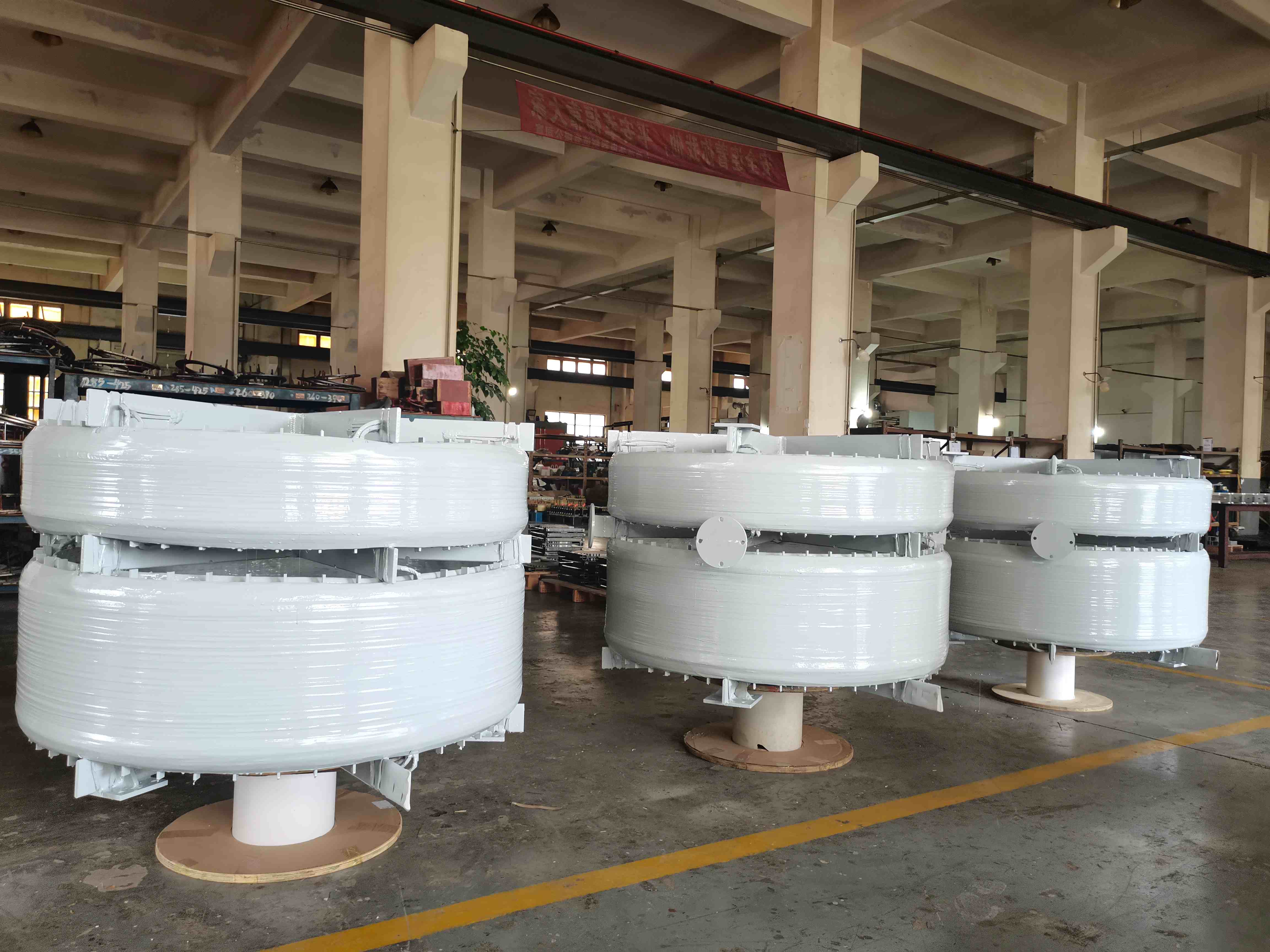
Why Current Transformer Is Essential in Protection Systems?
2026-04-29 16:36:19
There are only milliseconds between quickly isolating a power system fault like an overload, short circuit, or ground fault and causing a lot of damage. In electrical protection systems, current transformers (CTs) watch out for dangerous high-magnitude currents and turn them into safe, proportional signals that protection relays can understand and act on right away. Without accurate current measurement from CTs, relay protection isn't reliable, which means that factories could have long downtimes, data centers could have equipment failures, and utility grids could have blackouts that spread to other areas. For facility managers who are in charge of mission-critical infrastructure, having the right kind of CTs determines whether a fault leads to a controlled shutdown or the destruction of equipment and loss of revenue.
 |
 |
Understanding Current Transformers and Their Role in Protection Systems
For electrical protection, accuracy is needed. Even small mistakes in measurements can cause false trips or, even worse, fail to find real faults in modern utility networks and industrial facilities. This problem can be solved by current transformers, which change high primary currents (often hundreds to thousands of amps) to standard secondary values of 1A or 5A that protective relays and meters can safely handle.
Operating Principles and Core Functions
A current transformer operates through electromagnetic induction, where load current in the primary conductor generates a proportional current in a secondary winding around a magnetic core. Unlike voltage transformers, Indoor High Voltage Switchgear CTs maintain a stable current ratio across varying loads, ensuring accurate measurement throughout the operating range. The ratio Ip/Is = Ns/Np holds true within rated burden limits, which define maximum allowable secondary impedance. Exceeding burden causes core saturation, distorting waveforms and reducing protection accuracy precisely when fault detection reliability is most critical.
Distinguishing CTs from Potential Transformers
CTs and PTs serve different roles in Indoor High Voltage Switchgear systems and are often confused in procurement. CTs measure current by acting like short-circuited transformers, while PTs step down voltage for metering and relay inputs, typically to 120V or 70V. CT secondary circuits must never be opened under load, as this creates dangerous voltages and core saturation. In contrast, PTs operate safely with open secondary conditions. CTs connect in series with loads, while PTs connect in parallel, reflecting fundamentally different operating principles.
Classification and Application Contexts
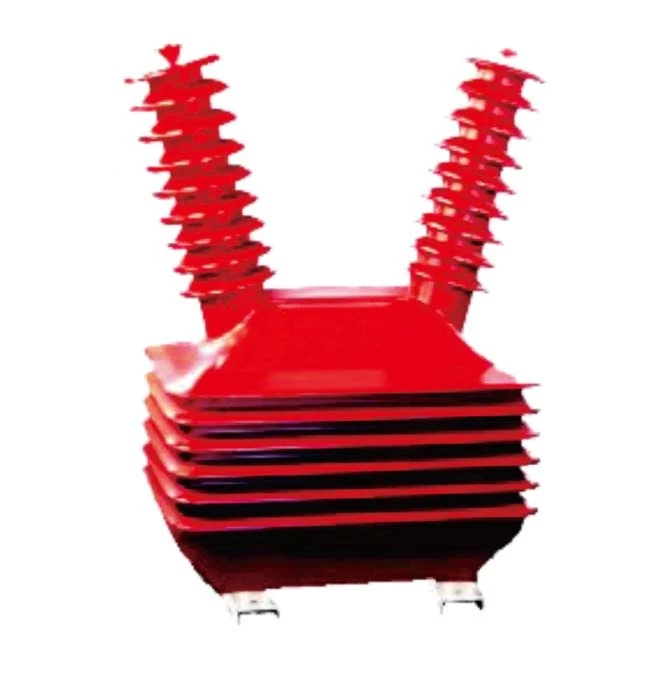
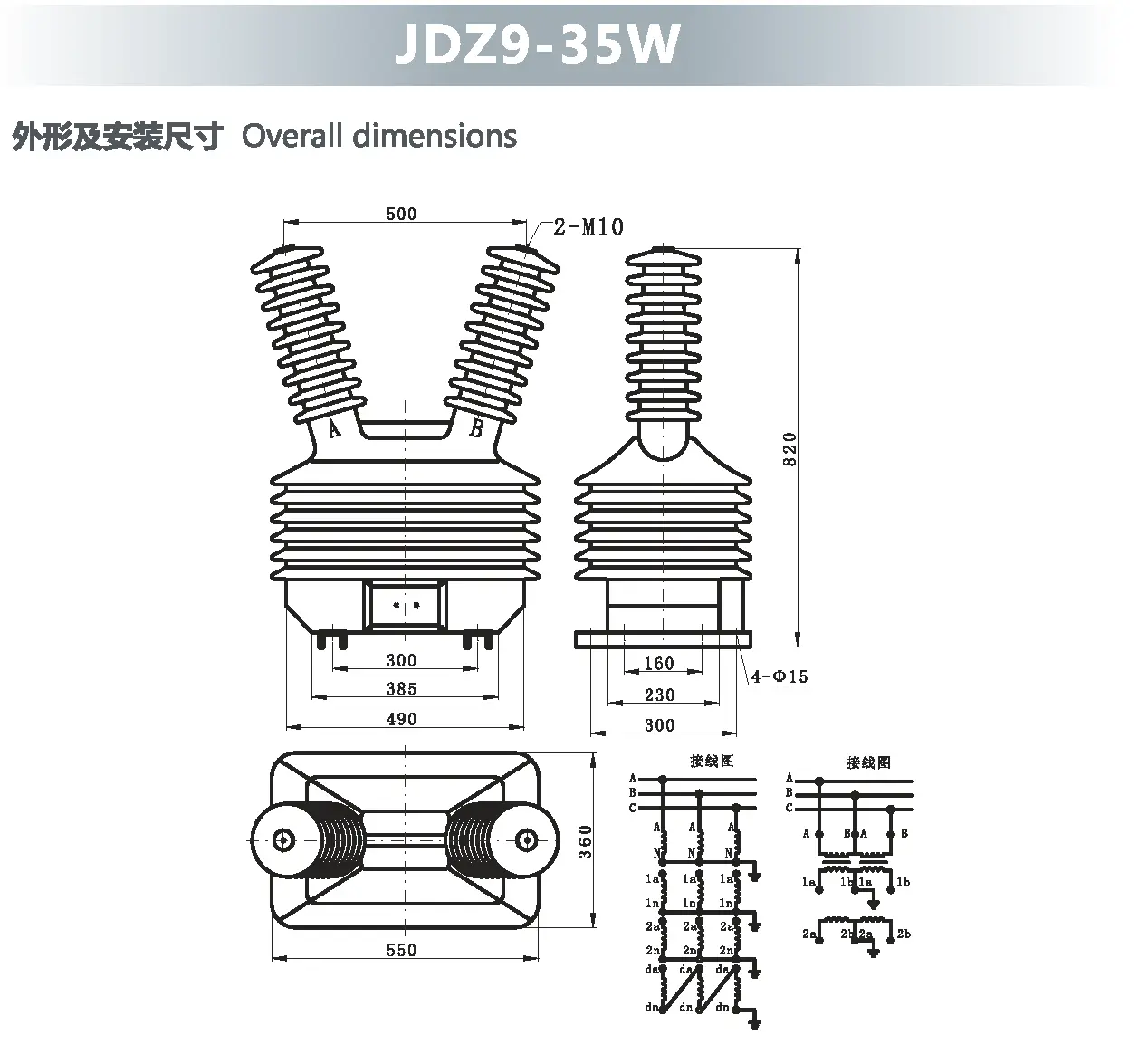
Current transformers used in Indoor High Voltage Switchgear come in multiple designs suited to different applications. Wound-type CTs provide high accuracy for low-current metering and revenue measurement. Bar-type CTs use the primary conductor as a single turn, simplifying installation in busbar systems common in substations. Split-core CTs allow installation without disconnecting live conductors, ideal for retrofit projects in hospitals or data centers. Epoxy-cast insulation types protect against moisture, pollution, and altitude stress, ensuring stable performance in coastal or high-elevation environments.
Standards Compliance and Safety Protocols
Indoor High Voltage Switchgear CTs must comply with IEC 61869 or IEEE C57.13 standards to ensure measurement accuracy and interoperability. Protection CTs typically use 5P or 10P classes, while metering CTs use 0.2 or 0.5 for higher precision. Safety rules prohibit opening secondary circuits under load due to dangerous voltage induction. Proper grounding of one secondary terminal prevents hazardous potentials. These standards ensure safe handling, reliable performance, and consistent behavior across manufacturers during commissioning, operation, and long-term maintenance cycles.
Why Current Transformers Are Crucial in Electrical Protection Systems?
Differential, overcurrent, distance, and ground fault protection relay schemes all depend on accurate current transformer measurement to tell the difference between normal load conditions and fault situations that need to be isolated right away. The current transformer connects the primary circuits with high power to the sensitive electronic protection devices. This lets faults be found quickly while keeping people safe.
Precision Measurement Impact on System Safety
Accurate current measurement in Indoor High Voltage Switchgear is essential for safe and selective fault isolation. Protection relays depend on CT outputs to determine when current exceeds preset thresholds and trigger breakers. Fault currents can rise rapidly to extreme levels within cycles, so CTs must preserve waveform integrity during transients. Undersized CTs may saturate during motor starting or transformer inrush, causing false trips. Properly specified CTs ensure correct relay decisions, improving system reliability, operational continuity, and reducing costly interruptions in critical infrastructure.
Cost Implications of Accurate Current Sensing
In Indoor High Voltage Switchgear systems, accurate CT performance directly impacts operational costs and downtime risk. Data centers may lose thousands of dollars per minute during outages, making reliable CT-based protection essential. High-quality CTs help detect internal faults early, preventing cascading failures and expensive repairs. Utilities rely on precise current sensing for grid coordination and regulatory compliance. In hospitals, accurate CTs ensure seamless transfer to backup power systems. The cost of high-precision CTs is minimal compared to outage-related financial and safety risks.
Troubleshooting Protection Failures Linked to CT Issues
Many protection failures in Indoor High Voltage Switchgear originate from CT-related problems. Open secondary circuits, incorrect polarity, or excessive burden can cause relay malfunctions or false trips. CT saturation during faults or motor starts distorts current signals, reducing protection reliability. Multiple relay connections increase total burden, worsening accuracy issues. Engineers often resolve problems by recalculating burden, upgrading CT ratings, or reducing secondary wiring impedance. Proper CT sizing and installation practices are critical to maintaining dependable protection system performance under all operating conditions.
How to Select the Right Current Transformer for Your Protection Needs?
When choosing current transformers, you have to balance technical needs, environmental conditions, and business needs. Procurement professionals have to sort through accuracy classes, mechanical formats, and manufacturer choices while making sure that the new equipment works with existing security systems and meets all standards.
Technical Specification Parameters
Selection of current transformer accuracy class depends on application requirements, with 0.2 or 0.5 classes used for revenue metering and 5P or 10P for protection duties where accuracy limit factor is more critical than low current precision. Rated primary current should exceed maximum load with margin to avoid saturation or oversizing issues affecting accuracy and sensitivity. Secondary burden must include lead resistance and relay input, ensuring CT capacity exceeds total by at least 25 percent for future expansion and reliable performance across operating conditions in power systems applications.
Environmental and Installation Considerations
Environmental conditions strongly influence CT selection, with outdoor installations exposed to rain, UV radiation, pollution, and temperature variation requiring epoxy-resin insulation and sealed enclosures for improved durability, especially in coastal regions where salt corrosion is a concern. Altitude reduces insulation performance, requiring derating above 1,000 meters unless plateau-rated designs are used. Temperature rise in enclosed switchgear further stresses insulation, making thermal class compliance critical to prevent accelerated aging and failure under sustained electrical and environmental stress conditions. Proper site assessment ensures long-term operational reliability and safety margins maintained.
Manufacturer Comparison and Supplier Evaluation
Global manufacturers such as Siemens, ABB, and Schneider Electric provide comprehensive CT portfolios with strong documentation, established supply chains, and extensive service networks, ensuring high reliability but at higher cost levels suited for standardized large-scale projects. Regional manufacturers like Xi'an Xikai offer customization, vacuum casting, and automated winding processes that improve precision and reduce internal defects, supported by extensive testing under electrical and mechanical stress conditions. Selection between standard and customized CTs depends on application complexity, installation requirements, and system integration needs across diverse projects worldwide deployment contexts.
Procurement Strategy and Supplier Reliability
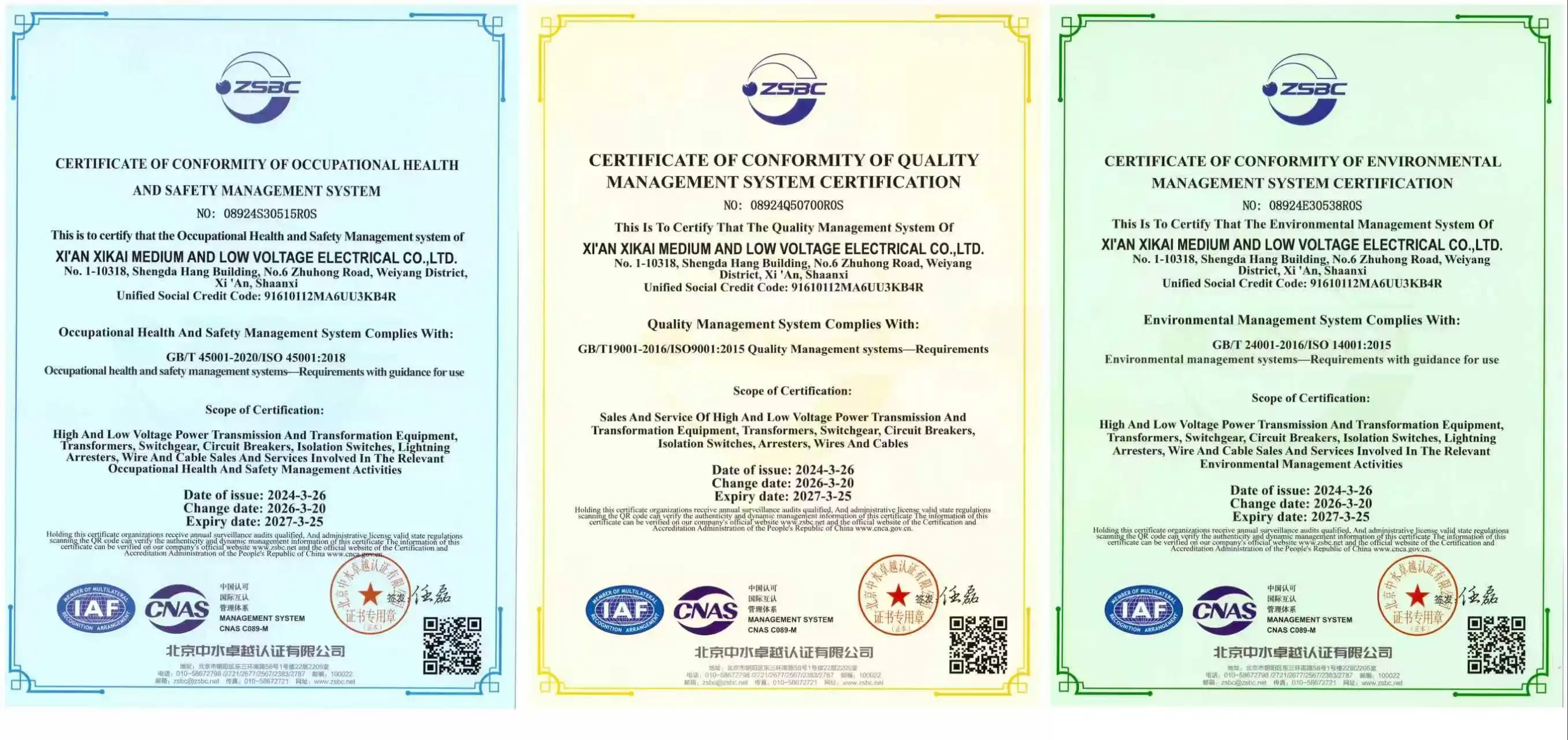
Procurement decisions must consider total cost of ownership rather than initial price alone, including installation, maintenance, commissioning, and downtime risks, where long-life low-maintenance CTs often outperform cheaper alternatives over full lifecycle usage. Supplier capability assessment should include technical support, application engineering assistance, and spare parts availability to ensure operational continuity and reduce integration errors in protection systems. Certifications such as ISO 9001, ISO 14001, ISO 45001, and IEC compliance demonstrate quality assurance, environmental responsibility, and international interoperability across electrical infrastructure applications in global power systems networks reliability assurance.
Step-by-Step Guide to Installing and Maintaining Current Transformers
Installing and maintaining a current transformer correctly will make it work better and last longer. When installation mistakes are made or maintenance schedules aren't followed, even high-quality transformers don't work as accurately as they should. Systematic approaches to deployment and maintenance are helpful for both engineering and maintenance teams.
Installation Best Practices
Proper CT installation requires secure mechanical mounting to prevent vibration and insulation damage, using manufacturer-recommended hardware and torque settings, especially in outdoor environments where UV and thermal cycling degrade materials. Primary conductor orientation must follow polarity markings to ensure correct protection operation, as reversal can disrupt differential and directional schemes. Secondary wiring must be correctly sized and tightly connected to avoid heating and measurement errors, while single-point grounding at the relay panel prevents circulating currents and ensures measurement stability and operator safety during commissioning and operation checks process.
Maintenance Protocols and Calibration
Regular maintenance ensures CT reliability through visual inspection for physical damage, infrared thermography for detecting overheating connections, insulation resistance testing using megohmmeters to identify moisture ingress, ratio verification to confirm transformation accuracy, and burden measurement to ensure secondary impedance compliance. Trending data from periodic testing identifies degradation early, allowing preventive action before failure occurs. Annual or periodic calibration depending on voltage class ensures long-term measurement stability, while deviations beyond tolerance indicate issues such as winding damage, core saturation, or insulation deterioration requiring corrective maintenance or replacement actions required.
Troubleshooting Common Problems
Common CT issues include secondary circuit faults causing relay malfunction due to loose connections or open circuits, leading to unpredictable protection behavior and potential equipment damage. Saturation problems occur when CT burden exceeds rated capacity, resulting in distorted current waveforms during fault conditions and incorrect relay operation, requiring burden reduction or CT upgrading. Polarity errors in differential protection schemes cause miscoordination between phases, identified through phase comparison testing during commissioning. Correcting wiring, verifying burden, and ensuring polarity alignment restores reliable protection system performance in electrical networks operation safety.
Comparison of Current Transformer Technologies and Market Solutions
Current transformer capabilities are still getting better as technology changes. New designs offer better accuracy, smaller sizes, and integration with digital protection platforms. Understanding these changes helps procurement professionals make sure that investments in protection systems will still work in the future and take advantage of performance gains.
Current Transformers Versus Potential Transformers
Current transformers measure load and fault currents for protection systems, while potential transformers provide voltage references for power measurement, impedance calculation, and directional protection functions. Both are required for complete protection schemes such as distance relays, generator differential protection, and directional overcurrent coordination, ensuring accurate system response. Proper coordination between CT and PT accuracy classes is essential to avoid phase angle errors that can compromise protection performance. Manufacturer application guides help engineers ensure correct instrument transformer selection and system compatibility in grid protection design implementation reliability assurance systems.
Molded Versus Wound Construction Comparison
Molded current transformers encapsulate windings in epoxy resin, providing strong environmental resistance suitable for outdoor and industrial applications, though care must be taken to avoid voids that cause partial discharge. Vacuum casting improves insulation integrity and reliability. Wound CTs offer higher precision for metering applications due to tighter winding tolerances and optimized core materials, making them ideal for revenue billing systems requiring high accuracy. Molded designs are cost-effective for protection, while wound types provide superior measurement accuracy, and selection depends on application requirements and performance priorities engineering decisions.
Emerging Smart CT Technologies
Smart current transformers integrate digital electronics that convert analog secondary currents into fiber-optic transmitted signals, eliminating analog wiring and improving diagnostic capabilities such as self-monitoring and predictive maintenance. These systems enhance accuracy in revenue metering applications, especially in deregulated markets where small errors affect financial outcomes. Digital CTs enable real-time data analytics, including harmonic analysis and load profiling, improving asset management strategies. Predictive algorithms based on CT data help detect early signs of failure, enabling condition-based maintenance and extending equipment life while reducing unplanned outages system reliability improvement.
Conclusion
In conclusion, current transformers are the sensors that make electrical protection systems work. They allow faults to be found quickly and equipment to be isolated in a way that doesn't disrupt operations. When real-world disturbances are used to test protection schemes, the success or failure of the schemes depends on how well they can measure currents ranging from normal loads to extreme fault conditions. For people who run industrial facilities, power companies, and EPC companies, choosing high-quality CTs from makers who show they have technical knowledge and a commitment to quality is an important part of managing risk. As power systems get more complicated and reliability standards rise, investing in current transformers that are properly specified, professionally installed, and carefully maintained pays off in a big way by reducing downtime, increasing equipment life, and making workers safer.
FAQ
1. What distinguishes current transformers from potential transformers?
Transformers that change current measure both load and fault currents. They do this by stepping down high primary current transformers to safe secondary levels of 1A or 5A for meters and protection relays. All of them are connected in a row to the load circuit. Potential transformers measure voltage and lower high voltages to normal 120V or 70V secondary values. They connect to circuits in parallel. Each one protects and meters in a different way.
2. How do you verify the CT accuracy class?
To check the accuracy, you need special test equipment that can inject known primary currents and measure the secondary output that comes out of them across a certain burden impedance. During the whole operating range, the total error, which includes the ratio error and the phase angle displacement, needs to stay within the class limits. According to IEC 61869 or IEEE C57.13 standards, certification testing is done by accredited laboratories.
3. What safety measures apply to CT installation?
If you open CT secondary circuits while primary current is flowing, dangerously high voltages will build up. To avoid case voltage hazards, you should always ground one secondary terminal. The right wire size will reduce the load and keep it from getting too hot. Check the polarity markings to make sure the relay works right. Before taking away connected equipment, short the secondary terminals.
Partner with Xi'an Xikai for Superior Current Transformer Solutions
Xi'an Xikai is a great place to buy high-quality products. Their current transformers are carefully designed to meet the needs of power grids, factories, and renewable energy installations. Our vacuum-cast construction gets rid of gaps in the insulation, automated winding makes sure that the transformation ratios are always the same, and thorough testing proves that the performance works in real-world stress situations. Our designs are ready for the smart grid and have error rates of less than 0.2%. They support real-time monitoring and have service lives of 20 years or more, which lowers the total cost of ownership. Our commitment to quality is shown by our ISO 9001, ISO 14001, and ISO 45001 certifications, and our compliance with IEC standards ensures that our products work with everything in the world. Our engineering team can quickly change ratios, mounting configurations, or enclosures, and they back this up with 5-year warranties and technical support 24 hours a day, 7 days a week. Contact our experts at serina@xaxd-electric.com, amber@xaxd-electric.com, or luna@xaxd-electric.com to talk about your needs for a protection system and find out why procurement professionals trust Xi'an Xikai as their current transformer supplier.
References
1. Institute of Electrical and Electronics Engineers. "IEEE Standard Requirements for Instrument Transformers." IEEE Std C57.13-2016, Revision of IEEE Std C57.13-2008, March 2016.
2. International Electrotechnical Commission. "Instrument Transformers - Part 2: Additional Requirements for Current Transformers." IEC 61869-2:2012, October 2012.
3. Blackburn, J. Lewis and Domin, Thomas J. "Protective Relaying: Principles and Applications, Fourth Edition." CRC Press, Taylor & Francis Group, 2014.
4. Zhang, Wei and Chen, Xiaoming. "Analysis of Current Transformer Saturation Effects on Differential Protection Performance." Electric Power Systems Research, Volume 142, January 2017, pages 257-265.
5. Electricity Coordinating Council. "Protection System Performance Analysis: Current Transformer Application Guidelines for Transmission and Distribution Systems." North American Electric Reliability Corporation, Technical Report NERC-2019-TPR-04, June 2019.
6. Anderson, Paul M. "Power System Protection." IEEE Press Series on Power Engineering, Wiley-IEEE Press, 1999.