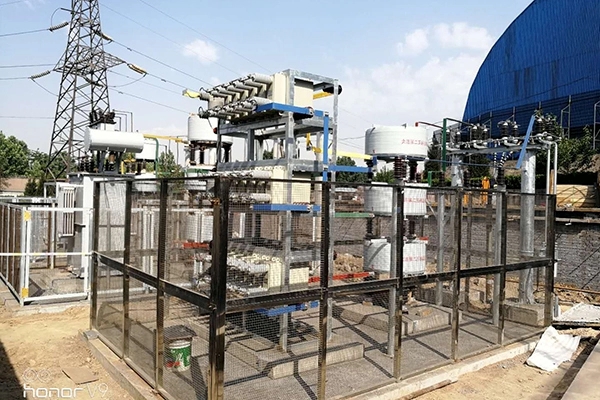
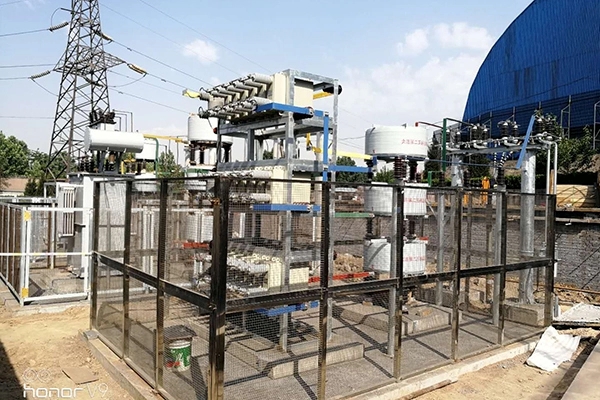
Why Disconnect Switch is Important in Power Distribution?
2026-04-28 16:16:01
When it comes to power distribution systems, the Disconnect Switch is the most important safety part because it cuts off all power during maintenance, emergencies, and system upgrades. Disconnect Switches are different from protective devices that react to faults because they clearly separate powered circuits from unpowered equipment. This keeps workers safe and operations running smoothly. This physical disconnect creates an air gap that stops accidental re-energization. This is very important for places like industrial plants, data centers, substations, and commercial buildings where even short-term safety violations can cause huge damage to equipment, injuries to staff, or long periods of downtime that hurt profits.
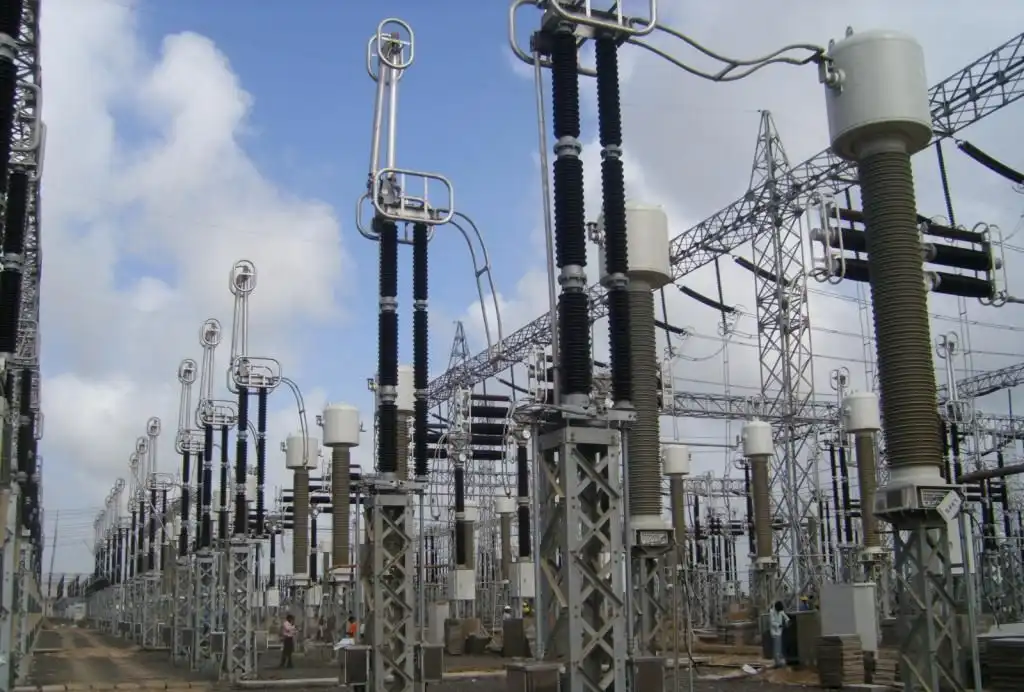
Understanding Disconnect Switches and Their Purpose
What Makes Disconnect Switches Essential for Safe Isolation
Disconnect Switches are mechanical devices that physically cut power to electrical circuits. This makes a break that can be seen by maintenance workers before they start work. Safety is more important than fault protection at this point. Disconnect Switches make sure that the work area stays completely off when a factory needs to service CNC equipment or a hospital needs to replace parts of a transformer. This clear separation stops the dangers of residual voltage, energy stored in capacitors, or the system turning back on by accident during important maintenance windows.
Core Operating Principles Behind Electrical Isolation
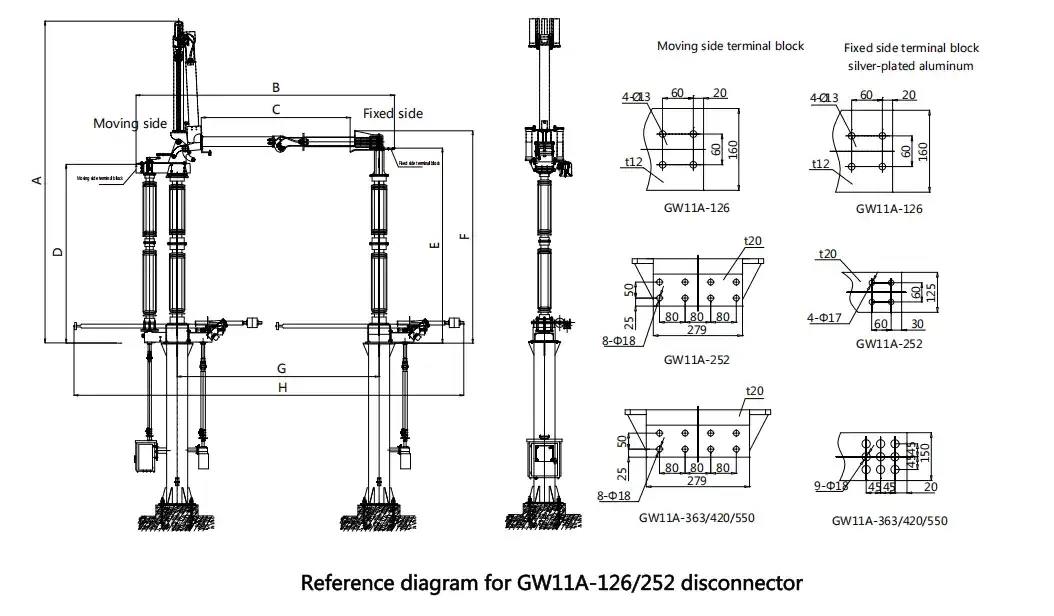
With Disconnect Switches, blade-type contacts move apart to make enough space for the switch to work. When the mechanism is turned on by hand or by a motor, the moving blade physically separates from the stationary contact, creating an insulation gap. This gap needs to be able to handle the system's rated voltage without arcing or partially discharging. Modern designs, like the GW11 High Voltage Disconnect Switch, use pantograph mechanisms with two blades to separate things reliably while keeping mechanical stress to a minimum. The enclosed transmission system keeps the internal parts clean from outside contaminants, so it can work properly even in harsh industrial settings.
How Disconnect Switches Differ from Protection Devices
Using advanced arc-extinguishing technology, circuit breakers automatically cut off fault currents. Disconnect Switches, on the other hand, can only work when there is no or very little load on them. When you try to open a Disconnect Switch when it's fully loaded, you can cause dangerous arcing that can damage equipment and put people in danger. Because of this basic difference, they play complementary roles: circuit breakers automatically shut down power when something goes wrong, while Disconnect Switches shut down power on purpose for planned activities. Knowing this difference keeps you from using it in the wrong way, which could put system safety and reliability at risk.
Types of Disconnect Switches and Their Applications
Classification by Pole Configuration and Fusing Options
In industrial settings, different Disconnect Switch configurations are needed to work with different electrical systems. Simpler circuits work best with single-pole designs, while balanced three-phase systems, which are common in heavy manufacturing, work best with three-pole designs. Overcurrent protection is built right into fused Disconnect Switches, which makes panel design easier and reduces the size of the footprint needed. Non-fused models use separate protection devices, which gives you more options when coordinating protection schemes across complicated distribution networks. Which of these configurations to use depends on the type of load, the amount of space that is available, and the protection coordination needs that were set during the system design.
Insulation Technology: Air vs. Oil Solutions
Because they are simple and easy to see, air-insulated Disconnect Switches are most often used in outdoor substations. The GW11 model has horizontal insulation breaks that make live-line maintenance safe. This is an important feature for utilities that can't afford to have power outages for long periods of time. When insulating air, you need to think carefully about pollution levels and altitude, since both of these things lower dielectric strength. Oil-insulated alternatives work better in dirty environments, but they need stricter maintenance rules to keep the insulation from breaking down. Polymer insulators that don't track and keep working at high and low temperatures are used in more and more modern designs.
Manual Operation versus Motorized Mechanisms
Smaller installations with low switching frequency and budget constraints often rely on manual disconnect switches due to their simplicity, reliability, and minimal maintenance needs. However, high-voltage systems or applications requiring remote control and automation demand motorized mechanisms. The GW11 supports both manual and motorized operation, integrating auxiliary contacts for supervisory control systems. This flexibility suits diverse scenarios, from rural substations to urban networks requiring rapid load transfer. Procurement teams can match solutions to needs, such as compact indoor units for data centers or durable outdoor designs for utility substations.
Disconnect Switch vs. Circuit Breaker: Which One to Choose?
Functional Differences Defining Equipment Selection
Circuit breakers use thermal or magnetic sensing elements to find overcurrent situations. Within milliseconds, they stop fault currents automatically to protect equipment further down the line. Their arc-extinguishing chambers safely get rid of fault energy while keeping people safe. Disconnect Switches can't find faults, so they should never cut off large loads of current. They're mostly responsible for isolating the circuit after a circuit breaker has been tripped or during planned maintenance, when loads have been moved to other parts of the system. Because they do different things, these two devices can work together in well-designed systems; circuit breakers protect against dynamic damage, and Disconnect Switches allow safe maintenance access.
Performance Comparison in Low Voltage Applications
Disconnect Switches are usually able to handle 200 to 5000 amps at 600V or less in low-voltage distribution systems that serve commercial and light industrial buildings. They work great in situations where they need to be shut down often for reasons like rotating equipment, changing seasonal loads, or preventative maintenance. At these voltage levels, circuit breakers have complex electronic trip units that watch current, voltage, and power quality parameters. As electrical demands rise, the performance gap gets bigger. For example, a 4000-ampere circuit breaker might cost four times as much as a similar Disconnect Switch, but it offers more protection features, making it worth the extra money for critical loads.
Real-World Application Scenarios
A pharmaceutical manufacturing plant uses continuous processes that lose valuable products when they have to be shut down for no reason. In this case, circuit breakers protect against problems, and strategically placed Disconnect Switches let maintenance teams shut down certain process lines when there are breaks in the schedule for production. The Disconnect Switches let you work safely on motor control centers and drive panels without turning off the power to production areas next to them. In a hospital's emergency power system, on the other hand, both devices work together: automatic transfer switches have a Disconnect Switch for manual override, and circuit breakers keep generator feeds safe when something goes wrong. These real-life examples show how careful specification improves both safety and operational flexibility.
Procurement Considerations for Disconnect Switches in B2B Markets
Critical Specifications Driving Product Selection
The basic compatibility between Disconnect Switches and system needs is set by the voltage rating. The GW11 High Voltage Disconnect Switch is approved by IEC 62271 and IEEE C37.32 for use in situations up to 363kV, meeting the needs of utility transmission. Current capacity needs to be able to handle both continuous operation and short-time thermal demands during system faults. Ratings that are too low cause contacts to wear out and fail before they should. Even though interrupting capacity isn't as high as circuit breakers, it's still important when switching small inductive or capacitive loads. These specifications are easy to find in datasheets, which lets engineering teams make sure that they work together before making any purchases.
Evaluating Supplier Capabilities and Market Positioning
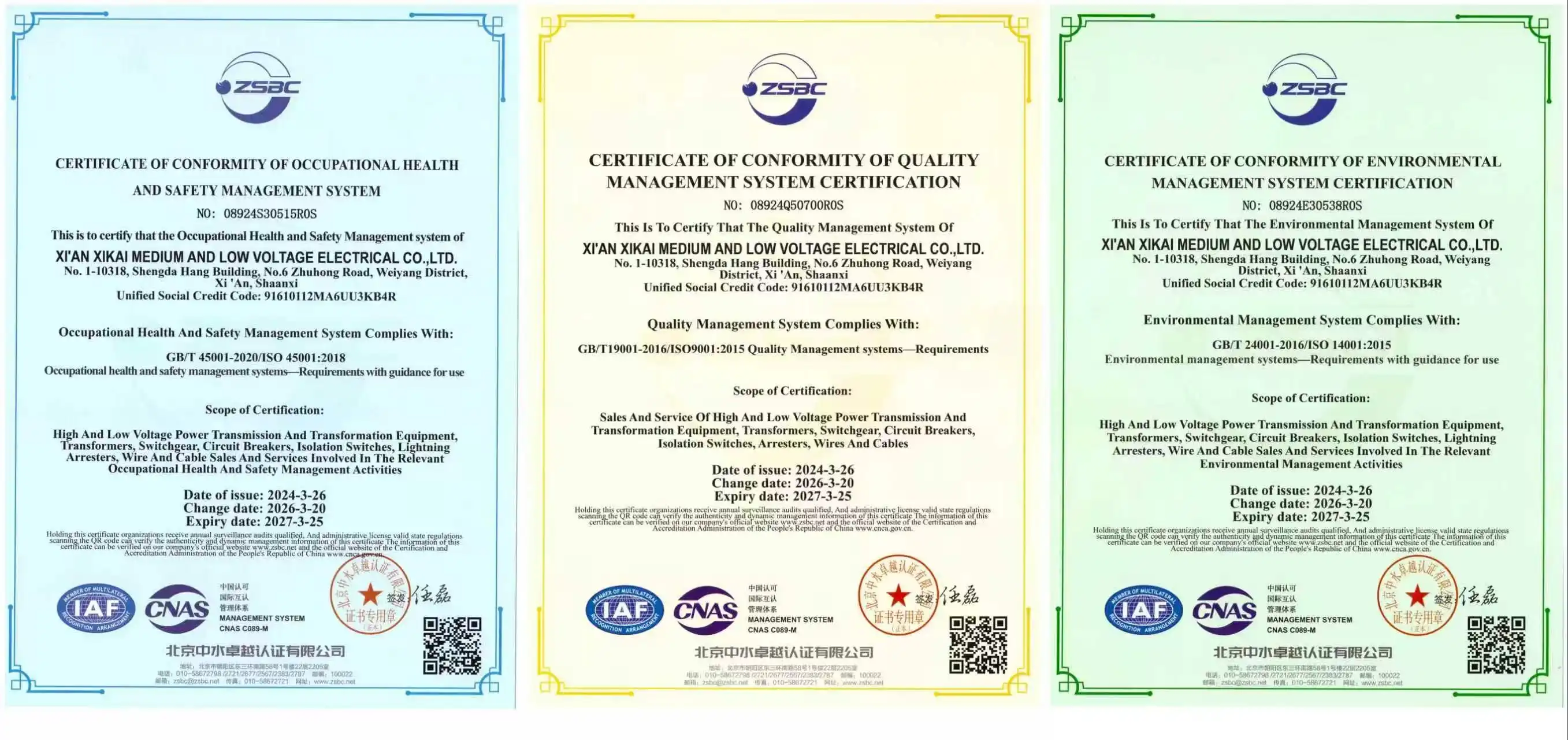
Manufacturers with a good reputation show their dedication by having extensive certification portfolios. The ISO 9001 quality management certification means that the production process is controlled in a planned way, and the ISO 14001 certification means that the company is environmentally responsible, which is something that corporate sustainability programs are increasingly valuing. Product-specific certifications, such as UL listing and CE marking, show that a product meets regional safety standards. This makes getting regulatory approvals for a project easier. Xi'an Xikai has these credentials and more than 30 years of experience making things, which makes us a reliable partner for complicated purchasing needs.
Navigating Lead Times and Supply Chain Reliability
Global supply chain disruptions often delay equipment delivery and affect project schedules. Standard Disconnect Switches typically ship within 8–12 weeks, while custom units may require up to 16 weeks. Early supplier involvement helps procurement teams reduce risks and align production with installation timelines. Direct collaboration with manufacturers like Xi'an Xikai improves transparency, providing access to schedules, quality documentation, and engineering support. This approach ensures consistent production, validated through material checks and testing, and is especially valuable for coordinating complex projects with multiple electrical components.
Maintenance Tips and Best Practices for Disconnect Switches
Establishing Effective Inspection Routines
Preventive maintenance programs make Disconnect Switches last longer and stop them from breaking down without warning, which would stop operations. Every three months, insulators should be visually checked for cracks, tracking, or the buildup of contaminants. Contact surfaces need extra care—too many pits or discolorations mean the connection is overheating because it isn't solid. According to the manufacturer's instructions, mechanical parts need to be oiled. Pay special attention to pivot points and transmission linkages that wear out while they're in use. The GW11's low-maintenance design lowers the need for service, but skipping routine inspections will still cause it to break down faster than expected.
As part of yearly maintenance, measurements of contact resistance are made and compared to baseline values set during commissioning. When resistance goes up, it means that contact erosion is happening and needs to be fixed before failures happen. Insulation resistance testing makes sure that the integrity of the insulator is still good; values that are going down could mean that moisture or pollution is getting in and weakening the dielectric. Operation counters keep track of how often switches are made, which sets off major maintenance intervals that manufacturers specify. These planned tasks keep equipment from breaking down at crucial times, when its availability has a direct effect on productivity.
Troubleshooting Common Operational Issues
Mechanical binding is often the cause of resistance when Disconnect Switches don't work smoothly. Check the transmission mechanisms for rust, debris buildup, or broken parts that are blocking movement. Limit switches and mechanical stops may be able to be adjusted to get the operation back to normal without having to replace any parts. Electrical problems in moving parts usually involve problems with the control circuit. Check the voltage supply, the function of any extra contacts, and the interlock sequences before assuming the motor is broken. Our technical support team helps customers figure out how to fix complicated problems by using decades of experience in the field to quickly figure out what's wrong.
Environmental factors play a big role in operational problems. Temperatures that are too high or too low can cause mechanical alignments to shift, and humidity can cause metal parts that are exposed to air to rust. When installations are outside in industrial areas, process emissions can cover insulators and lower the voltage during a flashover. Regular cleaning with methods approved by the manufacturer restores insulation performance without hurting polymer surfaces. When compared to fully exposed designs, the GW11's enclosed transmission system reduces the amount of contamination that gets in.
Planning Upgrades and System Modifications
As electrical systems change to handle more power or add renewable energy sources, Disconnect Switches might need to be upgraded or replaced. Compatibility tests check to see if existing devices can handle changes in voltage or increased current demands. Adding newer equipment to old systems, like the GW11, makes them compatible with the smart grid through optional IoT sensors that allow real-time monitoring for planned maintenance. These sensors keep track of the number of cycles, the temperature of the contacts, and the mechanical performance. They let maintenance teams know about problems before they happen.
Planning for integration makes sure that new Disconnect Switches work well with current control and protection systems. In substations, where many devices interact with each other in complicated ways that keep operations safe, this coordination is especially important. Our engineering team helps with upgrade projects by looking at how things are set up now and suggesting ways to keep the system's integrity while adding new features. These efforts to plan ahead keep mistakes from happening that would cost a lot of money and put safety or dependability at risk during transition times.
Conclusion
Disconnect Switches are very important in power distribution because they do more than just separate circuits. They also help with safety, operational flexibility, and maintenance in commercial, utility, and industrial settings. These devices will last for decades if they are properly specified to meet electrical needs, environmental conditions, and operational needs. Understanding how circuit breakers work differently helps keep them from being used in the wrong way and improves system design. To be successful at procurement, technical specifications, supplier capabilities, and lifecycle support infrastructure must all be carefully looked at. Xi'an Xikai is a company that combines excellent manufacturing with in-depth knowledge of applications. They offer solutions like the GW11 High Voltage Disconnect Switch that meet the strict requirements of modern power systems and give B2B customers the support infrastructure they need throughout the lifecycles of their projects.
Frequently Asked Questions
1. What distinguishes disconnect switches from circuit breakers in practical applications?
Disconnect Switches provide visible electrical isolation but don't protect against faults. They can only work when there is no load, like when planned maintenance is being done. Through arc-extinguishing mechanisms, circuit breakers automatically cut off fault currents, keeping equipment from getting damaged. When used in properly designed electrical systems, both devices work together, not against each other.
2. How often should disconnect switches undergo maintenance inspections?
Preventive maintenance is based on visual checks of insulators, contacts, and mechanical parts every three months. Testing once a year to check the contact resistance and insulation integrity finds damage that needs fixing. Major overhauls are based on what the manufacturer says should be done based on the number of operating cycles, which can be anywhere from 5 to 15 years depending on the harshness of the application and the environment.
3. Can residential installations utilize industrial-grade disconnect switches?
Smaller Disconnect Switches with 200 amps or less of current at 240V are usually used in residential settings. These switches are usually built into service entrance panels or air conditioning equipment. Industrial-grade devices like the GW11 are made for commercial and high-voltage utility uses where the ratings, size, and cost are higher than what is needed for a home. The right choice matches the device's capabilities to the needs of the application.
Partner with Xi'an Xikai for Your Disconnect Switch Requirements
Picking the right Disconnect Switch manufacturer has a direct effect on the success of your project, how reliable it is to run, and how much it will cost to maintain in the long run. Xi'an Xikai has worked with medium and high-voltage electrical equipment for more than 30 years, helping with installations in State Grid systems, petrochemical plants, rail transportation networks, and renewable energy projects around the world. Our GW11 High Voltage Disconnect Switch shows this expertise by having certifications that meet IEC 62271 and IEEE C37.32 standards, being made of an aluminum alloy that makes it lighter while also making it last longer, and having customization options that meet the needs of each grid.
In addition to delivering products, we are committed to providing full technical support for the entire lifecycle of your project. Whether you need engineering help when creating specifications, help figuring out how to meet regional compliance standards, or help with troubleshooting during commissioning, our team is available 24 hours a day, seven days a week. To talk about your needs for a Disconnect Switch supplier, email our procurement experts at serina@xaxd-electric.com, amber@xaxd-electric.com, or luna@xaxd-electric.com. Visit xaxd-electric.com to see our full line of products and learn how our manufacturing excellence and application expertise help B2B customers who need reliable, legal electrical solutions.
References
1. IEEE Standards Association. (2019). IEEE Standard for High-Voltage Switches – Rated 123 kV and Above. IEEE C37.32-2019.
2. International Electrotechnical Commission. (2021). High-voltage switchgear and controlgear – Part 103: Switches for rated voltages above 1 kV up to and including 52 kV. IEC 62271-103:2021.
3. National Fire Protection Association. (2020). NFPA 70: National Electrical Code. Quincy, Massachusetts: NFPA Publications.
4. Electric Power Research Institute. (2018). Disconnect Switch Maintenance Guide for Transmission Substations. EPRI Technical Report 3002013726.
5. Beaty, H. Wayne and Fink, Donald G. (2017). Standard Handbook for Electrical Engineers, Seventeenth Edition. New York: McGraw-Hill Education.
6. Das, J.C. (2016). Power System Analysis: Short-Circuit Load Flow and Harmonics, Second Edition. Boca Raton: CRC Press.
_1774403963080.png)