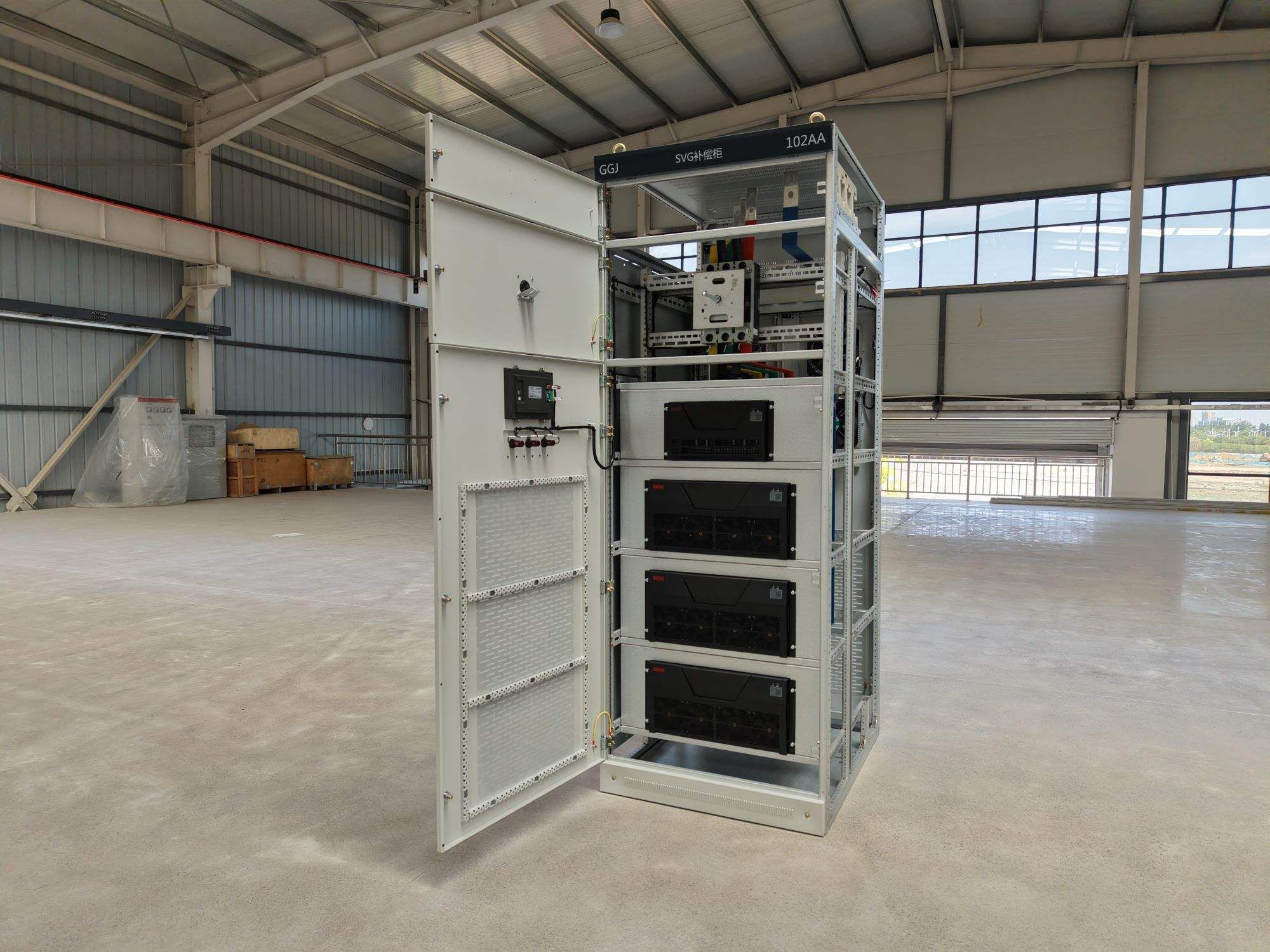
Why High Voltage Disconnect Switches are Critical for System Protection?
2026-02-04 15:46:53
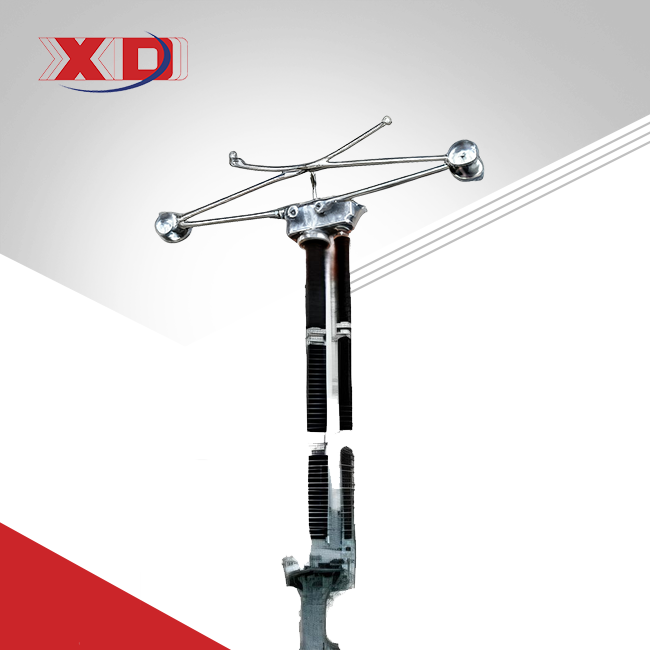
In electrical systems, high voltage disconnect switches are crucial safety barriers because they offer obvious isolation points that safeguard workers and equipment while maintenance is being performed. When power systems need to be serviced, these essential parts ensure total electrical isolation by establishing physical air gaps between energized circuits and downstream equipment. Disconnect switches are essential for system protection procedures in commercial installations, substations, and industrial facilities since they mainly serve as isolation devices that ensure zero energy flow, in contrast to circuit breakers that stop fault currents.

Understanding the Role of Electrical Isolation in Power Systems
Problems with Contemporary Electrical Grids
Increasing industrial automation, variable renewable energy sources, and the need for a steady supply of electricity present modern electrical grids with previously unheard-of difficulties. Disconnect switches serve as mechanical protectors, physically separating live conductors from electrical circuits in this intricate environment.
The Visible Separation Principle
These devices' basic idea is based on their capacity to clearly distinguish between contacts. Operators create an air gap that is too large for electrical current to cross when they open a disconnect switch. Maintenance teams are reassured by this obvious isolation that circuits stay de-energized while being serviced.
The Value of Trustworthy Isolation Techniques
Reliable isolation mechanisms are especially beneficial for industrial operations. There must be complete assurance that electrical systems stay separated during maintenance windows for manufacturing facilities using delicate CNC technology. Millions of dollars in production losses and possible safety risks could arise from a single malfunction during equipment maintenance.
Key Technical Parameters That Define Performance
Capacity of Rated Voltage
The highest system voltage that a switch can safely manage under typical operating conditions is known as its rated voltage capacity. The voltage range at which commercial disconnect switches normally function is 15 kV to 800 kV, with each rating intended for a particular use in transmission and distribution networks, including the high voltage disconnect switch designed for elevated voltage applications.
Capacity to Carry Current
The continuous current load that conductors can withstand without overheating is known as current carrying capability. Compared to conventional copper designs, modern aluminum alloy conductors perform better, lowering overall weight by about 40% without sacrificing electrical conductivity.
Specifications for Mechanical Endurance
The number of operation cycles that a switch may sustain before needing repair is indicated by its mechanical endurance parameters. Over the course of their 30-year service life, high-quality disconnect switches achieve over 10,000 maintenance-free operations, greatly lowering facility managers' operating expenses.
Ratings for the Environment
Throughout the extreme temperature range of -40°C to +85°C, environmental ratings guarantee dependable operation. Hot-dip galvanized bases lengthen equipment longevity in harsh outdoor conditions by offering improved corrosion resistance.
Core Benefits for Industrial and Commercial Operations
Enhanced Reliability of the System
After improving their isolation technology, facility operators routinely report quantifiable increases in system dependability and maintenance efficiency. These advantages have a direct effect on safety performance and operating costs in a variety of industrial sectors.
Decreased Downtime for Maintenance
The key benefit for manufacturing plants is reduced maintenance downtime. Regular servicing is no longer necessary because to sealed transmission mechanisms and self-lubricating bushings, freeing up maintenance personnel to concentrate on important production equipment rather than regular switch maintenance.
Improved Safety Procedures
When performing electrical work, improved safety procedures safeguard both workers and equipment. While horizontal insulation breaches allow for safe live-line repair procedures, mechanical interlocks prohibit dangerous activities between main contacts and earthing blades.
Optimization of Space
Optimizing space becomes more important when remodeling existing buildings. Facility managers can maximize the amount of space available for manufacturing equipment by using compact pantograph mechanisms, which require less clearance than typical knife switches.
Ability to Predict Maintenance
Switch conditions can be monitored in real time thanks to predictive maintenance features made possible by optional IoT sensors. This technique greatly increases overall system reliability by enabling maintenance teams to spot possible problems before they result in unscheduled outages.
Xi'an Xidian's Advanced Solutions vs. Conventional Alternatives
Dependable Results at Elevated Levels
Xi'an Xidian's engineering methodology offers quantifiable improvements over traditional designs when comparing disconnect switch technologies. At elevations of up to 4,000 meters, our plateau-type equipment performs dependably, meeting the particular difficulties faced by facilities in high places.
Decreased Need for Maintenance
Because of their exposed mechanical components and subpar materials, traditional disconnect switches frequently need rigorous maintenance schedules. Compared to traditional solutions, Xi'an Xidian's enclosed transmission systems reduce maintenance requirements by up to 60% by preventing dust and sand intrusion.
Increased Sturdiness in the Environment
Environmental durability is often a problem for conventional designs, which results in early failure and expensive replacements. Our flame-retardant materials satisfy the stringent NFPA 70 fire safety regulations needed for commercial installations, and our hot-dip galvanized construction offers exceptional corrosion resistance.
Easy Installation on Uneven Ground
The flexible joint design lowers building costs and installation time by making installation on uneven terrain easier. For EPC contractors overseeing intricate substation projects with difficult site circumstances, this benefit is especially helpful.
Optimal Usage Strategies for Maximum Benefits
Planning for Integration and System Requirements
Effective disconnect switch implementation necessitates careful evaluation of operational procedures and system requirements. Throughout the equipment lifecycle, optimal performance is ensured by appropriate selection and installation procedures. Compatibility with current switchgear and protection schemes should be given top priority in system integration planning. In addition to meeting system requirements, voltage ratings must include sufficient safety margins for brief overvoltages. Future load growth should be supported by the current ratings without necessitating an early equipment replacement.
Monitoring and Predictive Maintenance
Predictive monitoring systems that monitor mechanical operation parameters and contact resistance are useful for maintenance scheduling. Frequent thermal imaging examinations find connection problems before they result in equipment malfunction or safety risks. This proactive strategy reduces downtime and improves reliability.
Safety Procedures and Operator Training
In both routine and emergency situations, operator training guarantees safe and effective switch operation. Employees must be aware of the correct lockout/tagout protocols and be able to identify visual cues that verify total electrical isolation. Sufficient training enhances overall operating efficiency and lowers the chance of accidents.
Environmental Factors in the Selection of Equipment
The choice of equipment for outdoor installations is influenced by environmental factors. Switch lifetime and performance are affected by altitude, temperature extremes, pollution, and seismic activity. It is essential to choose a high voltage disconnect switch that is suited to these circumstances in order to guarantee dependable functioning and increase the lifespan of disconnect switches.
Installation Best Practices and Safety Considerations
Setting Up the Foundation
The long-term dependability and safety performance of isolation equipment are directly impacted by proper installation practices. By adhering to defined procedures, future maintenance needs are reduced and optimal operation is guaranteed. Enough concrete structures that can sustain mechanical forces during switch operation are necessary for foundation preparation. Increased wear and possible operational breakdowns can result from mechanical components being misaligned due to uneven settling.
Making Sure Electrical Connections Are Dependable
Low contact resistance must be maintained by electrical connections throughout the duration of the equipment's life. To avoid connection deterioration that could result in hazardous hotspots, proper torque standards and anti-corrosion chemicals are crucial. For safe and effective functioning, secure and dependable connections are essential.
Verification of Clearance
Verification of clearance guarantees sufficient distance between grounded structures and live components. Switching surges and environmental factors that could reduce the efficacy of insulation must be taken into consideration when determining minimum air gaps. In a variety of operational settings, proper clearance is essential for preventing electrical arcing and guaranteeing safety.
Extensive Commissioning Protocols
Prior to powering equipment, commissioning processes verify correct operation. To avoid dangerous situations during service, testing should confirm electrical continuity, mechanical operation, and interlock functionality. Prior to operation, thorough commissioning is necessary to ensure that every system is operating safely and correctly.
Smart Grid Integration and Future-Ready Features
Smooth Interoperability with Smart Grid Technologies
Digital monitoring and remote control capabilities are becoming more and more important in today's electrical systems. Modern disconnect switches preserve the essential safety features that make them necessary while integrating smoothly with smart grid technology.
Remote Monitoring in Real Time
Real-time information on switch position, contact state, and environmental conditions is provided by remote monitoring devices. Maintenance staff can use this information to plan inspections more efficiently and spot possible problems before they affect system dependability. Proactive maintenance activities are improved by timely access to this data.
Automated Switching Features
Automated switching features enable remote operation in emergency situations and during system reconfiguration. For maintenance tasks and emergency scenarios where communication systems can be jeopardized, local manual operation is still an option. Flexibility and safety in a range of operational settings are guaranteed by this dual functionality.
Integrating Data to Provide Complete System Visibility
Data integration platforms provide thorough visibility into the state of an electrical system by gathering operational data from several switches located across a building. Utility companies that oversee vast transmission and distribution networks find this capability especially useful since it facilitates better decision-making and grid management.
Conclusion
In both commercial and industrial settings, high voltage disconnect switches are essential pieces of safety infrastructure that safeguard people, machinery, and electrical systems. They are essential parts of contemporary power distribution networks because of their capacity to provide visual electrical isolation. Operational safety and efficiency are directly impacted by the performance and dependability of isolation devices as electrical systems grow more intricate and linked. Purchasing high-quality disconnect switches from reputable producers guarantees decades of dependable operation while satisfying changing safety regulations and grid integration specifications.
Frequently Asked Questions
Q1: How often should disconnect switches undergo maintenance inspections?
A: Under ordinary operating conditions, quality disconnect switches with sealed mechanisms and self-lubricating bushings usually need thorough examinations every five to seven years. Nonetheless, visual checks must to take place once a year to look for clear indications of environmental damage or wear. Facilities in challenging conditions could require more frequent maintenance.
Q2: Can disconnect switches interrupt load current safely?
A: Standard disconnect switches shouldn't stop large load currents because they are made for isolation. Arc quenching techniques are included into load break switches to provide for safe current interruption. Before attempting to open disconnect switches under load situations, always refer to the manufacturer's specifications.
Q3: What safety interlocks prevent accidental operation during maintenance?
A: A mechanical interlock on modern disconnect switches keeps the main and earthing contacts from closing at the same time. Furthermore, padlock features enable maintenance workers to keep switches in the open position while doing their duties, guaranteeing adherence to lockout/tagout safety protocols.
Partner with Xi'an Xidian for Reliable High Voltage Disconnect Switch Solutions
Xi'an Xidian stands as a leading high voltage disconnect switch manufacturer with over 30 years of engineering excellence and 1,200+ successful installations worldwide. Plateau-rated equipment, smart grid integration capabilities, and adaptable solutions for special applications are all part of our extensive product line. We provide the dependability that utility companies, EPC contractors, and industrial facilities require with ISO 9001 certification, round-the-clock technical support, and a five-year warranty. Are you prepared to modernize your electrical isolation systems? For professional advice and tailored solutions, reach out to us at serina@xaxd-electric.com, amber@xaxd-electric.com, and luna@xaxd-electric.com.
References:
1. IEEE Standard C37.32-2022: IEEE Standard for High-Voltage Air Disconnect Switches, Load Break Switches, and Grounding Switches for Outdoor Applications
2. Smith, Robert J. "Electrical Safety in Industrial Environments: Best Practices for High-Voltage Isolation Systems." Industrial Power Engineering Quarterly, Vol. 45, No. 3, 2023
3. International Electrotechnical Commission. "IEC 62271-102:2021 High-voltage switchgear and controlgear - Part 102: Alternating current disconnectors and earthing switches." Geneva: IEC Publications, 2021
4. Anderson, Michael K. and Thompson, Sarah L. "Reliability Analysis of High-Voltage Disconnect Switches in Transmission Networks." IEEE Transactions on Power Delivery, Vol. 38, No. 2, April 2023
5. National Fire Protection Association. "NFPA 70E-2021: Standard for Electrical Safety in the Workplace." Quincy, MA: NFPA Publications, 2021
6. Williams, David P. "Maintenance Optimization Strategies for High-Voltage Substation Equipment." Power System Protection and Control Journal, Vol. 28, No. 4, December 2022