What Is an SVG Static Var Generator and How Does It Work
2026-06-30 16:18:15
An SVG-Static Var Generator is a high-tech piece of power electronics that fixes reactive power in power lines by adding precise currents to keep voltage stable and power factor at its best. This technology is different from traditional capacitor banks or Static Var Compensators (SVC) because it uses IGBT-based inverters to respond within milliseconds to changing loads. This makes sure that the power factor is close to unity (0.99), and it protects sensitive equipment from voltage drops, harmonics, and costly downtime in utility, commercial, and industrial settings.
 |
 |
Understanding SVG Static Var Generators: Definition and Core Principles
Utility systems and industrial sites are under more and more pressure to provide clean, reliable power while keeping costs low. Power quality problems, like voltage flicker and harmonic distortion, shorten the life of equipment, stop production, and raise energy bills by charging more to utilities. Reactive power correction is now necessary, but old methods are having a hard time keeping up with new needs.
What Defines an SVG-Static Var Generator
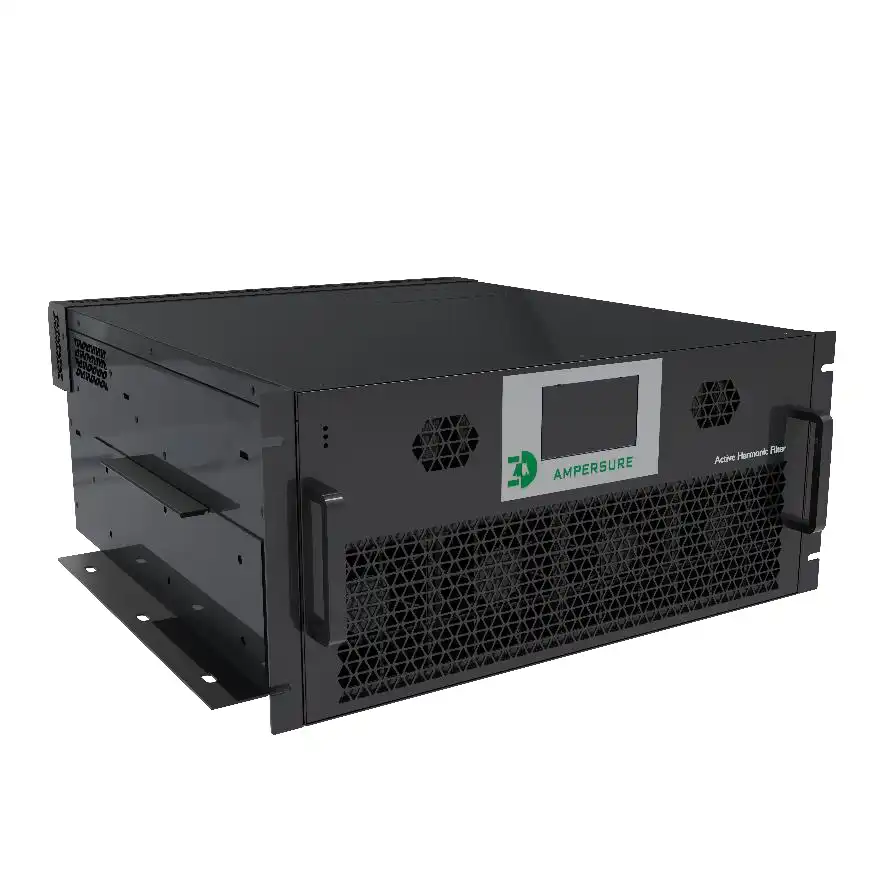
The SVG-Static Var Generator is the newest device for compensating for reactive power. The main part of the gadget is connected to the power source through a coupling reactor or transformer. The system handles injected currents that either take in or give out reactive power instantly by changing the intensity and phase of its output voltage. It's different from older, slower technologies because it can work in both directions.The device can work with a rated input of 400V (±20%) and can handle both 50Hz and 60Hz grid speeds, so it can be used in a wide range of commercial settings. Because it is made up of fully controlled IGBT power units and DC capacitor banks, it can be used in a wide range of settings, from small business ones to multi-megawatt utility substations.
Contrasting SVG Technology with Static Var Compensators
Both SVGs and SVCs meet the need for dynamic power, but they work in very different ways. SVCs depend on separate correction steps that are controlled by thyristors and reactors and capacitors. In turn, this causes reaction delays and switching transients. On the other hand, the SVG-Static Var Generator uses high-frequency pulse-width modulation to create a continuous variable output. This lets it be adjusted without any mechanical switches or sudden changes.The gap can be seen in performance metrics: SVGs provide full compensation reaction in less than 15ms, and dynamic changes happen in less than 50µs. For similar tasks, SVCs usually need 40–80ms. The SVG always keeps the power factor at 0.99, which stops situations where too much or too little compensation waste energy or lead to fines. Its capacity efficiency advantage—needing 20–30% less fixed capacity than SVC systems—means that it takes up less space, costs less to install, and is easier to maintain.
Key Components and Operating Architecture
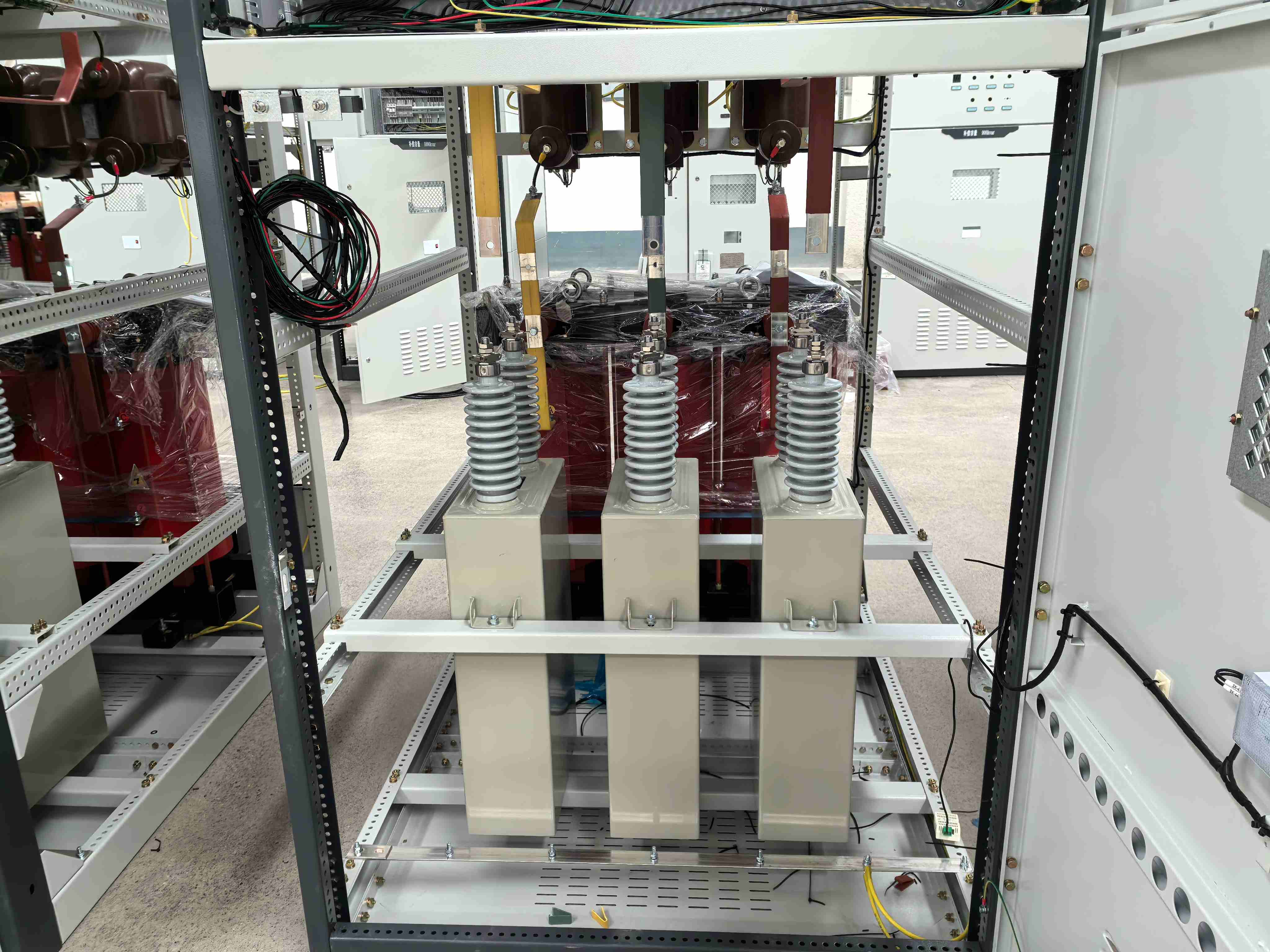
How SVGs are made inside explains why they function better than alternative solutions. A vacuum contactor and isolation switch input section, pre-charge current-limiting resistors and coupling reactors beginning section, and power cabinets with cascaded converter chains make up the main circuit. DC support capacitors and IGBT converter circuits exist in every power unit. Real-time sensors, microprocessor-based computers, and fiber-optic communication connections allow distributed devices to operate together fast in the completely digital control system.To calculate reactive power demand, the control system samples the grid's voltage and current using instantaneous power theory. Changing IGBT gate signals in microseconds creates grid-matched adjusting currents. This closed-loop technique maintains performance even with significantly diverse loads. Despite motor starts and arc furnace operation, voltage purity is maintained.
How Does an SVG Static Var Generator Work: Operational Mechanics Explained
Power quality problems show up in different ways in different businesses, but they all have the same root reasons. Changes in voltage mess up systems that control processes. Harmonics cause transformers to overheat and safety switches to trip. When the power factor is low, the utility company charges extra and the delivery capacity is lowered. In order to solve these problems, we need to know how reactive power adjustment technology works in real life.
Addressing Voltage Fluctuations and Power Factor Deviations
When inductive loads like motors, transformers, or welding tools are used, they draw delayed reactive current. This lowers the power factor and causes voltage drops. The voltage and current monitors in the SVG-Static Var Generator pick up on this state. The control system figures out how much leading reactive current is needed to make up for the lag. The compensation current is then made by IGBT converters and sent to the grid through the coupling reactor.The process keeps going and does it on its own. When the load changes, like when a big motor stops or a welding arc strikes, the system adjusts in 50µs and keeps the power factor at 0.99 no matter what the load changes. This dynamic reaction gets rid of the over-compensation that happens when capacitor banks stay on during times of low load, which keeps dangerous overvoltages and resonance conditions from happening.
Harmonic Suppression and Unbalance Compensation
Modern SVGs deal with harmonic noise caused by variable frequency drives, rectifiers, and switch-mode power sources, in addition to basic reactive power. The device can be set up to add harmonic currents at certain frequencies. This cancels out distortion and keeps overall harmonic distortion within the limits set by IEC 61000 and IEEE 519.Another problem is unbalanced loads, which can happen in places with single-phase tools or processes that aren't symmetrical. The SVG-Static Var Generator can provide separate correction on each phase, keeping currents balanced and stopping negative-sequence parts that make the motor warm and the generator derate. This three-phase separate control feature makes the system more efficient and extends the life of the equipment.
Real-Time Adaptation Through Integrated Control Systems
The control design is made up of several feedback loops that work at different times. When the switching frequency goes above 10kHz, fast inner loops keep the converter currents in check. This makes sure that the reference signals are tracked correctly. In order to keep the desired power factor or voltage setpoints, slower outer loops change reactive power goals based on readings of the grid voltage. Supervisory functions check the health of the system, find problems, and handle the work of multiple parallel units when they are set up in high-capacity setups.Predictive algorithms that look at past trends to guess changes in load can be used in more advanced implementations to set up compensation before disturbances happen. From central control rooms, utility operators and facility managers can use remote tracking to keep an eye on performance data, get alerts when something goes wrong, and make the settings work best.
Tangible Benefits Demonstrated Through Case Studies
After adding reactive power adjustment, factories with CNC machining centers say they no longer have any annoying trips and are 2-3% more productive. Voltage regulation has gotten better in data centers that house sensitive computers, going from ±8% to ±2%. This means that unplanned power blackouts happen less often. Installing SVG in wind farms makes them more compatible with the grid, so they don't have to be shut down when the grid is weak. This also makes the power more stable at the point of common connection.When hospitals replace old capacitor banks with SVGs, the process is quieter than 45dB, which meets strict sound standards for patient care areas. The flame-resistant capacitors and NFPA 70 compliance take care of important fire safety issues in hospital situations. These real-world findings show that the technology can be used in a variety of ways.
Comparing SVG Static Var Generators with Alternative Compensation Solutions
When making choices about what to buy, you have to weigh technical ability, cost, and long-term business needs. There are different reactive power correction methods, and each one is best for a different situation. To make smart decisions, you need to know about these differences.
Operational Principles and Performance Differences
This is usually done using capacitor banks, which employ passive elements to establish reactive power correction. Although inexpensive, they don't react rapidly to frequency or vibration changes, can't manage harmonics, and may generate grid inductance resonance. Switching disrupts operations and makes changes tougher. They operate for stable loads but not for dynamic industrial loads.SVCs are superior than capacitor banks because thyristors govern switching, allowing step-by-step or all-at-once modifications. They can tolerate light motion but generate harmonic currents that must be filtered. Their larger size makes installation harder and response times slower than SVGs. Maintaining mechanical contactors and cooling systems requires frequent checks. SVG-Static Var Generator outperforms all others in every aspect. Constant, stepless correction eliminates switching transients. Response time is 1,000 times quicker than alternatives. The gadget performs effectively with capacitive and magnetic loads across the suggested range. Harmonic correction works well without filters. Low operating losses—1%–2% of capacity—are typical. This conserves energy over time.
Cost Implications and Maintenance Requirements
Reactive power compensation methods differ significantly in upfront cost -- capacitor banks are the lowest, SVCs are moderate, and SVGs are the highest due to advanced functionality. However, lifecycle analysis shows SVGs can reduce required installed capacity by 20–30%, lowering equipment, installation, and space costs, which is beneficial in space-constrained sites. In terms of maintenance, SVGs offer lower long-term costs due to the absence of mechanical wear components and high reliability (>100,000 hours). Predictive diagnostics and capacitor aging analysis enable planned maintenance, reducing unexpected downtime and emergency repairs.
Supplier Landscape and Selection Considerations
Industrial buyers evaluate major suppliers such as ABB, Siemens, and Schneider Electric, each offering integrated reactive power and energy management solutions. ABB provides comprehensive systems with strong global service networks, Siemens focuses on industrial platform integration, and Schneider Electric emphasizes energy management with built-in power quality correction. Selection criteria include matching technical specifications to application needs, compliance with standards like IEEE 1547 and grid codes, warranty and service coverage, and system compatibility. Environmental ratings, performance parameters, and after-sales support significantly influence long-term ownership value.
Procurement and Implementation: Selecting and Maintaining Your Reactive Power Compensation System
Picking the right tool is only one part of a successful adoption. The system's stated benefits will be delivered over its entire operating life if it is properly sized, installed, commissioned, and maintained. Facility managers, engineers, and people who work in buying are all very important to this process.
Capacity Selection and Compatibility Verification
Capacity selection begins with a power quality assessment, analyzing voltage profiles, current harmonics, and power factor trends under different operating conditions. Equipment sizing is based on peak reactive power demand, rate-of-change characteristics, and harmonic spectrum requirements; undersizing fails to correct issues, while oversizing increases cost and reduces efficiency. Grid impedance and fault levels influence protection coordination, requiring compatibility checks with existing transformers, switchgear, and systems. Standard 400V (±20%) and 50/60Hz compatibility ensure global applicability, while harsh environments may require specialized enclosures or cooling solutions.
Warranty Considerations and Trusted Distribution Channels
Different providers offer different warranty periods, but for normal setups, they are usually between 12 and 24 months. For important uses, longer periods are available. Replacement parts, work costs, and performance warranties should all be covered. Understanding the exclusions—which often include damage from outside events, wrong operation, or changes made without permission—avoids arguments.By buying from approved wholesalers, you can be sure that the equipment you're getting is real and that you can get help from the maker. Distributors who are technically savvy can help with application building, which lowers the risk of adoption. Direct connections with manufacturers work best for big projects that need to be customized and need a long-term partnership.
Professional Installation, Calibration, and Documentation
Proper installation is critical to system reliability and performance of SVG-Static Var Generator. Qualified technicians must ensure correct grounding, wiring, and clearances in high-voltage environments, with pre-energization testing confirming insulation integrity and circuit continuity. Commissioning includes sensor calibration, control parameter setup, and performance validation under real load conditions, with tuning of power factor, voltage regulation, and harmonic compensation. Comprehensive documentation supports long-term operation and troubleshooting. Facility staff training enables effective monitoring, diagnostics interpretation, routine maintenance, alarm response, and emergency shutdown procedures.
Maintenance Best Practices for Sustained Reliability
Routine SVG maintenance begins with visual inspections for damage, overheating, or moisture ingress, along with cooling system checks to ensure proper airflow. Electrical testing verifies phase balance and identifies gradual performance degradation. Built-in diagnostics estimate capacitor aging for preventive replacement decisions, while software updates improve performance, fix bugs, and enhance cybersecurity. Thermographic scanning detects emerging hot spots caused by loose connections or stress. Annual professional inspections include safety testing, calibration checks, and documentation updates. Maintaining spare parts inventory helps minimize downtime during unexpected failures.
Maximizing SVG Static Var Generator Efficiency and Embracing Future Innovations
To get the most out of investments in reactive power compensation, you need to know what factors affect efficiency, how to figure out financial gains, and how to predict how changes in technology will affect electricity infrastructure.
Environmental and Operational Parameters Affecting Performance
SVG performance and lifespan are strongly influenced by environmental conditions. High ambient temperatures above 40°C reduce efficiency and accelerate component aging, while high-altitude sites (up to 4,000 m with derating) require reduced capacity due to limited cooling. Humidity and corrosive environments require protective enclosures. Grid conditions such as voltage imbalance, harmonics, and frequency variation can affect compensation accuracy, especially in weak grids. Proper coordination with other reactive power sources and accurate load analysis ensure stable operation and appropriate technology selection for different load profiles.
Return on Investment and Energy Savings Analysis
The ROI of SVG systems comes from multiple benefits. Improved power factor reduces distribution losses and eliminates utility reactive power charges, delivering 5–15% energy cost savings depending on baseline conditions and tariff structures. Lower reactive power also reduces demand charges by decreasing apparent power. Additional value comes from improved production stability, preventing costly downtime caused by voltage sags in critical industrial processes. Equipment lifespan is extended due to reduced thermal and electrical stress, delaying capital replacement, while environmental benefits include lower emissions and improved sustainability performance.
Proactive Troubleshooting and Diagnostic Tools
Modern SVG systems include advanced diagnostic capabilities for proactive maintenance, recording voltage, current, temperature, and operating status in real time at very short intervals. Trend analysis enables early detection of performance degradation before failures occur, while automatic fault recording captures pre-fault conditions to support root-cause analysis. Remote connectivity allows manufacturers to diagnose issues, optimize settings, and support troubleshooting without on-site visits. Cybersecurity measures protect access, and over-the-air firmware updates improve performance, fix bugs, and ensure compliance with evolving grid standards.
Emerging Trends Shaping Reactive Power Compensation
Digitalization is transforming reactive power compensation by enabling better measurement, communication, and system coordination within smart grids. SVG systems are increasingly participating in grid service markets, providing additional value through voltage control and frequency response. Integration with energy storage allows hybrid systems to manage both active and reactive power, with SVGs handling power quality and batteries managing peak shaving and energy shifting. Machine learning–based control systems enable predictive maintenance, optimize compensation strategies, and improve overall grid reliability and efficiency.
Conclusion
The SVG-Static Var Generator is a tried-and-true, fully developed answer to important power quality issues in the utility, business, and industrial sectors. Its better dynamic reaction, wide range of compensation options, and operating freedom provide real benefits such as better protection for equipment, lower energy costs, and higher process reliability. Organizations can get the most out of their investments in reactive power compensation by understanding operating principles, comparing options, and following best practices for buying and maintenance. This helps them get ready for how the grid will change in the future.
FAQ
1.What advantages do SVGs offer over traditional capacitor banks?
When the load changes, SVG devices continuously and dynamically adjust the reactive power, while capacitor banks offer set correction with stepped switching that causes transients. SVGs stop over-compensation when loads are light, block harmonics, and fix situations where the voltage isn't balanced. Passive capacitors can't do these things. Because they are solid-state, they don't wear out mechanically and don't need as much upkeep.
2.How do I determine the appropriate SVG capacity for my facility?
Take complete readings of the power quality, making sure to record the reactive power demand across all working cycles. Baseline needs are set by the peak reactive load, the rate of change, and the ideal power factor goal. Think about how the process might change and how the load will grow in the future. Talking to experienced application engineers will make sure that the right size is chosen, taking into account the grid conditions and pay goals that are unique to your installation.
3.What maintenance does an SVG-Static Var Generator require?
Visual checks, checking the cooling system, and electrical readings every three months are all part of routine upkeep. Every year, trained experts do full checks to test the safety features and make sure the calibration is correct. Diagnostics for capacitor aging help decide when to replace it. Firmware changes keep things running at their best. Compared to mechanical alternatives, SVG requires very little maintenance and is very reliable for the claimed 100,000+ hour operating life.
Partner with Xi'an Xikai for Superior Reactive Power Solutions
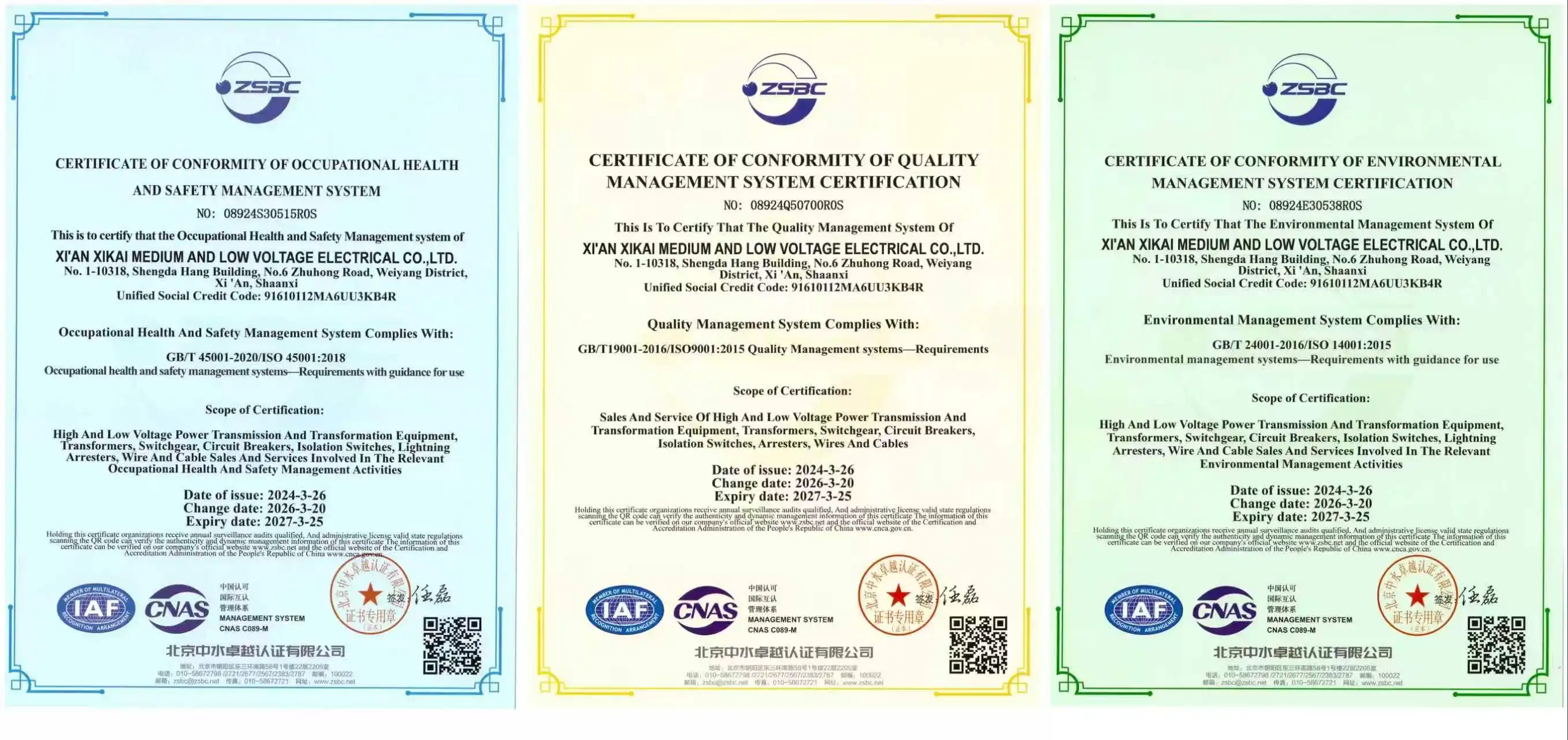
Xi'an Xikai Medium & Low Voltage Electric Co., Ltd. designs reactive power adjustment systems that are perfect for your business's needs. Our experience as an SVG-Static Var Generator maker, which comes from taking part in national research programs and having over 15 patents, guarantees that you will get reliable, high-performance equipment. We are committed to your success and will help with installations from the original grid study through commissioning and expert support for life. Our systems work well with other goods that work with them, like XR-APF active filters and XR-TBB compensation devices, so we can offer full power quality options. Get in touch with our technical team right away at serina@xaxd-electric.com, amber@xaxd-electric.com, or luna@xaxd-electric.com to talk about your needs and get full specs from an experienced SVG source.
References
1. International Commission for Electrotechnical Standards. "Electromagnetic Compatibility (EMC) – Part 3-12: Limits for Harmonic Currents Produced by Equipment Connected to Public Low-Voltage Systems." IEC 61000-3-12 Standard, 2011.
2. Institute of Electrical and Electronics Engineers. "IEEE Standard for Interconnection and Interoperability of Distributed Energy Resources with Associated Electric Power Systems Interfaces." IEEE 1547-2018.
3. Hingorani, Narain G., and Laszlo Gyugyi. "Understanding FACTS: Concepts and Technology of Flexible AC Transmission Systems." Wiley-IEEE Press, 2000.
4. Akagi, Hirofumi, Edson Hirokazu Watanabe, and Mauricio Aredes. "Instantaneous Power Theory and Applications to Power Conditioning." Wiley-IEEE Press, 2007.
5. Dixon, Juan, Luis Moran, Jose Rodriguez, and Ricardo Domke. "Reactive Power Compensation Technologies: State-of-the-Art Review." Proceedings of the IEEE, Volume 93, Issue 12, 2005.
6. Electric Power Research Institute. "Power Quality Application Guide: Voltage Disturbances and Reactive Power Compensation." EPRI Technical Report, 2012.