Why Indoor Disconnect Switch Is Essential for Electrical Isolation Systems
2026-06-29 16:26:36
When worker safety and power stability are important, the Indoor disconnect switch is a must-have. These devices protect both people and important systems by blocking circuits that can be seen during repair, emergency shutdowns, or equipment upgrades. Instead of stopping fault currents like circuit breakers do, disconnect switches create a physical air gap that makes sure no leftover energy gets to equipment that is disconnected. Facility managers count on these switches to keep operations running at all times and meet OSHA and NFPA 70E arc flash safety standards in places like data centers, hospitals, factories, and utility substations.
 |
 |
Understanding Indoor Disconnect Switches
Core Function and Operating Principles
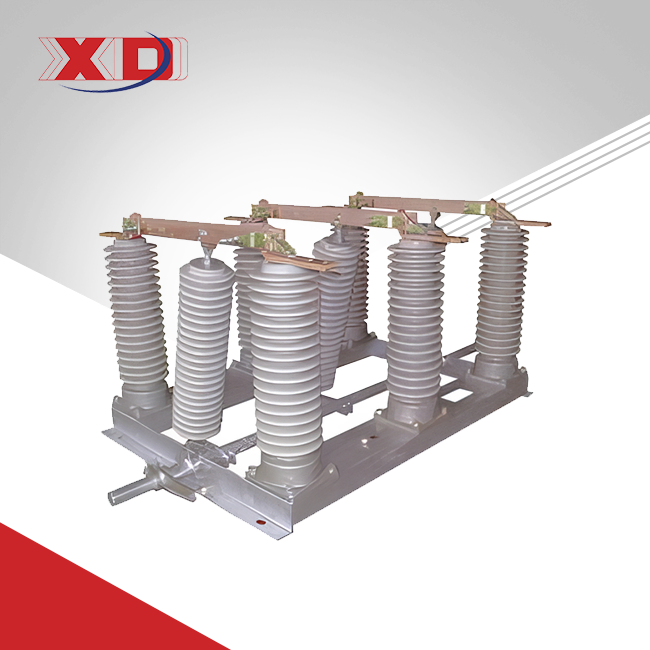
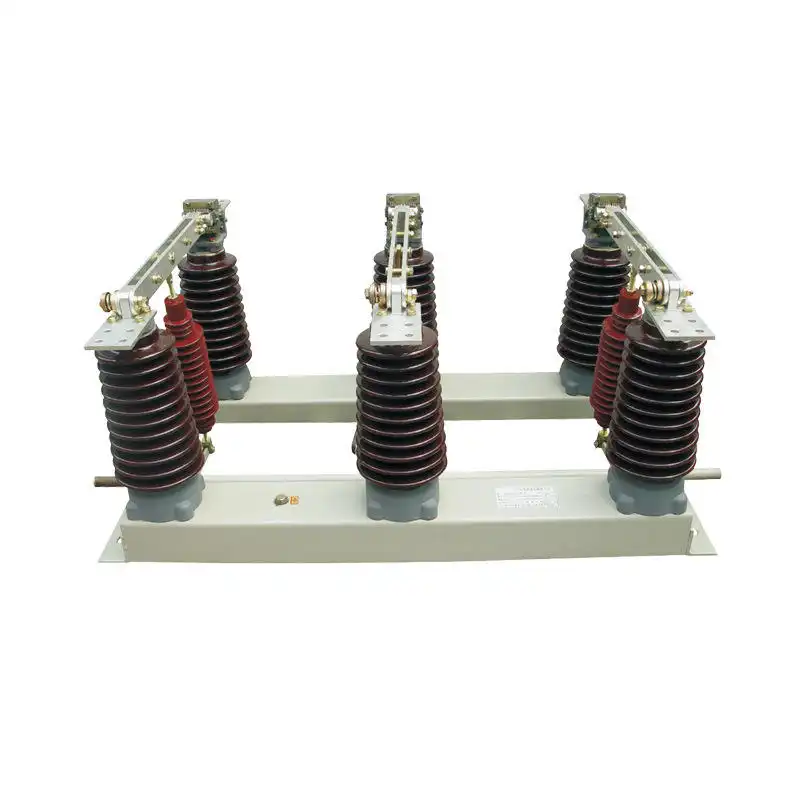
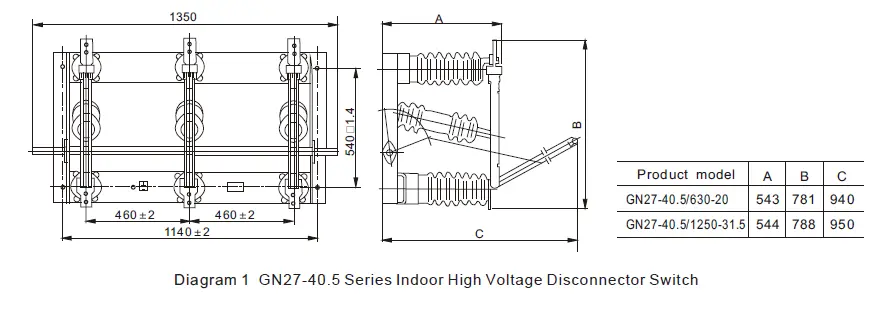
In medium to high-voltage lines, an Indoor disconnect switch acts as a mechanical isolator, literally interrupting the flow of electricity. When people turn the switch handle or move the mechanism, the internal blades move away from the fixed contacts, making an isolation gap that can be seen. This air-insulated space keeps the power from being turned back on by chance while maintenance work is being done. This idea is shown by the GN27 High Voltage Disconnect Switch from Xi'an Xikai, which has a dual-column swing-contact design and can handle up to 1250A of power. Its low working force makes it easier to use by hand, and its high-strength insulators keep the dielectric integrity even in harsh industrial settings.
Key Differences from Related Devices
A lot of people who work in buying get Indoor disconnect switches mixed up with circuit breakers and load break switches. Using arc-quenching tanks to put out electrical sparks, circuit breakers automatically trip when there are overloads or short circuits. Indoor disconnect switches can't do this because they need to be turned off before they can work. Load break switches are in the middle because they can handle some load currents but not fault currents. Understanding this difference keeps you from making costly mistakes with specifications. If a data center chose an Indoor disconnect switch for fault protection, the equipment would be severely damaged. On the other hand, a maintenance isolation application needs an obvious break point, which is something that only these switches provide.
Types and Design Variations
Overcurrent protection is built into fusible Indoor disconnect switches through changeable fuse elements. These switches protect against both short-circuits and separation. Upstream protective measures are needed for non-fusible versions. Insulated case designs have plastic housings that keep the inside parts clean and free of external contaminants. They are good for chemical processing plants or clean rooms. Molded case types have small sizes that are good for substations that don't have a lot of room. For normal indoor settings, enclosures are made of powder-coated steel. For harsh seaside settings, they are made of fiberglass-reinforced polyester. The GN27 series meets a range of needs with pollution-resistant and high-altitude versions that keep working at up to 4,000 meters, which is important for mountain hydroelectric sites or mining activities in the western U.S.
Why Indoor Disconnect Switches Are Essential for Electrical Isolation Systems
Safety Enhancement Through Visible Isolation
Lockout/tagout (LOTO) methods depend on turning off the power in a way that can be checked. The open-blade design of an Indoor disconnect switch gives techs the confidence they need before touching possibly live equipment. As required by OSHA 1910.147 for controlling hazardous energy, mechanical interlocks keep doors from closing by mistake during repair. Features that stop arc flashes, like current-limiting fuses and fast blade movement, lower the amount of energy that hits the ground. These safety features keep techs working within the arc flash boundary safe in places like hospitals that are upgrading imaging equipment or data centers that are expanding computer racks.
Compliance with Electrical Codes and Standards
Article 230.70 of the National Electrical Code (NEC) says that service tools must have easy-to-reach stopping means. Many state and local building rules call for rescue workers to be able to see where the isolation points are. IEC 62271-102 and IEEE C37.32 standards are met by the GN27 High Voltage Disconnect Switch. This makes sure that global companies that standardize equipment across sites are in line with international rules. UL 98 approval proves that the building is of high quality and that it will work properly. Companies that make medicines and are inspected by the FDA or that work with utilities and are reviewed by NERC like having proof that their equipment meets safety standards.
Indoor vs. Outdoor Applications
The difference between indoor and outdoor is caused by environmental factors. Indoor disconnect switches work in climate-controlled areas, so they don't need to worry about weathering. However, they do need IP-rated casings for dusty or wet areas. For pollution protection, outdoor types have housings that are resistant to UV light, coatings that don't rust, and longer creepage distances. The differences in maintenance costs are big, and indoor units don't have to deal with contact damage caused by condensation or wildlife getting into outdoor equipment. Protection ratings are important. For example, IP32 ratings are enough for clean electrical rooms, but IP54 ratings are needed for food processing plants. When building design allows it, total cost of ownership research often favors indoor installations, which lower long-term maintenance costs by 30–40% compared to outdoor versions.
Maintenance and Longevity Considerations
Routine checks keep things running longer and stop unexpected outages. Contact resistance testing with micro-ohmmeters finds damage before it gets too hot—readings above 50 micro-ohms mean failure is about to happen. Thermographic scans done during load operation find hot spots that can't be seen with the naked eye. The GN27's self-cleaning swing contacts keep carbon from building up, which means that upkeep needs to be done less often. Facilities that use run-to-failure methods report 50% more emergency repairs than those that use checks every three months. The length of downtime is affected by the availability of replacement parts. Manufacturers that offer 48-hour shipping for key components like blade assemblies or operating mechanisms cut down on production costs during unplanned repair events.
How to Choose the Best Indoor Disconnect Switch for Your Procurement Needs
Technical Specifications and Performance Criteria
To choose the ampacity, you have to figure out the constant load current and then use a 125% safety factor, as required by NEC 110.14(C). A 750A-rated Indoor disconnect switch is needed for a 600A constant load. To account for short-term overvoltages, voltage ratings must be at least 20% higher than system voltage. Short-circuit withstand ratings (SCCR) protect against fault situations. For most commercial uses, a 65kA SCCR is enough, but 100kA ratings may be needed in utility substations. Specifications for temperature rise are important in small areas; silver-plated contacts that limit temperature rise to 65°C above ambient keep shielding from failing too soon. Thermal management is important for continual 1250A operation without forced air, and the GN27's improved heat dissipation design takes that into account.Before deciding on final specs, buying teams should look at how flexible the mounting is. The GN27 can be installed horizontally, vertically, or inclined, so it can be used in a variety of substation plans without having to make expensive structure changes. Accessories for voltage indicators make it easier to check that the power is turned off, and pollution-resistant insulators make repair times longer in coal-fired power plants or cement plants.
Brand Evaluation and Comparative Analysis
Leading producers have their own skills.
1. Square D has large shipping networks across North America and can get new parts to you quickly.
2. Siemens offers smart grid applications combined technology that works with them.
3. Eaton focuses on NFPA 70E-compliant solutions that reduce arc flash.
4. ABB works on small designs for projects that need to be fixed up.
5. Schneider Electric delivers lifecycle management software tracking maintenance schedules.
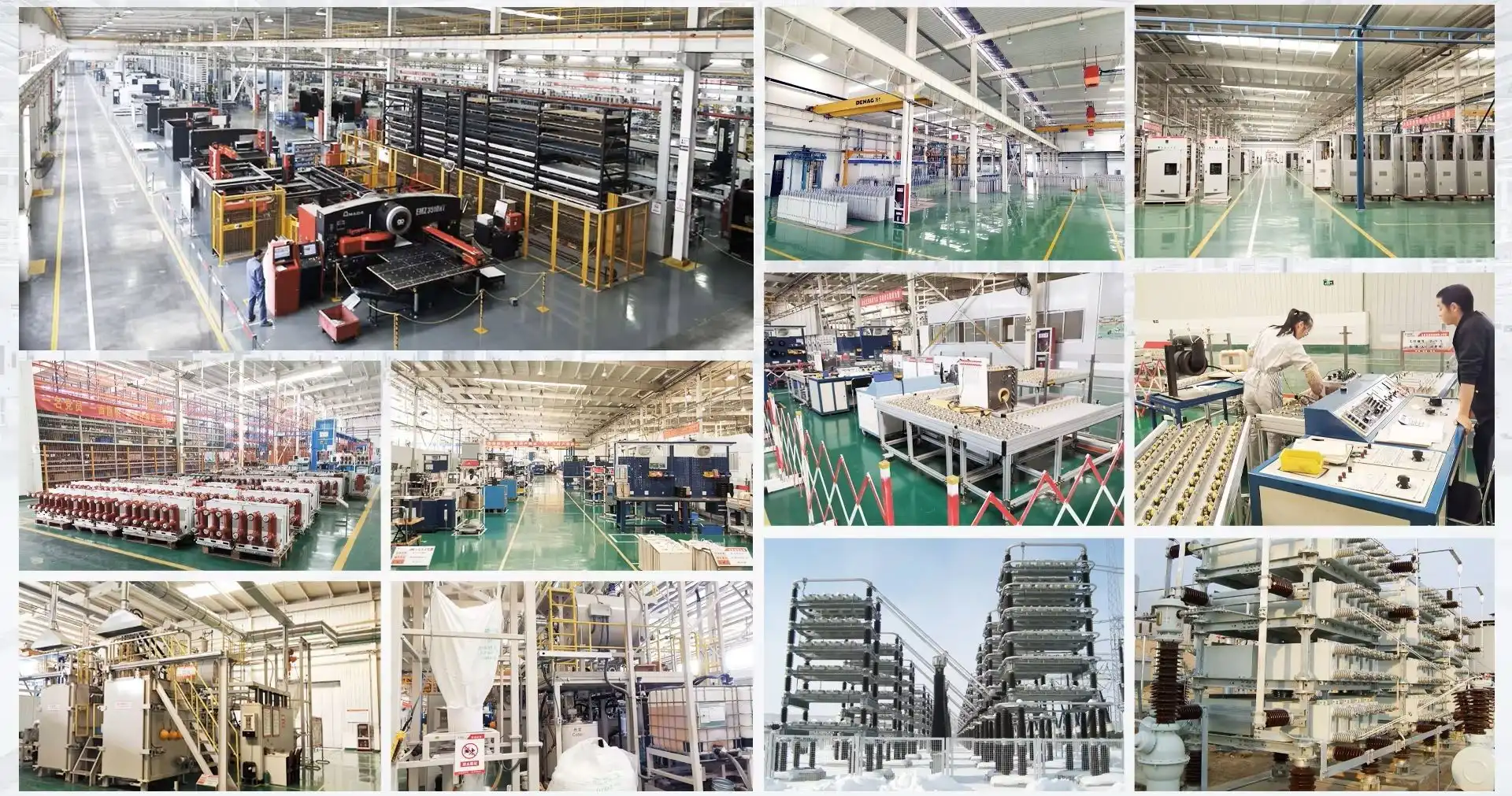
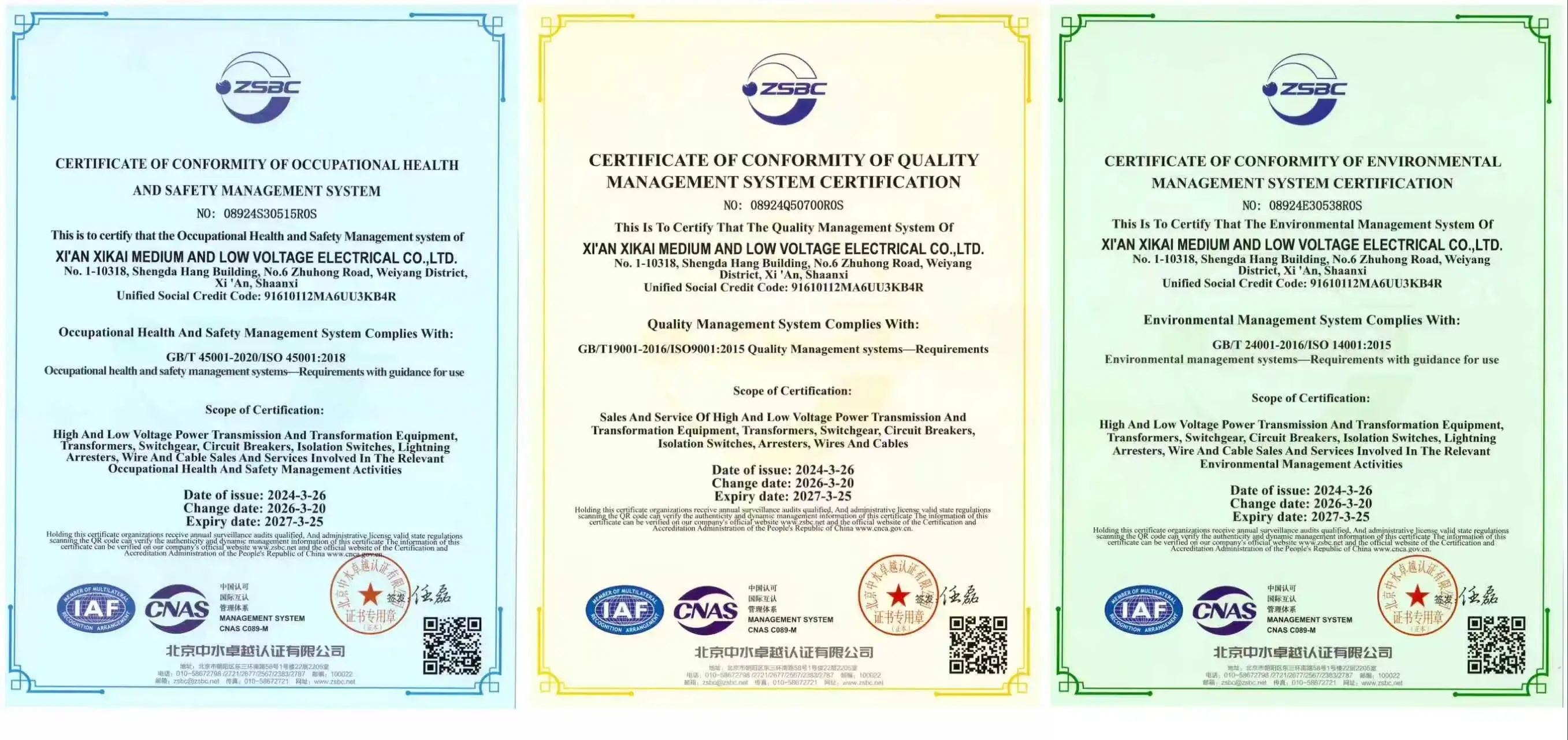
5. Xi'an Xikai has these strengths: production sites that are ISO 9001 approved, 50 years of experience making products for utilities in 30 countries, and the ability to create custom solutions that meet the needs of high altitudes, polluted areas, or seismic zones.
Bulk buyers like clear pricing systems that keep secret surcharge fees to a minimum, which can happen with some international sellers.
Procurement Strategy and Supply Chain Optimization
When you buy in bulk, you should talk about more than just unit prices. Lead time promises keep projects on schedule, and penalties for late deliveries are written into contracts to protect building schedules. The standard of after-sales support varies a lot. Manufacturers that give technical hotlines 24 hours a day, 7 days a week, on-site commissioning help, and training programs are the best value. When it comes to warranties, the terms should be carefully read. For example, three years of full coverage that includes service costs works better than one year of parts-only coverage. Logistics issues include making sure the packaging is strong enough for long-distance shipping so that the porcelain insulators or working parts don't get damaged during travel. EPC companies that are in charge of many projects can benefit from having relationships with suppliers that offer technical help during the planning stages. This helps avoid specification mistakes that cause delays in procurement.
Best Practices for Installation, Operation, and Maintenance
Professional Installation vs. In-House Teams
Professional builders are needed for installs that are too complicated, like ones with high-voltage switchgear, complicated interlock schemes, or earthquake bracing needs. Licensed electricians who know the local rules can avoid having to do expensive repairs. However, simple retrofits that replace current Indoor disconnect switches with ones that have the same ratings work well for experienced in-house repair teams and cut labor costs by 60%. A hybrid method, in which a contractor does the initial testing of the electricity while internal staff handles the mechanical work, strikes a balance between safety and cost-effectiveness. Following the manufacturer's torque recommendations when connecting terminals keeps connections from coming loose, which can cause arcing and fires. The GN27 works with CS6-2 working mechanisms, which makes motorized remote operation installs easier. This is helpful for substations that are setting up centralized control systems.
Operational Procedures and Safety Protocols
Voltage checks should be required before and after switch operation as part of standard working practices. Phasing sticks make sure that the power is turned off, which keeps people from getting hurt by generated voltages or backfeeds. Before action, mechanical state checks find problems like binding or misalignment. IEC standards say that insulators must be tested every year for dielectric stability and 42kV power-frequency withstand voltage for one minute to make sure they can continue to be used. Testing for lightning impulses at 75kV peak confirms the ability to defend against brief surges. When you test for temperature rise under full load, you can see that the contacts are wearing down and need to be fixed.
Preventive Maintenance Programs
Comprehensive maintenance checklists should cover:
1. Contact condition inspection identifies pitting or discolorations that could mean they are getting too hot.
2. Operating mechanism lubrication using manufacturer-specified chemicals stops it from sticking.
3. Tightness verification of all mechanical bolts addresses vibration-induced tightening.
4. Arc chute inspection finds carbon layers that need to be cleaned.
Predictive analytics can figure out what needs to be replaced before they break down by keeping track of repair events through documentation practices. Facilities using condition-based maintenance, which is based on contact resistance trends and thermographic data, have 99.7% uptime compared to 97.2% for reactive maintenance methods. This means that continuous process businesses can avoid millions of dollars in lost production.
Future Trends and Innovations in Indoor Disconnect Switch Technology
Digital Monitoring and Predictive Maintenance
IoT-enabled Indoor disconnect switches send operational data to cloud-based analytics tools in real time. This data includes contact temperature, blade position confirmation, and working cycle counts. A computer program called machine learning can find strange trends that mean something is about to break. This sets off maintenance alerts weeks before something really bad happens. Utility companies that are testing these devices say that unexpected outages have dropped by 40%. Integration with current SCADA technology allows tracking of substations that are spread out geographically. Cybersecurity is important. OT network separation and encrypted communication protocols stop people who aren't supposed to be there from trying to get in and directly controlling important isolation devices.
Sustainability and Energy Efficiency
Manufacturers are using more and more recovered materials to make enclosures, which lowers their carbon footprints without affecting performance. SF6-free insulation systems get rid of harmful greenhouse gases, which is in line with companies' environmental obligations. When added up over hundreds of switches, energy-efficient working methods use 80% less power than older motor operators. Lifecycle assessment tools help buying teams figure out how a product affects the environment from the time it is made until it is recycled at the end of its useful life. This helps reach science-based goals for reducing emissions.
Enhanced Safety Features
Active detection is used in next-generation arc flash avoidance to find the start of an arc and open the blades quickly within milliseconds. Augmented reality repair guides use tablet cameras to add digital directions to real equipment. This cuts down on the time technicians need to spend learning how to use the equipment. With remote racking systems, workers can safely install or remove switchgear parts from far away, outside the arc flash limits. These new ideas solve problems that have been around for a long time. For example, arc flashes still hurt dozens of people every year, even though there are safety measures in place.
Conclusion
Indoor disconnect switches are still an important part of electrical separation systems because they keep operations safe and flexible. Their clear separation points, code compliance, and easy upkeep support uptime goals in business, utility, and industrial settings. As digital tracking and better materials make technology better, these devices change from being inactive parts to smart infrastructure assets that can think for themselves. To be good at procurement, you need to know how to read technical specs, judge the skills of manufacturers, and follow strict upkeep rules. Companies that choose high-quality gear from seasoned sellers set themselves up for reliable and effective power transfer that meets today's strict operating needs.
FAQ
1.What distinguishes disconnect switches from circuit breakers?
Indoor disconnect switches can mechanically separate systems for repair, but they can't stop fault currents. Circuit breakers use arc-quenching technology to protect themselves automatically against overloads and short circuits. Circuit breakers are safety devices, and Indoor disconnect switches are places where work can be done safely without disturbing the circuit.
2.Can indoor disconnect switches operate in harsh environments?
Standard types are good for electricity rooms that are clean and have temperature control. When there is a lot of dust, high humidity, or an atmosphere that is toxic, you need special shelters with the right IP ratings. The GN27 line has versions that are immune to pollution for harsh industrial settings. They keep their performance by using strong insulator designs and protected coatings.
3.How frequently should disconnect switches undergo inspection?
Visual checks every three months show clear damage. Unexpected breakdowns can be avoided by doing full testing once a year, which includes measuring touch resistance and checking how the system works. Applications that run a lot of times or important equipment may need monthly thermographic scans to find thermal anomalies before they cause major damage.
Partner with Xi'an Xikai for Reliable Electrical Isolation Solutions
With tried-and-true Indoor disconnect switch options, Xi'an Xikai Medium & Low Voltage Electric Co., Ltd. is ready to help you with your electrical infrastructure needs. Our GN27 High Voltage Disconnect Switch has an advanced swing-contact design, can be mounted in a variety of ways, and can work at heights of up to 4,000 meters, so it can be used in a wide range of situations. We provide customizable equipment backed by ISO 9001 certification and extensive technical support as an Indoor disconnect switch maker serving utilities and industrial sites in 30 countries. For full specs, mass prices on Indoor disconnect switch inventory, and application engineering help, please contact our sourcing experts at serina@xaxd-electric.com, amber@xaxd-electric.com, or luna@xaxd-electric.com. Our switches, transformers, and power distribution solutions are designed to be reliable, safe, and valuable over time.
References
1. National Fire Protection Association. NFPA 70: National Electrical Code, 2023 Edition. Quincy, MA: NFPA, 2022.
2. Institute of Electrical and Electronics Engineers. IEEE Standard C37.32: IEEE Standard for High-Voltage Air Switches, Bus Supports, and Accessories, IEEE, 2021.
3. International Electrotechnical Commission. IEC 62271-102: High-voltage switchgear and controlgear – Part 102: Alternating current disconnectors and earthing switches, Geneva: IEC, 2018.
4. Occupational Safety and Health Administration. OSHA 1910.147: The Control of Hazardous Energy (Lockout/Tagout), U.S. Department of Labor, 2021.
5. Das, J.C. Power System Analysis: Short-Circuit Load Flow and Harmonics, 2nd Edition. Boca Raton, FL: CRC Press, 2017.
6. Albrecht, R., and Smith, D. "Arc Flash Hazard Analysis and Mitigation in Industrial Power Systems," IEEE Transactions on Industry Applications, vol. 56, no. 4, pp. 3821-3830, 2020.